Richard the Lionheart, a King of England in France
- Born
- 8 September 1157
- Died
- 6 April 1199
- Reign
- 1189 – 1199
- Family
- Plantagenets
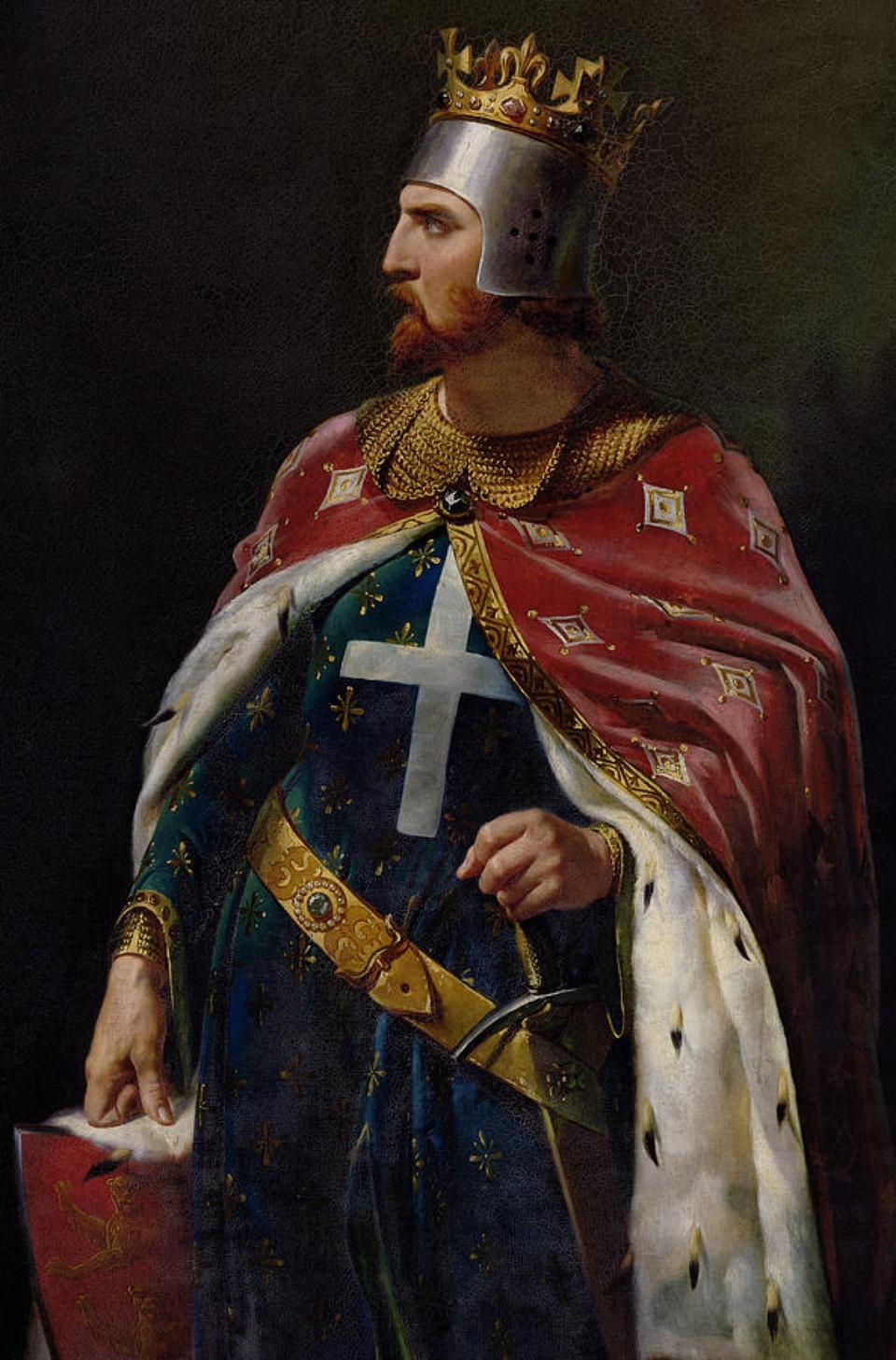
King of England for ten years, he spent only a few months there. Richard the Lionheart spoke French, fought in France and is buried there in three places. From Normandy to Anjou, his fortresses and tombs tell the story of the Plantagenets' struggle against the King of France.
Richard the Lionheart in dates
| Date | Event |
|---|---|
| 8 September 1157 | Born in Oxford, third son of Henry II Plantagenet and Eleanor of Aquitaine |
| 1172 | Invested as Duke of Aquitaine, his mother's domain |
| 1173-1174 | Rebels with his brothers against their father |
| 6 July 1189 | Henry II dies at Chinon; Richard becomes king, crowned at Westminster on 3 September |
| 1190-1192 | Third Crusade: capture of Acre, victory at Arsuf |
| December 1192 | Captured in Austria on the way back from the crusade, handed over to the emperor |
| February 1194 | Freed for a huge ransom, raised across his whole empire |
| 1194 | Retakes Loches from Philip Augustus |
| 1196-1198 | Builds Château Gaillard, above the Seine |
| 6 April 1199 | Dies at Châlus, in the Limousin, from a crossbow bolt received eleven days earlier |
A French prince on the throne of England
Richard was born in England, but he was first of all a prince of the Continent. His mother, Eleanor, entrusted Aquitaine to him. His father, Henry II, ruled an empire stretching from Scotland to the Pyrenees: England, Normandy, Anjou, Touraine, Maine and Poitou. For the King of France, who controlled only a small part of the kingdom, these Plantagenets were far too powerful as vassals.
Richard first fought against his father, with the support of the King of France, Philip Augustus. Henry II died defeated at Chinon in 1189. Richard became king, set off on crusade at once, and spent about six months in all in England during his ten-year reign. His nickname comes from his bravery in battle, already celebrated in his lifetime.
Chinon: the Plantagenet treasury
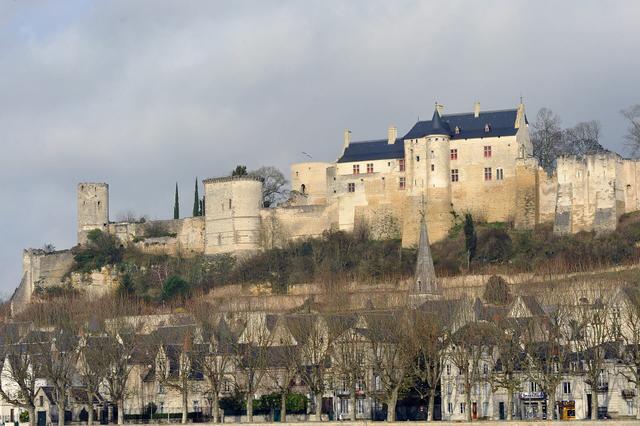
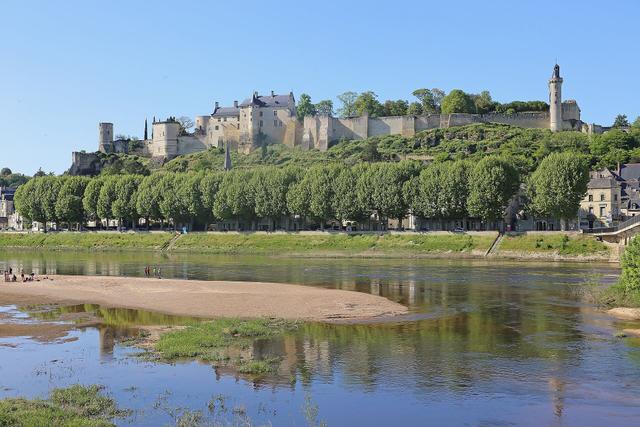
Chinon was his father's favourite fortress, where he kept his treasury and where he died on 6 July 1189. Richard came here to take possession of his inheritance before going to pay a last tribute to Henry II at Fontevraud. The Middle Castle and the ramparts you visit date largely from this period. See also: Royal Fortress of Chinon, Henry II of England
Loches: the fortress retaken in a day
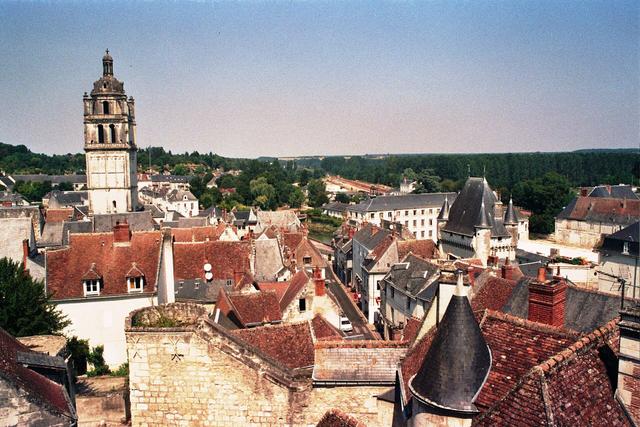
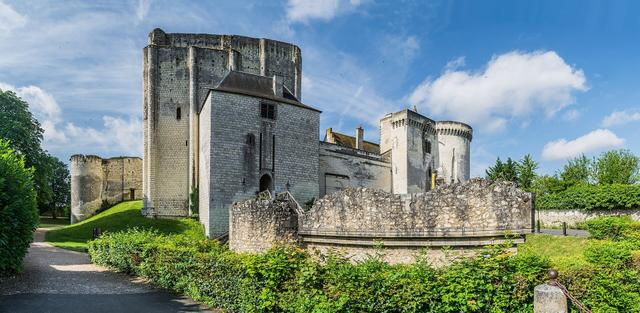
While Richard was in captivity, Philip Augustus seized the chance to take Loches. As soon as he was free, Richard came back in 1194 and took the fortress back in a few hours, according to the chroniclers. The 36-metre keep, built in the 11th century, is one of the best preserved in France. See also: Royal City of Loches
Château Gaillard: the two-year fortress
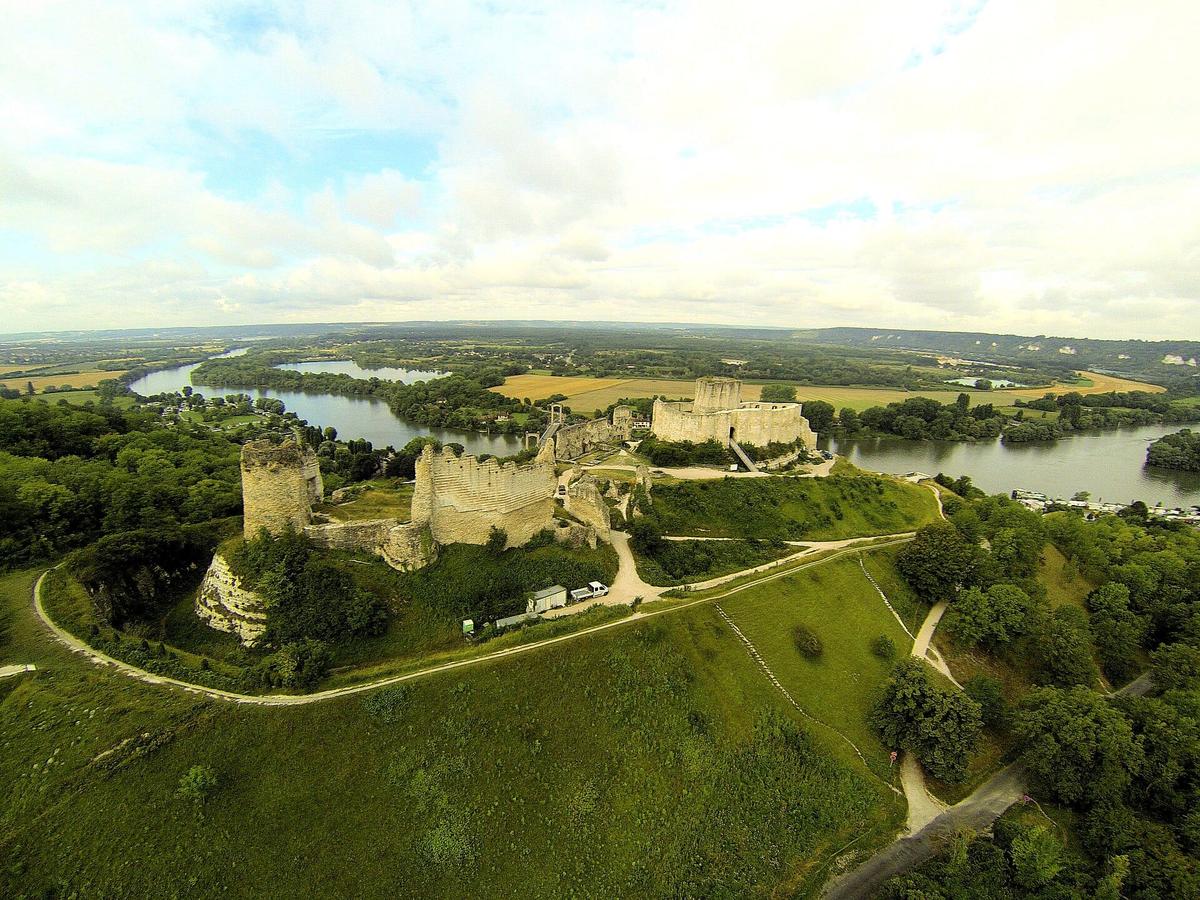
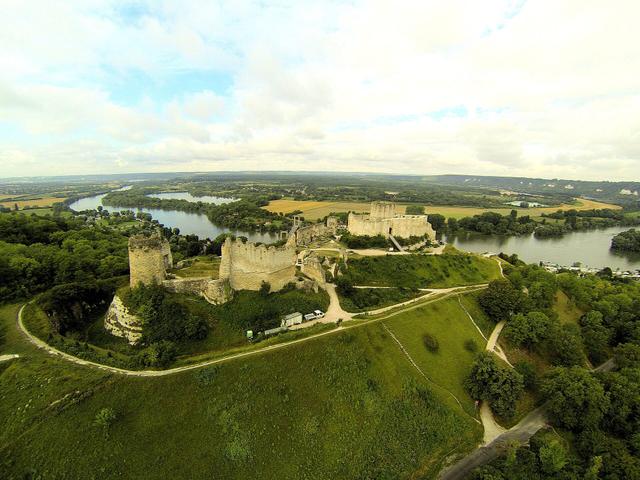
To block the King of France's road to Rouen, Richard had a new kind of fortress built on a chalk spur above the Seine at Les Andelys. Work lasted from 1196 to 1198, a very short time for the period. The king, proud of the result, is said to have called it "my fair one-year-old daughter".
Richard died before seeing it besieged. Philip Augustus took it in 1204, after a siege of several months: his soldiers are said to have got in through a chapel window, or through the latrines. The fall of Château Gaillard opened Normandy to the King of France. See also: Château Gaillard
What to see: the keep, the scalloped inner wall that surrounds it, and the view over the bend of the Seine.
Fontevraud: the effigy
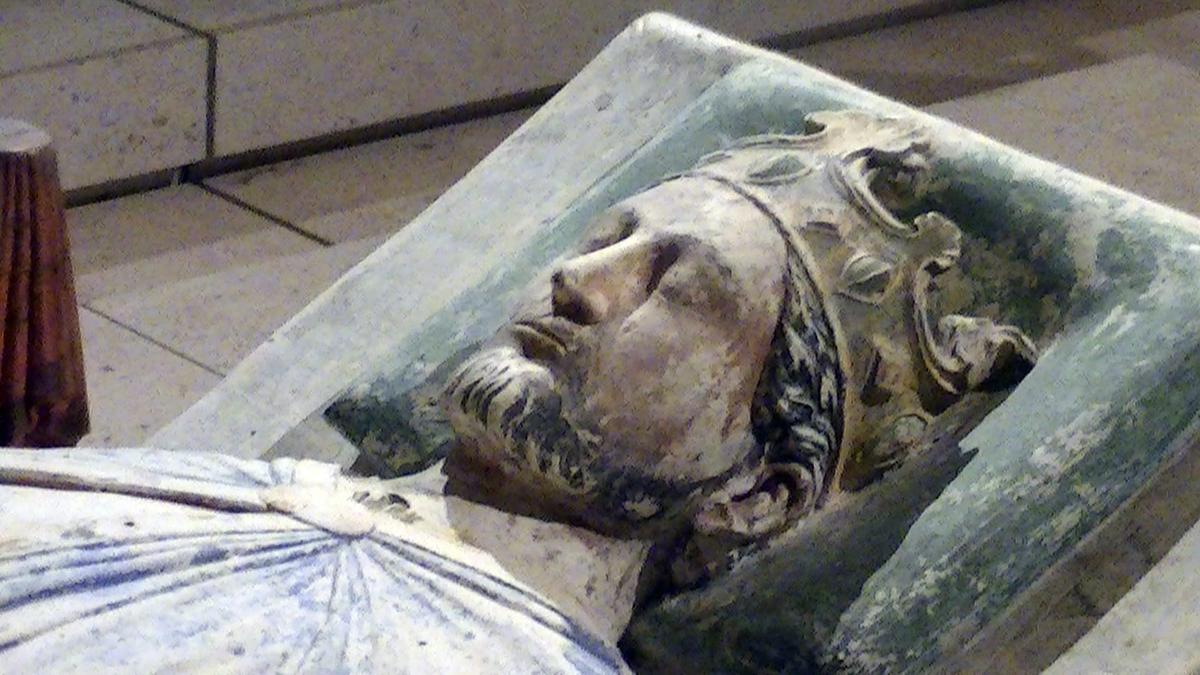
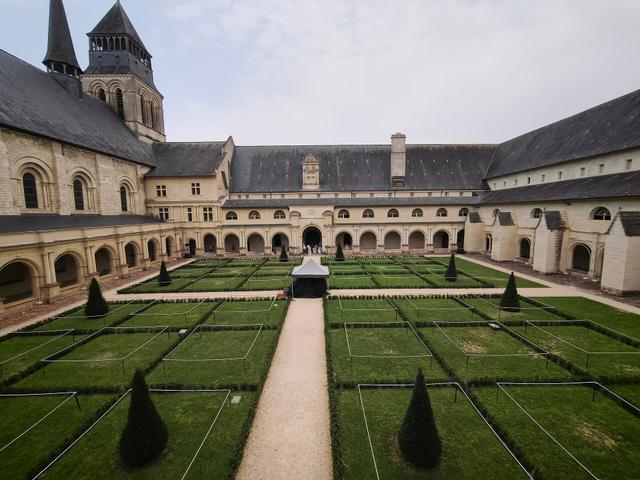
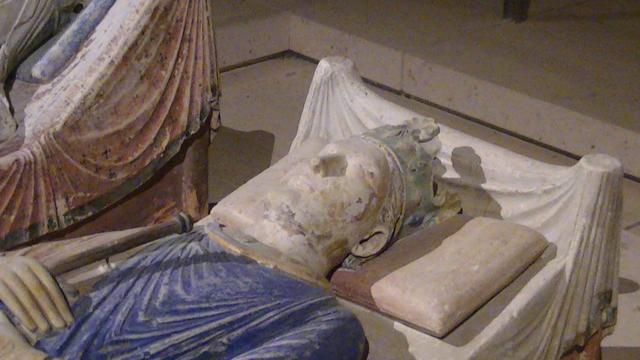
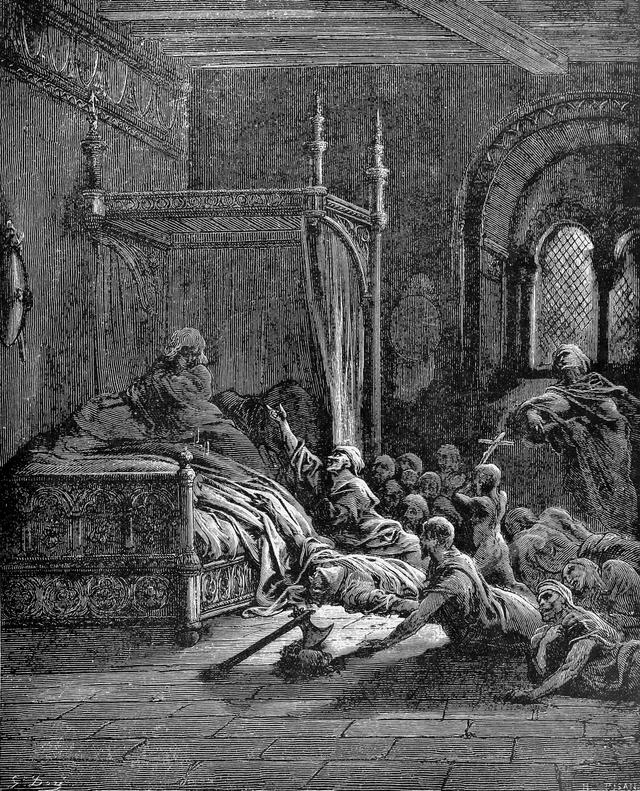
In March 1199, Richard was besieging the small castle of Châlus, in the Limousin. A crossbow bolt struck him in the shoulder; the wound became infected, and he died on 6 April. As he had wished, his body was taken to Fontevraud Abbey, to lie at his father's feet. His mother Eleanor joined them there in 1204.
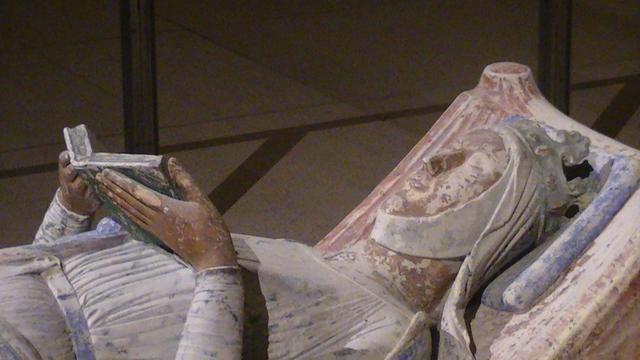
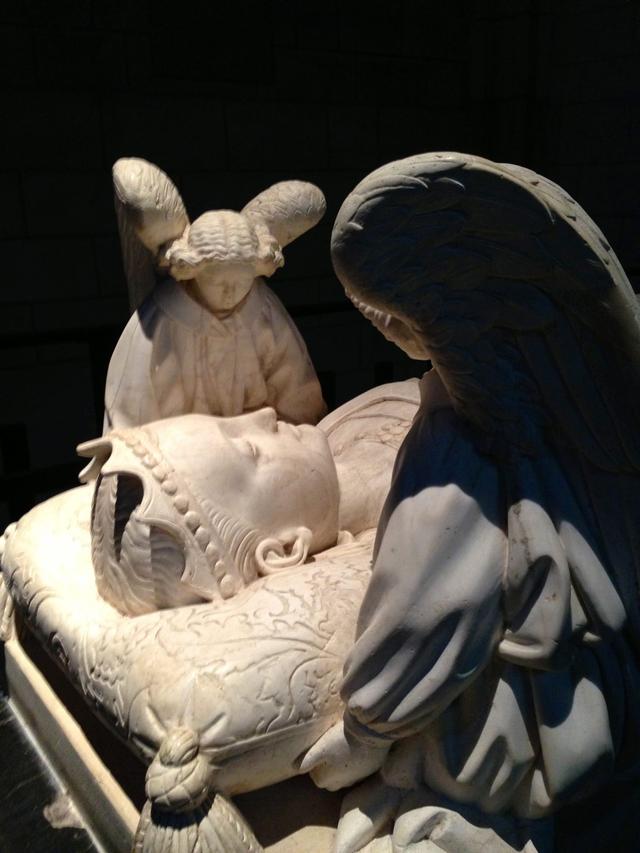
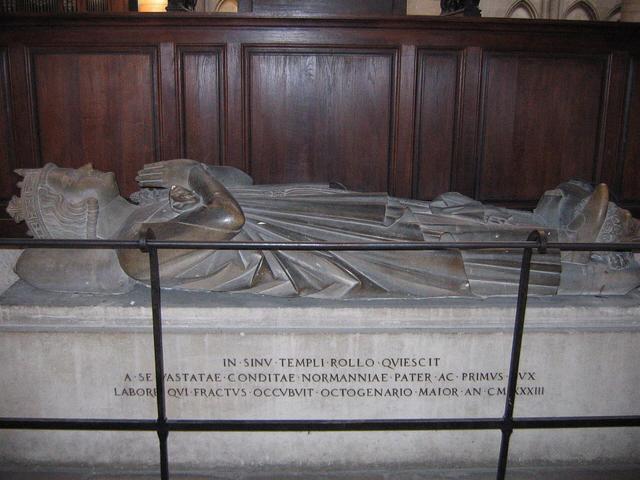
The four painted effigies of the Plantagenets are still in the nave of the abbey church: Henry II, Eleanor, Richard and Isabella of Angoulême, the wife of his brother John. It is the truest image we have of him, since no portrait from his lifetime has survived. See also: Fontevraud Abbey, Eleanor of Aquitaine
What to see: the effigies in the abbey church, then the cloister and the Romanesque kitchens, topped with their fish-scale chimneys.
Rouen: the heart
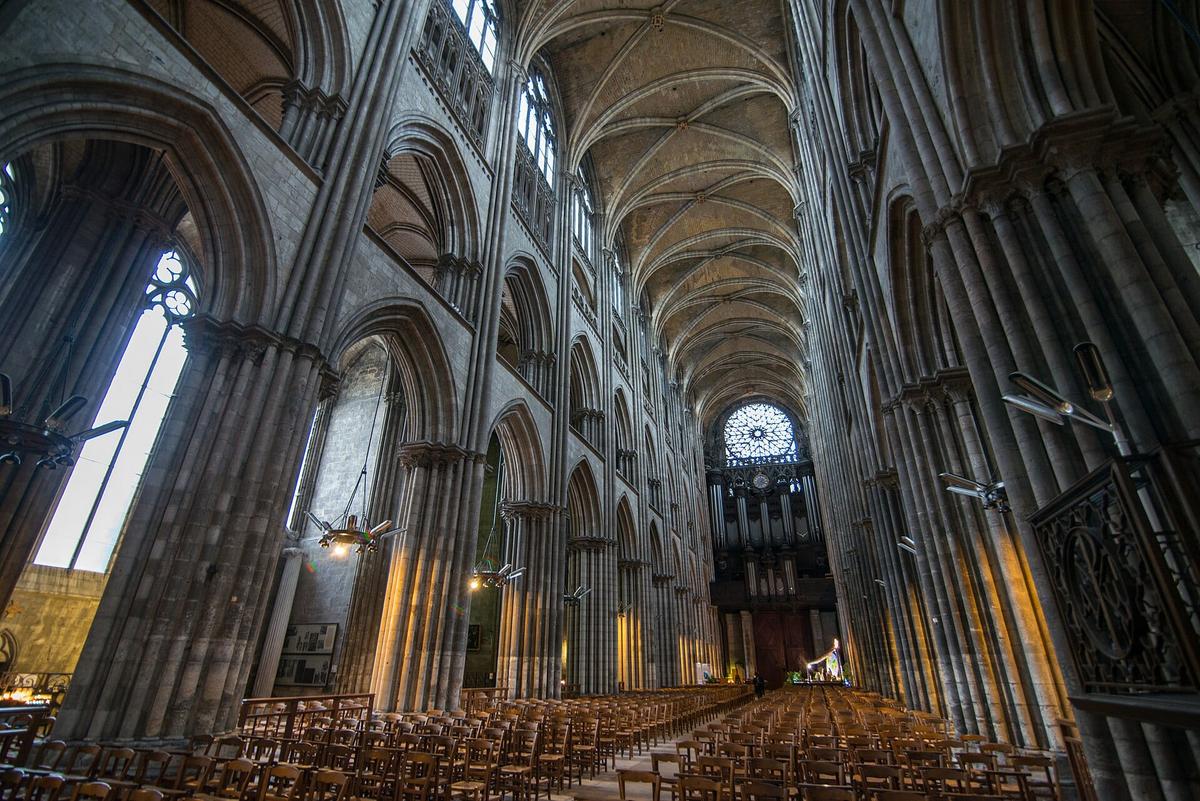
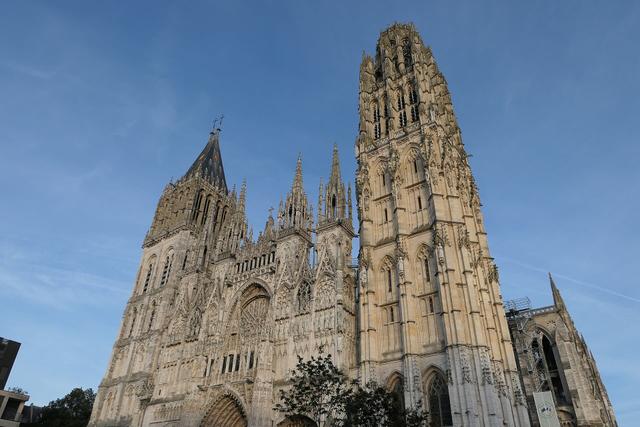
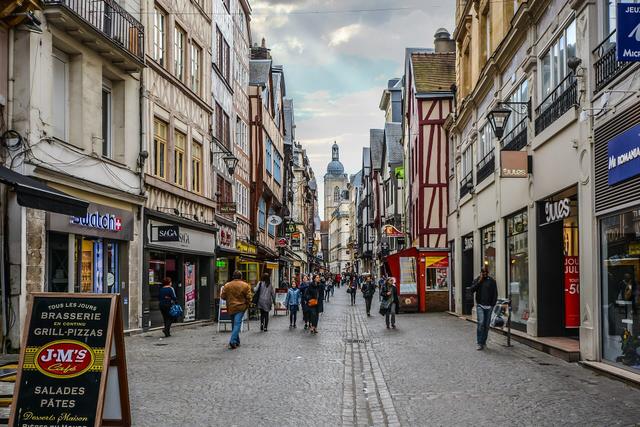
Richard divided his body between his lands. His entrails stayed at Châlus, his body went to Fontevraud, and his heart to Rouen, the capital of his Duchy of Normandy. It lies in the ambulatory of the cathedral, beneath an effigy. In 2012, a team of forensic doctors analysed the remains of the heart, kept in a lead box: it had been embalmed with myrtle, mint and frankincense. See also: Rouen Cathedral
In his footsteps: Normandy and Anjou
Château Gaillard and Rouen are 45 min apart by road and can be visited on the same day, 1 h 30 from Paris. Fontevraud, Chinon and Loches make another loop, in Touraine and Anjou: allow a day for all three. See also: Normandy in 3 days
Partner links: if you book through these links, we earn a commission at no extra cost to you. Partner links · Learn more
Places to stay near Les Andelys
FAQ
Where is Richard the Lionheart buried?
His body lies at Fontevraud Abbey, in Anjou, his heart in Rouen Cathedral, and his entrails at Châlus, in the Limousin.
Who built Château Gaillard?
Richard the Lionheart, between 1196 and 1198, to defend Normandy against Philip Augustus.
Did Richard the Lionheart speak English?
Probably very little. His language was French, and he also wrote poems in Occitan, the language of his mother's Aquitaine.
How did Richard the Lionheart die?
From an infected wound, caused by a crossbow bolt he received at the siege of Châlus on 26 March 1199. He died on 6 April.
Why is he called the Lionheart?
For his courage in battle. The nickname, in Old French, already appears in his lifetime.
Sources: fr.wikipedia.org (Richard Cœur de Lion), fontevraud.fr, culture.gouv.fr
Tickets to book online
Partner links: if you book through these links, we earn a commission at no extra cost to you. Partner links · Learn more
Places to visit
Related guides