Agnès Sorel, the Lady of Beauty
- Born
- c. 1422
- Died
- 9 February 1450
- Active years
- 1444 – 1450
- Family
- Artists, saints and favourites
Before her, kings had mistresses; with her, France discovered the official royal favourite, housed, given titles and present at court. Agnès Sorel spent only six years at Charles VII's side, but she is said to be the face of a Virgin painted by Fouquet, to have set a fashion thought indecent, and to have died in a way that, six centuries later, looks like poisoning.
Agnès Sorel in dates
| Date | Event |
|---|---|
| c. 1422 | Born, in Picardy or in Touraine depending on the historian |
| Before 1444 | Lady-in-waiting to Isabella of Lorraine, wife of René of Anjou |
| 1444 | Charles VII notices her; she appears as his favourite at the festivities in Nancy at the end of the year |
| 1444-1449 | Birth of three daughters, legitimised by the king |
| 1440s | The king gives her the lordship of Beauté, near Paris, then the estate of Loches |
| Winter 1449-1450 | Joins Charles VII, who is reconquering Normandy, at Jumièges |
| 9 February 1450 | Dies at Le Mesnil-sous-Jumièges, shortly after giving birth to a fourth daughter |
From the House of Anjou to the king's bed
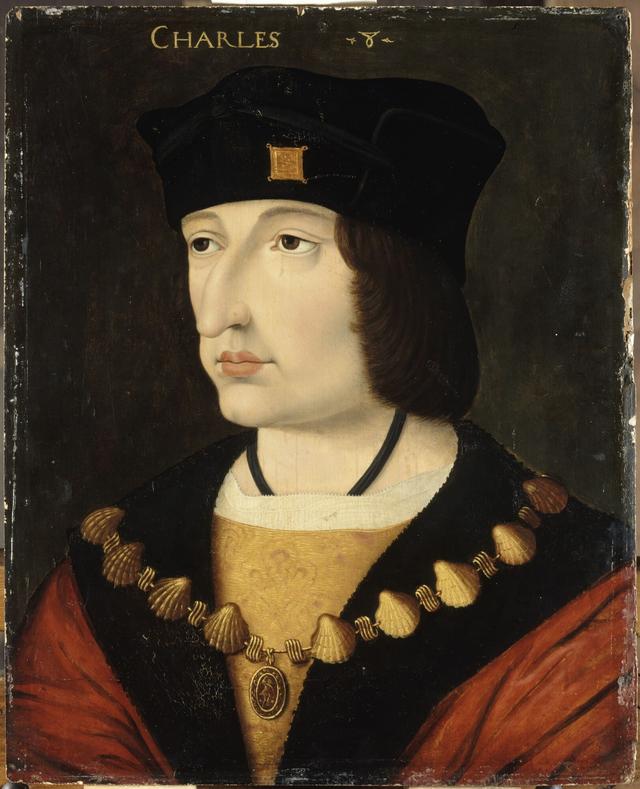
We do not even know where she was born: at Coudun, near Compiègne, or at Fromenteau, in Touraine. Agnès Sorel came from the minor nobility and was placed as a lady-in-waiting to Isabella of Lorraine, the wife of René of Anjou. It was in this Angevin circle, that of Queen Marie of Anjou, that Charles VII met her. In 1444 she was about twenty, he about forty. See also: Charles VII
The king did not hide her. He gave her the lordship of Beauté, hence her nickname “Lady of Beauty”, then Vernon, Issoudun and the estate of Loches. She had her rank at court, her jewels and her gowns, and the favourite was criticised for necklines that showed a shoulder, or even a breast. The chroniclers also say she could push the king to take up the war against the English again.
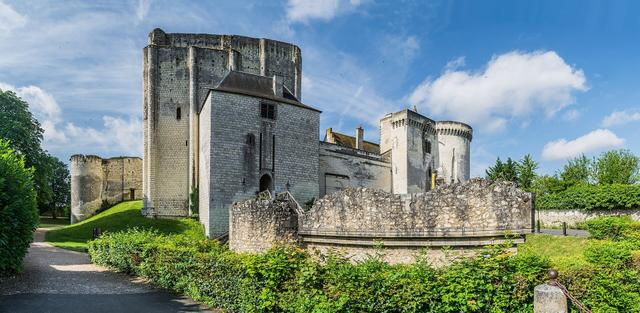
Loches, her home and her tomb
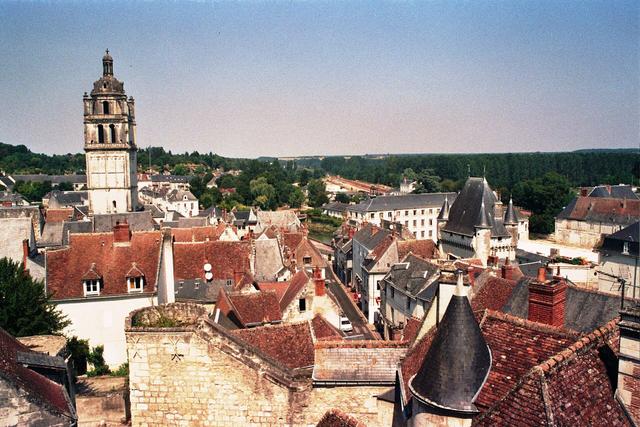
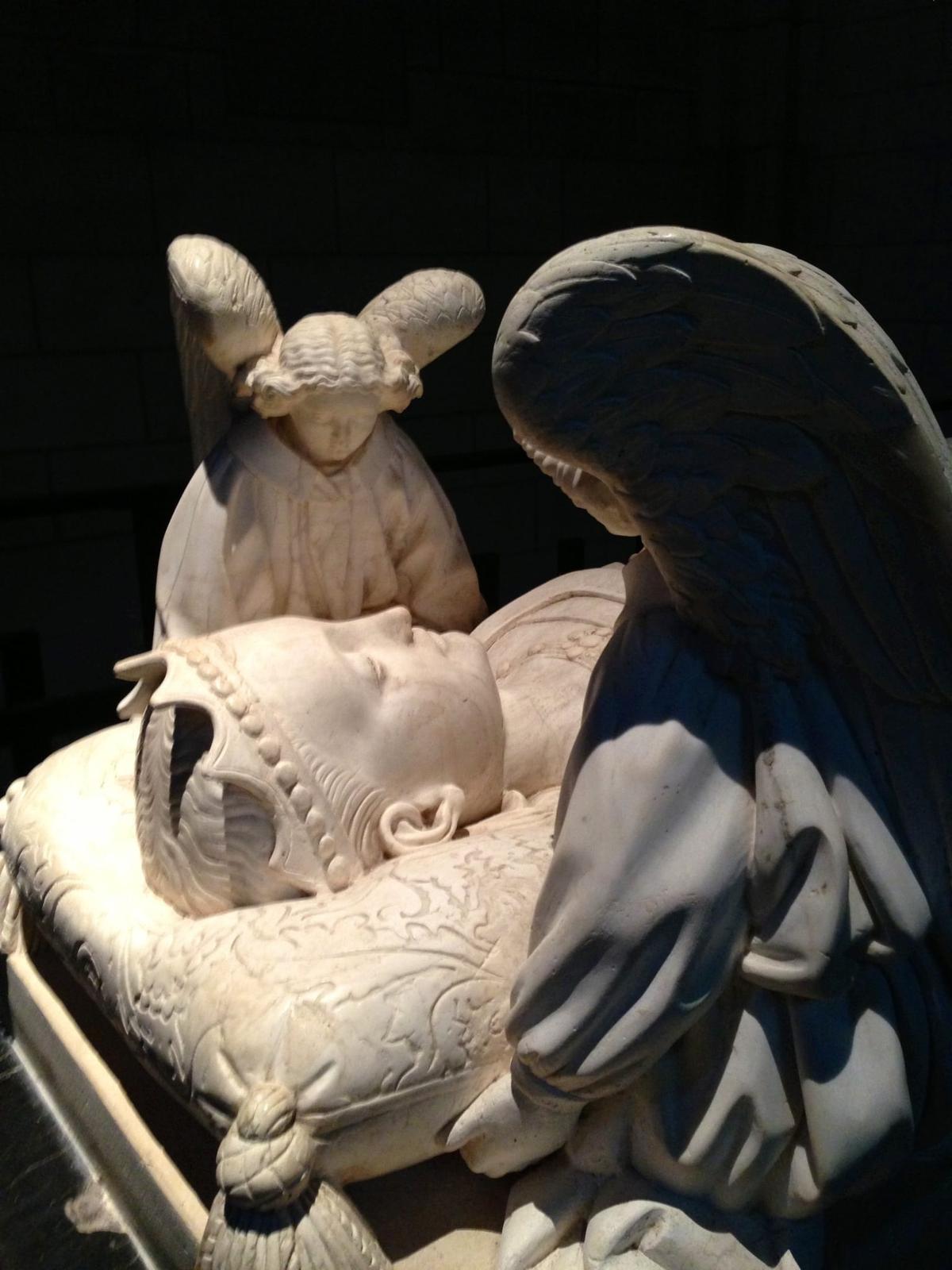
Loches is Agnès Sorel's place. She had the château fitted out and asked to be buried in the nearby collegiate church, now the church of Saint-Ours. Her alabaster effigy, attributed to the sculptor Jacques Morel, shows her with her hands joined, two angels at her head and two lambs at her feet, a pun on her first name (agneau means lamb).
The tomb has moved around a great deal. Moved into the nave under Louis XVI, smashed in 1794, it was restored in the early 19th century (the head and hands were remade) and placed in the royal lodge. It has since returned to the church of Saint-Ours, a short walk from the lodge. See also: Royal City of Loches
What to see: the effigy in the church of Saint-Ours, the royal lodge where it stayed for nearly two centuries, Anne of Brittany's oratory, and the keep.
Jumièges: a death too sudden
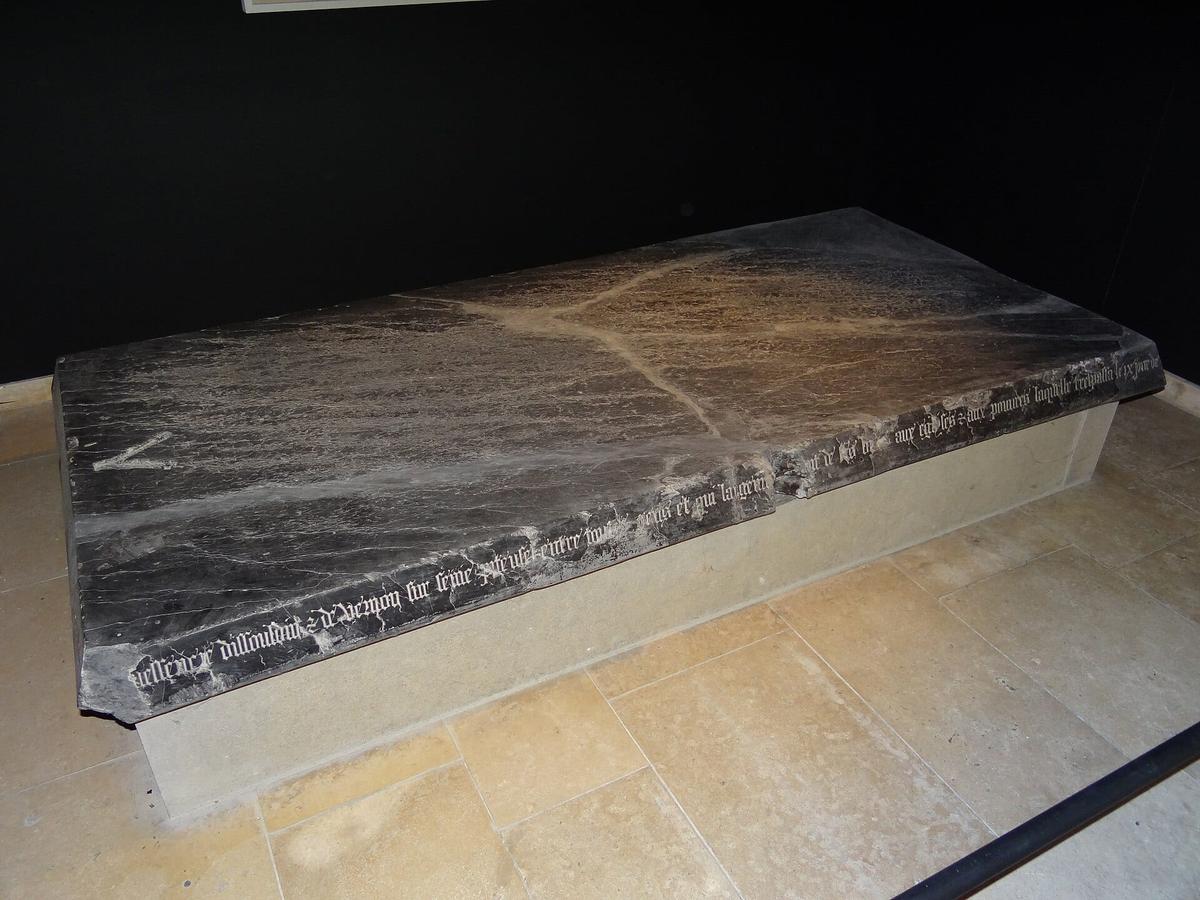
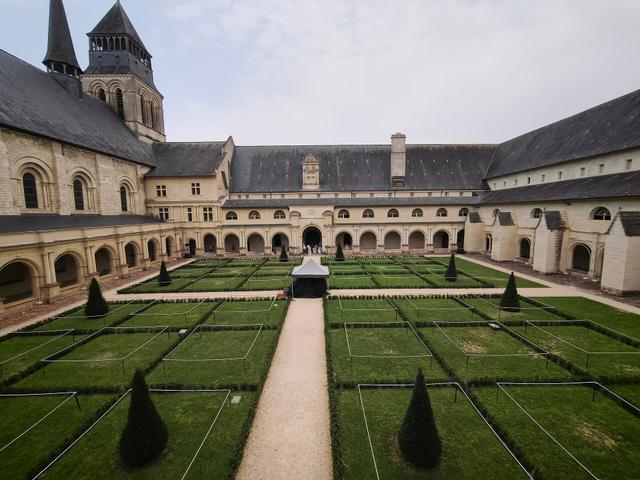
In the winter of 1449, Charles VII was retaking Normandy from the English and stayed at Jumièges Abbey. Agnès, pregnant, joined him. She settled at the Manoir de la Vigne, at Le Mesnil-sous-Jumièges, gave birth to a premature daughter who did not survive, and died within a few hours on 9 February 1450, struck, according to the chronicler Jean Chartier, by a “flux of the belly”.
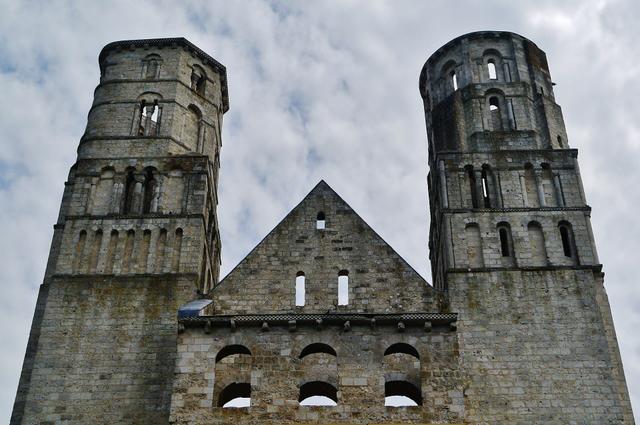
Her heart stayed at Jumièges; a stone slab marks it in the ruins of the abbey. The vaulted passage linking the two churches bears the name of Charles VII, who spent the winter of the reconquest there. See also: Jumièges Abbey
What to see: the slab marking Agnès Sorel's heart, the Charles VII passage, the roofless nave of Notre-Dame and its towers, about 46 metres high.
The mercury of 2005
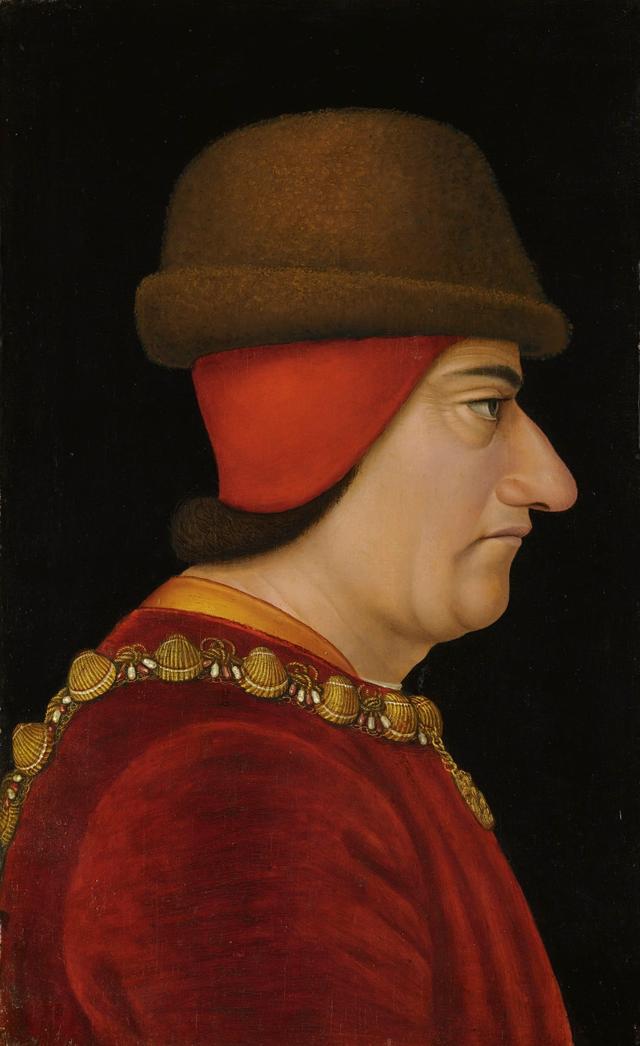
Rumours of poisoning spread as soon as she died, and suspicion fell on the dauphin, the future Louis XI, who disliked her. From 2004, the team of forensic doctor Philippe Charlier analysed the remains kept in her tomb at Loches. They found intestinal worms and, above all, a massive dose of mercury salts, far beyond what a doctor of the time would have prescribed. Poisoning seems more likely than a medical mistake, though no one can say who was behind it.
Fouquet's Virgin
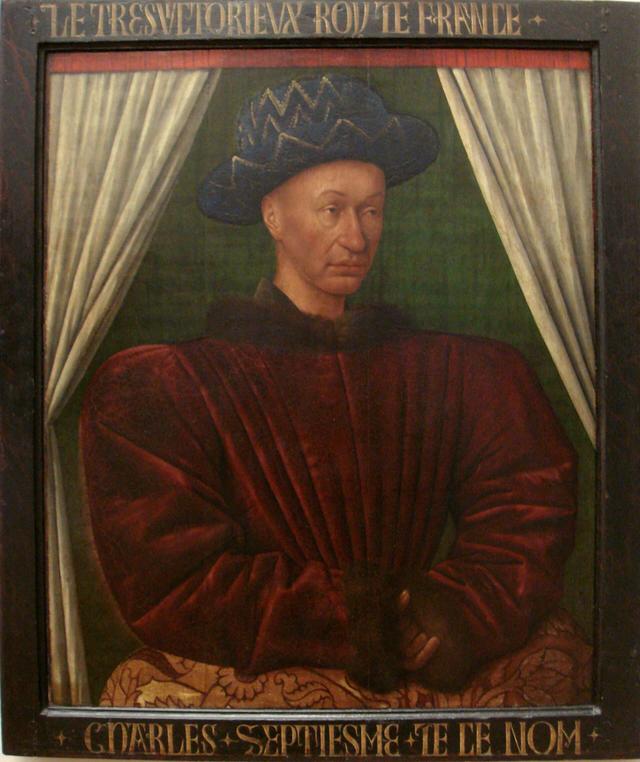
Around 1452-1455, the painter Jean Fouquet painted the Melun Diptych for Étienne Chevalier, the king's treasurer and the executor of Agnès's will. On the right-hand panel, a Virgin with a bared breast, surrounded by red and blue angels, is said to have her features. The painting is now in the Royal Museum of Fine Arts in Antwerp. Fouquet also painted the portrait of Charles VII kept at the Louvre.
In her footsteps: Loches and Jumièges
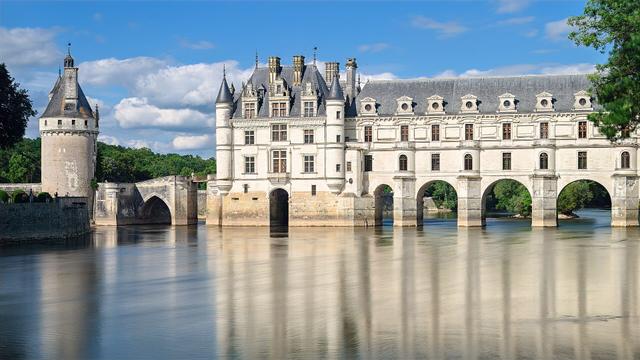
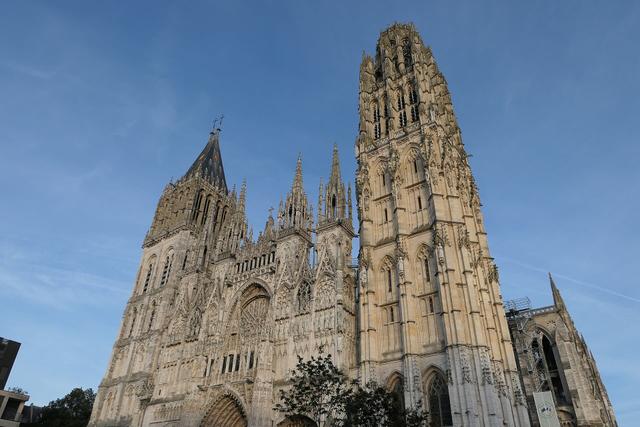
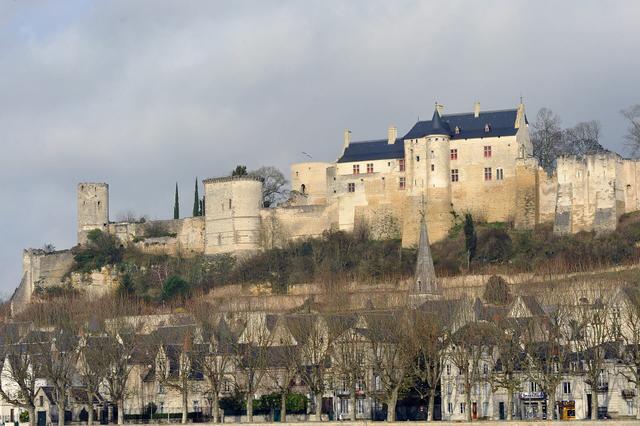
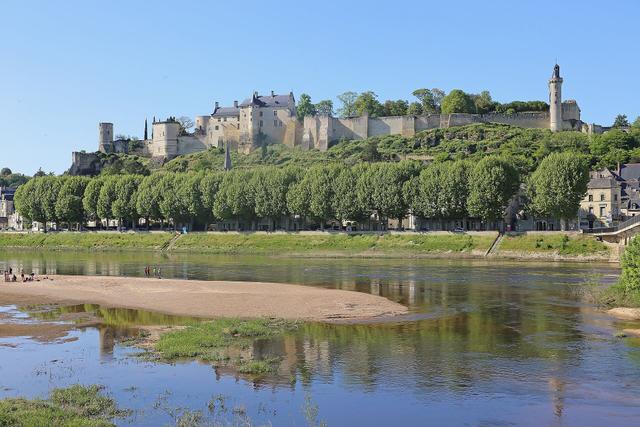
Loches is in Touraine, half an hour from Chenonceau, and can be combined with the fortress of Chinon, where Charles VII's court often stayed. See also: Royal Fortress of Chinon Jumièges is in Normandy, half an hour from Rouen, on the Seine abbeys route.
Partner links: if you book through these links, we earn a commission at no extra cost to you. Partner links · Learn more
Guided tours and day trips on GetYourGuide
FAQ
Who was Agnès Sorel?
The favourite of Charles VII from 1444 until her death in 1450, regarded as the first official mistress of a King of France.
Why is she called the “Lady of Beauty”?
Because the king had given her the lordship of Beauté, near Paris. The nickname also played on her reputation.
What did Agnès Sorel die of?
Officially from complications after childbirth, on 9 February 1450. Analysis of her remains, from 2004 onwards, revealed a massive dose of mercury that points towards poisoning.
Where is Agnès Sorel buried?
Her body lies at Loches, under her effigy in the church of Saint-Ours; her heart was placed at Jumièges Abbey.
Did Agnès Sorel have children?
Four daughters by Charles VII: Marie, Charlotte and Jeanne, legitimised by the king, and a last one who died at birth in 1450.
Sources: fr.wikipedia.org (Agnès Sorel), citeroyaleloches.fr
Tickets to book online
Partner links: if you book through these links, we earn a commission at no extra cost to you. Partner links · Learn more
Places to visit
Related guides