William the Conqueror, from Falaise Castle to the throne of England
- Born
- c. 1027
- Died
- 9 September 1087
- Reign
- 1035 – 1087
- Family
- Dukes of Normandy
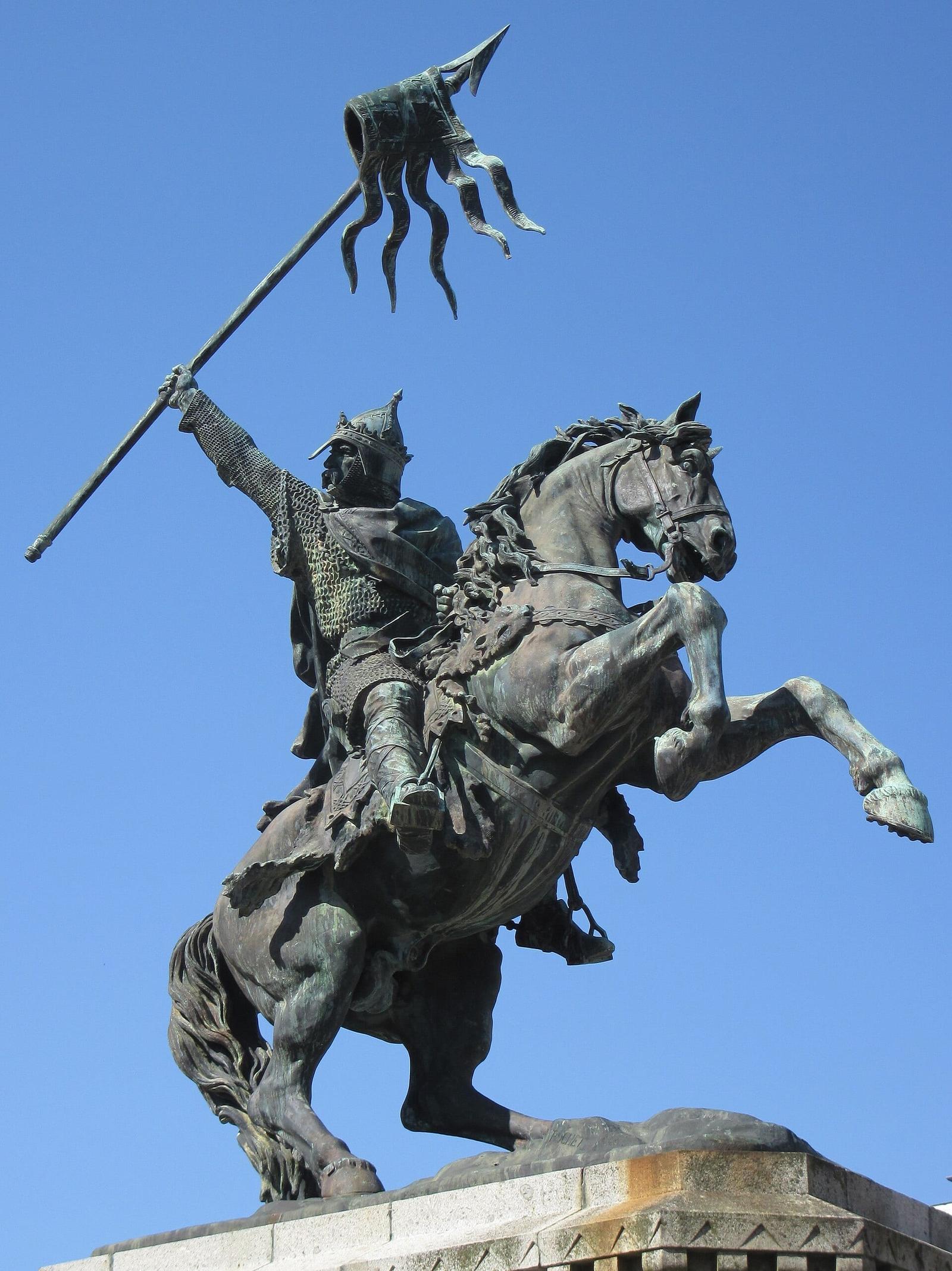
He was called William the Bastard before he was called the Conqueror. Born of an affair between the Duke of Normandy and the daughter of a Falaise craftsman, he became King of England in a single battle, at Hastings, in 1066. In Normandy, his birthplace castle, Bayeux Cathedral and the ruins of Jumièges still bear his mark, a thousand years after his birth.
William the Conqueror in dates
| Date | Event |
|---|---|
| c. 1027 | Born in Falaise, son of Duke Robert the Magnificent and Herleva |
| 1035 | His father dies on the way back from Jerusalem; William becomes duke at about eight |
| 1047 | Victory at Val-ès-Dunes over the rebel barons, with help from the King of France |
| c. 1050 | Marries Matilda of Flanders; later founds the two great abbeys of Caen |
| 1064 | The Saxon Harold, his guest, joins him in Brittany and then swears an oath to him |
| 14 October 1066 | Victory at Hastings; crowned King of England at Westminster on 25 December |
| 1 July 1067 | Attends the consecration of the abbey church at Jumièges |
| 14 July 1077 | Attends the consecration of Bayeux Cathedral |
| 1086 | Orders the Domesday Book, the survey of his English kingdom |
| 9 September 1087 | Dies in Rouen; buried at the Abbaye aux Hommes in Caen |
The Bastard of Falaise
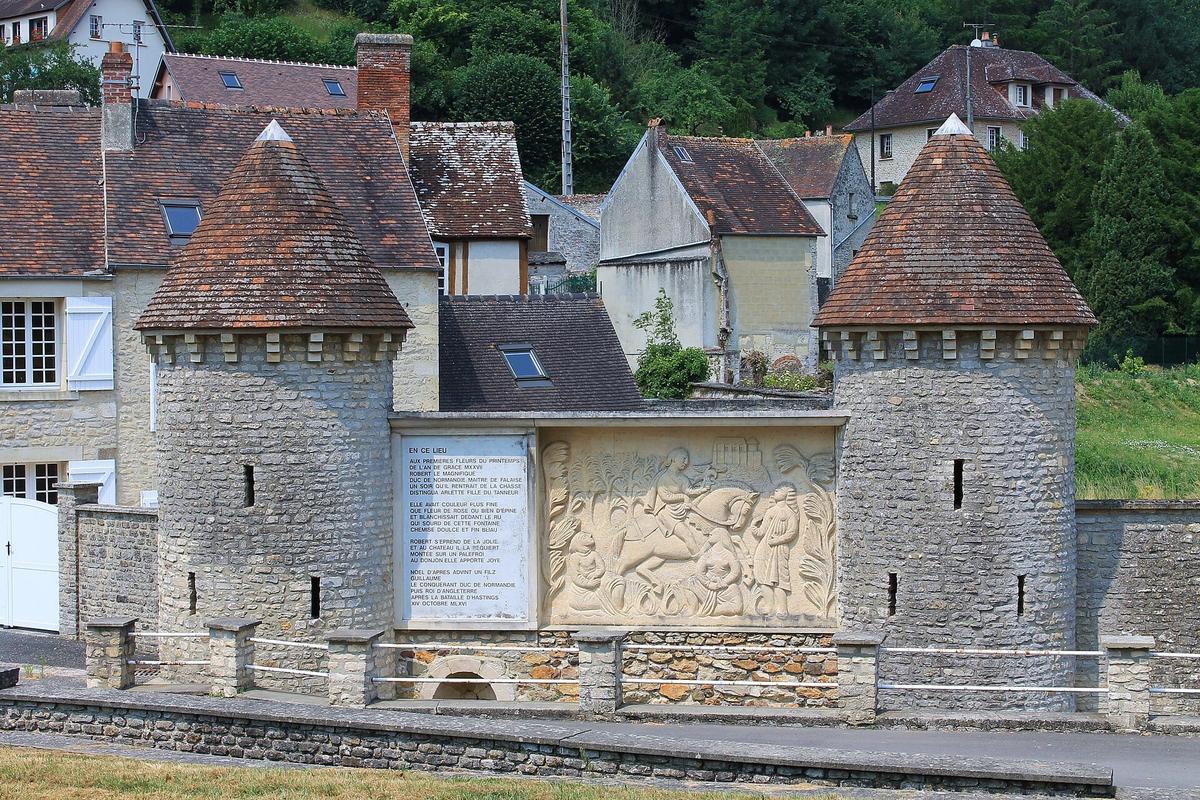
Legend has it that Duke Robert caught sight of Herleva, daughter of a tanner or a burgher of Falaise, washing linen at the fountain below his castle. Their son was born around 1027. He was illegitimate, and for a long time the chroniclers called him William the Bastard.
His father died in 1035, on his way back from a pilgrimage to Jerusalem. William was eight. His childhood was spent among plots; several of his guardians were murdered. In 1047, with help from the King of France, Henry I, he crushed the rebel barons at Val-ès-Dunes, near Caen. He never lost control of Normandy again.
Falaise: his birthplace castle
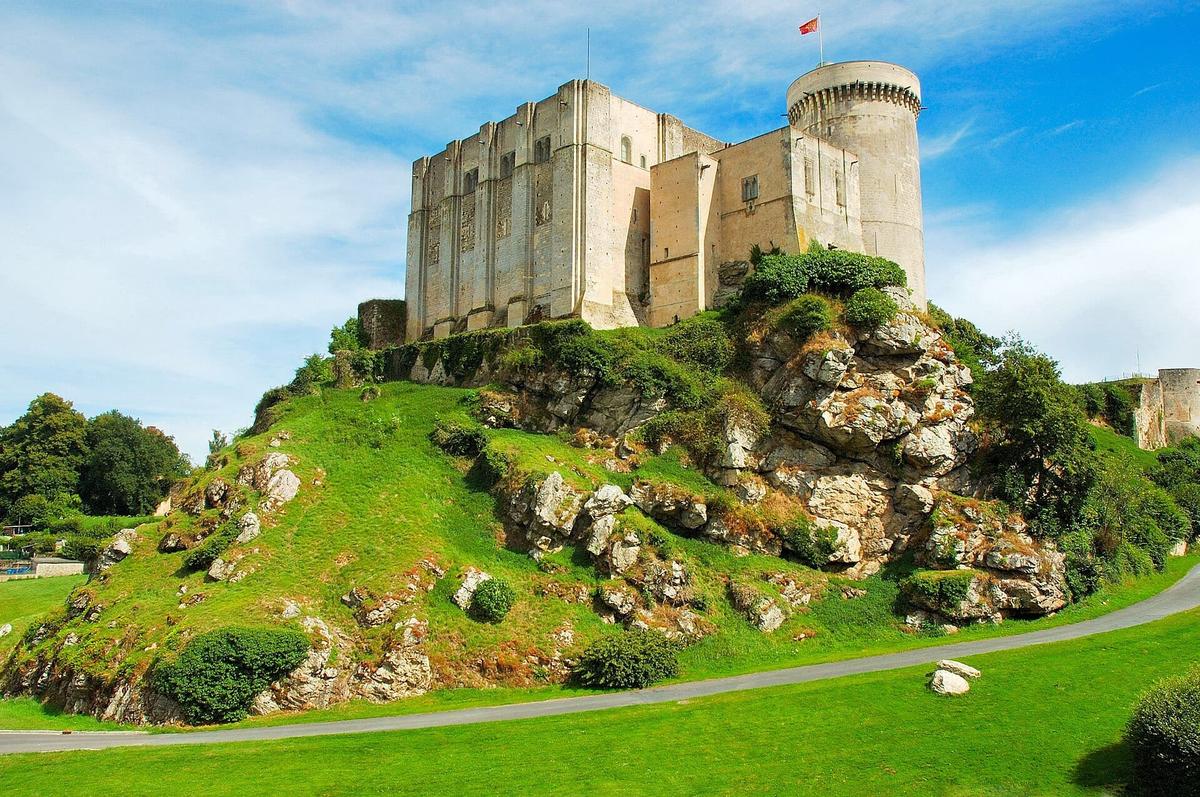
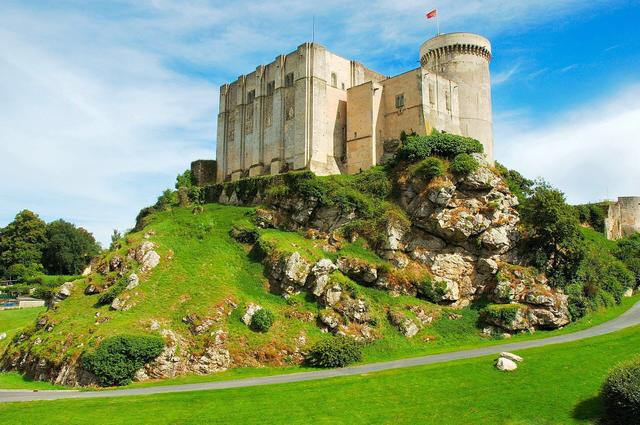
The castle above Falaise is where he was born, but the two keeps you visit are a little later: the great keep was built around 1123 by his youngest son, Henry I Beauclerc, and the tall Talbot Tower dates from the 13th century. A tablet-guided tour recreates the rooms and life at the ducal court.
For the thousandth anniversary of his birth, in 2027, Normandy is preparing a whole year of events. Below the castle, Herleva's fountain and the large equestrian statue of William on Place de la Trinité round off the visit. See also: Falaise Castle (William the Conqueror's Castle)
What to see: the great keep on its rock, the Talbot Tower, the view over the town, then Herleva's fountain below.
Mont-Saint-Michel and Bayeux: the road to 1066
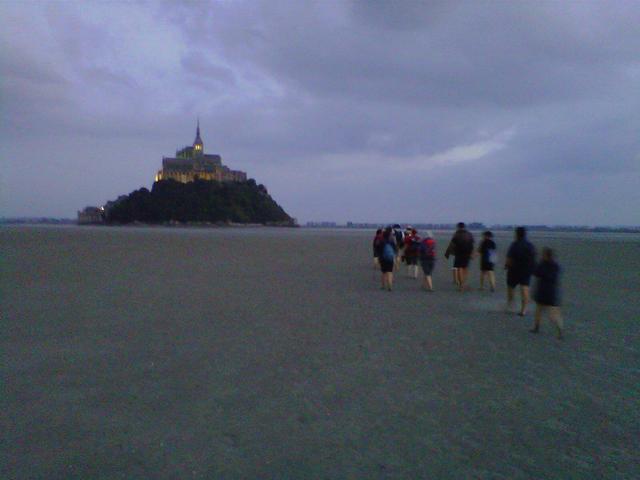
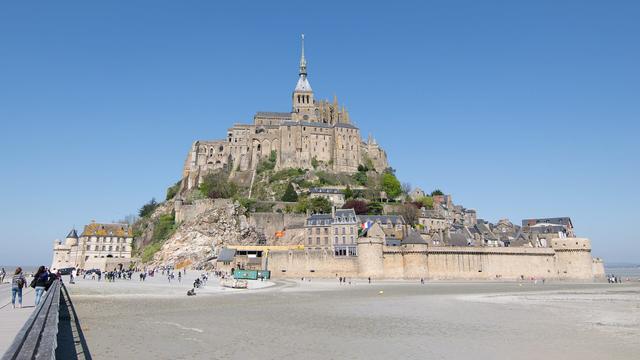
In 1064, the Saxon Harold, brother-in-law of Edward the Confessor, King of England, was William's guest. He went with him on a campaign in Brittany. The Bayeux Tapestry shows the army passing below Mont-Saint-Michel, and Harold pulling soldiers out of the quicksand of the Couesnon. See also: Mont-Saint-Michel
Then Harold swore loyalty to William on holy relics. The Tapestry places the scene in Bayeux. Yet when Edward died in January 1066, Harold had himself crowned. To William, this was perjury, and the pretext for invasion.
Hastings and the Bayeux Tapestry
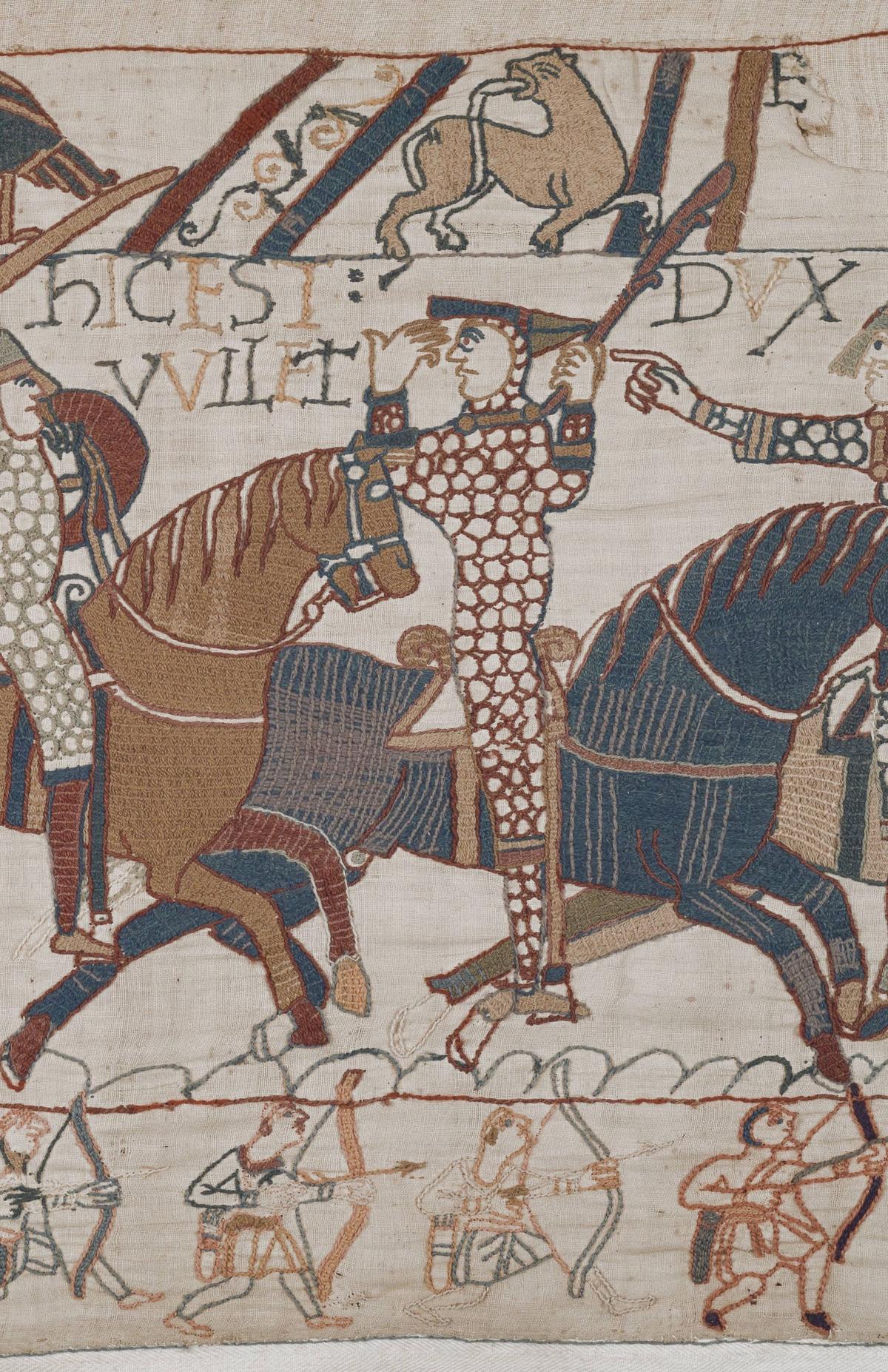
William landed in England at the end of September 1066. On 14 October, at Hastings, the battle lasted all day. At one point a rumour spread that the duke was dead: he lifted his helmet to show himself to his men, a famous scene in the Tapestry. Harold was killed in the evening. William was crowned king at Westminster on Christmas Day.
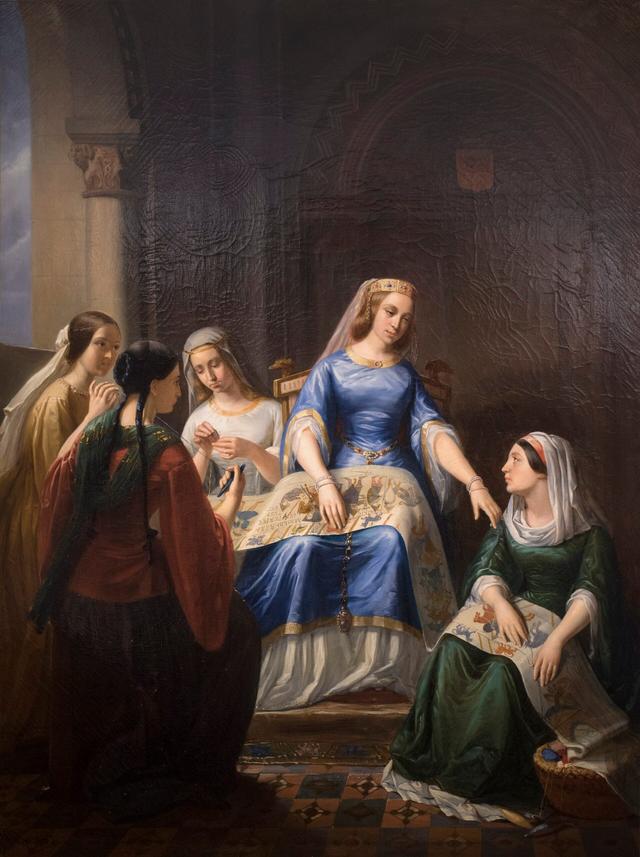
The Tapestry that tells this story is a wool embroidery on linen, 68.38 metres long, probably commissioned for the cathedral by his half-brother Odo, Bishop of Bayeux. It is on show at the British Museum in London from 10 September 2026 to 11 July 2027, while its new museum in Bayeux is being built. See also: Bayeux Cathedral
Bayeux: Odo's cathedral
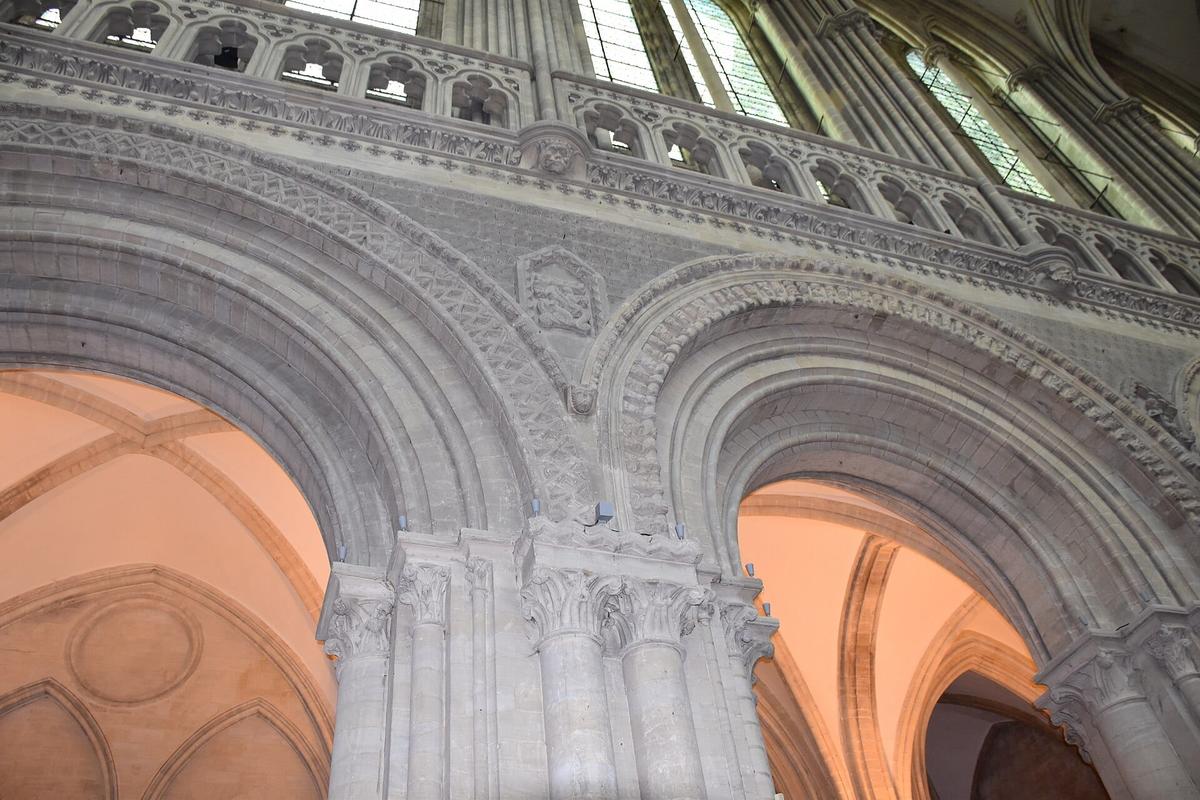
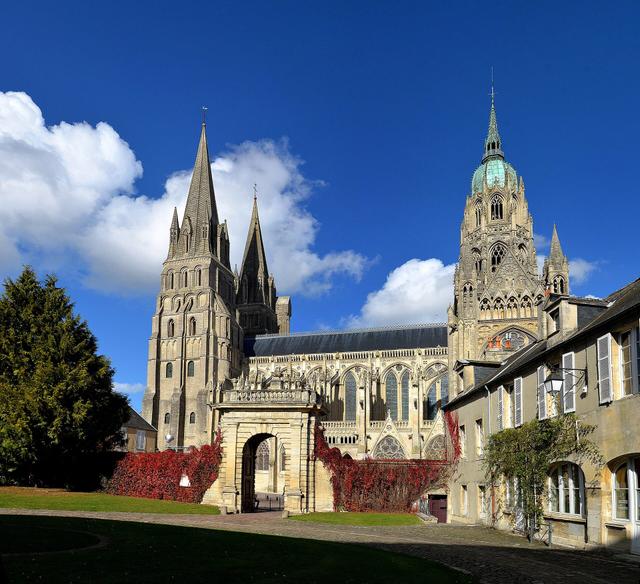
Notre-Dame Cathedral in Bayeux was consecrated on 14 July 1077, in the presence of William, Queen Matilda and Odo. Of the Romanesque building, the crypt and the great arches of the nave remain, carved with interlacing and monsters; the rest was rebuilt in Gothic style after a fire. See also: Bayeux Cathedral
What to see: the 11th-century crypt and its painted angel musicians, then the Romanesque arches of the nave.
Jumièges: the abbey church of triumph
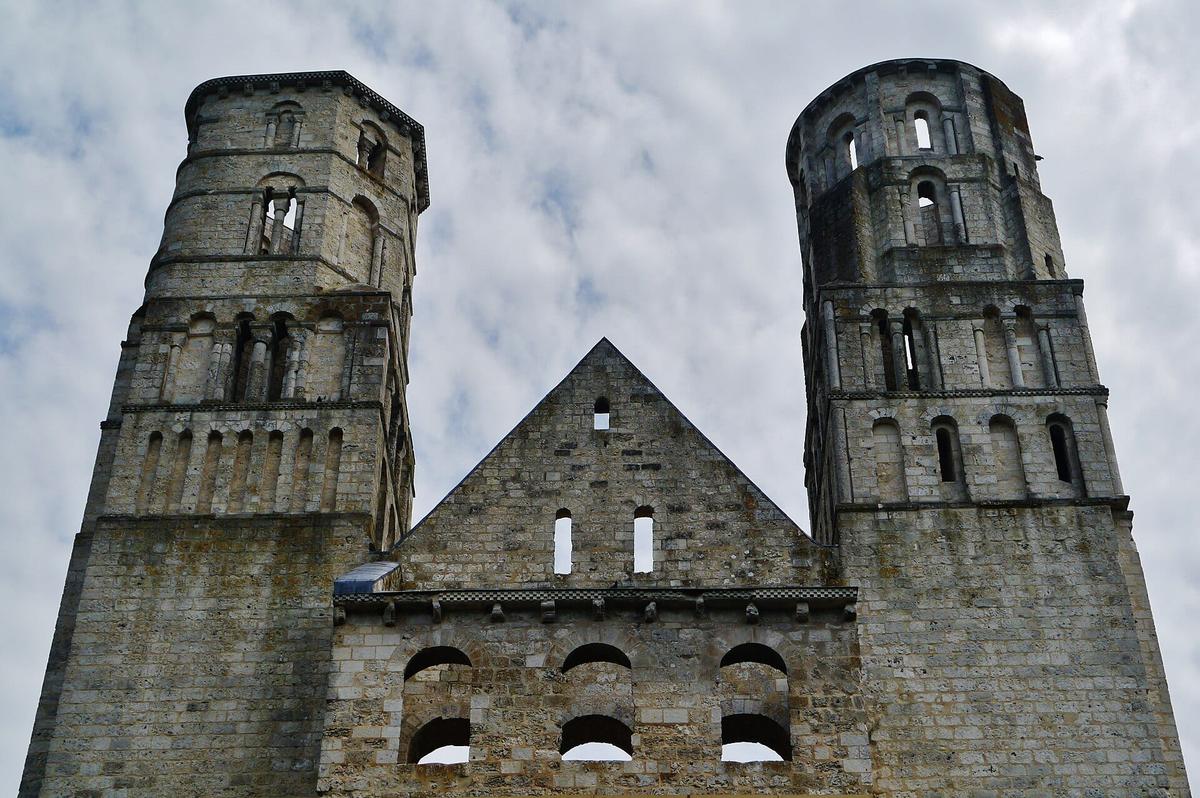
Back in Normandy in the spring of 1067, the new King of England attended the consecration of the abbey church of Notre-Dame at Jumièges, on 1 July. Its two 46-metre towers still stand, among the ruins left by 19th-century demolition crews. It is one of the most beautiful ruins in France. See also: Jumièges Abbey
Rouen and Caen: the end
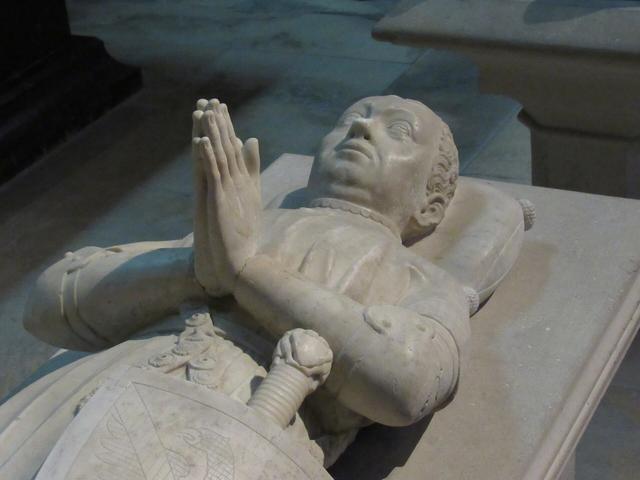
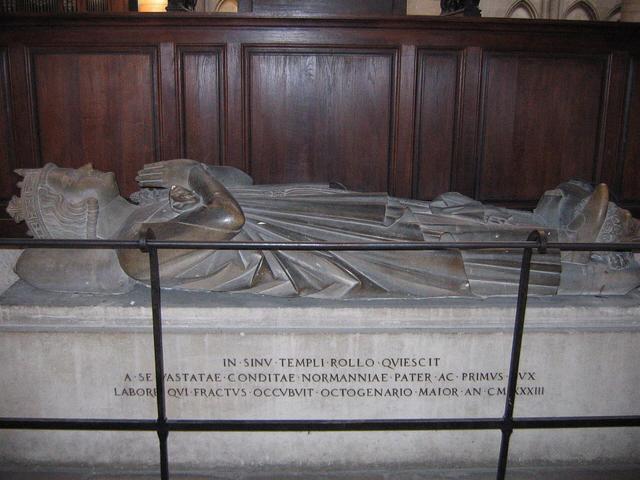
In 1087 William, who had grown very stout, was injured while besieging Mantes. He died on 9 September at the priory of Saint-Gervais, in Rouen. His funeral at the Abbaye aux Hommes in Caen went badly: a townsman claimed the land where the grave lay, and the body, too large for the sarcophagus, burst. His tomb, desecrated several times, now holds only a single thigh bone.
In his footsteps: three days in Normandy
Falaise, Caen and Bayeux are less than an hour from one another. Mont-Saint-Michel is about an hour and a half from Bayeux, and Jumièges half an hour from Rouen. A three-day loop lets you see it all without rushing. See also: Normandy in 3 days
Partner links: if you book through these links, we earn a commission at no extra cost to you. Partner links · Learn more
FAQ
Where was William the Conqueror born?
In Falaise, in the Calvados, around 1027, at the castle that now bears his name.
Where is William the Conqueror buried?
At the Abbaye aux Hommes in Caen, in the Church of Saint-Étienne that he founded. Only a thigh bone remains in his tomb.
Where can you see the Bayeux Tapestry?
Until 11 July 2027, at the British Museum in London. It is then due to return to Bayeux, to its new museum.
Why is he called the Conqueror?
Because he conquered England in 1066. In his lifetime he was mostly known as William the Bastard, because he was born out of wedlock.
What did William the Conqueror do at Mont-Saint-Michel?
In 1064, his army passed below the Mont during a campaign in Brittany, with Harold; the scene is embroidered on the Bayeux Tapestry.
Sources: fr.wikipedia.org (Guillaume le Conquérant), chateau-guillaume-leconquerant.fr, bayeuxmuseum.com
Tickets to book online
Partner links: if you book through these links, we earn a commission at no extra cost to you. Partner links · Learn more
Places to visit
Related guides