Visiting Honfleur: a practical guide from the Old Harbour to the Côte de Grâce
Honfleur at a glance
- Admission
- Free
- Where
- Honfleur
Facts checked on 29 October 2026. Full opening hours, reduced prices and access
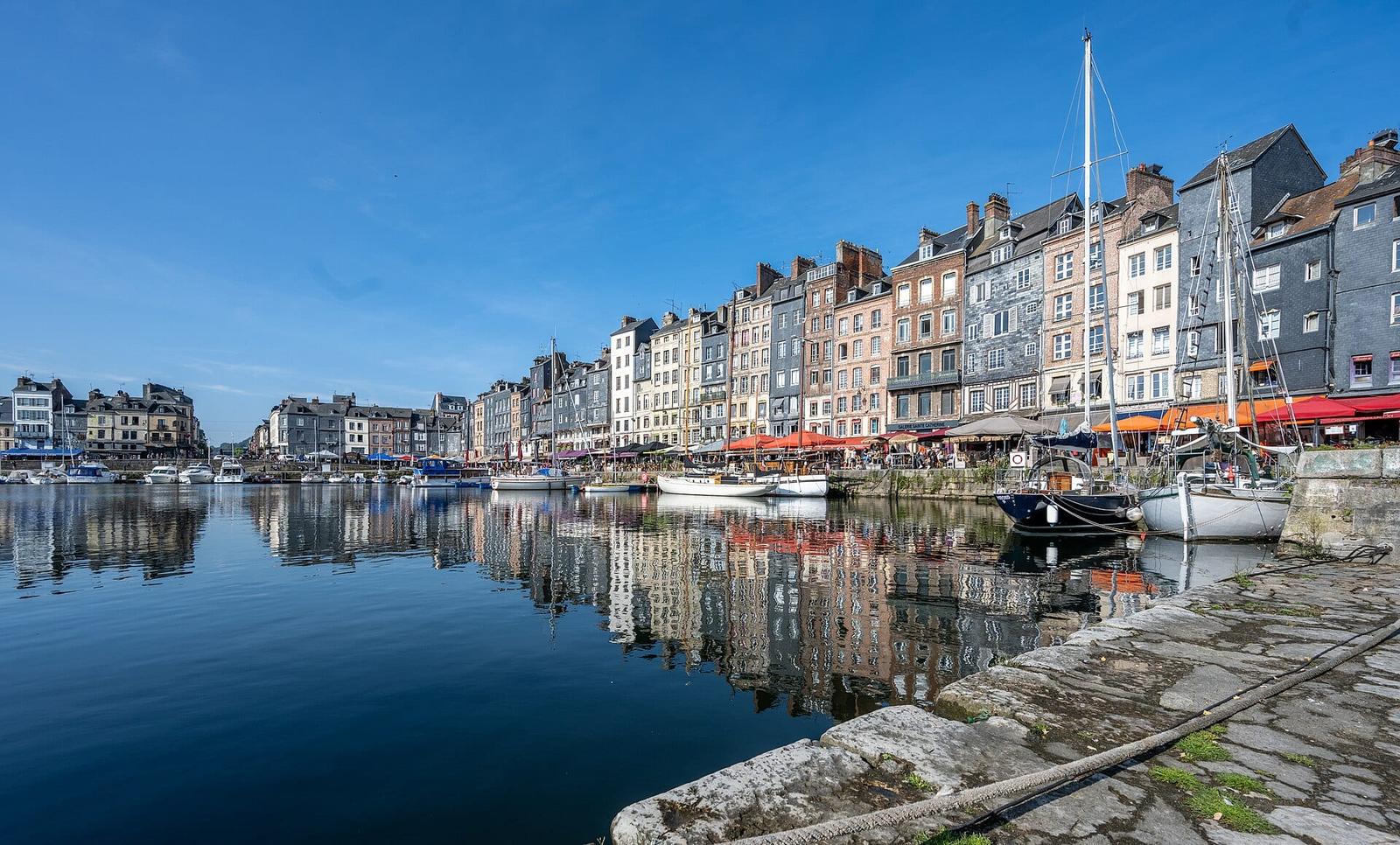
Honfleur is free to explore on foot: the Vieux Bassin with its slate-fronted houses, the wooden Church of St Catherine and its bell tower standing on its own. What you pay for are the museums (Eugène Boudin, Maisons Satie, the Lieutenance) and parking. Here are the checked prices, winter and summer hours, the car parks to aim for and the best order to see it all before the crowds.
Honfleur at a glance
- Where: in Calvados, on the south bank of the Seine estuary, opposite Le Havre. Paris is 192 km away on the A13.
- Price: the town, the quays and St Catherine's Church are free. Eugène Boudin Museum: €9; Maisons Satie: €7. Museums are free for under-16s.
- Time needed: 2 h for the historic centre; half a day to a full day with a museum and the Côte de Grâce.
- Note: the museums close on Tuesdays and over lunch. St Catherine's bell tower is closed in winter.
- Without a car: Honfleur has no train station. Nomad coaches 122 (Caen, Deauville), 111 and 123 (Le Havre).
- Best for: art lovers, photographers, families, and anyone with half a day between Étretat and the D-Day beaches.
Why visit Honfleur
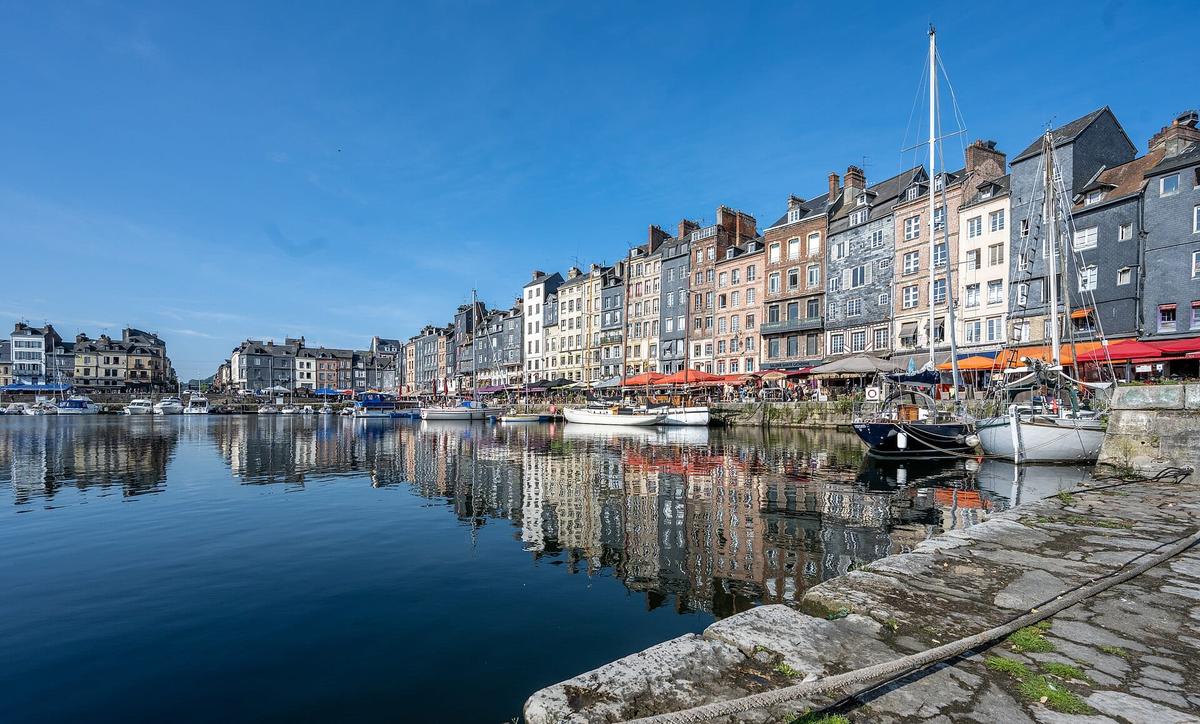
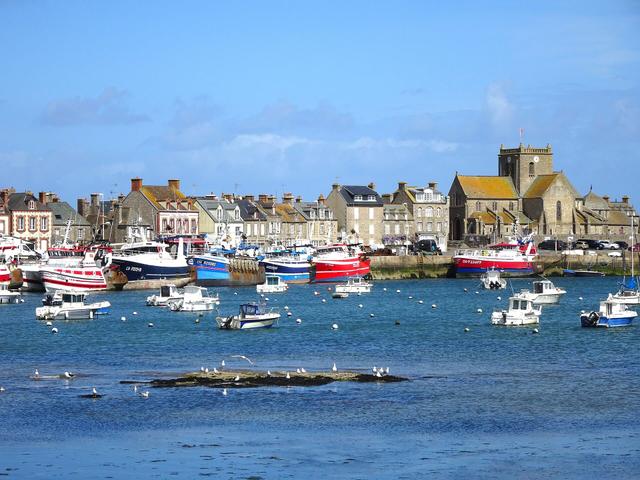
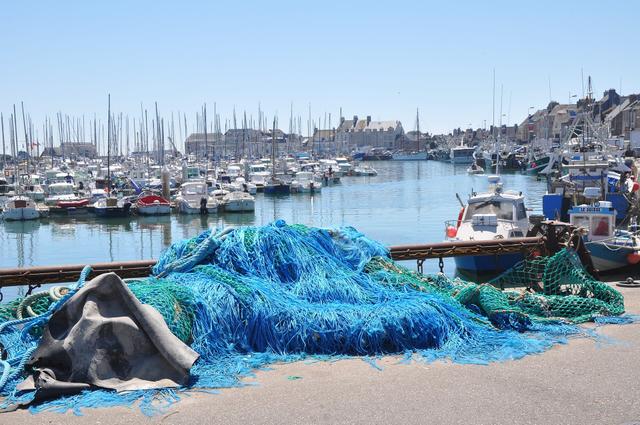
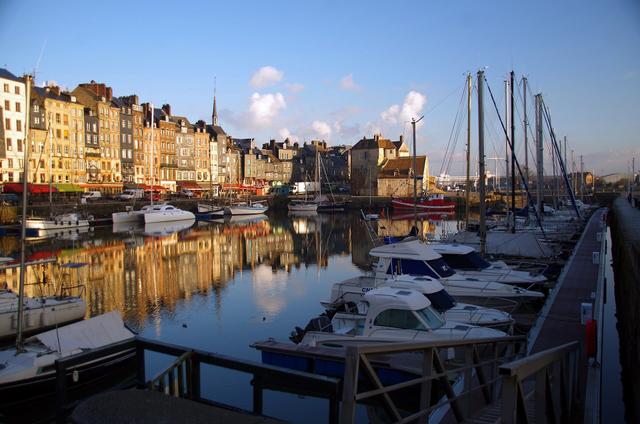
Honfleur is a small port of 6751 people (2022) that has kept its old layout around a wet dock. The narrow, slate-hung houses of the Quai Sainte-Catherine are reflected in the water between sailing-boat masts. The tourist office puts it plainly: the Vieux Bassin is the most visited spot in the area.
The town is known for more than its looks. It was a port of explorers: Samuel de Champlain sailed from here in 1603, and one of his later voyages led to the founding of Quebec City in 1608. In the 19th century painters gathered here: Eugène Boudin, born in Honfleur, then Monet, Jongkind and Courbet, around the Saint-Siméon farm on the hill above. Erik Satie was born here too.
The result is a town you can see entirely on foot, with a church unlike any other in France, two very different museums and a wooded hill to end the day.
How long does it take to visit Honfleur?
Allow 2 h to walk round the Vieux Bassin, see St Catherine's Church and the outside of its bell tower, and explore the streets nearby. That is also the length of the tourist office's "Honfleur in 2 hours" route.
For a full visit, plan half a day to a full day:
- The historic centre: 2 h.
- The Eugène Boudin Museum or the Maisons Satie: one to two hours each.
- The Lieutenance: about 1 h, the length of a booking slot.
- The Côte de Grâce on foot: 2 h for the tourist office's 2.5 km loop from the Vieux Bassin.
Our tip: save a museum for early afternoon. That is when the quays are busiest, and the museums reopen after their lunch break.
Is Honfleur free? Museum prices
The town itself is free: no ticket and no gate for the quays, the streets, St Catherine's Church or the Notre-Dame-de-Grâce chapel. St Catherine's bell tower, an annex of the Eugène Boudin Museum, is free as well when it is open.
The municipal museums charge admission. Prices from the tourist office's ticket desk:
- Eugène Boudin Museum: €9 full price (age 26 and over), €7 reduced (ages 16 to 25, jobseekers and others). Audio guide: €2.
- Maisons Satie: €7 full price, €6 reduced. The audio-guided tour is included.
- The Lieutenance: €7 full price, €6 reduced.
- Duo-pass (any two sites): €12, or €10 reduced.
- Multi-pass (one visit to each site): €18, or €16 reduced.
Entry is free for under-16s, disabled visitors, local residents and Muséopass holders. A companion of a person with reduced mobility pays the reduced price.
Our tip: from two museums upwards, the duo-pass pays for itself. The multi-pass is only worth it if you stay two days.
Museum opening hours and the best time to visit
The town is open at all hours. The museums keep short hours with a lunch break.
Eugène Boudin Museum. Until 31 March 2027: 10:00 – 12:00 and 14:00 – 17:30. In July and August: 10:00 – 13:00 and 14:00 – 18:00. Closed on Tuesdays, 1 January, 1 May, 14 July and 25 December, and on exhibition opening days.
Maisons Satie. October to March: 10:00 – 12:00 and 14:00 – 17:30. July and August: 10:00 – 13:00 and 14:00 – 18:00. Closed on Tuesdays. Last entry 60 minutes before closing.
The Lieutenance. Closed on Mondays and throughout January, reopening on 31 January. November to March: Friday 14:00 – 18:00, Saturday and Sunday 10:00 – 13:00 and 14:00 – 18:00. April to June and September to October: 10:00 – 13:00 and 14:00 – 18:00. In July and August the afternoon runs 14:00 – 19:00. Last entry 60 minutes before closing.
St Catherine's Church: daily, 9:00 – 19:00, except during services. Notre-Dame-de-Grâce chapel: daily, 9:30 – 17:30.
When to go. The Vieux Bassin is packed on sunny weekends, bank holidays and all summer, especially from late morning to late afternoon. Arrive before 10 am: the morning sun lights up the façades of the Quai Sainte-Catherine, and you will find a parking space. Weekdays in spring and autumn are the best time.
How to get to Honfleur
By car. From Paris, allow about 2 h on the A13. From Le Havre, the Pont de Normandie crosses the estuary and drops you at the edge of town.
Where to park. Aim for the car parks on the edge of the centre, about 400 metres from the sights. Prices listed by the tourist office:
- Jardin des Personnalités (west): €8 for 24 hours. Bassin de l'Est (seasonal): €8 for 24 hours. These are the best value for a full day.
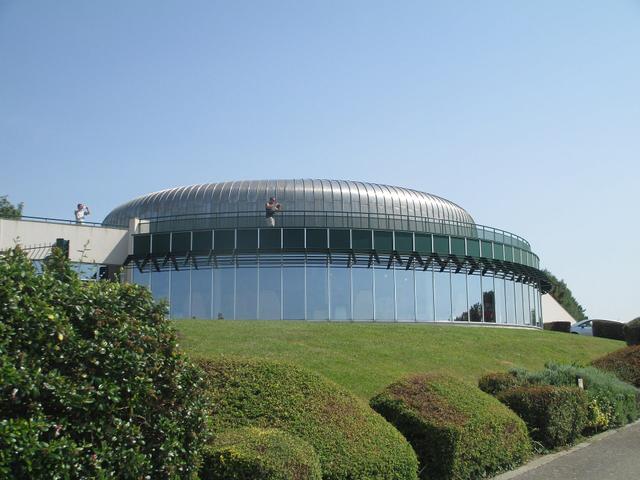
- Naturospace (240 spaces): €2.40 per hour.
- Cours des Fossés and Sainte-Catherine (centre): €2.50 per hour, €7.10 for 3 hours, €14 for 12 hours, charged 8:00 – 20:00.
- Bassin du Centre (enclosed, with barriers): €3.50 per hour, €26 for 24 hours. The most expensive.
Motorhomes have an area at the Bassin Carnot: €14 for 24 hours without services, €20 with. Parking meters can also be paid through the EasyPark app.
By coach. Honfleur has no train station. Nomad coaches link it with Caen and Deauville (line 122), Le Havre and Caen (line 111), and Lisieux and Le Havre (line 123). See also: Normandy without a car
By train. The nearest stations are Trouville-Deauville, Le Havre, Pont-l'Évêque. Finish by coach or taxi.
By air. Deauville-Normandie airport is 10 km away.
Renting a car. This is the easiest way to combine Honfleur, Étretat and the D-Day beaches. The nearest rental desks are in Le Havre, across the Pont de Normandie, and at Trouville-Deauville station.
Partner links: if you book through these links, we earn a commission at no extra cost to you. Partner links · Learn more
What to see in Honfleur: the Vieux Bassin and the Lieutenance
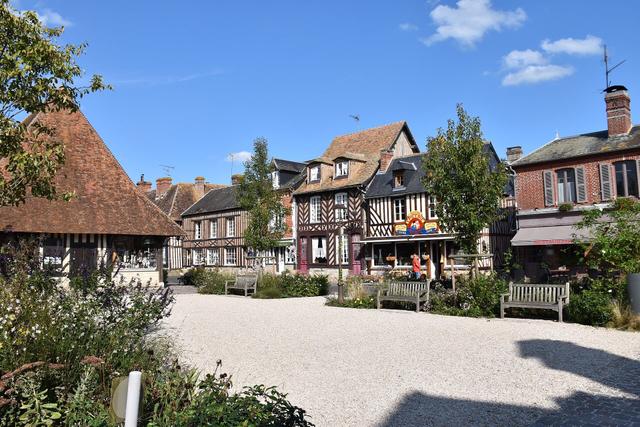
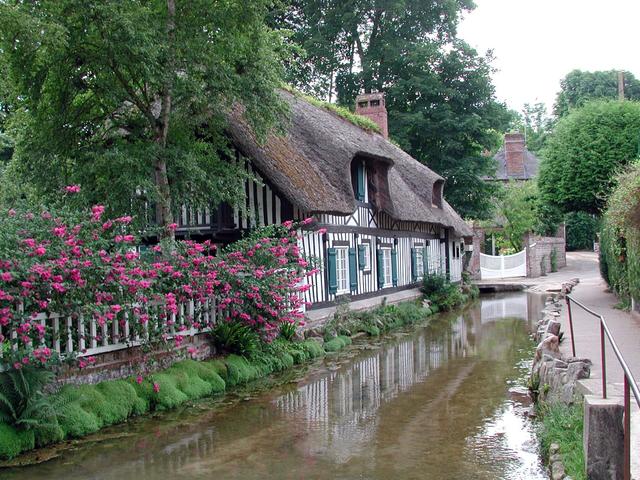
The Vieux Bassin. Abraham Duquesne had the old tidal harbour turned into a wet dock, completed in 1684 and enlarged from 1720 to 1725. The Quai Sainte-Catherine, on the west side, lines up tall, narrow houses with slate fronts. The Quai Saint-Étienne opposite gives the best view of them.
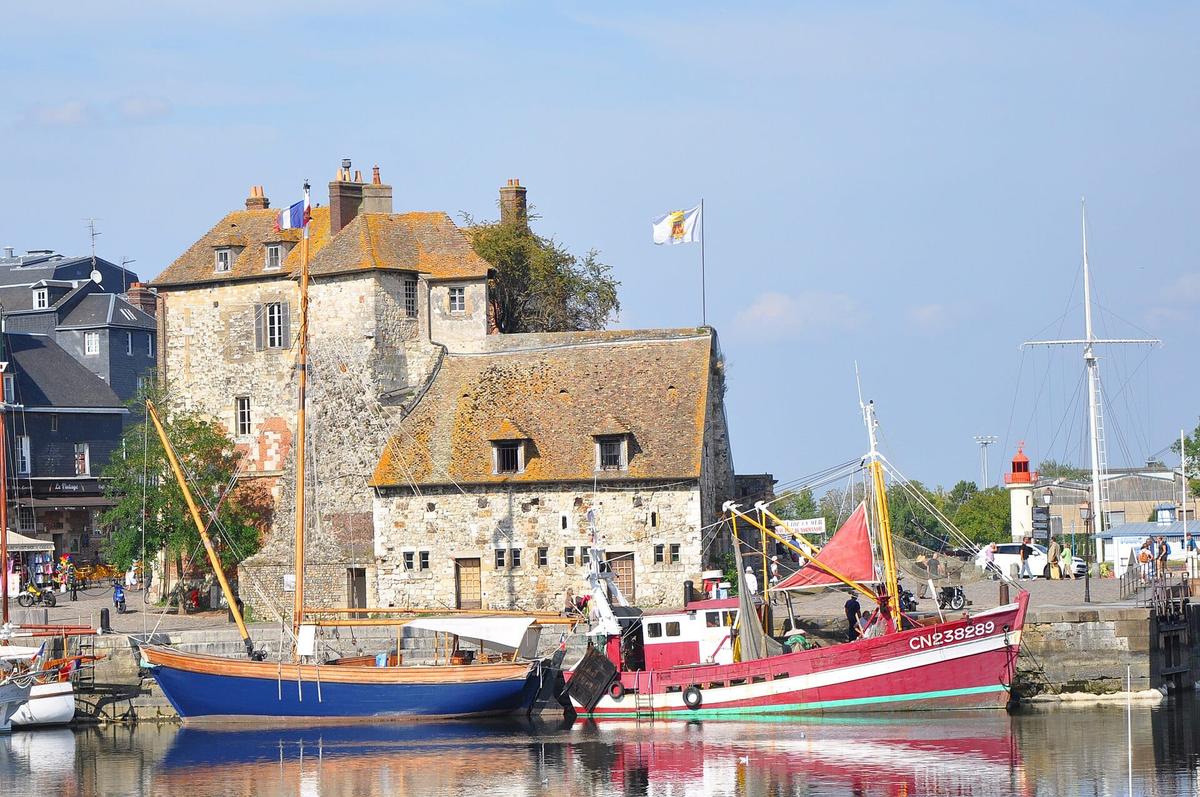
The Lieutenance. This stone building at the harbour entrance is the last remnant of the walls that surrounded the port until the late 17th century. It includes the Porte de Caen, rebuilt in the 16th century between two round towers. You can go inside: it houses an architecture and heritage interpretation centre (CIAP), with three rooms on the town's history, its maritime identity and its building materials, then terraces with a 360-degree view. Binoculars there show virtual reconstructions of the town in the past.
The salt stores. Built in the 17th century with Colbert's approval, they could hold 1000 tonnes of salt. Two of the original three survive.
The Musées du Vieux Honfleur. The maritime museum has occupied the church of Saint-Étienne since 1976, on the harbour side. The museum of ethnography and folk art is right next door. Their hours change with the season: check before you go.
St Catherine's Church and its bell tower
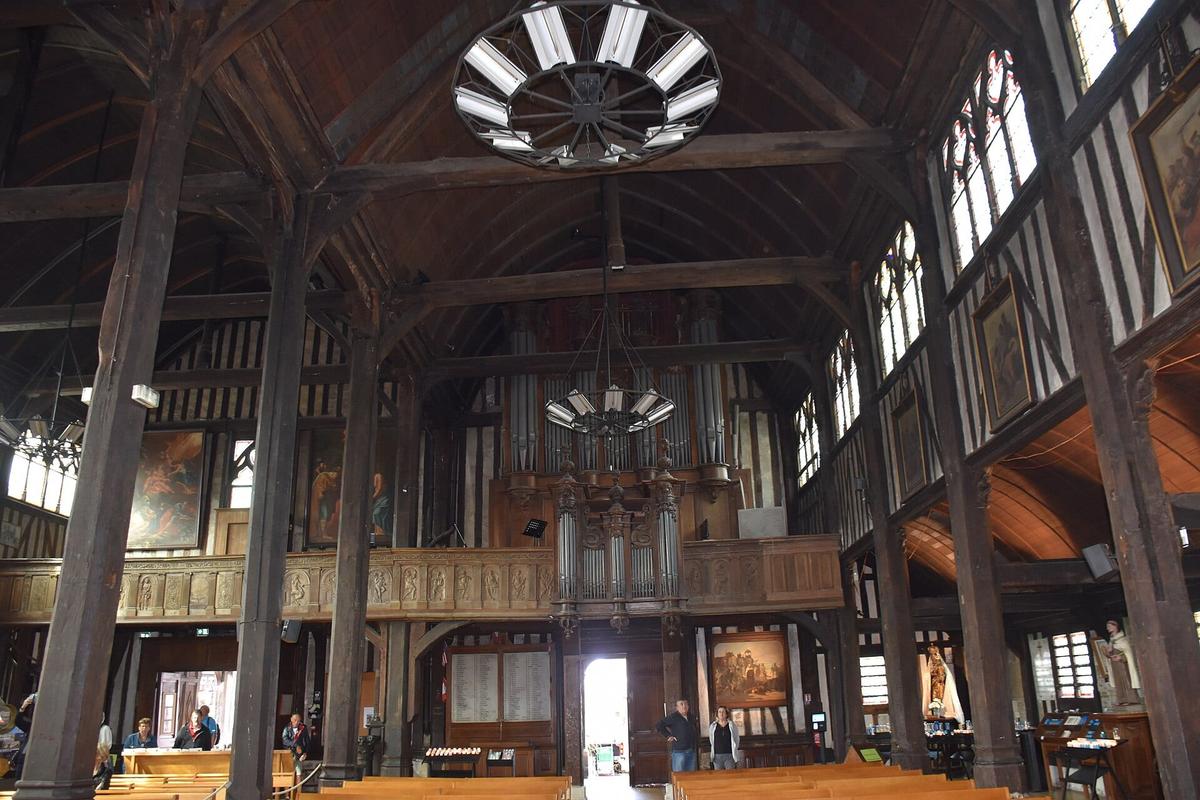
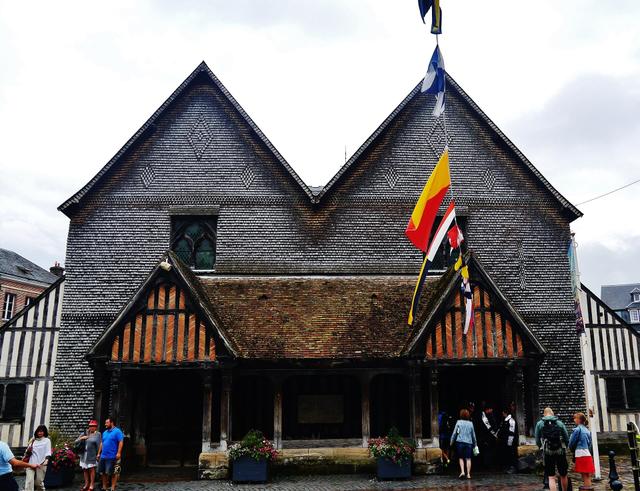
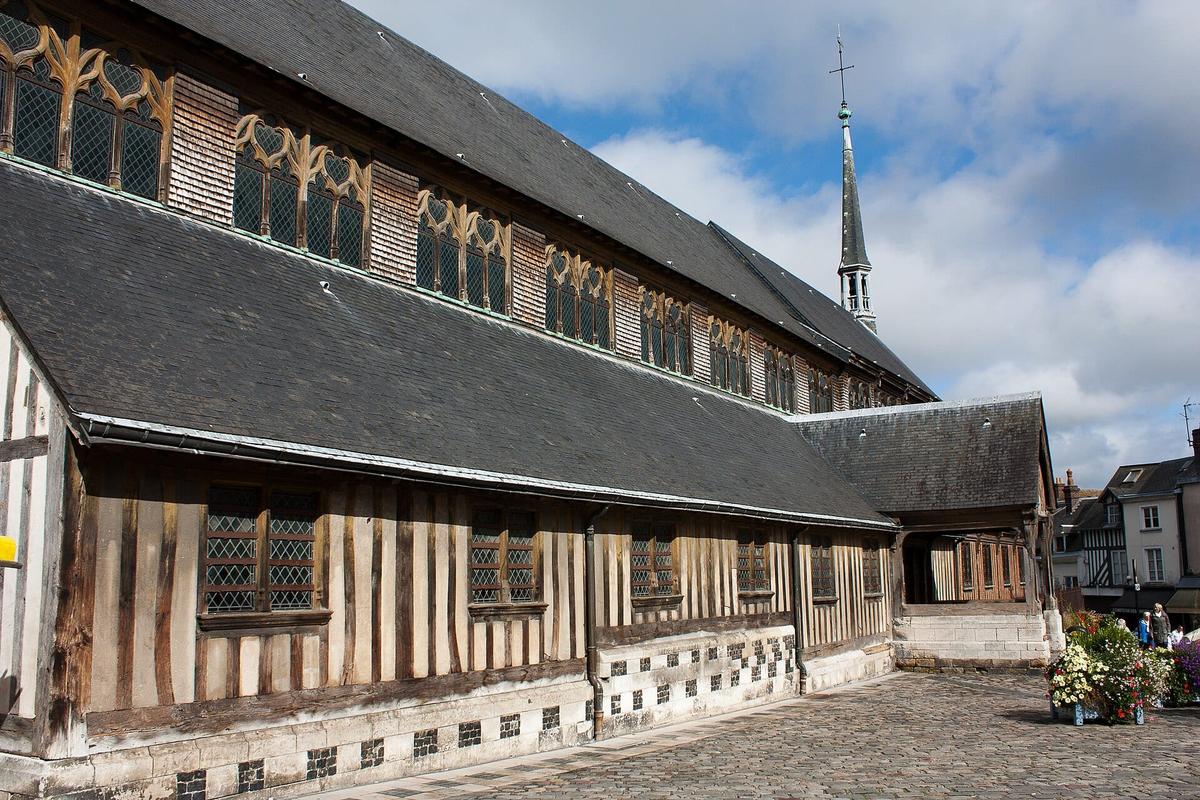
This is the visit not to miss, and it is free. Once the English had left at the end of the Hundred Years' War, the townspeople replaced their ruined stone church with a wooden one, using oak from the Touques forest and the skills of the shipyards.
Two naves like ship hulls. The left-hand nave, the oldest, dates from the second half of the 15th century. Its vault looks like an upturned ship's hull: it was built by "maîtres de hache", ship's carpenters who worked without a saw. The second nave was added in the 16th century. Look at the pillars: they are not all the same length, because oak trunks long enough were no longer available, and some stand on stone bases.
Inside. A Renaissance gallery carved with musicians, a classical organ from Rouen, and a large Carrying of the Cross by Erasmus Quellinus, 4.3 metres square.
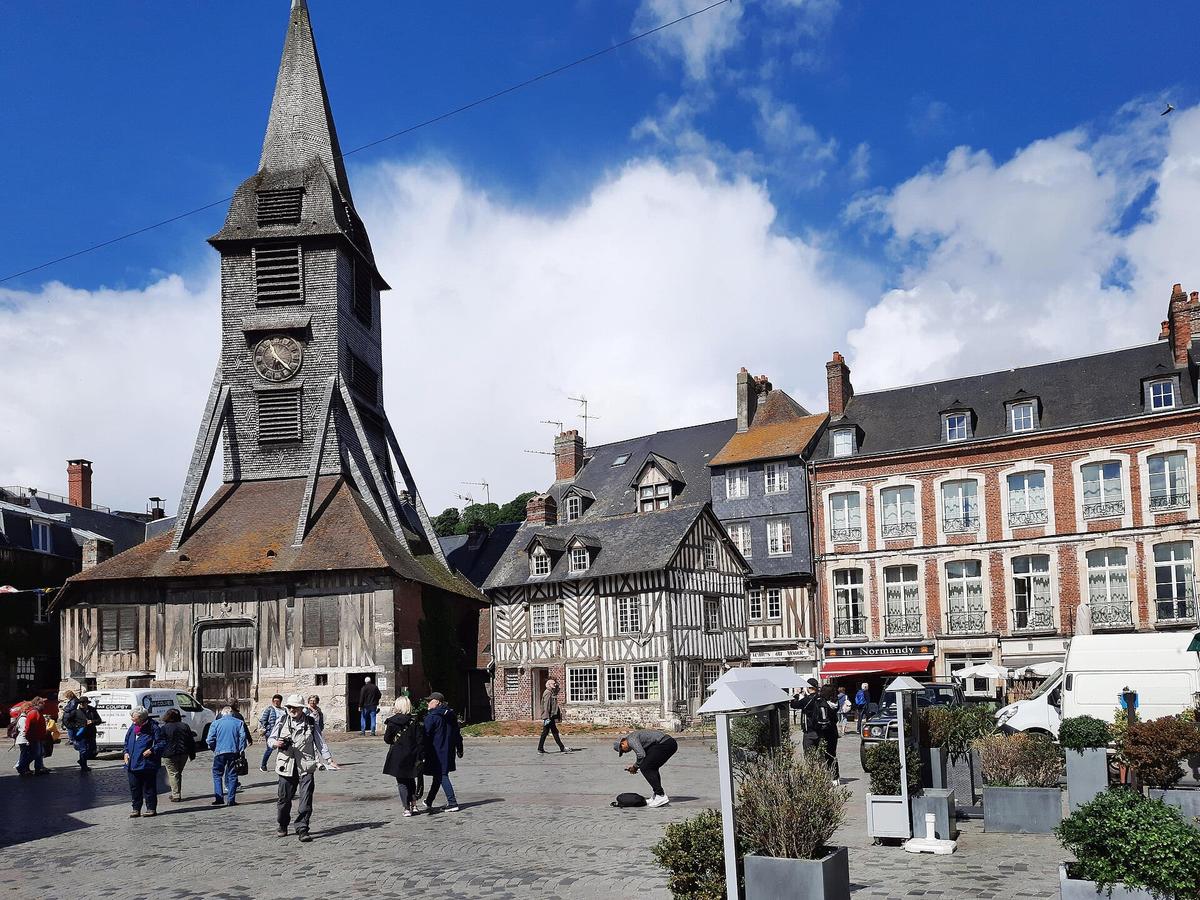
The separate bell tower. It stands across the square, away from the church, so that lightning, drawn by its height, would not set the church alight. Built of wood in the 15th and 16th centuries, it houses a display of religious objects as an annex of the Eugène Boudin Museum. It is closed in winter: the tourist office gives a closure from 1 November to 15 April, while the town hall says it opens in July, August and September only. From outside, you can see it all year.
The Eugène Boudin Museum and the Maisons Satie
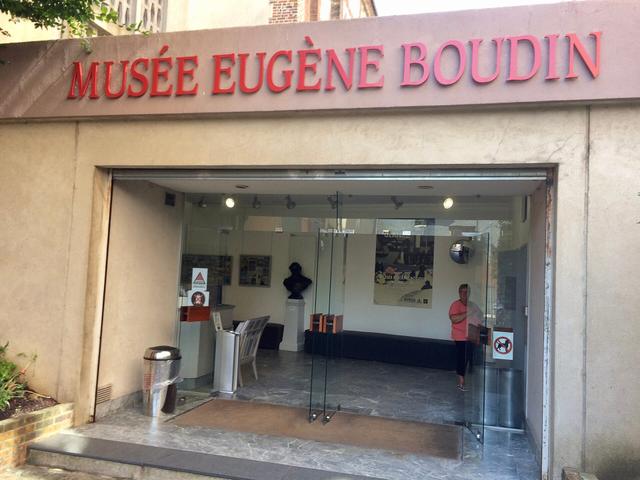
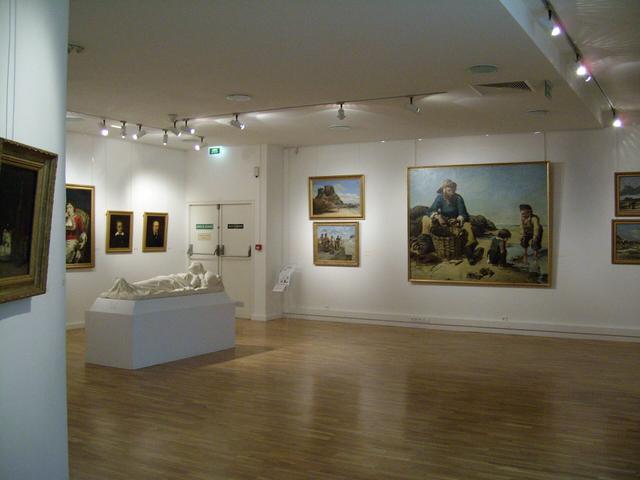
The Eugène Boudin Museum. Founded in 1868 by Louis-Alexandre Dubourg and Eugène Boudin, it has borne Boudin's name since 1960. Boudin left it a major bequest in 1899. The museum holds 92 works by him, paintings and drawings. The galleries trace the shift from Isabey's dark Romanticism to Monet's light, with Courbet, Jongkind and Dubourg, then Dufy, Vallotton and Marquet in the 20th century. An ethnography room shows Norman costumes, headdresses and lace. Two temporary exhibitions a year fill the chapel.
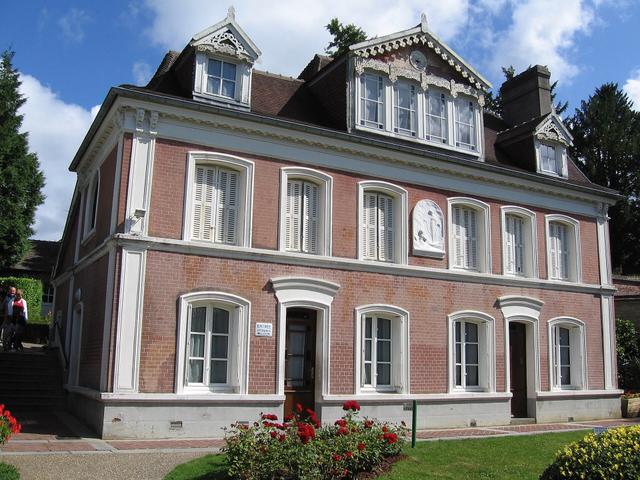
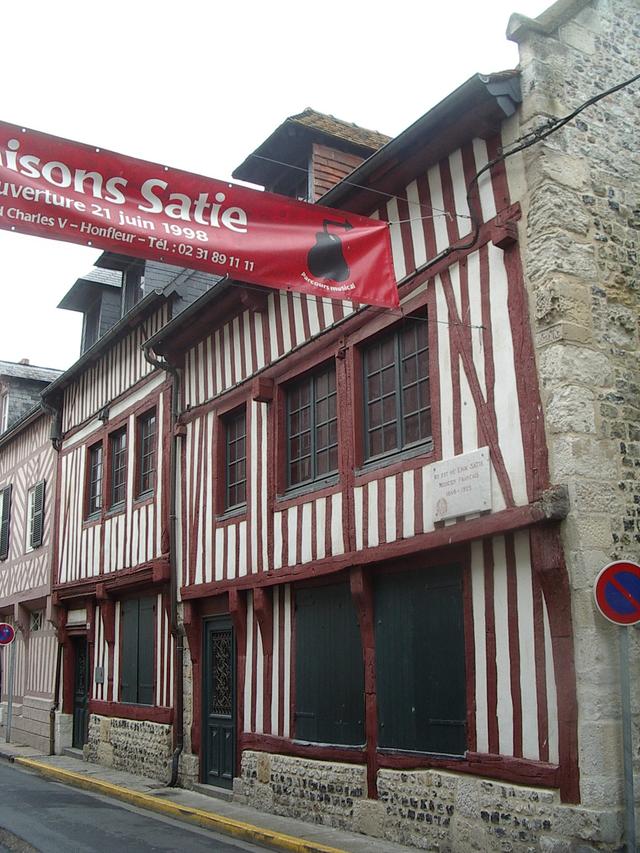
The Maisons Satie. Erik Satie was born in Honfleur on 17 May 1866. His houses are not a classic museum: you walk with headphones on, from one musical scene to the next, past a winged pear, a piano that plays by itself and cabaret sets. The tour is in French and English. The e-ticket must be printed.
Our tip: if you only have time for one museum, choose Boudin for painting, and Satie if you have children or are not a museum person.
The Côte de Grâce and the Notre-Dame-de-Grâce chapel
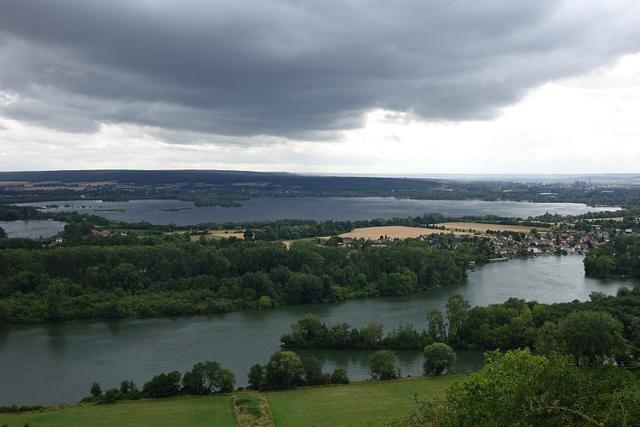
West of the centre, the Côte de Grâce climbs through woodland above the estuary. The tourist office suggests a 2.5 km walking loop, about 2 h, starting from the Vieux Bassin.
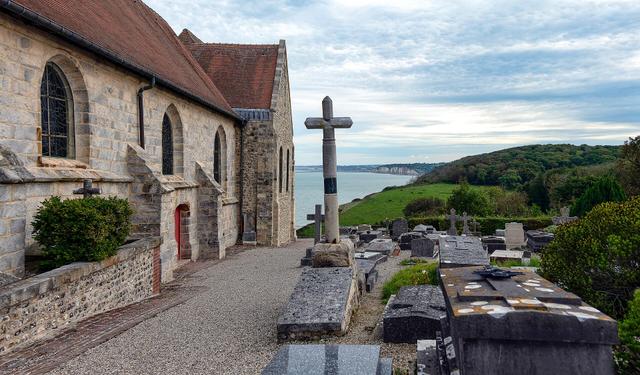
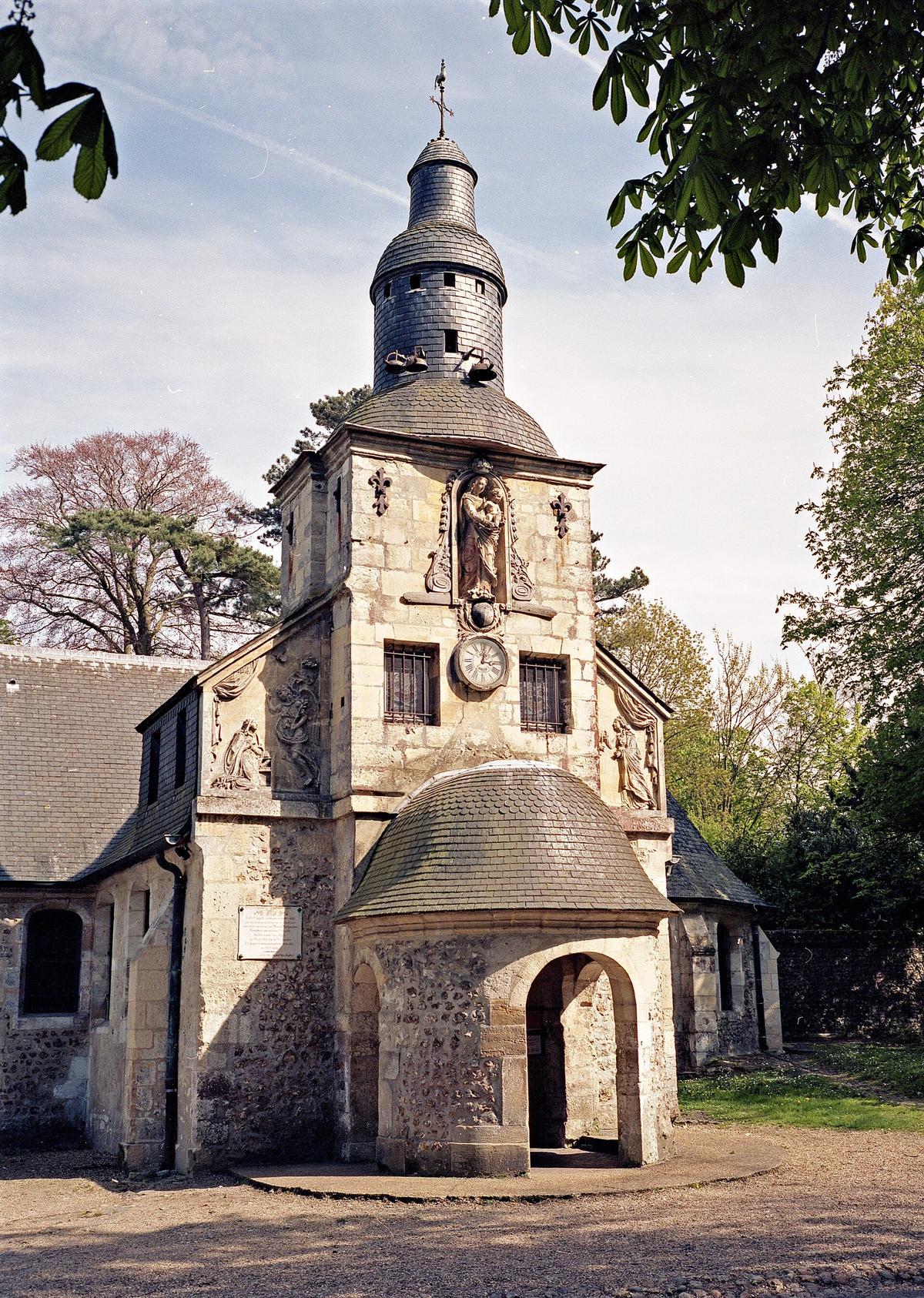
The Notre-Dame-de-Grâce chapel. It stands in the commune of Équemauville. The present building dates from the 17th century. The interior is covered with ex-votos and ship models given by sailors. It is a place of pilgrimage, especially at Whitsun. Open daily, 9:30 – 17:30.
Mont Joli. This viewpoint looks over the roofs of Honfleur, the Seine estuary and the Pont de Normandie. The tourist office recommends going up at sunset. Motorhomes cannot reach it.
Honfleur with children
- The Maisons Satie work best: sound, moving objects, no labels to read. Free for under-16s.
- The Lieutenance has models, virtual reconstructions and binoculars on the terrace.
- The Jardin des Personnalités, to the west, and the Plage du Butin give everyone a break from the narrow streets.
With a pushchair, the quays are easy, the cobbled lanes less so. The Eugène Boudin Museum is pushchair-friendly, according to the tourist office.
Honfleur in a wheelchair
The centre is flat around the harbour, but many streets are cobbled and some are steep. The tourist office's accessibility guide gives these pointers:
- St Catherine's Church has step-free access and a wide enough aisle. There is one disabled space on Place Sainte-Catherine and two more in the Sainte-Catherine car park.
- The Lieutenance has step-free access, an accessible reception and a ground-floor terminal with the exhibition content. Its toilets are not adapted.
- Disabled parking: four spaces at the Jardin des Personnalités, six at the Bassin du Centre car park (paying), one behind the town hall for the Lieutenance.
- Accessible toilets: at the town hall, at the Naturospace and at the tourist office on request. Not at the salt stores (upstairs).
- Plage du Butin: three beach wheelchairs in July and August.
Museum entry is free for disabled visitors. For access inside the Eugène Boudin Museum and the Maisons Satie, call ahead: official sources do not give details.
Are dogs allowed in Honfleur?
The streets and quays are public spaces: your dog can come along on a lead, which you will need anyway in the crowds around the Vieux Bassin. For the museums and the church, official sources do not state the rule: ask the tourist office before you go.
Guided tours and day trips
The tourist office runs guided tours of the old town and themed visits such as "St Catherine's Church and its bell tower", as well as costumed tours of the Lieutenance. Dates are published in its events calendar, and booking is through its online ticket desk.
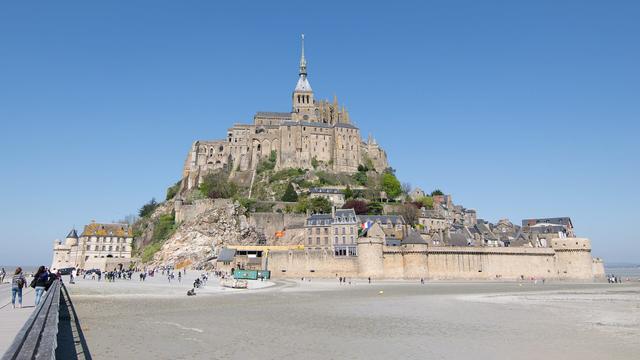
Honfleur also features in many day trips from Paris, often paired with Étretat or Mont-Saint-Michel. Check the free time on site: under two hours is only enough for the Vieux Bassin.
What to visit near Honfleur on the same day
| Also worth seeing | Distance | Travel time |
|---|---|---|
| Étretat Cliffs | 50 km | 50 min by car |
| Caen Memorial | 70 km | 55 min by car |
| Jumièges Abbey | 65 km | 60 min by car |
Approximate road distances and travel times.
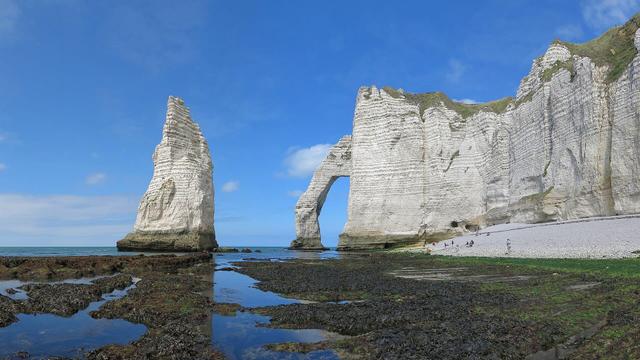
The Étretat cliffs. Via the Pont de Normandie and Le Havre, this is the classic coastal pairing: Honfleur in the morning, the cliffs late in the day. See also: Étretat Cliffs
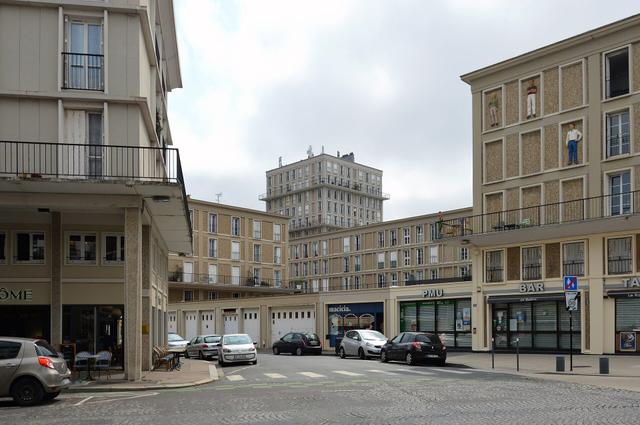
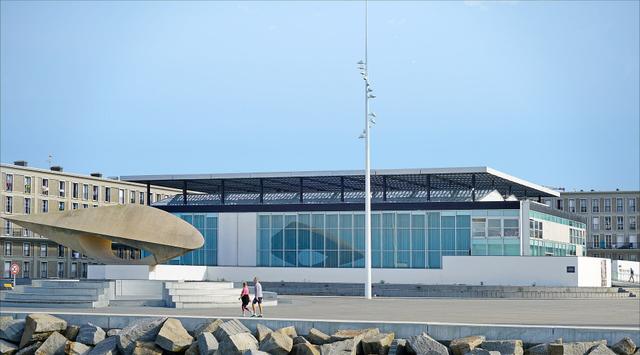
Le Havre. Just across the estuary, its centre rebuilt by Auguste Perret is a UNESCO World Heritage Site, and the MuMa museum shows Boudin and Monet.
Trouville and Deauville. To the west, along the coast road, the two seaside resorts fill half a day.
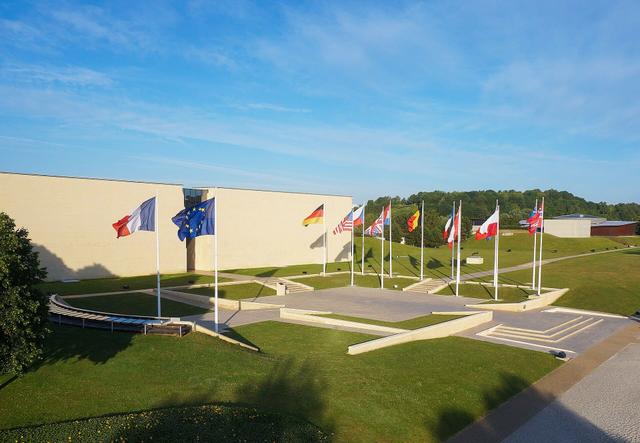
The Caen Memorial. The right starting point for the D-Day beaches if you carry on west. See also: Caen Memorial
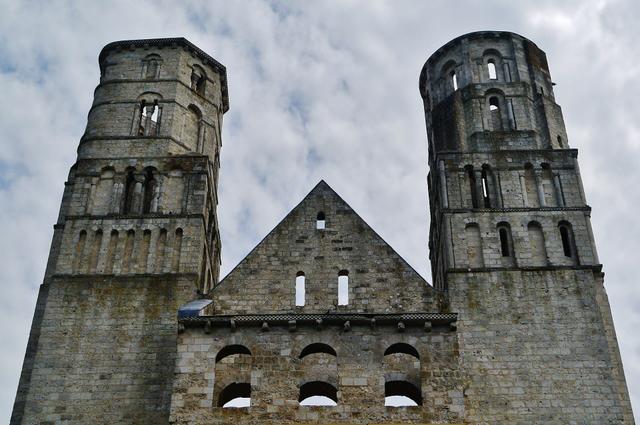
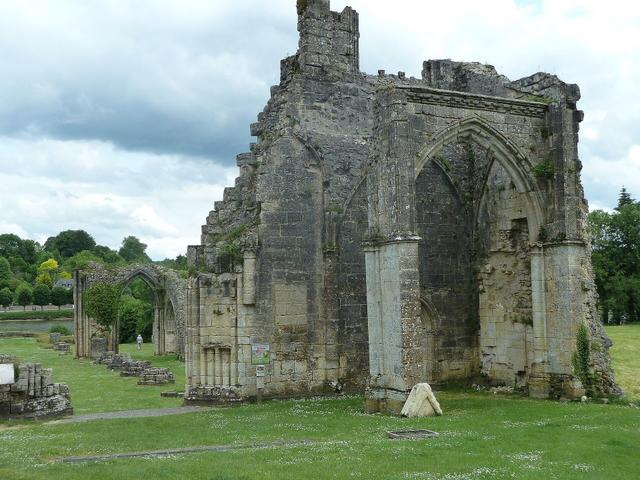
Jumièges Abbey. In a bend of the Seine, its ruins combine with Honfleur if you set off early. See also: Jumièges Abbey
Honfleur in 10 dates
- 1419-1450: English occupation. Charles VII's army retook the town after a 39-day siege.
- Second half of the 15th century: the first nave of St Catherine's Church is built.
- 1603: Samuel de Champlain sails from Honfleur.
- 1608: Quebec City is founded, on a voyage that left from the same port.
- 1684: Duquesne's Vieux Bassin is completed.
- 1824: Eugène Boudin is born on Rue Bourdet.
- 17 May 1866: Erik Satie is born.
- 1868: Dubourg and Boudin found the museum.
- 1875: St Catherine's Church is listed as a historic monument.
- 1960: the museum takes Eugène Boudin's name.
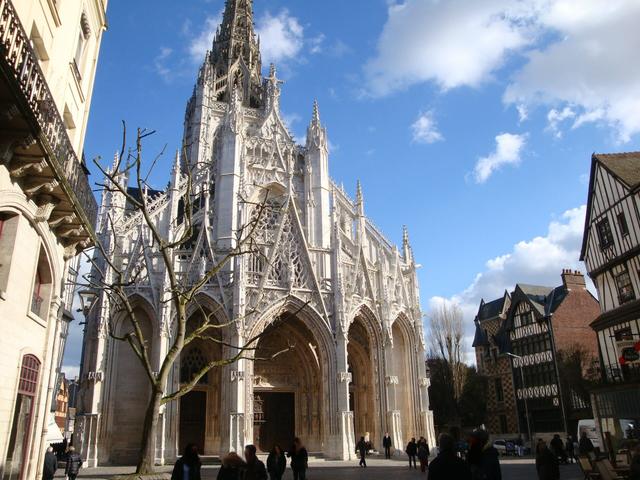
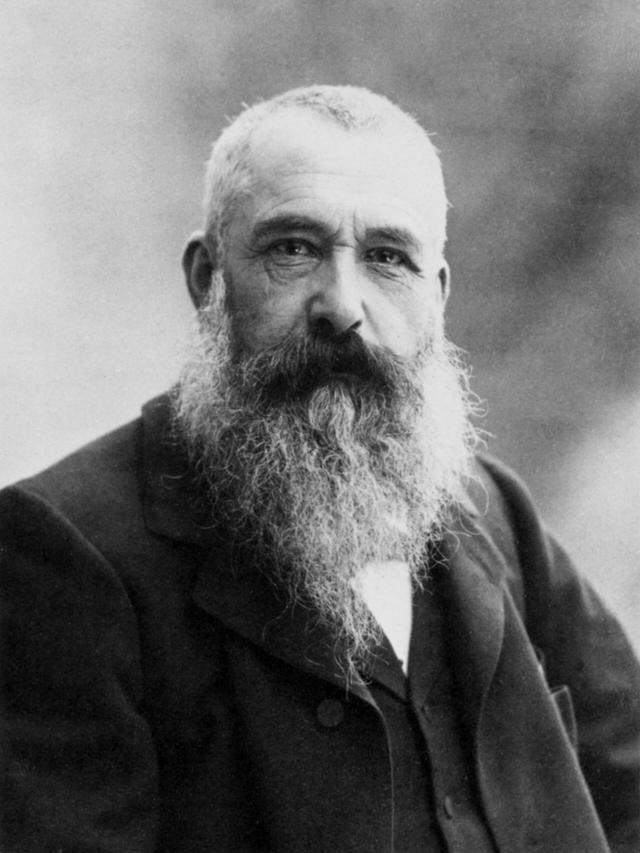
Stories. Claude Monet lived for a year at the Saint-Siméon farm, on the hill where the painters used to meet. Erik Satie was born in the same street as the humorist Alphonse Allais. St Catherine's Church is decked out in sailors' colours for the Sailors' Festival at Whitsun. Its earlier façade appears in paintings by Jongkind and Boudin, before the present neo-Norman porch replaced it in the early 20th century. See also: Monet's House and Gardens
Where to eat and stay in Honfleur
The restaurants on the Quai Sainte-Catherine have the view, but they are also the most expensive and the busiest. The streets behind, around Place Sainte-Catherine, offer more choice. In season, book for dinner or have lunch before noon.
For the night, Honfleur has boutique hotels and plenty of B&Bs, but prices climb in summer and at weekends. Le Havre, across the bridge, and the Pays d'Auge countryside are cheaper. Staying in town lets you see the Vieux Bassin in the evening and early morning, without the crowds. See also: Normandy in 3 days
FAQ
Do you have to pay to visit Honfleur?
No. The town, the Vieux Bassin and St Catherine's Church are free. Only the museums charge: €9 at the Eugène Boudin Museum, €7 at the Maisons Satie, free for under-16s.
How long do you need in Honfleur?
2 h for the historic centre. Allow half a day to a full day with a museum and the Côte de Grâce.
Where should I park in Honfleur for the day?
At the Jardin des Personnalités or Bassin de l'Est car park, €8 for 24 hours, about 400 metres from the Vieux Bassin.
Which day are Honfleur's museums closed?
The Eugène Boudin Museum and the Maisons Satie close on Tuesdays. The Lieutenance closes on Mondays and throughout January.
Can you go inside St Catherine's bell tower?
Yes, for free, but only in the warmer months: it is closed in winter.
How do you get to Honfleur without a car?
By Nomad coach: line 122 from Caen and Deauville, lines 111 and 123 from Le Havre. Honfleur has no train station. See also: Normandy without a car
Practical information
Official ticket-office prices 2026
Free admission
Address
La Lieutenance, quai de la Planchette (Vieux Bassin), 14600 Honfleur, France
Directions · Phone+33 2 31 89 23 30
On site and nearby
- Nearest shops and pharmacy: Honfleur, less than 1 km away Straight-line distance, based on OpenStreetMap.
- Emergencies: 112 (all emergencies, free from any phone), 15 (SAMU, medical emergency)
Around the site, on Google Maps
With children
Family days out nearby: Maisons Satie, Honfleur (0 km), Naturospace, Honfleur (1 km), Graville Abbey (10 km)
Swimming pools and play areas nearby, on Google Maps
Facts checked on 29 October 2026. Sources: ot-honfleur.fr, ot-honfleur.fr, visites.ot-honfleur.fr, visites.ot-honfleur.fr, visites.ot-honfleur.fr, ot-honfleur.fr, ot-honfleur.fr, ot-honfleur.fr, ot-honfleur.fr, fr.wikipedia.org, fr.wikipedia.org, ot-honfleur.fr, ot-honfleur.fr, ot-honfleur.fr, ville-honfleur.com, ot-honfleur.fr
Map
In the same region