What to visit in Normandy: a guide to choosing and planning
Normandy stretches from the Seine valley to the bay of Mont-Saint-Michel. Its major sites are far apart and each is visited differently: a painter's garden, cliffs you can walk for free, D-Day museums and cemeteries, an abbey on a rock. This guide helps you choose, group your visits by area and budget for them.
118 places to visit
No place matches these filters.
Tickets to book online
Partner links: if you book through these links, we earn a commission at no extra cost to you. Partner links · Learn more
Which sites to visit in Normandy?
Eight sites account for most visits. They have little in common beyond the region, so pick by what interests you rather than trying to see everything.
| Site | Adult ticket | Time needed | Best for |
|---|---|---|---|
| Mont-Saint-Michel (abbey) | €16 (April to September), €13 (October to March) | half a day | everyone, photos, tides |
| Claude Monet's house and gardens | €13 | 1.5 to 2 hours | painting, gardens |
| Étretat cliffs | free | 2 to 4 hours | walking, photos |
| Caen Memorial | €20.80 | 4 hours | 20th-century history, teenagers |
| Normandy American Cemetery | free | 1.5 to 2 hours | D-Day remembrance |
| Jumièges Abbey | €7.50 | 1.5 to 2 hours | Romanesque ruins, large grounds |
| William the Conqueror's castle (Falaise) | €9.50 | 1.5 hours | Middle Ages, families |
| Château Gaillard (Les Andelys) | €3.50 | 1 to 1.5 hours | views over the Seine, low budget |
Official adult prices, checked on 4 November 2026. At Château Gaillard the price covers the inner bailey and keep; the outer bailey and viewpoint are free.
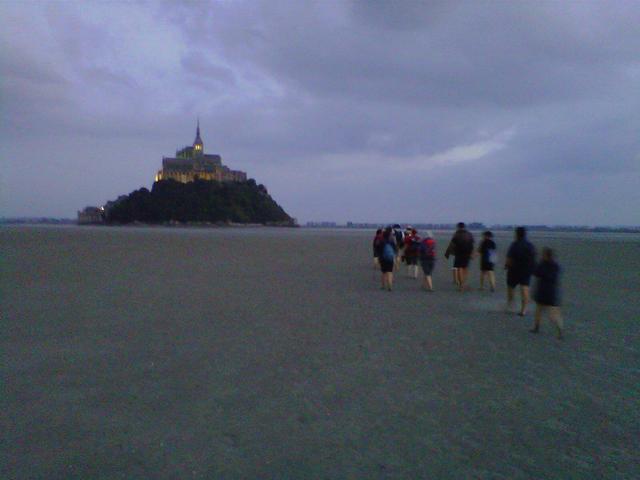
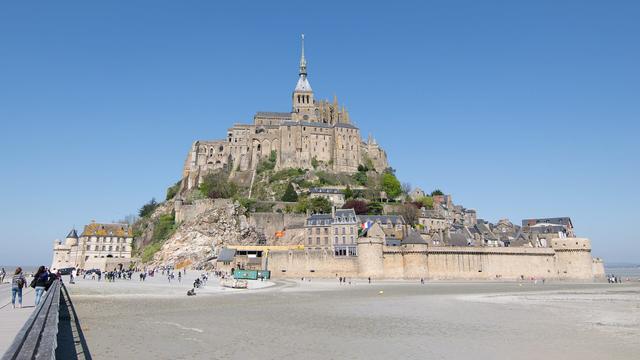
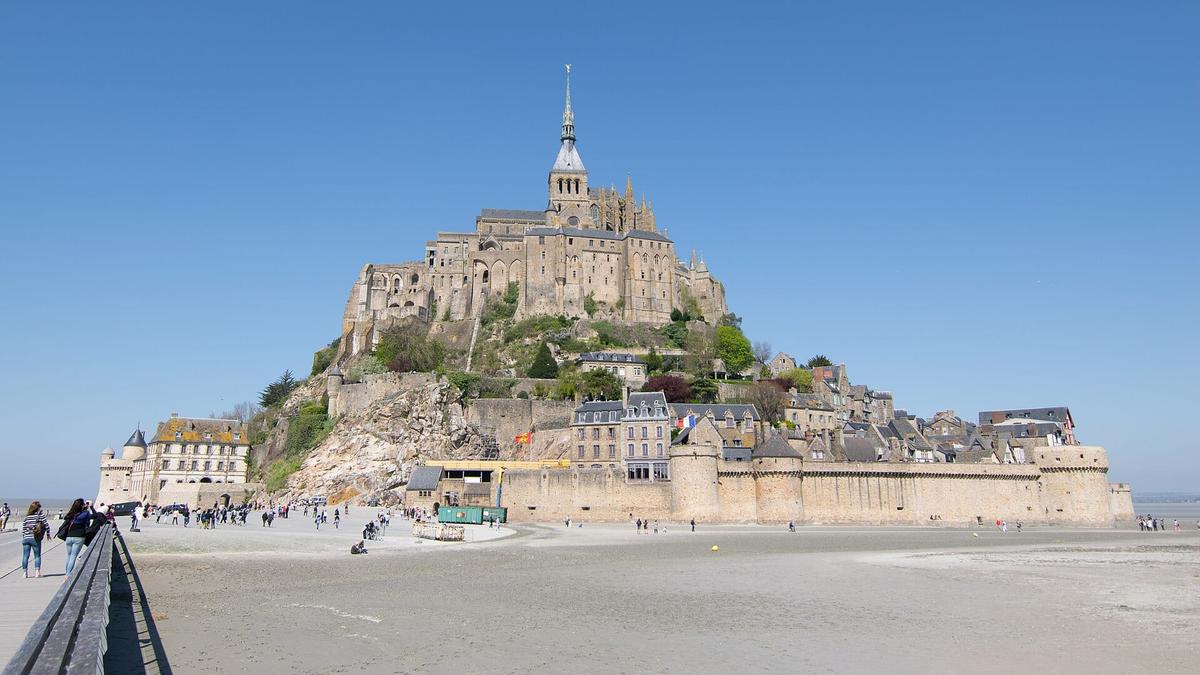
Mont-Saint-Michel welcomed 2,793,985 visitors in 2025. The village is free; the abbey at the top charges admission and is booked by time slot. The Mont sits at the far south-western edge of the region, on the border with Brittany. See also: Mont-Saint-Michel
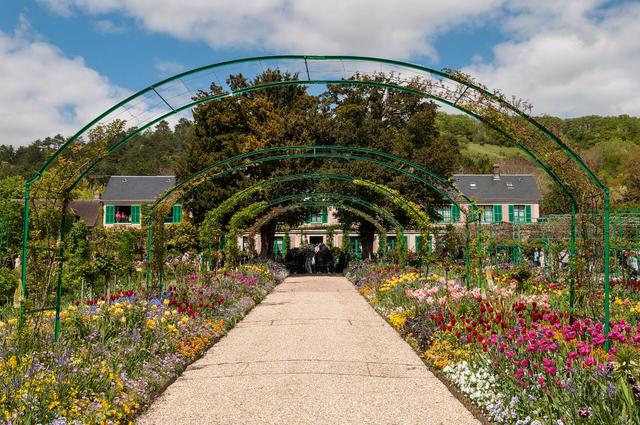
Giverny is the house where Claude Monet lived and painted, with the water garden, the water lilies and the Japanese bridge. It is the easiest trip from Paris, 75 km away. It closes in winter. See also: Monet's House and Gardens
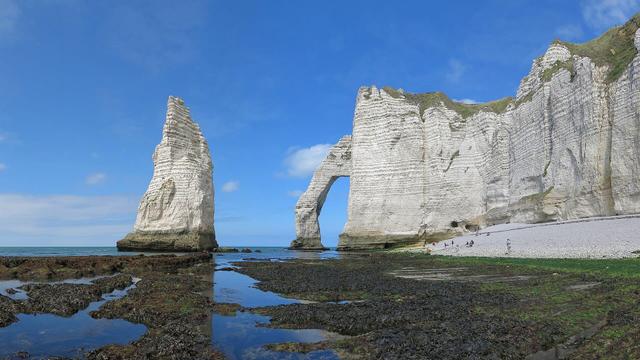
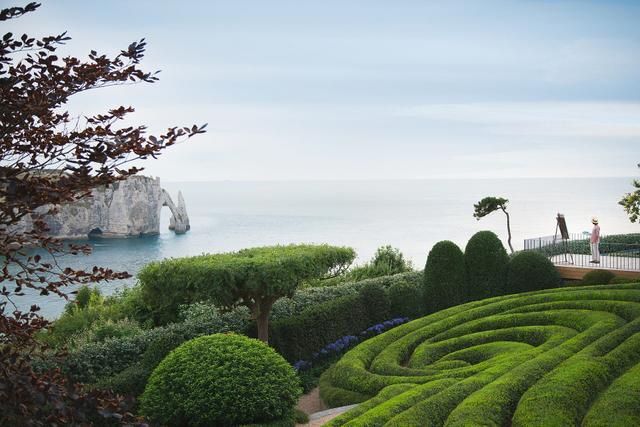
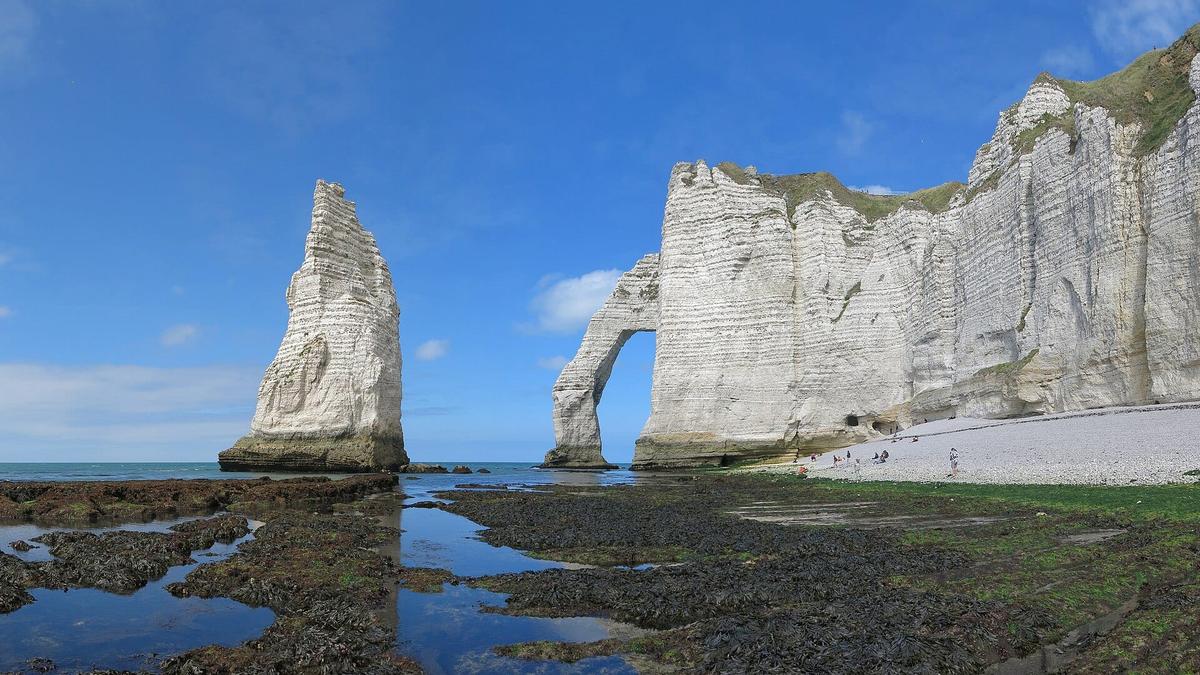
Étretat, on the Alabaster Coast, is explored on foot: the Falaise d'Aval and its 51-metre needle on one side, the Falaise d'Amont and its chapel on the other. Access is free; only parking costs money. See also: Étretat Cliffs
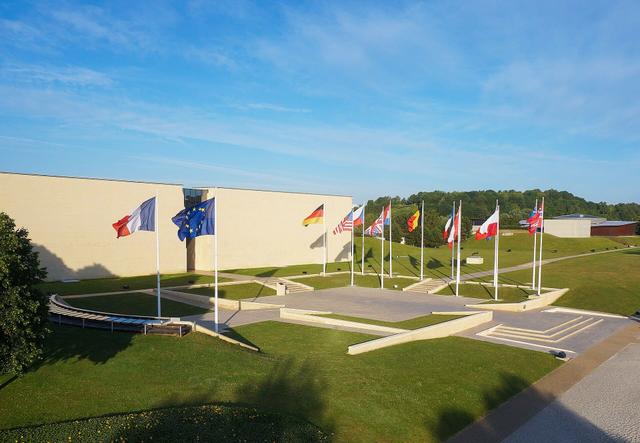
The Caen Memorial is the best place to understand the Second World War and D-Day before heading to the beaches. Allow half a day. See also: Caen Memorial
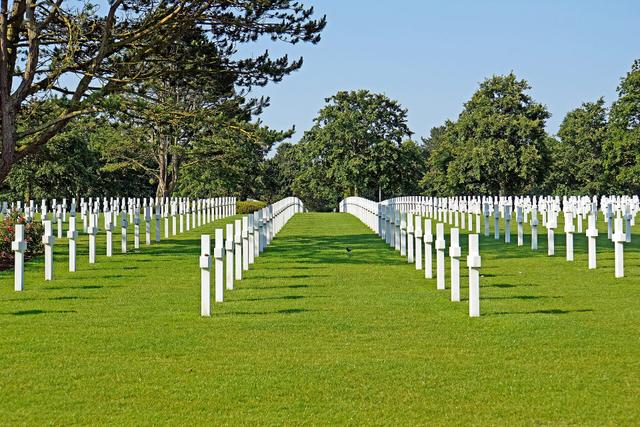
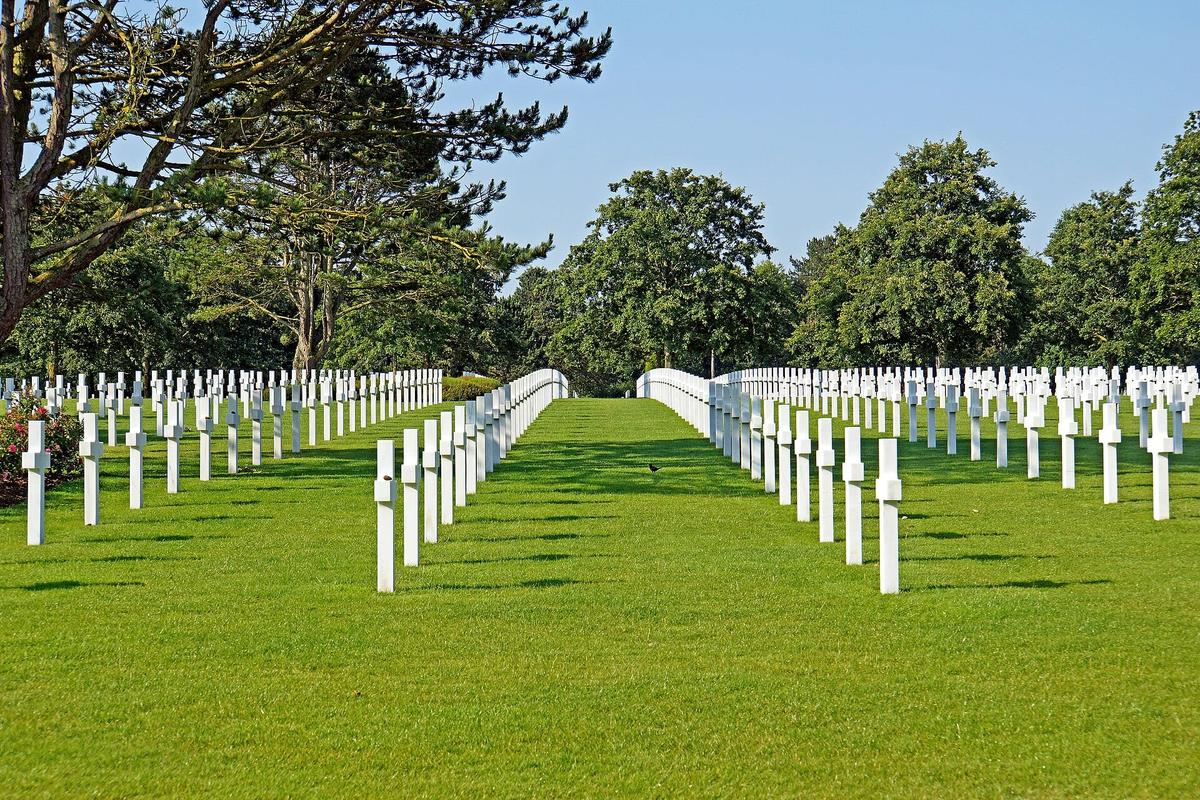
The Normandy American Cemetery at Colleville-sur-Mer overlooks Omaha Beach. 9389 soldiers are buried there. Entry is free; the agency that runs it plans to make booking compulsory from summer 2027. See also: Normandy American Cemetery
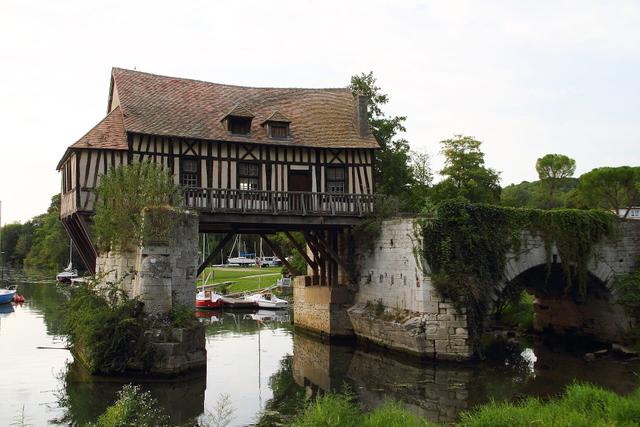
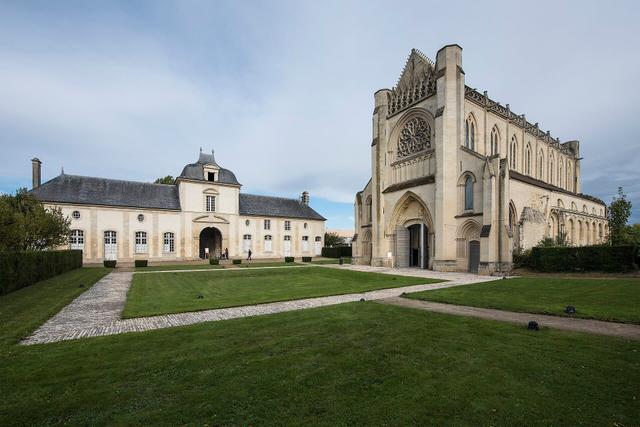
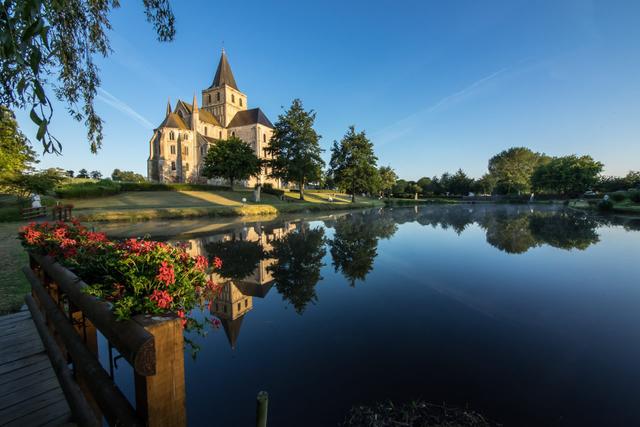
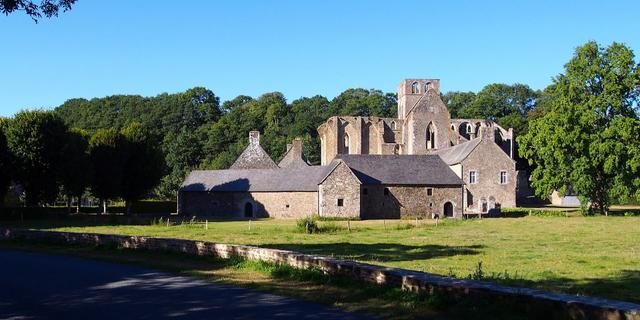
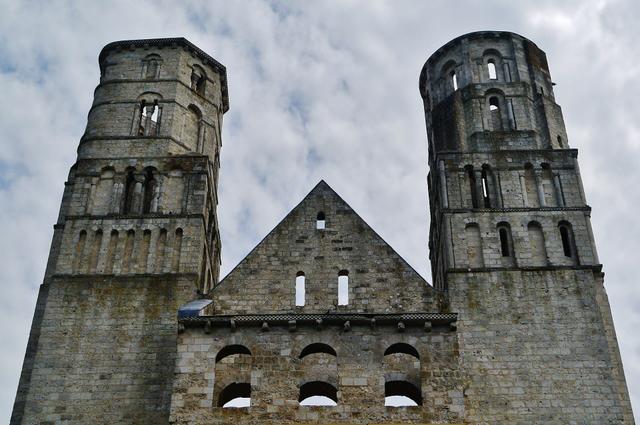
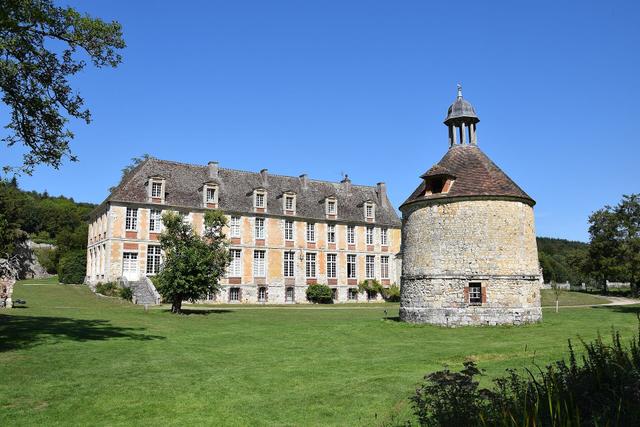
Jumièges Abbey, in a loop of the Seine west of Rouen, is one of the largest Romanesque ruins in France, with two towers 46 metres high. Free for under-18s. See also: Jumièges Abbey
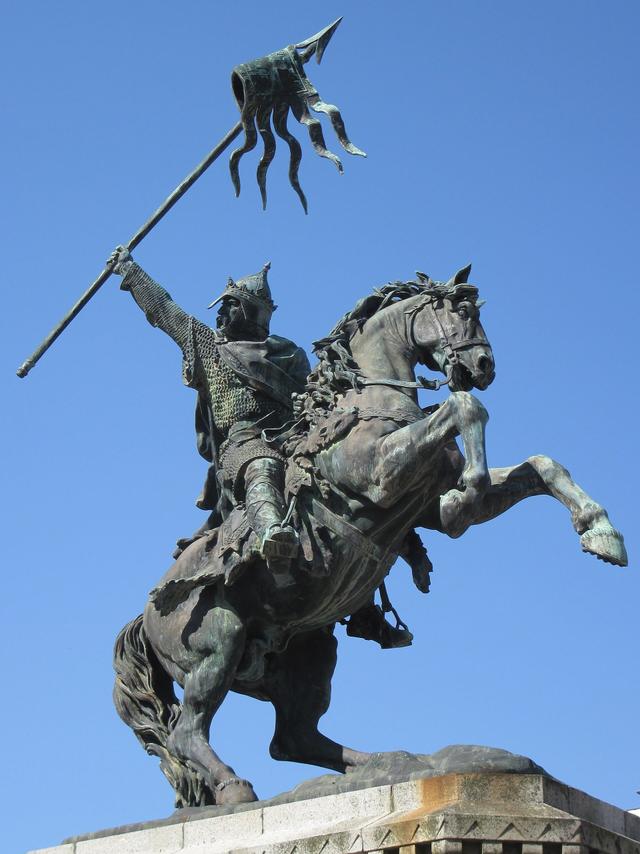
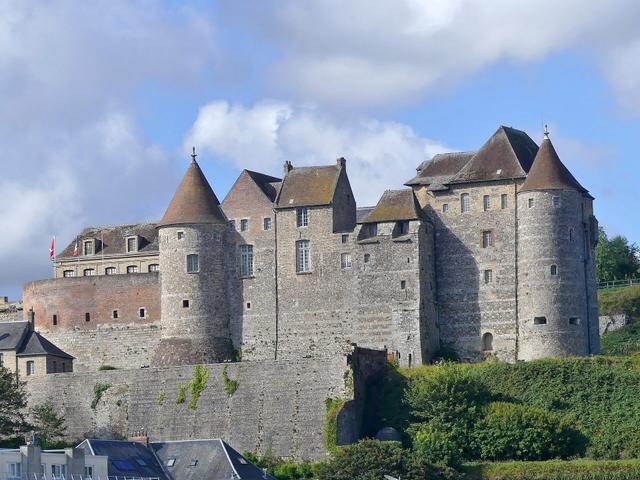
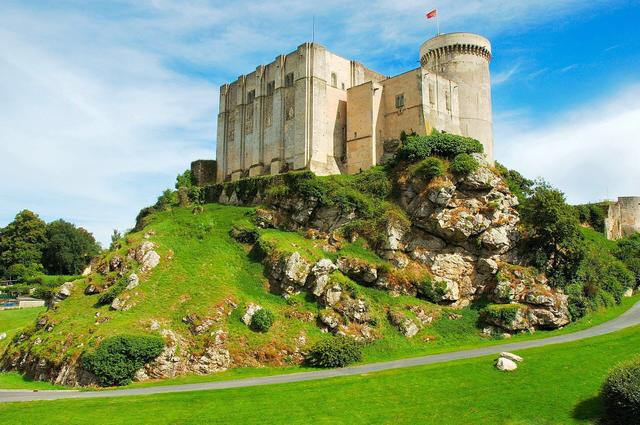
Falaise Castle is the birthplace of William the Conqueror. Its restored keeps are visited with a tablet, which makes it a good visit with children. See also: Falaise Castle (William the Conqueror's Castle)
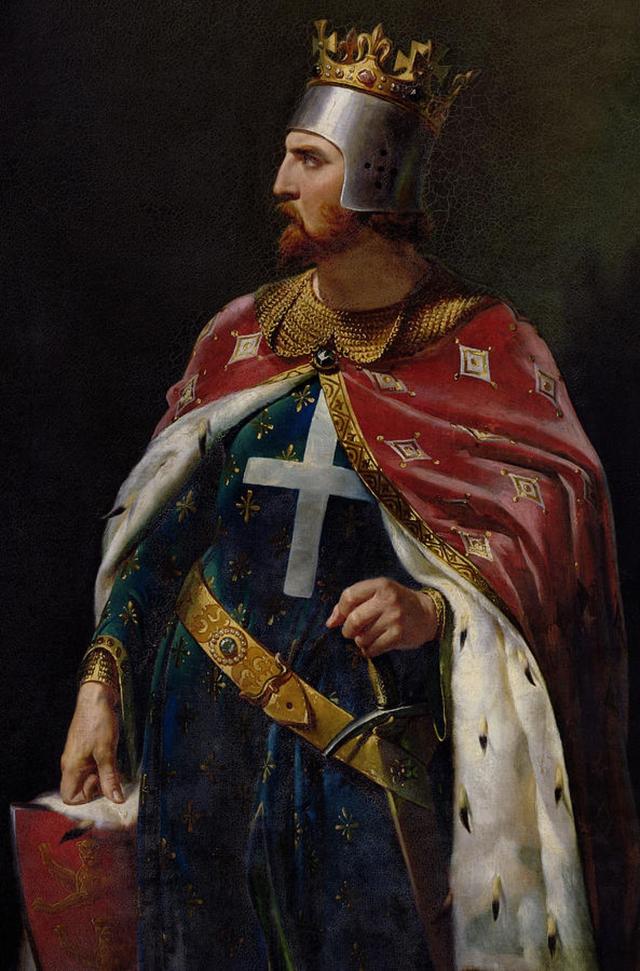
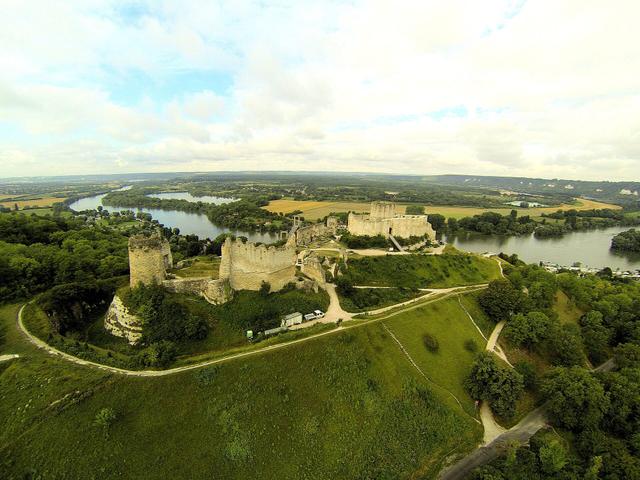
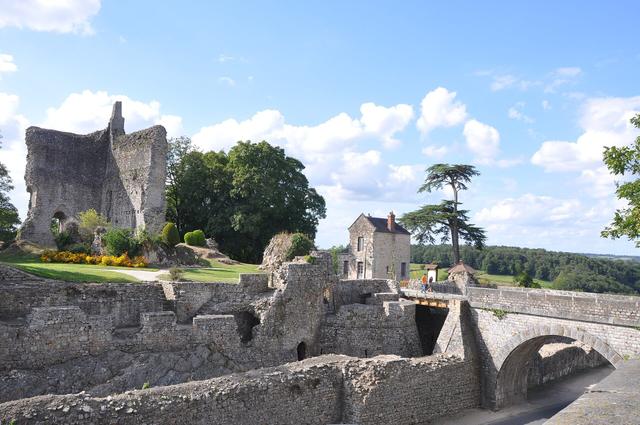
Château Gaillard, Richard the Lionheart's fortress, stands above the Seine at Les Andelys. Most people climb up for the view of the river. See also: Château Gaillard
Four areas to visit separately
Distances are the real trap in Normandy. Group your visits by area, and change area no more than once a day.
- The Seine valley: Giverny, Château Gaillard and Jumièges, with Rouen as a base. Giverny and Château Gaillard are only 35 minutes apart by road. Jumièges lies further west, about forty minutes from Rouen.
- The Alabaster Coast: Étretat, half an hour from Le Havre. Jumièges and Étretat combine well in one day, a little over an hour apart by road.
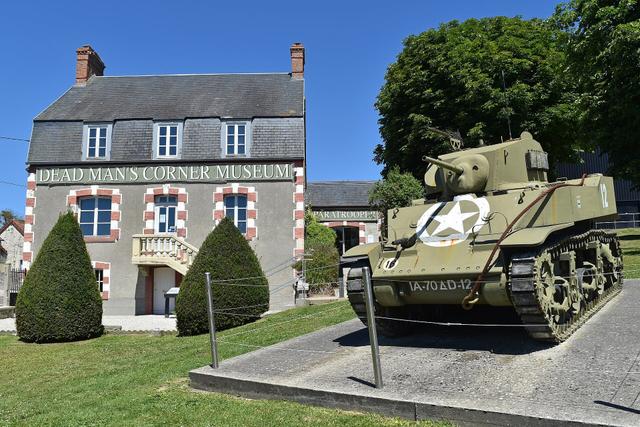
- Caen and the D-Day beaches: the Memorial, then the coast as far as the American Cemetery, 45 minutes away. Falaise is 35 minutes south of Caen. See also: D-Day beaches
- Mont-Saint-Michel, on its own in the south-west. Allow about two hours' drive from Caen or Bayeux, and nearly four hours from Paris (337 km). Give it a full day, ideally with a night nearby.
How many days do you need?
One day from Paris. Giverny in the morning, Château Gaillard in the afternoon. A same-day return trip to Mont-Saint-Michel is possible on an organised tour, but it makes for a very long day. See also: Mont-Saint-Michel from Paris
Three days let you cross the region from east to west:
- Day 1: Giverny and Château Gaillard, night in Rouen.
- Day 2: Jumièges in the morning, Étretat in the afternoon, night in Honfleur or Le Havre.
- Day 3: Caen Memorial in the morning, the beaches and American Cemetery in the afternoon, night in Bayeux.
See also: Normandy in 3 days
Four to five days add Mont-Saint-Michel, with a night near the Mont so you can see it quietly in the evening or early morning. Falaise Castle fits in on the way, south of Caen, or you can spend a second day on the beaches.
Our tip: if you only have two days, do not try to link Giverny and Mont-Saint-Michel. Choose the east (the Seine and Étretat) or the west (D-Day and the Mont).
When to go
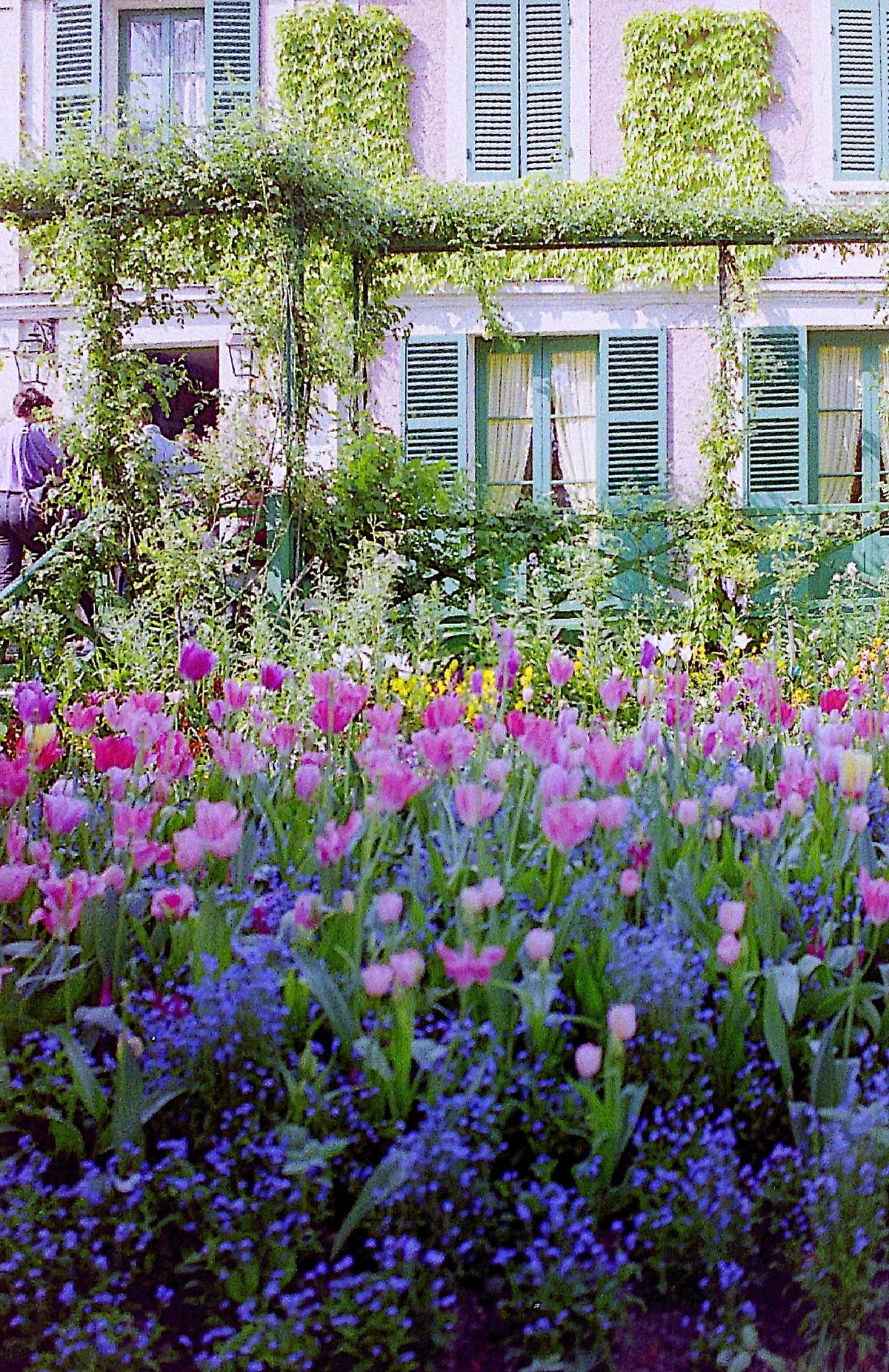
April to June is the best time: Giverny's gardens are in bloom, the days are long and crowds stay reasonable outside long weekends. Around 6 June, the D-Day commemorations fill hotels along the coast, so book early.
July and August mean everything is open and everything is busy. Book Mont-Saint-Michel and Giverny tickets in advance, and get to Étretat before 10 am to find a parking space.
September and October bring far fewer visitors and lovely light on the coast.
From November to March, several sites close or open fewer days:
- Giverny is closed in winter. In 2026, Monet's house was open from 1 April 2026 to 1 November 2026.
- Château Gaillard: the paying part is only open from 28 March 2026 to 1 November 2026, Wednesday to Sunday. The outer bailey stays open all year.
- The Caen Memorial closes every January (from 4 January 2027 to 25 January 2027 in 2027) and on Wednesdays in November and December.
- Falaise Castle closes from 4 January 2027 to 20 February 2027.
- Jumièges has an exceptional closure from 9 to 13 November 2026 and a lunch break in the low season.
Mont-Saint-Michel, Étretat and the American Cemetery can be visited all year round, apart from a few public holidays.
How much does a visit cost?
Normandy's major sites are inexpensive. Apart from the Caen Memorial (€20.80), expect to pay between €3.50 and €16 per adult. Étretat, the American Cemetery, the village of Mont-Saint-Michel and the outer bailey of Château Gaillard are free.
For families the rules vary: Mont-Saint-Michel Abbey and Jumièges are free for under-18s, the Memorial for children under 10, Giverny for under-7s. The Memorial also has a family ticket at €53.
Parking is often the biggest expense: at Mont-Saint-Michel it costs up to €28 for 24 hours in July and August, and Étretat charges for parking all year.
Guided visits and day tours
All these sites can be visited independently. Tours are mainly useful in two cases.
The D-Day beaches without a car. The sites are spread along the coast and poorly linked by bus outside summer. Minibus tours from Caen or Bayeux take in Omaha Beach, Pointe du Hoc, the American Cemetery and Arromanches, with a guide who tells the story of 6 June 1944. The Caen Memorial runs its own tours.
Mont-Saint-Michel from Paris. Coach tours leave early in the morning and return late, sometimes with a stop along the way. It is the simplest option without a car, at the cost of many hours on the road. Once there, crossing the bay on foot is only done with an approved guide, because of the tides and quicksand.
Partner links: if you book through these links, we earn a commission at no extra cost to you. Partner links · Learn more
Getting there and getting around
By train from Paris. Paris-Saint-Lazare station serves most of Normandy: Vernon-Giverny, Rouen, Le Havre, Caen and Bayeux. For Mont-Saint-Michel, the simplest route is the TGV from Paris-Montparnasse to Rennes, then the coach to the Mont.
Getting around without a car. Some sites are easy to reach: Giverny by shuttle from Vernon station, the Memorial on Twisto bus 2 from central Caen, Étretat by bus from Le Havre, Jumièges on coach 530. Others are hard: the American Cemetery is only well served in summer, by Nomad line 125, and neither Falaise nor Les Andelys has a station. See also: Normandy without a car
Renting a car. It is the most flexible option as soon as you want to see more than one site a day, especially along the D-Day coast and between Jumièges and Étretat. The easiest plan is to take the train to Caen or Rouen and pick up a car at the station. Note that the ABMC reports part of the A13 between Paris and Normandy will be closed from 16 November 2026 until August 2027, so check your route before setting off.
Where to stay
Change base at least once: the region is too large for a single hotel.
- Rouen, for Giverny, Château Gaillard and Jumièges. A large city with a station and an old town to explore in the evening.
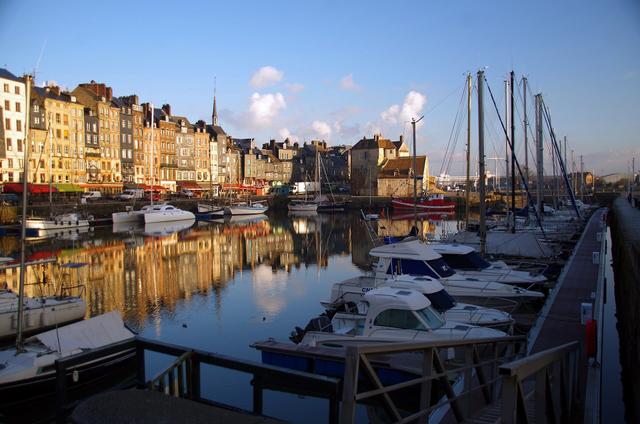
- Honfleur or Le Havre, for Étretat. Honfleur has more charm, Le Havre is more practical without a car.
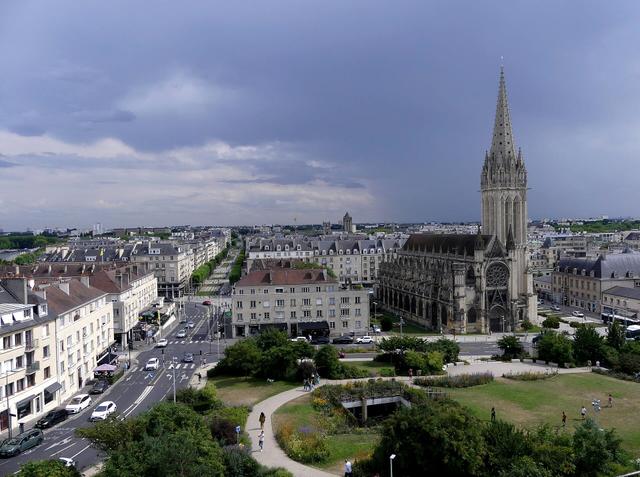
- Caen, for the Memorial and Falaise, with the station and the widest choice of car rental agencies.
- Bayeux, the closest base to the D-Day beaches and the American Cemetery. A small town with a station and plenty of B&Bs.
- Near Mont-Saint-Michel, the mainland hotels are a few minutes' walk from the shuttle. Staying nearby lets you see the Mont in peace once the coaches have left.
FAQ
What should I see in Normandy if I only have one day?
From Paris, Giverny and Château Gaillard. If you are already in the region, the Caen Memorial and the D-Day beaches, or Mont-Saint-Michel.
How many days do you need to visit Normandy?
Three days for the main sites from the Seine to Caen, four or five with Mont-Saint-Michel.
Can you visit Normandy without a car?
Yes for Giverny, Rouen, Caen, Bayeux and Mont-Saint-Michel. The D-Day beaches, Falaise and Les Andelys are easier by car or on a tour.
Which town is the best base?
Bayeux for the D-Day beaches, Caen if you arrive by train, Rouen for the Seine valley. Mont-Saint-Michel needs a separate night.
Is Mont-Saint-Michel in Normandy or Brittany?
In Normandy, in the Manche department, very close to the border with Brittany.
Which sites are free?
The Étretat cliffs, the American Cemetery, the village of Mont-Saint-Michel and the outer bailey of Château Gaillard. Mont-Saint-Michel Abbey and Jumièges are free for under-18s.
Related guides