Dunois, the Bastard of Orléans who waited for Joan of Arc
- Born
- 1402
- Died
- 24 November 1468
- Active years
- 1428 – 1468
- Family
- Artists, saints and favourites
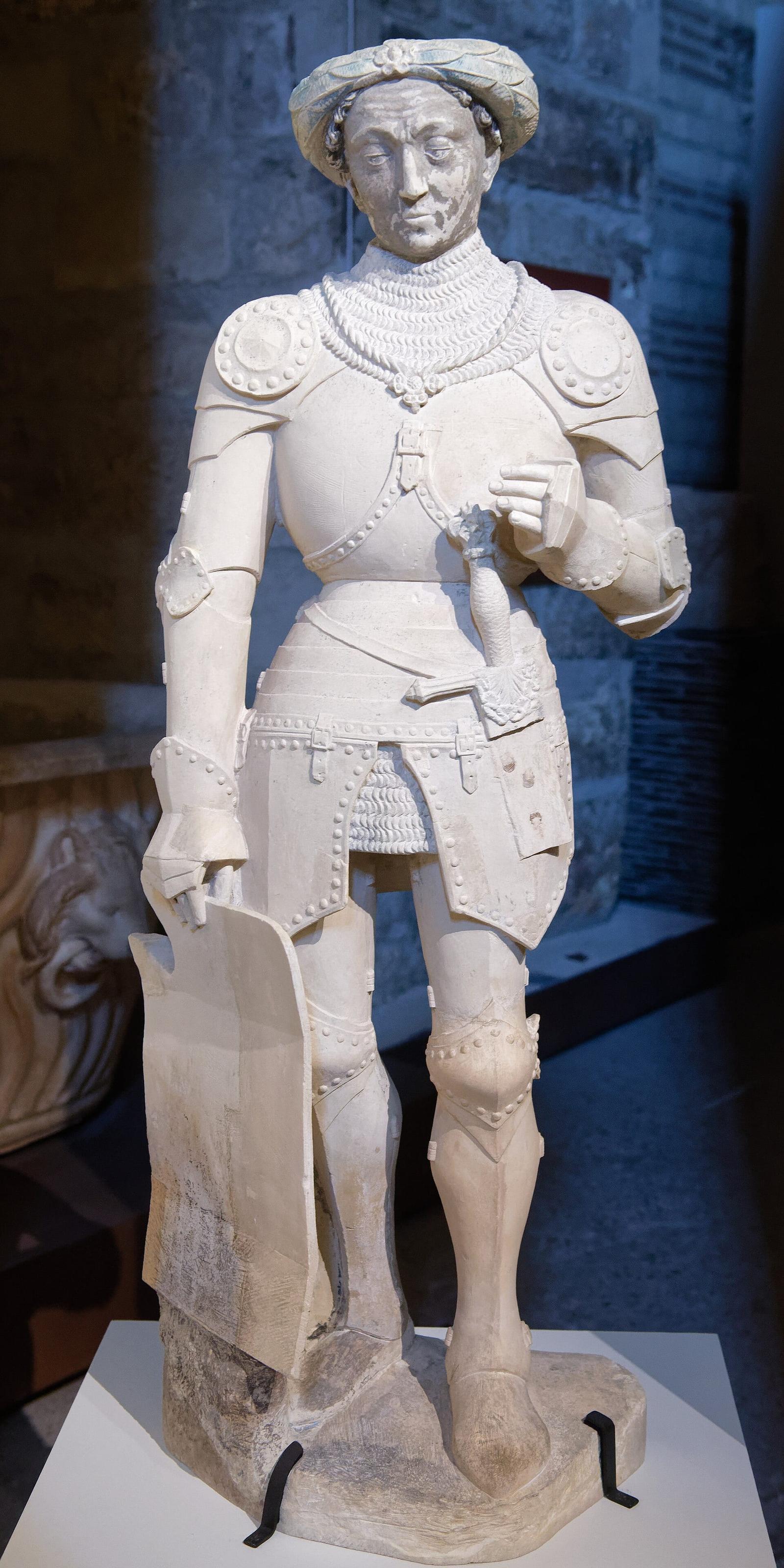
When Joan of Arc reached besieged Orléans at the end of April 1429, he was the one who crossed the Loire to meet her, and the first thing she did was scold him for bringing her along the wrong side of the river. Jean, the illegitimate son of the Duke of Orléans, was defending the city while his half-brother was a prisoner in England. He ended the Hundred Years' War by driving the English out of Normandy and Guyenne, then built himself a château at Châteaudun, with a chapel full of saints.
Dunois in dates
| Date | Event |
|---|---|
| November 1402 | Born in Paris, son of Louis of Orléans and Mariette d'Enghien |
| 1407 | His father, brother of King Charles VI, is murdered in Paris |
| 1415 | His half-brother Charles of Orléans is taken prisoner at Agincourt |
| 1428-1429 | Defends Orléans, besieged by the English |
| 29 April 1429 | Welcomes Joan of Arc; the city is relieved on 8 May |
| 1439 | Receives Châteaudun and the title of Count of Dunois |
| 1449-1450 | Reconquest of Normandy |
| 1451 | Takes Bordeaux and Guyenne |
| 1451-1493 | Construction of the Sainte-Chapelle at Châteaudun |
| 24 November 1468 | Dies at L'Haÿ, near Paris; buried at Notre-Dame de Cléry |
The Bastard of Orléans
Jean was the son of Duke Louis of Orléans, brother of the mad king Charles VI, and his mistress Mariette d'Enghien. The duchess, Valentina Visconti, brought him up with her own children. In 1407 the duke was murdered in Paris on the orders of John the Fearless, Duke of Burgundy: this was the start of the civil war between the Armagnacs and the Burgundians. In 1415 his half-brother Charles, the new duke, was taken prisoner at Agincourt. He would spend twenty-five years in England. See also: Charles of Orléans
The young bastard became the defender of the family lands and one of the captains of the Dauphin, the future Charles VII. See also: Charles VII
Orléans, 1429
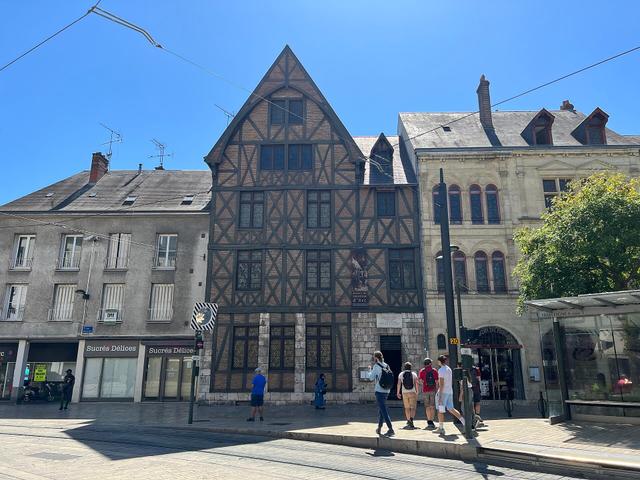
In October 1428 the English laid siege to Orléans, the captive duke's city. Dunois led its defence. On 29 April 1429, Joan of Arc arrived with a supply convoy. She stayed for 10 days with Jacques Boucher, the duke's treasurer. Within a week the English forts fell one after another, and the siege was lifted on 8 May. Dunois then followed Joan to the victory at Patay and on to the coronation at Reims. See also: Joan of Arc House (Maison de Jeanne d'Arc), Joan of Arc
At Joan's nullification trial in 1456, Dunois gave lengthy testimony. Several scenes of the siege are known to us through him.
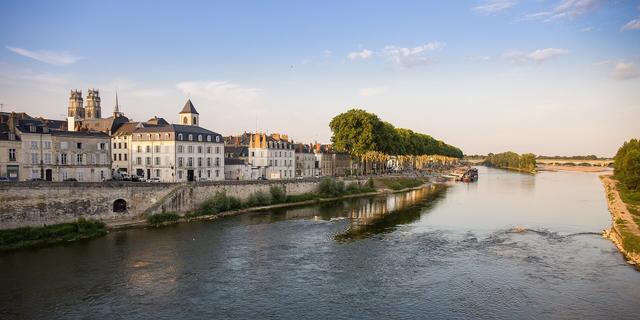
What to see: in Orléans, the Joan of Arc House, rebuilt after 1940, and its film about the lifting of the siege; Orléans Cathedral (Sainte-Croix) and its stained-glass windows devoted to Joan. See also: Orléans Cathedral (Cathédrale Sainte-Croix)
The end of the Hundred Years' War
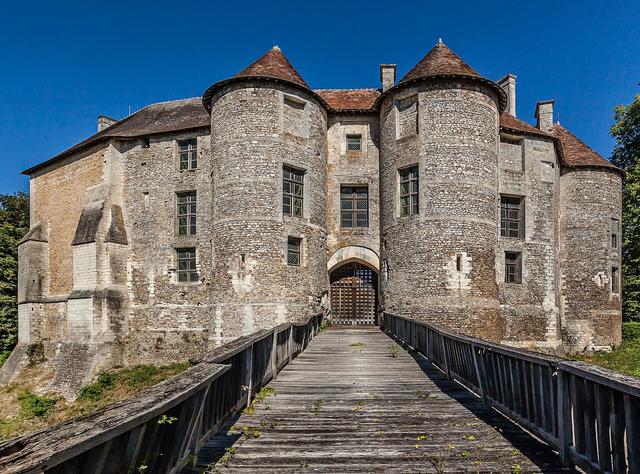
Charles VII made him one of his chief commanders. In 1449 Dunois led the reconquest of Normandy: with the Counts of Eu and Saint-Pol, he retook the Château d'Harcourt in 1449, then Rouen. In 1451 he took Bordeaux. The city went back to the English the following year, but the French victory at Castillon in 1453 ended the war. See also: Château d'Harcourt
What to see: at the Château d'Harcourt, in the Eure, the medieval fortress and the arboretum, one of the oldest in France.
Châteaudun, his château
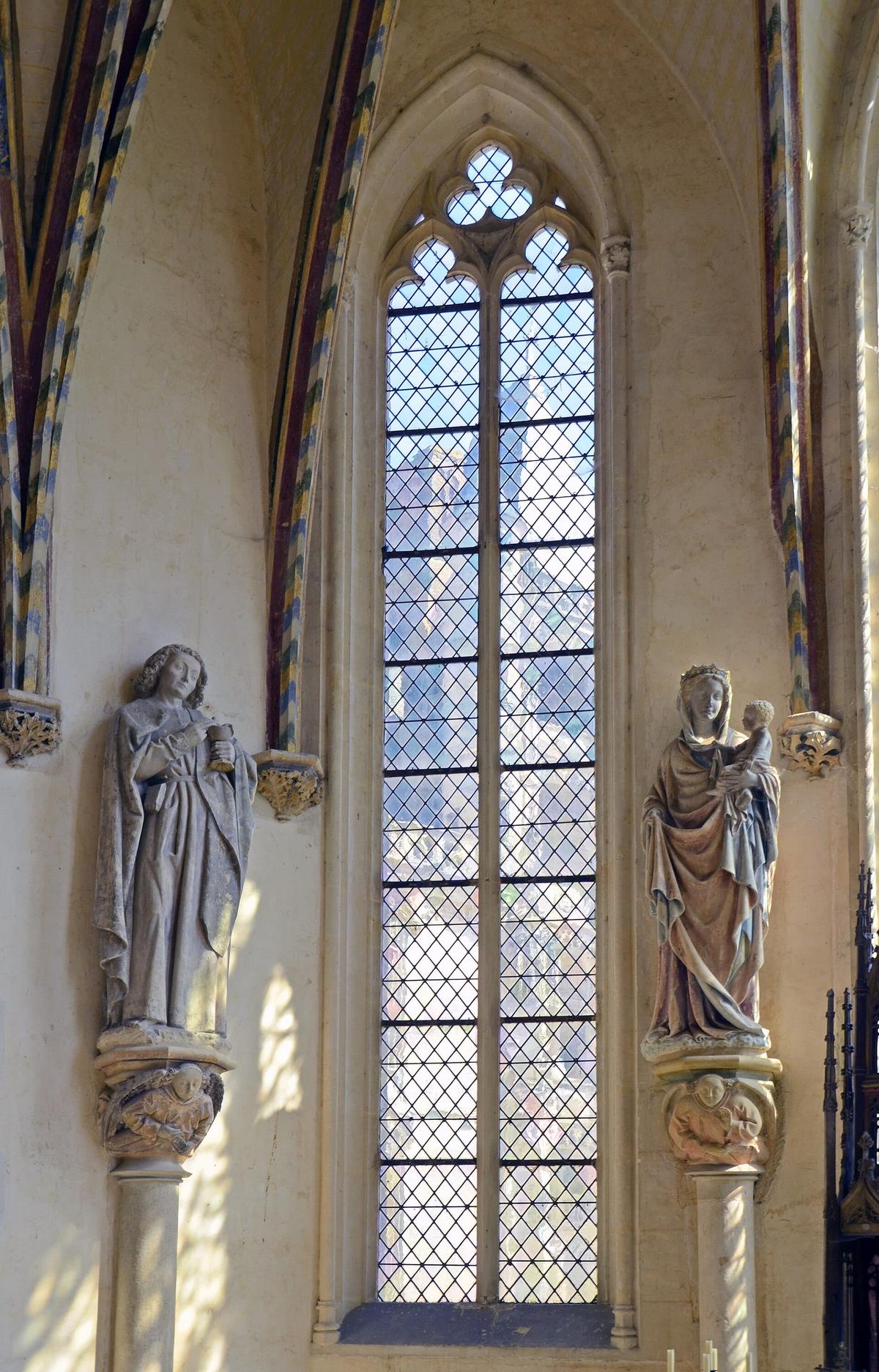
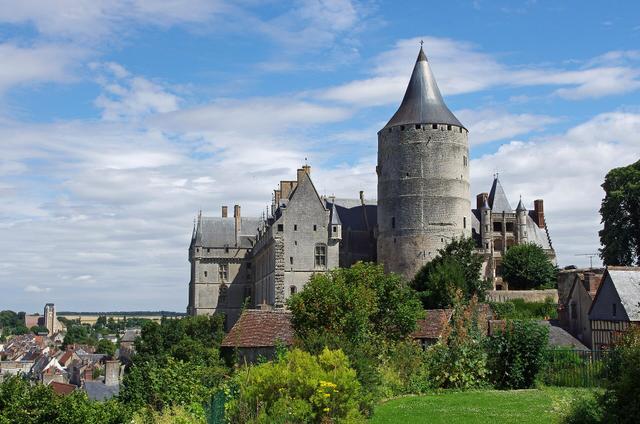
Back from England, Charles of Orléans gave his half-brother the county of Dunois and the château of Châteaudun, above the Loir, in 1439. Dunois turned the fortress into a residence. He first built the Sainte-Chapelle, from 1451, then the wing that bears his name, between 1459 and 1468. His descendants, the Longuevilles, completed the château. See also: Château de Châteaudun
Dunois died in 1468. He is buried at Notre-Dame de Cléry, near Orléans, alongside Louis XI, even though he had fought against him in the League of the Public Weal. See also: Louis XI
What to see: the Sainte-Chapelle and its 15th-century statues of saints, the Last Judgement fresco, the great Gothic staircase in the Dunois wing, the 12th-century keep and the view over the Loir.
In his footsteps: from Orléans to Châteaudun
The Joan of Arc House is a 15-minute walk from Orléans station. Châteaudun has its own station, with trains from Paris-Austerlitz. Blois, where Charles of Orléans lived, is an hour's drive away. See also: Royal Château of Blois
Partner links: if you book through these links, we earn a commission at no extra cost to you. Partner links · Learn more
Guided tours and day trips on GetYourGuide
Places to stay near Châteaudun
FAQ
Why is Dunois called the Bastard of Orléans?
He was the illegitimate son of Duke Louis of Orléans. At the time the word "bastard" was no insult: it was a title, borne with pride.
What role did Dunois play alongside Joan of Arc?
He was in command of the defence of Orléans when she arrived in 1429. He fought beside her during the lifting of the siege and the Loire campaign, then testified in her favour at the nullification trial.
What is the Sainte-Chapelle of Châteaudun?
The chapel that Dunois built in his château from 1451. It houses some fifteen statues of saints, among the finest of the late Middle Ages.
Where is Dunois buried?
At Notre-Dame de Cléry, in the Loiret, the basilica where Louis XI also lies.
Did Dunois reconquer Normandy?
Yes, he led the 1449-1450 campaign that drove the English out of Normandy, before taking Bordeaux in 1451.
Sources: fr.wikipedia.org (Jean de Dunois)