Gilles de Rais, from the coronation at Reims to the stake at Nantes
- Born
- c. 1405
- Died
- 26 October 1440
- Active years
- 1429 – 1440
- Family
- Artists, saints and favourites
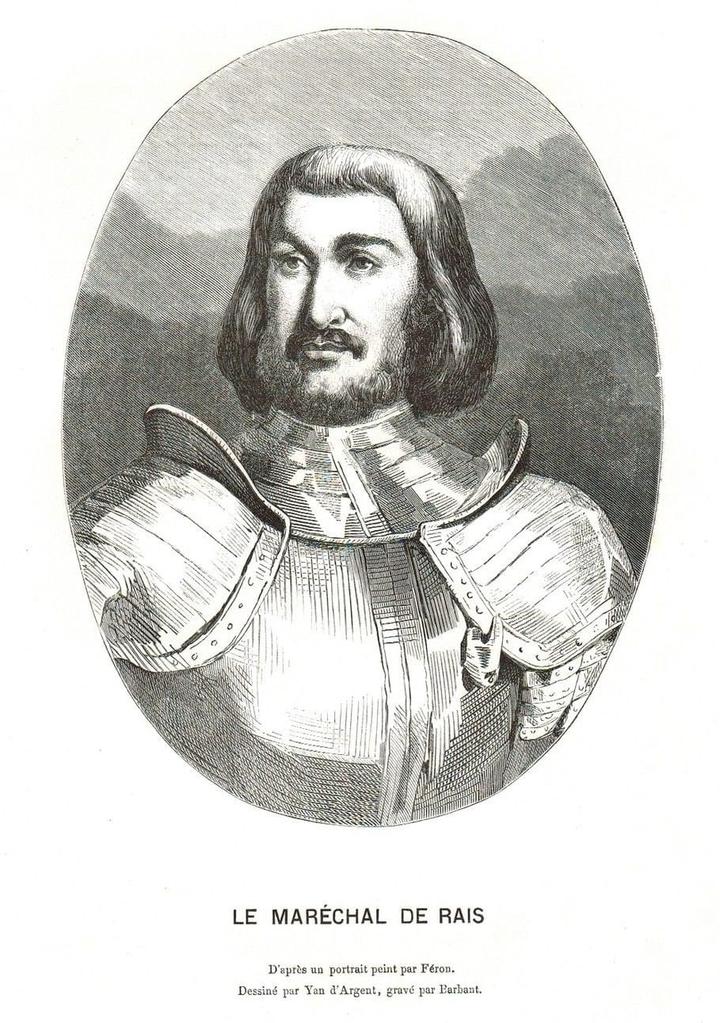
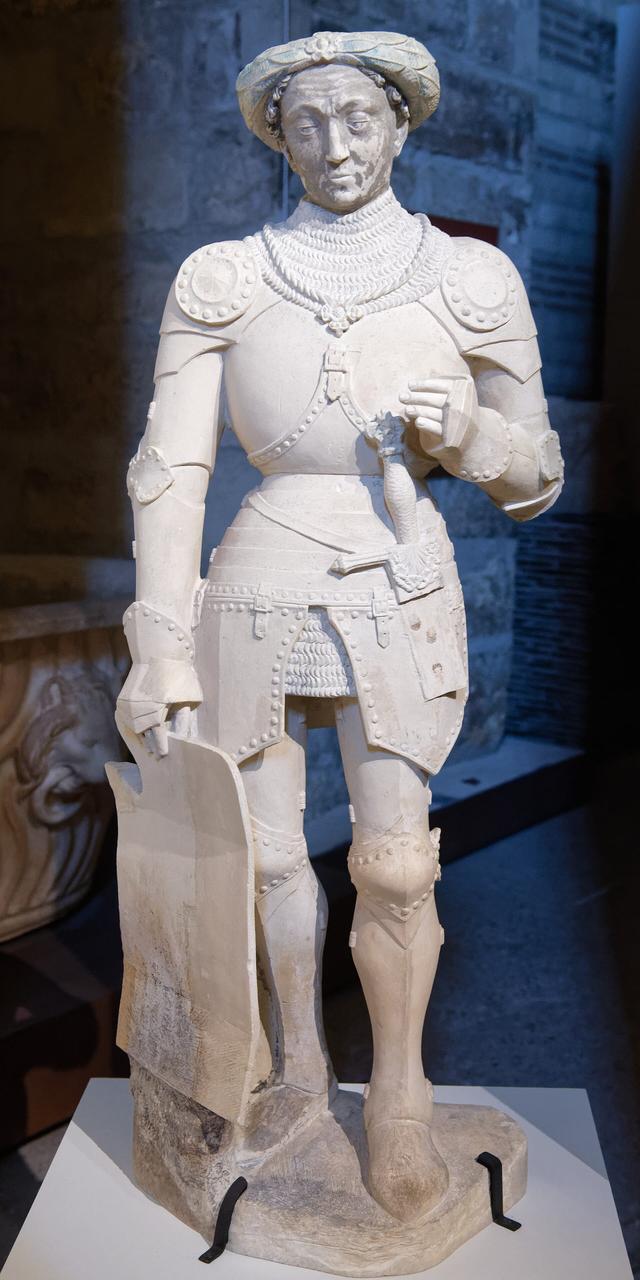
In July 1429, he carried the Holy Ampulla at the coronation of Charles VII in Reims and was made Marshal of France. Eleven years later, he was hanged and burned in Nantes, after confessing before his judges to the murder of many children. In between, Joan of Arc's companion squandered one of the largest fortunes in France and had men seek gold and the devil at the Château de Tiffauges.
Gilles de Rais in dates
| Date | Event |
|---|---|
| Around 1405 | Born at the Château de Champtocé, in Anjou |
| 1420 | Abducts and marries Catherine de Thouars, heiress to Tiffauges |
| February 1429 | At Chinon when Joan of Arc arrives |
| April-May 1429 | Escorts the supply convoy to Orléans and fights at the lifting of the siege |
| 18 June 1429 | Victory at Patay |
| 17 July 1429 | Carries the Holy Ampulla at the coronation in Reims; made Marshal of France |
| 1435 | His family obtains from Charles VII a ban on selling his lands |
| 1438 | Brings the alchemist François Prelati from Italy |
| May 1440 | Forces his way, weapon in hand, into the church of Saint-Étienne-de-Mer-Morte |
| 15 September 1440 | Arrested at Machecoul |
| 26 October 1440 | Executed in Nantes |
The richest heir in western France
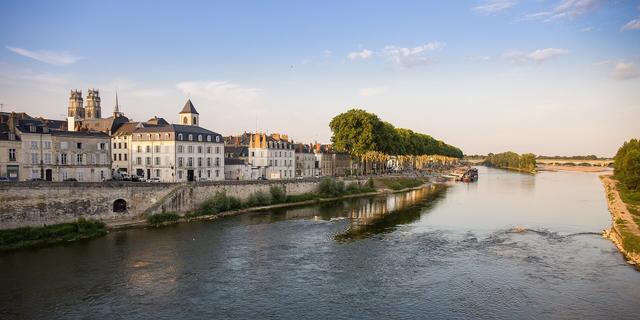
Gilles de Montmorency-Laval, Baron de Rais, was born around 1405 at the Château de Champtocé, on the banks of the Loire. Orphaned young, he was raised by his grandfather, Jean de Craon, who arranged an advantageous marriage for him. In 1420, Gilles abducted his cousin Catherine de Thouars and married her. Among other things, she brought him the Château de Tiffauges. He then held huge estates across Anjou, Poitou and Brittany.
With Joan of Arc
In 1429, he was at Chinon when Joan of Arc met the Dauphin there. At the end of April, with Jean de Brosse, he commanded the escort of the supply convoy she led to besieged Orléans, and fought beside her as the siege was lifted, then at Jargeau and Patay. On 17 July 1429, at the coronation of Charles VII in Reims, he was the one who went to fetch the Holy Ampulla. The king made him Marshal of France; he was about twenty-five. In September, he was still near Joan when she was wounded outside the Porte Saint-Honoré in Paris. See also: Joan of Arc, Charles VII
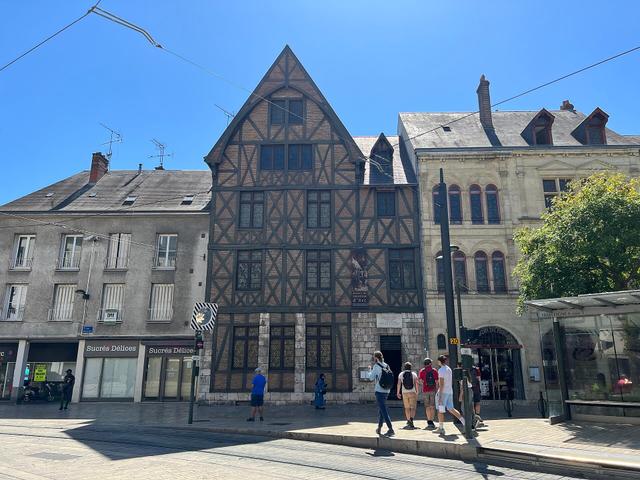
What to see: in Orléans, Joan of Arc's house and its film on the lifting of the siege of 1429. See also: Joan of Arc House (Maison de Jeanne d'Arc)
Ruin and alchemy
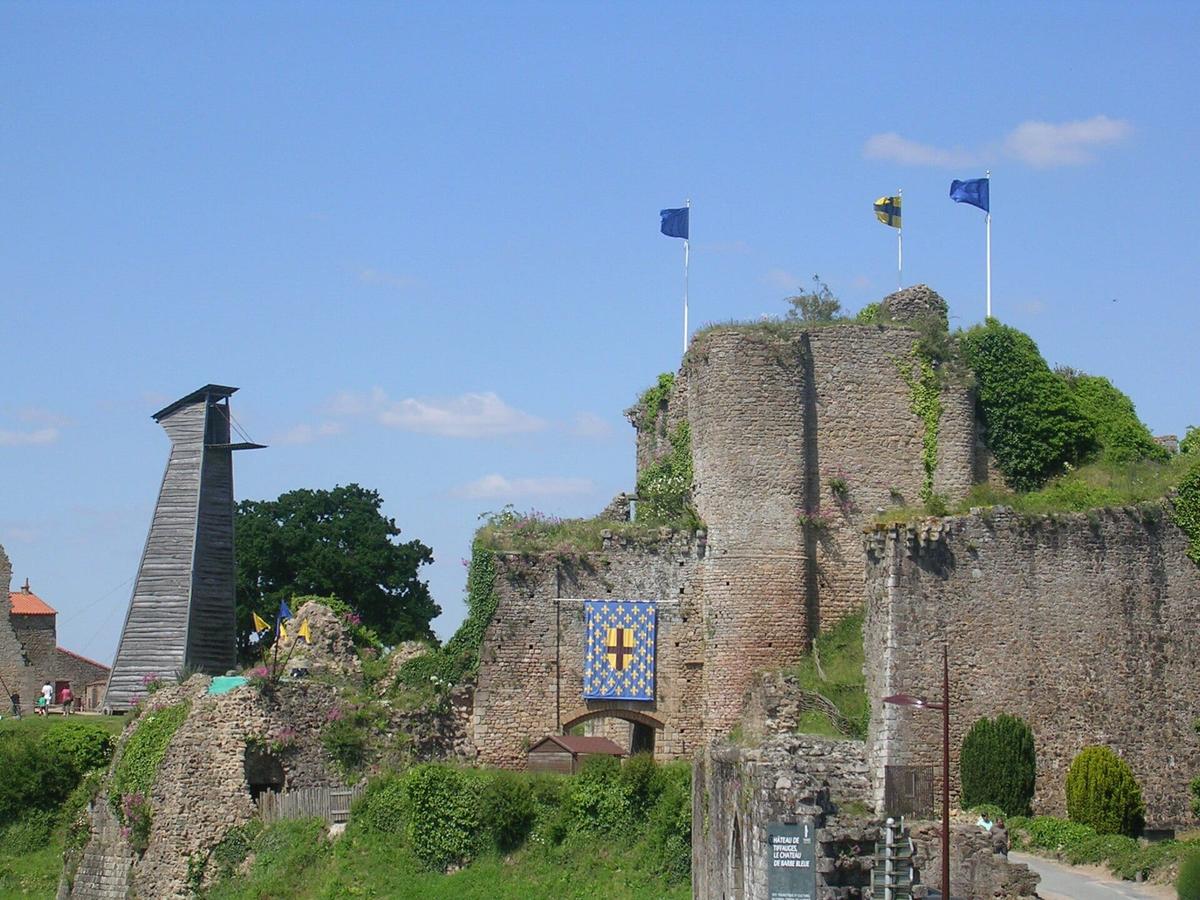
Back on his lands, Gilles lived like a prince: a chapel with many canons, an escort, festivities. He sold his castles and lands one after another. In 1435, his family obtained from Charles VII a ban on any further sales. To rebuild his fortune, he turned to alchemy. In 1438, his chaplain brought back from Florence a Tuscan cleric, François Prelati, who claimed to summon a demon at Tiffauges, in Gilles's presence, to obtain gold. See also: Château de Tiffauges
The trial in Nantes
In the spring of 1440, Gilles made the mistake that brought him down: to take back a lordship he had sold, he burst armed into the church of Saint-Étienne-de-Mer-Morte during Mass and threatened a cleric. The Bishop of Nantes and the Duke of Brittany then opened an inquiry, which gathered complaints from families whose children had disappeared near his castles.
He was arrested at Machecoul on 15 September 1440. Before the church court, he denied everything, then on 21 October, under threat of torture, confessed to atrocious crimes against children. The Church's sentence speaks of “one hundred and forty children, or more” (“cent quarante enfants, ou plus”). The duke's court sentenced him to death. On 26 October 1440, he was hanged and his body placed on the pyre, in Nantes, on the Île de Biesse. A few writers have since questioned the trial; most historians regard the testimony and the confessions as damning.
Tiffauges, Bluebeard's castle
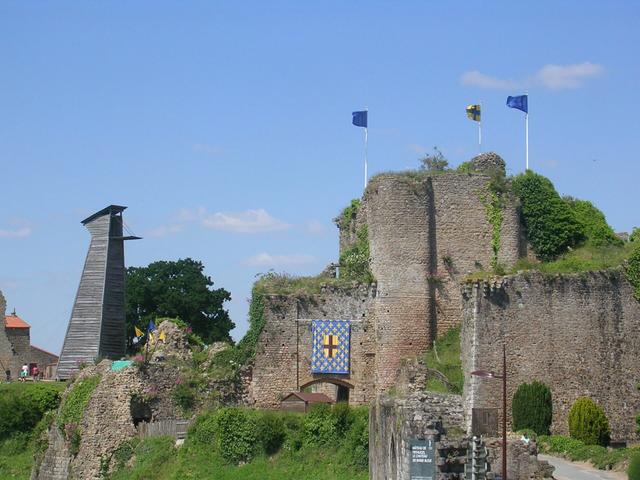
In the 19th century, Gilles de Rais was made out to be the model for Charles Perrault's Bluebeard, with no proof: the character in the tale kills his wives, not children. The nickname has stuck to the Château de Tiffauges, in the Vendée. See also: Charles Perrault
What to see: at Tiffauges, the Romanesque keep, the Romanesque crypt of the Saint-Vincent chapel, and a collection of 16 reconstructed medieval siege engines, operated during the season.
In his footsteps: Tiffauges and Orléans
The Château de Tiffauges is 3 km from Torfou - Le Longeron - Tiffauges station, between Cholet and Les Herbiers. The Puy du Fou is half an hour away by road, so the two are easy to combine. In Orléans, Joan of Arc's house is 15 minutes on foot from the station. See also: Puy du Fou
Partner links: if you book through these links, we earn a commission at no extra cost to you. Partner links · Learn more
Places to stay near Les Herbiers
FAQ
Who was Gilles de Rais?
A great lord of Brittany and Anjou, born around 1405, a comrade in arms of Joan of Arc and Marshal of France in 1429. He was convicted and executed in Nantes in 1440 for the murder of children, heresy and sorcery.
What was the link between Gilles de Rais and Joan of Arc?
He fought beside her at Orléans, Jargeau, Patay and outside Paris, and he carried the Holy Ampulla at the coronation of Charles VII in Reims.
Is Gilles de Rais Bluebeard?
It has often been said since the 19th century, but nothing proves that Charles Perrault had him in mind when he wrote his tale in 1697.
Can you visit Gilles de Rais's castle?
Yes, the Château de Tiffauges, in the Vendée, is open to visitors. You can see the castle ruins, the keep, the crypt and medieval siege engines.
How did Gilles de Rais die?
He was hanged and then burned in Nantes, on 26 October 1440.
Sources: fr.wikipedia.org (Gilles de Rais)