Visiting Saint-Vaast-la-Hougue: a practical guide to the Cotentin's oyster harbour
Saint-Vaast-la-Hougue at a glance
- Admission
- Free
- Time needed
- half a day
- Where
- Saint-Vaast-la-Hougue
- Nearest station
- Valognes
Facts checked on 4 November 2026. Full opening hours, reduced prices and access
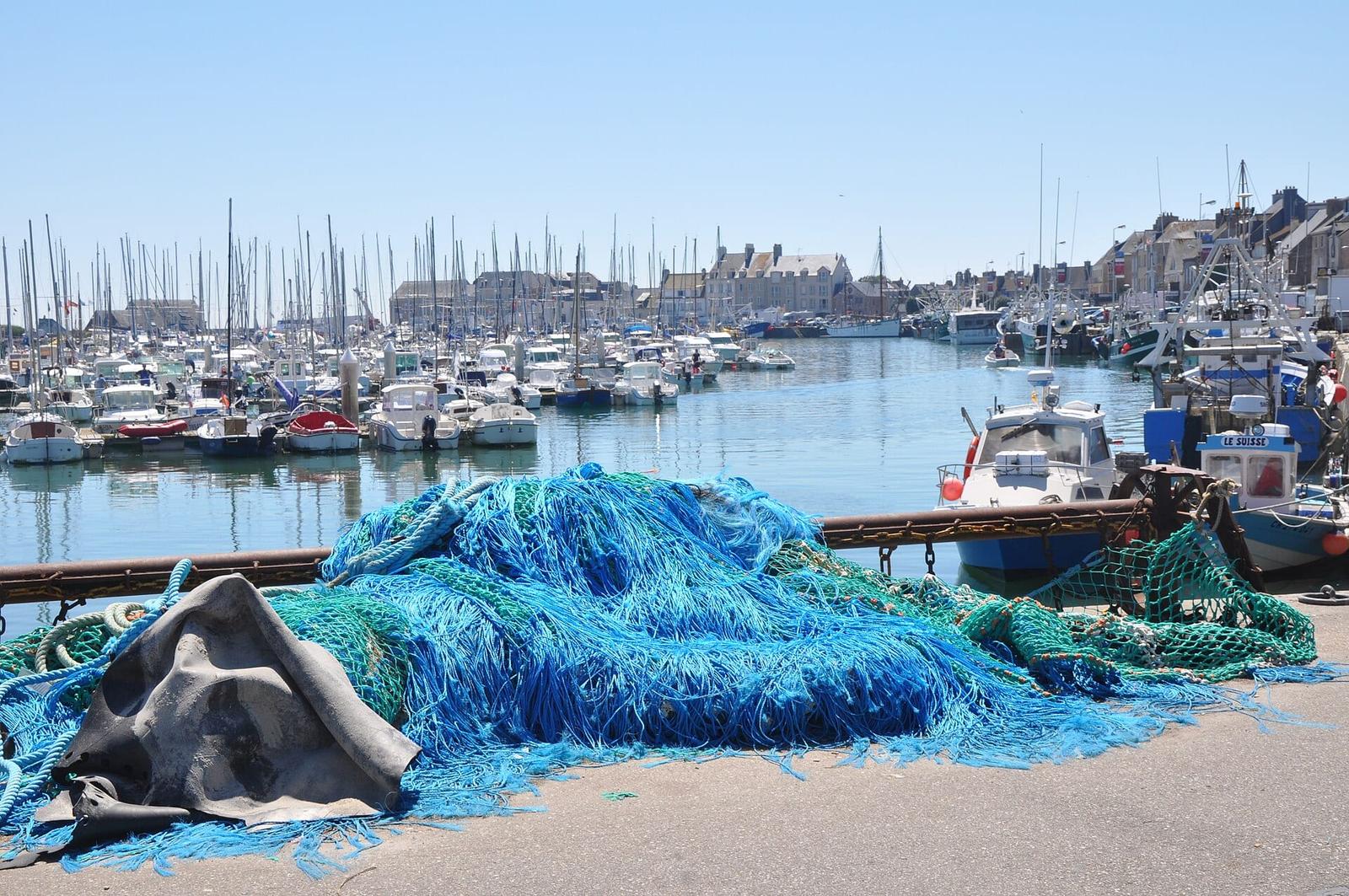

Saint-Vaast-la-Hougue is free to explore on foot: a large fishing and sailing harbour, a Romanesque chapel dedicated to sailors, oyster beds stretching out to sea at low tide and, at the end of the peninsula, the UNESCO-listed Vauban tower of La Hougue. That tower stands on military ground, so you can't just walk in. Here is what you can actually visit, how to get there, where to park and how long to allow, with facts checked with the Cotentin tourist office.
Saint-Vaast-la-Hougue at a glance
- Where: on the east coast of the Cotentin peninsula, in the Val de Saire (Manche), about 35 minutes from Cherbourg.
- Price: free. The village, harbour, seafront and sailors' chapel are open to all.
- Time needed: 2 hours for the village, half a day with the walk out to La Hougue, a full day if you add Tatihou Island.
- La Hougue tower: it belongs to the French Navy. You can only go inside on the tourist office's summer guided tours and during European Heritage Days. The rest of the time you see it from outside.
- Speciality: the Saint-Vaast oyster, farmed on around 250 hectares of beds.
- Title: voted France's Favourite Village (Village préféré des Français) in 2019.
- Without a car: Valognes station, 17 km away, then a Cap Cotentin bus.
Why visit Saint-Vaast-la-Hougue
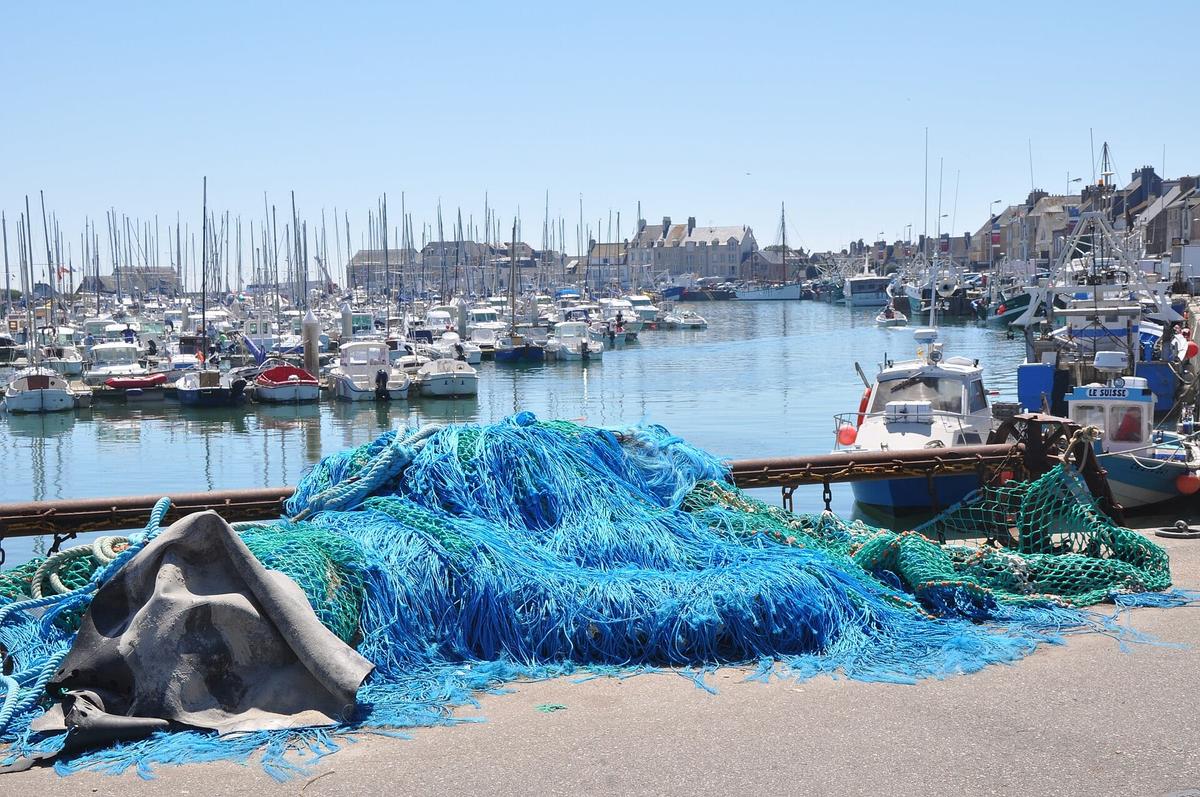
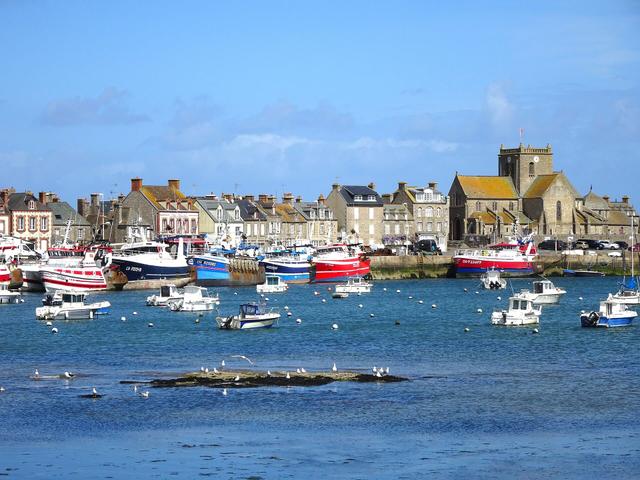
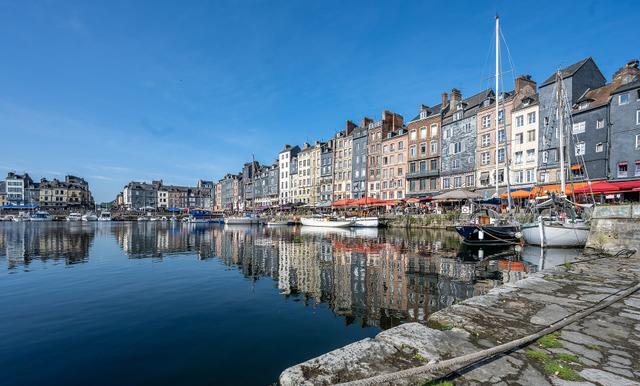
Saint-Vaast is a working harbour. Fishing boats share the basin with a 665-berth marina, one of the largest in Normandy. On the quays you pass oyster farmers, yachtsmen and families waiting for the Tatihou boat.
The village has a long military past. Edward III landed here in 1346 at the start of the Hundred Years' War. In 1692, Louis XIV's fleet was beaten offshore, and 12 French ships were burned in front of La Hougue and Tatihou. To protect the anchorage after that disaster, Vauban had two towers built: one on the La Hougue peninsula and its twin on Tatihou Island.
Today Saint-Vaast is best known for its oysters and for winning France's Favourite Village in 2019. It is also where the boats leave for Tatihou. See also: Tatihou Island, Saint-Vaast-la-Hougue
How long does it take to visit Saint-Vaast-la-Hougue?
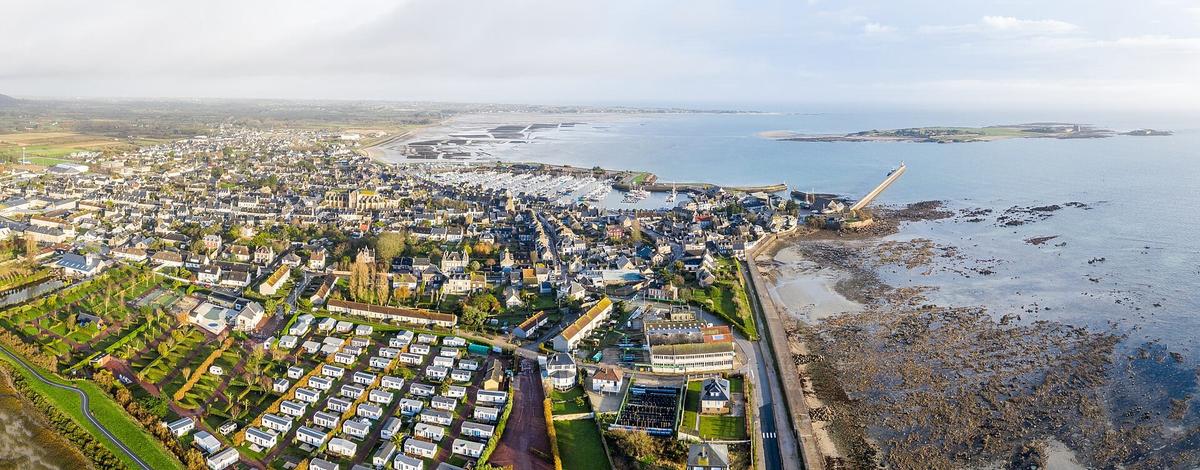

Allow 2 hours for the harbour, the sailors' chapel, the church and the shopping streets. For half a day, add the walk to La Hougue beach and the peninsula, about 10 minutes on foot from the centre.
If you take the boat to Tatihou Island, plan on a full day: the crossing must be booked, and the island alone takes several hours.
Keen walkers can reach Barfleur on the coastal path (GR223): 13 km to the north. See also: Barfleur
Our tip: check the tide times before you come. At low tide the oyster beds are uncovered and the bay looks completely different. At high tide the harbour is full and the view of Tatihou is at its best.
Is Saint-Vaast-la-Hougue free to visit?
Yes. There is no ticket and no gate. The village, harbour, quays, sailors' chapel, church and beaches are all free.
What you may pay for:
- Parking in some central car parks (others are free).
- The crossing to Tatihou Island, which includes access to the island and its sites. Prices are on the island's page.
- Guided tours run by the tourist office, including those of La Hougue tower. Their 2026 prices could not be checked on an official page: ask at the office on quai Vauban.
Opening times and best time to visit
The village is open at all hours. According to the tourist office, the sailors' chapel is open during the day.
The tourist information office is at 41 quai Vauban, on the harbour. In September 2026 it was open daily from 9am to 12.15pm and 1.15pm to 6pm. Hours change with the season, so call +33 805 32 02 00 before relying on them. The office shares its premises with the Tatihou ticket desk.
When to come. Summer is the season for guided tours of La Hougue tower, frequent boats to Tatihou and café terraces on the harbour. The village has been very busy since its 2019 title, so arrive early. Spring and autumn are quieter and the best time for oysters and walking. Tatihou Island closes in winter.
Tides matter. Boat access to the harbour depends on the tide. For visitors it mainly changes the scenery: at low water the bay empties and you can see oyster trestles all the way to Tatihou.
How to get to Saint-Vaast-la-Hougue
By car. From Paris, allow about 3½ hours via the A13 and then the N13 towards Cherbourg. Leave at Montebourg and follow signs for Saint-Vaast-la-Hougue. From Cherbourg, take the D901 towards Quettehou: about 35 minutes.
Parking. There are free and paid car parks near the harbour and the centre. In summer the spaces close to quai Vauban fill quickly, especially on sunny days when the Tatihou boats are full. Park a little further out and walk in: the centre is easy to cover on foot.
By train and bus. The nearest station is Valognes, 17 km away. A Cap Cotentin bus serves Saint-Vaast (stop: place Belle-Isle). Services are infrequent, so check the timetable on the Cap Cotentin website before you set off. See also: Normandy without a car
Hiring a car. In the Val de Saire this is the easiest option. With a car you can combine Saint-Vaast, Barfleur and the Gatteville lighthouse in a day, or head south to Utah Beach. Pick one up in Caen and you can stop at the D-Day beaches on the way. See also: D-Day beaches
Partner links: if you book through these links, we earn a commission at no extra cost to you. Partner links · Learn more
What to see in Saint-Vaast: the harbour and the sailors' chapel

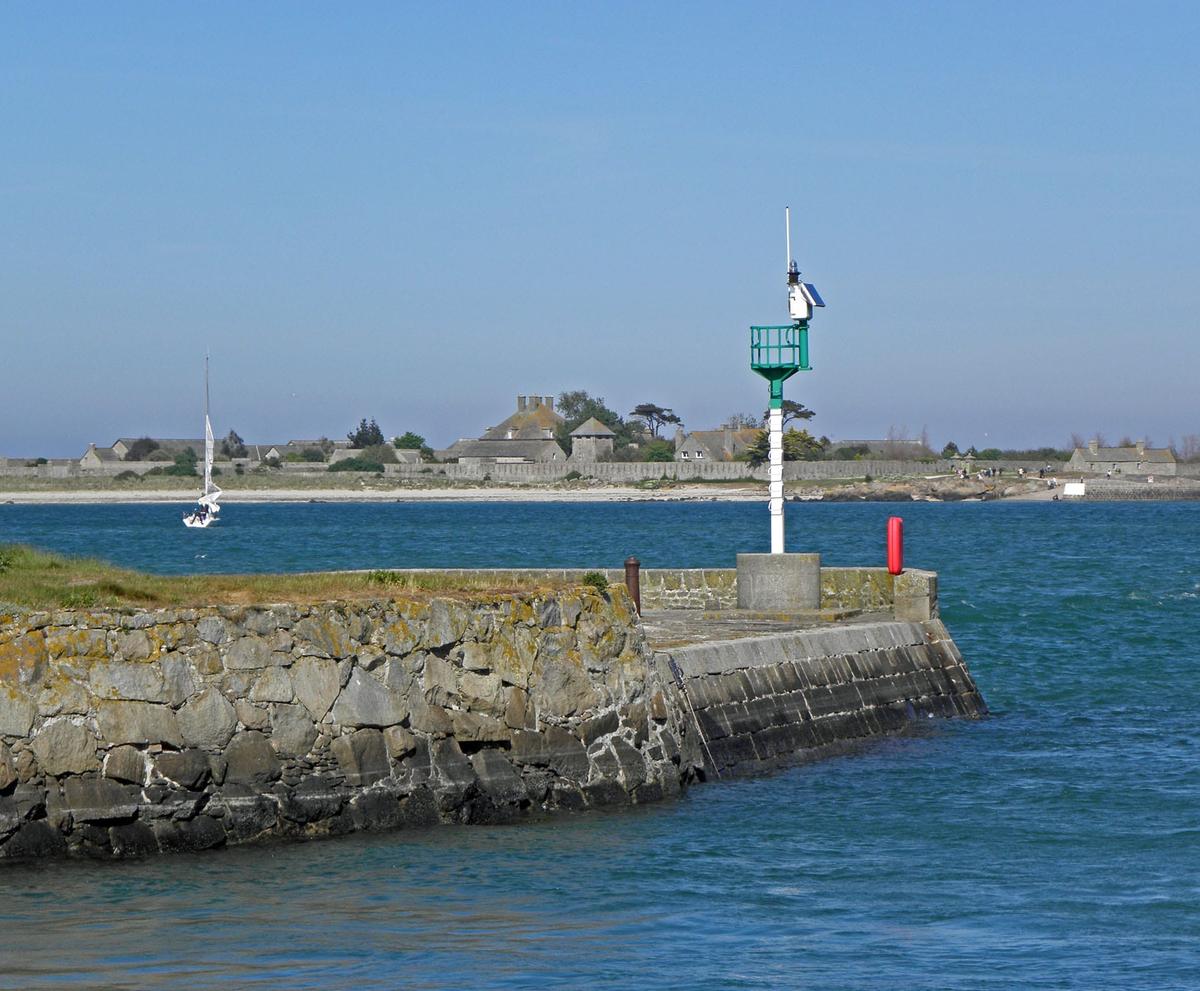
The harbour. This is the heart of village life. The main breakwater was built from 1828 to 1845, the quays from 1846 to 1852. A lock opened in 1982 keeps water in a wet basin shared by the fishermen and the marina, which opened in 1980. The harbour was the first in Normandy to be certified "Ports propres" for biodiversity. A small cast-iron light marks the end of the breakwater.
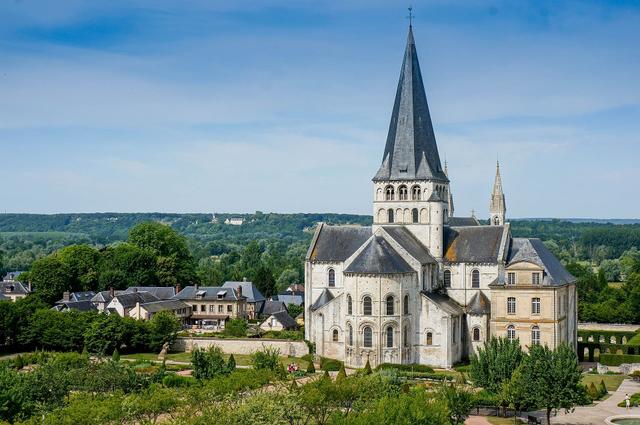
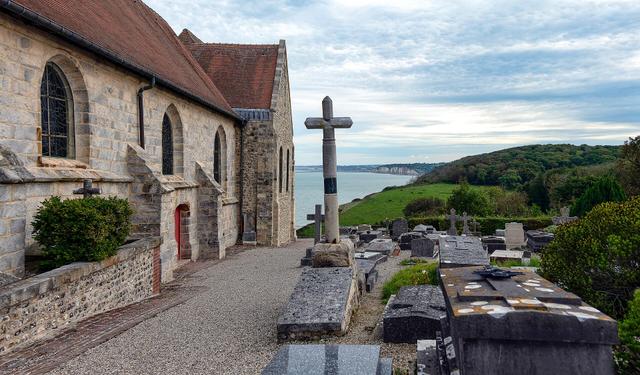
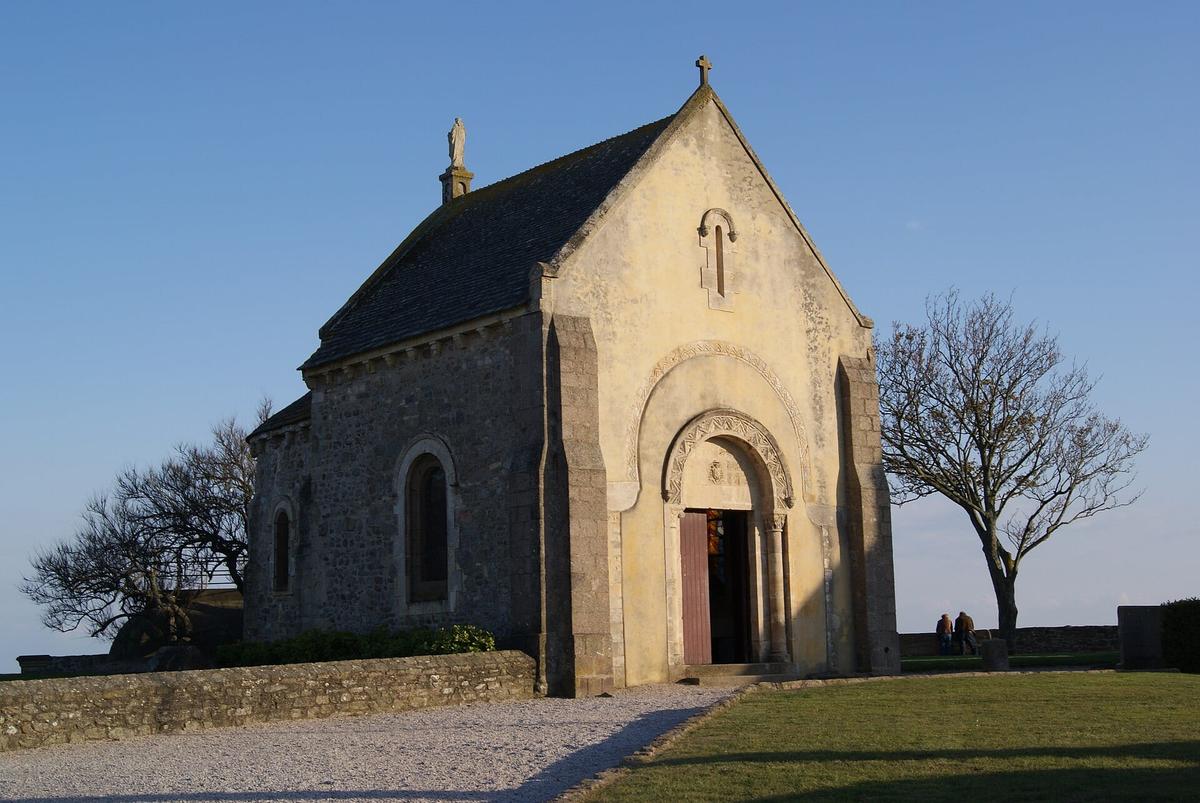
The sailors' chapel (chapelle des Marins). At the end of quai Tourville, facing the sea, this is the oldest part of the village. What you see is the former apse of Saint-Vaast's Romanesque church: the apse dates from the 11th century, the choir from the 12th. The rest of the church was pulled down in 1864. The chapel is dedicated to those lost at sea and has been a listed historic monument since 18 November 1952. Inside, look for the painted statue of Saint Vaast and the carved graffito of a carrack, both from the 16th century.
Our tip: walk round behind the chapel. The little enclosure looks out to sea, with Tatihou and its tower opposite.
The church of Saint-Vaast. Further up in the village, the neo-Gothic church, which has no bell tower, opened for worship in 1861. It has 17 stained-glass windows made between 1902 and 1928 by the Lorin workshops.
Maison Gosselin. This delicatessen on the main street has been trading since 1889. It sells Normandy produce, salted-butter caramels and ciders. The tourist office calls it a compulsory stop.
The beaches. La Hougue beach runs along the peninsula and the fort, south-east of the harbour. La Petite Plage is smaller and more sheltered. Further north, Jonville beach is wilder.
The Longue Rive sea wall. It is 2706 metres long and was built under Benjamin de Combes, the engineer of the Vauban towers.
La Hougue tower: what can you visit?
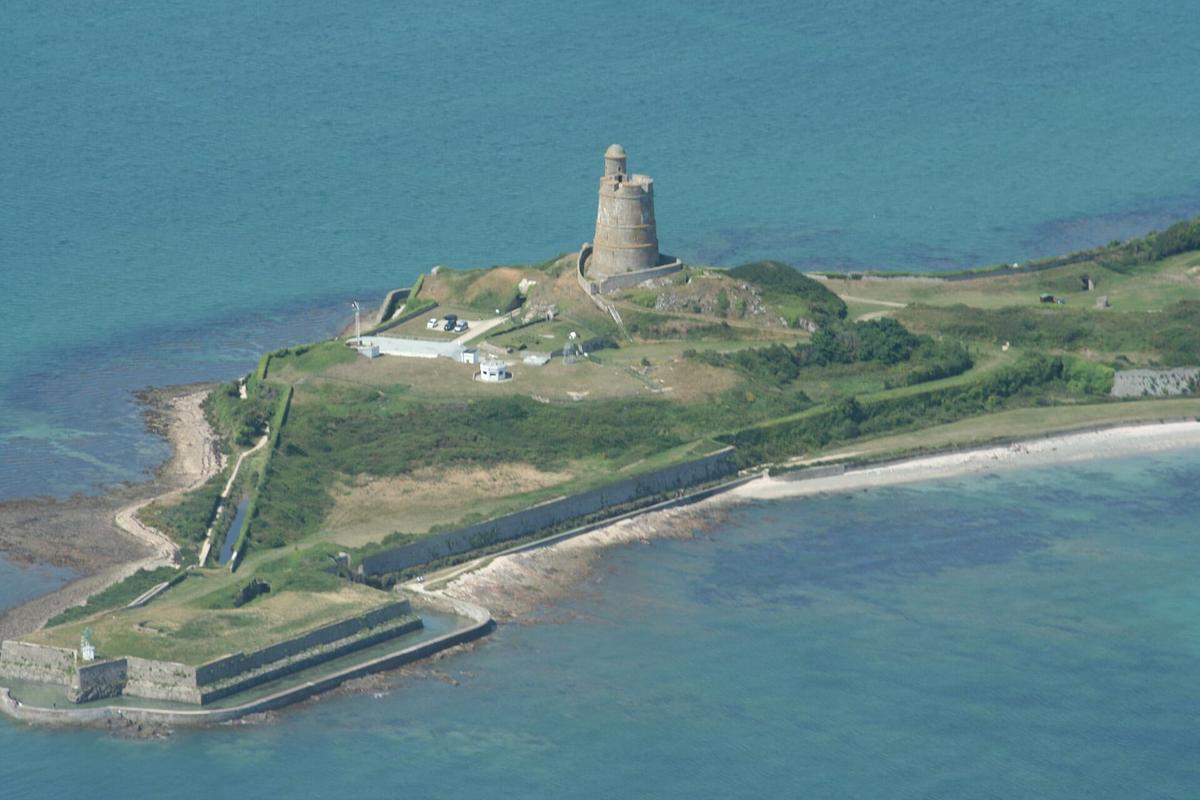

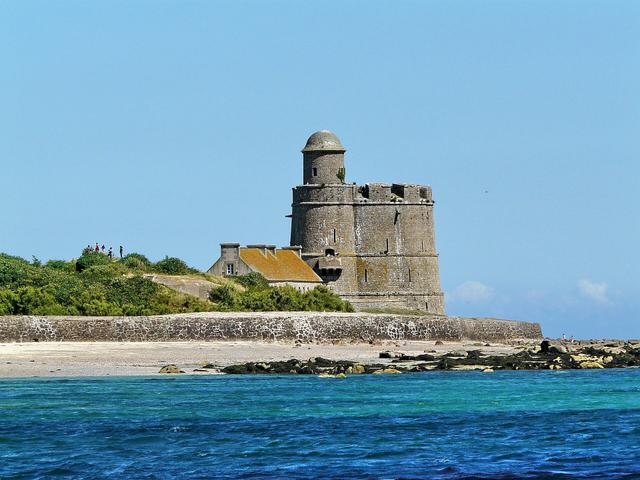
What it is. La Hougue tower is an observation and artillery tower 20 metres high and 16 metres across at the base, with walls 4 metres thick at the bottom. Work began on 11 June 1694 to Vauban's plans, and both towers were finished by 1699. They stand about 3 km apart and could cross their fire over the anchorage. Since 7 July 2008, they have been part of the Fortifications of Vauban UNESCO World Heritage Site.
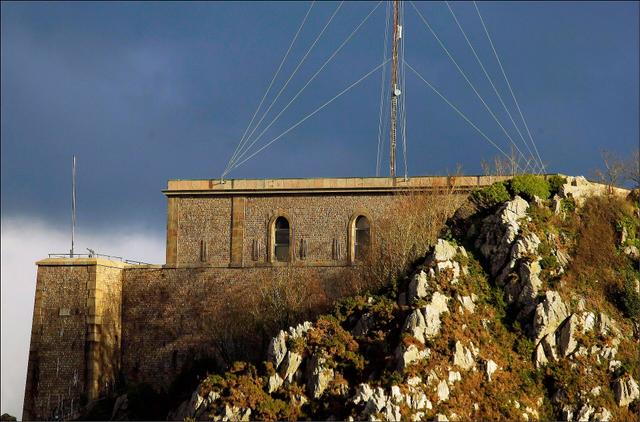
Why you can't walk in. The tower stands in the middle of Fort de la Hougue, which still belongs to the French Navy. The Ministry of the Armed Forces runs a signal station there that is never open to the public. The town has occupation rights over the central part, where the tower is: that is what makes visits possible.
What you can actually visit in 2026:
- Summer guided tours. In 2026, the Cotentin tourist office's events calendar listed tours of La Hougue tower from June to mid-September on set dates (mostly Wednesdays in July, August and early September, plus a few Saturdays in June). The times, prices and booking conditions for these tours are not on any official page we could consult: book through the tourist office, on quai Vauban or on +33 805 32 02 00, and ask whether you need ID.
- European Heritage Days, in September, also open the site.
- The rest of the year, you see the tower from outside: from La Hougue beach, the seafront promenade and the breakwater. It is visible from all around the bay.
Our tip: if you really want to climb the tower, come in summer and book as soon as you arrive. Otherwise its twin on Tatihou can be visited throughout the island's season. See also: Tatihou Island, Saint-Vaast-la-Hougue
Saint-Vaast oysters
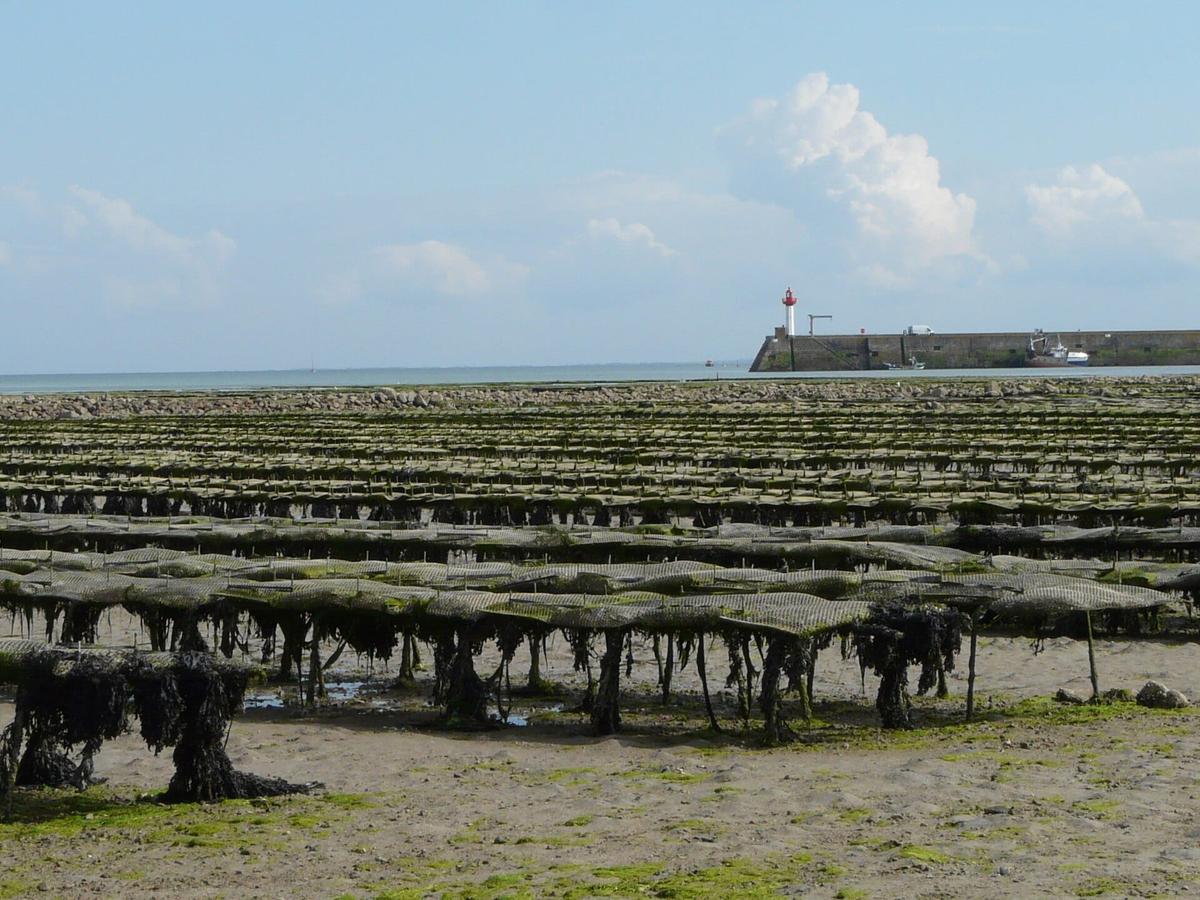

The tourist office calls Saint-Vaast "the cradle of the Normandy oyster". It is Normandy's oldest oyster-farming area: the first real oyster park appeared in 1558. In 1964, farming flat on the foreshore gave way to oysters in mesh bags on trestles, which allowed mechanisation. The beds cover around 250 hectares.
Where to see them. At low tide, from the seafront and La Hougue beach: rows of trestles stretch out towards Tatihou.
Where to taste them. On the harbour, in the restaurants and from the producers. The tourist office highlights fresh oysters and the harbour's fish sales.
Our tip: don't walk out into the beds on your own. The trestles belong to the oyster farmers, the channels fill fast when the tide turns, and the mud can trap you.
Saint-Vaast-la-Hougue with children

- The harbour: fishing boats, the lock, and the boats leaving for Tatihou.
- La Hougue beach: for playing below the fort, 10 minutes' walk from the centre.
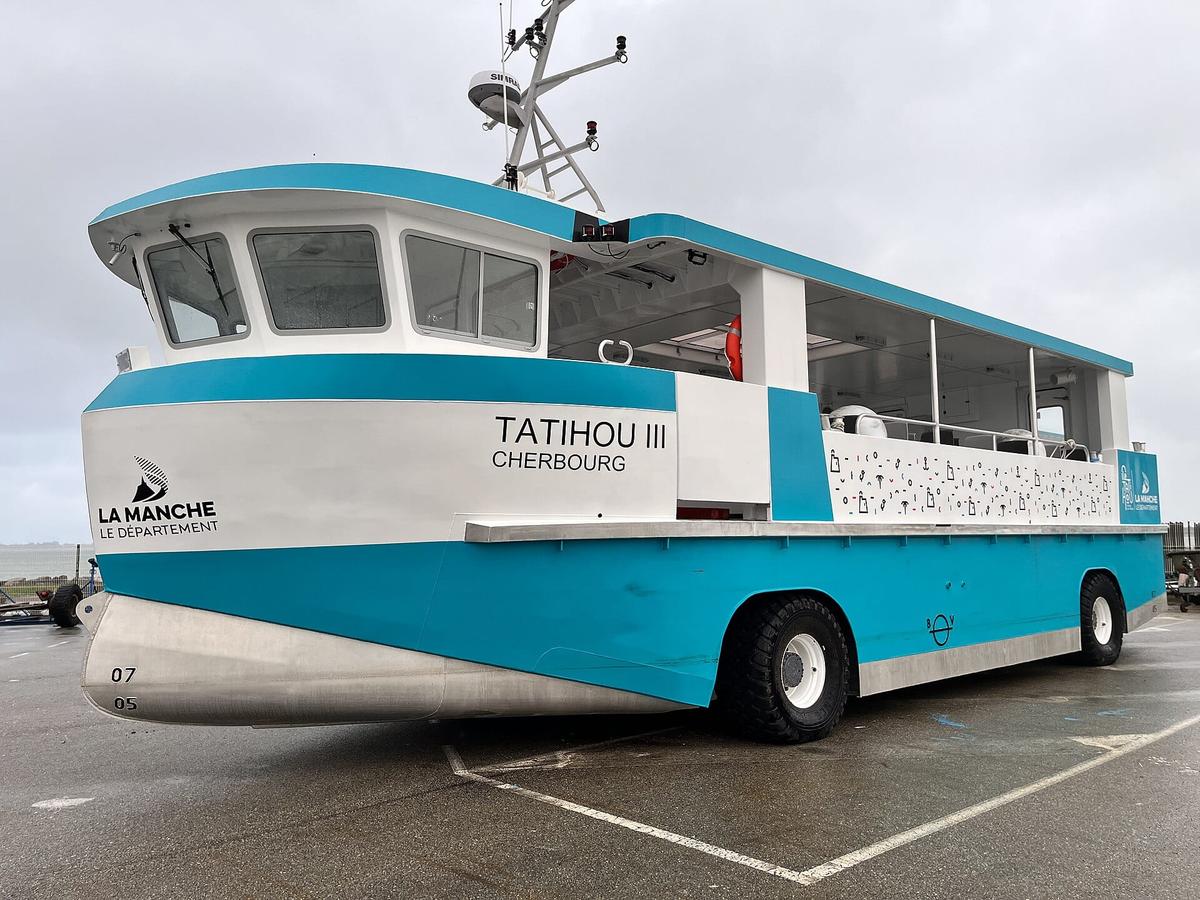
- The Tatihou amphibious boat: it drives across the foreshore at low tide and floats at high tide. Children often remember it best. See also: Tatihou Island, Saint-Vaast-la-Hougue
- Picnics: there are picnic areas on the harbour.
- The tourist office has a children's corner and a luggage store.
Saint-Vaast-la-Hougue in a wheelchair
According to the tourist office, the village's main sites are accessible to people with reduced mobility, and the information office provides adapted information. The quays and the seafront are flat. La Hougue tower, with its spiral staircase, is not suitable for wheelchairs. For an adapted guided tour, call the tourist office in advance.
Are dogs allowed in Saint-Vaast-la-Hougue?
In the streets and on the quays your dog can come along on a lead. On La Hougue beach and La Petite Plage, dogs are subject to restrictions in high season: read the signs at the beach entrances. Dogs are not allowed on Tatihou Island, even on a lead, except guide dogs.
Guided tours and excursions
The Cotentin tourist office runs guided tours in Saint-Vaast, mainly in summer: tours of La Hougue tower, a walk round the sailors' chapel quarter, and guided crossings to Tatihou on foot at low tide. Dates are in its events calendar, and the office at 41 quai Vauban sells tickets. The tourist office's single number is +33 805 32 02 00.
Organised excursions rarely come to Saint-Vaast. Most leave from Cherbourg for the D-Day beaches or La Hague.
Guided tours and day trips on GetYourGuide
What to see near Saint-Vaast-la-Hougue on the same day
| Also worth seeing | Distance | Travel time |
|---|---|---|
| Tatihou Island, Saint-Vaast-la-Hougue | 0.3 km | 5 min on foot |
| Barfleur | 12 km | 15 min by car |
| Utah Beach D-Day Museum | 30 km | 35 min by car |
Approximate road distances and travel times.
Tatihou Island. The boat leaves from the harbour, a few minutes' walk from the tourist office. Book your crossing. See also: Tatihou Island, Saint-Vaast-la-Hougue

Barfleur. A quarter of an hour north, one of the Most Beautiful Villages of France: a granite harbour, a church by the water and the Gatteville lighthouse. See also: Barfleur
Utah Beach. Further south, about three quarters of an hour away, the nearest D-Day beach and its museum. See also: Utah Beach D-Day Museum
Cherbourg. La Cité de la Mer, in the former transatlantic terminal, is a good choice in bad weather. See also: La Cité de la Mer, Cherbourg At Fort du Roule, the Liberation Museum tells the story of the 1944 battle. See also: The Liberation Museum, Cherbourg
Saint-Vaast-la-Hougue in 10 dates
- 1346: Edward III lands with about 20,000 men and more than 1000 ships. The town is looted and burned.
- 1558: the first real oyster park.
- 1692: Battle of La Hougue. 12 French ships are burned off the coast.
- 11 June 1694: work begins on the Vauban towers of La Hougue and Tatihou.
- 1828-1845: the harbour's main breakwater is built.
- 1861: the new church opens; the old one is demolished in 1864, except for the sailors' chapel.
- 1879-1883: Eugène Boudin paints some thirty canvases in Saint-Vaast. See also: Eugène Boudin Museum, Honfleur
- 1888: the town takes the name Saint-Vaast-la-Hougue.
- 1980: the marina opens.
- 7 July 2008: both towers join the UNESCO World Heritage List.
Trivia. "Hougue" comes from the Old Norse haugr, a mound: the headland above the harbour. The village once had 4313 inhabitants, in 1851, against 1666 in 2022. It has been twinned with Bridport, in Dorset, since 1979.
Where to eat and stay in Saint-Vaast-la-Hougue
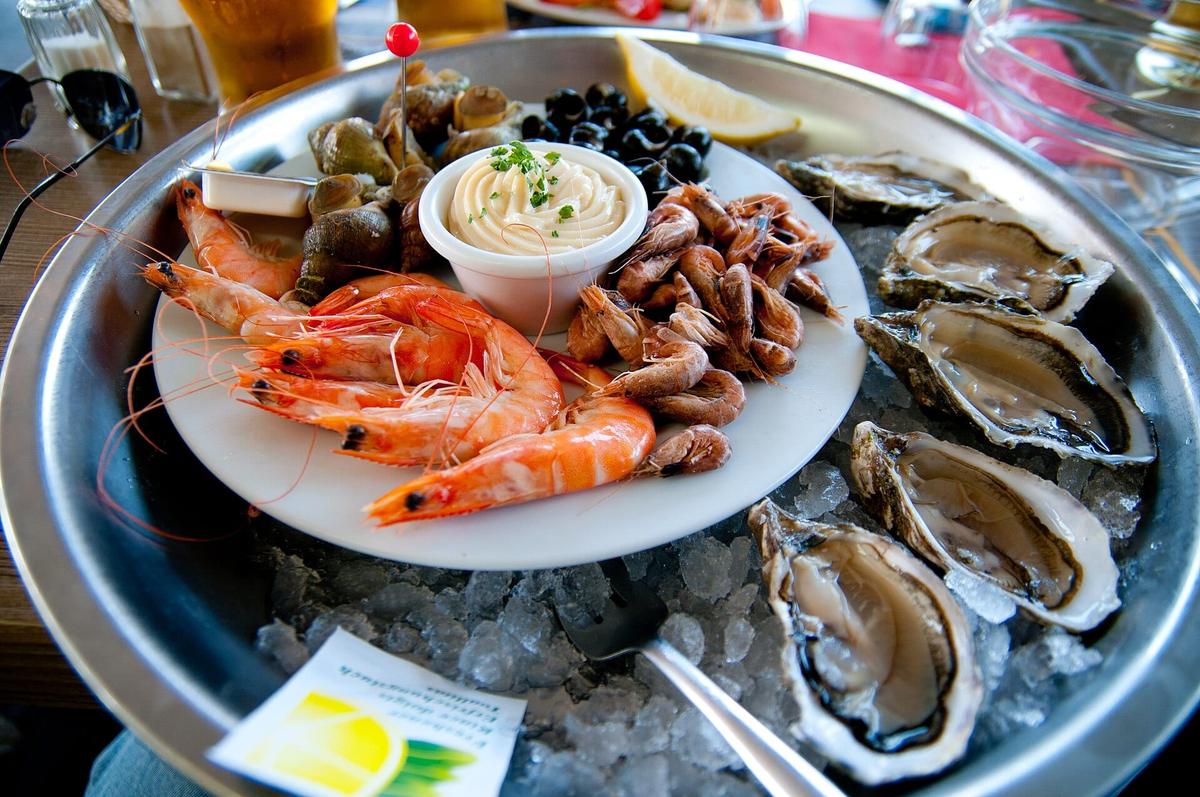

The dish to order is Saint-Vaast oysters, eaten on the harbour. Fish and seafood restaurants line the quays. In season, book for dinner: the village gets very busy. For a picnic before Tatihou, shop in the village before boarding, and stop at Maison Gosselin.
For a bed, Saint-Vaast and nearby Quettehou have hotels, B&Bs, gîtes and campsites. Les Maisons de Tatihou also offer rooms on the island itself. Staying in the village lets you see the harbour early in the morning and catch one of the first boats. See also: Normandy in 3 days
Places to stay near Saint-Vaast-la-Hougue
FAQ
Is Saint-Vaast-la-Hougue free to visit?
Yes. The village, harbour, sailors' chapel and beaches are free. Only some car parks, the Tatihou crossing and guided tours cost money.
Can you visit La Hougue tower?
Only on the summer guided tours run by the tourist office, and during European Heritage Days. The fort belongs to the French Navy. The rest of the time you see the tower from La Hougue beach and the seafront.
How long does it take to visit Saint-Vaast-la-Hougue?
2 hours for the village and harbour, half a day with La Hougue, a full day with Tatihou Island.
Do you need to book the boat to Tatihou?
Yes. Book online or at the tourist office on quai Vauban, which shares its premises with the island's ticket desk. See also: Tatihou Island, Saint-Vaast-la-Hougue
Why is Saint-Vaast famous for oysters?
It is Normandy's oldest oyster-farming area, with a first park in 1558 and around 250 hectares of beds today.
How do you get to Saint-Vaast-la-Hougue without a car?
By train to Valognes, then a Cap Cotentin bus to place Belle-Isle. Buses are infrequent, so check the timetable before you go. See also: Normandy without a car
Practical information
Official ticket-office prices 2026
Free admission
Address
Office de tourisme du Cotentin, bureau de Saint-Vaast-la-Hougue, 41 quai Vauban, 50550 Saint-Vaast-la-Hougue, France
Directions · Phone+33 805 32 02 00
On site and nearby
- On site: Wifi, left luggage or cloakroom, toilets, picnics allowed, and food and drink
- Nearest shops and pharmacy: Saint-Vaast-la-Hougue, less than 1 km away Straight-line distance, based on OpenStreetMap.
- Emergencies: 112 (all emergencies, free from any phone), 15 (SAMU, medical emergency)
Around the site, on Google Maps
With children
Family days out nearby: Tatihou Island, Saint-Vaast-la-Hougue (2 km), Barfleur (9 km), Airborne Museum, Sainte-Mère-Église (20 km)
Swimming pools and play areas nearby, on Google Maps
Swimming poolsPlaygroundsLeisure parks
Family activities around Saint-Vaast-la-Hougue on GetYourGuide
Facts checked on 4 November 2026. Sources: encotentin.fr, fr.wikipedia.org, fr.wikipedia.org, sites-vauban.org, sites-vauban.org, ancient-history-sites.com, en.normandie-tourisme.fr, encotentin.fr, encotentin.fr
Map
In the same region