Abbaye aux Hommes: visiting William the Conqueror's abbey in Caen
Abbaye aux Hommes (Men's Abbey) at a glance
- Full price
- €6
- Free
- under 18s
- Where
- Caen
Official ticket-office prices, checked on 29 October 2026. Full opening hours, reduced prices and access
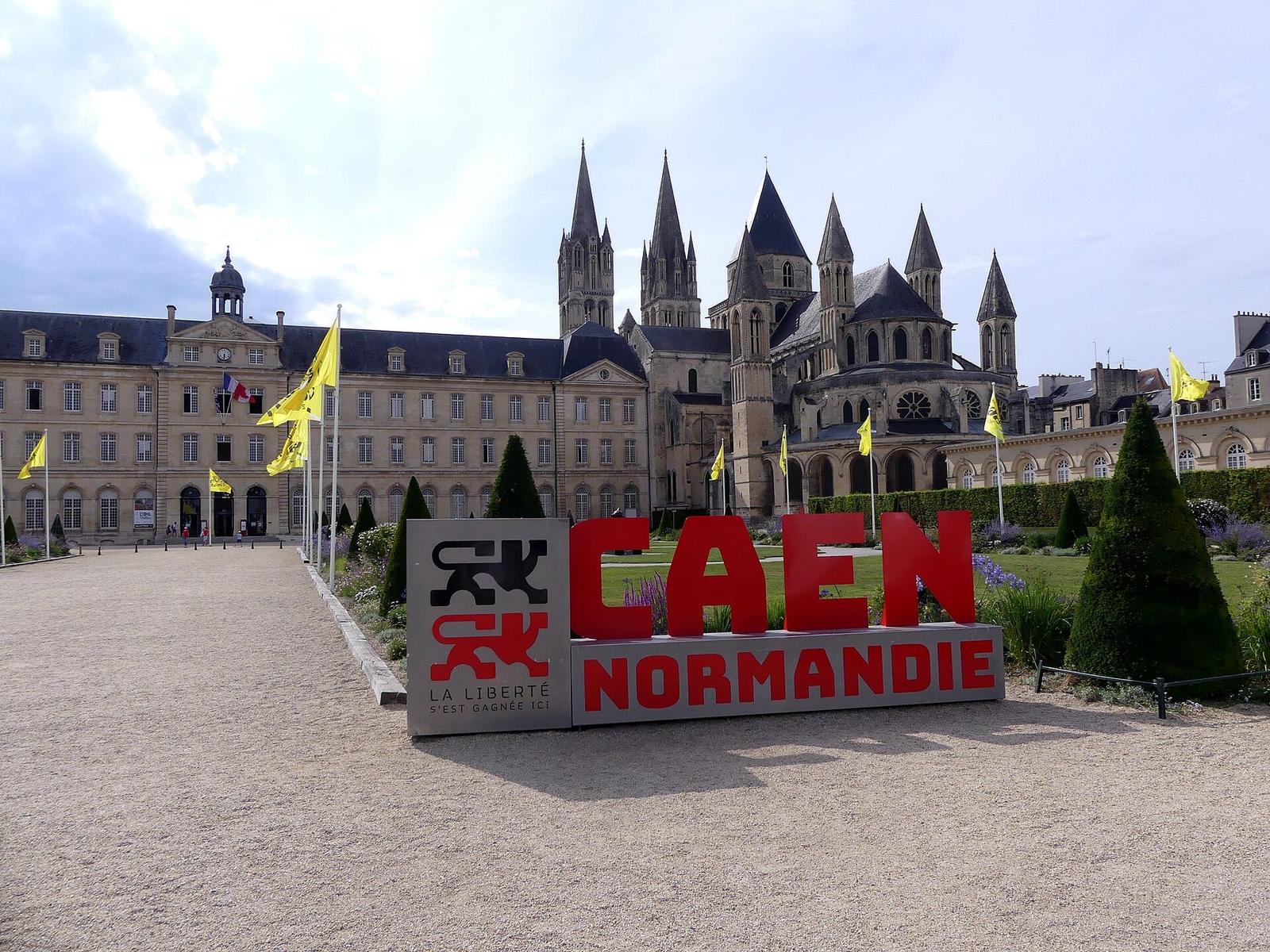
Founded by William the Conqueror, Caen's Abbaye aux Hommes (Men's Abbey) combines the Romanesque church where he is buried with a vast 18th-century monastery that now houses the town hall. The church is free; the cloister and rooms can be visited on your own or with a guide. Prices, opening hours, time needed, getting there and tips for planning your visit.
At a glance
- Where: in central Caen, west of the castle. Visits start at the town hall reception, esplanade Jean-Marie Louvel.
- Two separate visits: the abbey church of Saint-Étienne and William the Conqueror's tomb, free outside services; the monastery (cloister, rooms, exhibitions), with a ticket.
- Monastery prices: €6 for a self-guided visit when a temporary exhibition is on, €4 otherwise. Free for under-18s.
- Guided tour: €9 for one hour (€7 without exhibition), free for under-12s.
- Time needed: about 1 hour for the monastery, 1 h 30 with the church.
- Best for: Norman history fans, visitors in Caen for the Memorial who want to see more than 1944, and wheelchair users (accessible route).
Why visit the Abbaye aux Hommes
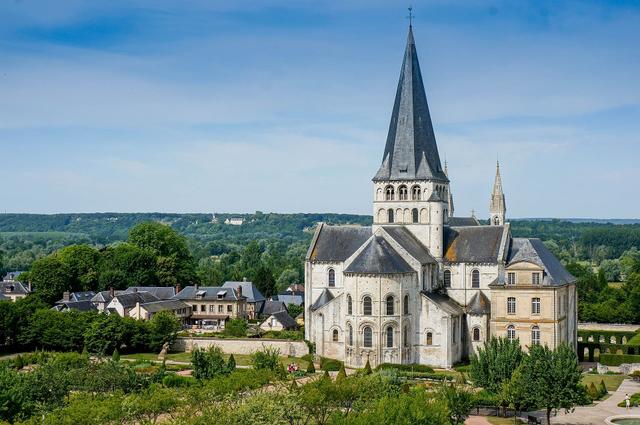
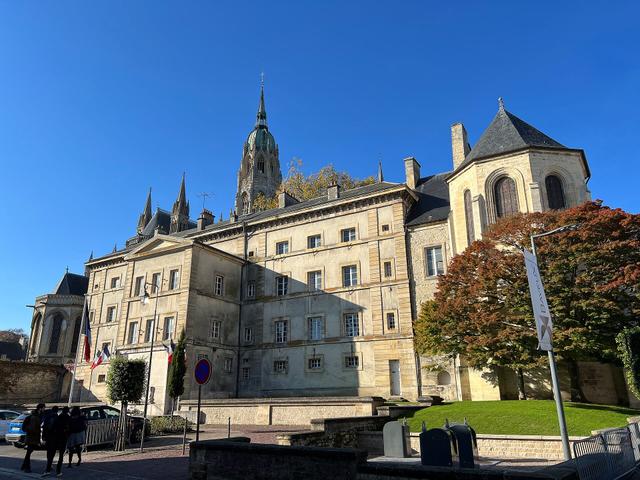
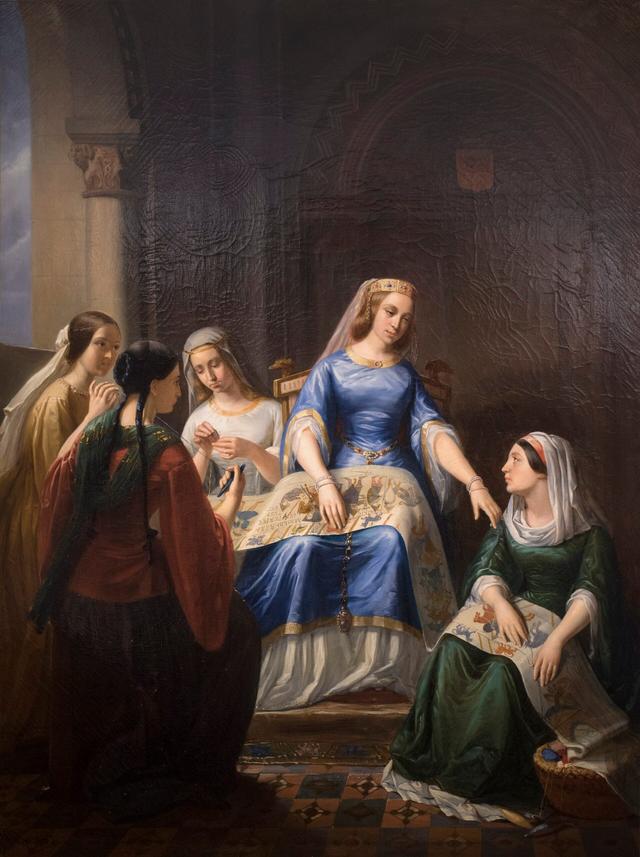
The Abbaye aux Hommes is William the Conqueror's abbey. The Duke of Normandy founded it in the 1060s, while his wife Matilda founded the Abbaye aux Dames (Women's Abbey) on the other side of town. Work on the church of Saint-Étienne (St Stephen) ran from 1065 to 1083. Its first great abbot was Lanfranc, the duke's adviser, who left in 1070 to become Archbishop of Canterbury. William died near Rouen and was buried in the choir in 1087.
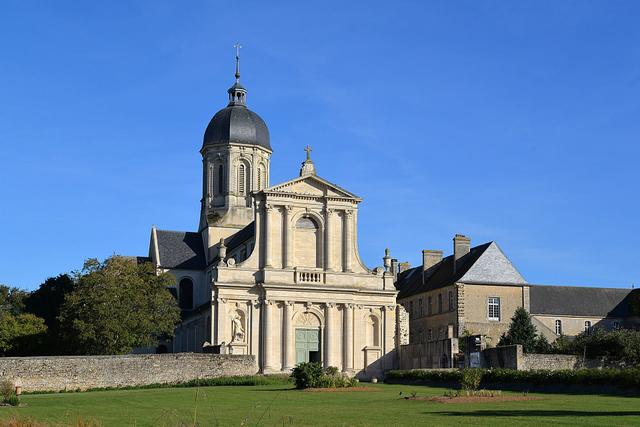
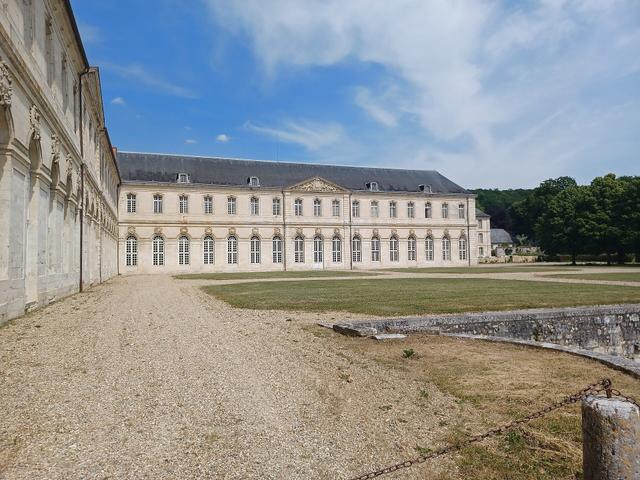
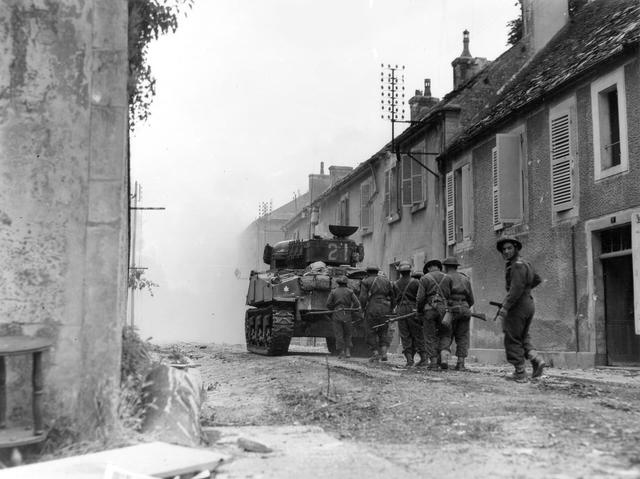
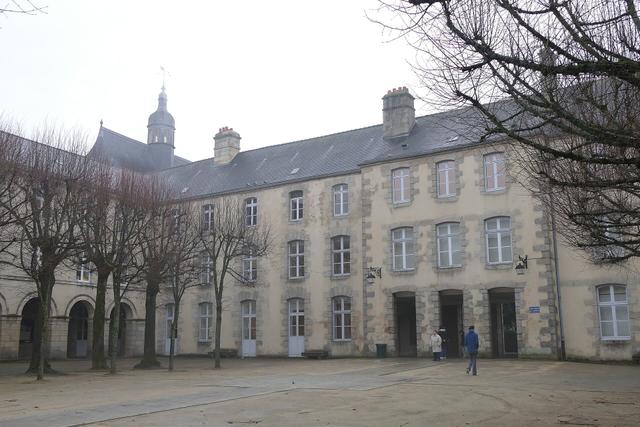
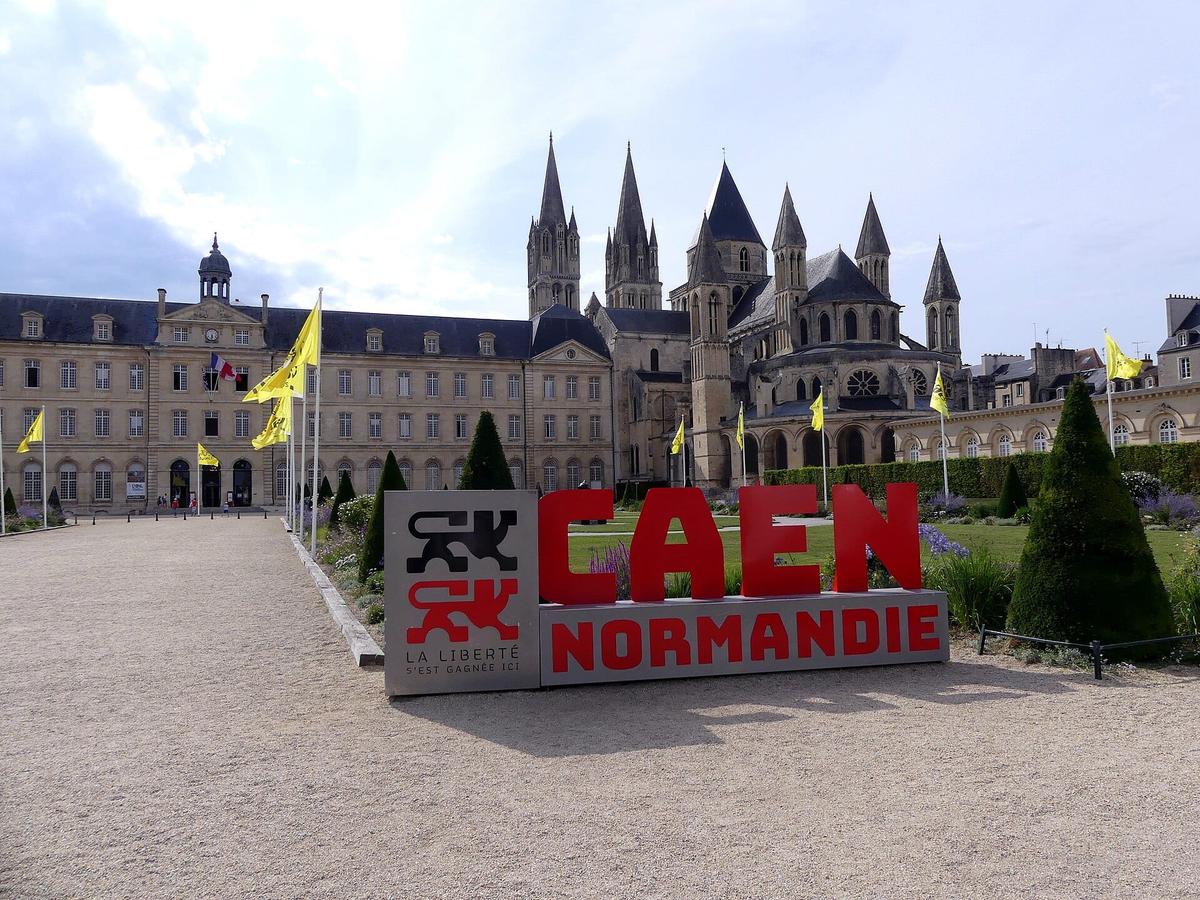
The site then tells nine centuries of history. The medieval monastic buildings, wrecked during the Wars of Religion, were replaced in the 18th century by a classical monastery in Caen stone. After the Revolution the abbey became a school, then a shelter for thousands of residents during the Battle of Caen in 1944. Since the 1960s it has housed the town hall.
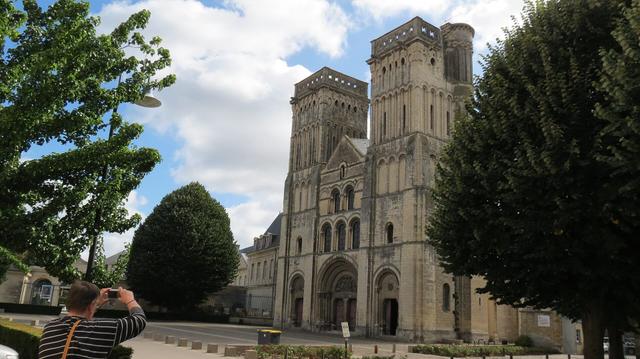
Few town halls anywhere let you walk through a cloister and 18th-century wood panelling between council offices. And the abbey church, with its almost unadorned Romanesque front, is one of the great models of Norman architecture, the style the Normans took to England after 1066. See also: Normandy
How long does it take to visit the Abbaye aux Hommes?
The City of Caen suggests one hour for the self-guided visit of the monastery. The "Un patrimoine d'exception" guided tour also lasts an hour. Add 20 to 30 minutes for the church of Saint-Étienne and William's tomb, which you visit separately through another entrance.
If a temporary exhibition is on in the scriptorium, allow a little more. With Caen Castle ten minutes away on foot and the Abbaye aux Dames, a "William the Conqueror" day in Caen is easy to do on foot.
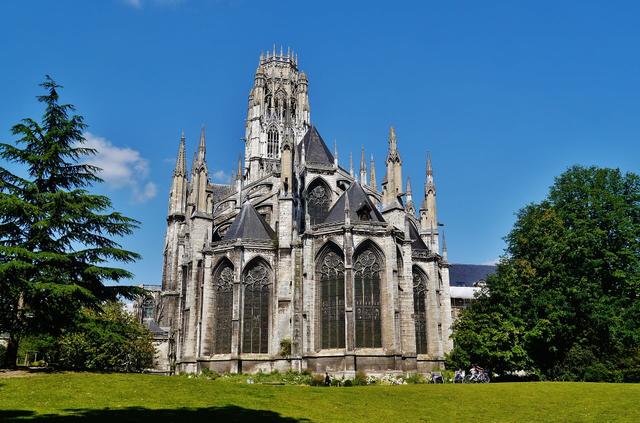
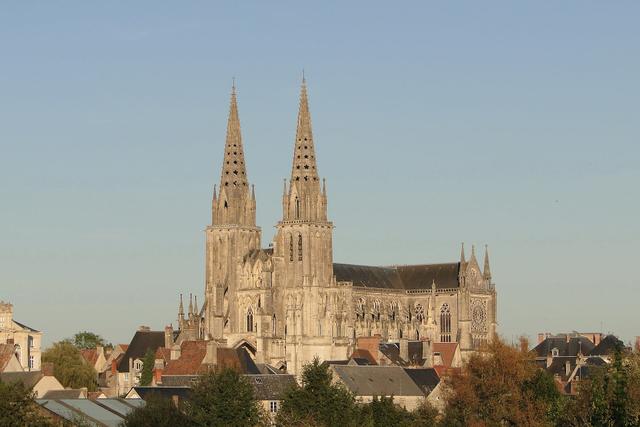
Our tip: start with the monastery, then go out and walk round by the east end to enter the church. It is the most logical route, and the view of the Gothic east end from the town hall gardens is worth it.
Ticket prices
Prices are set by the City of Caen. They depend on whether a paying temporary exhibition is on: ask at the desk.
Self-guided visit of the monastery:
- Full price: €6 with an exhibition, €4 without.
- Ages 18-26: €3 with an exhibition, €2 without.
- "Low-carbon" rate: €5 with an exhibition, €3 without, if you show proof of a car-free journey (train, coach, bike).
- Free with proof for under-18s, Caen residents, jobseekers and people on French RSA benefit, disabled visitors and their companion, seriously disabled war veterans and their companion, holders of the French veteran's card, residents of Caen's twin towns, licensed tour guides and journalists.
Guided tours:
- One-hour tour: €9 (€7 without exhibition), €6 for ages 18-26 (€5 without exhibition), €3 for ages 12-18.
- 90-minute tour: €10 (€8 without exhibition), €7 for ages 18-26 (€6 without exhibition), €4 for ages 12-18.
- Free for under-12s and the same groups as the self-guided visit.
The church of Saint-Étienne and William's tomb are free, outside religious services.
Our tip: the Caen la Mer tourist office says tickets are €0.50 cheaper at its desks or on its online booking site. For a family with children under 18, the self-guided visit only costs the adults' tickets.
Opening hours and best time to visit
2026 hours for the self-guided visit of the monastery, published by the City of Caen:
- 29 September to 31 March: Monday to Thursday 9 am to 6 pm, Friday 9 am to 5 pm. Every Saturday, plus Sundays during French school holidays and public holidays, 9.30 am to 1 pm and 2 pm to 6 pm. Outside school holidays, the monastery is therefore closed on Sundays in winter.
- 1 April to 25 June: Monday to Thursday 9 am to 6 pm, Friday 9 am to 5 pm, weekends and public holidays 9.30 am to 1 pm and 2 pm to 6 pm.
- 26 June to 28 September: Monday to Friday 9 am to 7 pm, weekends and public holidays 9.30 am to 7 pm.
- Closed: 25 December, 1 January, 1 May, and every weekend in January outside school holidays.
The church of Saint-Étienne has its own hours, listed on the church's page on caen.fr. It cannot be visited during services.
The best time is a weekday morning. Early afternoon, especially 2 to 3 pm, is the busiest. On Saturdays the town hall holds weddings: there are no guided tours that day, and the cloister can be lively.
How to get to the Abbaye aux Hommes
On foot from the centre. The abbey is about ten minutes' walk from Caen Castle, along rue Saint-Pierre and rue Écuyère. The visitor desk is in the town hall, esplanade Jean-Marie Louvel.
By public transport. From Caen station it is about 30 minutes on foot, or about 20 minutes by Twisto bus to the "Hôtel de Ville" stop. Nomad regional coaches stop at "Lycée Malherbe", close by. Plan your trip with the Twisto journey planner. See also: Normandy without a car
By car. The abbey has no visitor car park. The nearest are the open-air Guillouard car park and the underground Hôtel de Ville car park, both paying. A disabled parking space is available by the Jardins wing.
Car hire. Caen is easy to explore on foot, but a car becomes useful as soon as you head for the D-Day beaches, Bayeux or Falaise. Rental agencies are grouped around Caen station: pick up the car on the day you leave town, not before.
Partner links: if you book through these links, we earn a commission at no extra cost to you. Partner links · Learn more
What to see at the Abbaye aux Hommes
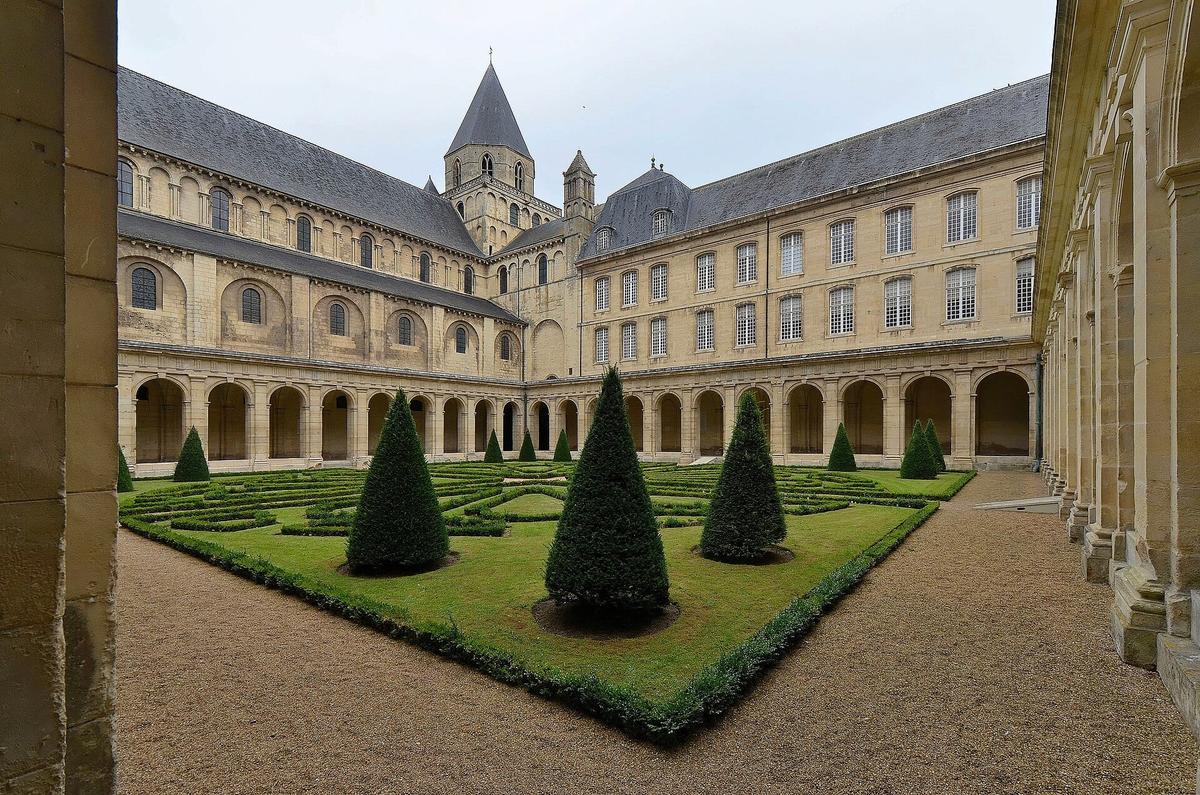
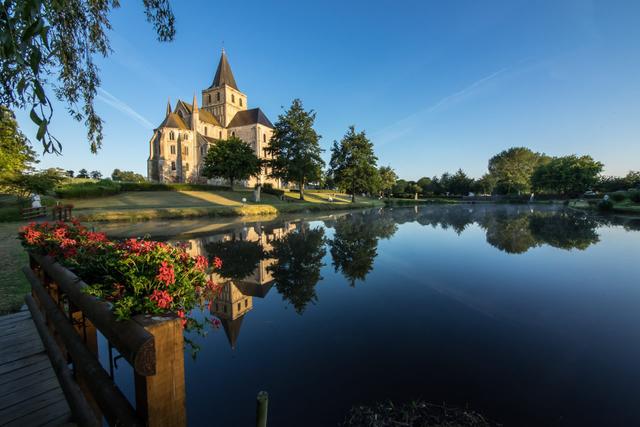
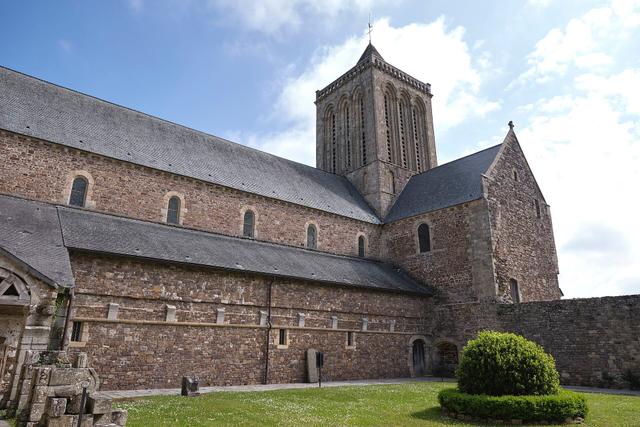
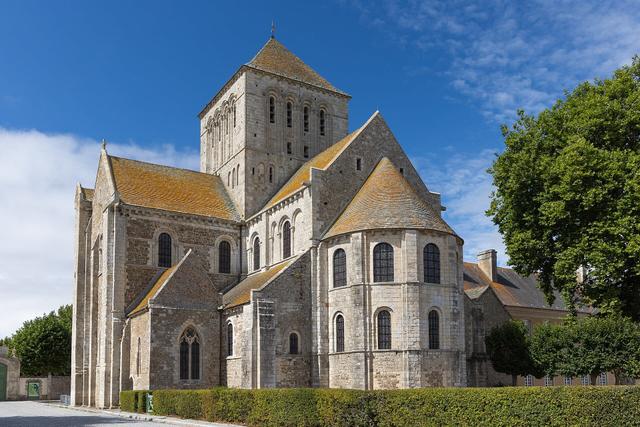
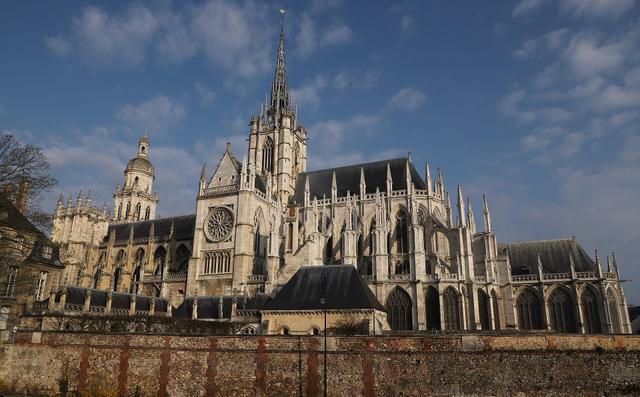
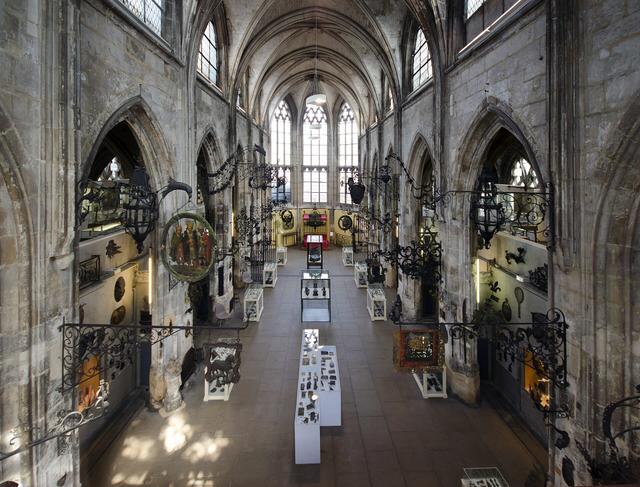
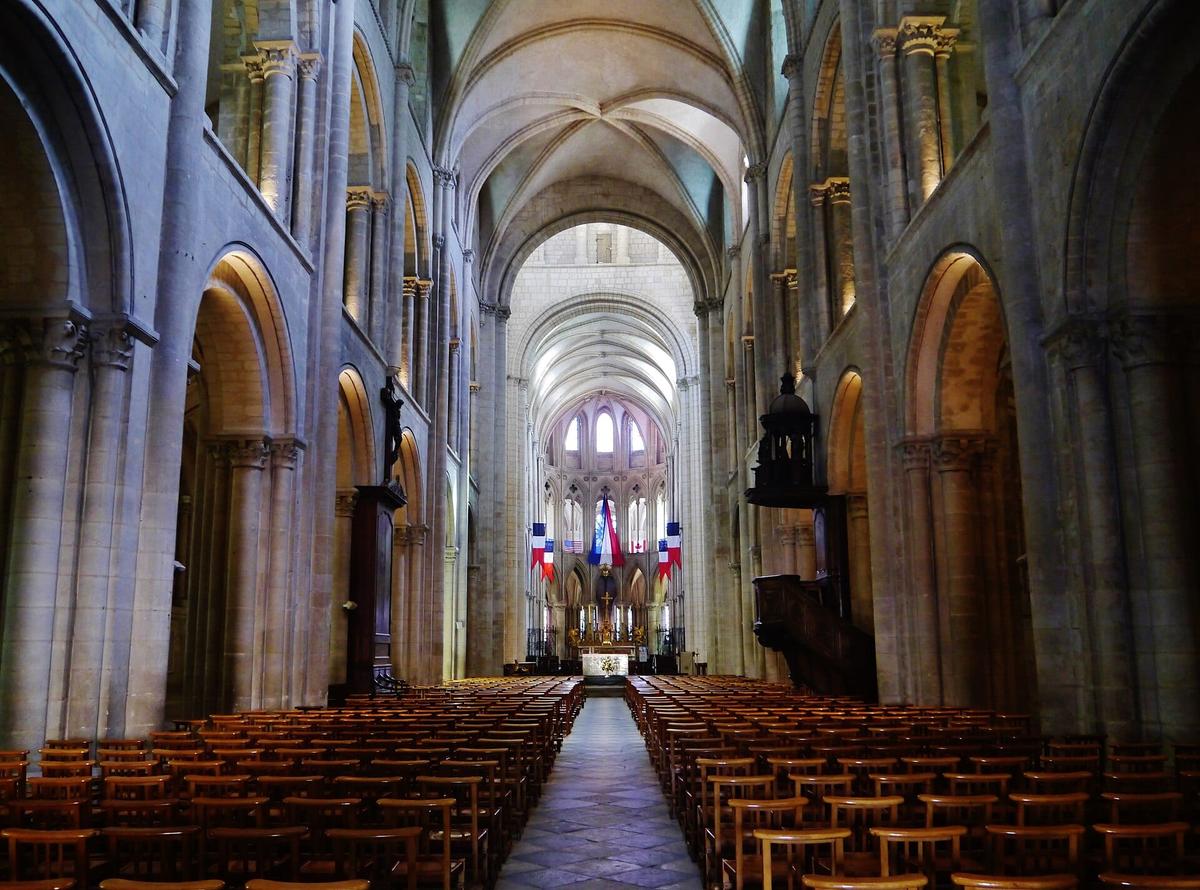
The church of Saint-Étienne. The west front, from the late 11th century, is very plain: three doorways, buttresses, almost no decoration. The spires on its two towers were added in the 13th century. Inside, the Romanesque nave is full of light. The choir is Gothic: the Romanesque apse was replaced by a Gothic east end in 1166. The contrast between the two periods is clearest from the crossing.
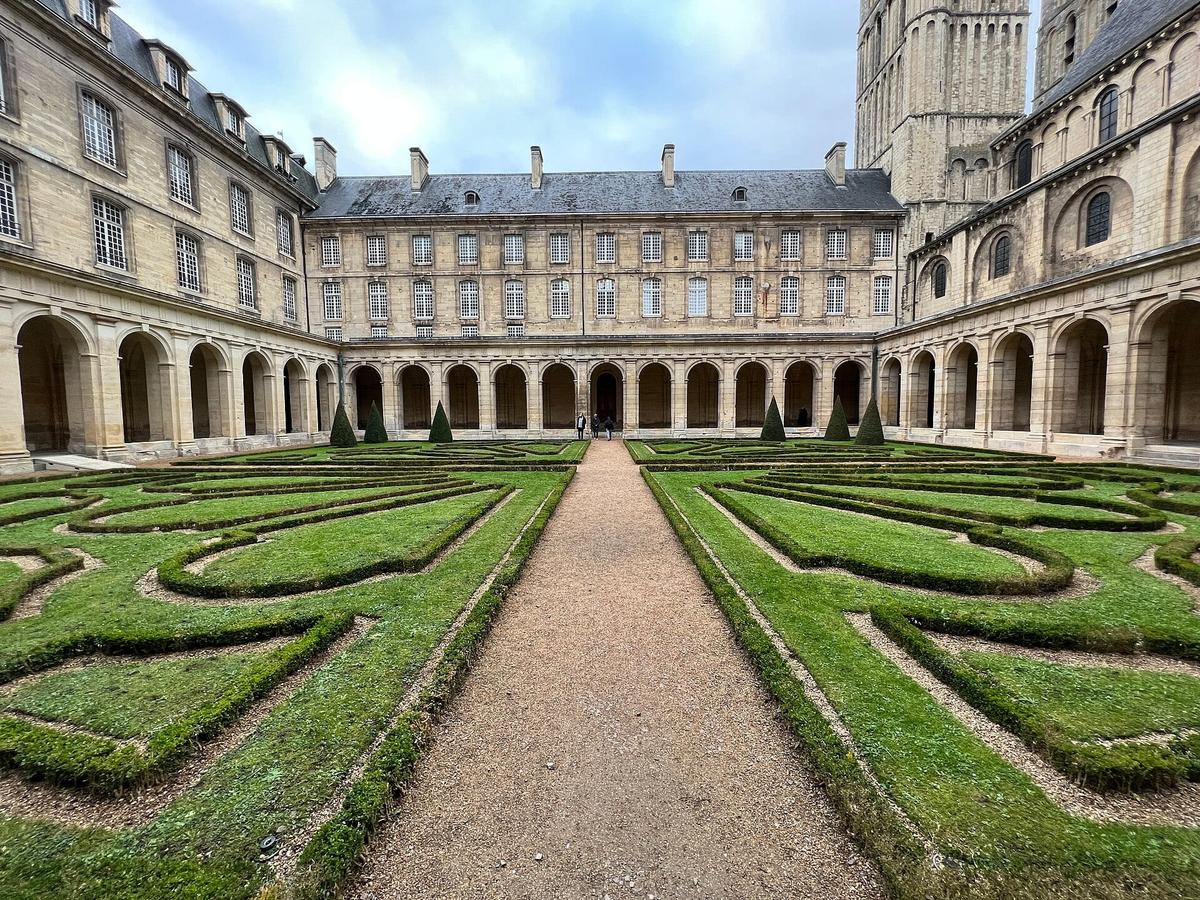
The cloister. Rebuilt in the 18th century, it is where the self-guided visit begins. Its classical galleries look onto a lawn and the side of the church.
The monastery rooms. The self-guided route goes through the gatehouse, with an exhibition on "Caen, summer 1944", a panorama of "post-war Caen, 1948", the warming room, devoted to the "Norman worlds, 1066-1204", and the scriptorium, used for temporary exhibitions. The guided tour opens other 18th-century rooms with fine wood panelling.
The Guards' Hall and the cider press. These medieval buildings, older than the classical monastery, can only be seen on a guided tour, depending on availability.
The gardens. By the east end, the town hall gardens give the best overall view of the church and its towers.
William the Conqueror's tomb
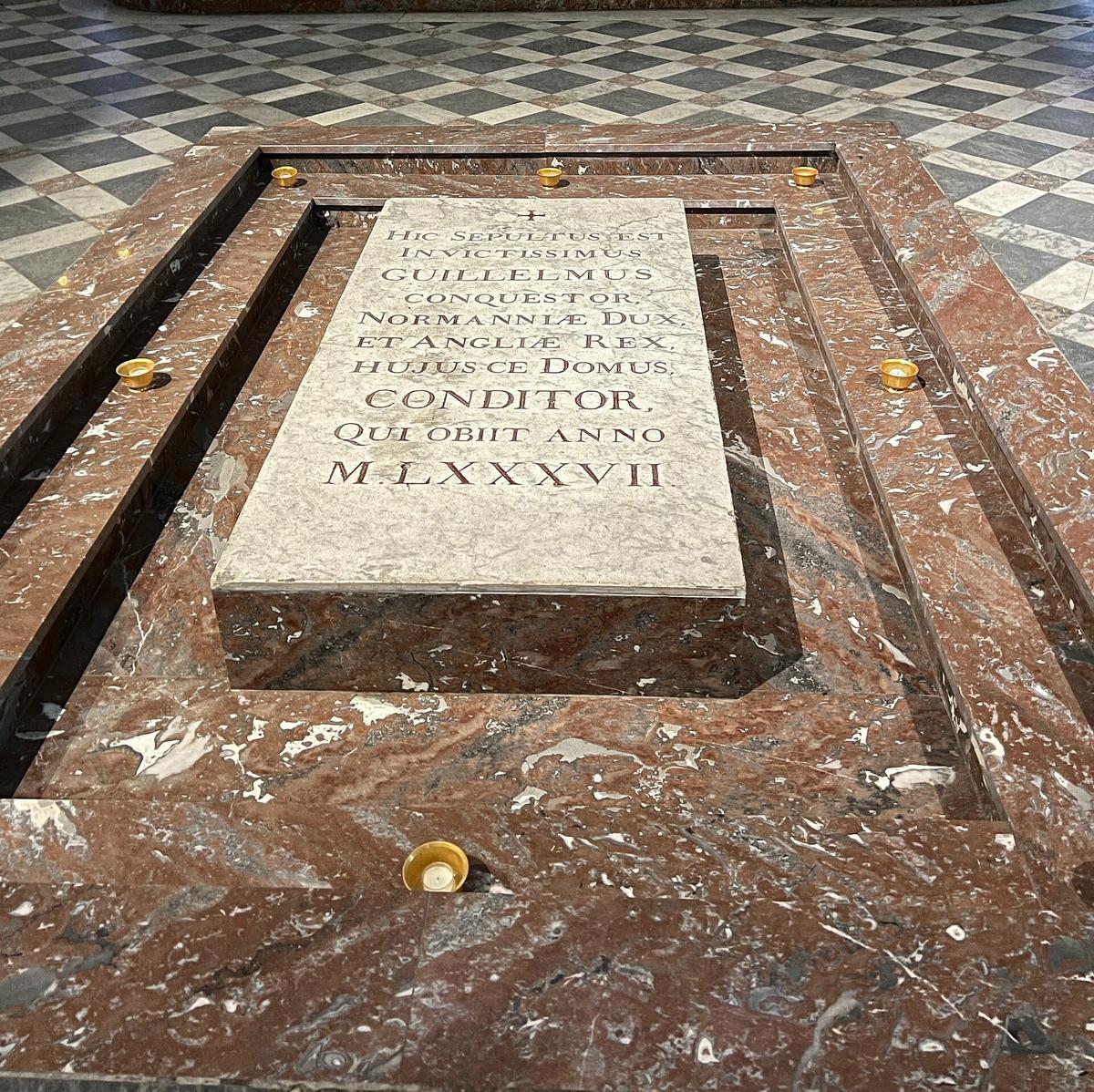
The tomb is in the choir of the church, in front of the high altar. It is a simple white marble slab, laid in the early 19th century. Its Latin inscription records that William, Duke of Normandy and King of England, lies here.
The tomb holds almost nothing. In 1562, during the Wars of Religion, Protestants desecrated the grave and scattered the bones. Only one bone, a thigh bone, was saved. It was reburied in 1642. The tomb was later destroyed and remade several times.
Access is free outside services. Please keep your voice down: the abbey church is a working parish church.
Visiting the Abbaye aux Hommes with children
The abbey is not designed for children, but a few choices make the visit enjoyable:
- The "Les petits secrets de l'Abbaye" tour works with riddles and anecdotes. It is aimed at families and run in French; dates are in the caen.fr events calendar.
- Free entry is generous: under-18s on the self-guided visit, under-12s on guided tours.
- William's story works well with children: an illegitimate son who became king, a conquest, an empty tomb. Tell it before you go into the church.
The route is step-free and suitable for pushchairs. For a longer outing, nearby Caen Castle has wide ramparts where children can walk.
Visiting the Abbaye aux Hommes in a wheelchair
The City of Caen says the self-guided route is fully accessible, as is the "Un patrimoine d'exception" guided tour. The building entrance has a ramp and a call button, and a dedicated path leads to the abbey. There is a reserved parking space by the Jardins wing and accessible toilets. A wheelchair can be lent, subject to availability on the day. Some group routes are only partly accessible.
The reception has a hearing loop; portable loops, two tablets with French Sign Language videos and an easy-read document are available on request. For visually impaired visitors, the guided tour uses a tactile model and lets you touch parts of the decoration.
Entry is free for disabled visitors and their companion. For an individual visit, the City advises calling ahead on +33 2 31 30 42 81.
Are dogs allowed at the Abbaye aux Hommes?
The City of Caen publishes no rule on animals for the monastery visit. The abbey church is a church: dogs are generally not allowed inside, apart from assistance dogs. Call the desk on +33 2 31 30 42 81 before coming with a pet.
Guided tours and excursions
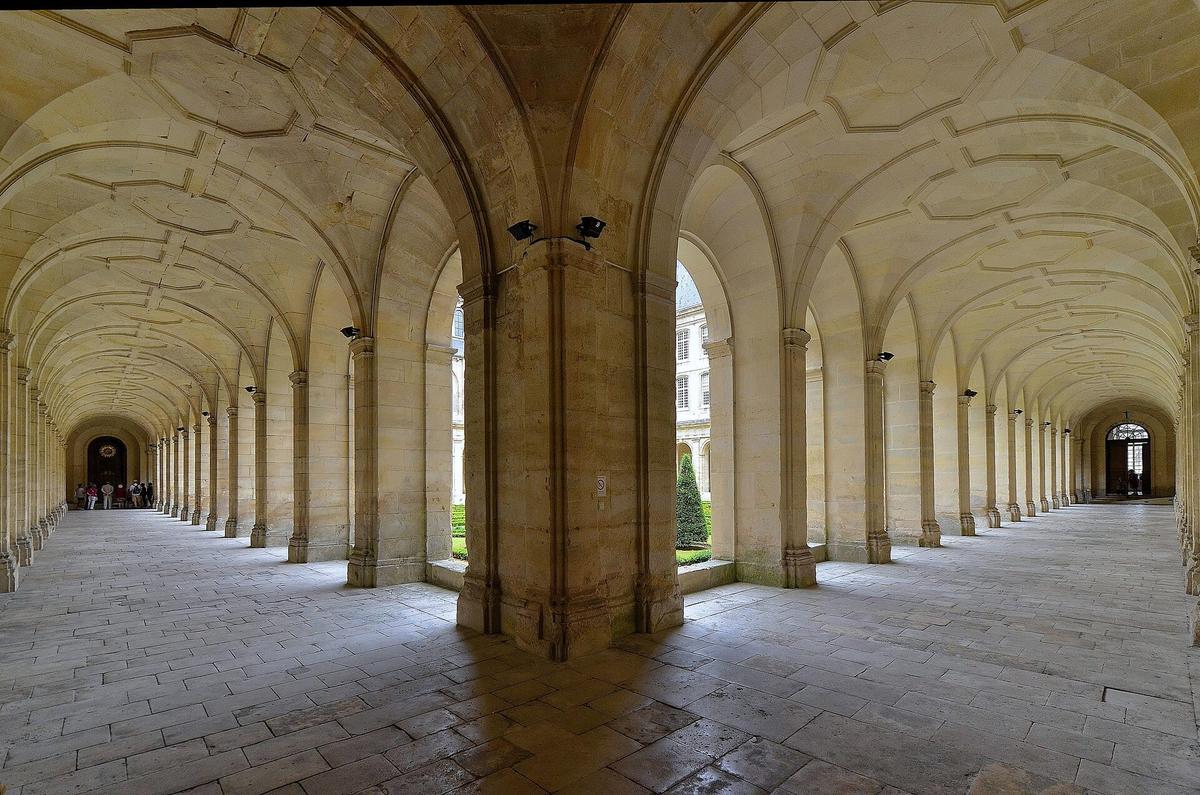
The "Un patrimoine d'exception" guided tour shows you the cloister and the 18th-century monastery rooms in one hour. Book it on the abbey's online ticket site. 2026 times:
- April to June and September: daily except Saturday, at 10.30 am, 2.30 pm and 4 pm (in French).
- July and August: Monday to Friday at 10.30 am, 12.30 pm, 2.30 pm and 4 pm; Sunday at 10.30 am, 2.30 pm and 4 pm. A tour in English runs Monday to Friday at 11 am.
- October to March: during French school holidays only, Monday to Friday at 10.30 am and 2.30 pm, and on Sundays and public holidays (except in January) at 10.30 am, 2.30 pm and 4 pm.
The route adapts to the group and to which rooms are free. If something comes up, the tour may be replaced by a self-guided visit.
Themed tours run on certain dates: "Les petits secrets de l'Abbaye" (families), "Les hommes illustres de l'Abbaye" and "Sur les pas du Conquérant", which follows William from the conquest of England to his burial.
Organised excursions from Caen mostly go to the D-Day beaches and Mont-Saint-Michel. The abbey fits easily around them, the day before or on the morning you set off. See also: D-Day beaches
What to see near the Abbaye aux Hommes on the same day
| Also worth seeing | Distance | Travel time |
|---|---|---|
| Caen Memorial | 3 km | 10 min by car |
| Falaise Castle (William the Conqueror's Castle) | 37 km | 40 min by car |
Approximate road distances and travel times.
The Abbaye aux Dames. This is the Men's Abbey's twin, founded at the same time by Queen Matilda, William's wife, east of the town centre. Matilda was buried there in 1083, in the church of the Trinité. The buildings now house the headquarters of the Normandy Region, which runs the visits. It is about half an hour's walk from the Abbaye aux Hommes, past the castle. Check the times on the Abbaye aux Dames ticket site before you go.
Caen Castle. William's fortress overlooks the centre, ten minutes' walk away. You can walk its ramparts freely, and the enclosure holds the Musée de Normandie and the Fine Arts Museum.
The Caen Memorial. Ten minutes' drive north of the centre, it tells the story of the Second World War and the Battle of Normandy. Allow half a day. See also: Caen Memorial
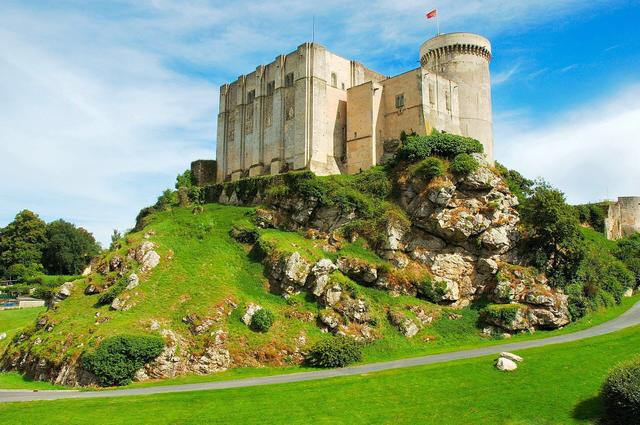
Falaise. Forty minutes south, the castle where William was born makes a good partner to a visit to his tomb. See also: Falaise Castle (William the Conqueror's Castle)
Facts and figures
- A refuge in 1944. During the Battle of Caen, the abbey served as a civil defence shelter. It housed about 3500 people in early July 1944, then more than 8000 by mid-July.
- A 105 m wing. The east wing of the classical monastery, finished in 1726, is 105 m long and three storeys high.
- A monk architect. Rebuilding began in 1704 under Dom Guillaume de La Tremblaye, a Benedictine monk. Short of money, the work stopped several times and was only completed in 1764.
- An English king on the tower. In 1417, Henry V of England set up his headquarters in the abbey and placed his artillery on the lantern tower.
- A tower gives way. In 1566, after beams had been cut, the lantern tower shifted and brought down part of the choir vaults.
- A school for a century and a half. From 1804 to 1961, the buildings housed Caen's lycée, later the Lycée Malherbe.
The Abbaye aux Hommes in ten dates
- 1065-1083: the abbey founded by William is built.
- 1087: William the Conqueror is buried in the choir.
- 1166: the Romanesque choir is replaced by a Gothic east end.
- 1417: Henry V makes the abbey his headquarters.
- 1562: the tomb is desecrated during the Wars of Religion.
- 1704: rebuilding of the monastery begins.
- 1791: the abbey church becomes a parish church.
- 1840: the church is listed as a historic monument.
- 1944: thousands of Caen residents shelter here during the Battle of Caen.
- 1961: the Lycée Malherbe leaves the abbey, soon taken over by the town hall.
Where to eat and stay near the Abbaye aux Hommes
The abbey has no café or restaurant. The Saint-Sauveur district next door and rue Écuyère, towards the castle, have plenty of brasseries, crêperies and Norman restaurants. For a picnic, the town hall gardens are right there.
Caen is the best base for exploring Calvados: it has the widest choice of hotels in the area, and the D-Day beaches are half an hour away. Staying near the abbey lets you do the whole centre on foot. If you are touring by car, a hotel near the ring road avoids the narrow streets of the centre. See also: Normandy in 3 days
FAQ
How much does it cost to visit the Abbaye aux Hommes?
The church and William's tomb are free. The self-guided visit of the monastery costs €6 when a temporary exhibition is on, €4 otherwise, and is free for under-18s. The one-hour guided tour costs €9.
Where is William the Conqueror buried?
In the choir of the church of Saint-Étienne, at the Abbaye aux Hommes in Caen. Since the desecration of 1562, the tomb only holds a thigh bone.
Where is Queen Matilda buried?
At the Abbaye aux Dames, Caen's other abbey, which she founded. You can visit both on the same day.
Is the Abbaye aux Hommes open on Sundays?
From April to September, yes. From 29 September to 31 March, the monastery only opens on Sundays during French school holidays and on public holidays.
Is there a guided tour in English?
Yes, in July and August only, Monday to Friday at 11 am. Book it on the abbey's online ticket site.
Is the Abbaye aux Hommes wheelchair accessible?
Yes: the City says the self-guided route and the "Un patrimoine d'exception" guided tour are fully accessible.
How much time should I allow?
One hour for the monastery, 1 h 30 with the church and the tomb.
Practical information
Official ticket-office prices 2026
| Full price | €6 |
|---|---|
| Reduced rate | €3 |
| Free | under 18s, jobseekers, recipients of French welfare benefits, disabled visitors and one companion, veterans, and journalists |
Address
Abbaye-aux-Hommes, esplanade Jean-Marie Louvel, 14000 Caen, France
Directions · Phone+33 2 31 30 42 81
On site and nearby
- Nearest shops and pharmacy: Caen, less than 1 km away Straight-line distance, based on OpenStreetMap.
- Emergencies: 112 (all emergencies, free from any phone), 15 (SAMU, medical emergency)
Around the site, on Google Maps
With children
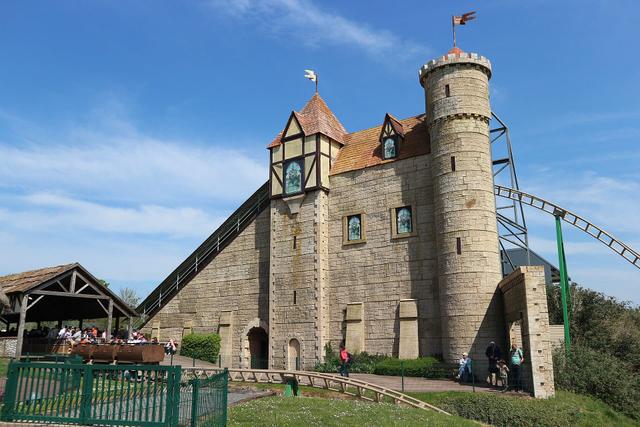
Family days out nearby: Caen Castle (Château de Caen) (1 km), Caen Fine Arts Museum (Musée des Beaux-Arts de Caen) (1 km), Festyland (4 km)
Swimming pools and play areas nearby, on Google Maps
Facts checked on 29 October 2026. Sources: caen.fr, caenlamer-tourisme.com, normandielovers.fr, fr.wikipedia.org, en.wikipedia.org, monumentum.fr, caen.fr
Map
In the same region