Musée Le Secq des Tournelles: Rouen's iron museum inside a Gothic church
Musée Le Secq des Tournelles (Ironwork Museum) at a glance
- High season
- 14:00 – 18:00
- Low season
- 14:00 – 18:00
- Admission
- Free
- Time needed
- 1 to 1.5 hours
- Where
- Rouen
- Nearest station
- Rouen-Rive-Droite
Facts checked on 30 October 2026. Full opening hours, reduced prices and access
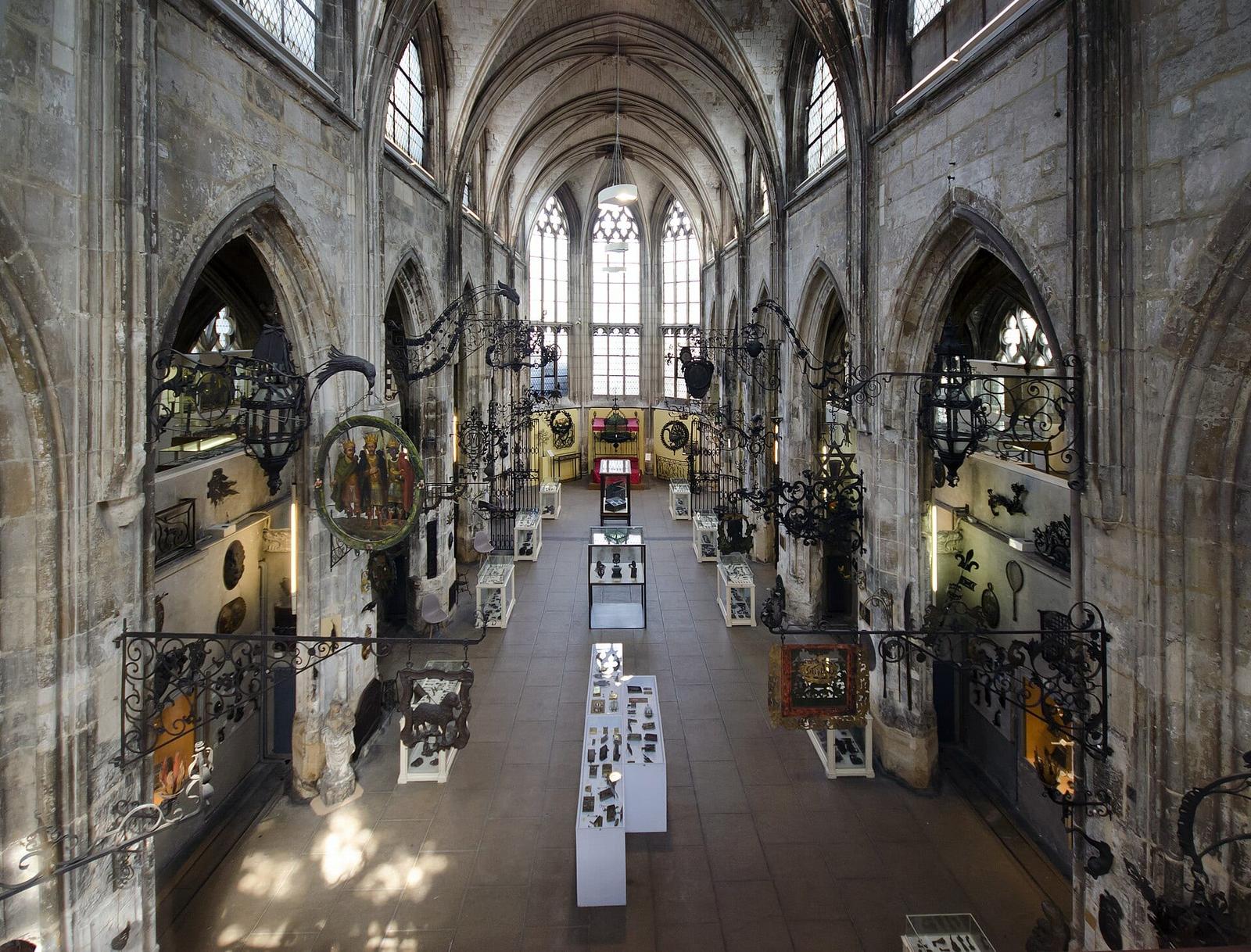
Shop signs, masterpiece locks, door knockers, coffee grinders and strongboxes: the Musée Le Secq des Tournelles displays the art of iron inside the former church of Saint-Laurent, right behind Rouen's Museum of Fine Arts. Entry is free, but it only opens in the afternoon. Opening hours, getting there, how long to allow and what not to miss.
At a glance
- Where: Rue Jacques-Villon, inside the former church of Saint-Laurent, next to the Rouen Museum of Fine Arts, ten minutes' walk from the station.
- What: a museum of ironwork: shop signs, locks, keys, tools, cutlery, jewellery, chests. Nearly 14,000 pieces according to the museum, from Gallo-Roman times to the 20th century.
- Price: the permanent collections are free. Only temporary exhibitions charge admission.
- Open: afternoons only, 2pm to 6pm, every day except Tuesday.
- Time needed: 1 to 1.5 hours.
- Booking: not needed for a self-guided visit.
- Best for: anyone curious about old objects, fans of Gothic architecture, and visitors who have already seen the cathedral and want something off the usual route.
Why visit the Musée Le Secq des Tournelles
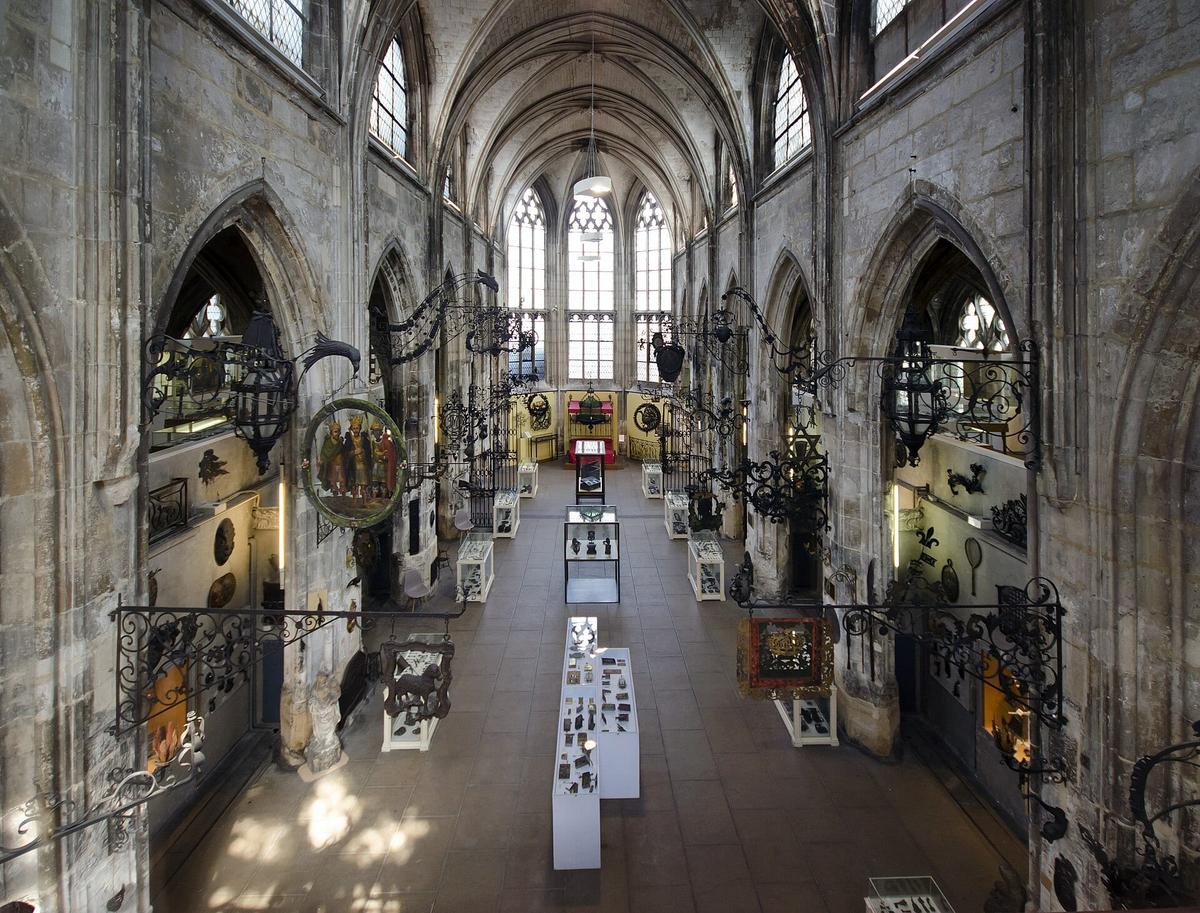
Very few museums are devoted entirely to iron. When part of this collection travelled to the Barnes Foundation in Philadelphia, it was described as the world's most important collection of wrought iron objects. You see what blacksmiths, locksmiths and cutlers made over the centuries, from everyday items to the showpieces craftsmen produced to qualify as masters.
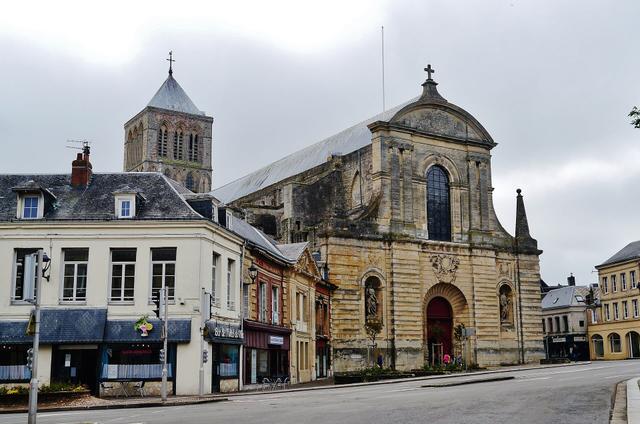
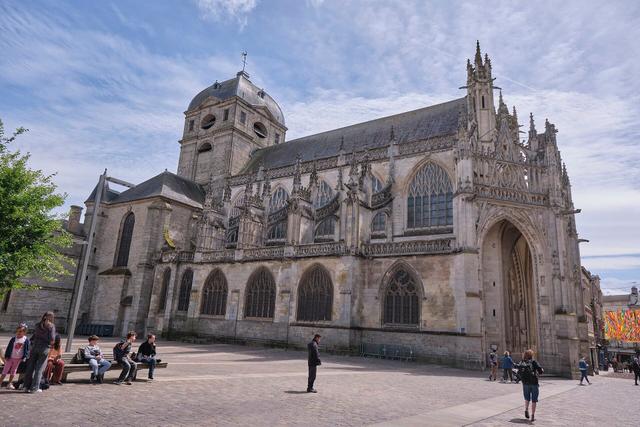
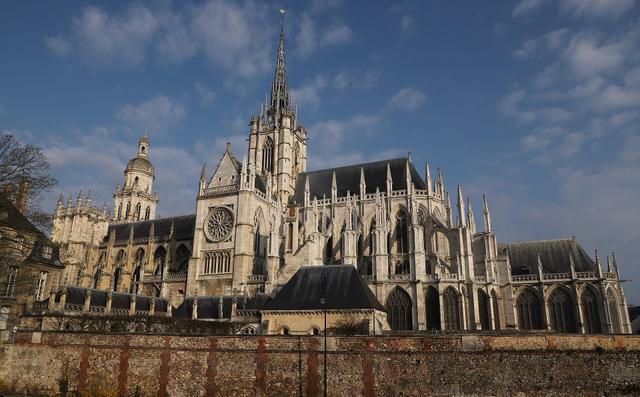
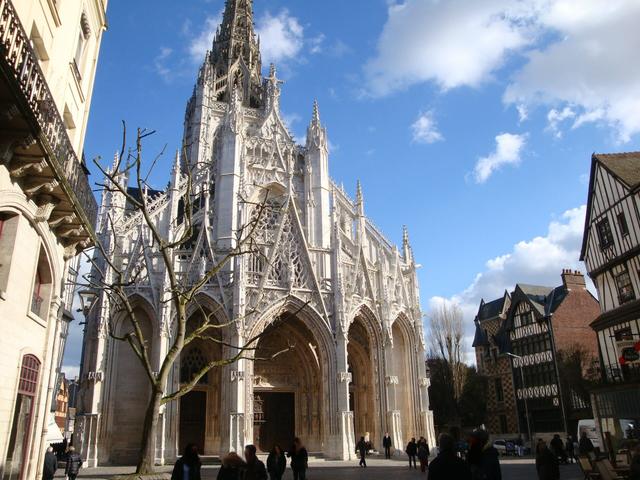
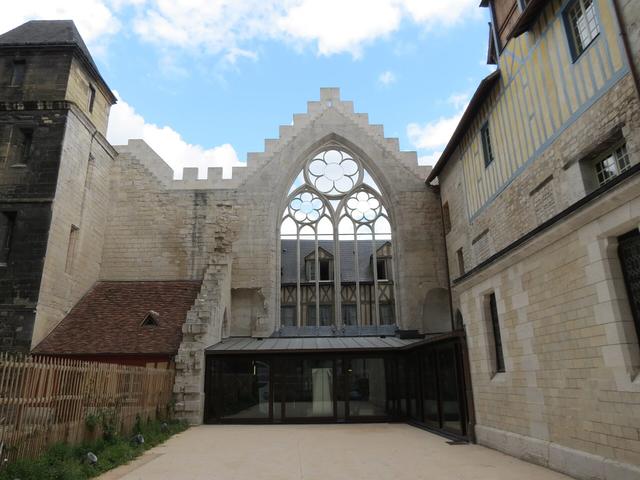
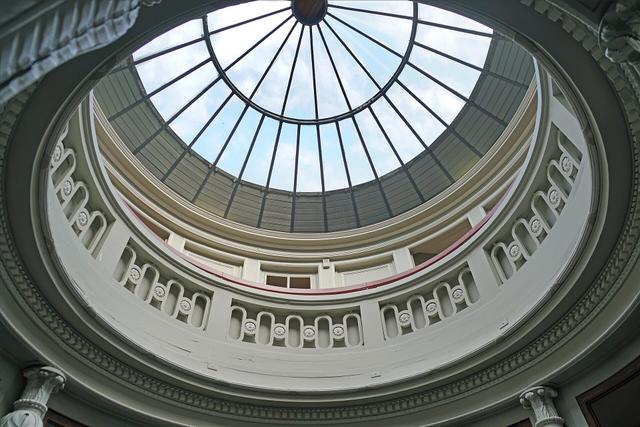
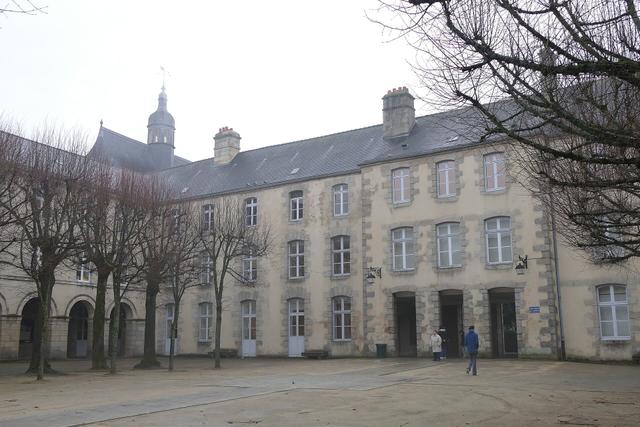
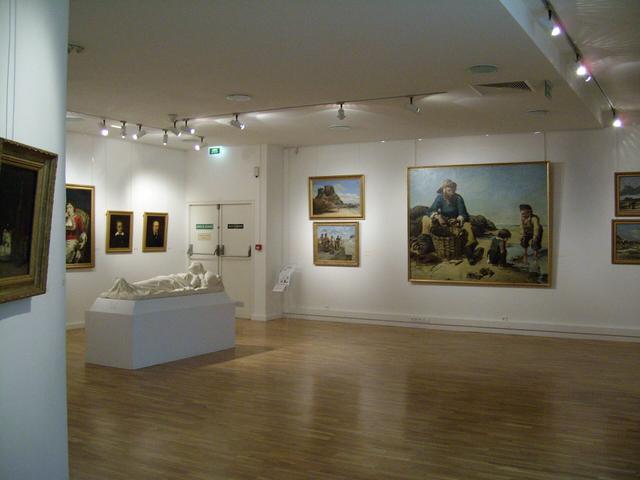
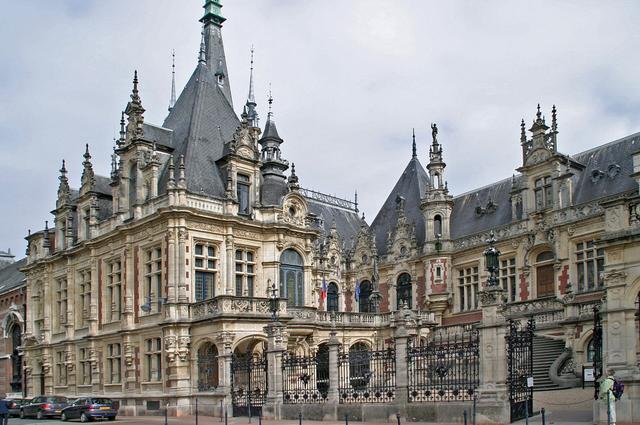
The setting matters as much as the display cases. The museum fills a late 15th-century Gothic church that was closed for worship during the French Revolution. The collections are shown in the church itself, under its Gothic vaults, so you visit a museum and a church at the same time.
One more point: it is free, and it is two minutes from the Museum of Fine Arts. You can do both without paying anything for the permanent collections.
How long does it take to visit the Musée Le Secq des Tournelles?
Allow 1 to 1.5 hours. The whole museum fits into one church, so you cannot get lost. If you like locks and mechanisms, you may stay longer: many objects reward a close look.
Our tip: the museum only opens at 2pm. Spend the morning at the Museum of Fine Arts, which opens at 10am, have lunch nearby, then walk next door early in the afternoon.
Ticket prices: a free museum
Permanent collections: free for everyone, all year. There is no ticket to collect. This applies to all the museums run by the Métropole Rouen Normandie.
Temporary exhibitions: these charge admission. The price depends on the exhibition and is listed in the museums' 2026 price list. When we checked, the museum was not advertising a temporary exhibition.
Groups: guided tours can be booked for groups of 10 or more through the museums' visitor services.
Opening hours and best time to visit
Opening hours published by the Rouen Normandie museums for 2026:
- Open: 2pm to 6pm on Monday, Wednesday, Thursday, Friday, Saturday and Sunday.
- Closed: Tuesdays, and on 1 January, 1 May, 1 November, 11 November and 25 December.
The museum is closed in the morning. Do not turn up at 10am expecting the door to be open.
No booking is required. Entry may only be delayed if the building reaches capacity.
Best time? A weekday, right at 2pm. The museum is far quieter than the cathedral or the Gros-Horloge, and you will often have the cases to yourself. It is also a good choice on a rainy day, since everything is indoors.
How to get to the Musée Le Secq des Tournelles
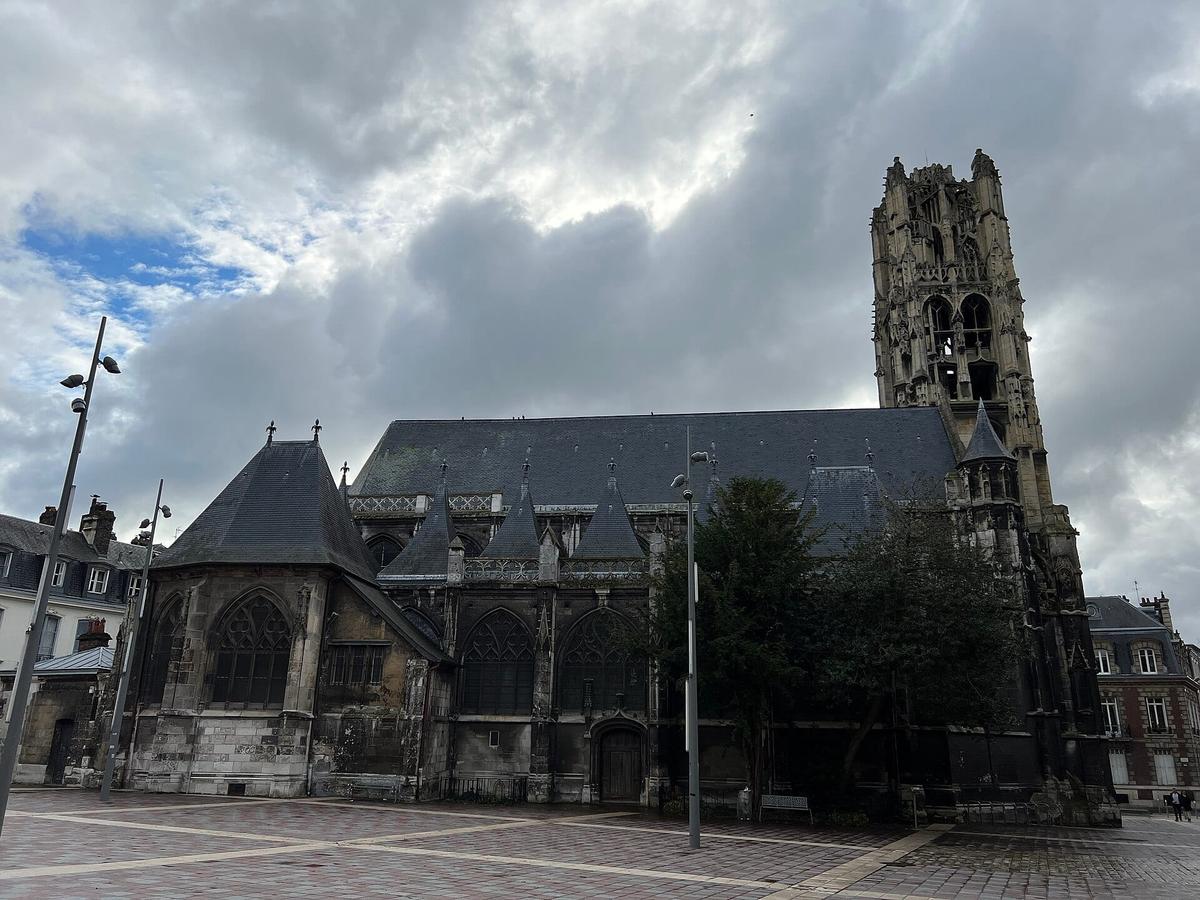
By train. Rouen-Rive-Droite station has direct trains from Paris-Saint-Lazare. Walk down Rue Jeanne-d'Arc to Square Verdrel, then go round the Museum of Fine Arts: the church of Saint-Laurent is right behind it, on Rue Jacques-Villon. Allow about ten minutes on foot. See also: Normandy without a car
By metro. Rouen's metro stops at the station and at Palais de Justice, both a few minutes from the museum.
By bus. The nearest stops are Square Verdrel - rue Jeanne-d'Arc and Beaux-Arts - rue Lecanuet, the same as for the Museum of Fine Arts. Public transport in the Rouen area is free on Saturdays.
By car. Central Rouen is largely pedestrianised and street parking is paid. Leave the car in an underground car park in the centre and walk: the museum, the Gros-Horloge, the cathedral and Saint-Ouen Abbey Church are all within a quarter of an hour of each other.
Renting a car. You will not need one in Rouen itself. It becomes useful for the abbeys of the Seine valley, such as Jumièges or Saint-Wandrille, or the Alabaster Coast. Rental agencies are near the station, ten minutes' walk from the museum.
Partner links: if you book through these links, we earn a commission at no extra cost to you. Partner links · Learn more
What to see at the Musée Le Secq des Tournelles
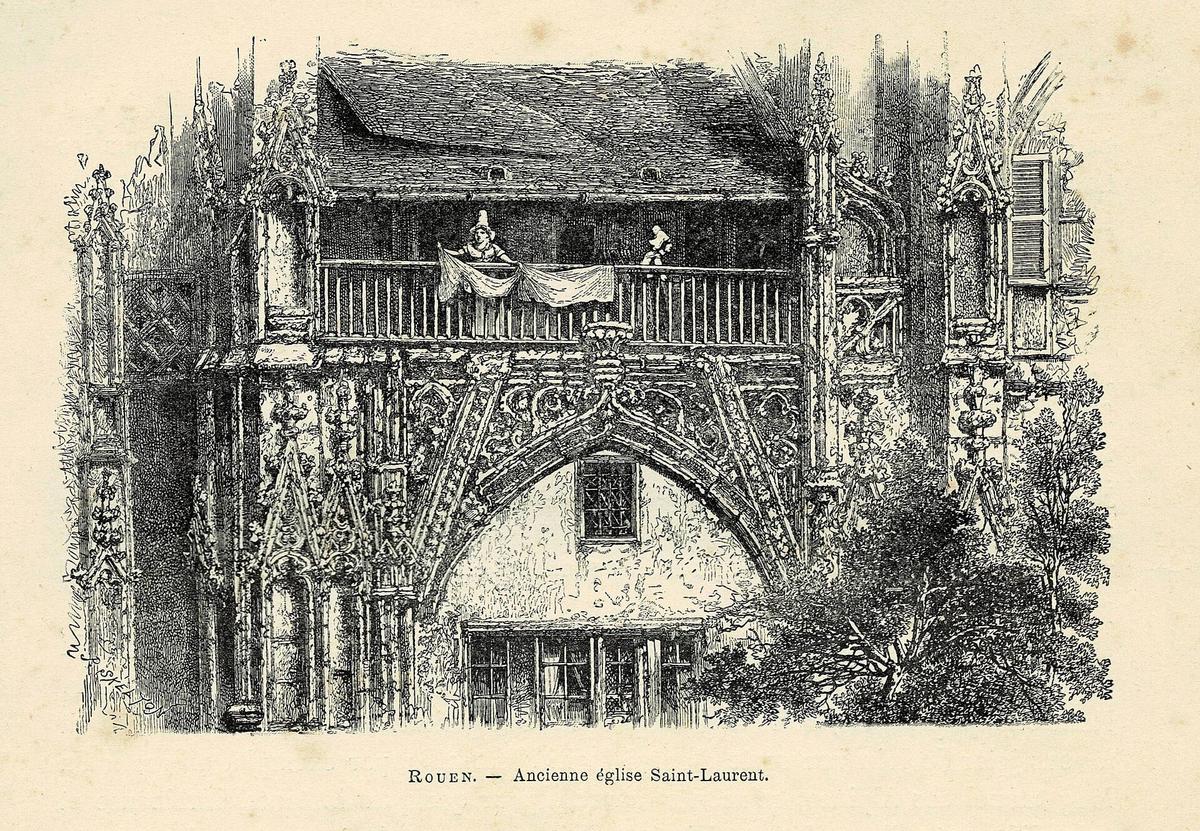
The church of Saint-Laurent. Before you look at the cases, look up. The church was rebuilt between 1440 and 1482, and its tower dates from 1490 to 1501. The spire was pulled down in 1810. Walk round the outside too, along Rue Jacques-Villon, to see the Flamboyant Gothic front and the tower.
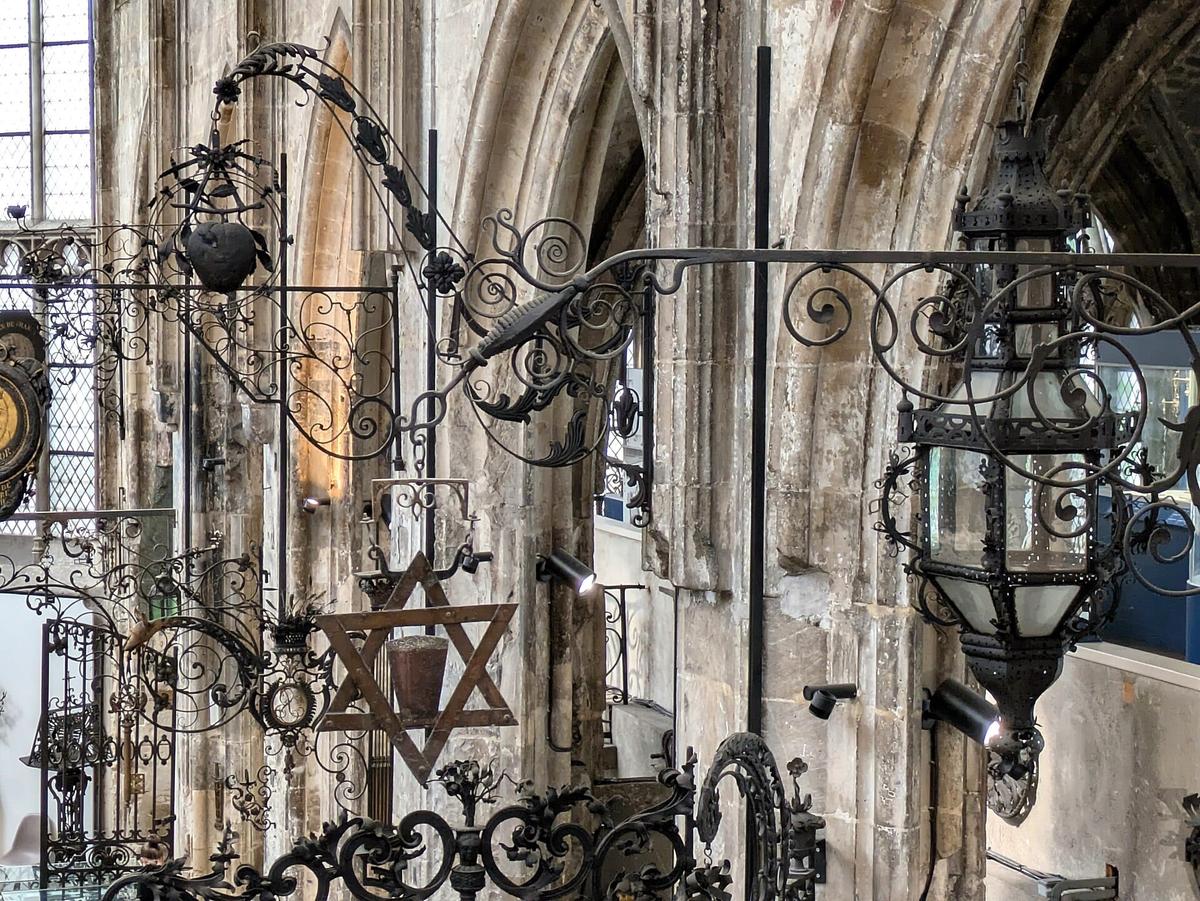
Shop signs. The most striking part of the museum. Before most people could read, a cut-iron sign showed the trade or the name of a shop with an object or an animal. The museum lent several to the United States, including a gilded and painted 18th-century florist's sign and a sign shaped like a greyhound.
Locks and keys. The museum puts special weight on this section, and rightly so. Look for the masterpiece locks: an apprentice locksmith had to make a highly complex piece to become a master. Some locks hide traps, such as one fitted with spring-loaded manacles to catch the hand of a thief trying to pick it.
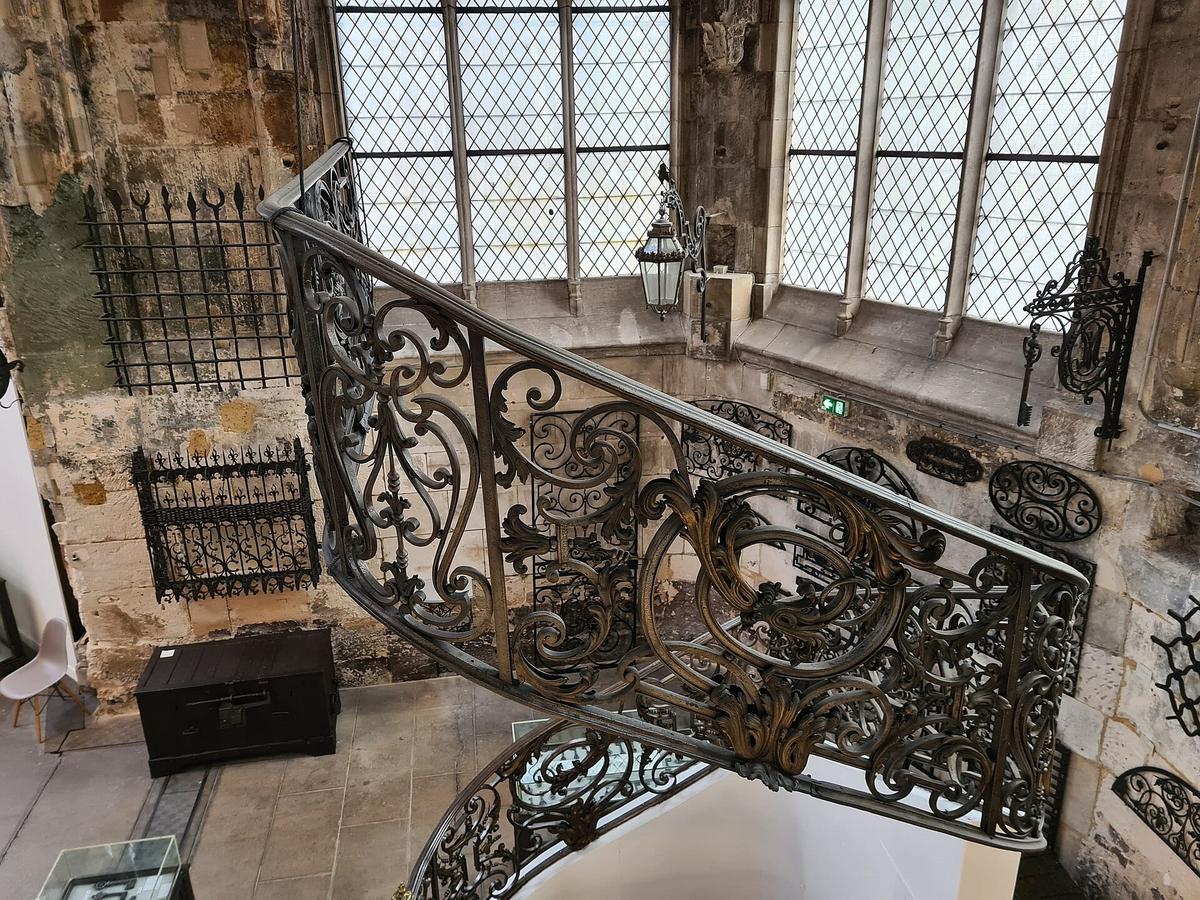
Chests and caskets. Merchants' chests, small boxes, caskets with secret openings: before banks, iron protected money and papers. Take time over the locking systems, which are sometimes more elaborate than the chest itself.
Ironwork for churches and houses. Architectural pieces, door knockers, door fittings: objects made to be seen from the street or at a church entrance.
Tools and cutlery. Trade tools, knives and other cutlery, coffee grinders. This is often where visitors linger longest, because the uses are easy to recognise.
Adornment and leisure. Jewellery, buckles, sewing and costume accessories: iron and steel were used for decoration too.
What you will not see: weapons. The collector left them out on purpose, because other museums already had them.
Visiting the Musée Le Secq des Tournelles with kids
Iron appeals to children more than you might think. A trap lock, a sign shaped like an animal, an old coffee grinder: these are things they understand straight away. And since entry is free, you can leave after forty minutes with no regrets.
A few ideas:
- The sign hunt. Ask them to guess which trade each sign advertised. Then, back in town, look for the signs still hanging on the fronts of Rouen's pedestrian streets.
- The lock challenge. Get them to spot the oddest-shaped locks and imagine how they open.
- Museum activities. The museum lists activities for families and toddlers, such as family Sundays. The programme is in the events calendar on the museums' official website.
Visiting the Musée Le Secq des Tournelles in a wheelchair
The museum lists an entrance for disabled visitors on Rue Deshays, at the back of the church, rather than the main entrance on Rue Jacques-Villon. The official website does not say which parts of the exhibition are accessible. Call the museum on +33 2 35 88 42 92 before your visit to check what you will be able to see.
For blind, partially sighted or deaf visitors, the museum offers a touch tour and a tour in French Sign Language. Both are booked through the visitor services.
Are dogs allowed at the Musée Le Secq des Tournelles?
No. The Seine-Maritime tourist board states that animals are not admitted. Square Verdrel, in front of the Museum of Fine Arts, and the town hall gardens near Saint-Ouen Abbey Church are good places for a break outside with your dog. The simplest solution is to take turns visiting.
Guided tours and day trips
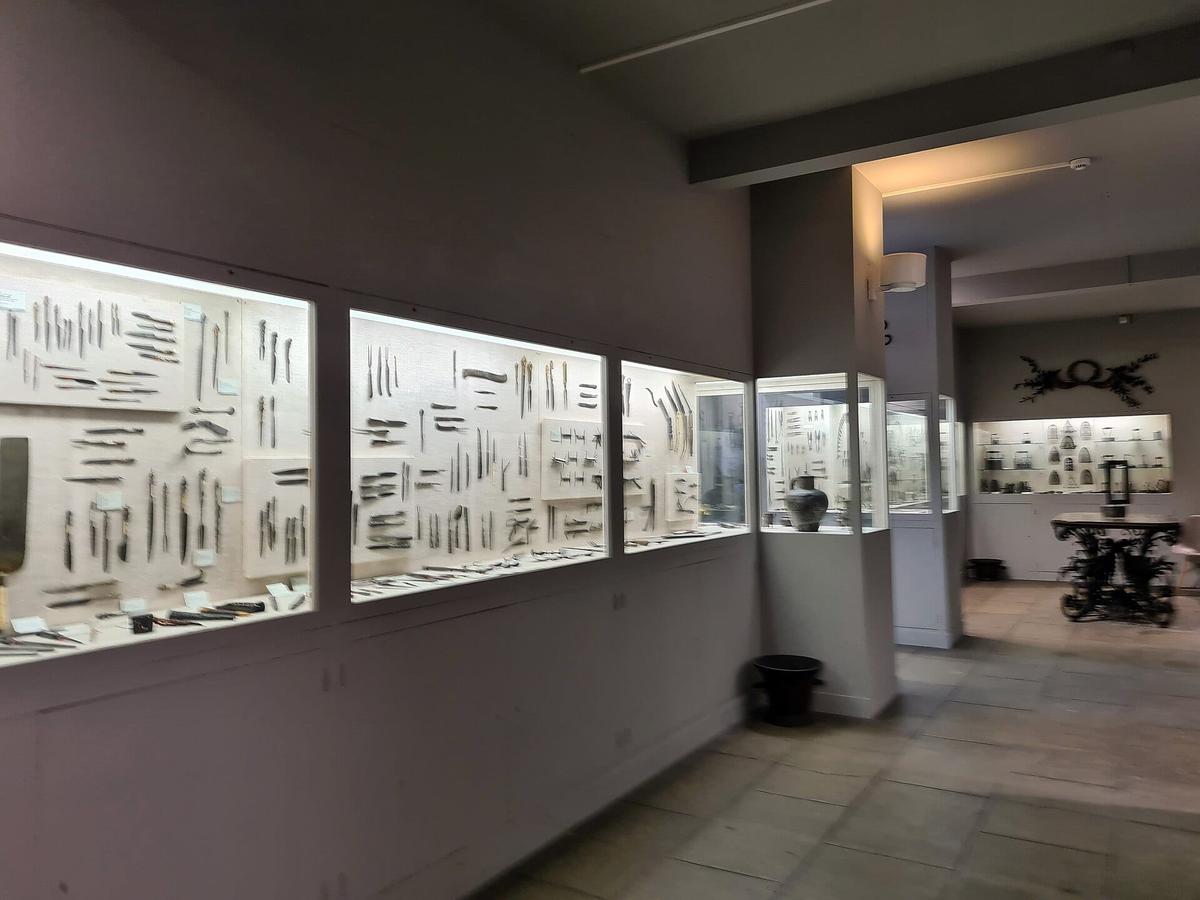
A self-guided visit is enough for most people. Objects have labels, and the collection is arranged by theme.
Guided tours are run by the visitor services of the Rouen Normandie museums. For a group, book by email at publics4@musees-rouen-normandie.fr or by phone on +33 2 76 30 39 18. According to the Seine-Maritime tourist board, staff can welcome you in English and German.
Walking tours of Rouen usually do not go inside the museum, but they round off the afternoon well: the medieval centre, half-timbered houses, the cathedral, the Joan of Arc sites. Day trips to Giverny, Étretat and the Seine abbeys also leave from Rouen.
What to see near the Musée Le Secq des Tournelles on the same day
| Also worth seeing | Distance | Travel time |
|---|---|---|
| Rouen Museum of Fine Arts (Musée des Beaux-Arts) | 0.1 km | 2 min on foot |
| Saint-Ouen Abbey Church | 0.5 km | 7 min on foot |
| Gros-Horloge, Rouen | 0.6 km | 8 min on foot |
Approximate road distances and travel times.
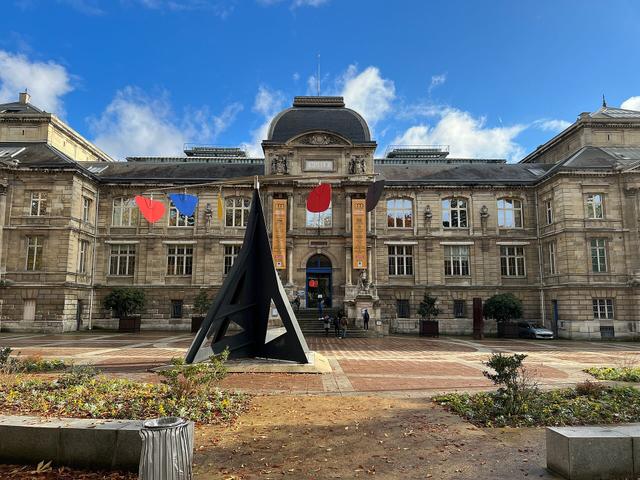
The Museum of Fine Arts. The next-door neighbour: the two buildings touch. Monet, Caravaggio, Velázquez and Géricault, also free. It opens at 10am and is also closed on Tuesdays. See also: Rouen Museum of Fine Arts (Musée des Beaux-Arts)
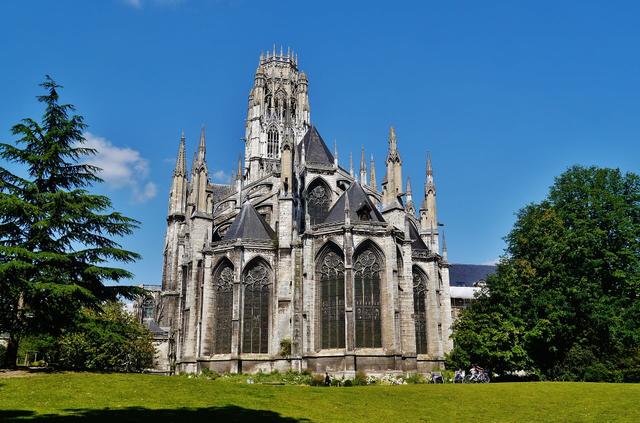
Saint-Ouen Abbey Church. Seven minutes' walk east. A huge, very bright Gothic church, often much quieter than the cathedral. See also: Saint-Ouen Abbey Church
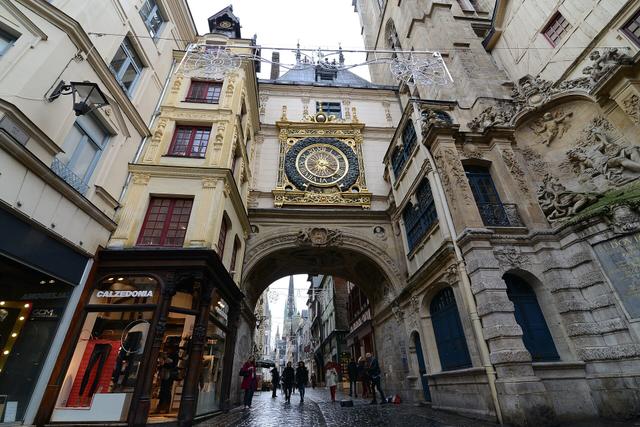
The Gros-Horloge. Eight minutes' walk. If you enjoyed the locks and mechanisms, the belfry and its old clock mechanism carry on the theme. See also: Gros-Horloge, Rouen
The cathedral and the Saint-Maclou quarter. Notre-Dame Cathedral, the church of Saint-Maclou and the Aître Saint-Maclou are ten to fifteen minutes' walk away. See also: Rouen Cathedral, Saint-Maclou Church, Aître Saint-Maclou, Rouen
The Historial Jeanne d'Arc. Next to the cathedral, it tells the story of Joan of Arc's trial. See also: Historial Jeanne d'Arc (Joan of Arc museum), Rouen
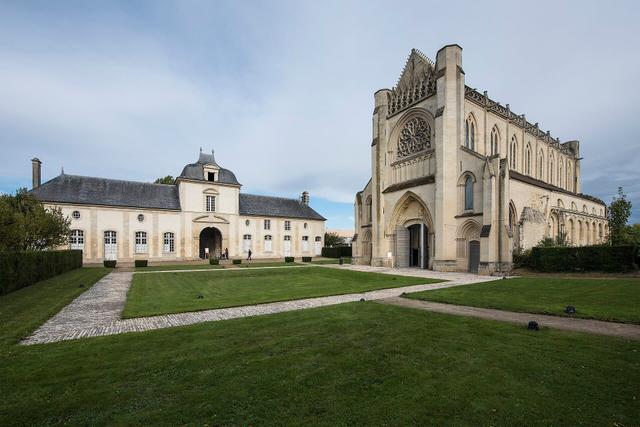
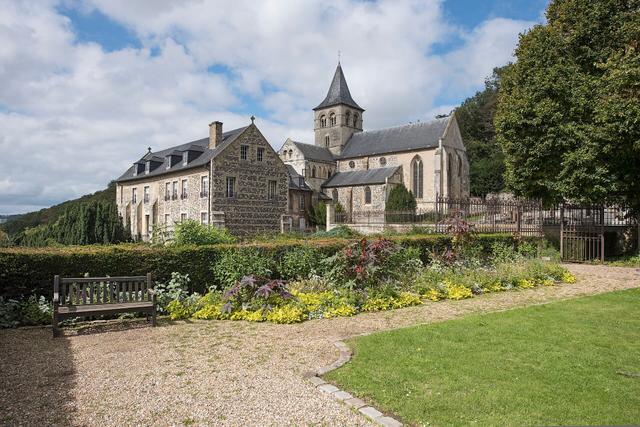
A Seine abbey. The museum's founder photographed France's monuments for the state. With a car, the Abbey of Saint-Wandrille, which once held the patronage of the Saint-Laurent parish, is about forty minutes away. See also: Saint-Wandrille Abbey
See also: Normandy in 3 days
Facts and figures
- A photographer father. Jean-Louis-Henri Le Secq Destournelles (1818-1882), a painter trained in Paris and Rome, was one of France's first photographers. Prosper Mérimée commissioned him to photograph historic monuments. He started the collection around 1865.
- A collector son. Henry Le Secq des Tournelles (1854-1925) expanded the collection, offered it to Rouen in 1917 and remained the museum's curator until his death.
- Nearly 1000 objects were lent to the Paris World's Fair of 1900.
- Paris nearly got it. The Musée des Arts Décoratifs in Paris wanted to show the collection, published in 1909. Short of space, the collector chose Rouen.
- A church that nearly vanished. After the Revolution, Saint-Laurent became a warehouse, then a stable. In 1891 its owner wanted to demolish it for housing. The city bought it in 1893.
- Nearly 14,000 pieces in the collection, from France, Germany, England, Spain, Italy, the Netherlands and Russia, with a few from the Arab world and India.
- Rouen in Philadelphia. About 150 pieces from the museum were shown at the Barnes Foundation from 19 September 2015 to 4 January 2016.
The Musée Le Secq des Tournelles in ten dates
- 1024: a chapel becomes the church of Saint-Laurent, under the patronage of the Abbey of Saint-Wandrille.
- 1248: the church burns down.
- 1440-1482: the church is rebuilt in the Flamboyant Gothic style.
- 1490-1501: the tower is built.
- 1791: the parish is abolished and merged with Saint-Godard. The church becomes a meeting place for the Jacobin club.
- 1893: the city of Rouen buys the church, which was threatened with demolition.
- 1911: restoration for the millennium of Normandy.
- 1914: the church is listed as a historic monument.
- 1917: Henry Le Secq des Tournelles offers his collection to the city.
- 1921: the museum opens in the church of Saint-Laurent.
Where to eat and stay near the Musée Le Secq des Tournelles
On site. The museum does not advertise a café. The nearest is the MBA-Café at the Museum of Fine Arts next door, under the glass roof of the sculpture garden. It is closed on Tuesdays, like both museums.
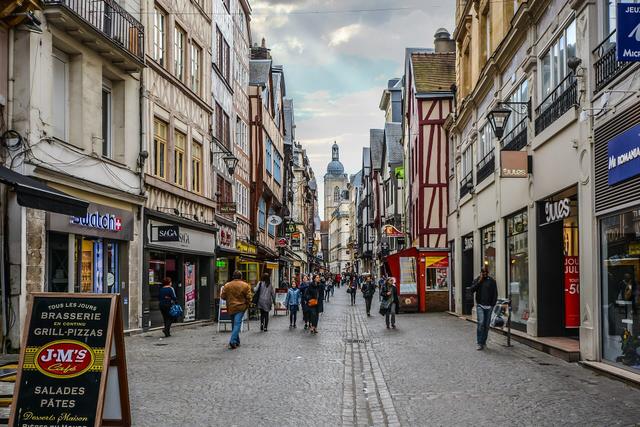
Nearby. Rue Jeanne-d'Arc, Place du Vieux-Marché and the pedestrian streets around the Gros-Horloge are less than ten minutes away, with brasseries, crêperies and restaurants in half-timbered houses.
Where to stay. The area between the station and the cathedral is the most practical: arrive by train, see everything on foot, and leave the next day for Giverny, Le Havre or the Alabaster Coast. See also: Normandy
FAQ
Is the Musée Le Secq des Tournelles free?
Yes for the permanent collections, for everyone, all year round. Only temporary exhibitions charge admission.
What are the opening hours?
2pm to 6pm every day except Tuesday. It is also closed on 1 January, 1 May, 1 and 11 November and 25 December. It does not open in the morning.
Do I need to book?
Not for a self-guided visit. Group guided tours must be booked.
Where is the museum?
On Rue Jacques-Villon, in the former church of Saint-Laurent, right behind Rouen's Museum of Fine Arts, ten minutes' walk from the station.
How long should I allow?
1 to 1.5 hours. It combines easily with the Museum of Fine Arts on the same day.
Is the museum wheelchair accessible?
There is an entrance for disabled visitors on Rue Deshays. Call before your visit to find out which rooms are accessible.
Can I bring my dog?
No, animals are not admitted.
Practical information
Opening hours 2026
| 2 January 2026 to 31 December 2026 | 14:00 – 18:00 (Closed: Tuesday) |
|---|
Closed: 1 November 2026, 11 November 2026, and 25 December 2026
Official ticket-office prices 2026
Free admission
Address
Musée Le Secq des Tournelles, ancienne église Saint-Laurent, 2 rue Jacques-Villon, 76000 Rouen, France
Directions · Phone+33 2 35 88 42 92
On site and nearby
- Nearest shops and pharmacy: Rouen, less than 1 km away Straight-line distance, based on OpenStreetMap.
- Emergencies: 112 (all emergencies, free from any phone), 15 (SAMU, medical emergency)
Around the site, on Google Maps
With children
Family days out nearby: Gros-Horloge, Rouen (0 km), Historial Jeanne d'Arc (Joan of Arc museum), Rouen (0 km), Rouen Museum of Fine Arts (Musée des Beaux-Arts) (0 km)
Swimming pools and play areas nearby, on Google Maps
Facts checked on 30 October 2026. Sources: museelesecqdestournelles.fr, museelesecqdestournelles.fr, museelesecqdestournelles.fr, seine-maritime-tourisme.com, museelesecqdestournelles.fr, mbarouen.fr, museelesecqdestournelles.fr, pop.culture.gouv.fr, fr.wikipedia.org, enfilade18thc.com, museelesecqdestournelles.fr
Map
In the same region