Memorial Museum of the Battle of Normandy, Bayeux: plan your visit
Memorial Museum of the Battle of Normandy at a glance
- High season
- 9:30 – 18:30
- Low season
- 10:00 – 18:00
- Full price
- €8.50
- Free
- under 10
- Time needed
- 1.5 to 2 hours
- Visitors per year
- 110,000 (2019)
- Where
- Bayeux
- Nearest station
- Bayeux
Official ticket-office prices, checked on 29 October 2026. Full opening hours, reduced prices and access

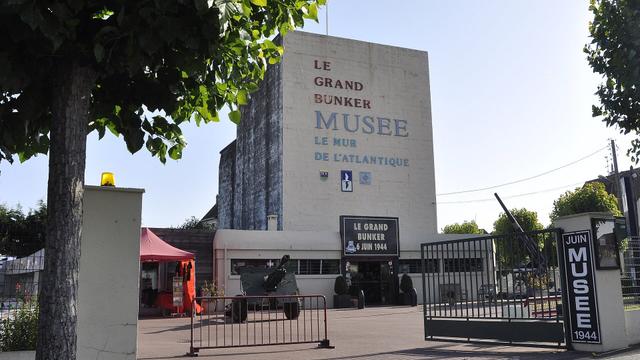
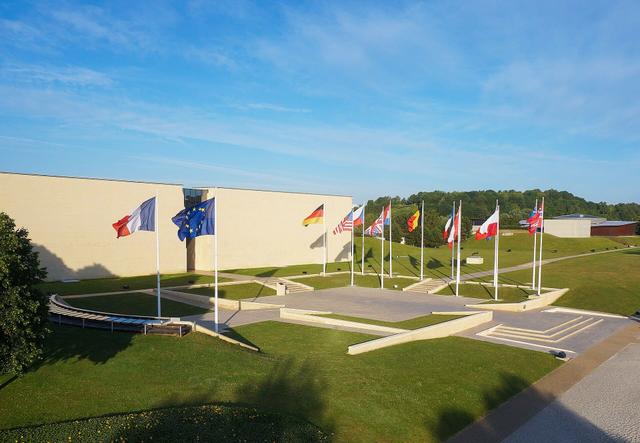
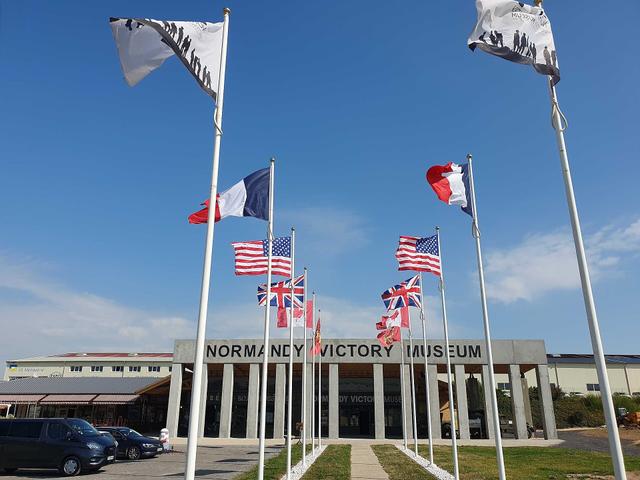
In Bayeux, opposite the British war cemetery, the Memorial Museum of the Battle of Normandy tells the story of the summer of 1944, from 7 June 1944 to 29 August 1944. Tanks, uniforms, maps and a 25-minute archive film make it the best introduction before you head to the beaches and coastal batteries. Here are the prices, the 2026 opening hours, the pass with the MAHB and what you need to know about the Bayeux Tapestry, which is currently in London.
At a glance
- Where: in Bayeux (Calvados), on boulevard Fabian Ware, right opposite the British war cemetery and a 15-minute walk from the cathedral.
- Subject: the Battle of Normandy, from 7 June 1944 to 29 August 1944, told month by month.
- Price: €8.50 for adults, free for children under 10 and Second World War veterans. Pass with the MAHB: €14.
- Tickets: sold on site only, no online sales.
- Time needed: 1.5 to 2 hours, including the film.
- Closed: 5 to 18 January in 2026, on 25 December and 1 January, and on the afternoons of 24 and 31 December.
- Bayeux Tapestry: its museum is closed for works and the Tapestry is on show at the British Museum until 11 July 2027.
Understanding what happened here
On 6 June 1944 the Allies landed on the beaches of Calvados and the Manche. The next day, 7 June 1944, Bayeux was liberated almost without a fight. It was the first town in mainland France to be freed. Spared by the bombing, it became a hospital town: nearly 2000 wounded were treated here between mid-June and September 1944. On 14 June 1944, General de Gaulle came to Bayeux and gave a speech. The town served as the administrative capital of liberated France until Paris was freed.
Around Bayeux, the fighting went on all summer. Caen, Saint-Lô, the Falaise Pocket: the Battle of Normandy lasted nearly three months. It ended with the encirclement of the German 7th Army on 21 August 1944. Paris was liberated on 25 August 1944.
The museum covers exactly this period, from 7 June 1944 to 29 August 1944. According to the Bayeux museums, it is the only museum that presents, month by month, all the military operations fought on Normandy soil in the summer of 1944. It grew out of a collectors' exhibition held for President Jimmy Carter's visit to Bayeux in 1978. The town founded the museum on 14 July 1981.
The location matters. Boulevard Fabian Ware follows the bypass built by British engineers so that convoys could avoid the narrow streets of the old town. Across the road lie soldiers who died in this battle.
How long does it take to visit the museum?

The museum suggests 1.5 to 2 hours. The route is chronological, in three parts: June, July and August 1944. The archive film lasts 25 minutes; check the time of the next screening when you arrive and plan around it.
Add 30 minutes to cross the road to the British cemetery and the reporters' memorial. With the cathedral and the town centre, half a day in Bayeux is a comfortable pace.
Our tip: start your trip here. With the maps of the Allied advance in mind, the beaches, Longues-sur-Mer and Arromanches make far more sense. See also: D-Day beaches
Ticket prices and the 2-museum pass
Individual prices for 2026, taken from the Bayeux museums' website:
- Full price: €8.50.
- Reduced: €6.50, for holders of a French GIC or GIG disability card, large families and jobseekers.
- School pupils and students: €5.
- Free: children under 10 and Second World War veterans.
The 2-museum pass. The Bayeux museums (branded "Bayeux Museum") sell a pass covering the Memorial Museum and the MAHB, the Musée d'Art et d'Histoire Baron Gérard next to the cathedral. It costs €14 (reduced €10, youth €8) and is valid for one year from the date of issue. You don't have to see both on the same day. With the Tapestry museum closed, the official site only offers this two-museum pass.
Groups. From 20 people: €6.50 per adult, €5 per pupil or student. Guides, group leaders and drivers go in free.
Good to know: tickets are only sold at the museum desk. You can pay by card, cash, French cheque or chèques vacances. Entry is free during the European Heritage Days in September.
Opening hours and the best time to go
The museum opens every day, with these hours in 2026:
- 19 January to 30 April: 10 am to 12.30 pm and 2 pm to 6 pm.
- 1 May to 30 September: 9.30 am to 6.30 pm, no lunch break.
- 1 October to 31 December: 10 am to 12.30 pm and 2 pm to 6 pm.
Last admission is 45 minutes before closing, at lunchtime as in the evening. The museum closes on the afternoons of 24 and 31 December and all day on 25 December and 1 January. In 2026 the annual closure ran from 5 to 18 January inclusive. The January 2027 dates have not been published yet: check the official site before an early-year trip.
Out of season, watch the lunch break: the last morning entry is at 11.45 am. In summer, opening time and late afternoon are quieter, while the coach groups are out on the beaches. Around 6 June, Bayeux is very busy and the commemorations disrupt traffic.
The Bayeux Tapestry right now
Many visitors come to Bayeux for the Tapestry. Here is the situation as checked on 29 October 2026.
The Tapestry museum is closed. It has been closed to the public for renovation since 1 September 2025. The Bayeux museums announce its reopening for October 2027.
The Tapestry is in London. During the works it is on display at the British Museum from 10 September 2026 to 11 July 2027 (Room 30, Sainsbury Exhibitions Gallery). The British Museum says tickets from 10 September to 31 December 2026 are sold out; for 2027, check its website directly.
Part of an exhibition at the Memorial Museum. The exhibition "De lin et de laine" ("Of linen and wool"), from 14 May 2026 to 19 September 2027, tells the story of how the Tapestry has been conserved, in three stages. The second part, built into the Memorial Museum's route, covers the Tapestry in wartime: how it was protected, studied and coveted during the Second World War. The first part is at the MAHB. A third, immersive part opens at the Hôtel du Doyen from 17 December 2026. See also: Bayeux Cathedral
How to get to the Battle of Normandy Museum
On foot from the centre. The museum is south-west of the old town, on boulevard Fabian Ware. Allow about 15 minutes from the cathedral.
By train. Trains to Bayeux leave from Paris-Saint-Lazare on the Cherbourg line. From Bayeux station, the museum is a 10 to 15-minute walk. See also: Normandy without a car
By car. From Caen, take the N13 towards Bayeux, exit 36. From Rennes, take the A84 towards Caen, exit 43, then the D6. There is a car park right next to the entrance, with disabled spaces. Note that part of the A13 between Paris and Normandy will be closed from 16 November 2026 until August 2027: plan another route from Paris.
By bike. Bayeux has cycle lanes, bike shelters, a pump station and charging points for e-bikes.
Renting a car. You can walk to the museum from the centre, but a car soon becomes useful for the rest of the trip: Longues-sur-Mer, Arromanches, Omaha Beach and the American Cemetery are all less than 30 minutes from Bayeux. The nearest rental desks are in Bayeux and Caen.
Partner links: if you book through these links, we earn a commission at no extra cost to you. Partner links · Learn more
What to see at the museum
The museum devotes 2300 m² to the battle. The current displays date from 2006.
7 June to 29 August 1944. After a reminder of D-Day, each military operation is described, with maps of the Allied advance and display cases on Allied and German soldiers: weapons, vehicles, uniforms. Other areas cover the Resistance, Allied airfields, engineers and medical services, the Mulberry harbours, the capture of Cherbourg, civilian life and the destroyed towns. One space is devoted to General de Gaulle.
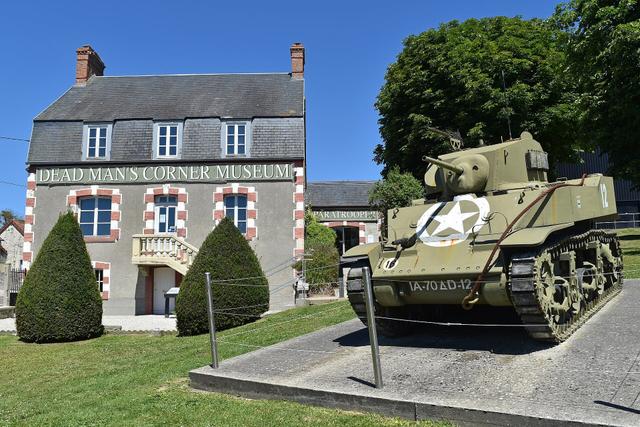
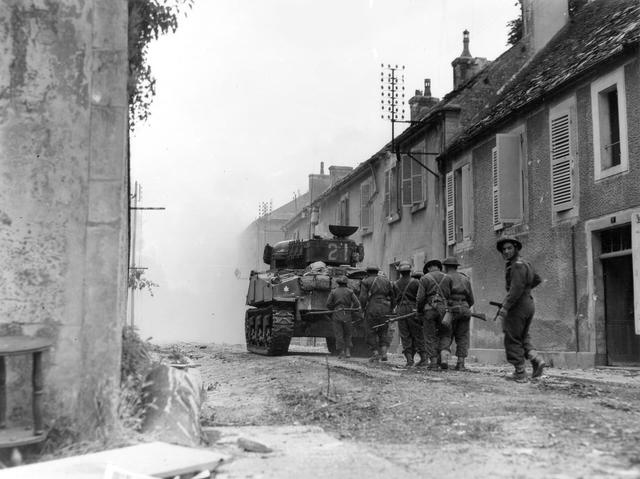
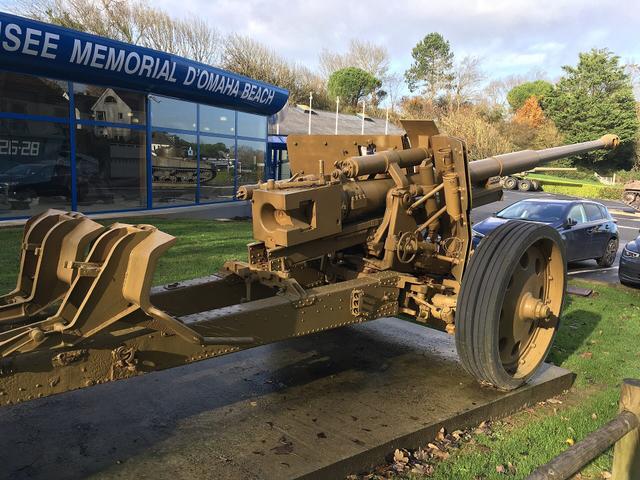
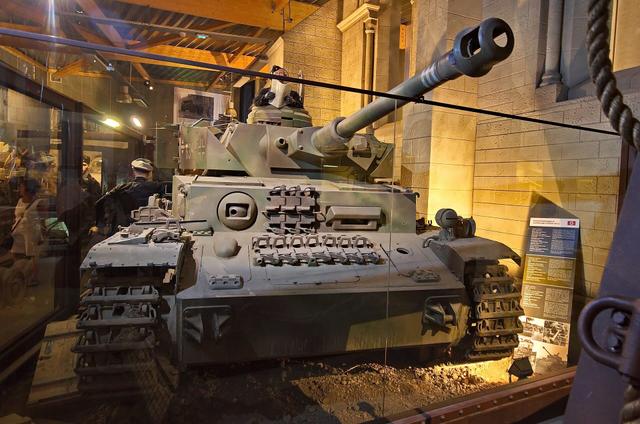
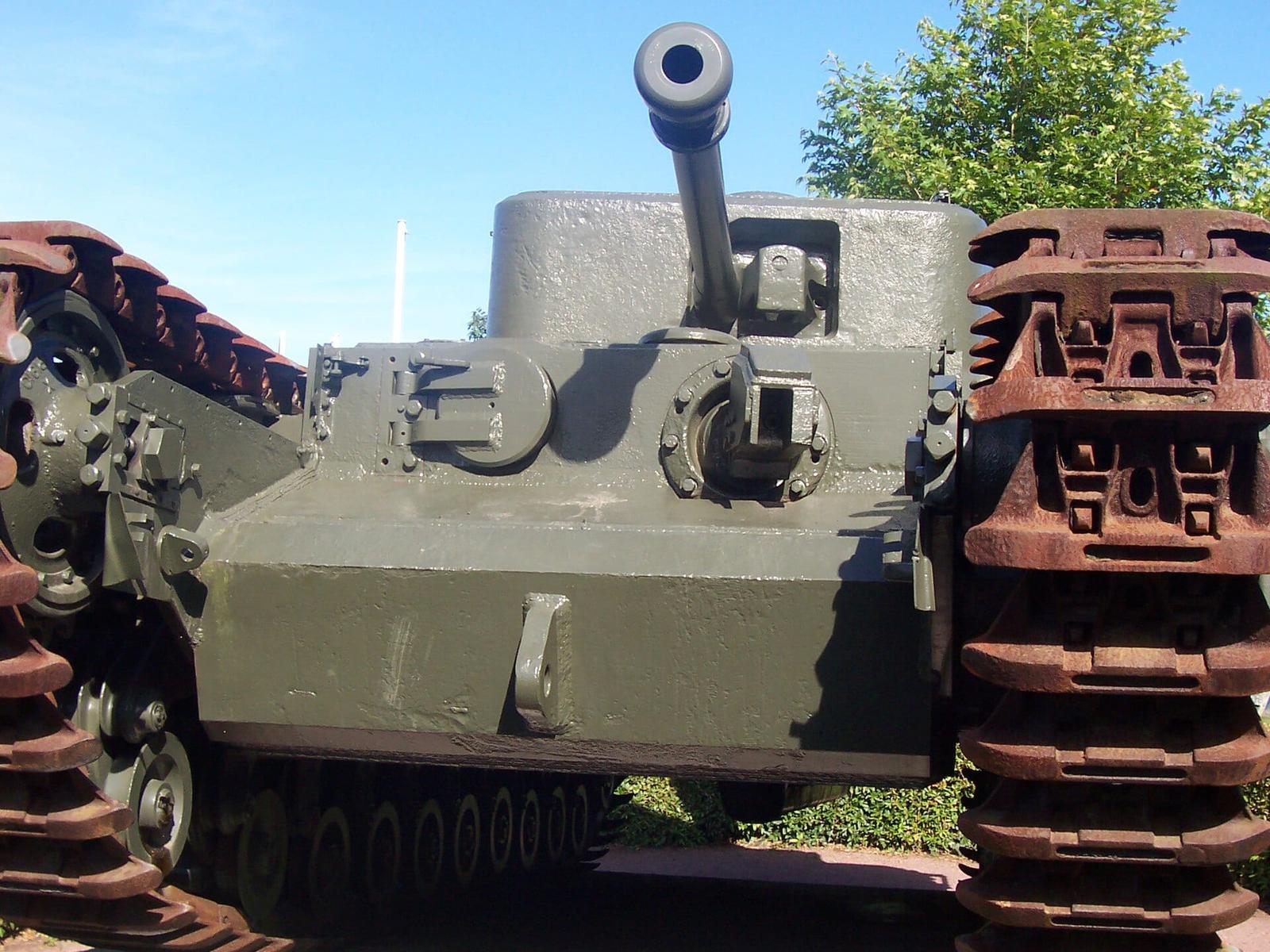
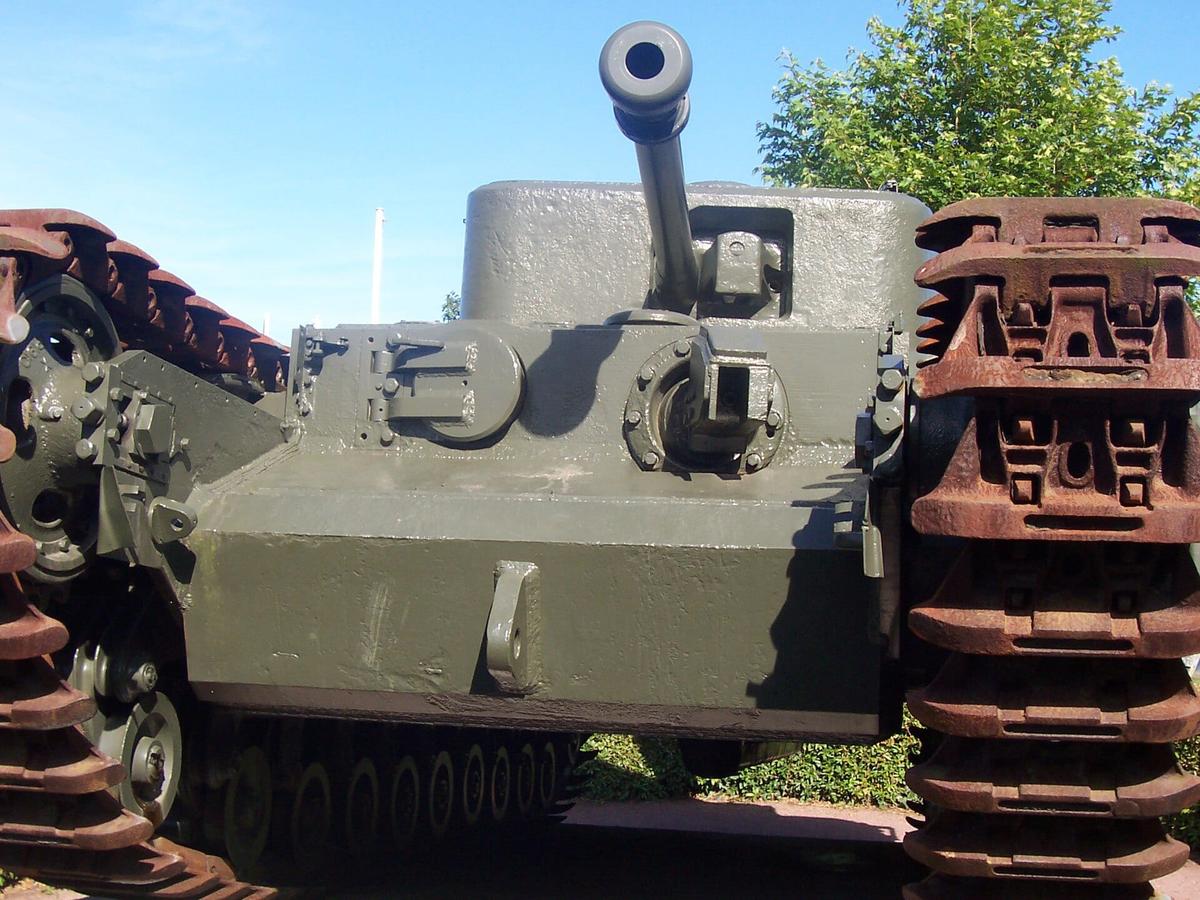
The vehicles. Among the pieces named by the museum and on Wikipedia: a British Churchill Crocodile flamethrower tank, a Sherman M4A1 tank, an M10 tank destroyer, a German PaK 40 anti-tank gun and a Caterpillar D7 bulldozer. Machines like this cleared the ruins of Caen and helped British engineers build the Bayeux bypass.
The archive film. "Normandie 44, victoire décisive à l'Ouest", by Dominique Forget, lasts 25 minutes. It is shown alternately in French and English. Its archive footage, some of it in colour, follows the front line up to the encirclement of the German 7th Army.
The diorama. A large model shows the Falaise-Chambois pocket, where the battle came to an end.
One object, one story. A selection of objects tells individual stories: the deportee's uniform of Léon Picand, a Resistance member from Bayeux, the medical kit of a field hospital (British first-aid kit, stretcher, X-ray unit), or the M1 carbine, the American individual weapon made in the largest numbers during the war.
Around the museum: British cemetery and reporters' memorial
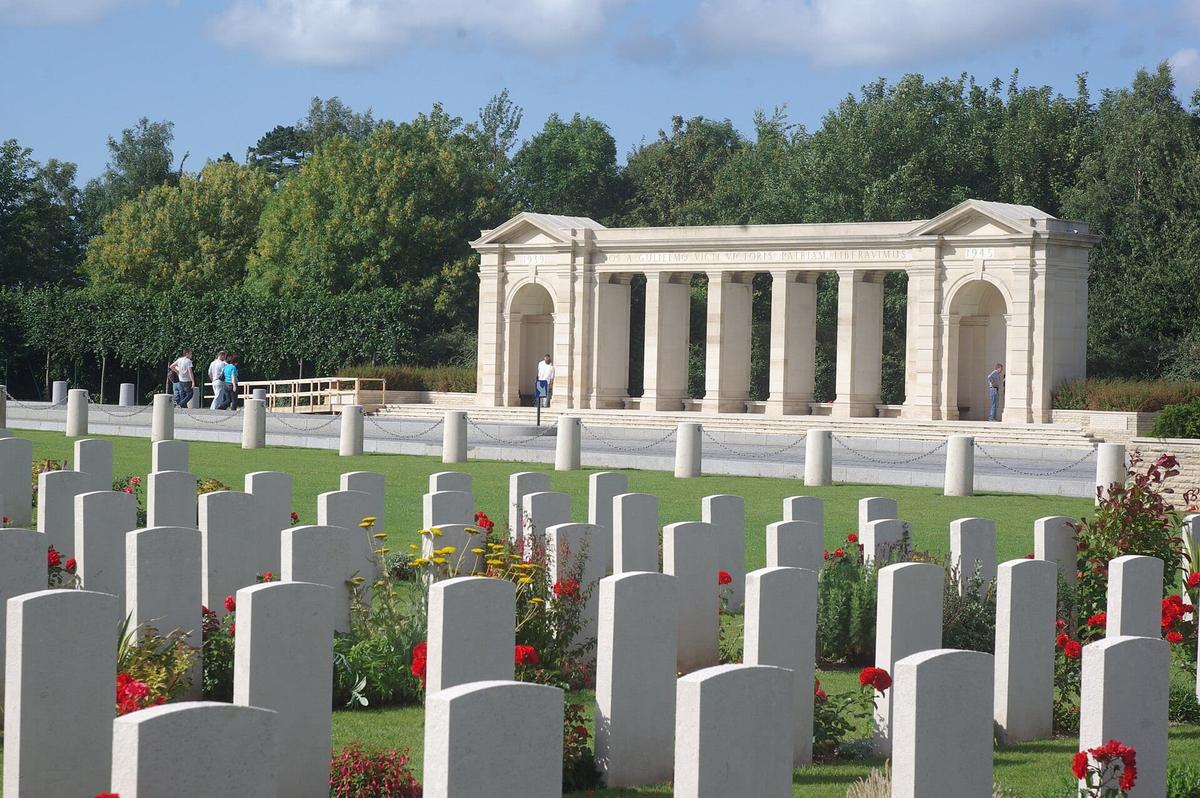

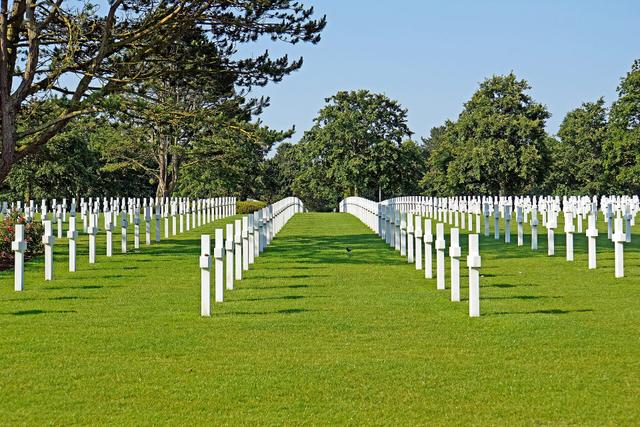
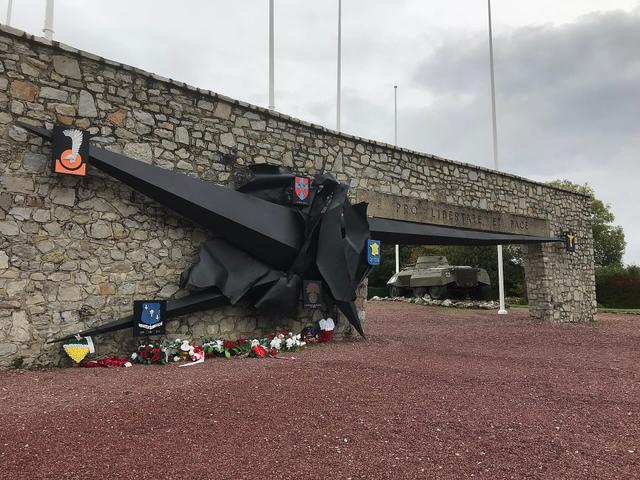
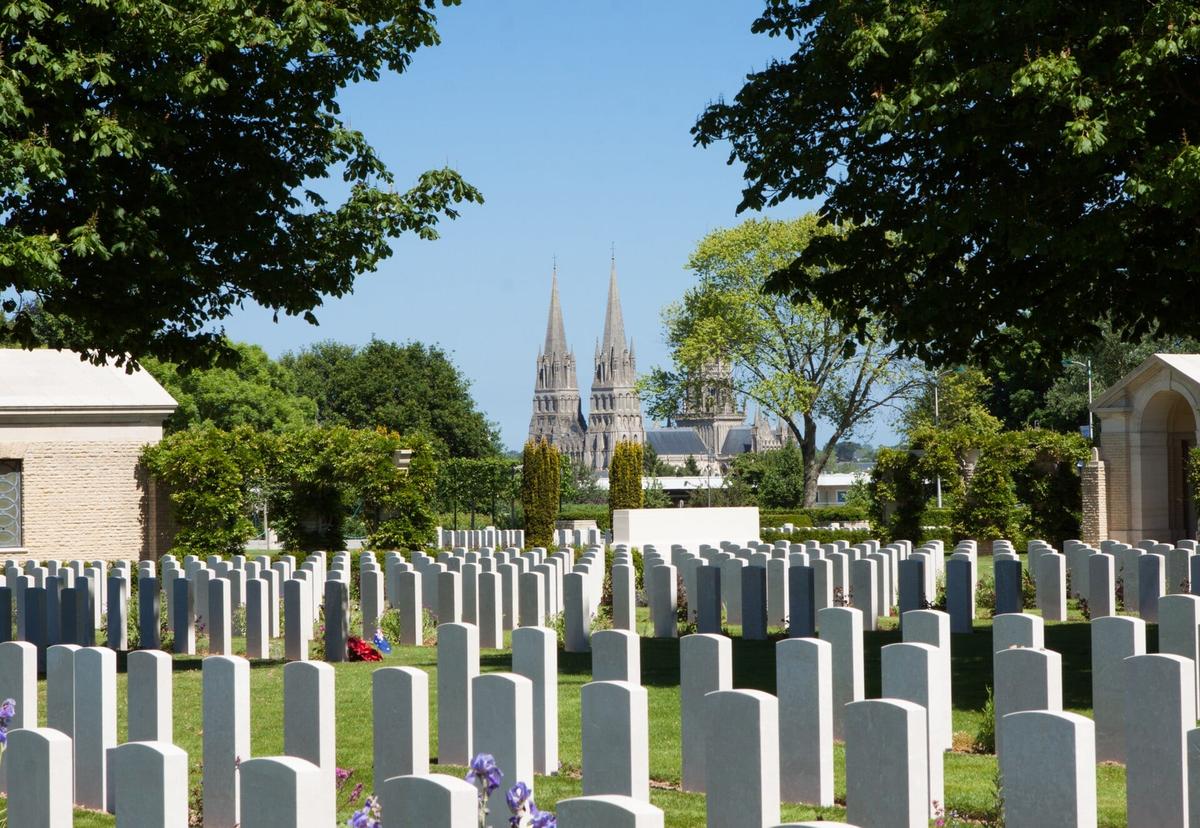
As you leave, cross the boulevard. Bayeux War Cemetery holds 4648 graves. Most are of soldiers from the United Kingdom, but there are also Canadians, Poles, Australians and 466 Germans. Opposite, the Bayeux Memorial bears the names of 1808 Commonwealth soldiers who died in the battle and have no known grave. Its Latin inscription looks back to 1066: those once conquered by William have come to free the Conqueror's homeland.
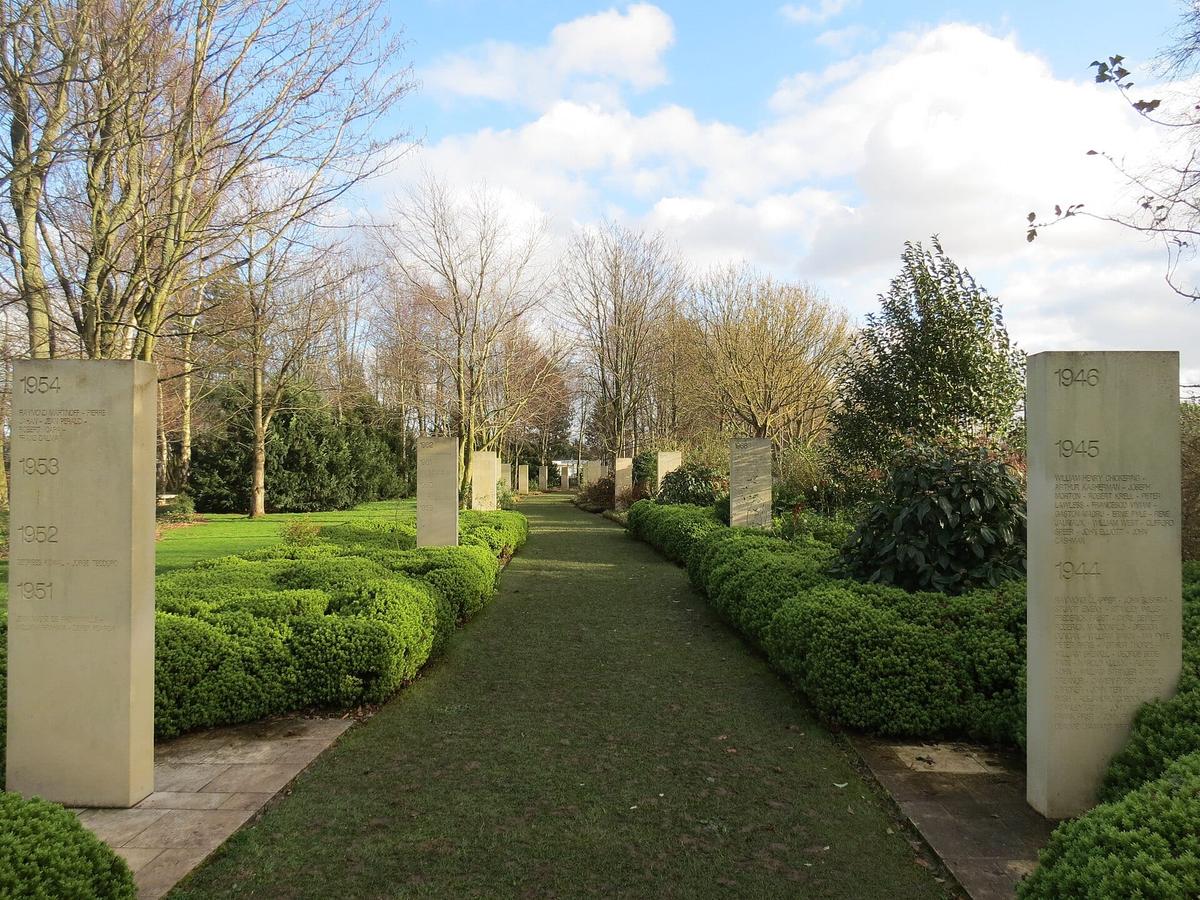
Next door, the reporters' memorial, created in 2007 with Reporters Without Borders, lists journalists killed doing their job since 1944. Since 2009, the area formed by the museum, the cemetery and this garden has been called Liberty Alley. See also: Normandy American Cemetery
How to behave
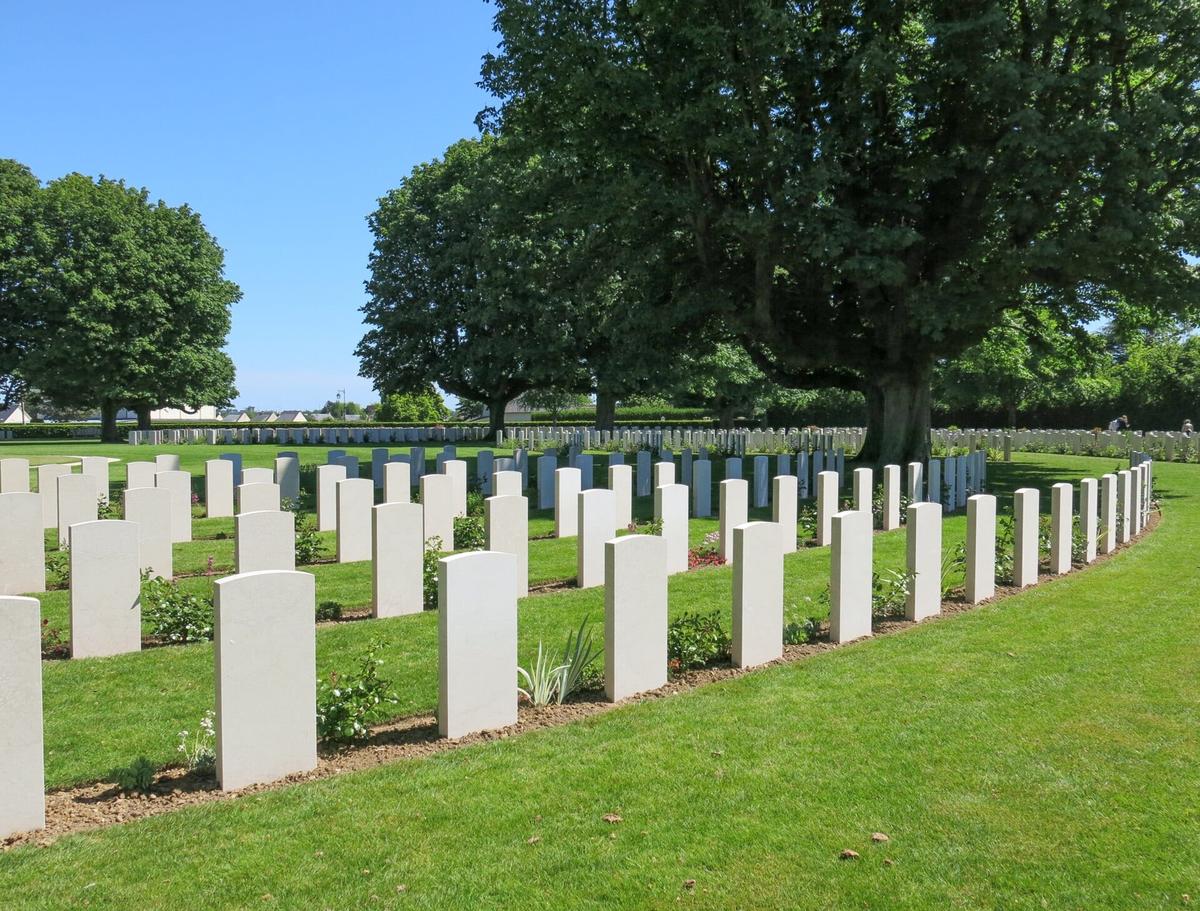

The museum itself is visited like any history museum. The cemetery across the road is a place of remembrance where families still come. Speak quietly, keep to the paths, don't sit on the headstones and have your picnic elsewhere.
For security reasons, the museum does not accept suitcases or large bags. If you arrive by train with luggage, drop it at your hotel first.
Visiting with children
Children under 10 go in free. The route has a lot of text and maps, so it works best for children aged 9 or 10 and up, who usually stop at the tanks and the diorama. The film shows real war footage; watch it with them.
During the school holidays the museum runs short family visits. In the autumn 2026 holidays, the flash visit "Les animaux dans la Bataille" (animals in the battle), from age 3, costs €4 per child, with one accompanying adult free; booking is recommended on +33 2 31 51 46 90. The programme is on the Bayeux museums' website.
Visiting in a wheelchair
The museum is accessible to people with reduced mobility, and a wheelchair can be borrowed on request. According to the French Acceslibre database (updated in September 2026), the outside path and entrance are step-free, there are reserved spaces in the car park and the toilets are adapted. There is no audio description or hearing loop.
Are dogs allowed at the museum?
No. Dogs are not allowed in the museum. Plan for someone to stay outside with your dog, and never leave it in the car in hot weather.
Guided tours and day trips
You visit the museum on your own. In summer the visitor services team runs guided tours: in 2026, tours of the exhibition took place on Mondays in July and August in French, and on Wednesdays in July in English. Groups can book a tour with the Bayeux museums.
Bayeux is also the starting point for many tours of the D-Day beaches. Most cover Omaha Beach, the American Cemetery and Pointe du Hoc, or Arromanches and Longues-sur-Mer. Half a day at the museum the day before will help you get more out of your guide.
Guided tours and day trips on GetYourGuide
What to see near the museum on the same day

| Also worth seeing | Distance | Travel time |
|---|---|---|
| Bayeux Cathedral | 1 km | 15 min on foot |
| Longues-sur-Mer Battery | 9 km | 15 min by car |
| Arromanches D-Day Museum | 11 km | 15 min by car |
Approximate road distances and travel times.
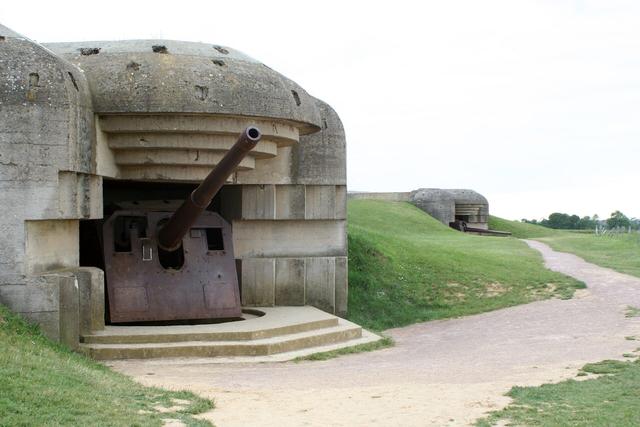
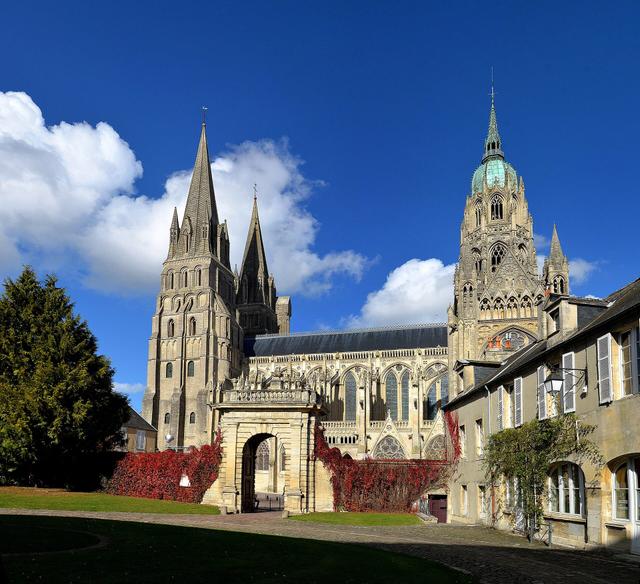
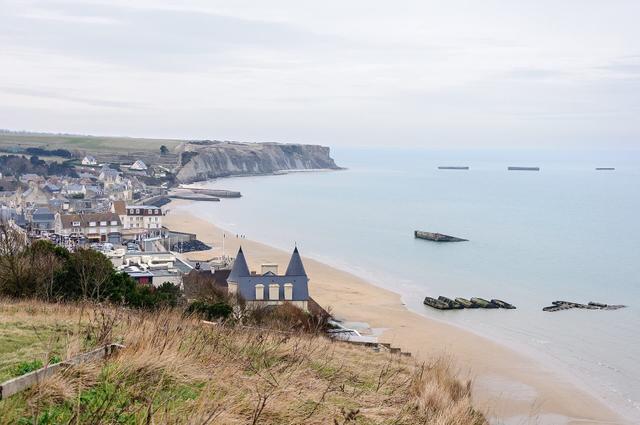
Bayeux Cathedral, a 15-minute walk away, opens every day and is free. The MAHB, right next to it, is included in the 2-museum pass. The Longues-sur-Mer battery, a quarter of an hour's drive, still has its German guns in their casemates. Arromanches shows the remains of the artificial harbour, which the museum covers in its displays. See also: Longues-sur-Mer Battery, Arromanches D-Day Museum, Normandy in 3 days
The museum and the battle in eight dates
- 7 June 1944: Bayeux is liberated, the day after D-Day.
- 14 June 1944: General de Gaulle's speech in Bayeux.
- 21 August 1944: the German 7th Army is encircled in the Falaise Pocket.
- 29 August 1944: end of the period covered by the museum.
- 14 July 1981: the town of Bayeux founds the museum.
- 2006: new museum displays.
- 2009: the museum area becomes Liberty Alley.
- 1 September 2025: the Tapestry museum closes for works.
Facts and figures
- In 2019, the 75th anniversary of D-Day, the museum welcomed nearly 110,000 visitors, about 70% of them from abroad.
- The exhibition space grew in stages: about 1,000 m² at opening, double that in 1986, then another 300 m² in 1994 for the 50th anniversary.
- Since 2013, the museum has been part of the "Bayeux Museum" brand, with the Tapestry and the MAHB.
Where to eat and stay near the museum
The official site does not mention a café in the museum. The centre of Bayeux, a 15-minute walk away, has plenty of restaurants, crêperies and tea rooms around the cathedral.
For a place to stay, Bayeux is the most practical base for the D-Day beaches: the station is in town and most tours leave from here. Book early for early June. See also: Normandy
FAQ
How much does the Battle of Normandy Museum cost?
€8.50 full price, €6.50 reduced, €5 for pupils and students. Free for children under 10 and Second World War veterans.
Can I buy tickets online?
No. Tickets for the Bayeux museums are sold on site only.
Is there a combined ticket?
Yes, the 2-museum pass covers the Memorial Museum and the MAHB for €14, valid for one year. The Tapestry is not included while its museum is closed.
Can I see the Bayeux Tapestry right now?
Not in Bayeux. Its museum has been closed for works since 1 September 2025, and the Tapestry is on show at the British Museum in London until 11 July 2027. Reopening in Bayeux is announced for October 2027.
How long does the visit take?
1.5 to 2 hours, including the 25-minute film.
Is the museum open in January?
It closes for a few weeks each January: in 2026, from 5 to 18 January inclusive. The 2027 dates are not published yet.
Are dogs allowed?
No, dogs are not allowed in the museum.
Practical information
Opening hours 2026
| 19 January 2026 to 30 April 2026 | 10:00 – 12:30, 14:00 – 18:00 |
|---|---|
| 1 May 2026 to 30 September 2026 | 9:30 – 18:30 |
| 1 October 2026 to 31 December 2026 | 10:00 – 12:30, 14:00 – 18:00 |
Closed: 25 December 2026 and 1 January 2027
Official ticket-office prices 2026
| Full price | €8.50 |
|---|---|
| Reduced rate | €6.50 |
| Student | €5 |
| Free | under 10 |
Address
Musée Mémorial de la Bataille de Normandie, boulevard Fabian Ware, 14400 Bayeux, France
Directions · Phone+33 2 31 51 46 90
On site and nearby
- Nearest shops and pharmacy: Bayeux, less than 1 km away Straight-line distance, based on OpenStreetMap.
- Emergencies: 112 (all emergencies, free from any phone), 15 (SAMU, medical emergency)
Around the site, on Google Maps
With children
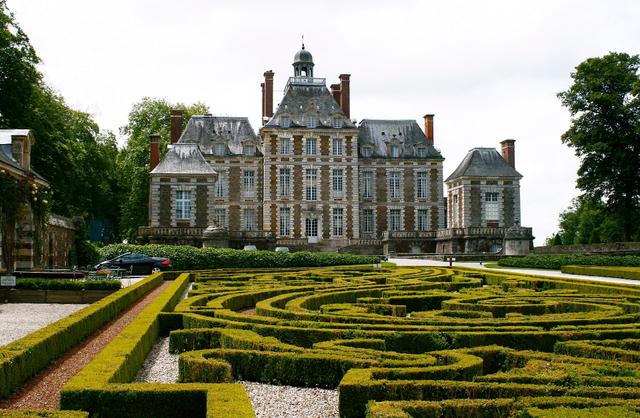
Family days out nearby: MAHB, Baron Gérard Museum of Art and History (1 km), Longues-sur-Mer Battery (8 km), Château de Balleroy (14 km)
Swimming pools and play areas nearby, on Google Maps
Facts checked on 29 October 2026. Sources: bayeuxmuseum.com, bayeuxmuseum.com, bayeuxmuseum.com, bayeuxmuseum.com, bayeuxmuseum.com, bayeuxmuseum.com, fr.wikipedia.org, en.wikipedia.org, acceslibre.beta.gouv.fr
Map
In the same region