Cardinal Mazarin, the Italian who raised Louis XIV
- Born
- 14 July 1602
- Died
- 9 March 1661
- Active years
- 1643 – 1661
- Family
- Artists, saints and favourites
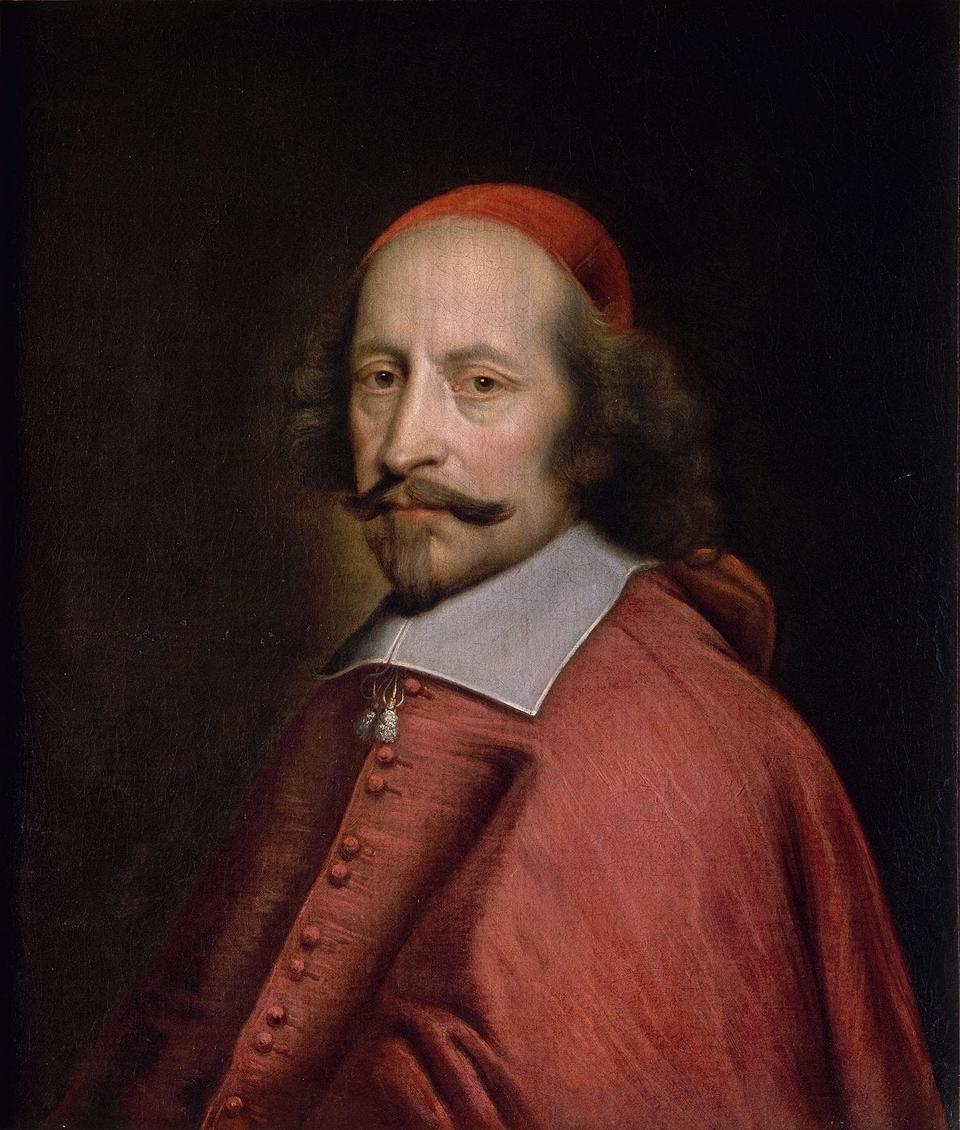
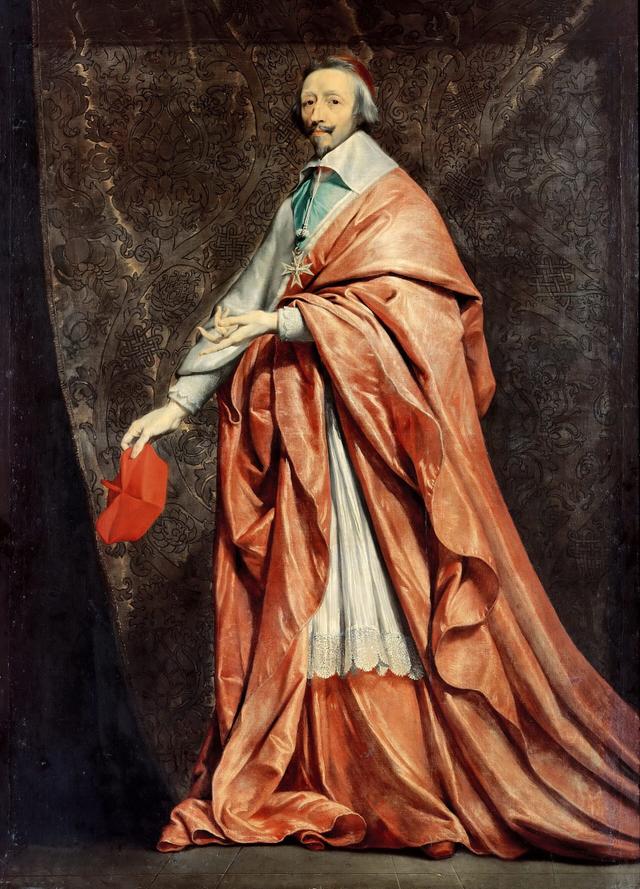
Born in the Abruzzo, brought into the service of France by Richelieu, Mazarin governed the kingdom while Louis XIV was a child. He came through the Fronde, hated by Paris, and ended up richer than the king. His traces are in Paris, around the Louvre, but also at Brouage, where he exiled his niece, and in the abbeys whose income he collected without ever going there.
Mazarin in dates
| Date | Event |
|---|---|
| 14 July 1602 | Giulio Mazzarini is born at Pescina, in the Abruzzo |
| 1630 | Meets Richelieu, as the pope's envoy |
| 1639 | Becomes a naturalised Frenchman |
| 1641 | Made a cardinal, without ever having been a priest |
| 1642-1643 | Chief minister, then the trusted adviser of the regent Anne of Austria |
| 1648 | Peace of Westphalia; the Fronde begins |
| 1651 | Exile at Brühl, near Cologne |
| 1653 | Returns to Paris for good |
| 1659 | Exiles his niece Marie Mancini to Brouage; Treaty of the Pyrenees with Spain |
| 9 June 1660 | Louis XIV marries the infanta Maria Theresa |
| 9 March 1661 | Dies at the Château de Vincennes |
Richelieu's man
Giulio Mazzarini was born in 1602 in the Abruzzo and grew up in Rome. A papal diplomat, he met Richelieu in 1630 and went over to his service. He became a French citizen in 1639 and a cardinal in 1641, even though he had never been ordained a priest. When Richelieu died in December 1642, Louis XIII brought him onto the council. See also: Cardinal Richelieu, Louis XIII
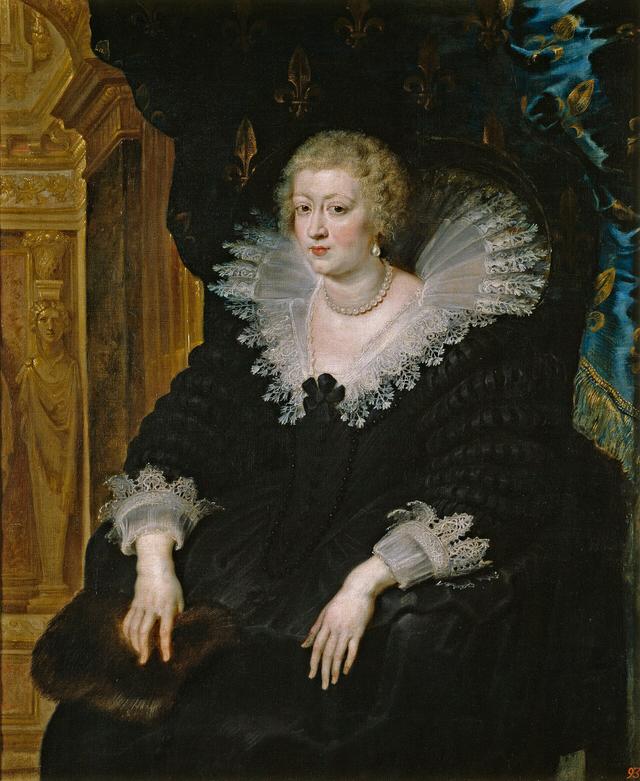
Louis XIII died a few months later. His son was four. The regent, Anne of Austria, kept Mazarin as chief minister and entrusted him with the political education of the young Louis XIV. It was often said that they had married in secret. There is no proof, but their letters show great trust. See also: Anne of Austria, Louis XIV
The Fronde: Paris against the cardinal
Wars were expensive, and Mazarin kept raising taxes. In 1648 the Paris Parlement rebelled, then the great nobles, among them the Prince of Condé. This was the Fronde. On the night of 5 to 6 January 1649 the regent, her sons and Mazarin fled Paris for Saint-Germain-en-Laye. Louis XIV never forgot that night. See also: Things to do in Saint-Germain-en-Laye
During those years more than five thousand pamphlets against the cardinal circulated in Paris: they were called "mazarinades". In 1651 Mazarin had to leave France and took refuge at Brühl, near Cologne, from where he went on advising the queen by letter. He only came back for good in 1653, once the Fronde was defeated.
The Louvre: the Sancy and the Four Nations
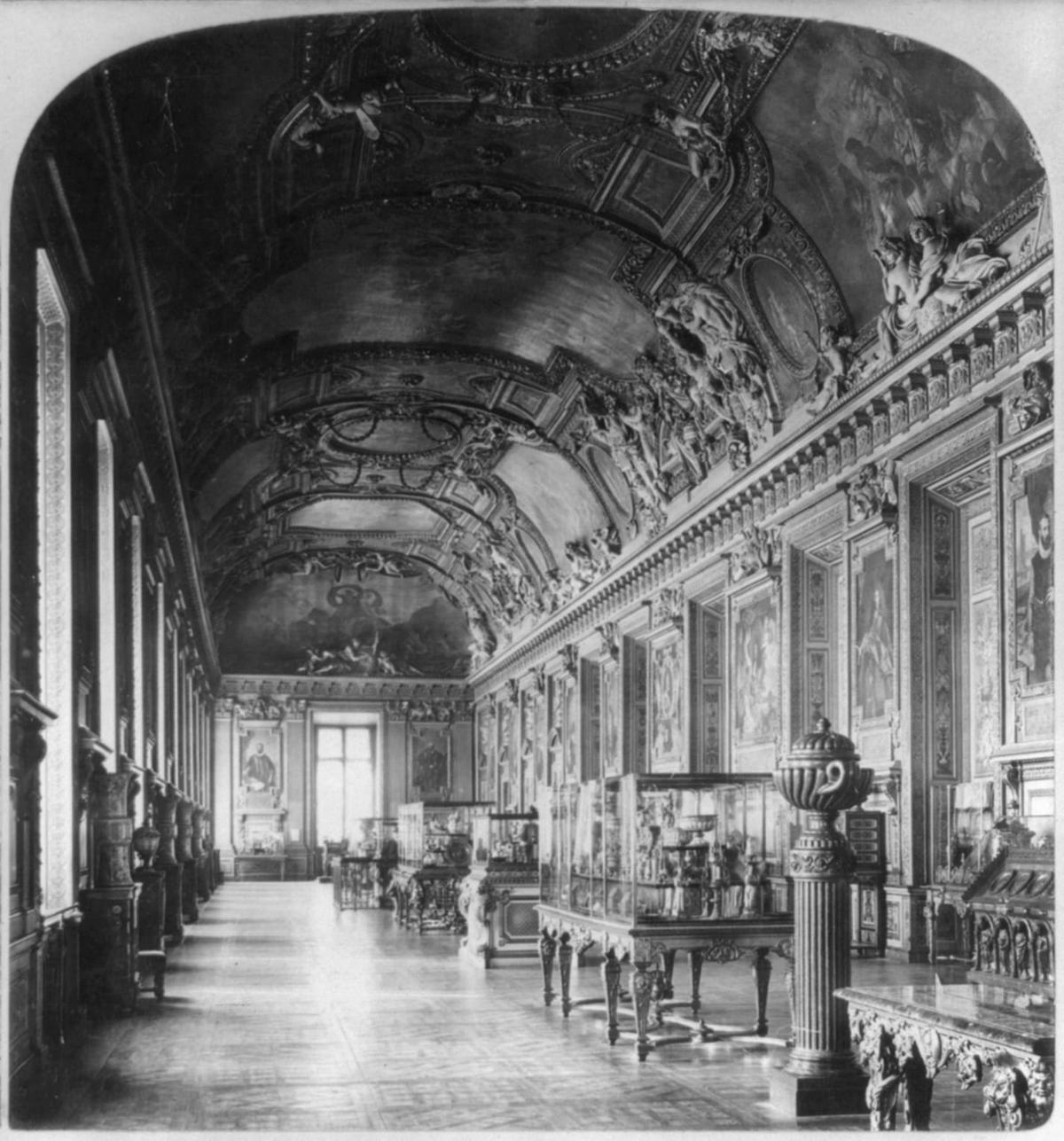
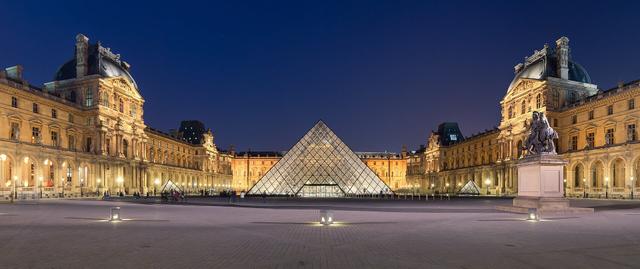
Once peace returned, Mazarin built up a huge fortune and a collection of paintings, ancient statues and precious stones. He bought the Sancy, a diamond of more than 55 carats. In his will he left the king the Sancy and eighteen other diamonds, known ever since as the "Mazarins". Louis XIV also bought some of his paintings from his heirs. The Sancy joined the Louvre's collections in 1976. See also: Louvre Museum
Mazarin also left money to found a college for young men from four provinces recently joined to France. The Collège des Quatre-Nations was built opposite the Louvre, across the Seine. Today it is the Institut de France. His tomb is in the chapel, and his library, the Bibliothèque Mazarine, is the oldest public library in France. English-speaking book lovers know the name from the "Mazarin Bible", as the Gutenberg Bible is sometimes called, after the copy that drew scholars' attention in his library.
What to see: the Apollo Gallery at the Louvre, then the Pont des Arts to the dome of the Institut, where his tomb by Coysevox stands.
Brouage: Marie Mancini's exile
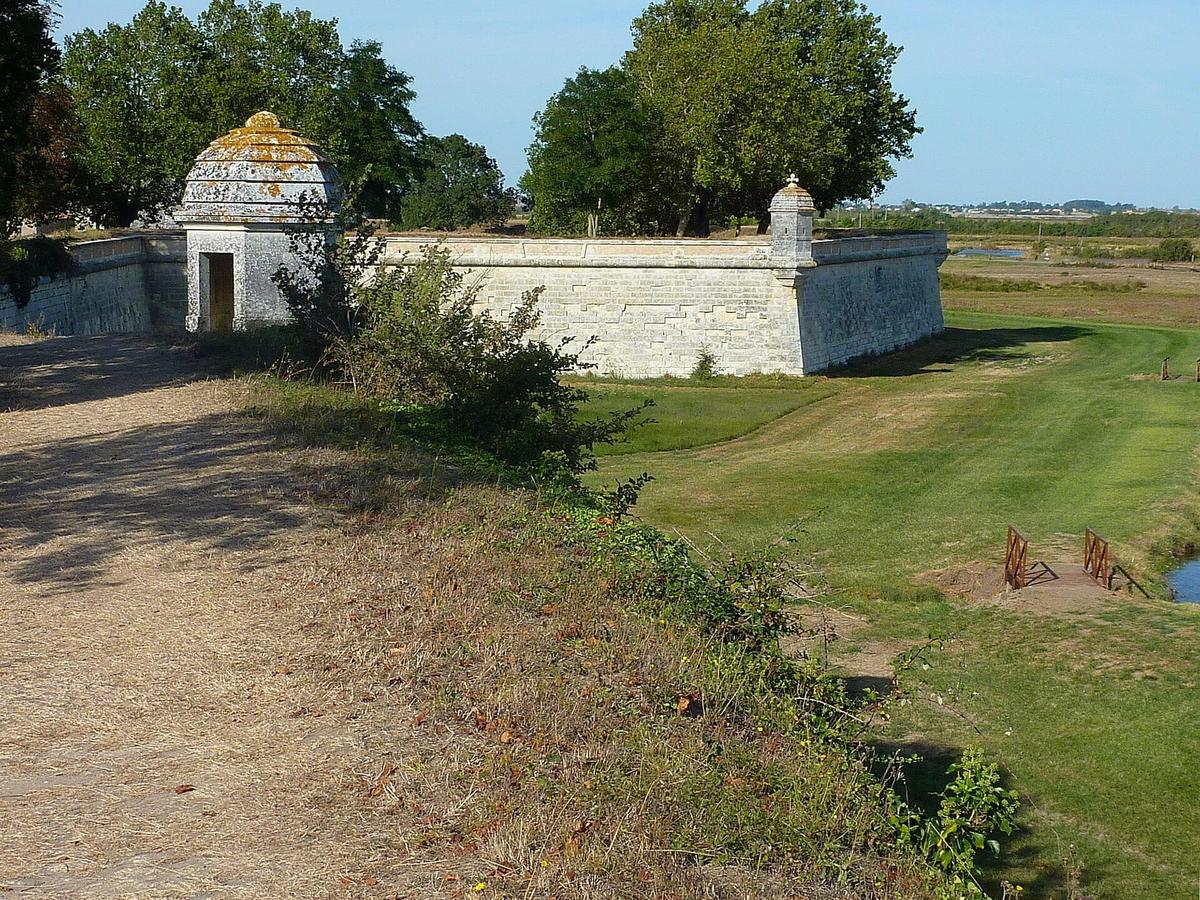
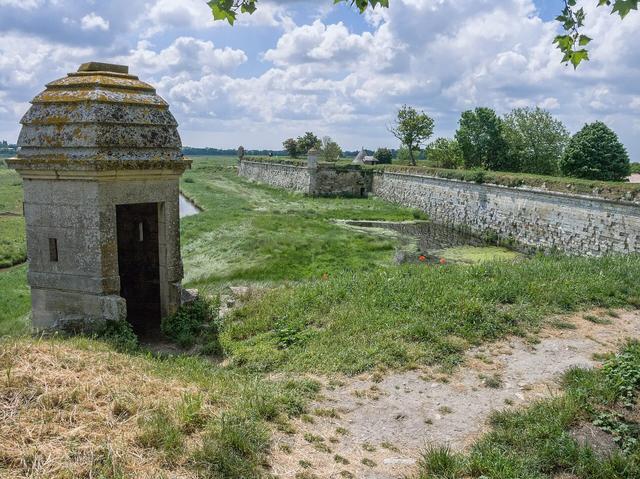
Mazarin brought his nieces over from Italy, the "Mazarinettes", to marry them into great families. One of them, Marie Mancini, became Louis XIV's first love, and he wanted to marry her. The cardinal said no: peace with Spain depended on the king marrying the infanta Maria Theresa. In 1659 he sent Marie to Brouage, the fortress Richelieu had built in the middle of the marshes. See also: Brouage Citadel
The Treaty of the Pyrenees was signed in November 1659 and the king married the infanta at Saint-Jean-de-Luz on 9 June 1660. On the way back Louis XIV passed through Brouage. The story goes that he asked to sleep in the room where Marie had lived.
What to see: the walk around the ramparts, then the church of Saint-Pierre and the straight streets of the walled town, where Marie Mancini spent several months in 1659.
Cerisy-la-Forêt and La Chaise-Dieu: the absent abbot
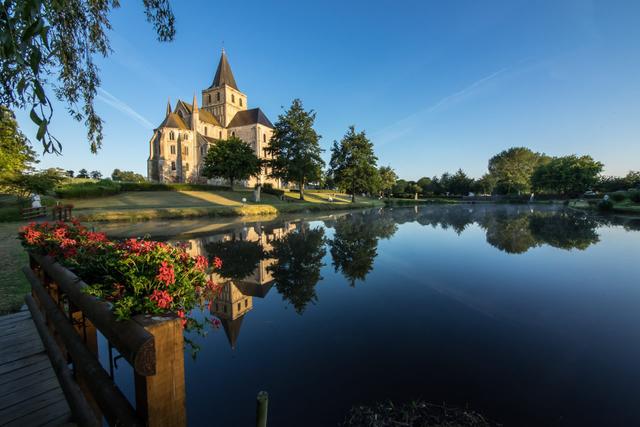
Like many cardinals of his time, Mazarin drew the income of many abbeys "in commendam", without living in them. In Normandy he was abbot of Cerisy-la-Forêt from 1654 until his death in 1661, without ever residing there. See also: Cerisy-la-Forêt Abbey
What to see: at Cerisy, the Romanesque abbey church by the pond and the monks' courtroom.
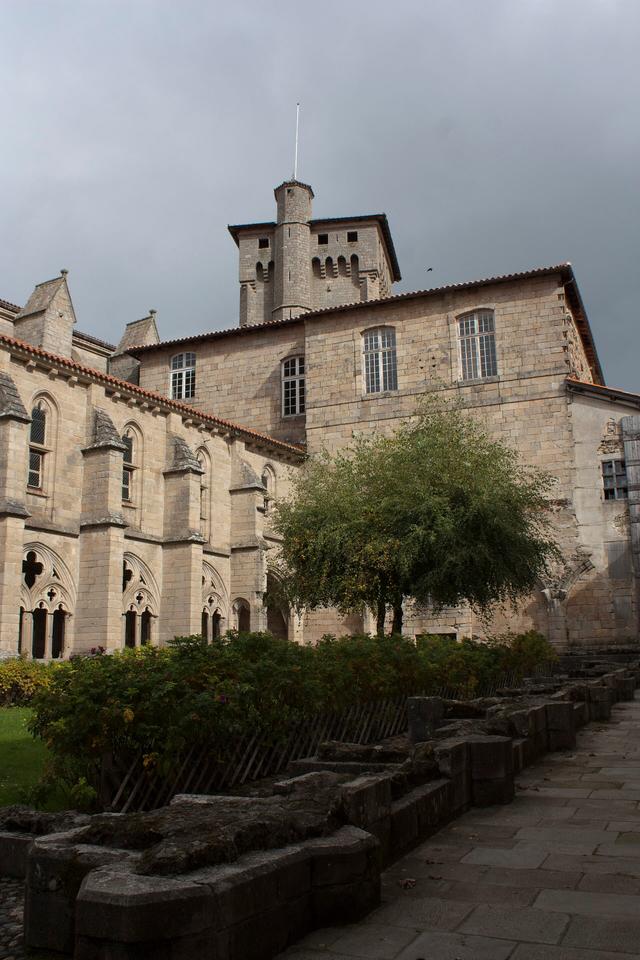
In the Auvergne he was also one of the commendatory abbots of La Chaise-Dieu, the great abbey founded in the 11th century and rebuilt by Pope Clement VI. See also: La Chaise-Dieu Abbey
What to see: at La Chaise-Dieu, the Flemish tapestries in the choir, the Danse Macabre and the tomb of Clement VI.
The end: "I give you Colbert"
Ill, Mazarin died at the Château de Vincennes on 9 March 1661. He is said to have recommended his steward, Jean-Baptiste Colbert, to the king, telling him that by leaving him this man he was paying off his debts to him. The next day Louis XIV announced that he would rule alone, without a chief minister. Six months later Colbert brought down the superintendent Fouquet. See also: Jean-Baptiste Colbert, Nicolas Fouquet
In his footsteps: Paris, Charente-Maritime, Normandy
In Paris, the Louvre and the Institut de France are linked by the Pont des Arts: half a day is enough. Brouage is half an hour from Rochefort, where the Corderie Royale shows Colbert's work. See also: Corderie Royale Rochefort Cerisy-la-Forêt is about thirty kilometres from Bayeux. See also: Things to do in Bayeux La Chaise-Dieu, in the Haute-Loire, is best visited during its music festival at the end of summer.
Partner links: if you book through these links, we earn a commission at no extra cost to you. Partner links · Learn more
FAQ
Where is Cardinal Mazarin buried?
In Paris, in the chapel of the Collège des Quatre-Nations, now the Institut de France. His tomb, destroyed during the Revolution, was put back in place in 1964.
Where was Cardinal Mazarin born?
At Pescina, in the Abruzzo, Italy, on 14 July 1602.
Was Mazarin a priest?
No. He was made a cardinal in 1641 without ever having been ordained a priest, which was still possible at the time.
Did Mazarin marry Anne of Austria?
There is no proof. Rumours of a secret marriage circulated from the time of the Fronde, but no document confirms it. Their letters mainly show a close political partnership.
What were the mazarinades?
Pamphlets, often satirical, written against Mazarin during the Fronde, between 1648 and 1653. Several thousand of them are known.
Sources: fr.wikipedia.org (Jules Mazarin), fr.wikipedia.org (Fronde (histoire)), louvre.fr, brouage.fr, abbaye-cerisy.fr, abbaye-chaise-dieu.com
Tickets to book online
Partner links: if you book through these links, we earn a commission at no extra cost to you. Partner links · Learn more
Places to visit
Related guides