Brouage citadel: what to see and how to visit
Brouage Citadel at a glance
- Admission
- Free
- Time needed
- 2 hours to half a day
- Visitors per year
- about 500,000
- Where
- Marennes-Hiers-Brouage
Facts checked on 4 November 2026. Full opening hours, reduced prices and access
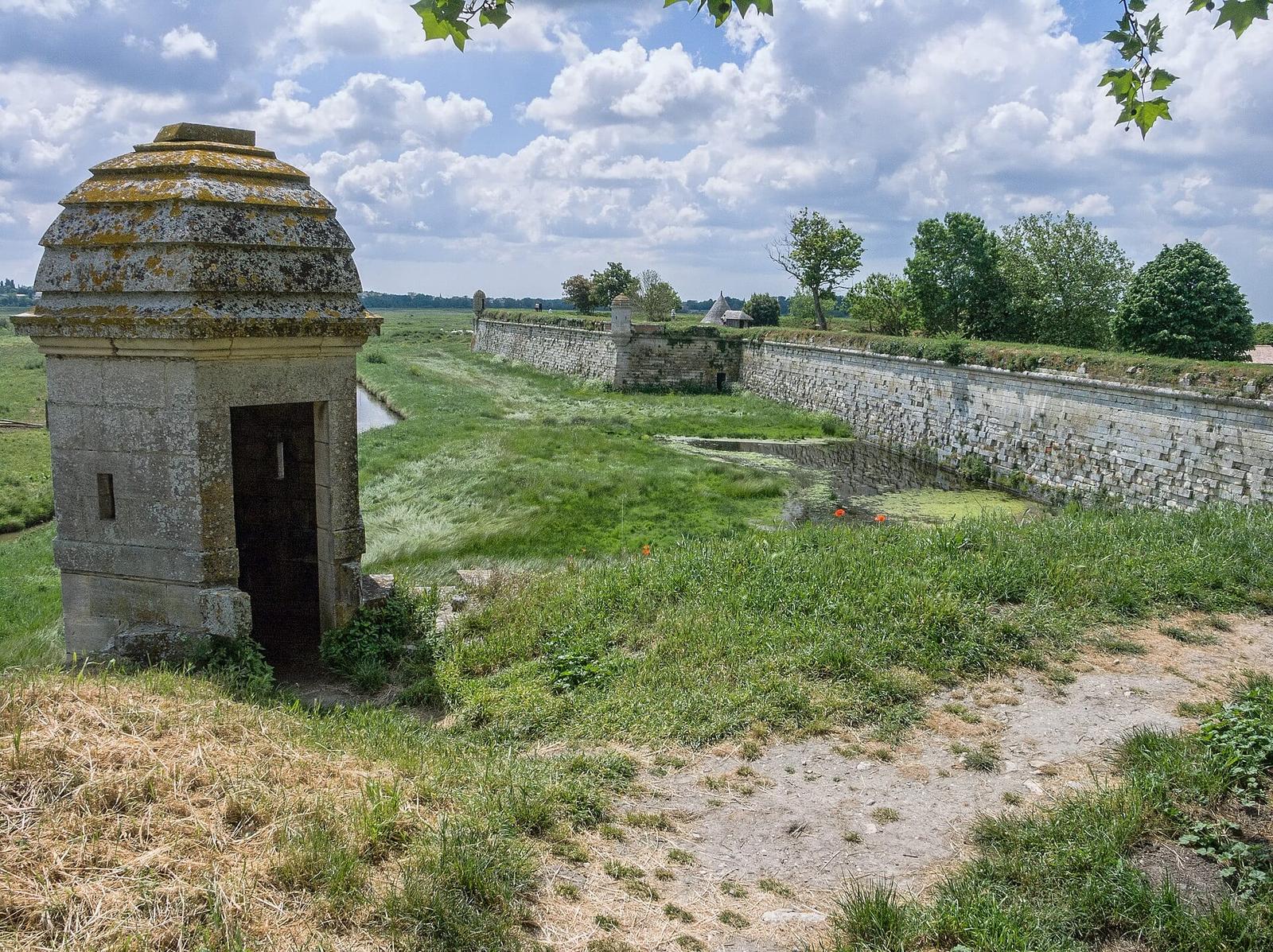
In the middle of the Marennes marshes, between Rochefort and the Île d'Oléron, Brouage is a small town entirely enclosed by ramparts. A salt port in the 16th century and a stronghold of Cardinal Richelieu in the 17th, it is the probable birthplace of Samuel de Champlain, the founder of Quebec City. The sea has pulled back and the citadel has been left standing among the meadows. Entry is free all year. Here is what to see, how long to allow, what you pay for and how to get there.
Brouage at a glance
- Where: in Marennes-Hiers-Brouage (Charente-Maritime), in the marshes between Rochefort and Marennes, about fifty kilometres from La Rochelle.
- Price: the citadel and ramparts are free. Only the exhibition in the Halle aux Vivres is paid: €6 per adult in 2026.
- Open: you can walk around the citadel freely all year, every day.
- Time needed: 2 hours to half a day, depending on whether you go into the exhibitions.
- With a dog: animals are allowed in the citadel, according to the tourist office.
- Visitors: about 500,000 visitors a year according to Wikipedia, an undated figure.
Brouage, a citadel in the middle of the marshes
Brouage was founded in 1555 by Jacques de Pons, under the name Jacopolis. The town grew up on an odd spot: an old ballast dump, made of the stones and mud ships emptied from their holds before loading their cargo. Here, the cargo was salt. The salt marshes around made Brouage one of the great salt ports of Europe.
War changed the town's fate. In 1586, during the French Wars of Religion, the people of La Rochelle made the port unusable: the Prince of Condé had 21 old warships sunk to block it. The channel was never fully cleared.
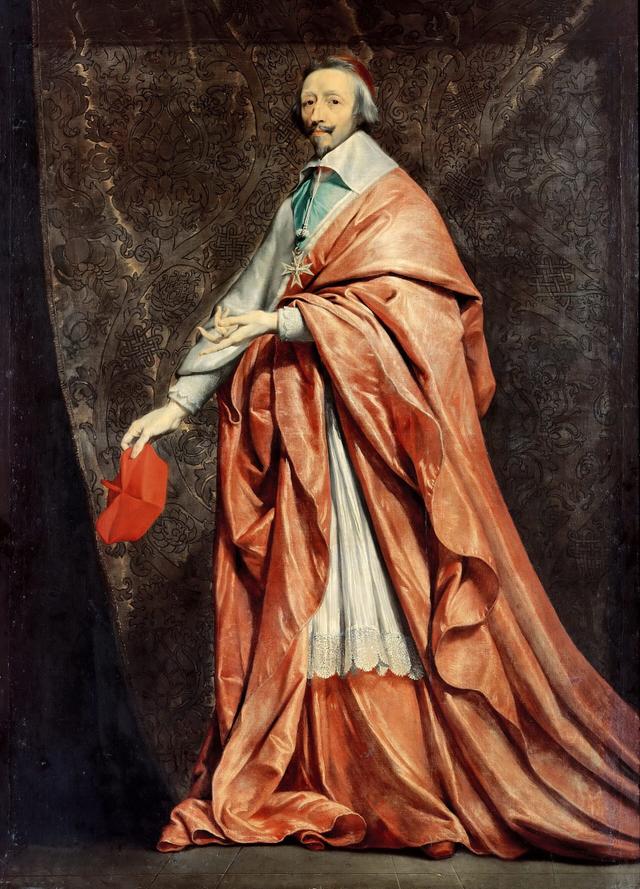
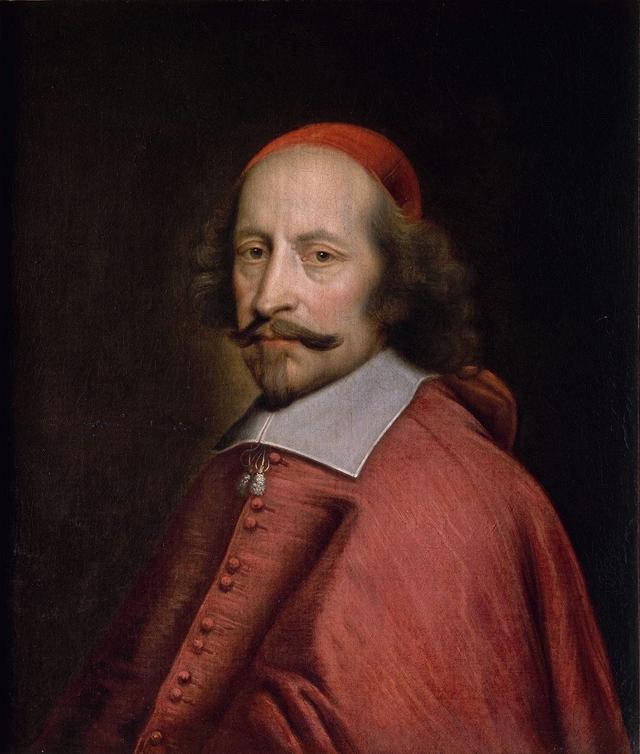
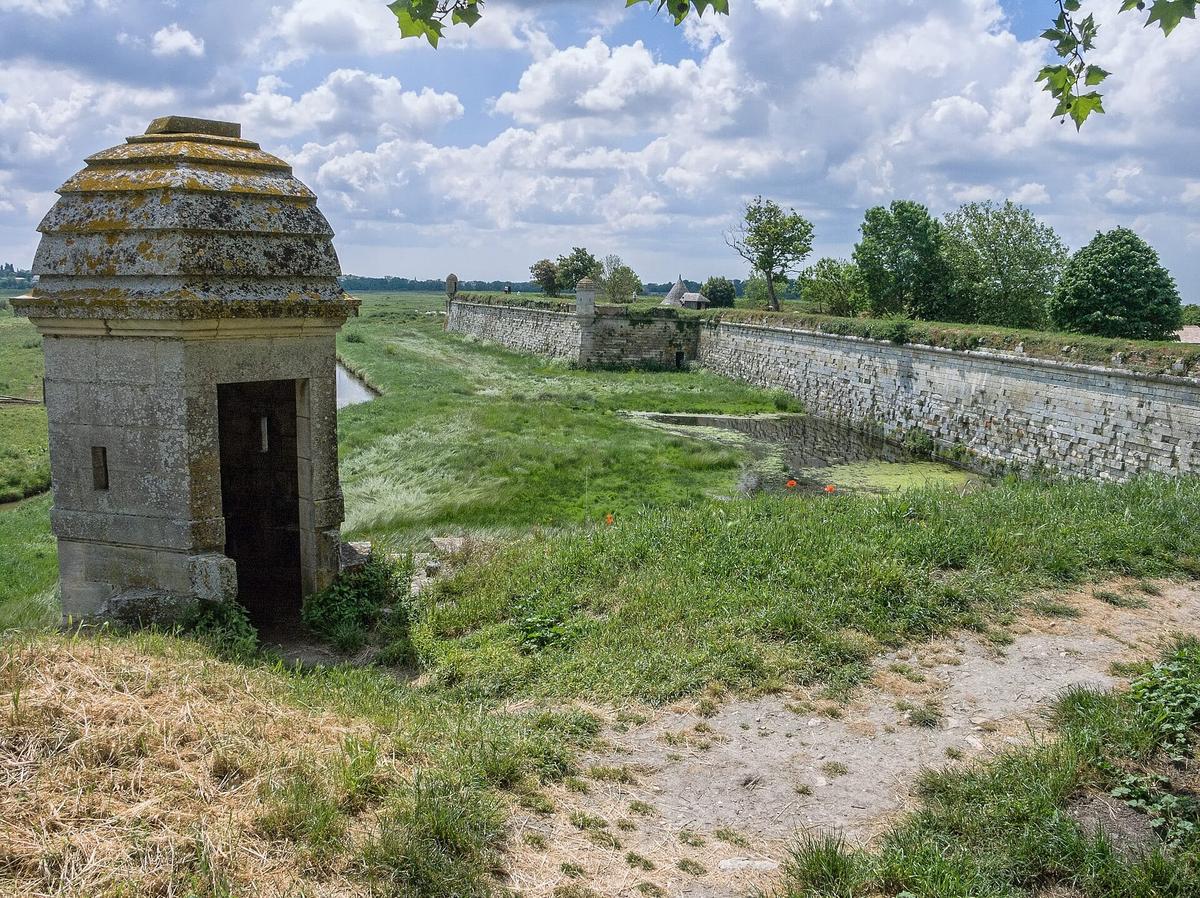
In 1627, Cardinal Richelieu became governor of Brouage. He wanted a royal base facing Protestant La Rochelle and had the town fortified. The present walls were built between about 1628 and 1640, to plans by the engineer Charles Leber du Carlo. These are the walls you walk around today, almost intact. The fortifications have been a listed historic monument since 1888.
Little by little, the mud took over. The sea retreated, the port silted up, and the creation of the nearby Rochefort naval dockyard took away Brouage's military value. During the French Revolution, the stronghold was used as a prison, in particular for priests who refused to swear allegiance to the new regime.
Today, Brouage is part of the merged town of Marennes-Hiers-Brouage, created by prefectoral order on 27 November 2018. The citadel has only a few streets, but it receives about 500,000 visitors a year, according to Wikipedia (undated figure).
Is it free to visit Brouage?
Mostly, yes. The citadel is an open village: you go in through the gates in the ramparts and stroll the streets and the wall walk without a ticket. The Royan Atlantique tourist office says access is free all year, every day. Brouage's official website is brouage.fr.
What you pay for:
- The Halle aux Vivres exhibition (see below), at €6 for an adult, €3 for a child and a family ticket at €12 for two adults and one to three children. It is free for children under 10, for disabled visitors and for one leader per group. These prices apply from 7 February 2026 to 11 November 2026.
- Guided tours run by the tourist office, mostly during the French school holidays, and costumed tours in summer. Their prices are not published on the page we checked: ask the tourist office.
Prices are the same for all visitors, whatever their nationality.
Our tip: during the European Heritage Days, in September, entry to the Halle aux Vivres is free.
Do you need to book?
Not for a walk around the citadel: there is no ticket and no opening time. For a guided tour, it is best to book with the tourist office, especially in summer. Groups can book a guided tour all year.
2026 opening hours and best time to visit
The citadel itself never closes: its streets and ramparts are open every day of the year.
The Halle aux Vivres has its own opening hours. From 1 September 2026 to 11 November 2026, it opens daily, 10:30 – 13:00 and 14:00 – 18:00. We did not find reliable 2026 hours for spring and summer: check before you come. The exhibition is closed in winter, between 11 November and February.
Best time to visit. Brouage is very busy in July and August, especially in the afternoon. Come in the morning, or late in the day for the light over the marshes from the ramparts. In September and October, the village is quieter.
The wind. The ramparts look out over flat marshes with no shelter. Bring a jacket, even in summer, and a hat on sunny days: there is little shade on the wall walk.
How long does it take to visit Brouage?
Allow:
- 1 hour to walk around the ramparts and through the village;
- 2 hours with the church of Saint-Pierre and the Halle aux Vivres;
- half a day with a guided tour, a break in the village and a walk in the marshes around it.
Brouage combines very well with Rochefort on the same day, about twenty minutes away by car.
What to see in Brouage
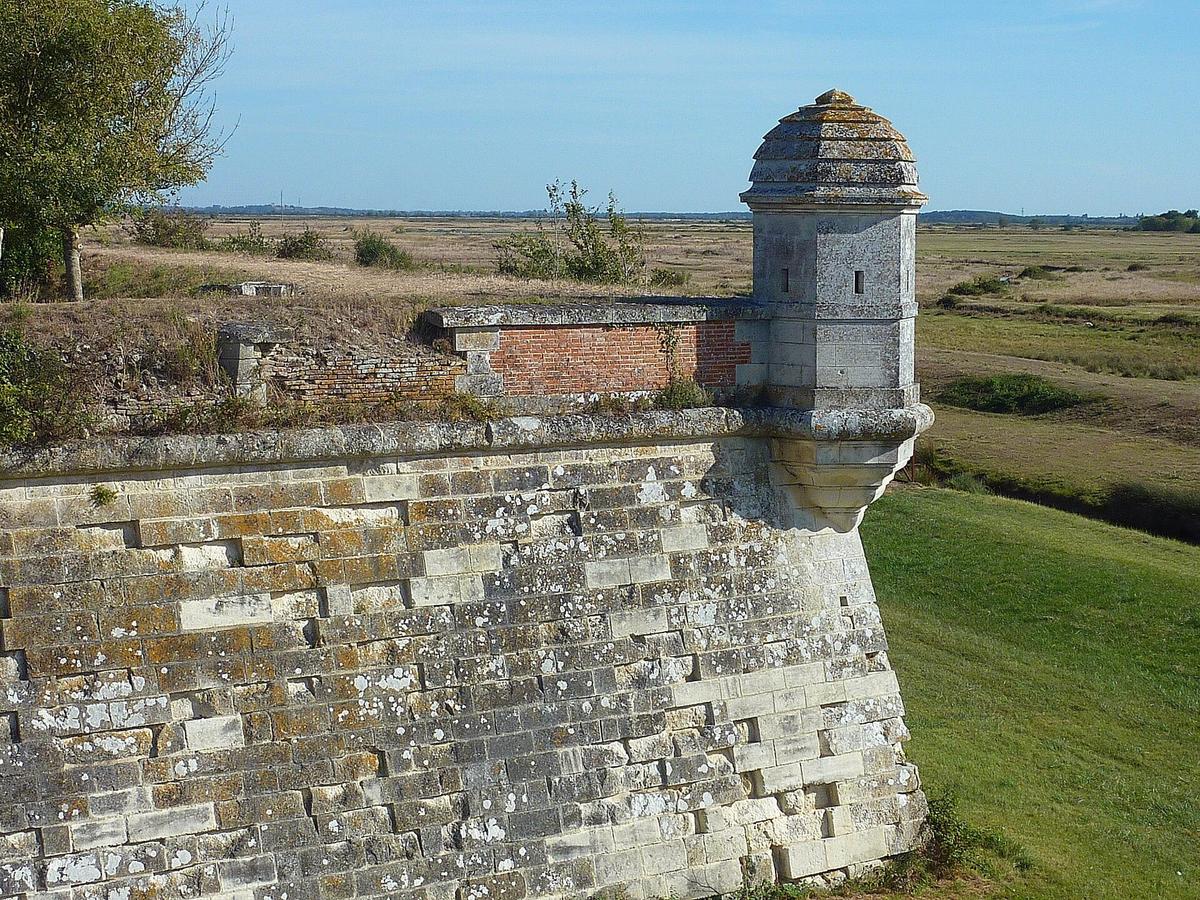
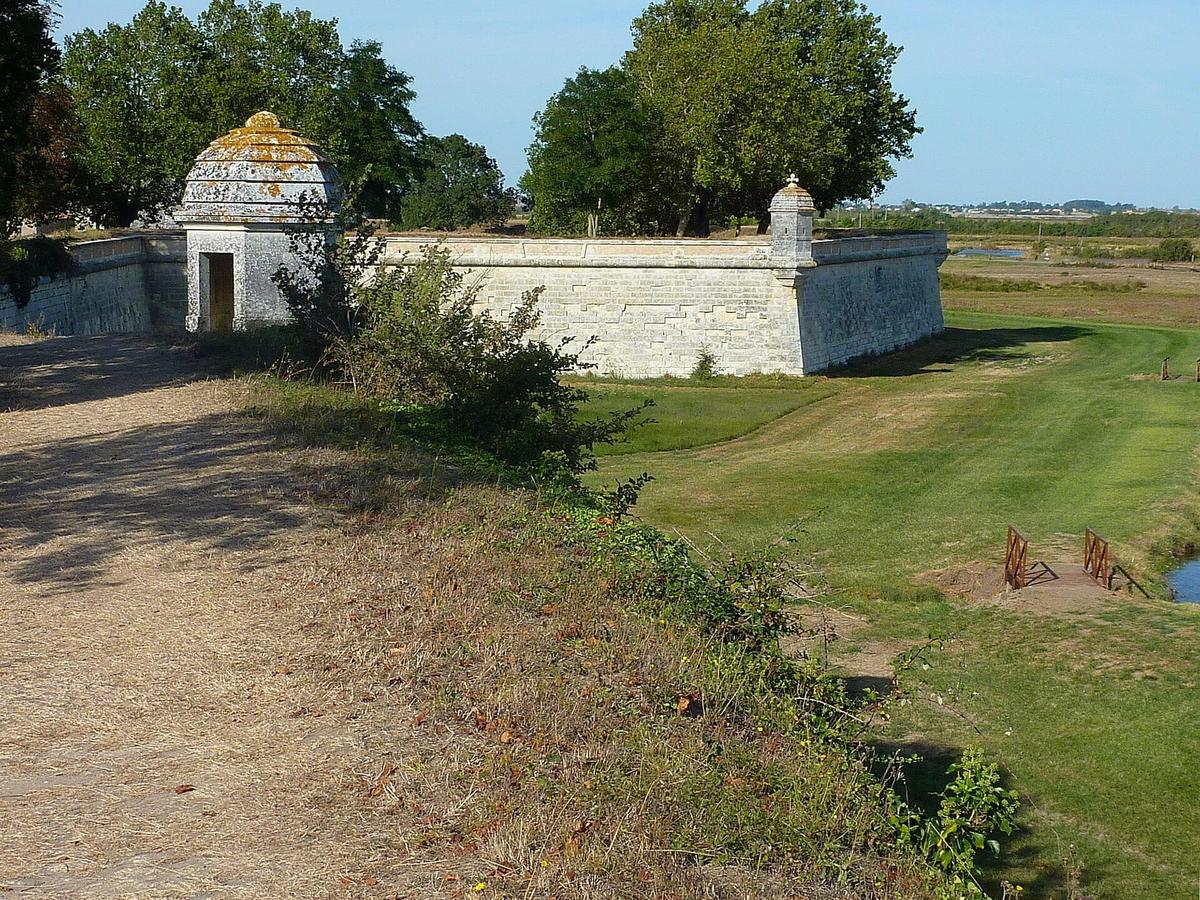
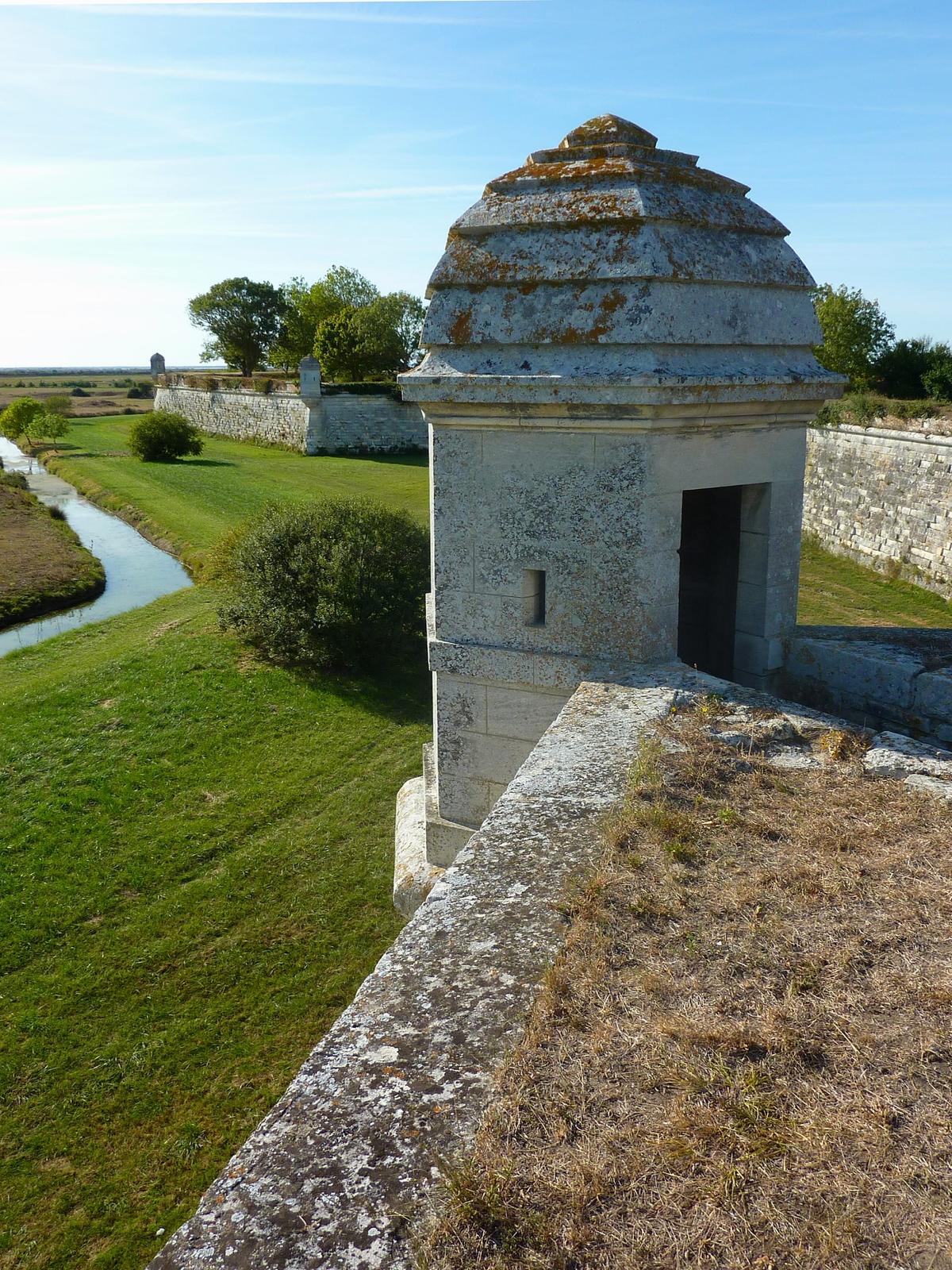
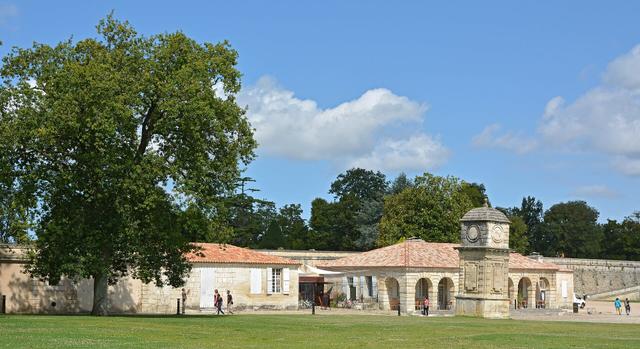
The ramparts. They are the reason to come. Richelieu's walls form an almost complete square around the town, with bastions and watchtowers. You walk along the wall walk with the village roofs on one side and, on the other, the marshes stretching to the horizon where the sea used to be. It is the best place to understand that Brouage was once a port.
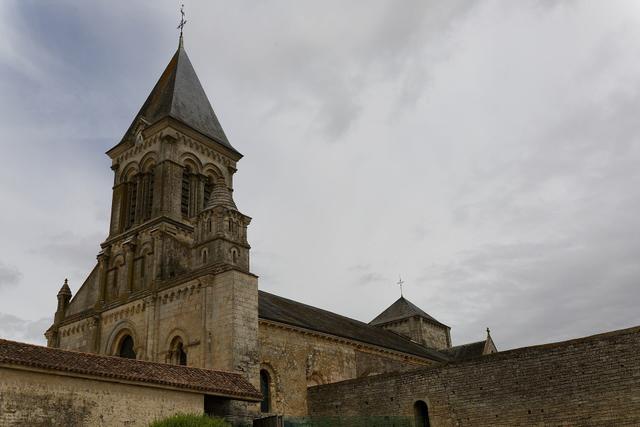
The church of Saint-Pierre. It keeps a strong link with Quebec. Its stained-glass windows tell episodes from the history of New France, including the founding of Quebec City. Six of the nine windows are by Nicolas Sollogoub.
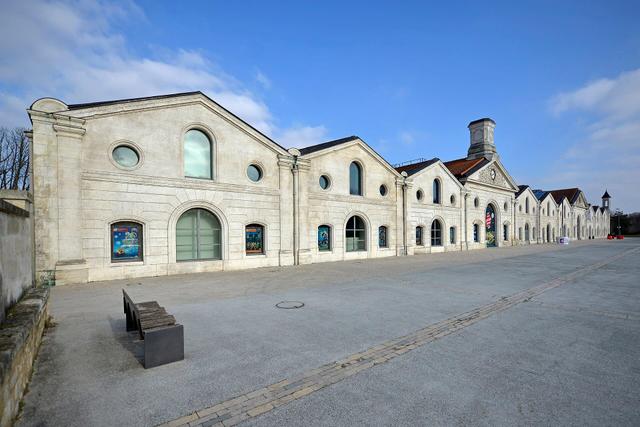
The Halle aux Vivres. This was the garrison's main storehouse. On the ground floor were barrels of wine, beer and salted meat; upstairs, up to 300 tonnes of wheat. Today it houses a permanent exhibition, "Brouage se la raconte !", on the 16th-century salt trade and Richelieu's 17th-century stronghold. The tone is deliberately light-hearted, and you can touch, listen and handle things. The building also houses a European centre devoted to military architecture.
Champlain's memory. Samuel de Champlain is thought to have been born in Brouage, between 1567 and 1574 depending on the source. He founded Quebec City in 1608. That is why so many visitors from Quebec make the trip: for them, Brouage is a place of remembrance.
Marie Mancini's memory. In 1659, Cardinal Mazarin exiled his niece Marie Mancini to Brouage to keep her away from the young Louis XIV, who wanted to marry her. The king married Maria Theresa of Spain the following year.
The village streets. Just a few streets inside the walls: you can walk round them in a few minutes, between low houses and old military buildings.
Visiting Brouage with children
Brouage makes a good family outing: no ticket for the walk, an easy rampart circuit and bastions that are fun to climb.
The Halle aux Vivres was designed with families in mind, with attention to young children. It has the Famille Plus label. It is free for children under 10, and the family ticket at €12 covers two adults and up to three children.
The tourist office also runs family activities, such as a treasure hunt on the theme of "white gold", meaning salt. Dates change with the seasons: ask the tourist office for the programme.
On top of the ramparts, keep young children close to you.
Accessibility and pets
The Halle aux Vivres is accessible to wheelchair users with assistance. It has a lift, step-free floors, adapted toilets and a hearing loop at reception, according to the Île d'Oléron and Marennes basin tourist office. It holds the French accessibility labels for all four types of disability.
In the village, the streets are flat. The ramps and the wall walk on the ramparts are harder in a wheelchair; we found no official information on their accessibility.
Animals are allowed in the citadel. For the Halle aux Vivres, ask on site.
How to get to Brouage
By car. This is the easiest way. Brouage is about twenty minutes from Rochefort and about three quarters of an hour from La Rochelle. The tourist office mentions car parks close to the citadel. In summer, try to arrive in the morning.
By train. There is no station in Brouage. The nearest one is Rochefort. From there, you need a car, a taxi or a bike.
By bike. The flat roads of the marshes are well suited to cycling, from Marennes or from Rochefort. Take water and watch out for the wind.
Renting a car. To combine Brouage with Rochefort, the Île d'Oléron or La Rochelle, a car rented in La Rochelle is the most practical option.
Partner links: if you book through these links, we earn a commission at no extra cost to you. Partner links · Learn more
What to combine with the Brouage citadel
| Also worth seeing | Distance | Travel time |
|---|---|---|
| Corderie Royale Rochefort | 18 km | 20 min by car |
| Towers of La Rochelle | 50 km | 45 min by car |
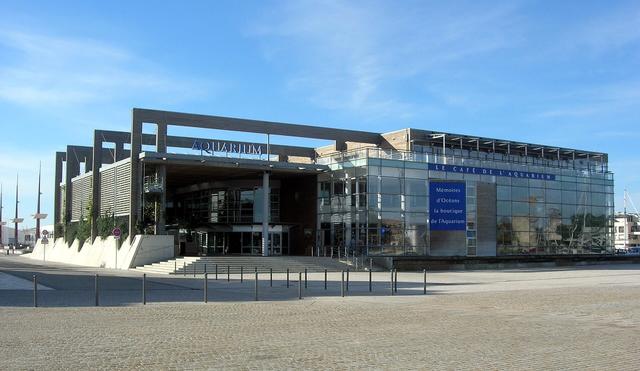
| La Rochelle Aquarium | 50 km | 45 min by car |
Approximate road distances and travel times.
Rochefort. About twenty minutes away, the dockyard town is the logical next step after Brouage: it replaced it as a naval port. The Corderie Royale, on the banks of the Charente, takes about an hour and a half to visit. See also: Corderie Royale Rochefort
La Rochelle. The town Brouage was built to watch. The Old Port towers and the aquarium are within walking distance of each other. See also: Towers of La Rochelle, La Rochelle Aquarium
The Marennes oyster basin. Right next door, the oyster ponds and oyster farmers' huts of Marennes round off a visit to the marshes nicely.
To plan your trip: See also: Vendée, Poitou and Charentes
Did you know?
- A town built on ships' ballast. Brouage was founded on an old ballast dump: the stones unloaded by ships that came for salt. The inside of the ramparts rests on these stones.
- A port sunk on purpose. In 1586, 21 old warships were sunk in the channel to block the port. It never really recovered.
- A thwarted love. Marie Mancini, exiled to Brouage in 1659, was the young Louis XIV's first love. Mazarin sent her away so that the king would marry the Spanish Infanta.
- The cradle of Quebec. Samuel de Champlain, probably born in Brouage, founded Quebec City in 1608. The stained-glass windows of the church of Saint-Pierre tell the story of New France.
Where to eat and stay
On site. There are public toilets in the citadel. Out of season, there is less choice for eating in the village: check before you come. In good weather, a picnic at the foot of the ramparts does the job.
Where to stay. Brouage has few places to stay. Marennes, a few minutes away, and Rochefort have more choice. La Rochelle is a good base if you are touring the whole coast.
FAQ
Do you have to pay to enter the Brouage citadel?
No. The citadel and its ramparts are free to visit all year. Only the Halle aux Vivres exhibition is paid: €6 per adult, free for children under 10.
How long does it take to visit Brouage?
One hour is enough to walk around the ramparts. Allow 2 hours to half a day with the church, the Halle aux Vivres or a guided tour.
Can I bring my dog to Brouage?
Yes, animals are allowed in the citadel according to the tourist office.
What is the link between Brouage and Quebec?
Samuel de Champlain, who founded Quebec City in 1608, is thought to have been born in Brouage. The stained-glass windows of the church of Saint-Pierre tell the story of New France.
Can I get to Brouage without a car?
It is difficult: there is no station. The simplest way is to come by bike or taxi from Rochefort.
Is the Halle aux Vivres open in winter?
No. Its 2026 prices run from 7 February 2026 to 11 November 2026: the exhibition is closed between mid-November and February.
Practical information
Official ticket-office prices 2026
Free admission
Address
Citadelle de Brouage, 17320 Marennes-Hiers-Brouage, France
Directions
On site and nearby
- On site: Toilets
- Nearest shops and pharmacy: Marennes, 6 km away Straight-line distance, based on OpenStreetMap.
- Emergencies: 112 (all emergencies, free from any phone), 15 (SAMU, medical emergency)
Around the site, on Google Maps
With children
Family days out nearby: Napoleon Museum, Île d'Aix (18 km), La Palmyre Zoo (21 km), Château de la Roche Courbon (23 km)
Swimming pools and play areas nearby, on Google Maps
Facts checked on 4 November 2026. Sources: brouage.fr, royanatlantique.fr, oleron-island.com, fr.wikipedia.org
Map
In the same region

- Planet ExoticaFree under 3