Louvre Museum: planning your visit
Louvre Museum at a glance
- Full price
- €32
- Adult, EEA resident
- €22
- Free
- under 18s
- Visitors per year
- about 9,000,000 (2025)
- Where
- Paris
Official ticket-office prices, checked on 29 October 2026. Full opening hours, reduced prices and access
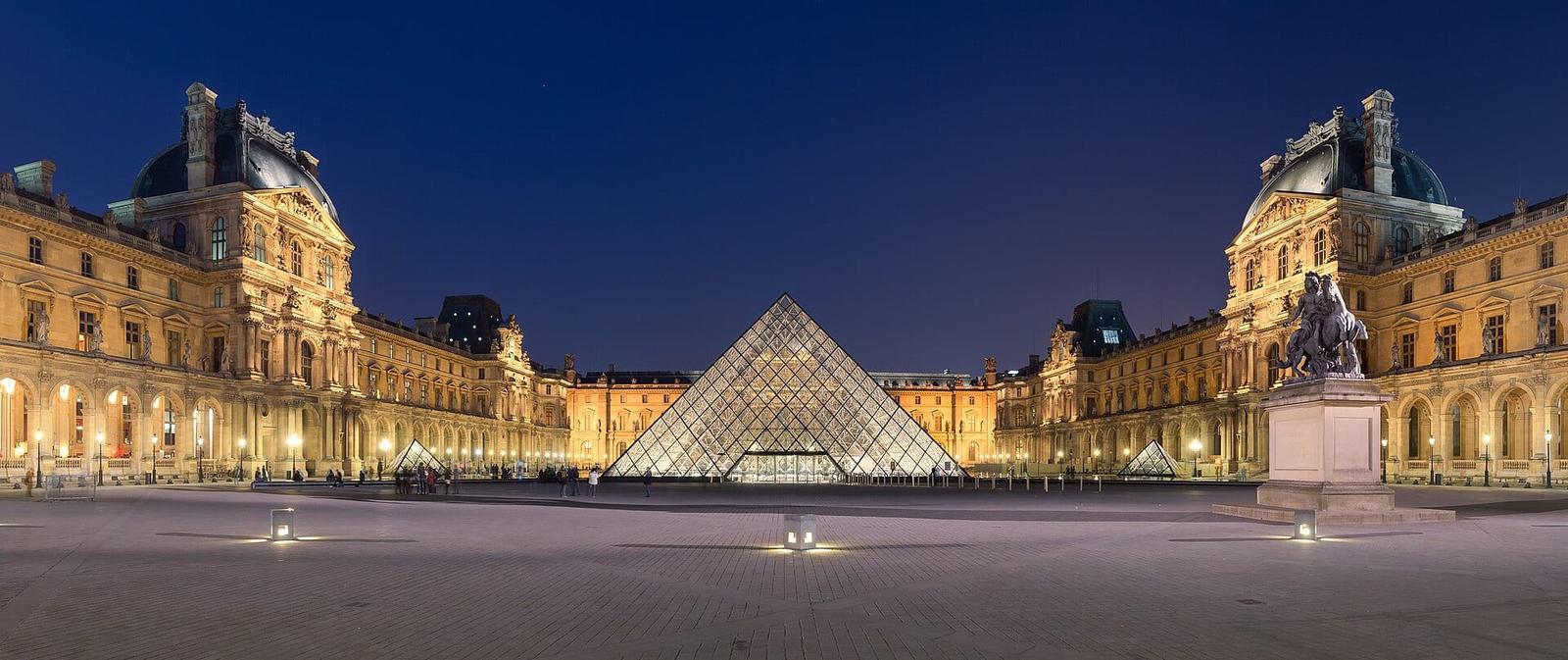
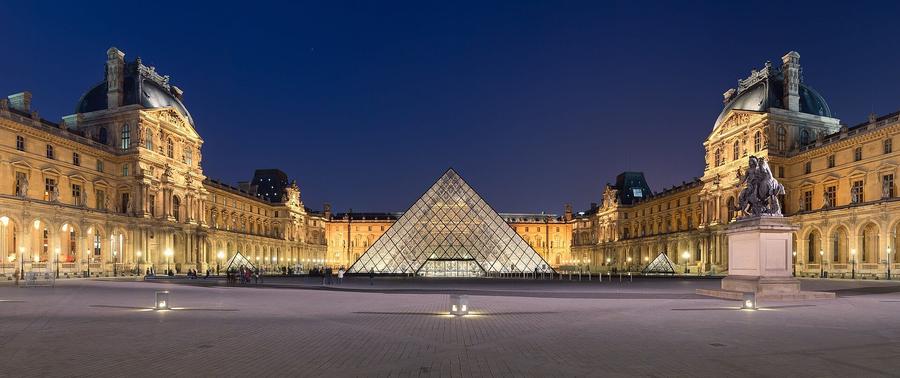
The Louvre is the most visited museum in the world, with more than 9 million visitors in 2025. Most people come for the Mona Lisa, but the palace has miles of galleries, and a good visit is won or lost before you even get in: your time slot, your entrance and the hour you arrive. This guide answers the practical questions, explains the new two-tier prices and what you can still see in the Apollo Gallery since the October 2025 robbery, and suggests a two-hour route.
Louvre at a glance
- Price: €22 for residents of the European Economic Area (EEA), €32 for everyone else, including visitors from the US and the UK. Free for under-18s and for EEA residents under 26.
- Open: 9:00 – 18:00 on Monday, Thursday, Saturday and Sunday; 9:00 – 21:00 on Wednesday and Friday. Closed on Tuesday.
- Booking: a timed-entry slot is recommended all year, and compulsory for everyone from 17 October 2026 to 1 November 2026.
- Time needed: 2 hours for the highlights, half a day if you want to slow down.
- Getting there: metro Palais-Royal - Musée du Louvre (lines 1 and 7) or Pyramides (line 14).
Partner links: if you book through these links, we earn a commission at no extra cost to you. Partner links · Learn more
Do you need to book a time slot for the Louvre?
Yes, do it. The museum recommends booking a time slot for every visitor, including those who get in free (under-18s, young Europeans, Paris Museum Pass holders). At busy times booking becomes compulsory: that is the case from 17 October 2026 to 1 November 2026, which covers the French autumn school holidays. Without a slot, you may not get in.
Some tickets are still sold on site, payable in cash, by card or with chèques-vacances, but only if there is room left in the current slot. In high season, rely on the museum's online ticket office or on a guided tour that includes entry.
Watch out for fake websites that copy the official ticket office, and for street sellers offering "skip-the-line" tickets: the museum warns that these may be refused at the door. One more rule to know: once you leave, you cannot come back in. If you want to have lunch outside, you will not be able to return on the same ticket.
How much are Louvre tickets in 2026?
Since 14 January 2026, the Louvre has charged two prices depending on where you live. An adult who is a national or resident of the EEA (the European Union, Iceland, Liechtenstein and Norway) pays €22. Everyone else, including British, Swiss, American and Chinese visitors, pays €32, which is €10 more. If you live in the US, Canada, the UK or Australia, the €32 ticket is the one to buy. Versailles and Chambord have adopted the same system. See also: Palace of Versailles
Bring a passport or residence permit: ID may be checked at the entrance. If you bought an EEA ticket by mistake without being eligible, the museum asks you to pay an extra €15.
Who gets in free?
- under-18s, whatever their nationality;
- EEA nationals and residents aged 18 to 25, with photo ID (and a residence permit of more than 90 days for residents);
- disabled visitors and one companion;
- jobseekers and people on French welfare benefits, with proof;
- French state school teachers, journalists and a few other professions, under conditions;
- Paris Museum Pass holders;
- everyone on the first Friday of the month after 6 pm, except in July and August, and on 14 July.
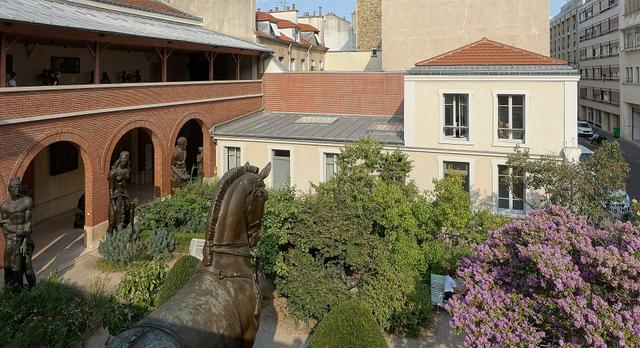
Extras. The audio guide costs €6 (you leave an ID document as a deposit). Guided tours and workshops cost €12 on top of the entry ticket (€9 reduced rate). Your Louvre ticket also gets you into the Musée Eugène-Delacroix, in Saint-Germain-des-Prés, on the same day or the next; bought there, this small museum costs €9.
Louvre guided tours and tickets with a guide
A guided tour has two advantages at the Louvre: your entry is booked for you, and the guide knows the shortest way to the Mona Lisa, which saves time in a palace where it is easy to get lost. The museum runs its own themed tours; independent guides also offer two-hour masterpiece tours, in small groups or privately, in English.
Partner links: if you book through these links, we earn a commission at no extra cost to you. Partner links · Learn more
Which Louvre entrance should you use?
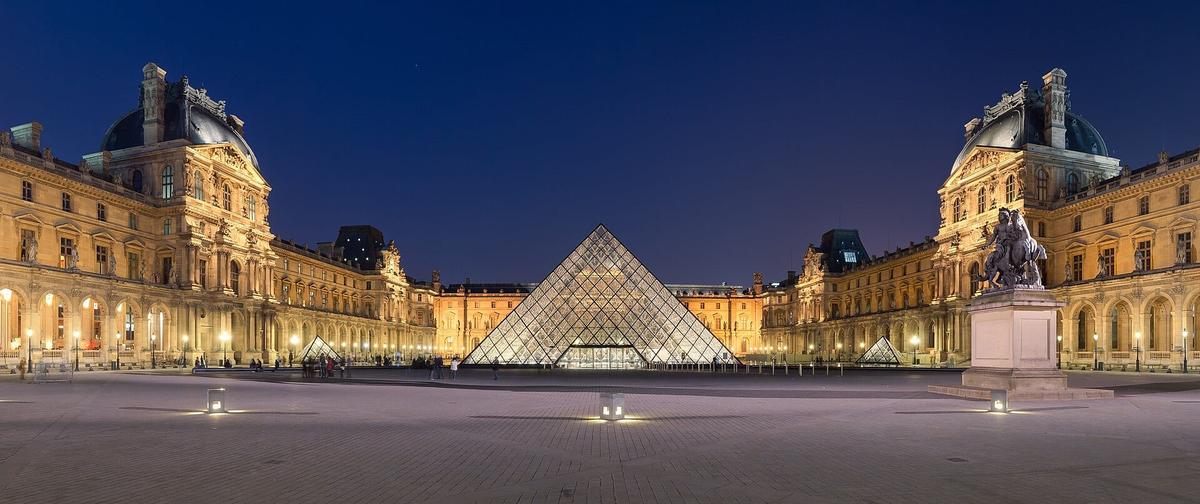
The Louvre has four entrances, and not all of them are open to everyone.
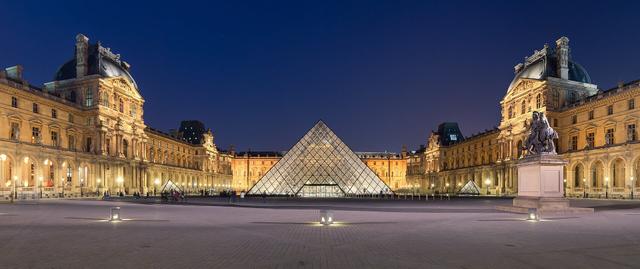
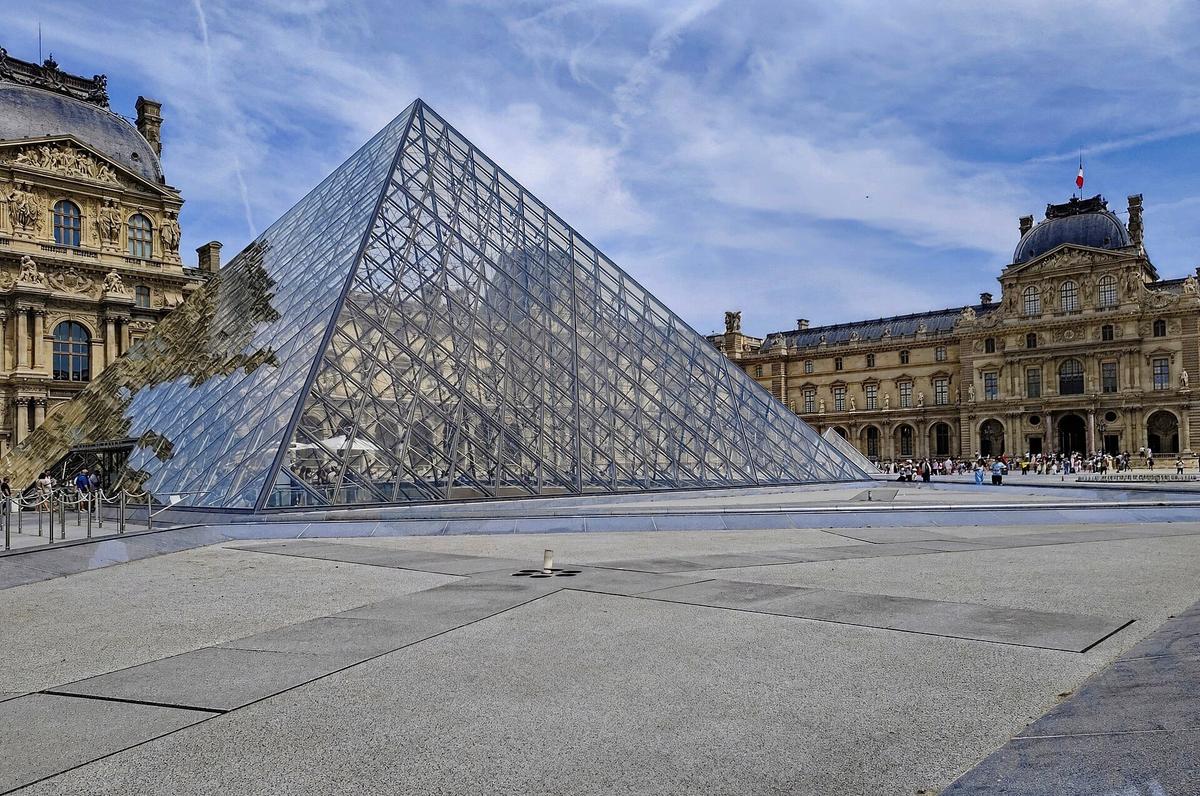
The Pyramid, in the Cour Napoléon, is the main entrance. There are three lines: green for visitors who already have a ticket or a Paris Museum Pass, orange for those who do not, and blue (priority) for disabled visitors. The cylindrical lift is reserved for wheelchair users, people with reduced mobility and parents with pushchairs.
The Carrousel entrance, at 99 rue de Rivoli, is open to all visitors. You reach it through the Carrousel du Louvre shopping arcade, which connects directly to Palais-Royal - Musée du Louvre metro station and the underground car park. It is the best choice when it rains, and often the quietest in the morning.
The Porte des Lions, on the Seine side (quai François-Mitterrand), only takes visitors who already have a ticket. It closes at 6 pm, lets no one in after 5 pm and is closed on Tuesday like the museum. Its cloakroom is only open until 3 pm. When it is running, it is the entrance tourists know least.
The Richelieu passage is reserved for groups, members and people taking part in museum activities.
Louvre opening hours, late openings and best time to visit
The museum opens at 9 am every day except Tuesday. It closes at 6 pm on Monday, Thursday, Saturday and Sunday, and at 9 pm on Wednesday and Friday. Last entry is one hour before closing, and staff start clearing the galleries thirty minutes before. The Louvre is closed on 1 January, 1 May and 25 December; it is open on other public holidays unless they fall on a Tuesday.
The late openings on Wednesday and Friday are the best time of the week: after 6 pm the groups have gone and the painting galleries empty out. On the first Friday of the month (except July and August), entry is free after 6 pm, but the crowds come back as a result.
Avoid weekends and French school holidays, when slots sell out several days ahead. If you come in the morning, take the first slot and head straight to the Mona Lisa.
Some galleries close from time to time for works. The museum publishes a calendar of room closures on its website and answers on +33 1 40 20 53 17 on the day of your visit.
How long does it take to see the Louvre?
Two hours is enough to see the most famous works without rushing. Half a day lets you add a whole wing. Beyond that, fatigue wins: better to come back another day than to push on for five hours. The museum is huge, the distances between the Denon, Sully and Richelieu wings are long, and there are a lot of stairs.
The Louvre in 2 hours: our route
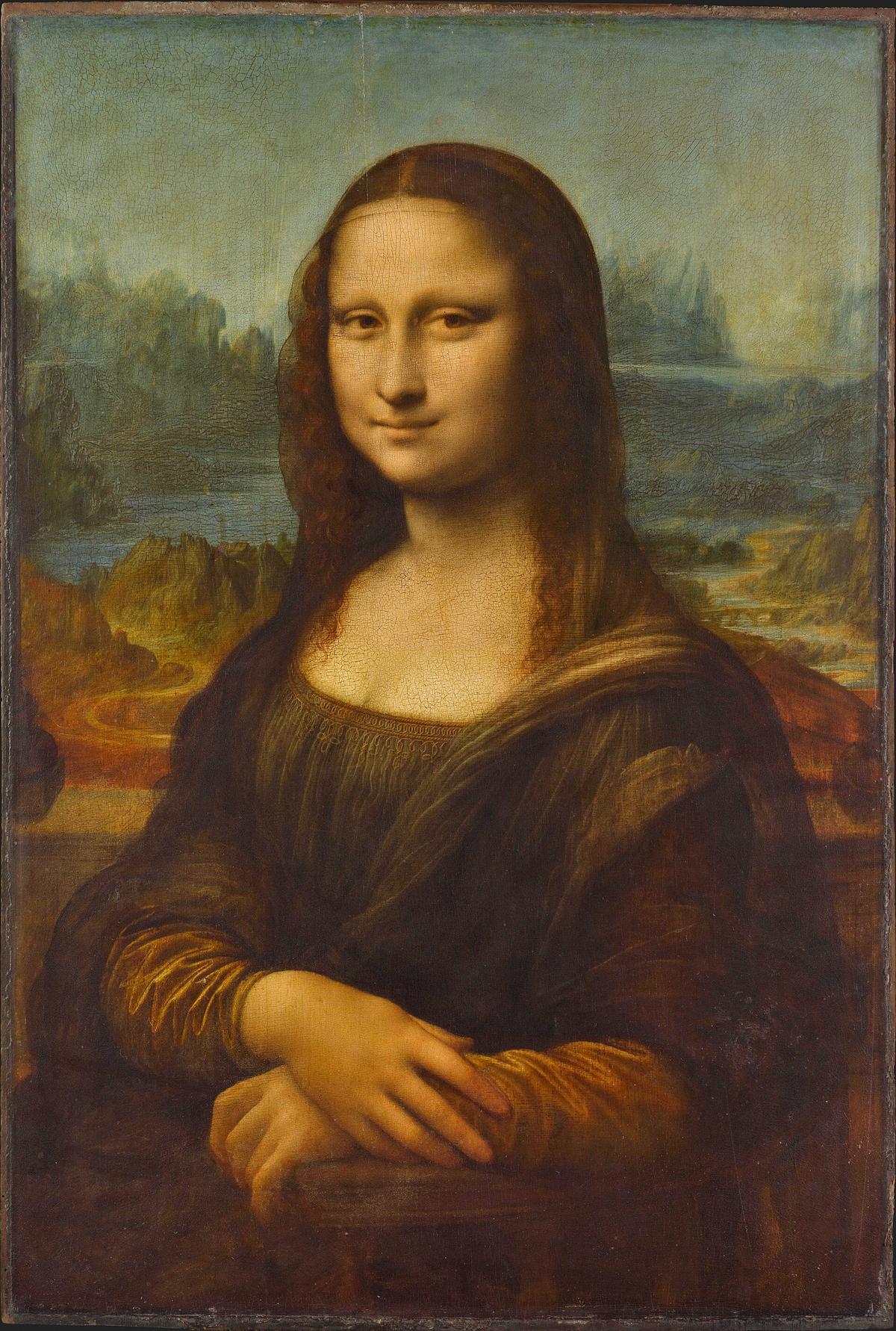
This route follows the Denon wing, then the Sully wing.
- The Winged Victory of Samothrace, at the top of the Daru staircase (Denon wing). You see her as you climb the steps.
- The Apollo Gallery, right next door on the first floor. See below for its current state.
- The Grand Gallery and Italian painting: Raphael, Leonardo da Vinci, Titian.
- The Mona Lisa, in the Salle des États. Opposite her hangs Veronese's The Wedding Feast at Cana, the largest painting in the museum, which most visitors do not even look at.
- The large French paintings in the next rooms: Géricault's The Raft of the Medusa, Delacroix's Liberty Leading the People, David's The Coronation of Napoleon.
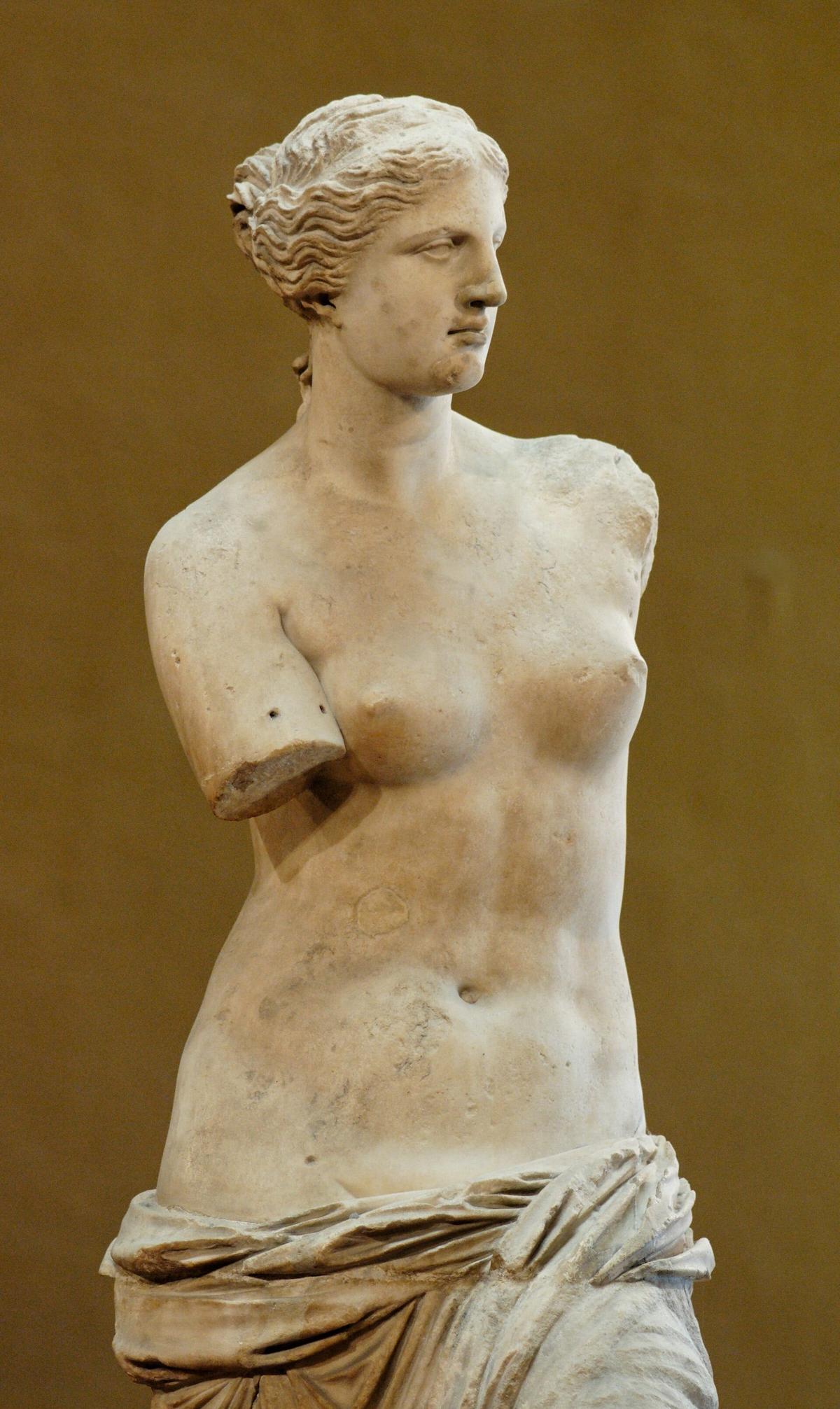
- The Venus de Milo, on the ground floor of the Sully wing.
- The medieval Louvre, on level -1 of the Sully wing: the moats and tower bases of Philip Augustus's castle, on which the palace was built.
If you have time left, the Napoleon III Apartments in the Richelieu wing are the most spectacular rooms in the museum and rarely crowded.
For the Mona Lisa, the queue forms inside the Salle des États and moves quickly, but you stay at a distance behind a barrier, and the portrait is small (77 cm, about 30 inches, tall). Go there first thing in the morning or at the end of a late opening.
Apollo Gallery and the French Crown Jewels: what can you see since the robbery?
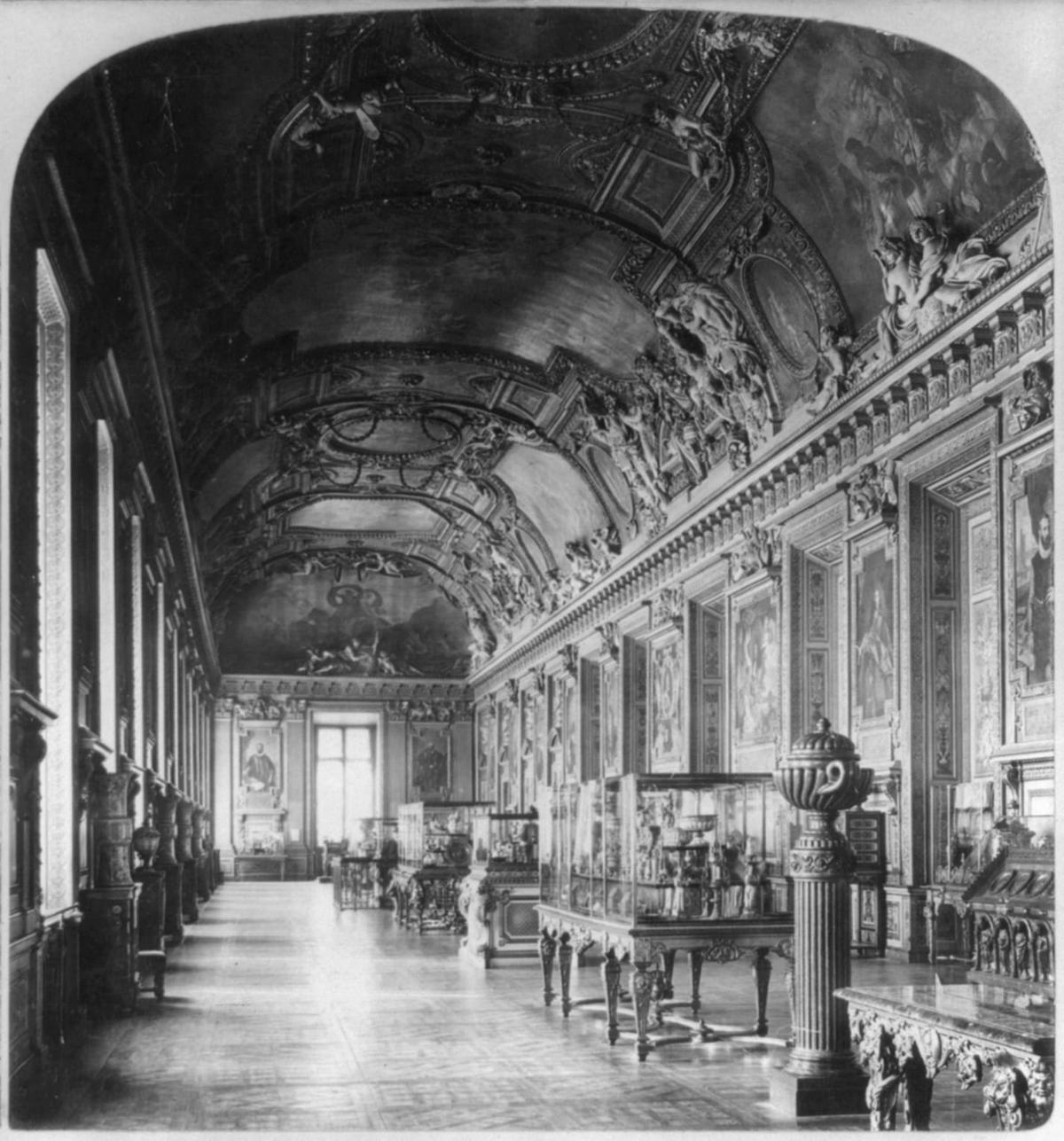
On 19 October 2025, shortly after opening time, four men reached the Apollo Gallery from outside using a truck-mounted lift, broke into two display cases and took eight pieces of the French Crown Jewels in a few minutes, valued at 88 million euros. As they fled, they dropped Empress Eugénie's crown, which was found damaged near the museum. The rest of the haul has not been recovered so far. The case exposed the museum's security failings, and its president, Laurence des Cars, has left her post.
The gallery reopened on 22 July 2026, but without its display cases or jewels: you see its 17th-century decor, gilding and painted ceilings. The jewels that were not stolen have been put away safely; the museum plans to show them in another room designed as a strongroom, with no date announced. If the Crown Jewels are the main reason for your visit, know that they cannot be seen for now.
The "Louvre New Renaissance" plan: what will change
Announced in January 2025, this plan aims to renovate a worn building and take pressure off the Pyramid, which was designed for far fewer visitors than today. The flagship project is a new entrance on the east side, facing the Colonnade, with a space dedicated to the Mona Lisa, a temporary exhibition hall, restaurants and bookshops in the old moats. The architecture competition jury met on 13 May 2026 and chose the team led by STUDIOS Architecture, with Selldorf Architects and BASE landscape architects. Two more entrances are planned, on the Seine side and on the rue de Rivoli side.
For your visit, nothing has changed yet: work on the Colonnade has not started and no opening date has been set. The Mona Lisa stays in the Salle des États.
Visiting the Louvre with kids
Under-18s get in free, but still book their time slot. With children, keep the visit to an hour and a half and pick a theme rather than the masterpieces: the mummies and sarcophagi of the Egyptian Antiquities department, the armour and moats of the medieval Louvre, or the sculptures of the Cour Marly (Richelieu wing), where you can sit down. The museum offers workshops and storytelling tours for families, paid on top of entry. Pushchairs go down in the Pyramid lift.
After the visit, the Tuileries Garden, free, is right next door: a carousel, ponds and metal chairs for a break.
Louvre wheelchair access
The Louvre is wheelchair accessible. At the Pyramid, the blue line gives priority to disabled visitors, and the cylindrical lift goes straight down into the hall. Entry is free for the disabled visitor and one companion.
How to get to the Louvre
By metro. Palais-Royal - Musée du Louvre station (lines 1 and 7), which comes out in the Carrousel arcade, or Pyramides (line 14), a five-minute walk away.
By bus. Lines 21, 27, 39, 67, 68, 69, 72, 74, 85 and 95.
By boat. The Batobus stops at the Louvre, in front of the Porte des Lions.
By car. Not recommended in central Paris. The underground car park is at 1 avenue du Général-Lemonnier. Taxis drop off at the Carrousel roundabout and wait on place André-Malraux.
What to see near the Louvre
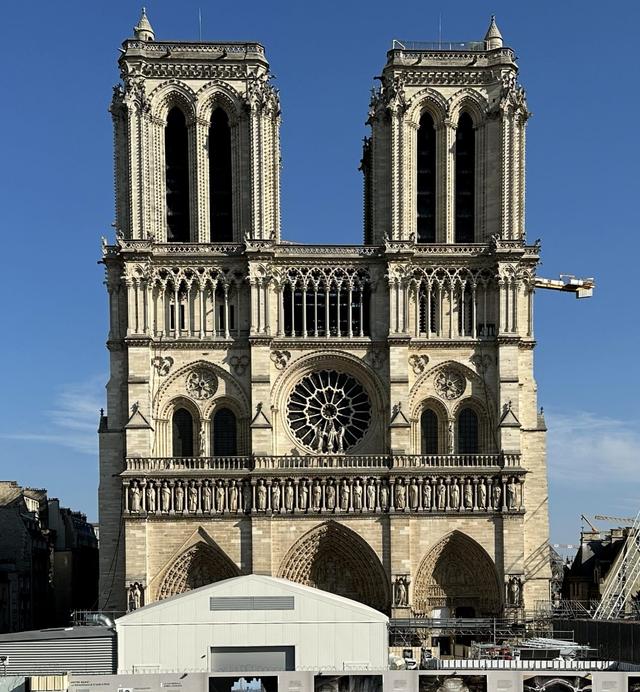
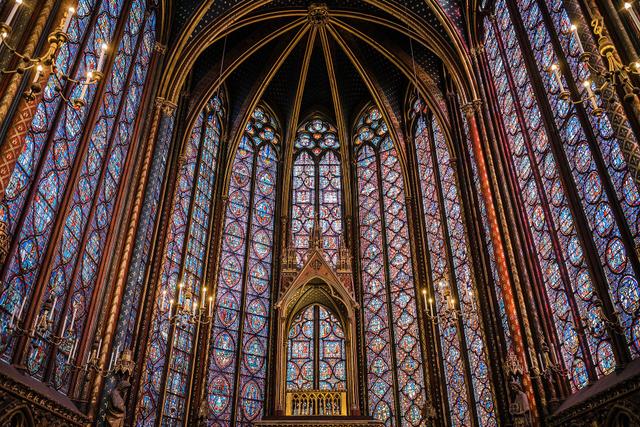
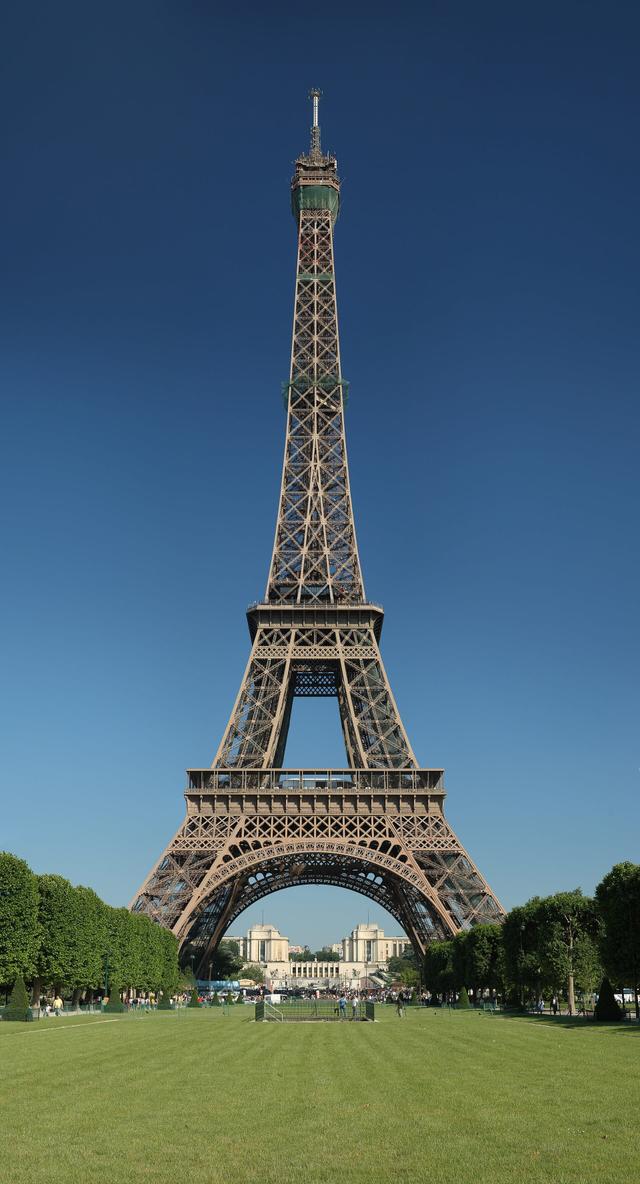
Sainte-Chapelle is a fifteen-minute walk away across the Pont Neuf; Notre-Dame is a few minutes further on the Île de la Cité. Walking west along the Seine through the Tuileries and the Place de la Concorde, you reach the Eiffel Tower in about 45 minutes. See also: Sainte-Chapelle, Notre-Dame Cathedral, Eiffel Tower
| Also worth seeing | Distance | Travel time |
|---|---|---|
| Sainte-Chapelle | 1.3 km | 17 min on foot |
| Notre-Dame Cathedral | 1.8 km | 23 min on foot |
| Eiffel Tower | 3.7 km | 45 min on foot |
Approximate road distances and travel times.
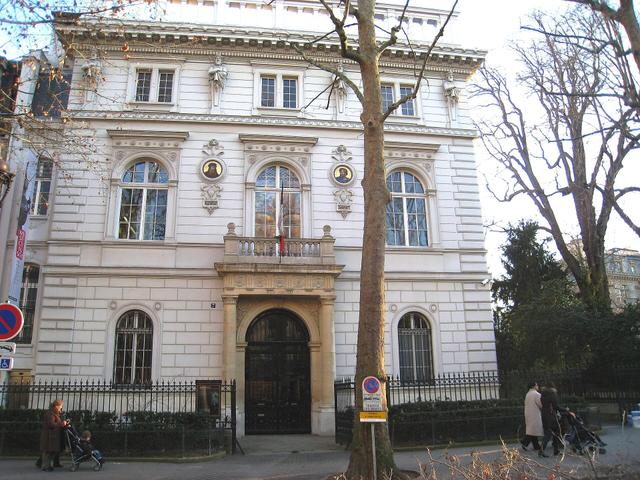
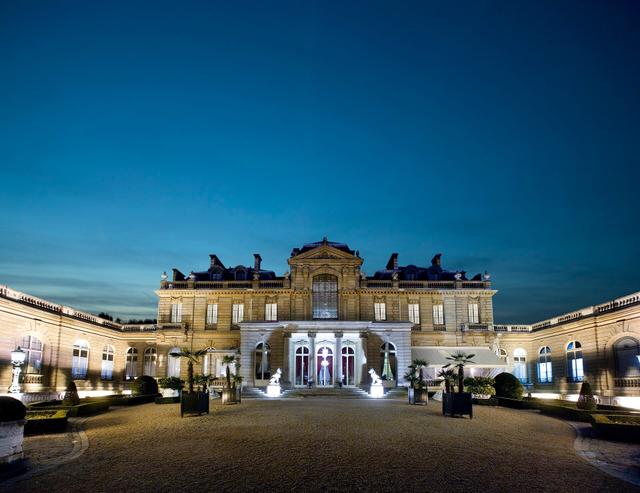
If you love painting and want a more intimate museum after the Louvre, the Musée Jacquemart-André, on boulevard Haussmann, shows a private collection in a 19th-century mansion. See also: Jacquemart-André Museum
Louvre facts and figures
- More than 9 million visitors. The Louvre welcomed more than 9 million people in 2025, which puts it at the top of the world's most visited museums.
- A museum born of the Revolution. The royal palace became a museum in 1793, during the French Revolution, to show the Crown collections to the public.
- The stolen Mona Lisa. On 21 August 1911, Vincenzo Peruggia, an Italian glazier who had worked at the Louvre, walked out with the painting hidden under his smock. It was found in Florence in December 1913. That theft, and the headlines around the world, is what made the Mona Lisa so famous.
- A controversial pyramid. The glass pyramid by architect I. M. Pei opened in 1989. It was heavily criticised during construction; today it is the symbol of the museum.
- The Louvre beneath the Louvre. The foundations of Philip Augustus's fortress, built around 1200, were uncovered in the 1980s during the Grand Louvre works. You can see them on level -1 of the Sully wing.
Where to eat and stay near the Louvre
The museum has cafés in its wings. The Carrousel du Louvre arcade, connected to the museum, has fast-food counters. Remember that once you leave, you cannot come back in: eat before, or inside the museum. For a picnic, the Tuileries Garden is a short walk away, and rue Saint-Honoré has plenty of cafés and bakeries.
To stay, the 1st arrondissement is central but expensive. The Marais, Saint-Germain-des-Prés or the Opéra area are fifteen minutes on foot or a few stops on metro line 1. See also: Paris, Île-de-France
FAQ
How much does it cost to visit the Louvre?
€22 for an adult who is an EEA national or resident, €32 for everyone else, including visitors from the US and the UK. It is free for under-18s, for EEA residents under 26 and for everyone on the first Friday of the month after 6 pm (except July and August).
Do you need to book to visit the Louvre?
Yes. Booking a time slot is recommended all year, even for visitors who get in free, and compulsory at busy times, such as from 17 October 2026 to 1 November 2026.
What day is the Louvre closed?
Tuesday, as well as 1 January, 1 May and 25 December.
Which Louvre entrance is the least crowded?
The Carrousel entrance, at 99 rue de Rivoli, reached from the metro, or the Porte des Lions on the Seine side for visitors who already have a ticket (until 5 pm, except Tuesday).
Can you see the French Crown Jewels?
Not for now. The Apollo Gallery reopened on 22 July 2026, but without display cases or jewels. The remaining pieces are due to be shown later in another room.
How long does it take to visit the Louvre?
Two hours for the highlights (Winged Victory, Mona Lisa, Venus de Milo), half a day to add a whole wing.
Practical information
Official ticket-office prices 2026
| Full price | €32 |
|---|---|
| Adult, EEA resident | €22 |
| Audio guide | €6 |
| Free | under 18s, EU/EEA residents aged 18 to 25, disabled visitors and one companion, recipients of French welfare benefits, jobseekers, French teachers (Pass Éducation), and journalists |
Partner links: if you book through these links, we earn a commission at no extra cost to you. Partner links · Learn more
See tickets and availability on Tiqets ›
Address
Musée du Louvre, rue de Rivoli, 75001 Paris, France
Directions · Phone+33 1 40 20 53 17
On site and nearby
- On site: Left luggage or cloakroom
- Nearest shops and pharmacy: Paris, 1 km away Straight-line distance, based on OpenStreetMap.
- Emergencies: 112 (all emergencies, free from any phone), 15 (SAMU, medical emergency)
Around the site, on Google Maps
With children
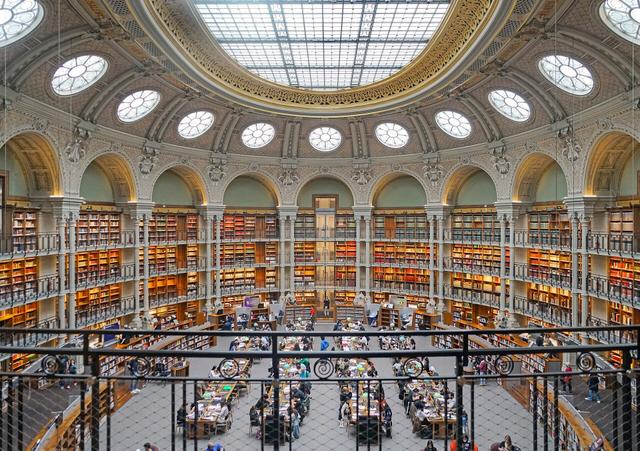
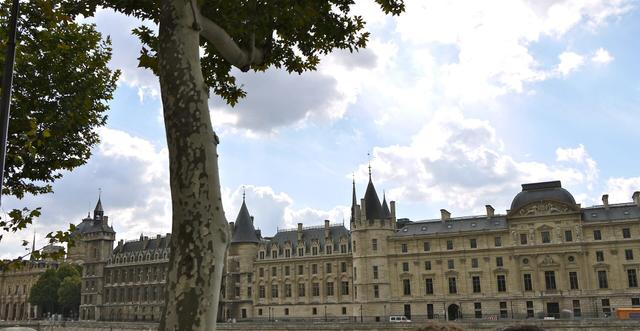
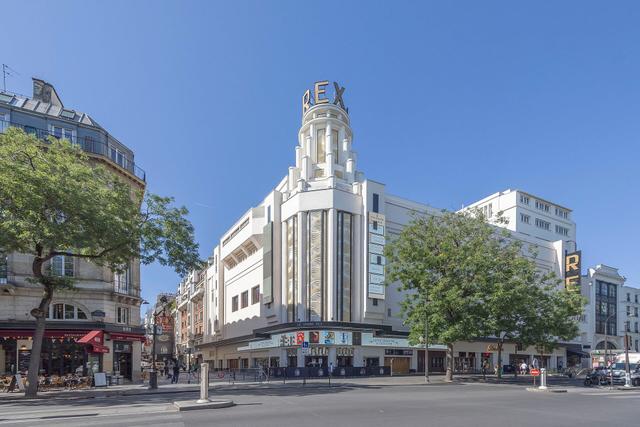
Family days out nearby: BnF Richelieu (1 km), Conciergerie (1 km), Rex Studios (Grand Rex) (1 km)
Swimming pools and play areas nearby, on Google Maps
Facts checked on 29 October 2026. Sources: louvre.fr, louvre.fr, api-www.louvre.fr, louvre.fr, louvre.fr, lechotouristique.com, fr.euronews.com, sortiraparis.com, pbs.org, louvre.fr, hypebeast.com, fr.wikipedia.org, fr.wikipedia.org
Map
News in brief
Partner links: if you book through these links, we earn a commission at no extra cost to you. Partner links · Learn more
"Louvre Photo" exhibition until 3 May 2027. Opened on 4 November in the Hall Napoléon (mezzanine), it brings together more than 300 photographs of the Louvre since the invention of photography: artworks, galleries, visitors, staff and behind the scenes. It is included in the museum entry ticket.Source: Musée du Louvre
Guided tours and day trips on GetYourGuide › · Places to stay near Paris ›
In the same region
- Cité de l'Architecture et du Patrimoinefrom €13
- Musée de l'Hommefrom €15Free under 25
- Musée de la Libération de ParisFree admission
- National Maritime Museum, Parisfrom €15Free under 18
Related guides