Carnavalet Museum: planning your visit
Carnavalet Museum at a glance
- Opening hours 2026
- 10:00 – 18:00 (closed on Monday)
- Admission
- Free
- Time needed
- about 2 h
- Visitors per year
- 1,059,482 (2023)
- Where
- Paris
Facts checked on 12 November 2026. Full opening hours, reduced prices and access
In the heart of the Marais, the Musée Carnavalet tells the history of Paris from prehistoric times to the present day, in two mansions linked by a gallery. The permanent collections are free; only the temporary exhibition has a charge. Here are the opening hours, the highlights you should not miss, how long to allow and our tips for avoiding unpleasant surprises.
Carnavalet Museum at a glance
- Price: permanent collections free, no booking needed. The temporary exhibition costs €15 full price and €13 reduced.
- Open: Tuesday to Sunday, 10:00 to 18:00, last entry to the collections at 17:15. Closed on Mondays, 1 January, 1 May and 25 December.
- Time needed: allow 2 to 3 hours for a full tour.
- Getting there: metro Saint-Paul (line 1), Chemin Vert (line 8) or Bréguet-Sabin (line 5).
- Good to know: suitcases and large bags are not allowed. Free lockers are provided for small bags.
What is the Carnavalet Museum?
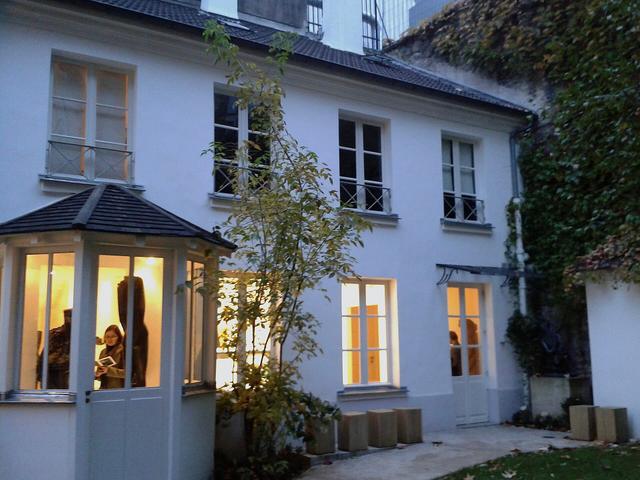
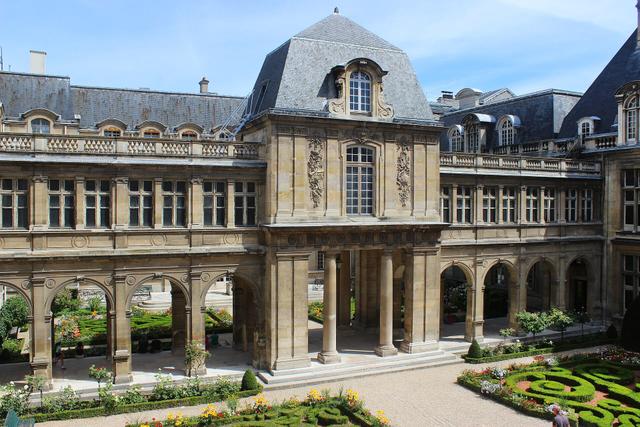
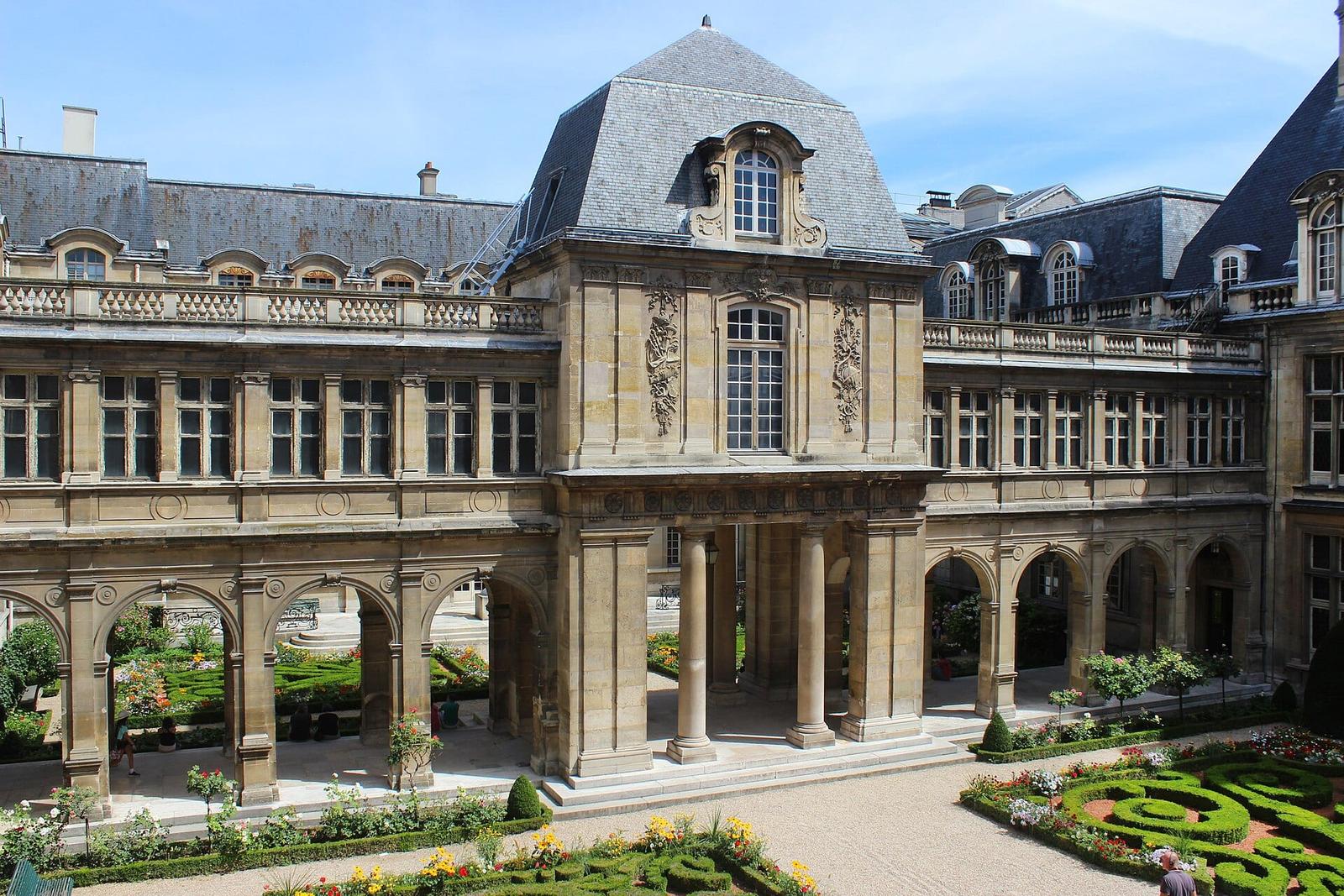
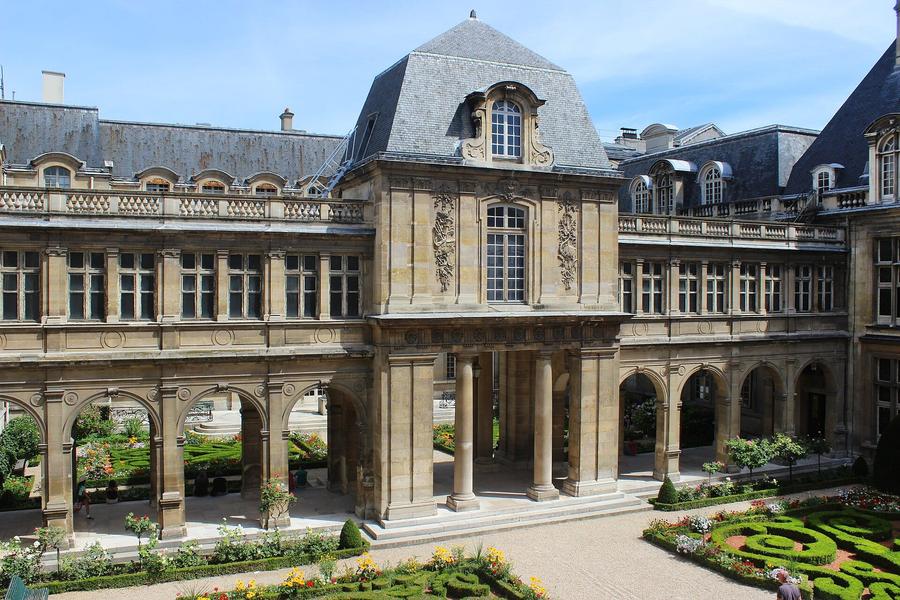
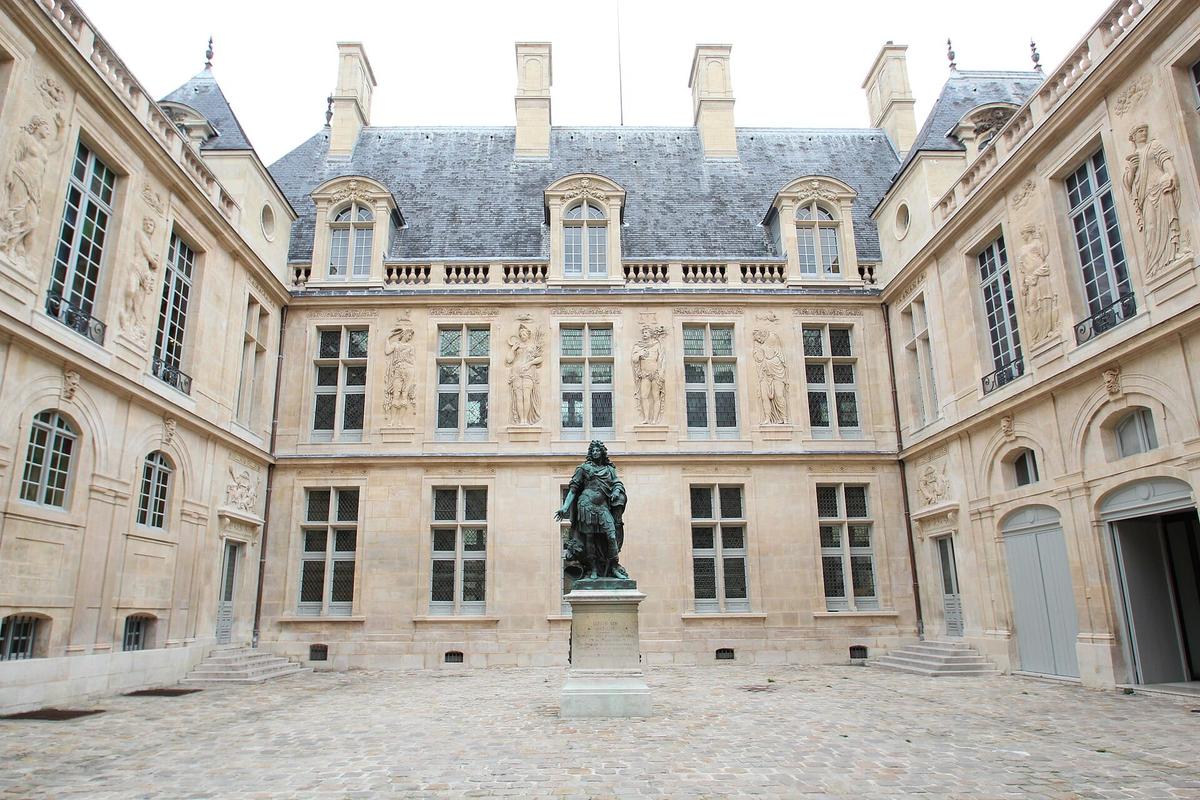
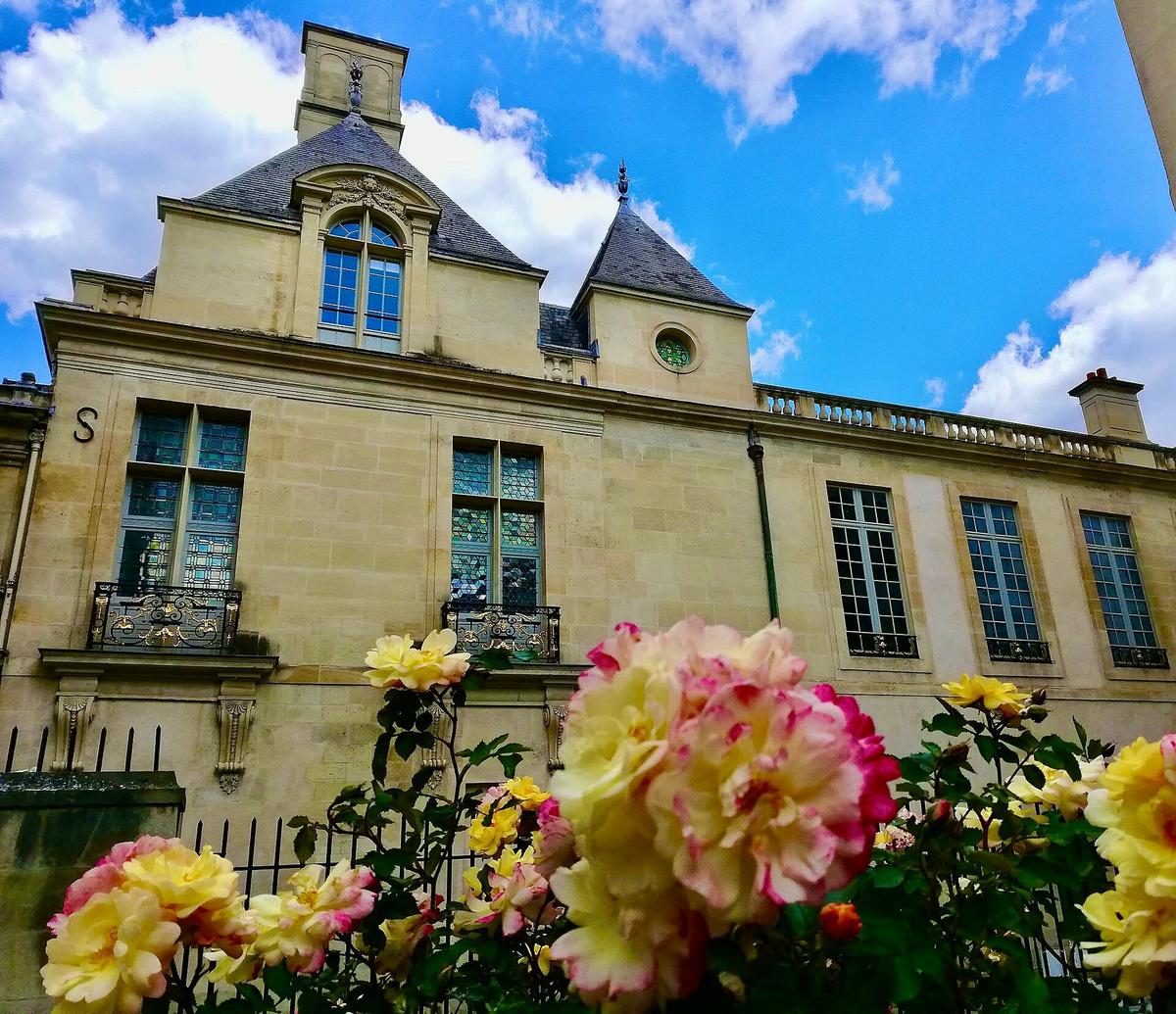
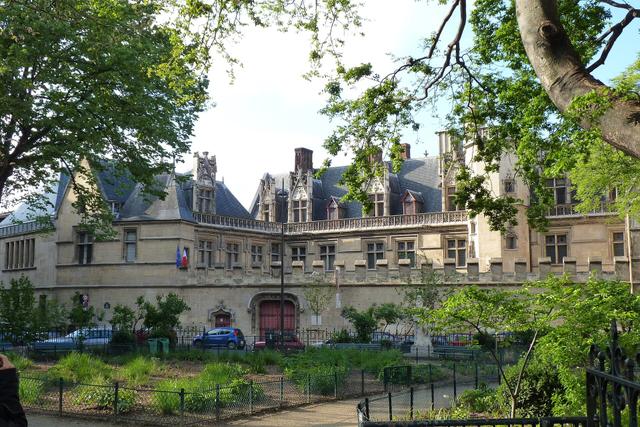
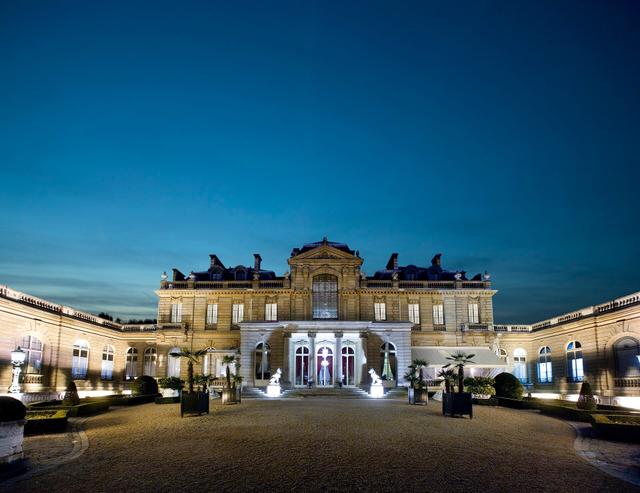
The Musée Carnavalet is the museum of the history of the City of Paris, and the oldest of the city's municipal museums. It occupies two mansions (hôtels particuliers) in the Marais, the Hôtel Carnavalet and the Hôtel Le Peletier de Saint-Fargeau, linked by a gallery.
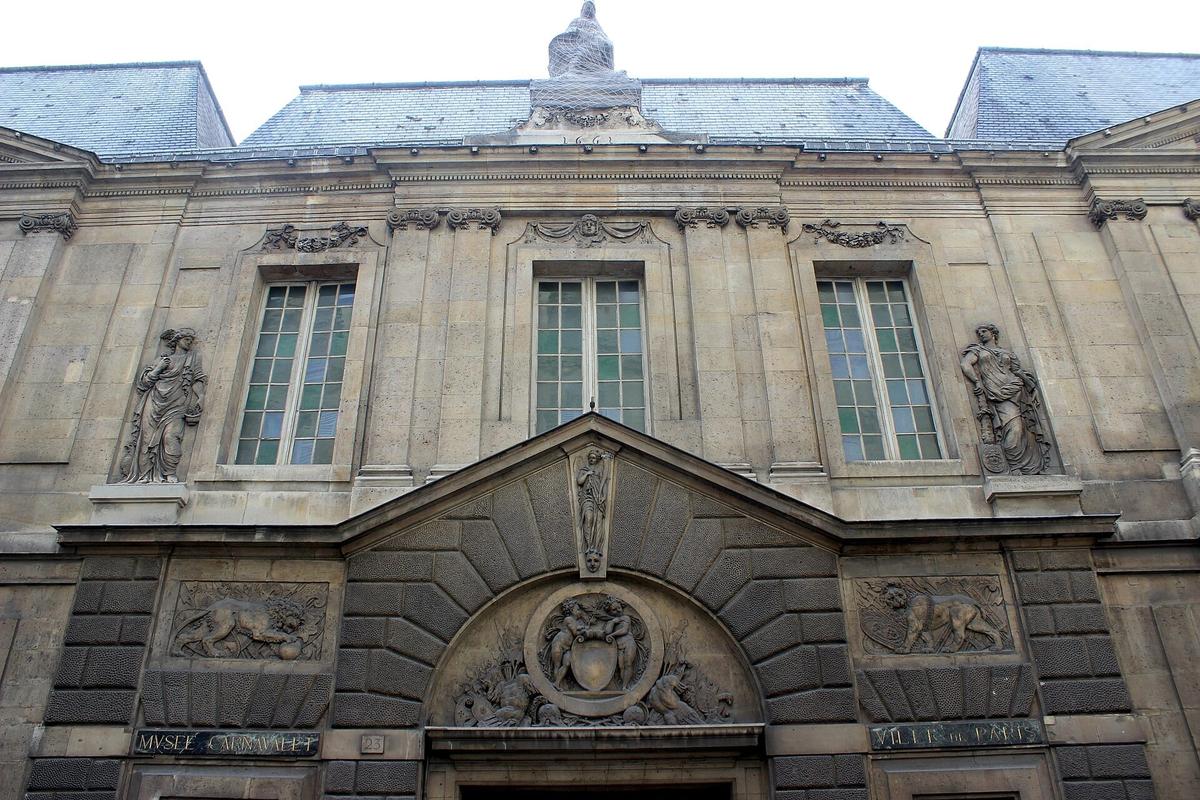
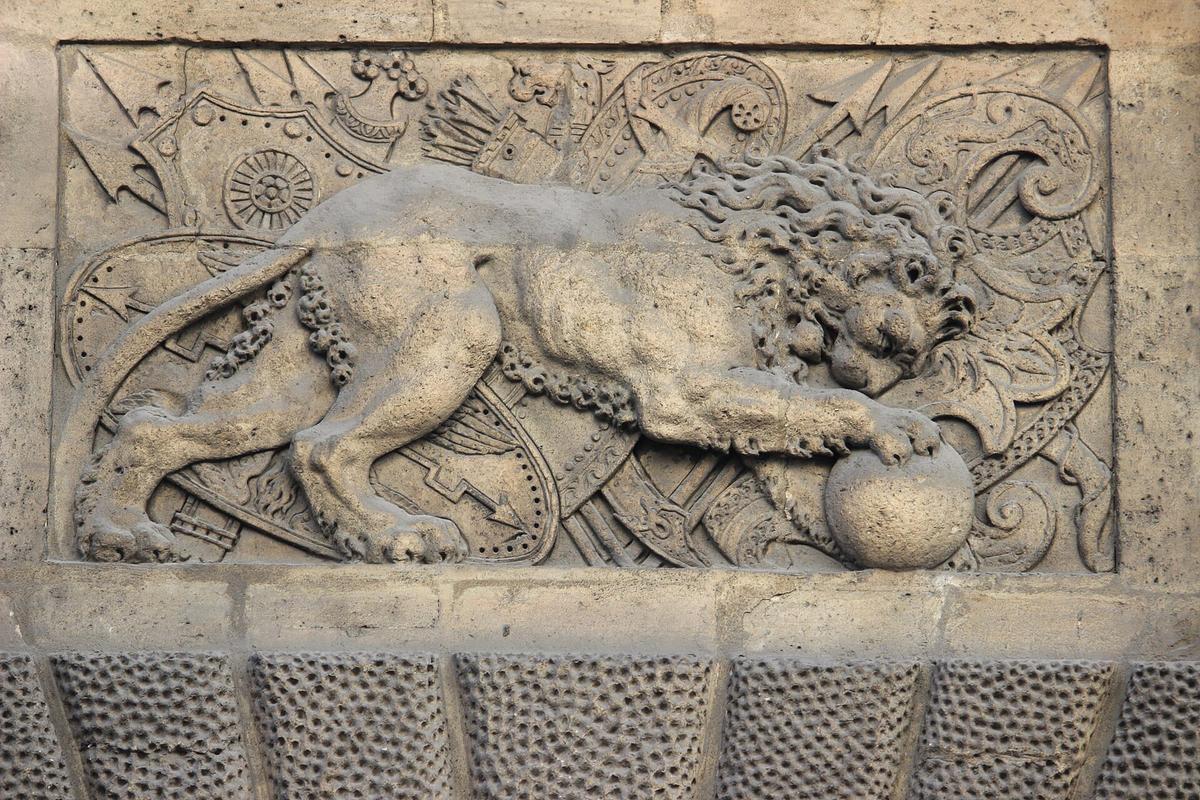
The Hôtel Carnavalet was built from 1548 to 1560 for Jacques des Ligneris, a president of the Paris Parlement. Its name comes from a later owner, the Breton François de Kernevenoy, whose name was distorted into "Carnavalet". Around 1660, François Mansart raised the gateway on the street and added two wings.
Its most famous tenant was Madame de Sévigné. She moved in in 1677 and lived here for almost twenty years. Many of her letters to her daughter were written here, and the street now bears her name.
In 1866, at the suggestion of Baron Haussmann, the prefect, the City of Paris bought the mansion to create a history museum. The choice was no accident: Haussmann was demolishing a large part of old Paris, and the city wanted to keep a record of what was disappearing. The museum opened on 25 February 1880. The first collections, stored at the Hôtel de Ville, had burned in the fire of 1871, during the Commune.
The neighbouring Hôtel Le Peletier de Saint-Fargeau was built at the end of the 17th century by Pierre Bullet. It became part of the museum in 1989.
The museum closed on 2 October 2016 for a complete renovation and reopened in spring 2021. The work cost 58 million euros. The route now follows chronological order, and around 60% of the works on display have changed.
Carnavalet receives more than a million visitors a year: 1,059,482 in 2023, according to the Paris tourist office. It is one of the most visited museums in the city.
Is the Carnavalet Museum free?
Yes, for the permanent collections. They are free for everyone, every day the museum is open, with no booking. This is the case for all the City of Paris museums.
Only the temporary exhibition has a charge. For Paris à l'arraché. Jacques Villeglé et l'art urbain (on Jacques Villeglé and urban art), on from 14 October 2026 to 14 February 2027, a ticket costs €15 full price and €13 reduced. Villeglé spent his life peeling torn posters off the walls of Paris and turning them into works of art: a subject that fits a museum of the city's history well.
The exhibition is free, with proof, for jobseekers, people on minimum social benefits and disabled visitors with their carer. The conditions for the reduced rate are given on the museum's ticketing site.
The Paris Musées card. If you plan to see several exhibitions in the year, this paid card gives unlimited, queue-free access to the exhibitions in the City of Paris museums (except the Catacombs and the Archaeological Crypt).
The app. The museum's mobile app offers free tours of the collections in several languages. The tour of the temporary exhibition costs €2.99.
Do you need to book Carnavalet tickets?
For the permanent collections, no. Just turn up at the entrance. On busy days, especially at weekends and during school holidays, there may be a short wait at the security check.
For the temporary exhibition, yes. The museum strongly recommends booking a time slot online. It is the only way to be sure of getting in, including if you are entitled to the reduced rate or free entry. Last entry to the exhibition is at 16:45, half an hour before last entry to the collections.
Partner links: if you book through these links, we earn a commission at no extra cost to you. Partner links · Learn more
Guided tours. The museum runs its own tours and workshops for individual visitors, outside the temporary exhibition:
- one-hour guided tour: €5 full price, €3 reduced;
- 90-minute or two-hour tour: €7, or €5 reduced;
- one-hour workshop, trail or walk: €8, or €6;
- 90-minute or two-hour workshop, trail or walk: €10, or €8.
Tour operators also run guided visits of the museum, often combined with a walk through the Marais.
Opening hours 2026 and best time to visit
The museum is open Tuesday to Sunday, from 10:00 to 18:00. The ticket desk closes and last entry to the collections is at 17:15. The rooms close at 17:45, and at 17:00 on 24 and 31 December.
It is closed every Monday, as well as on 1 January, 1 May and 25 December. Be careful: many visitors find the door shut on a Monday, while other Paris museums close on Tuesdays.
Our tip: come on a weekday, at opening time. At weekends the Marais is very busy, and the period rooms, often small, fill up quickly. If you also want to see the exhibition, book the first morning slot and keep the collections for afterwards.
How long does it take to visit Carnavalet?
The route has more than a hundred rooms, including 34 reconstructed period rooms, and around 3800 works. To see everything without rushing, allow 2 to 3 hours. Add an hour for the temporary exhibition.
If you only have an hour, focus on the gallery of shop signs on the ground floor, the Revolution rooms, then the Fouquet jewellery shop and Proust's bedroom in the Hôtel Le Peletier. As entry is free, you can also come back another day.
What to see at the Carnavalet Museum
The route runs from prehistory to the present day, in chronological order. The museum holds more than 618,000 objects and works: paintings, sculptures, models, shop signs, photographs, posters and everyday objects.
The prehistoric canoe. The route starts underground, with a canoe carved from a single tree trunk, found in Paris. It is a reminder that the Seine was already a route for travel long before Lutetia.
The gallery of shop signs. On the ground floor of the Hôtel Carnavalet, a room first opened in 1914 brings together signs from Paris shops and cabarets: keys, boots and animals in wrought iron or painted wood. It is one of children's favourite rooms.
Paris before Haussmann. A model of the Île de la Cité in 1527 shows the Notre-Dame area before the great demolitions. The bust of Henri IV by Michel Bourdin, from around 1610, is one of the best-known portraits of the king.
The French Revolution. Carnavalet has one of the richest collections on the period. You can see the Declaration of the Rights of Man and of the Citizen painted by Jean-Jacques Le Barbier around 1789, models of the Bastille carved from its own stones, and mementoes of the royal family's imprisonment in the Temple.
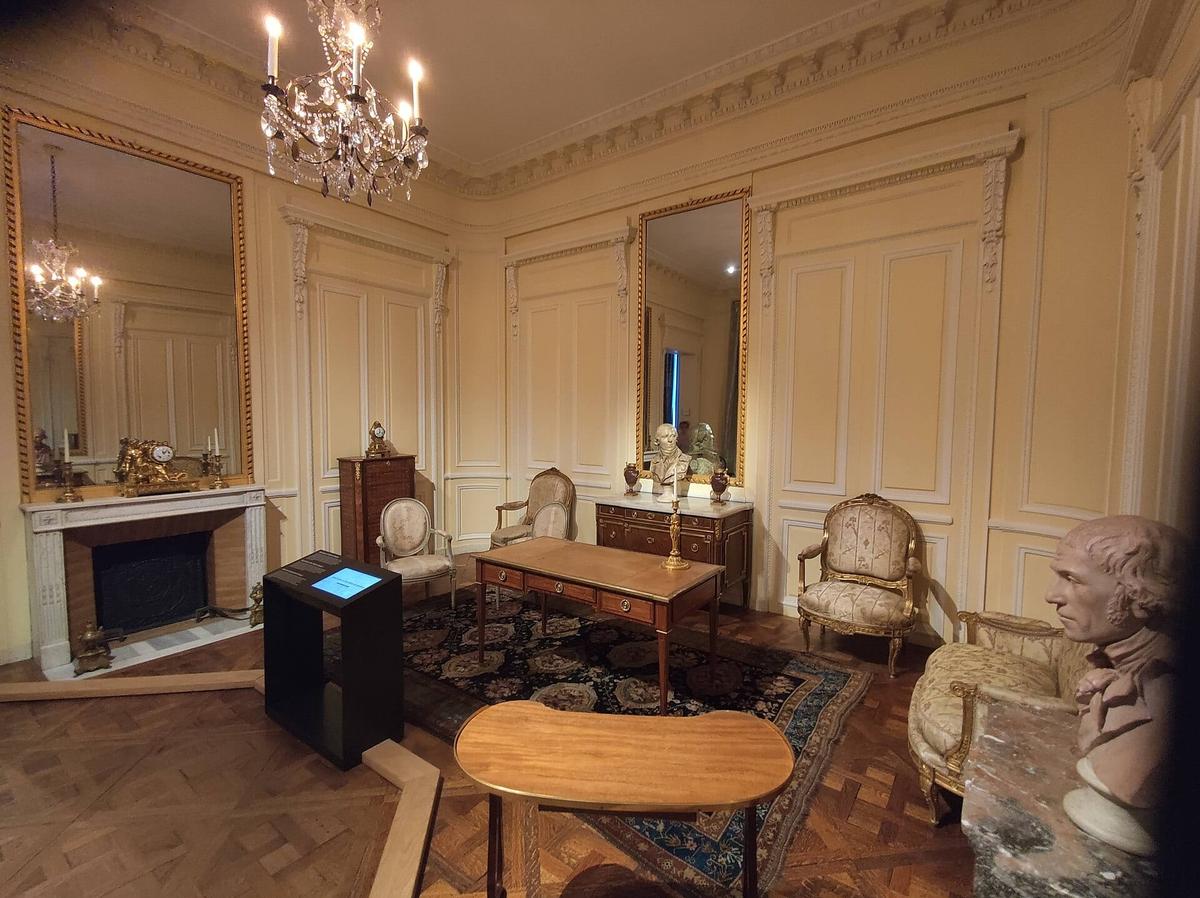
The period rooms. Whole rooms were taken apart in demolished Paris mansions and rebuilt in the museum: panelling, painted ceilings and fireplaces. You walk from a Louis XV salon to a Directoire interior.
The Fouquet jewellery shop. Designed by Alfons Mucha in 1901 for the jeweller Georges Fouquet, on rue Royale, it was dismantled and then given to the museum. With its peacocks and stained glass, it is one of the finest Art Nouveau interiors in Paris.
The Café de Paris and the Wendel ballroom. The small salon of the Café de Paris, decorated by Henri Sauvage in 1899, and the ballroom painted by José-Maria Sert for the Hôtel de Wendel are shown close by.
Marcel Proust's bedroom. The museum has reconstructed the room where the writer wrote part of In Search of Lost Time, with his bed, his furniture and personal belongings. The room is small and often crowded: go early.
The 20th century and today. The last rooms run from the Belle Époque to the present. They include the Olympic torch from the Paris 2024 Games, and a current-affairs room whose display changes.
Two stories about Carnavalet
An auction to make room. In January 1881, less than a year after the opening, the city held a six-day sale at the Hôtel Drouot to get rid of objects considered off-topic. It raised more than 108,000 francs.
Famous gifts. The first collections came partly from private donors. In 1896, Georges Clemenceau gave a painting that had belonged to his father; in 1902, Empress Eugénie gave a cradle designed by Victor Baltard. The museum also holds Napoleon I's campaign case and Émile Zola's watch.
Visiting Carnavalet with children
Carnavalet works well for families. Since the renovation, some works hang at child height, and there are hands-on displays along the route. The museum runs workshops and tours for young visitors; the programme is published on its website.
A few practical tips:
- The shop signs, the canoe, the models and the Revolution objects appeal to children more than the period rooms.
- The museum lends pushchairs at the front desk, with no booking, for the length of your visit.
- There are toilets with baby-changing tables.
- Free entry means you can make a short visit, suited to young children's attention span, without feeling you have wasted a ticket.
Accessibility, bags and photos
The museum has a lift. Wheelchairs can be borrowed at the front desk, with no booking. The collections offer Braille transcriptions, raised drawings, audio descriptions and objects to touch. For a specific need, the visitor services team answers through the contact form on the website.
Luggage. Suitcases and large bags are not allowed. Only handbag-sized bags are accepted, carried in front or in your hand. Free self-service lockers, 40 × 36 × 36 cm, are located behind the front desk; there is no left-luggage room. If you are coming straight from a railway station, leave your suitcase at a private luggage storage first.
Photos. Photos for private use are allowed, without flash, tripod or bulky equipment.
How to get to the Carnavalet Museum
The main entrance is at 23 rue Madame de Sévigné, in the 3rd arrondissement. There is also an entrance through the garden.
- Metro: Saint-Paul (line 1), a five-minute walk; Chemin Vert (line 8); Bréguet-Sabin (line 5). Pont-Marie (line 7) is a little further.
- Bus: lines 29, 69, 76, 91 and 96.
- Vélib' bikes: Saint-Gilles – Turenne and Saint-Antoine – Sévigné stations.
By car, the Marais is hard to drive around and park in: public transport is much simpler.
What to visit nearby on the same day
| Also worth seeing | Distance | Travel time |
|---|---|---|
| Maison de Victor Hugo | 0.5 km | 7 min on foot |
| Museum of Hunting and Nature | 0.7 km | 10 min on foot |
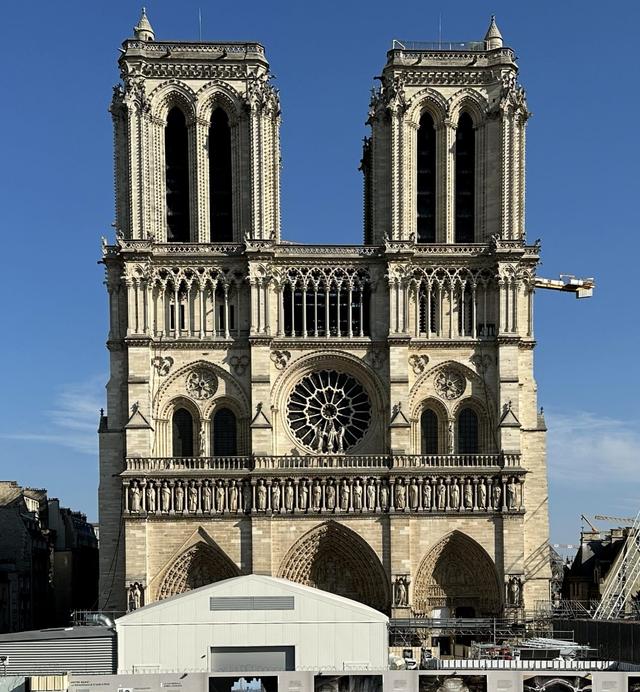
| Notre-Dame Cathedral | 1.5 km | 20 min on foot |
Approximate road distances and travel times.
Victor Hugo's House, on the Place des Vosges, is a seven-minute walk away; its collections are free too. See also: Maison de Victor Hugo The Museum of Hunting and Nature, on rue des Archives, occupies another Marais mansion. See also: Museum of Hunting and Nature Heading down towards the Seine, you reach the Île de la Cité and Notre-Dame in twenty minutes. See also: Notre-Dame Cathedral
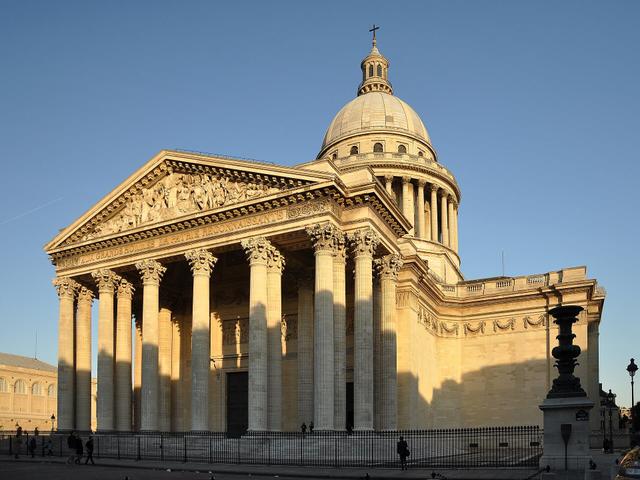
To carry on with the history of Paris, the Musée des Arts et Métiers and the Museum of the Liberation of Paris go well with the visit, and the Panthéon tells the story of the nation's memory. See also: Musée des Arts et Métiers, Musée de la Libération de Paris, Panthéon, Paris
Where to eat and stay near Carnavalet
The museum has its own café-restaurant, inside the mansion. It stays open in the evening from Tuesday to Saturday, long after the rooms close. The bookshop follows the museum's opening hours.
Around it, the Marais has dozens of restaurants, bakeries and cafés, especially on rue des Francs-Bourgeois and around rue des Rosiers, a few minutes away.
To stay, the Marais is one of the most pleasant areas of Paris, but also one of the most expensive. The neighbouring 11th and 4th arrondissements offer more choice, with direct access on metro line 1.
FAQ
Is the Carnavalet Museum free?
Yes, the permanent collections are free for everyone, with no booking. Only the temporary exhibition has a charge: €15 full price for the current exhibition.
What day is the Carnavalet Museum closed?
On Mondays, as well as on 1 January, 1 May and 25 December. It is open Tuesday to Sunday, from 10:00 to 18:00.
How long does it take to visit Carnavalet?
Allow 2 to 3 hours for the collections. One hour is enough for the main rooms: the shop signs, the Revolution, the Fouquet jewellery shop and Proust's bedroom.
Can I bring a suitcase?
No. Suitcases and large bags are refused. Only small bags are accepted, and free lockers are available.
Where is Proust's bedroom?
In the Hôtel Le Peletier de Saint-Fargeau, in the rooms devoted to the early 20th century, near the Fouquet jewellery shop.
Is the museum wheelchair accessible?
The museum has a lift and lends wheelchairs at the front desk. For a specific need, contact the visitor services team before you come.
Practical information
Opening hours 2026
| 1 January 2026 to 31 December 2026 | 10:00 – 18:00 (Closed: Monday) |
|---|
Closed: 1 January, 1 May, and 25 December
Official ticket-office prices 2026
Free admission
Address
Musée Carnavalet, 23 rue Madame de Sévigné, 75003 Paris, France
Directions · Phone+33 1 44 59 58 58
On site and nearby
- On site: Toilets, left luggage or cloakroom, and food and drink
- Nearest shops and pharmacy: Paris, 1 km away Straight-line distance, based on OpenStreetMap.
- Emergencies: 112 (all emergencies, free from any phone), 15 (SAMU, medical emergency)
Around the site, on Google Maps
With children
Family days out nearby: Conciergerie (1 km), Museum of Hunting and Nature (1 km), Musée des Arts et Métiers (1 km)
Swimming pools and play areas nearby, on Google Maps
Facts checked on 12 November 2026. Sources: carnavalet.paris.fr, carnavalet.paris.fr, carnavalet.paris.fr, offi.fr, paris.fr, events.parisinfo.com, carnavalet.paris.fr, fr.wikipedia.org
Map
In the same region
- Cité de l'Architecture et du Patrimoinefrom €13
- Musée de l'Hommefrom €15Free under 25
- Musée de la Libération de ParisFree admission
- National Maritime Museum, Parisfrom €15Free under 18