Wheelchair accessible monuments in France
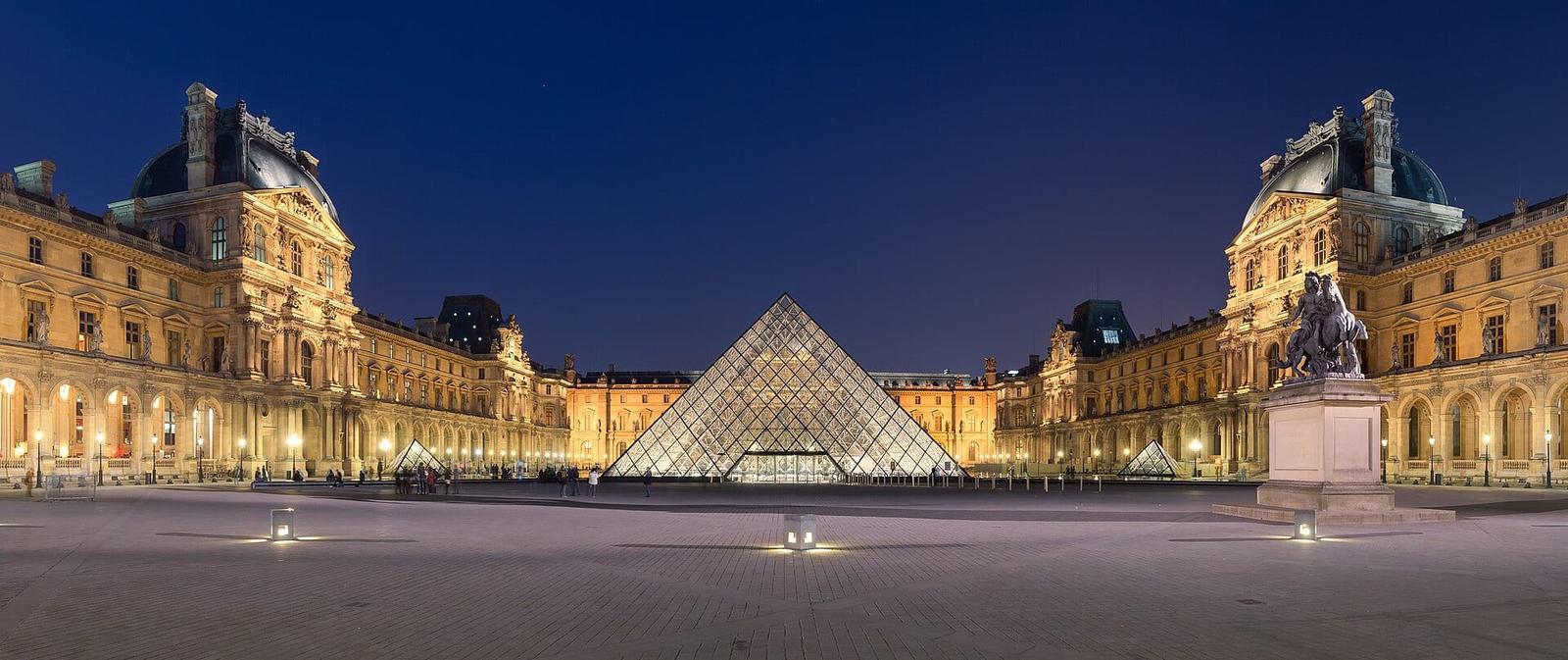
Here are the most visited places in France that you can get around in a wheelchair, according to their official website or tourist office. Many are new or renovated museums, but the list also includes the Sainte-Chapelle, the Pont d'Avignon and two replicas of decorated caves. At several of them, disabled visitors and their companion get in free.
The essentials
- Free with a companion at the Louvre, the Sainte-Chapelle, the Pont d'Avignon, the Matisse Museum in Nice, the Palais Galliera and the Maison de Victor Hugo. Otherwise the Louvre costs €22 for European residents.
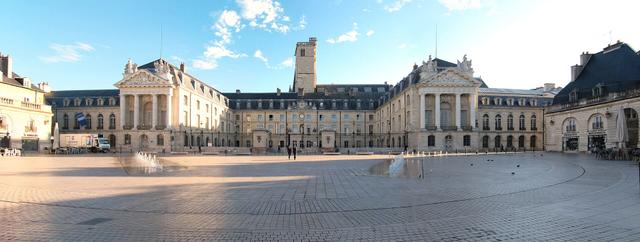
- Free for everyone at the Basilica of Fourvière, Mont Sainte-Odile and the Musée des Beaux-Arts in Dijon.
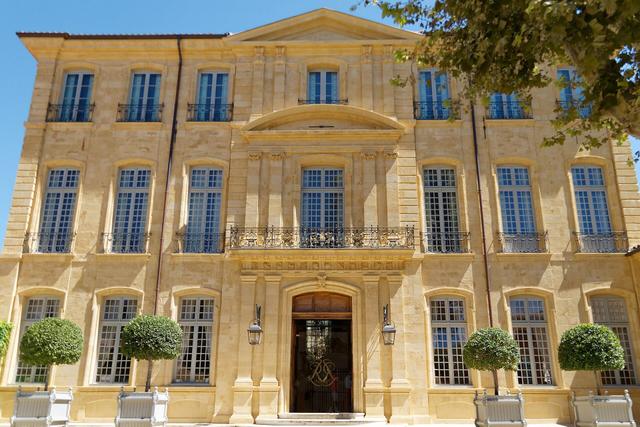
- Free wheelchair loans at the Musée des Confluences, the National Maritime Museum, the Cité internationale de la langue française and the Hôtel de Caumont.
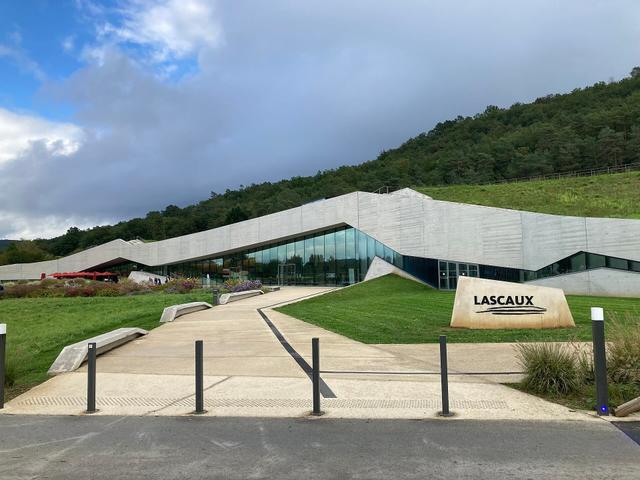
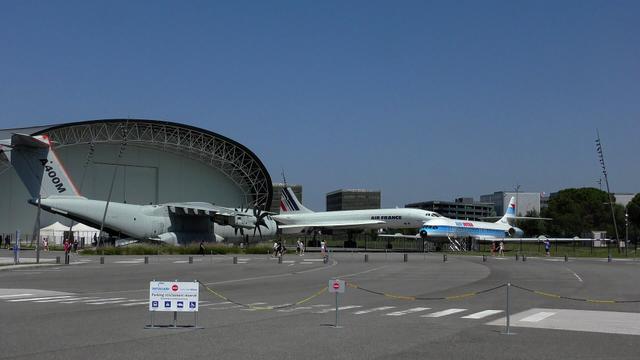
- Tourisme & Handicap label at Lascaux IV, the Maison de Victor Hugo, Aeroscopia and La Rochelle Aquarium.
- The document that gets you in free: the French mobility inclusion card (CMI) marked "invalidité" or "priorité", or its foreign equivalent. The parking card alone is not enough.
- Call before you go: one broken lift is enough to close a whole floor.
The 25 most visited wheelchair accessible monuments: the list
These places are ranked from most to least visited. Each card shows the lowest adult entry price and links to our page, where you will find the access details.
Partner links: if you book through these links, we earn a commission at no extra cost to you. Partner links · Learn more
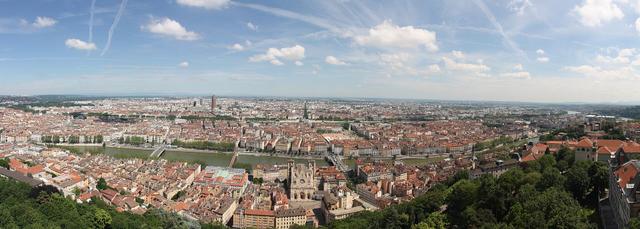
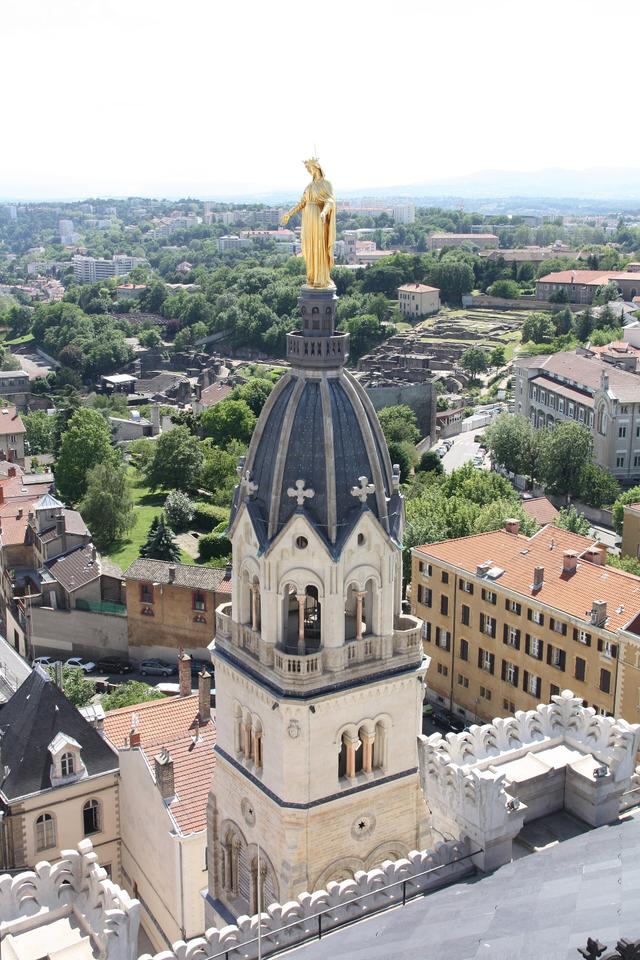
Basilica of Notre-Dame de Fourvière
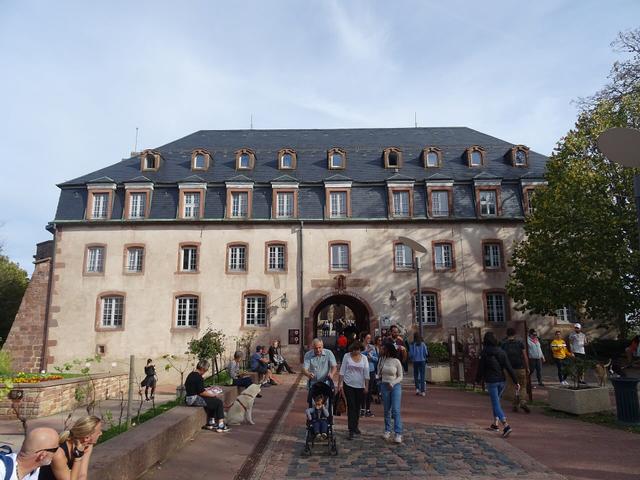
Lyon and BeaujolaisFree admission≈ 2 million visitors
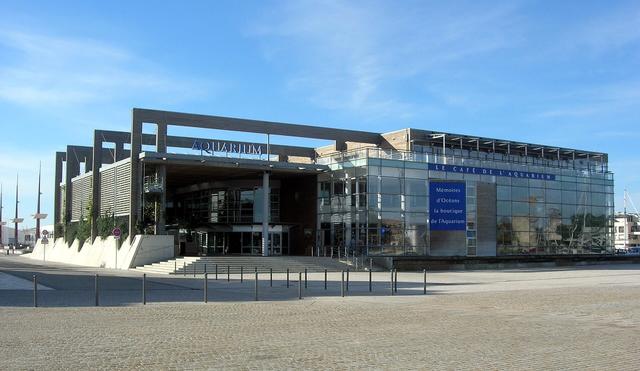
Tickets and tours ›La Rochelle Aquarium
Vendée, Poitou and CharentesAdmission €18.50≈ 800,000 visitors (2026)
Tickets and tours ›Chauvet Cave 2 (Grotte Chauvet 2)
Lyon and BeaujolaisAdmission €18348,400 visitors (2025)
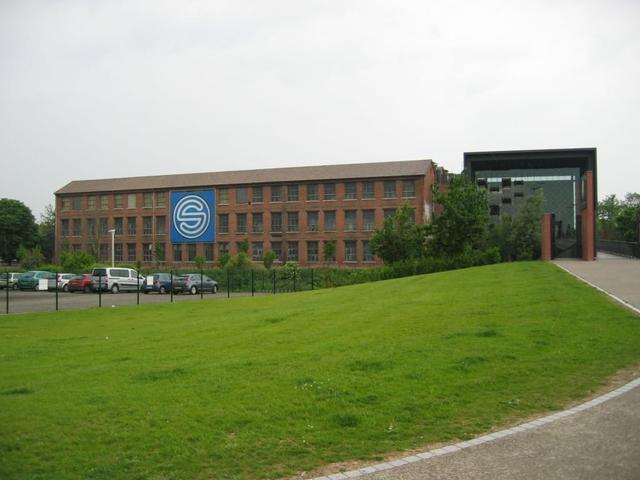
Tickets and tours ›Cité internationale de la langue française
Hauts-de-FranceAdmission €9≈ 260,000 visitors (2024)
Tickets ›
Visitor numbers: latest annual figure published by the site or its operator (year in brackets, ≈ for an estimate). Prices: lowest adult rate at the ticket office, checked between 29 October 2026 and 11 November 2026. The ranking updates every time the pages are checked.
How this ranking works
We include a place when its page says "wheelchair accessible" without reservation. This comes from the site's official website, its accessibility page, the tourist office or acceslibre, the French public accessibility directory. We only include heritage sites: monuments, châteaux, churches, abbeys, museums, memorials and gardens.
What is left out. Places that are only partly accessible: the Palace of Versailles, Chambord or the Eiffel Tower, for example, where part of the visit remains out of reach. That does not make them inaccessible, and we come back to them below. Places listed as not accessible, such as the abbey of Mont-Saint-Michel or the Palais des Papes, are also left out. Natural sites and leisure parks are treated separately too.
The order. The places are ranked by visitor numbers: the latest yearly figure published by the site, its town or the press. These figures do not all date from the same year, some are estimates, and figures from before 2015 are not used. A place with no known figure comes after the others.
The limits. "Accessible" does not mean everything is accessible. A tower, a terrace or a storeroom can stay closed to wheelchairs at a place ranked here. The list updates itself when a page changes.
What "accessible" means, place by place
The word covers very different situations. Before you set off, check what the place really offers.
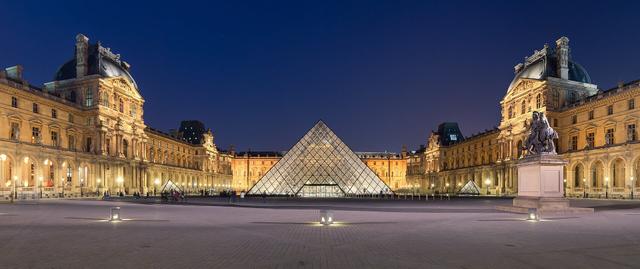
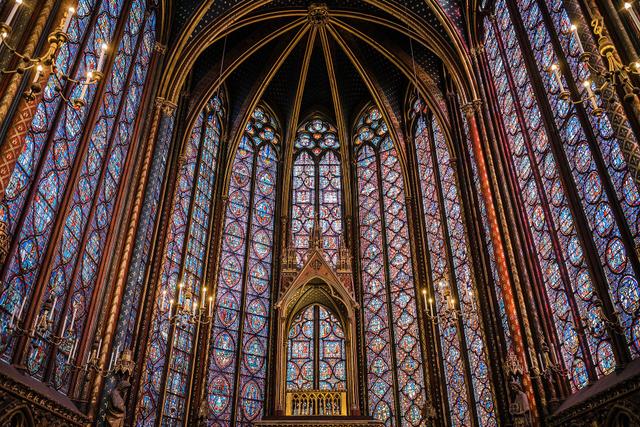
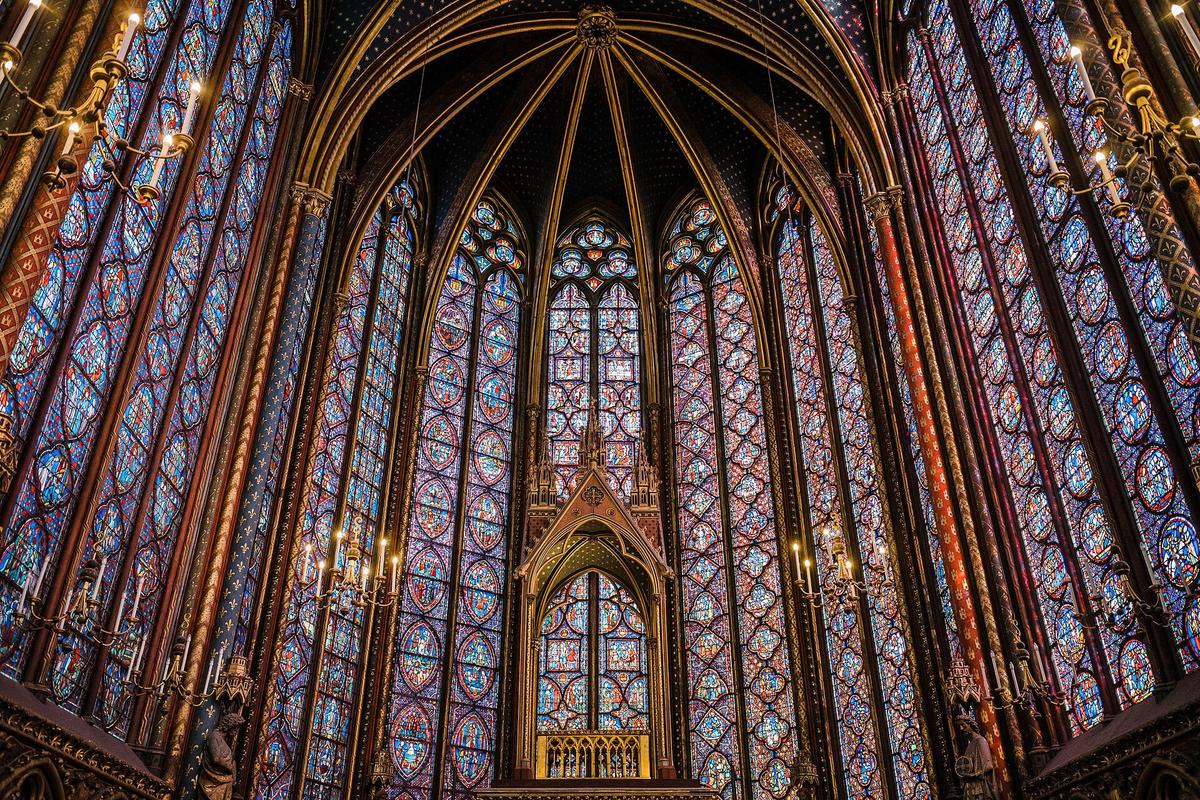
A lift, sometimes on request. At the Sainte-Chapelle, the upper chapel, the one with the great stained-glass windows, is at the top of a staircase. There is a lift, but you have to ask the staff for it. At the Louvre Museum, the cylindrical lift in the Pyramid goes straight down into the main hall; it is reserved for disabled visitors, people with reduced mobility and pushchairs. Use the blue priority line. At the Basilica of Notre-Dame de Fourvière, the lift is reached from the esplanade car park; the rooftop tour, with its steps, will not be accessible to you.
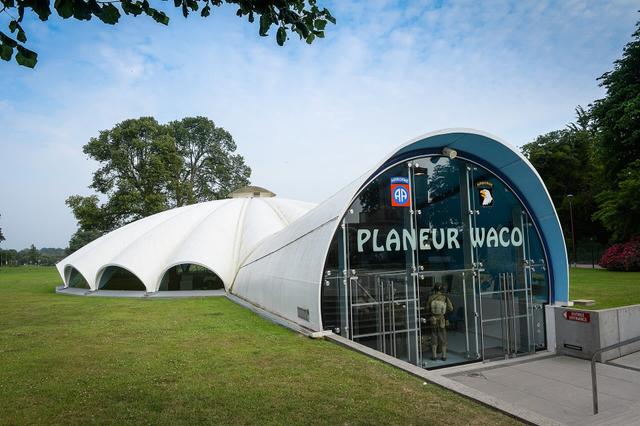
A step-free route. The Cité de l'Automobile, in Mulhouse, displays its cars in a single hall with no stairs. At the Airborne Museum, Sainte-Mère-Église, every building is step-free or fitted with ramps; only the platform in the C-47 building remains out of reach.
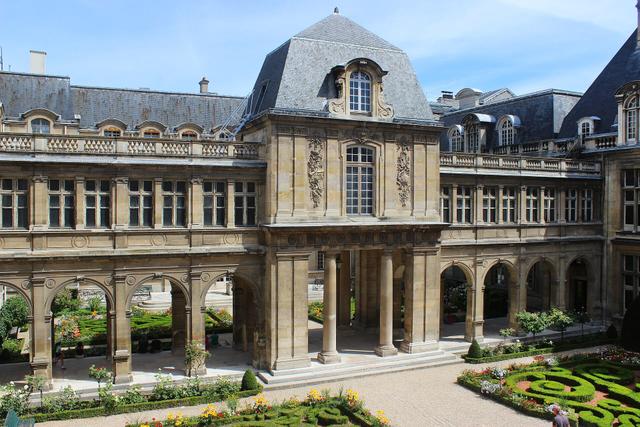
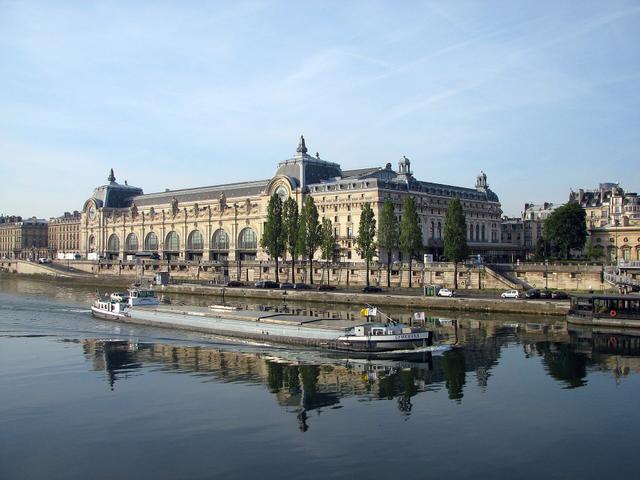
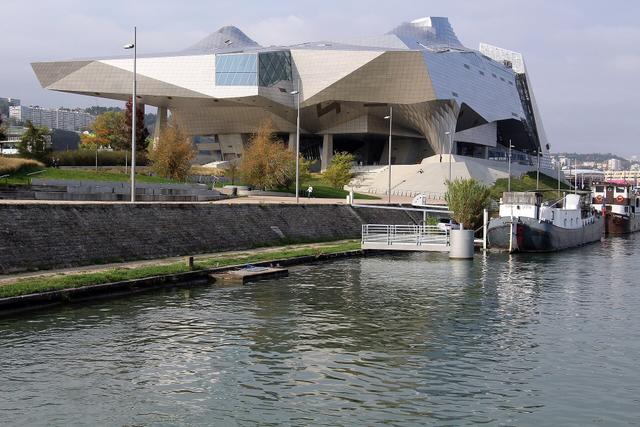
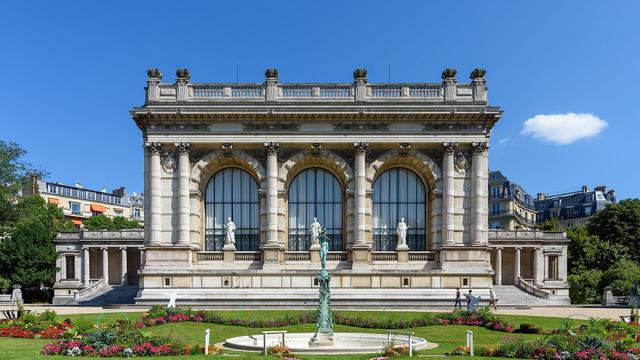
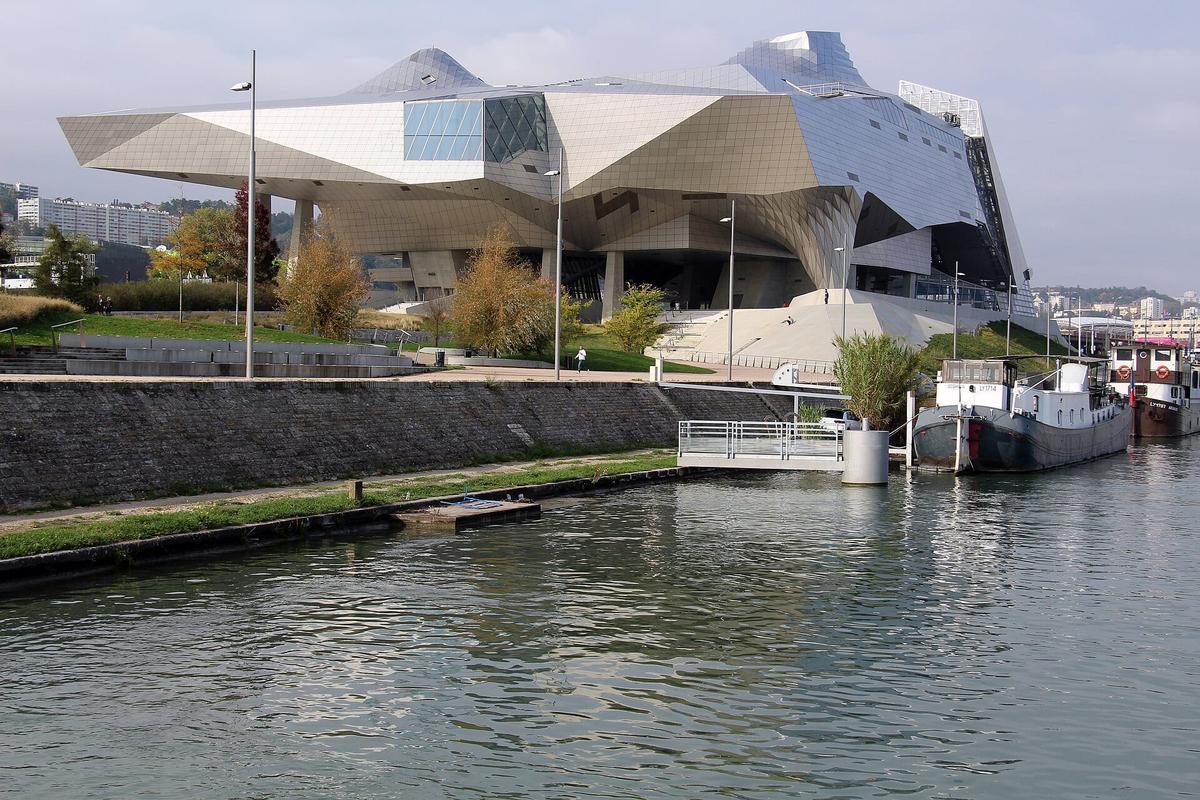
Wheelchairs lent on site. The Musée des Confluences lends wheelchairs and walking-stick seats at the cloakroom, and accepts electric wheelchairs. The National Maritime Museum, Paris also lends wheelchairs, free of charge. At the Caumont Centre d'Art (Hôtel de Caumont), two wheelchairs wait at reception, no booking needed. The Palais Galliera, Paris Fashion Museum also has two, but you must book them by phone on a weekday.
Reserved parking spaces. The Musée des Confluences has 3, under the overpass, and the National Maritime Museum's car park 3. At Fourvière, spaces are marked in front of the basilica, and the esplanade car park opens on request at the welcome pavilion.
Adapted toilets. They are signposted at the Cité de l'architecture and the Palais Galliera, and the Musée des Confluences has them on every floor served by a lift. Elsewhere, the site's page does not always say: ask when you call.
Free entry: for you, and often for your companion
At the monuments run by the Centre des monuments nationaux, which manages the Sainte-Chapelle, disabled visitors and their companion get in free. You must show a valid French mobility inclusion card marked "priorité" or "invalidité", or its foreign equivalent. The parking card alone does not give free entry. If you are visiting from abroad, bring an official document from your own country that states your disability.
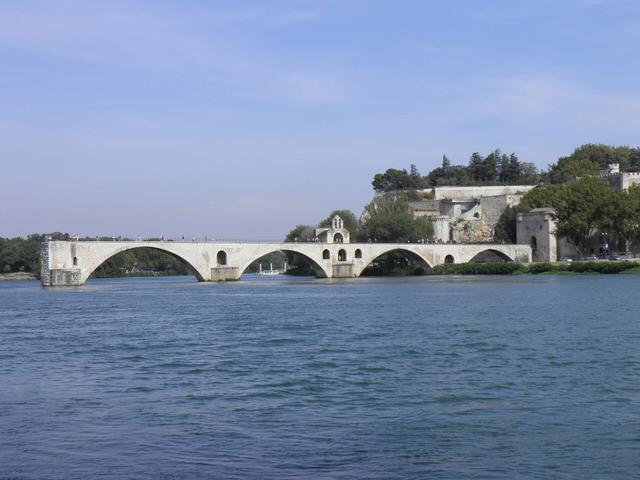
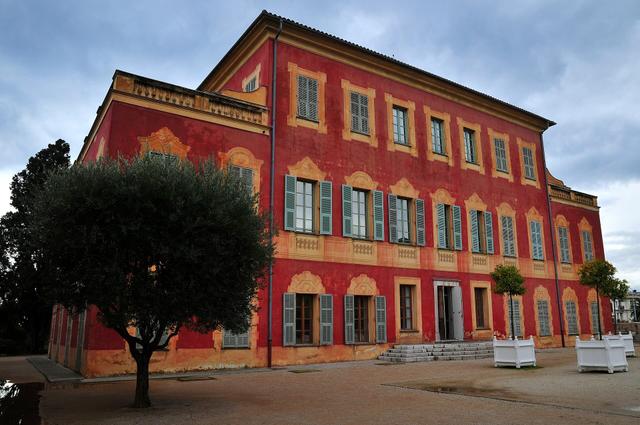
On the list, free entry for both the visitor and their companion applies in particular at the Louvre, the Sainte-Chapelle, the Pont d'Avignon (Pont Saint-Bénezet), the Cité internationale de la langue française, the Musée de l'Homme and the Matisse Museum Nice. At the Sainte-Chapelle, the saving is clear: the ticket otherwise costs €22, or €16 for European residents.
Elsewhere, the rules vary, and it is better to know them before you reach the ticket desk:
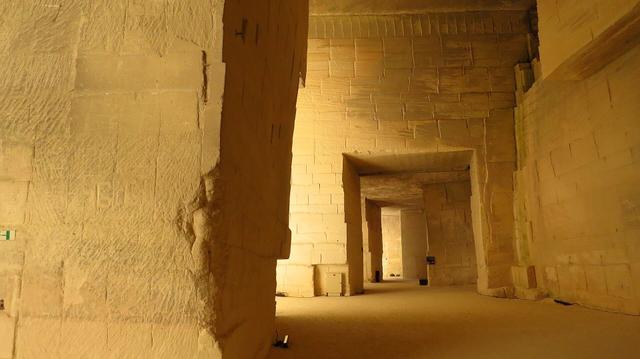
- Free for you, with no free entry announced for your companion at the Musée des Confluences and the Carrières des Lumières. At the Bassins des Lumières, your companion pays the reduced rate, €12.50.
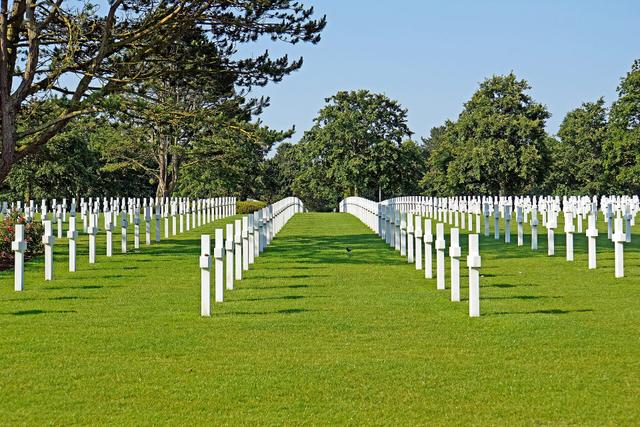
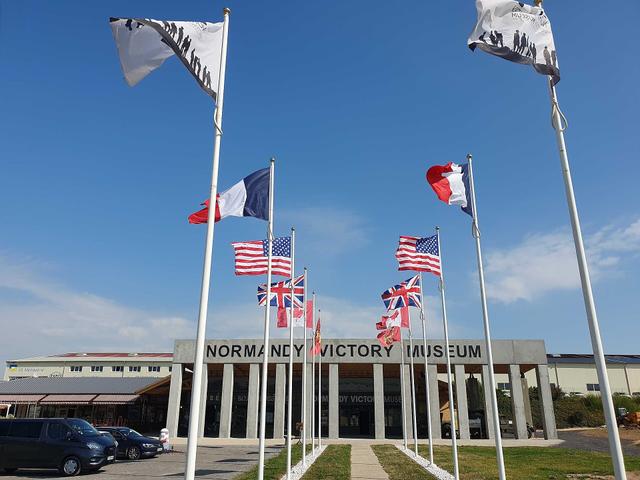
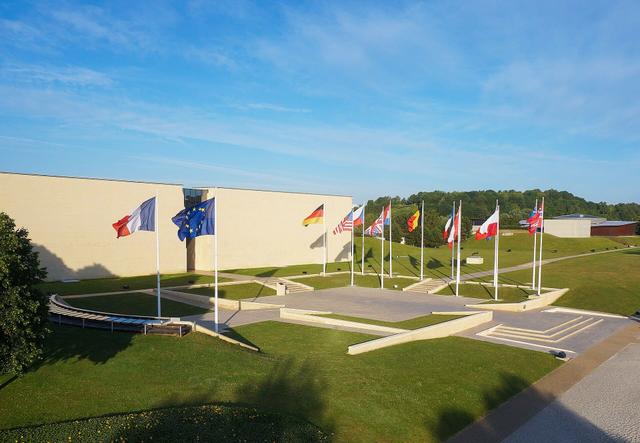
- Free for you, reduced for your companion at the Caen Memorial: €18.50 instead of €20.80.
- A reduced rate, not free entry at Lascaux IV (€22), the Airborne Museum (€8.50) or the Lyon Aquarium, which lists a disability rate of €12.50.
Keep your card with you: it is checked at the ticket control, even if you booked online. See also: Free monuments in France, Free entry for under-26s in France
The Tourisme & Handicap label: a useful guide
Tourisme & Handicap is a French national label. It covers four types of disability (mobility, visual, hearing and intellectual) and is awarded for five years. It looks at access to buildings and services, but also at how visitors are welcomed and informed. A place can be labelled for just one type of disability or for several: check which ones.
On the list, Lascaux IV, the Maison de Victor Hugo and Aeroscopia hold it for all four types. The La Rochelle Aquarium holds it for mobility, intellectual and hearing disabilities, with compliant lifts and induction loops at reception and on the audio guides.
A place without the label is not necessarily poorly equipped. The label requires an application that not every site makes. To check a specific point (door width, ramp slope, toilets), also look the place up on acceslibre, the French public accessibility directory, where each venue describes its entrance and facilities.
Calling before you go: the questions to ask
A page tells you what exists, not what is working on the day of your visit. A two-minute phone call saves a wasted trip. A few useful questions:
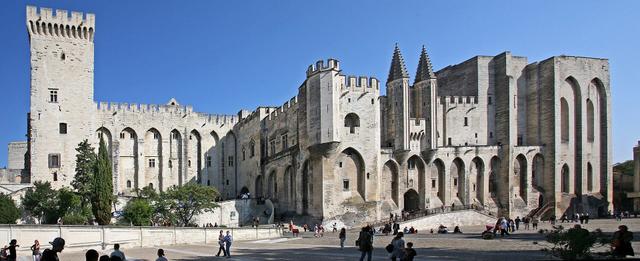
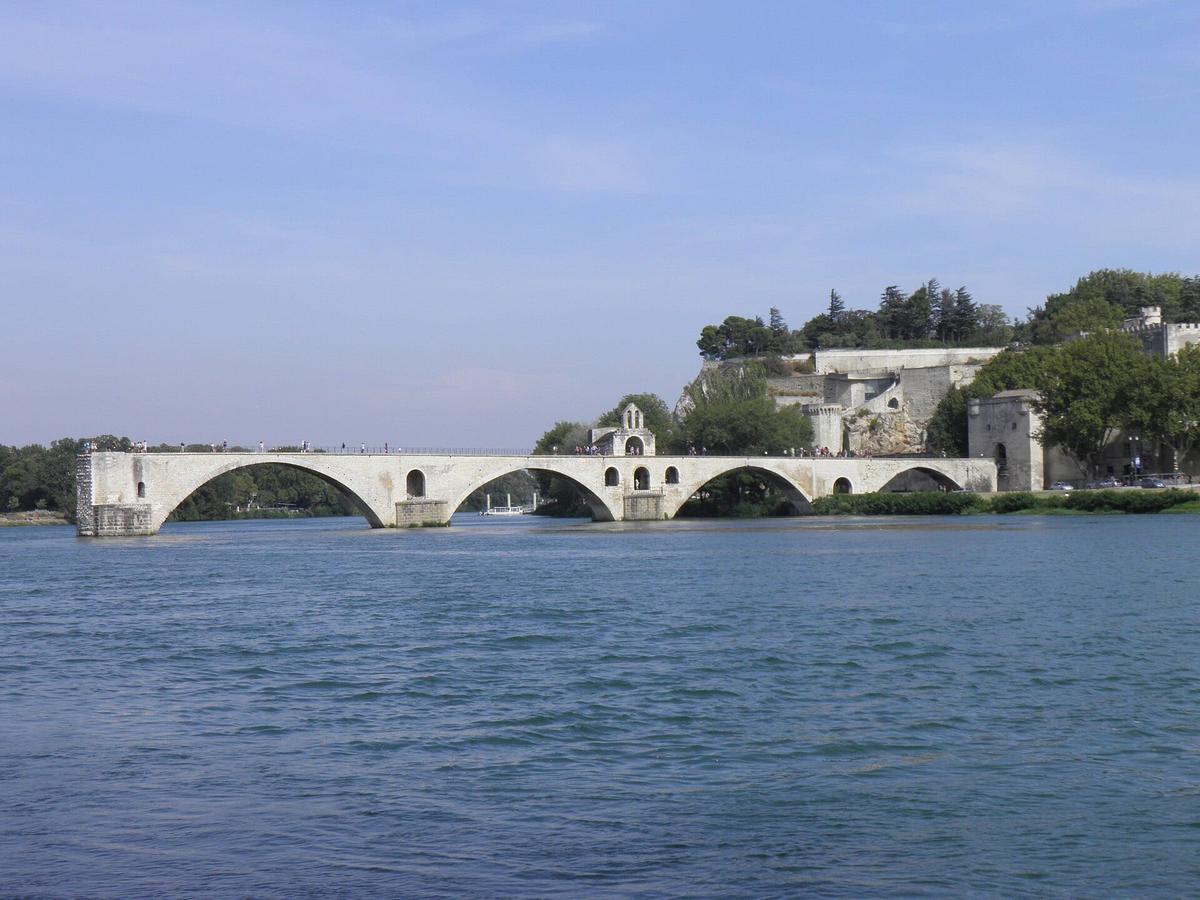
- Is the lift working? The Avignon tourist office suggests checking this for the bridge by calling +33 4 32 74 32 74. On the bridge itself, the deck has a smooth surface.
- Do you need to book the loan wheelchair? At the Palais Galliera, yes. At the Hôtel de Caumont, no.
- Which entrance should you use? At the Cité de l'architecture, the main entrance has seven steps with a handrail; the lift is at the entrance at 45 avenue du Président-Wilson, with help from a security guard.
- Is part of the site closed to wheelchairs? At the Caen Memorial, ask about access to the bunker below the museum. At the Airborne Museum, which does not mention wheelchair loans, call +33 2 33 41 41 35.
Two places on the list deserve a special mention, because few people imagine a decorated cave being wheelchair accessible. At Chauvet Cave 2 (Grotte Chauvet 2), the official website says the whole route, cave included, is accessible by wheelchair and pushchair. Lascaux IV, another replica, holds the label for all four types of disability. See also: Dordogne in 3 days
Big sites that are partly accessible, or difficult
These places are not on the list, but many are still a great visit if you know what to expect.
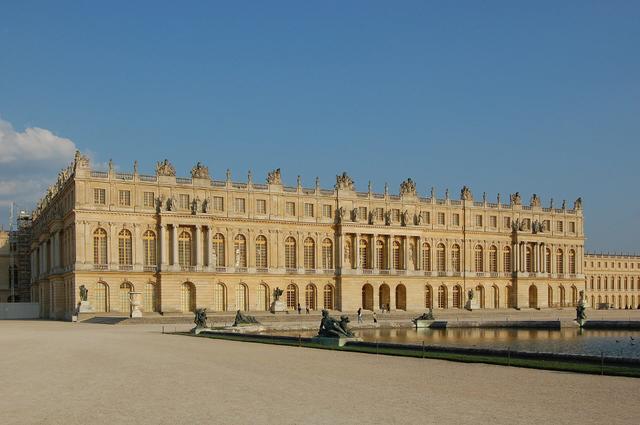
At the Palace of Versailles, manual wheelchairs are lent free of charge for the palace visit, and disabled visitors get in free with a companion. At the Trianon, only the garden level of the Petit Trianon is accessible.
At the Château de Chambord, the ground floor, the ticket office, the toilets and the formal French gardens are reached by a ramp. An adapted HistoPad shows the upper floors in pictures.
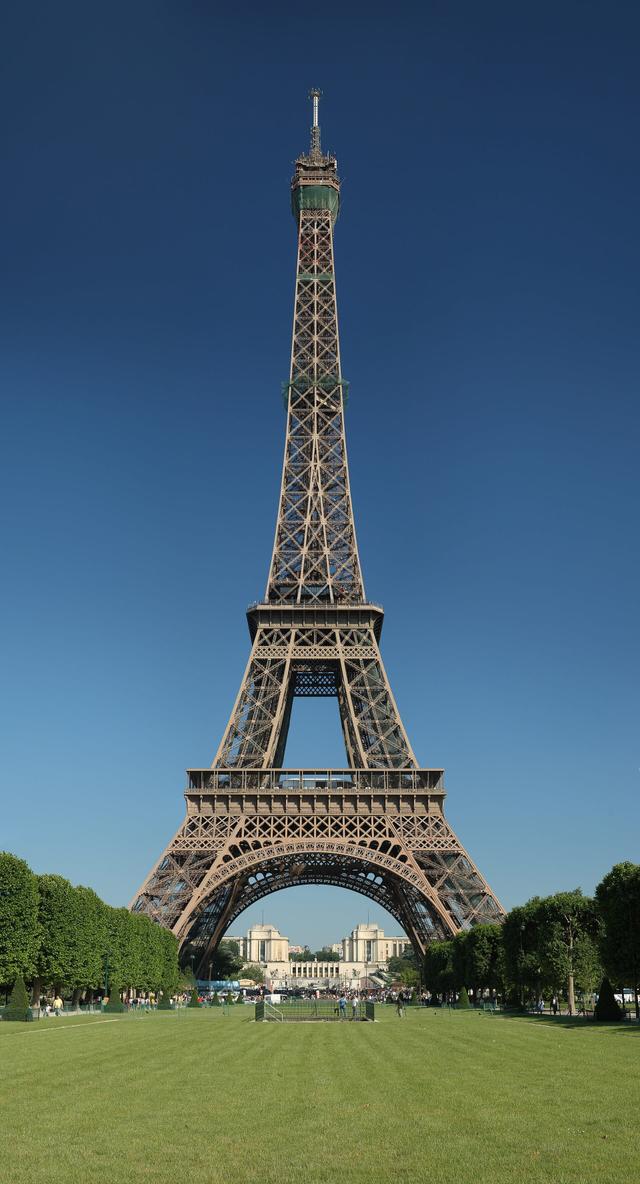
At the Eiffel Tower, the 1st and 2nd floors can be reached by lift; the top cannot.
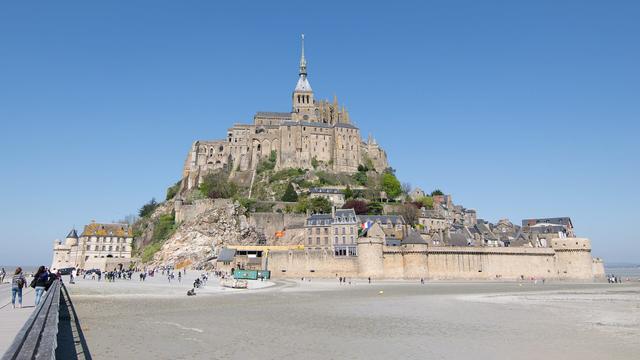
At Mont-Saint-Michel, the official website describes access to the abbey as "very difficult". The shuttles, however, have ramps and two wheelchair spaces, and car park P2 is reserved for disabled visitors. See also: Most visited monuments in France, Most visited castles in France
FAQ
Is the Louvre wheelchair accessible?
Yes. Use the blue line at the Pyramid: the cylindrical lift goes down into the main hall. Entry is free for disabled visitors and their companion.
What proof do you need to get in free?
At national monuments, a valid French mobility inclusion card marked "invalidité" or "priorité", or its foreign equivalent. The parking card alone is not enough.
Does the companion of a disabled visitor pay?
Not at the Louvre, the Sainte-Chapelle or the Pont d'Avignon. Elsewhere, it depends: at the Caen Memorial, they pay the reduced rate, €18.50.
Can you borrow a wheelchair on site?
Yes, at several places: the Musée des Confluences, the National Maritime Museum, the Cité de l'architecture (in exchange for an ID document) and the Palace of Versailles. At the Palais Galliera, you need to book.
Is the Sainte-Chapelle wheelchair accessible?
Yes. Ask the staff for the lift up to the upper chapel. Entry is free for you and your companion.
What is the Tourisme & Handicap label?
A French national label awarded for five years, for one or more of the four types of disability: mobility, visual, hearing and intellectual.
Tickets to book online
Partner links: if you book through these links, we earn a commission at no extra cost to you. Partner links · Learn more
Related guides