Alsace in 3 days: an itinerary from Strasbourg to Colmar
Three days are enough to see the heart of Alsace: one day in Strasbourg, one day on the wine route as far as Haut-Koenigsbourg Castle, and one day between the wine villages and Colmar. Here is the order of visits, driving times, where to stay, the cost of tickets, and two variants: without a car, and in December during the Christmas markets.
The short version
- Day 1: Strasbourg on foot, the cathedral in the morning, Petite France in the afternoon. Night in Strasbourg.
- Day 2: Obernai, Haut-Koenigsbourg Castle, Riquewihr. Night in Colmar.
- Day 3: Kaysersberg, Eguisheim, Colmar and the Unterlinden Museum. Night in Colmar or head home.
- Driving: about 2 h 30 in all over days 2 and 3, not counting stops.
- Without a car: possible by train and bus, at a slower pace.
- In December: the Christmas markets change everything: dates, shuttles, crowds and hotel prices.
The itinerary at a glance
The route runs from north to south, from Strasbourg to Colmar, along the wine route. You never double back and you only change hotels once.
| Day | Visits | Driving (approx.) | Night |
|---|---|---|---|
| 1 | Strasbourg | on foot and by tram | Strasbourg |
| 2 | Obernai, Haut-Koenigsbourg, Riquewihr | 1 h 45 | Colmar |
| 3 | Kaysersberg, Eguisheim, Colmar | 45 min | Colmar |
Driving times are a guide only, without traffic. You do not need a car on day 1: pick it up on the morning of day 2, or leave it at a park-and-ride.
How many days do you need in Alsace?
Three days cover the main sights: Strasbourg, Colmar, two or three villages and the castle. With four days, add Mont Sainte-Odile, the Ecomusée d'Alsace open-air museum or a day hiking in the Vosges. With two days, keep Strasbourg and Colmar, and just one village in between. See also: Alsace
Day 1: Strasbourg, the cathedral and Petite France
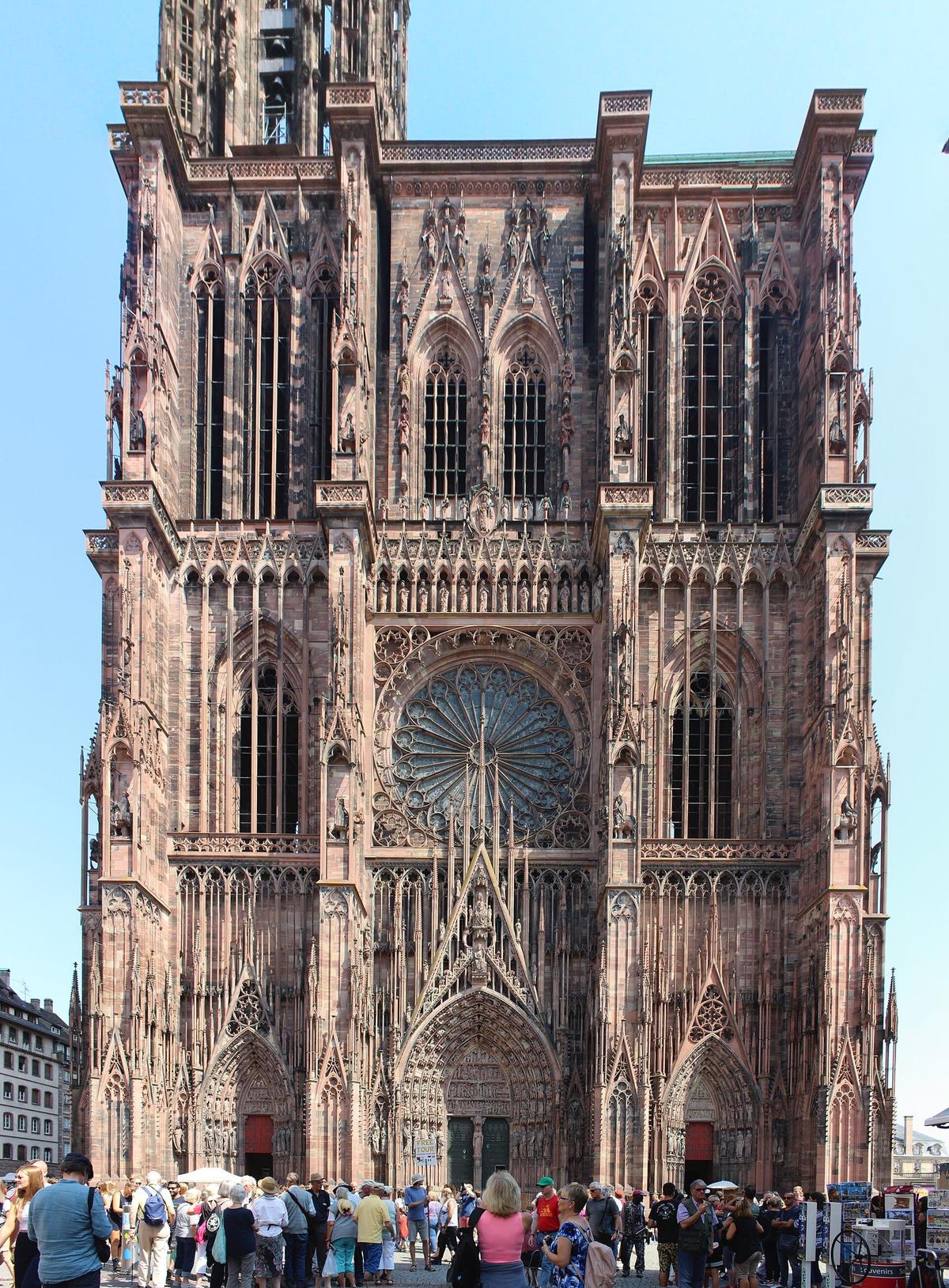
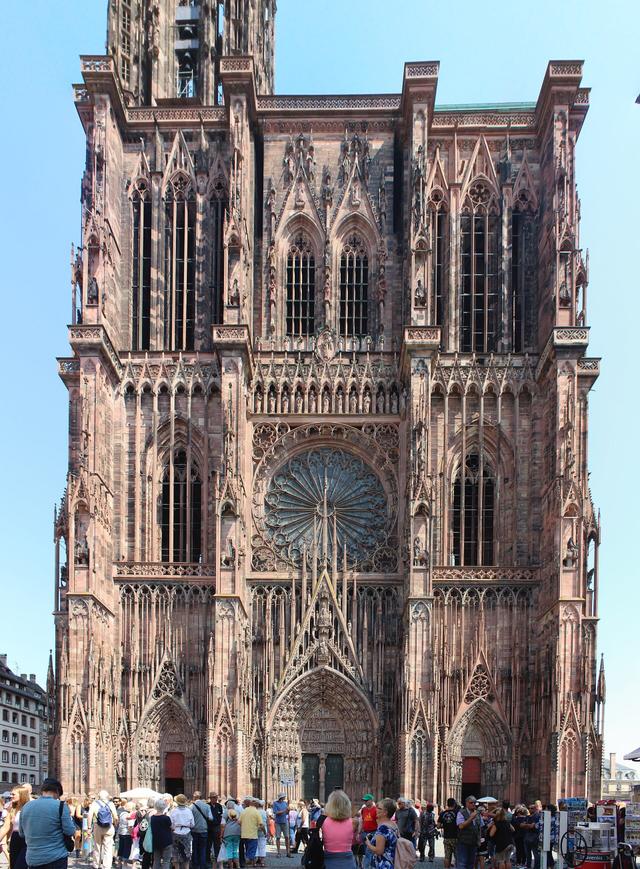
8.30 am: the cathedral at opening time. Entry is free. On weekdays it opens 8:30 – 11:15 then 12:45 – 17:45, and on Sundays 14:00 – 17:15. Early in the morning the nave is quiet and the light comes through the great rose window. See also: Strasbourg Cathedral
10 am: the viewing platform. You climb 330 steps to a height of 66 metres, from the entrance on Place du Château. It opens 10:00 – 18:00 in winter and 9:30 – 20:00 in summer. On a clear day you can see the Black Forest on one side and the Vosges on the other.
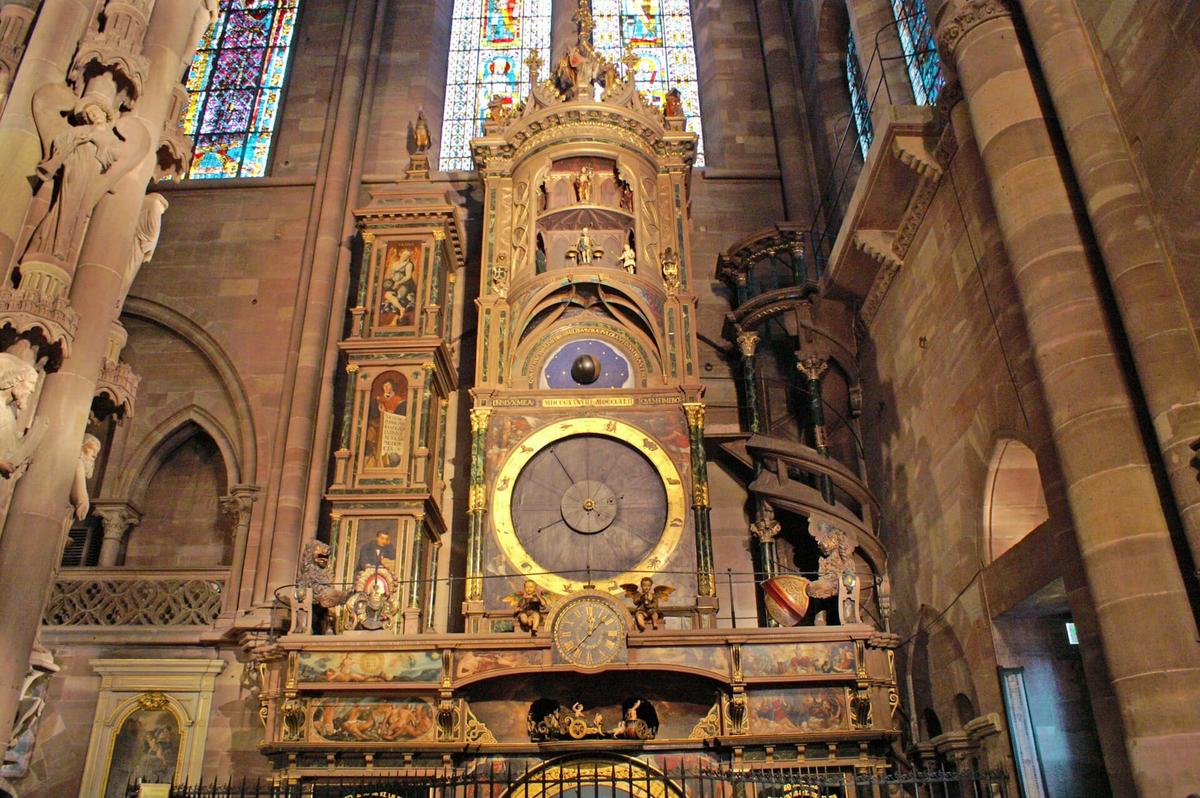
12.30 pm: the astronomical clock. The parade of the apostles takes place at 12:30, after a film at 12:00. There is a charge to get in at that time, and the queue forms before noon. Buy your ticket when you arrive in the morning.
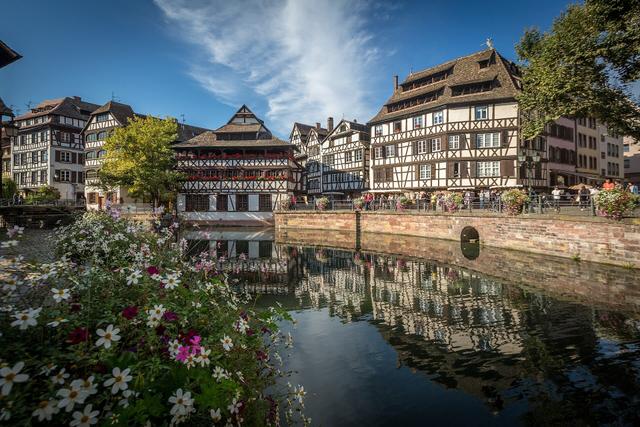
2.30 pm: Petite France. Ten minutes' walk away, this old quarter of tanners, millers and fishermen keeps its half-timbered houses along the River Ill. Go via the Ponts Couverts, then climb onto the Vauban Dam: its free terrace has the best view of the towers and canals.
4.30 pm: a boat trip or the Neustadt. Batorama runs a commented loop of about 70 minutes on the Ill, from the Palais Rohan. Otherwise, walk to Place de la République, in the heart of the district the Germans built after 1871. See also: Things to do in Strasbourg
Our tip: do not drive into the Grande-Île. The park-and-ride car parks (P+R) on the edge of town include a return tram ticket for every passenger.
Did you know? Petite France owes its name to a hospice founded in 1503 to treat soldiers of Charles VIII suffering from syphilis, which the people of Strasbourg called the "French disease". And the cathedral spire, 142 metres high, made the building the tallest in the world from 1647 to 1874.
Day 2: Obernai, Haut-Koenigsbourg and Riquewihr
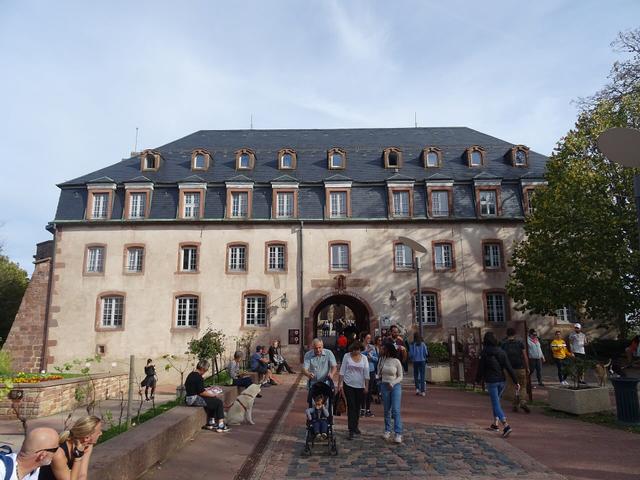
9 am: leave Strasbourg for Obernai, about 30 minutes via the A35 and the Molsheim road. Park in one of the car parks around the ramparts. Place du Marché, the belfry and the six-bucket well take about an hour. On Thursday mornings, the market sets up along the ramparts. See also: Things to do in Obernai
Variant: if you like viewpoints, drive up to Mont Sainte-Odile, about twenty minutes from Obernai. Allow an extra hour. See also: Mont Sainte-Odile
11 am: drive to Haut-Koenigsbourg, about 40 minutes, via Sélestat and the A35 exit signposted for the castle. The car park has about 150 spaces, 300 metres from the entrance, and it overflows along the road in summer. Arrive before noon or after 3 pm.
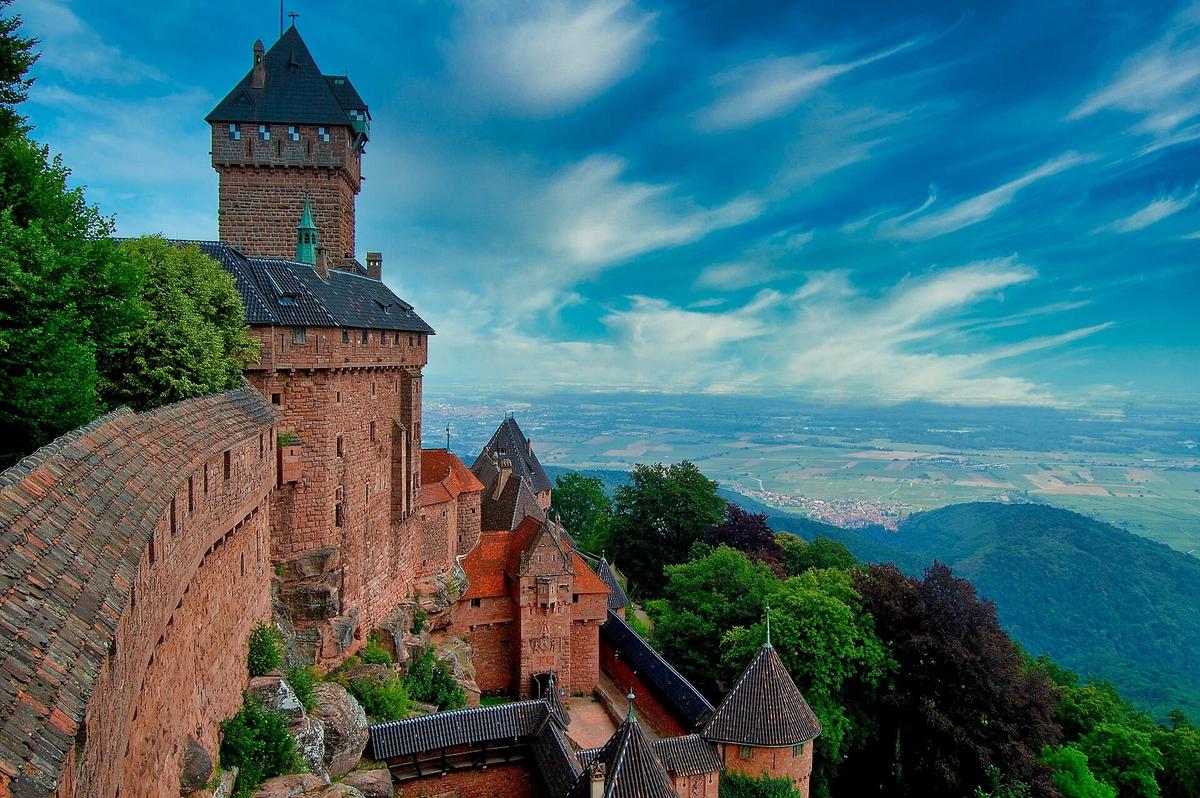
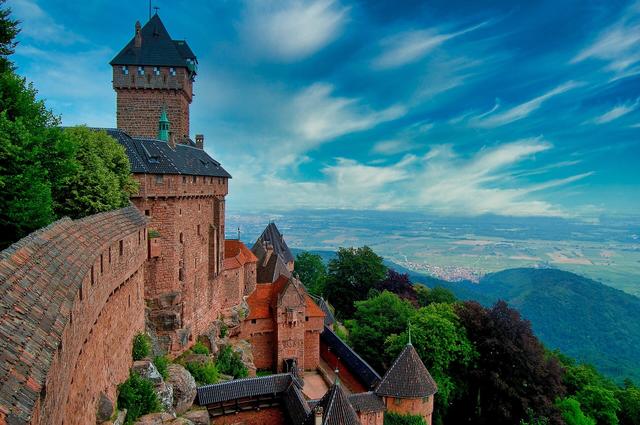
12 pm: the castle. Perched at 757 metres, it takes about two hours to visit, with nearly 300 steps. What you see is a reconstruction: Alsace was German when Emperor Wilhelm II had the ruins rebuilt, from 1901 to 1908. Jean Renoir filmed the outdoor scenes of La Grande Illusion here in 1937. There is a restaurant and a picnic area on site. See also: Haut-Koenigsbourg Castle
Careful in winter: from November to March, the castle closes at 17:00 with a break at 12:00 – 13:00. Arrive in the morning, or you will lose an hour.
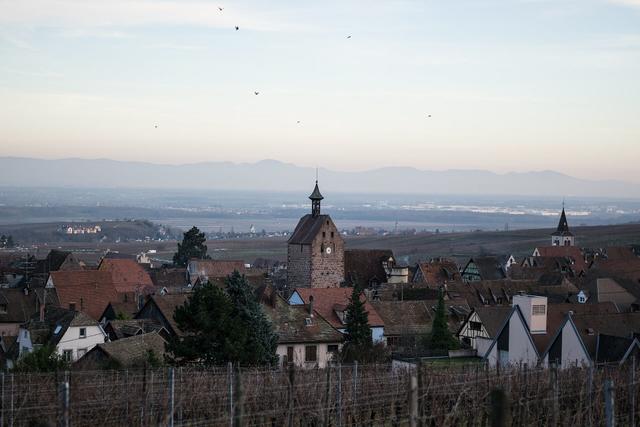
3.30 pm: Riquewihr, about twenty minutes away. The centre is for walking: leave the car at the paying Vignoble car park, at the entrance to the village. Walk up the main street to the Dolder gate tower, then wander through the quieter side streets. By late afternoon the coaches have gone. See also: Things to do in Riquewihr
6 pm: drive to Colmar, about 20 minutes. Have dinner in the old town.
Sélestat, between Obernai and the castle, is worth a stop if you have an extra half-day, for its Humanist Library and its churches. See also: Things to do in Sélestat
Day 3: Kaysersberg, Eguisheim and Colmar
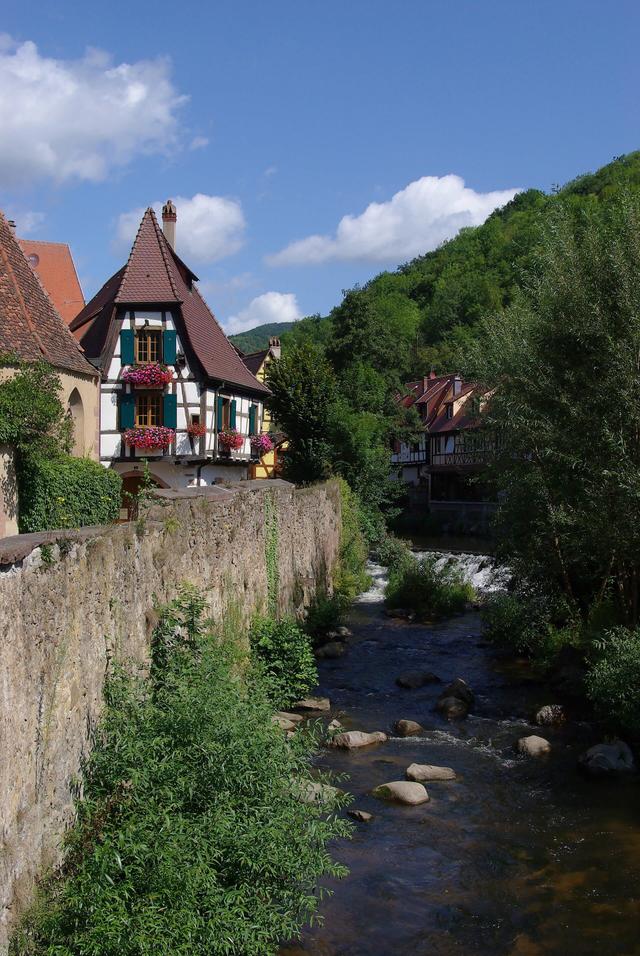
9 am: Kaysersberg, about 15 minutes from Colmar. Walk up to the castle ruins for the view over the rooftops and the vineyards, then cross the fortified bridge over the Weiss. Albert Schweitzer was born here in 1875, and his birthplace is open to visitors. See also: Things to do in Kaysersberg
11 am: Eguisheim, about 25 minutes away. The village is built in circles around its castle. Walk round it along Rue du Rempart, which follows the old moat: it is the most photographed walk in the village, and it takes less than an hour. Have lunch there, about ten minutes from Colmar.
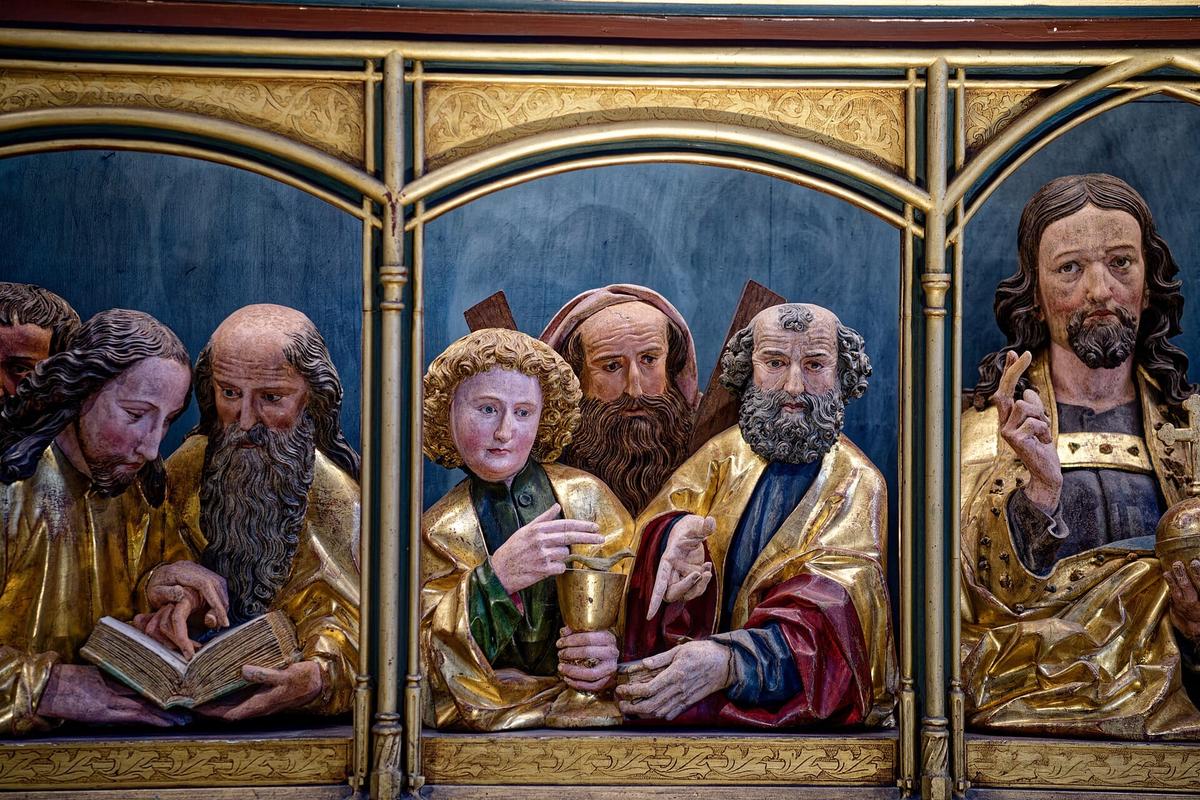
2 pm: the Unterlinden Museum in Colmar. It opens 9:00 – 18:00, except on Tuesdays, when it is closed. The Isenheim Altarpiece, painted by Grünewald from 1512 to 1516, is on display in the chapel of the former convent. Allow two hours. If your day 3 falls on a Tuesday, swap things round: see Colmar on the Monday, or save the museum for another time. See also: Unterlinden Museum
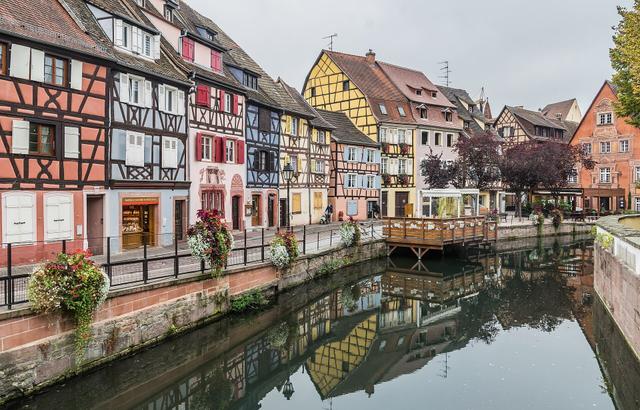
4.30 pm: the old town. From the Maison des Têtes to the Koïfhus, then the Tanners' quarter and Little Venice, along the River Lauch. Colmar is the birthplace of Frédéric Auguste Bartholdi, born in 1834, the sculptor of the Statue of Liberty: his museum is in the house where he was born, and a replica of the statue greets cars at the northern entrance to the town. See also: Things to do in Colmar
Getting back: Strasbourg is about 50 minutes away on the A35. By train, it takes about half an hour.
How much do tickets cost?
Prices checked on 29 October 2026 for Strasbourg and on 4 November 2026 for Haut-Koenigsbourg:
| Site | Adult | Child |
|---|---|---|
| Strasbourg Cathedral | free | free |
| Cathedral viewing platform | €10 | €6 (ages 6 to 18) |
| Astronomical clock | €2 | €1.50 (ages 6 to 18) |
| Haut-Koenigsbourg | €12 | €8 (ages 6 to 17) |
| Unterlinden Museum | €14 | €9 (ages 12 to 17), free under 12 |
| Wine villages | free | free |
For families, Haut-Koenigsbourg has a ticket at €30 for up to four people, including two adults. The Unterlinden Museum also has a family price of €36. The real costs are elsewhere: village car parks, which charge in season, and your hotel.
Where to stay for 3 days in Alsace
Night 1, Strasbourg. Stay on the Grande-Île or near the station, where the tram takes you into the centre. If you already have the car, choose a hotel with parking: the centre is hard going by car.
Nights 2 and 3, Colmar. It is the best base for the wine route: most villages are less than 30 minutes away. A hotel with parking outside the old town saves you from closed streets and full car parks. For somewhere quieter, Riquewihr, Kaysersberg and Eguisheim have B&Bs, but everything closes early in the evening.
Partner links: if you book through these links, we earn a commission at no extra cost to you. Partner links · Learn more
Do you need a car in Alsace?
For this itinerary, yes, it is simpler: the villages, the castle and the site car parks are designed for drivers, and you fit in three stops a day. The most practical option is to pick up the car in Strasbourg on the morning of day 2, at the station or the airport, and drop it off in Colmar or Strasbourg. Compare the price of a one-way rental to another town: it often costs more.
Alsace in 3 days without a car
Strasbourg, Obernai, Sélestat and Colmar are on the same railway line. SNCF Connect lists 28 trains a day between Strasbourg and Colmar, taking 26 minutes for the fastest, and as many between Strasbourg and Obernai, in 30 to 40 minutes (timetables checked on 11 November 2026). The plan becomes:
- Day 1: Strasbourg on foot and by tram. Night in Strasbourg.
- Day 2: train to Obernai in the morning, then train to Sélestat. From Sélestat station, the Fluo shuttle bus, line 500, goes up to Haut-Koenigsbourg: €6 return, and the ticket gets you the reduced price at the castle. It does not run every day: check the dates on fluo.grandest.fr. Train to Colmar in the evening.
- Day 3: from Colmar, Fluo 68 buses go to Riquewihr (line 68R016, towards Ribeauvillé) and Eguisheim (line 68R030, towards Rouffach). Services are infrequent, especially on Sundays: note the time of the last bus back. In the afternoon, Colmar and the Unterlinden Museum on foot.
Kaysersberg is harder to reach without a car outside the Christmas shuttles. A day trip to the wine villages from Strasbourg or Colmar saves you the connections.
Alsace in 3 days in December
In December, the same itinerary takes you through the Christmas markets. Here is what changes:
- Strasbourg: the market is open from 27 November to 24 December 2026, and closes at 6 pm on the last day. The Grande-Île is closed to cars during market hours, with checks on the bridges. Come on a weekday: Saturdays are packed from 1 pm.
- The villages: Riquewihr and Kaysersberg close their markets on 20 December, and Kaysersberg only opens Friday to Sunday. Eguisheim and Obernai stay open until 30 December, with some closing days around Christmas.
- The Christmas shuttles leave from Colmar station from 27 November to 20 December 2026, for Kaysersberg, Riquewihr, Ribeauvillé and Eguisheim. Tickets are sold online only, in limited numbers: often a better option than the car, since parking is scarce.
- Haut-Koenigsbourg decorates its rooms from 22 November 2026 to 3 January 2027. Remember the lunch break and the closing time of 17:00.
- Colmar: spend your evening there. The markets stay open later at weekends, and the lights in the old town are the best moment of the day.
- Hotels are full and expensive at weekends during Advent. Book in the autumn, or travel Monday to Thursday.
The best order in December: Strasbourg on a weekday, the villages on a Friday (when Kaysersberg is open) and Colmar in the evening. Dates, opening hours, shuttles and park-and-rides for each market are in our guide. See also: Alsace Christmas markets, French châteaux at Christmas
Rainy day or family variant
If it rains: Haut-Koenigsbourg is mostly an indoor visit, and the Unterlinden Museum and the cathedral keep you dry. In Strasbourg, the Alsatian Museum and the Historical Museum are free for under-18s. Save the villages for when it clears up.
With children: near Haut-Koenigsbourg, the Volerie des Aigles birds of prey park and the Montagne des Singes monkey park are about fifteen minutes' drive away. An extra half-day is enough. In Strasbourg, children like Petite France with its lock and its swing bridge. See also: Volerie des Aigles, Montagne des Singes (Monkey Mountain)
FAQ
Are three days enough to visit Alsace?
Yes, for the main sights: Strasbourg, Colmar, Haut-Koenigsbourg and three or four villages on the wine route. The Vosges, Mulhouse and the open-air museum need extra days.
In what order should you visit Alsace?
From north to south: Strasbourg first, then the wine route via Obernai, Haut-Koenigsbourg and the villages, and Colmar to finish. You only change hotels once.
Where should you stay to visit the wine route?
In Colmar. Most villages are less than 30 minutes away, and the train takes you back to Strasbourg in half an hour.
Can you visit Alsace without a car?
Yes. Trains link Strasbourg, Obernai, Sélestat and Colmar, a shuttle bus goes up to Haut-Koenigsbourg from Sélestat, and buses run from Colmar to Riquewihr and Eguisheim. It is slower, and buses are rare on Sundays.
Which is the prettiest village in Alsace if you are short on time?
Riquewihr for its façades and vineyards, Eguisheim for its circular streets, Kaysersberg for its castle and river. All three fit into this itinerary.
Is the Unterlinden Museum open every day?
No, it is closed on Tuesdays. It opens 9:00 – 18:00 on other days, and closes on a few public holidays.
Tickets to book online
Partner links: if you book through these links, we earn a commission at no extra cost to you. Partner links · Learn more
Monuments in this article


Related guides