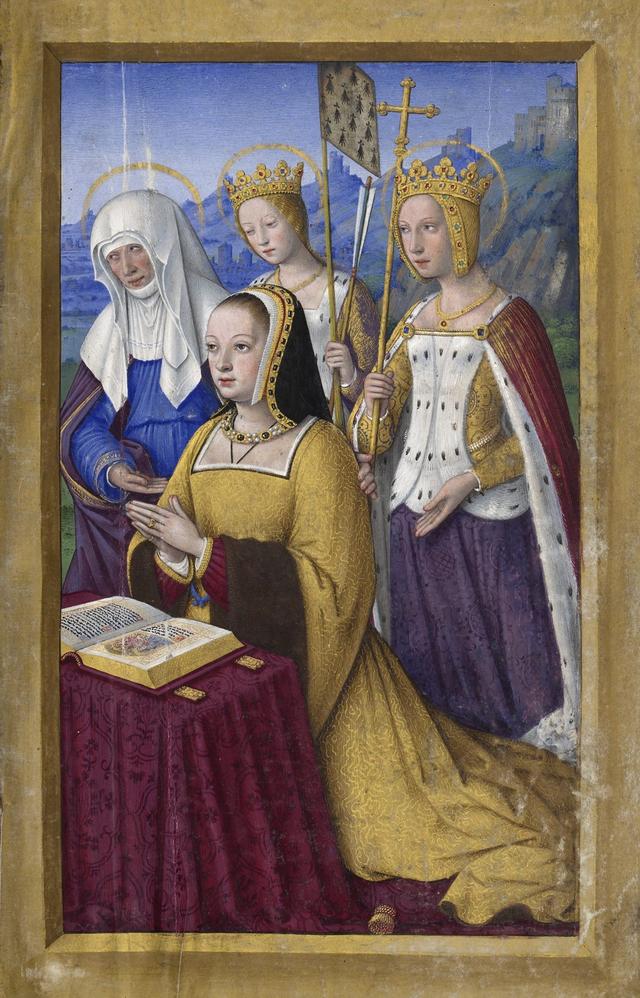
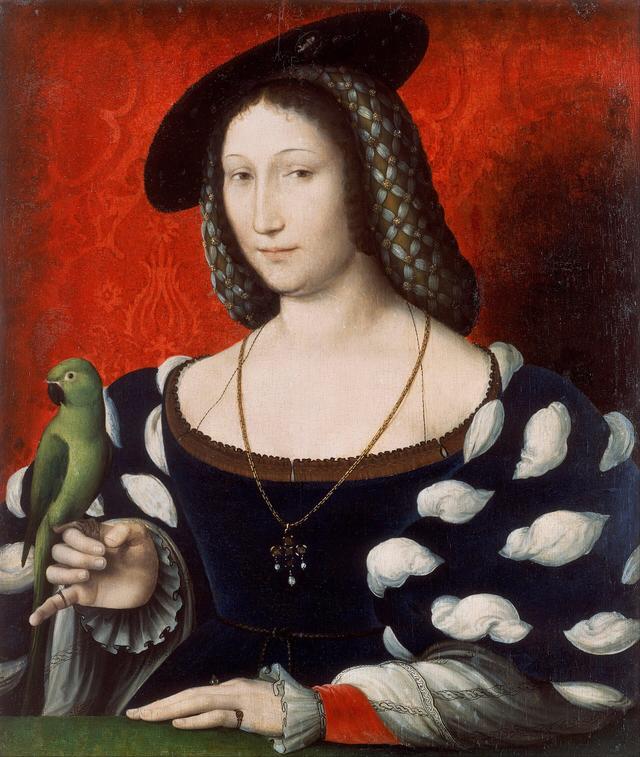
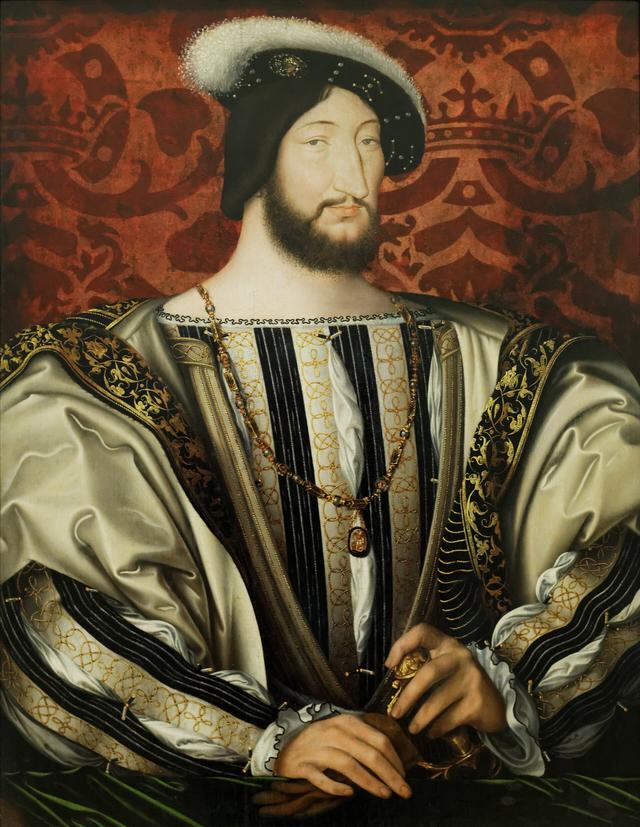
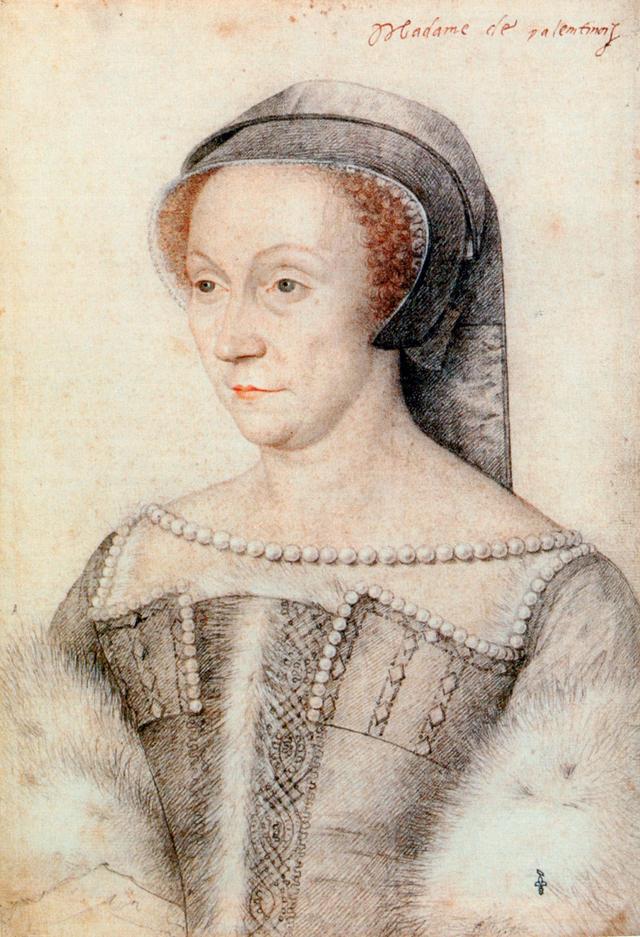
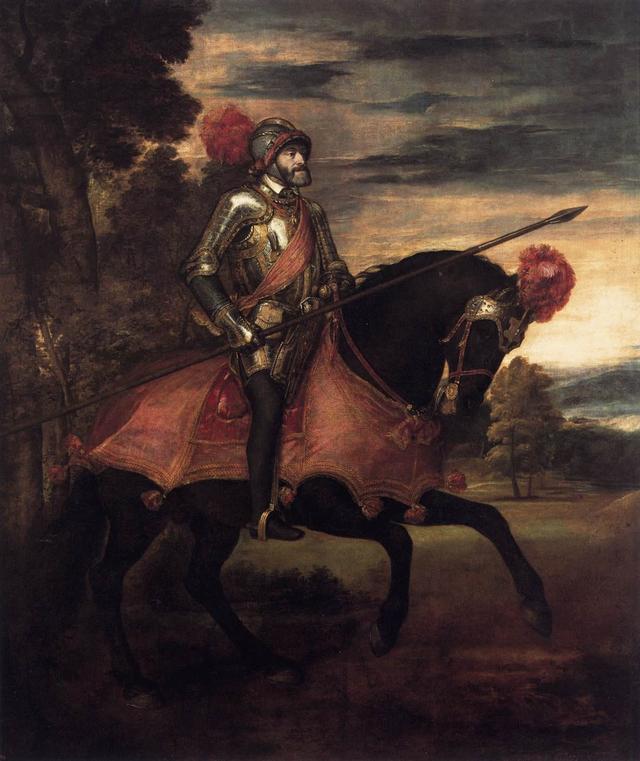
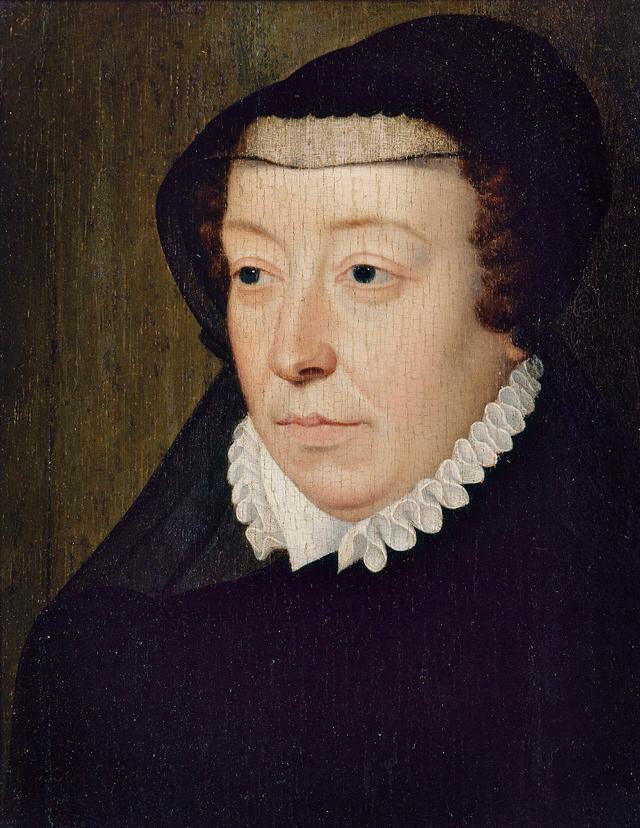
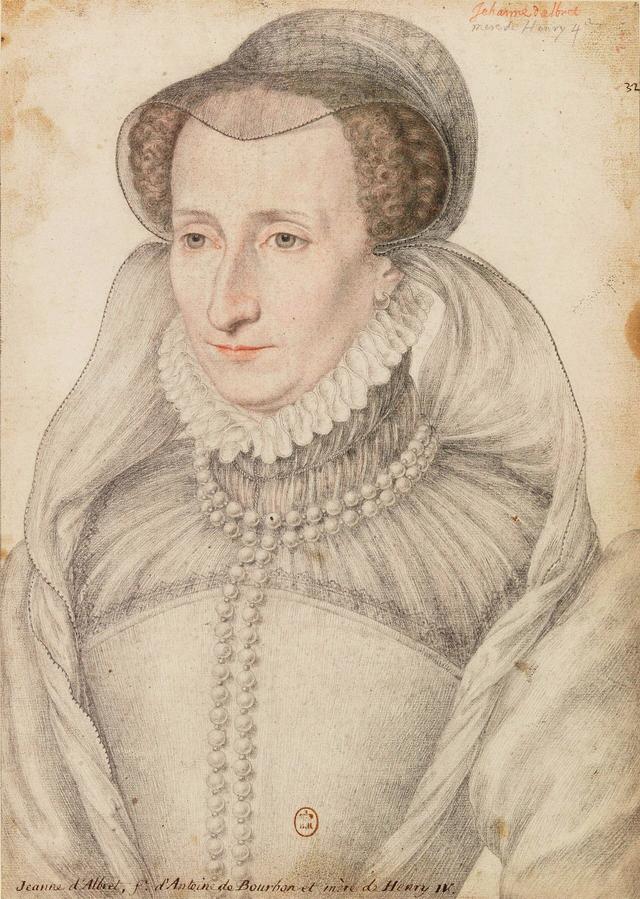
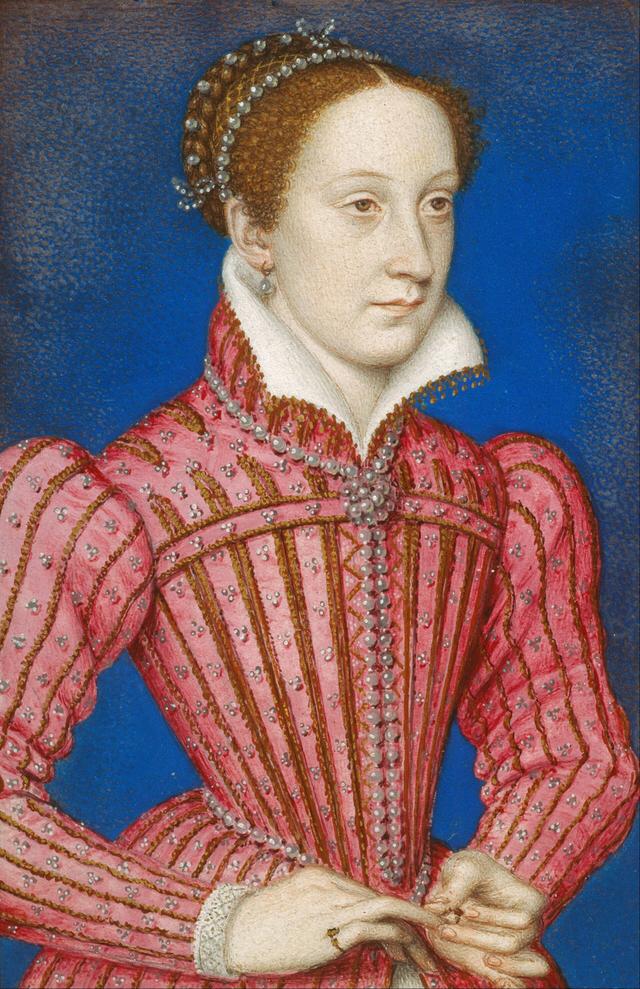
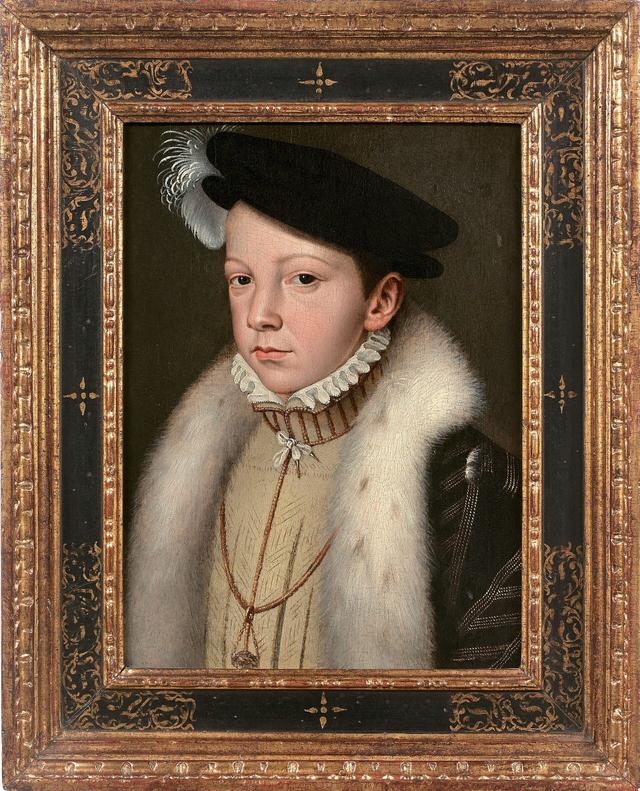
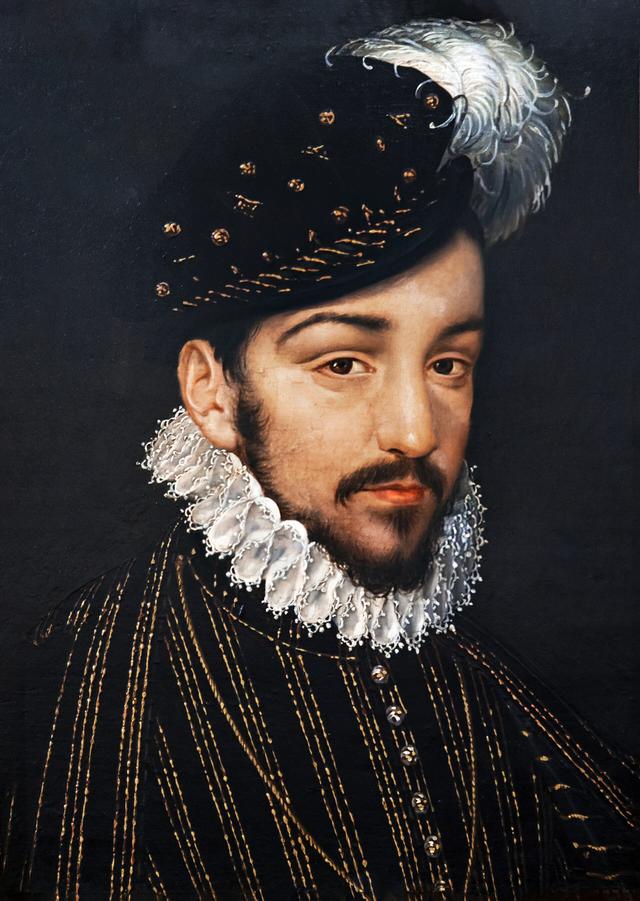
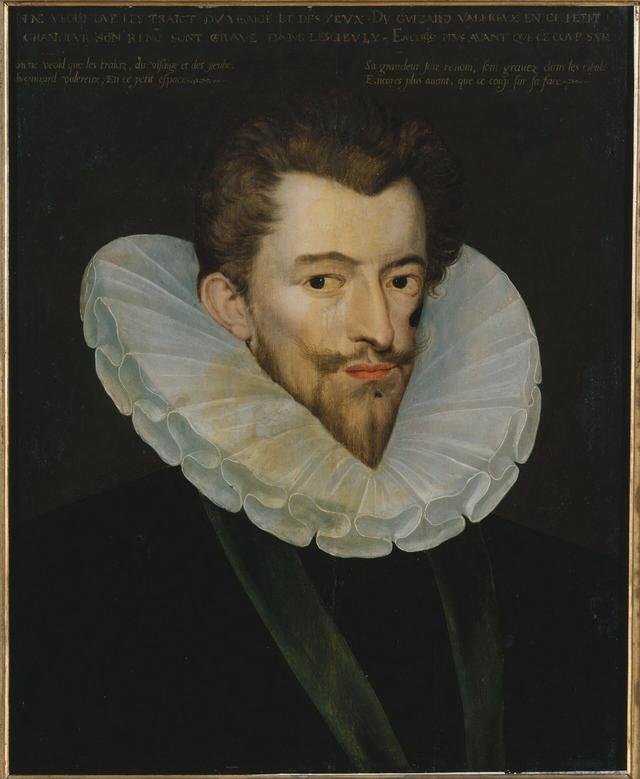
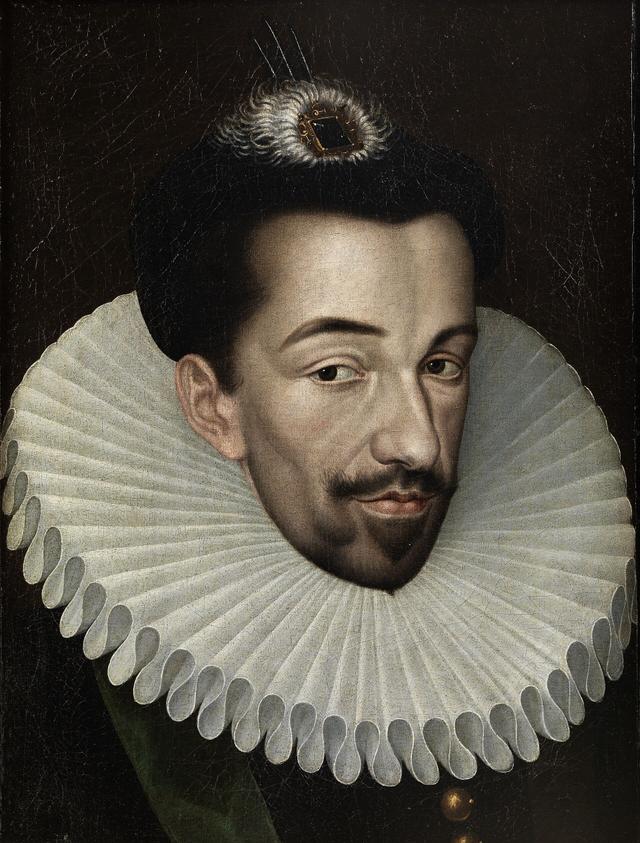
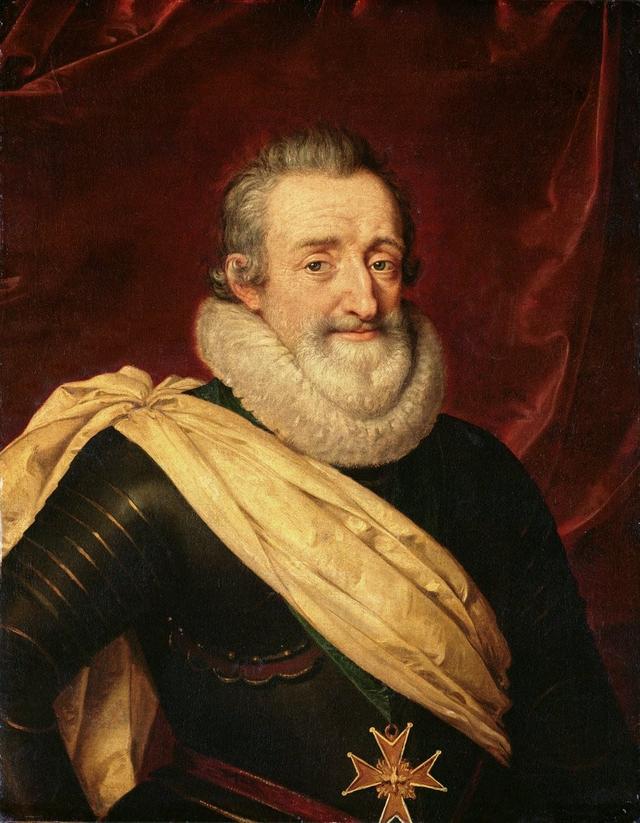
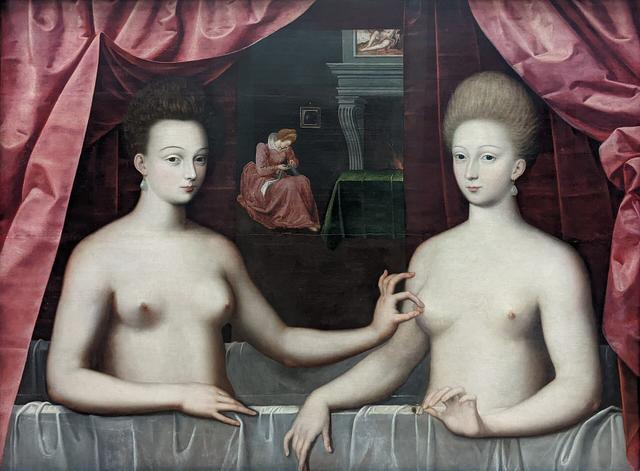
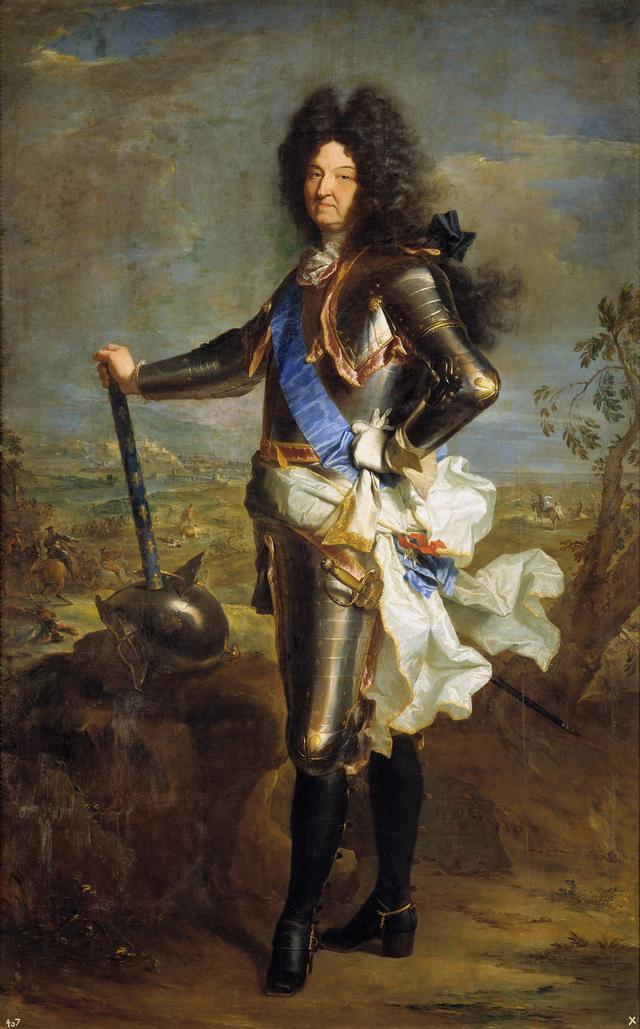
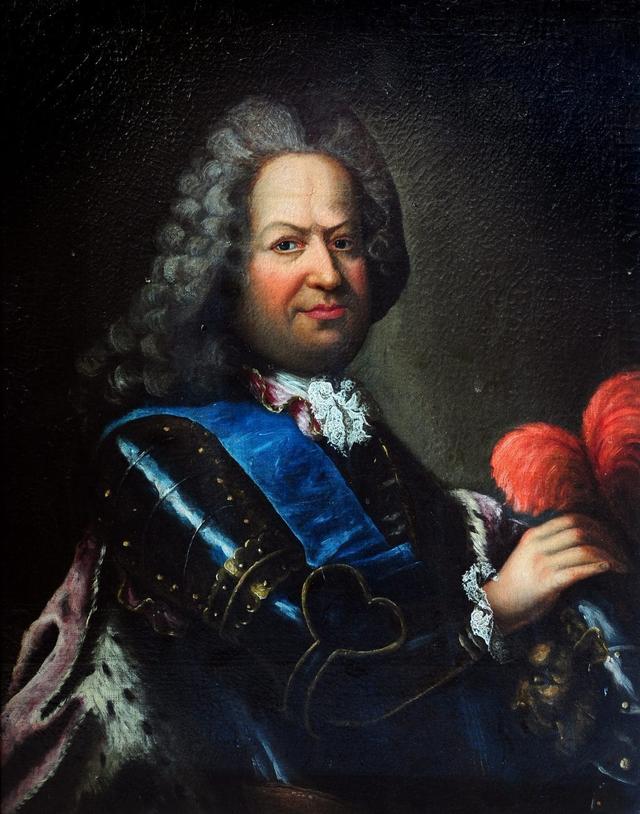
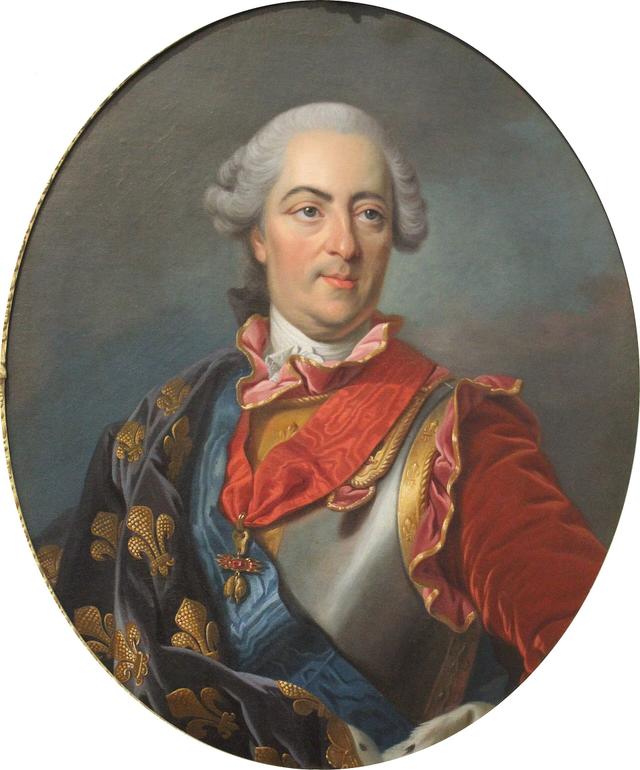
Henry II, between Catherine and Diane
- Born
- 31 March 1519
- Died
- 10 July 1559
- Reign
- 1547 – 1559
- Family
- Valois-Angoulême
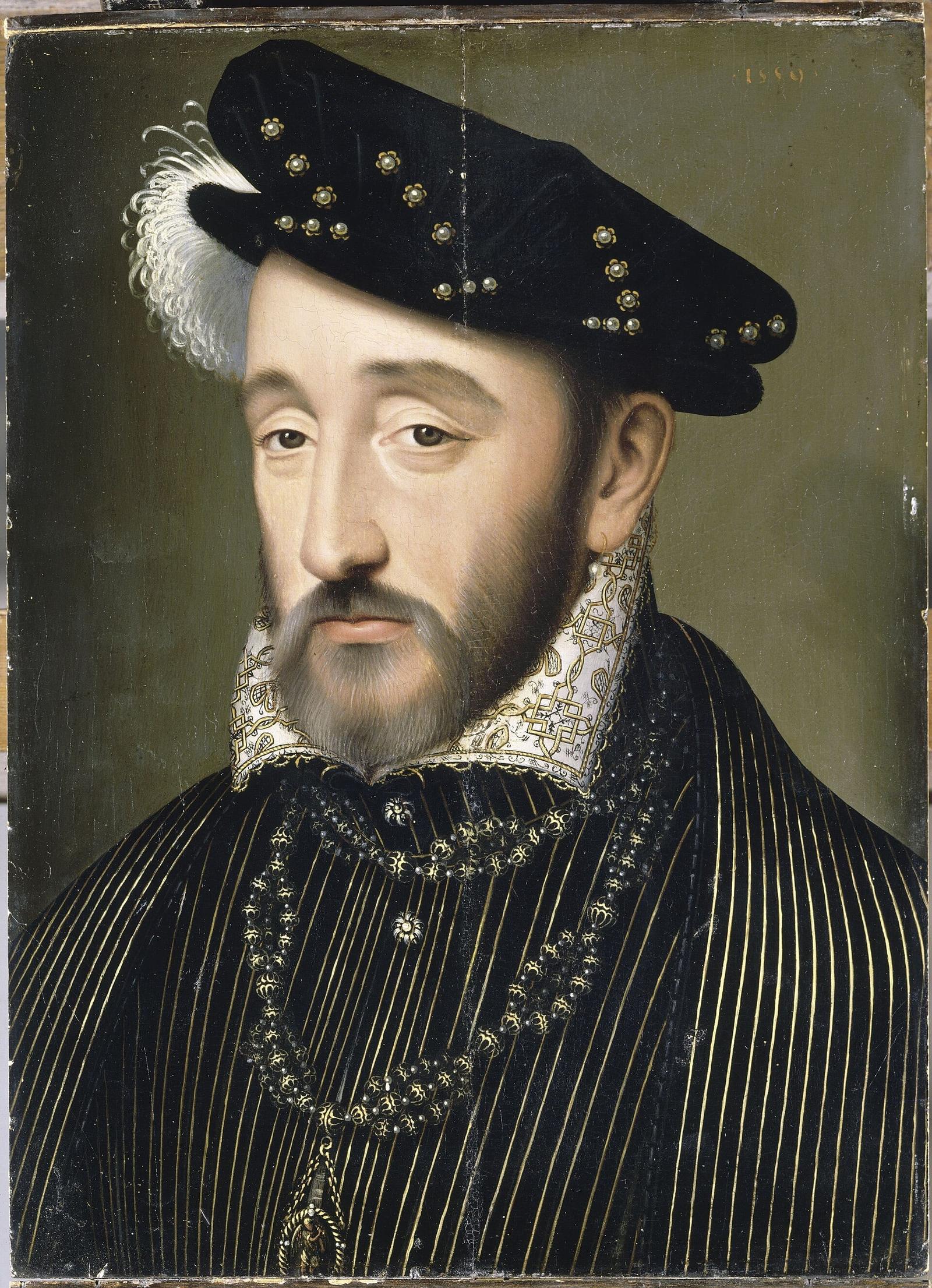
A hostage in Spain at seven, king through his brother's death, killed by a lance in a joust: Henry II's life reads like a novel. In the Loire Valley he is remembered above all as the man who gave Chenonceau to Diane de Poitiers, and whose death handed the château to his wife, Catherine de' Medici.
Henry II in dates
| Date | Event |
|---|---|
| 31 March 1519 | Born at Saint-Germain-en-Laye, second son of Francis I and Claude of France |
| 1526-1530 | Hostage in Spain with his elder brother, in exchange for their father's release |
| 28 October 1533 | Marries Catherine de' Medici in Marseille |
| 1536 | Becomes dauphin on the death of his brother Francis |
| 31 March 1547 | Becomes king on his twenty-eighth birthday; gives Chenonceau to Diane de Poitiers |
| 1552 | Seizes Metz, Toul and Verdun |
| 1558 | The Duke of Guise retakes Calais from the English |
| April 1559 | Peace of Cateau-Cambrésis, end of the Italian Wars |
| 30 June 1559 | Wounded in the eye by Montgomery's lance during a joust in Paris |
| 10 July 1559 | Dies in Paris; buried at Saint-Denis |
The hostage child
In 1526, to get out of his prison in Madrid after the defeat at Pavia, Francis I handed his two eldest sons over to Charles V. Henry was seven. The two princes spent four years in Spain, in harsher and harsher conditions, before being bought back for a huge ransom. Henry came back withdrawn and silent, and is said to have kept a lasting grudge against the emperor. See also: Francis I
As a younger son, he was not meant to reign. In 1533 he was married to Catherine de' Medici, the pope's niece. But in 1536 his elder brother died suddenly, after drinking a glass of iced water following a game of real tennis. Henry became dauphin. See also: Catherine de' Medici
Diane de Poitiers
Henry had known Diane since childhood; she was twenty years older than him. Around 1536 she became his mistress and his adviser, and remained so until his death. The king wore her colours, black and white, and had his monogram carved everywhere: an H between two crescents, or two back-to-back Cs that also form Ds. Catherine, the queen, had to put up with it for twenty years. See also: Diane de Poitiers
Chenonceau: the gift
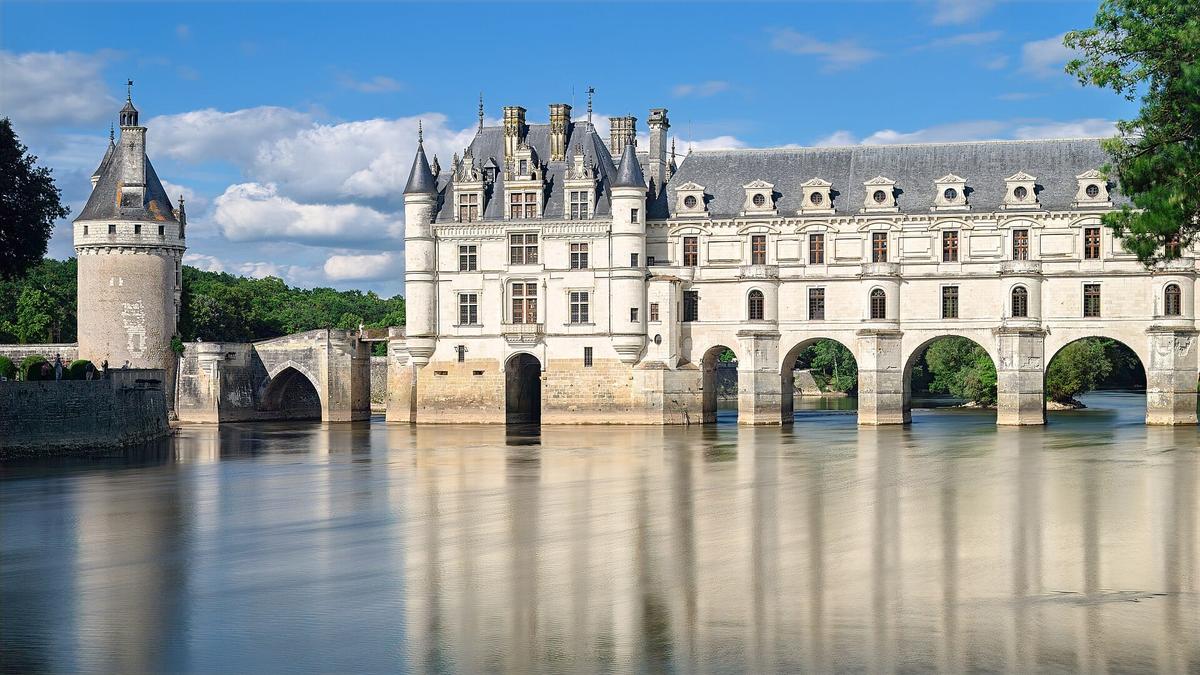
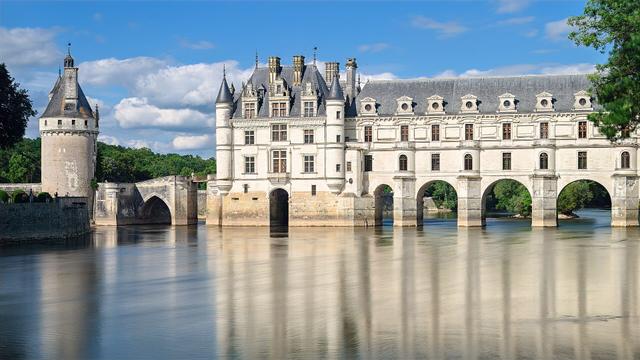
As soon as he came to the throne, in 1547, Henry II gave Chenonceau to Diane. She had the bridge over the Cher built between 1556 and 1559 and laid out her large garden there. Henry and Diane's monogram still decorates the château's ceilings and fireplaces.
When the king died, Catherine took Chenonceau back and built the gallery on Diane's bridge: the château you visit today bears the mark of the two women in his life. See also: Château de Chenonceau
What to see: Diane's garden and Catherine's garden, facing each other; the intertwined H and C or D monograms; the great gallery over the Cher.
Chambord, Blois, Chaumont
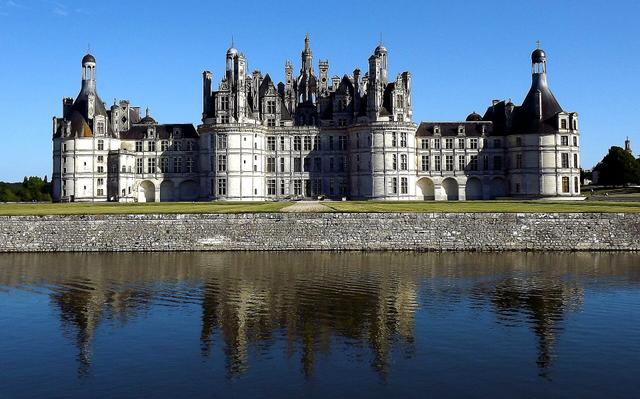
Henry II carried on the building work at Chambord, which his father had left unfinished, and moved forward the wings around the keep. He came there to hunt, like his father, without really living there. See also: Château de Chambord
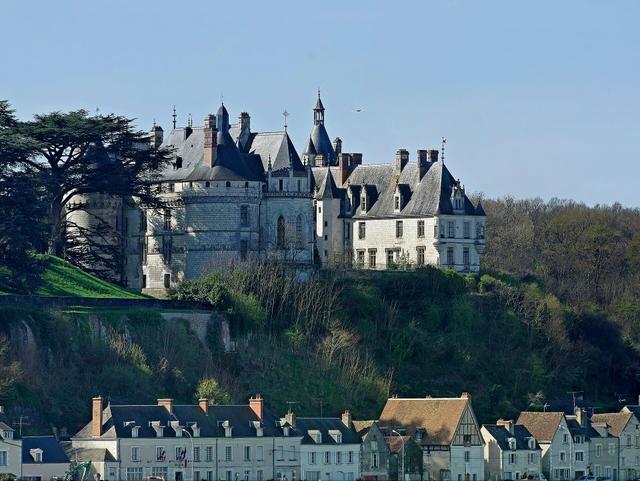
At Blois, the royal children were brought up far from Paris; the court often stayed there. See also: Royal Château of Blois In 1550, Catherine bought the nearby Château de Chaumont: nine years later, she would exchange it for Chenonceau. See also: Domaine de Chaumont-sur-Loire
A reign of wars
Henry II spent much of his reign fighting Charles V, then his son Philip II. He took Metz, Toul and Verdun in 1552, and the Duke of Guise retook Calais from the English in 1558, after more than two centuries of occupation. In April 1559, the Peace of Cateau-Cambrésis ended the Italian Wars. At home, he stepped up the repression of Protestants, which paved the way for the Wars of Religion that followed his death.
Montgomery's lance
To celebrate the peace and the marriage of his daughter Elisabeth to Philip II, Henry II held a tournament in Paris, on the rue Saint-Antoine. On 30 June 1559, he rode against Gabriel de Montgomery, captain of his Scots Guard. Montgomery's lance shattered, and a splinter went under the king's visor and pierced his eye. The best surgeons, including Ambroise Paré, could do nothing. The king died on 10 July, aged forty. He lies at Saint-Denis, under the tomb Catherine had carved for him.
In his footsteps: Chenonceau and Chambord
Chenonceau, Chaumont, Blois and Chambord can be visited in two days, going up the Loire. Chenonceau is 13 km from Amboise; Chaumont is halfway between Amboise and Blois; Chambord is 15 km from Blois. See also: Chambord or Chenonceau
Partner links: if you book through these links, we earn a commission at no extra cost to you. Partner links · Learn more
Places to stay near Chenonceaux
FAQ
How did Henry II of France die?
He was wounded in the eye by Gabriel de Montgomery's lance during a joust in Paris on 30 June 1559. He died ten days later.
Who was Henry II's mistress?
Diane de Poitiers, his favourite and adviser for more than twenty years. He gave her Chenonceau in 1547.
What does Henry II's monogram mean?
An H intertwined with two Cs, for Catherine, which can also be read as two Ds, for Diane. The ambiguity was probably deliberate.
Who were Henry II's children?
With Catherine de' Medici, he had ten children, including three kings of France: Francis II, Charles IX and Henry III.
Where is Henry II buried?
In the Basilica of Saint-Denis, with Catherine de' Medici, under a tomb carved by Germain Pilon.
Sources: fr.wikipedia.org (Henri II (roi de France)), chenonceau.com, chambord.org
Tickets to book online
Partner links: if you book through these links, we earn a commission at no extra cost to you. Partner links · Learn more
Places to visit


Related guides
Related historical figures