Francis II, the king who reigned for seventeen months
- Born
- 19 January 1544
- Died
- 5 December 1560
- Reign
- 1559 – 1560
- Family
- Valois-Angoulême
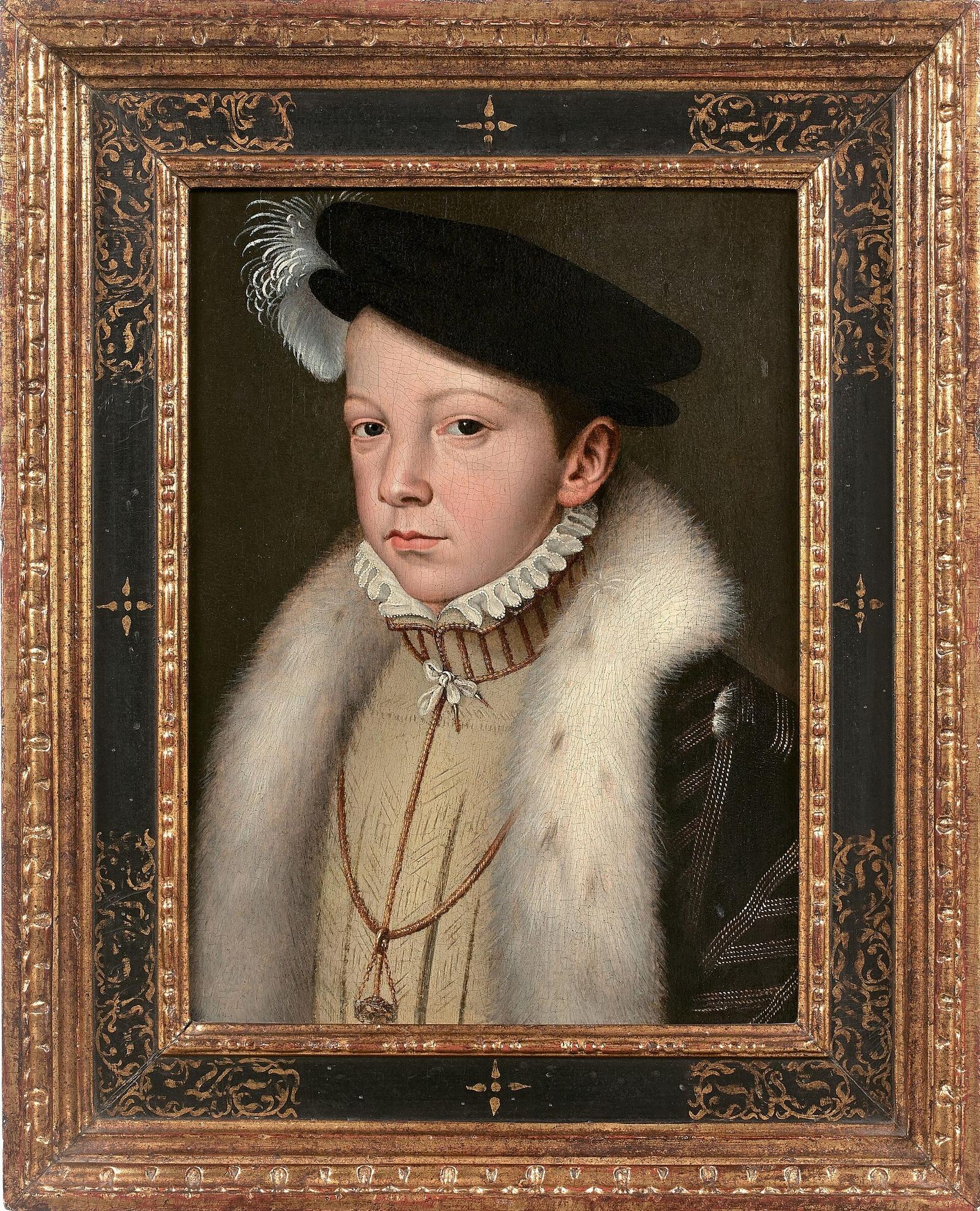
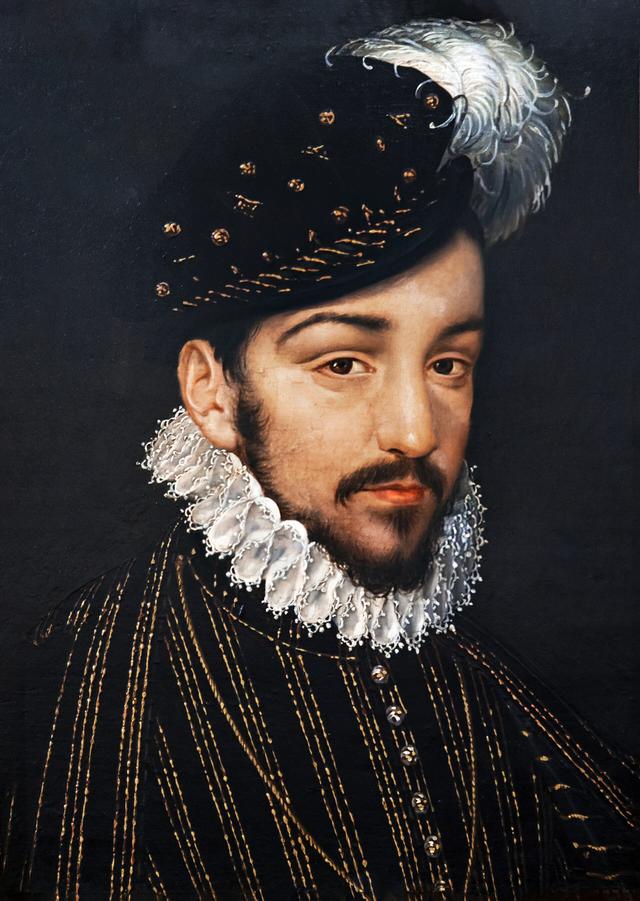
Eldest son of Henry II and Catherine de' Medici, Francis II came to the throne at fifteen, married for a year to Mary Stuart, Queen of Scots. He let his wife's uncles, the Guises, rule, saw the Amboise conspiracy drowned in blood and died of an ear infection in Orléans in December 1560. His reign lasted seventeen months.
Francis II in dates
| Date | Event |
|---|---|
| 19 January 1544 | Born at the Château de Fontainebleau |
| 10 February 1544 | Christened at Fontainebleau; Francis I is his godfather |
| 31 March 1547 | Becomes dauphin when Francis I dies |
| 27 January 1548 | Betrothed to Mary Stuart, Queen of Scots |
| 24 April 1558 | Marries Mary Stuart at Notre-Dame de Paris |
| 10 July 1559 | Becomes king when Henry II dies after a jousting wound |
| September 1559 | Crowned at Reims by the Cardinal of Lorraine |
| March 1560 | The Amboise conspiracy |
| October 1560 | The Prince of Condé is arrested in Orléans |
| 5 December 1560 | Dies in Orléans, aged sixteen |
| 23 December 1560 | Buried in the Basilica of Saint-Denis |
A child of Fontainebleau
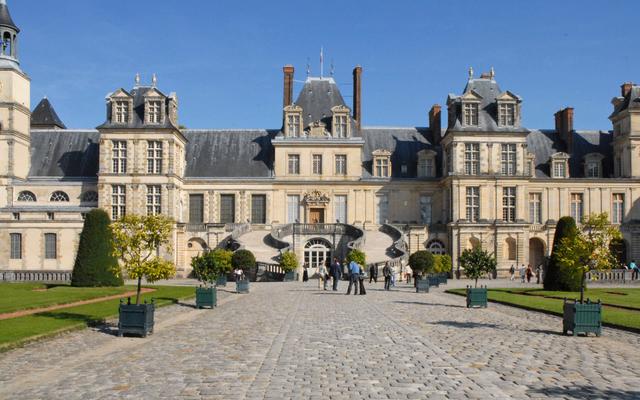
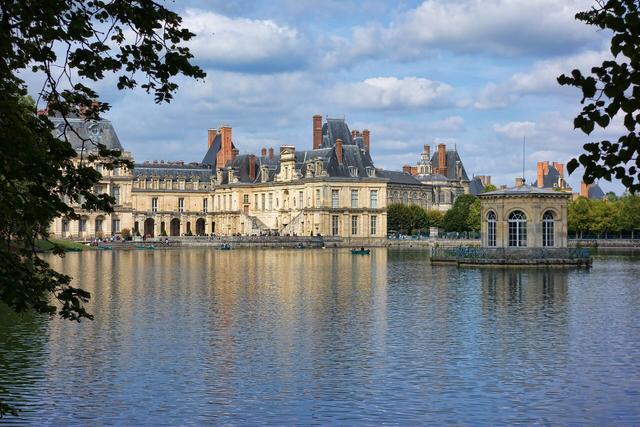
Francis was born at the Château de Fontainebleau on 19 January 1544, eleven years after his parents, Henry II and Catherine de' Medici, were married. The birth of a long-awaited boy was a relief to the court. He was christened in the Trinitarian chapel of the château; his godfathers were his grandfather Francis I and Pope Paul III, his godmother Marguerite of Navarre. See also: Henry II of France, Catherine de' Medici, Francis I
The boy was often ill and small for his age. He grew up with his brothers and sisters, first at Saint-Germain-en-Laye, then in the Loire châteaux as the court moved around. He learned dancing, fencing and hunting, his great passion. See also: Palace of Fontainebleau
What to see: at Fontainebleau, the Francis I Gallery, which the king liked to show his guests, and the Ballroom, finished under Henry II, with his parents' initials H and C.
Marriage to Mary Stuart
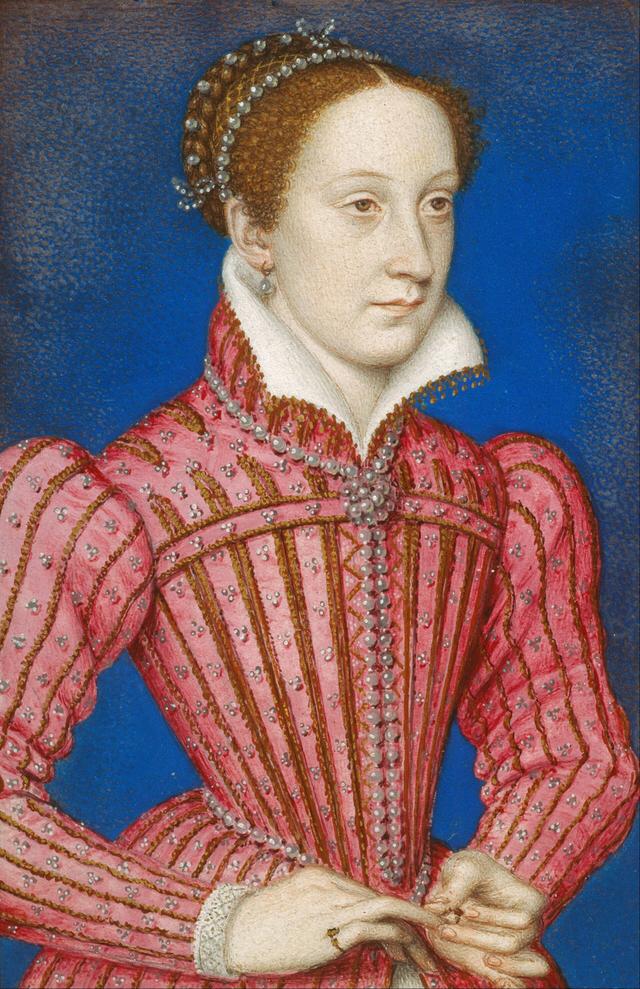
In 1548 Henry II brought the little Queen of Scots, Mary Stuart, aged five, to France to marry his son. The two children were brought up together and got on well. Mary was tall and at ease in public; Francis was slight and stammered. The wedding took place on 24 April 1558 in front of Notre-Dame de Paris, with a great stage built on the square so that the people could see the couple. Francis was fourteen. See also: Mary, Queen of Scots, Notre-Dame Cathedral
A year later, on 30 June 1559, Henry II took a splinter from a lance in the eye during a joust in the Rue Saint-Antoine. He died on 10 July. Francis became king at fifteen.
The coronation at Reims
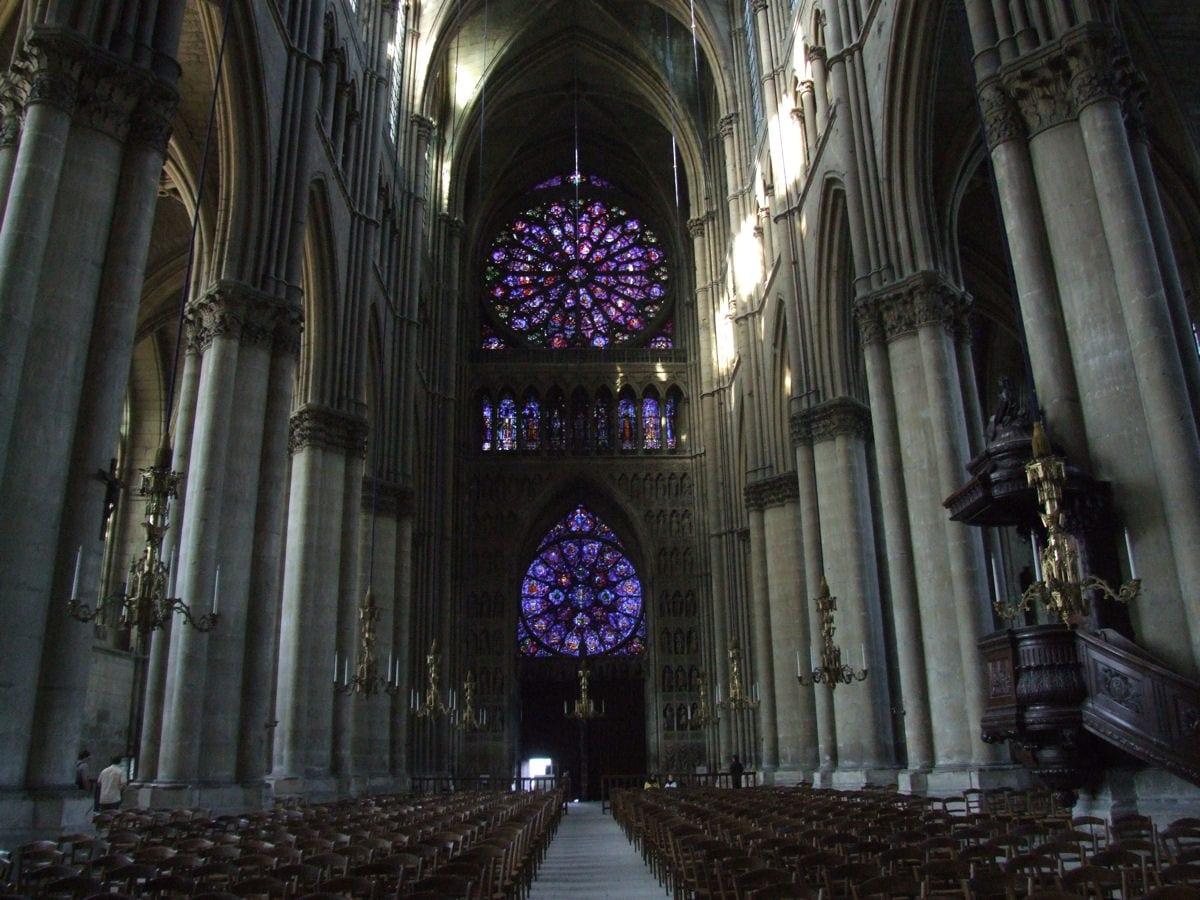
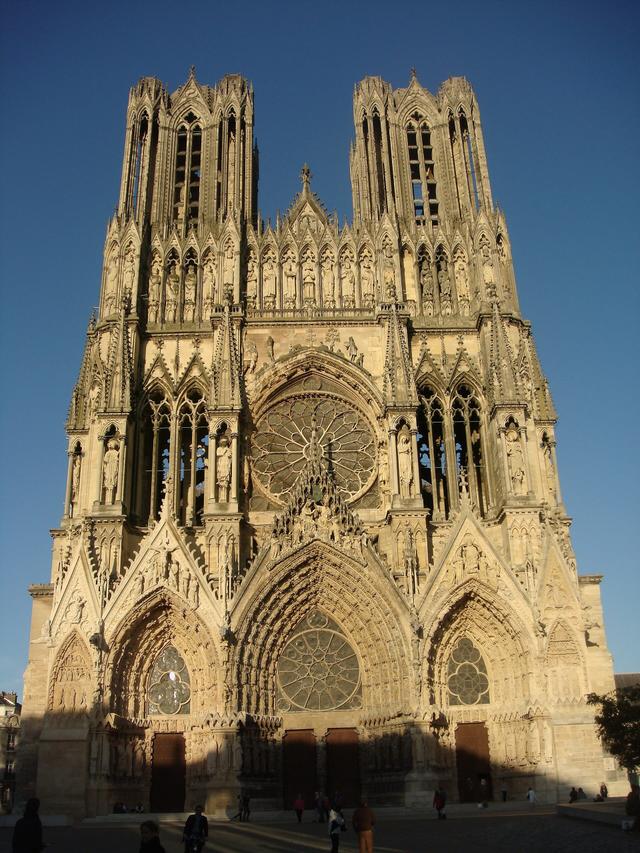
Francis II was crowned in September 1559 in Reims Cathedral by Cardinal Charles of Lorraine, Mary Stuart's uncle. See also: Reims Cathedral
The king was of age, since kings of France came of age at fourteen, but he left power to his wife's two uncles: Francis, Duke of Guise ran the army, and the Cardinal of Lorraine the finances and justice. Catherine de' Medici accepted this arrangement. The Guises kept up the crackdown on Protestants.
What to see: the nave of the cathedral, where coronations took place, and the coronation treasury in the Palais du Tau next door.
The Amboise conspiracy
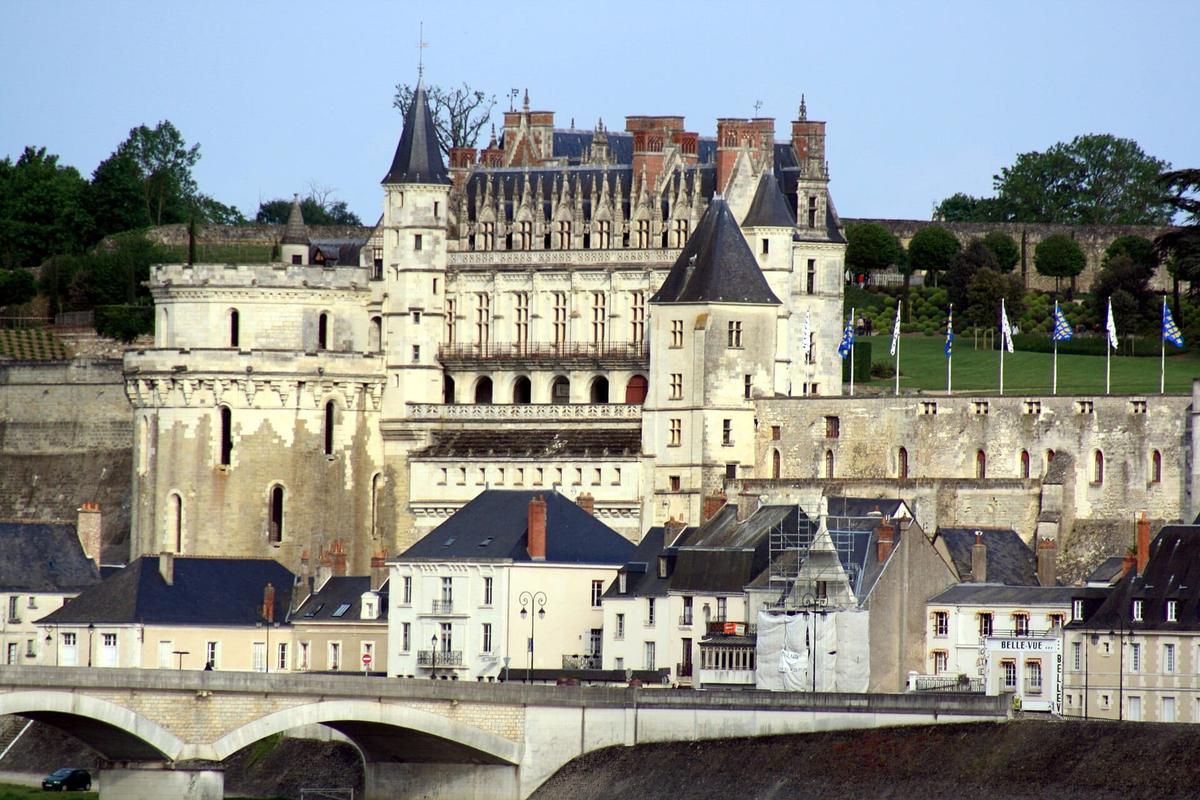
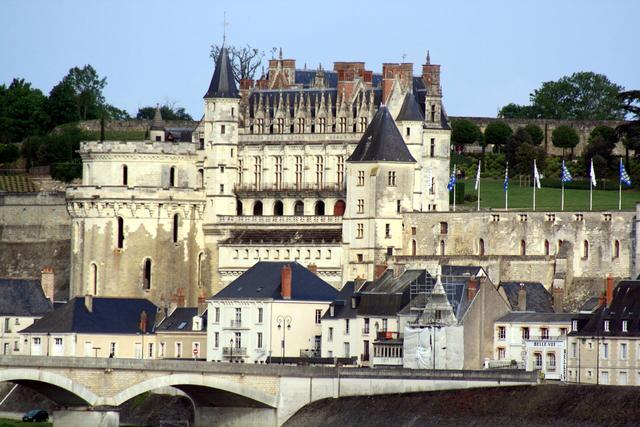
In early 1560 a group of Protestant noblemen led by La Renaudie planned to seize the king to free him from the Guises. The court, warned in February, shut itself up in the Château d'Amboise, easier to defend than Blois. In March the plotters were arrested or driven back around the town. The repression was brutal: dozens of men were hanged from the château's balconies and battlements, others thrown into the Loire. The court watched the executions. The Prince of Condé was suspected of being the hidden leader of the plot, but for lack of proof he was released. See also: Royal Château of Amboise
What to see: the royal lodgings and the façade overlooking the Loire, where the bodies of the plotters were displayed; the Chapel of Saint-Hubert on the rampart.
Blois, Chenonceau and the Loire court
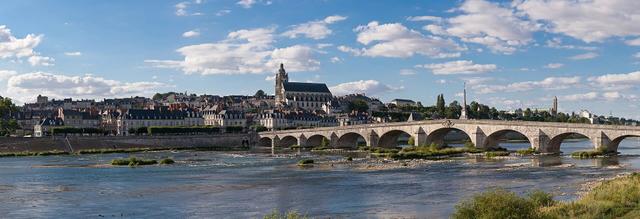
The young royal couple often stayed at Blois, the court's favourite château since Louis XII. They spent the winter of 1559-1560 there, before the hurried move to Amboise. See also: Royal Château of Blois
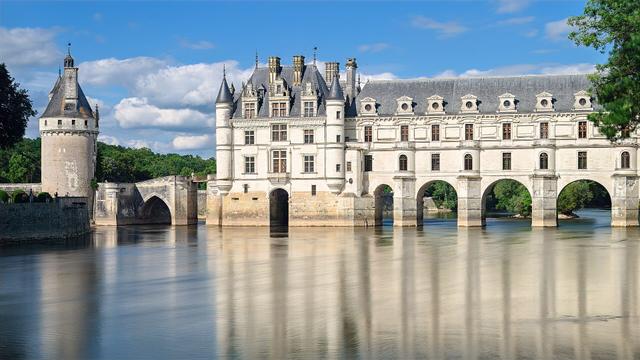
After Henry II's death, Catherine de' Medici took Chenonceau back from Diane de Poitiers. In 1560 she welcomed her son and daughter-in-law there with triumphal arches and what is said to be the first firework display in France. See also: Château de Chenonceau, Diane de Poitiers
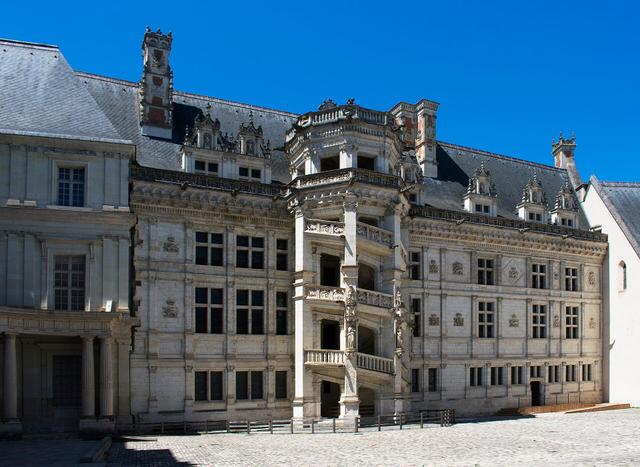
What to see: at Blois, the Francis I staircase and its carved balconies; at Chenonceau, the Five Queens' Bedroom, named after Catherine's two daughters and three daughters-in-law, Mary Stuart among them.
Death in Orléans
In the autumn of 1560 the Estates General were called to Orléans. Condé came; he was arrested on arrival, tried and sentenced to death. On 16 November the king fainted during Mass. An ear infection spread to the brain; the surgeon Ambroise Paré considered trepanning him. Francis II died on 5 December 1560 at the Hôtel Groslot, aged sixteen and childless. His ten-year-old brother Charles succeeded him and Catherine de' Medici became regent. Condé was freed. Mary Stuart, a widow at eighteen, went back to Scotland the following summer. See also: Charles IX
Saint-Denis
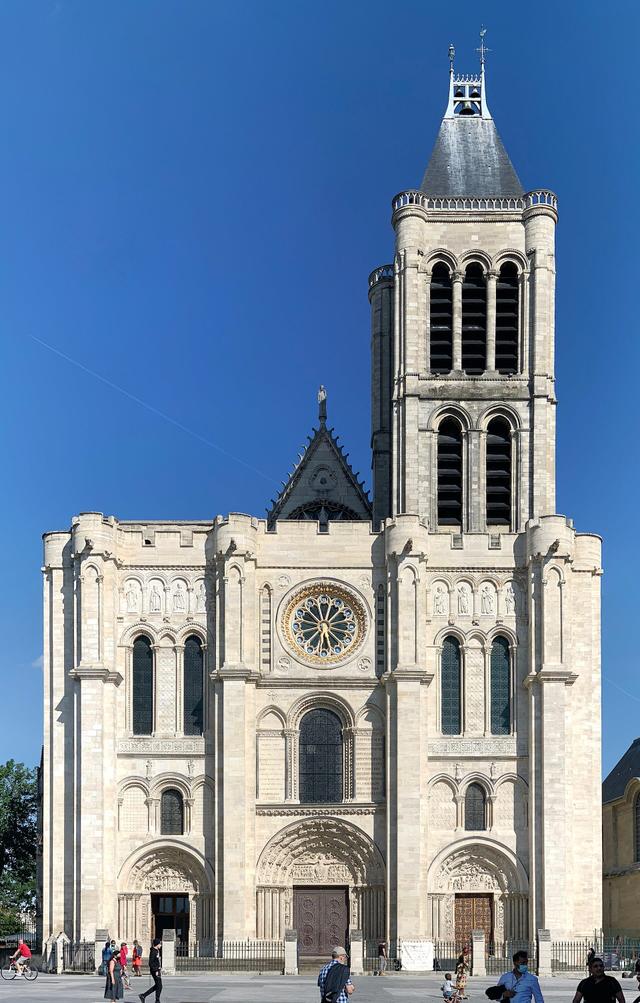
Francis II was buried at Saint-Denis on 23 December 1560. His heart was placed in the Celestines' church in Paris, beneath a marble column decorated with flames and surrounded by three spirits holding upturned torches. After the Revolution the monument was brought to the basilica. See also: Basilica of Saint-Denis
What to see: the column for Francis II's heart, and the great tomb of his parents, Henry II and Catherine de' Medici, carved by Germain Pilon.
In his footsteps: from Fontainebleau to the Loire
Start with Fontainebleau, where he was born, an hour from Paris. The next day, head to Blois, then Amboise, 35 km away along the Loire. Chenonceau is only half an hour from Amboise: you can see both châteaux in the same day. Saint-Denis and Reims are easier from Paris, the first by metro, the second by TGV. See also: Francis I and the Loire châteaux
Partner links: if you book through these links, we earn a commission at no extra cost to you. Partner links · Learn more
FAQ
Where is Francis II buried?
In the Basilica of Saint-Denis, north of Paris. His heart, first kept at the Celestines' church, lies beneath a marble column now displayed in the basilica.
Where was Francis II born?
At the Château de Fontainebleau, on 19 January 1544.
What did Francis II die of?
An ear infection that spread to the brain, on 5 December 1560 in Orléans. He was sixteen.
Who did Francis II marry?
Mary Stuart, Queen of Scots, on 24 April 1558 at Notre-Dame de Paris. They had no children.
How long did Francis II reign?
Seventeen months, from 10 July 1559 to 5 December 1560. It is one of the shortest reigns in French history.
Sources: fr.wikipedia.org (François II (roi de France)), chateau-amboise.com, chateaudeblois.fr, chenonceau.com, saint-denis-basilique.fr
Tickets to book online
Partner links: if you book through these links, we earn a commission at no extra cost to you. Partner links · Learn more
Places to visit


Related guides
Related historical figures