André Le Nôtre, the gardener who designed all the way to the horizon
- Born
- 12 March 1613
- Died
- 15 September 1700
- Active years
- 1657 – 1700
- Family
- Artists, saints and favourites
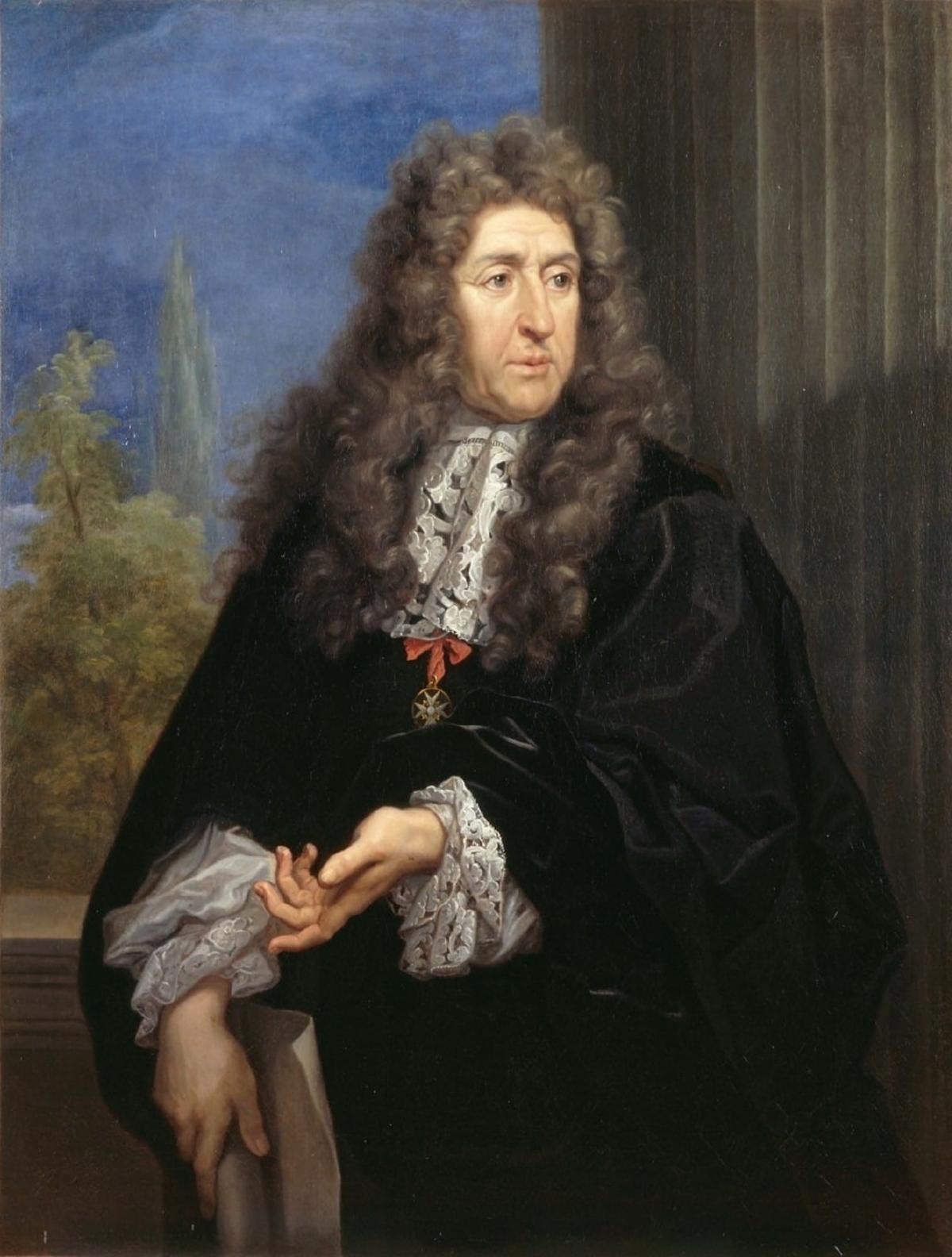
The son and grandson of gardeners at the Tuileries, André Le Nôtre first trained as a painter. He kept a painter's sense of perspective: his gardens are built around a great axis that runs to the horizon, with parterres, pools and canals that play with the light. Vaux-le-Vicomte made his name, Versailles kept him busy all his life, and Louis XIV ennobled him. For his coat of arms he chose three snails and a cabbage leaf.
André Le Nôtre in dates
| Date | Event |
|---|---|
| 12 March 1613 | Born in Paris, into a family of gardeners at the Tuileries |
| 1630s | Studies painting in the studio of Simon Vouet |
| 1645-1646 | Works on the gardens of Fontainebleau |
| 1657-1661 | Creates the gardens of Vaux-le-Vicomte for Nicolas Fouquet |
| 1661 | Begins working for Louis XIV at Versailles |
| 1663 | First work at Chantilly for the Grand Condé |
| 1675 | Ennobled by Louis XIV |
| 1679 | Travels to Italy |
| Around 1693 | Retires and gives his collection of paintings to the king |
| 15 September 1700 | Dies in Paris; buried in the church of Saint-Roch |
A family of gardeners
André Le Nôtre was born in 1613 at the Tuileries, where his grandfather and his father, Jean Le Nôtre, looked after the king's gardens. Before he took up the spade, he studied painting with Simon Vouet, first painter to Louis XIII, and spent time with architects. He learned geometry, optics and drawing, and that made the difference: he did not just plant flower beds, he composed landscapes like paintings.
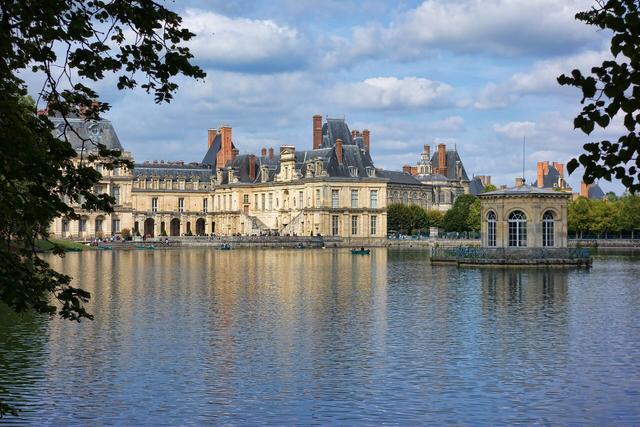
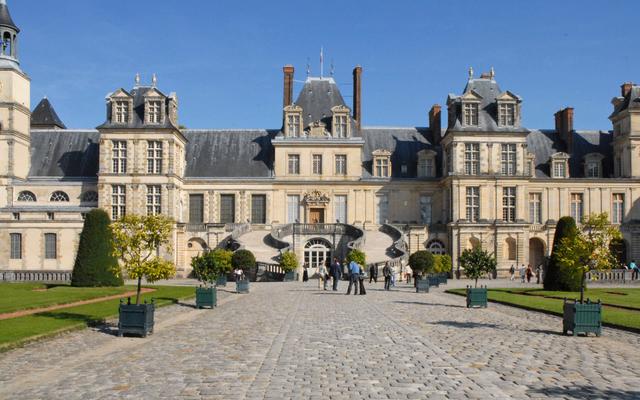
He succeeded his father at the Tuileries. In the 1640s, he also worked at Fontainebleau. See also: Palace of Fontainebleau
Vaux-le-Vicomte, the masterstroke
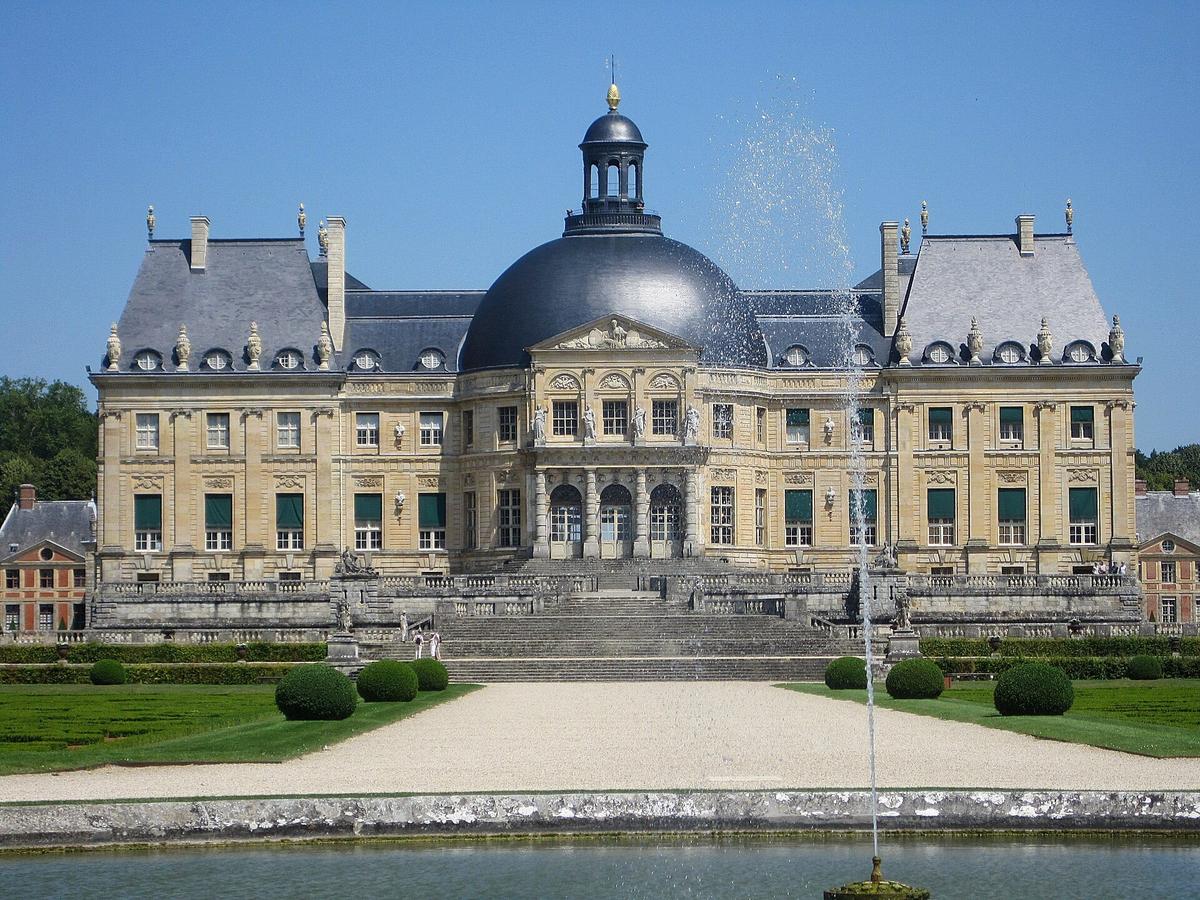
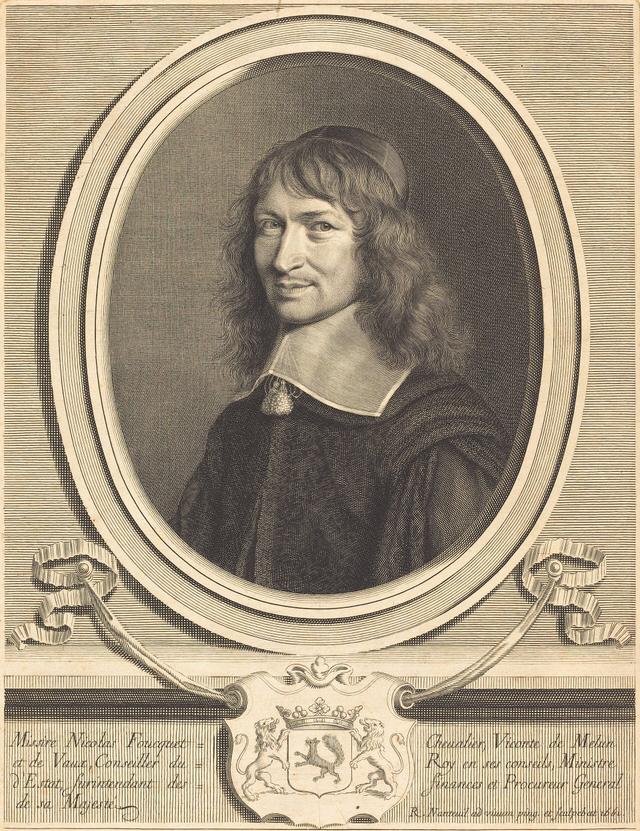
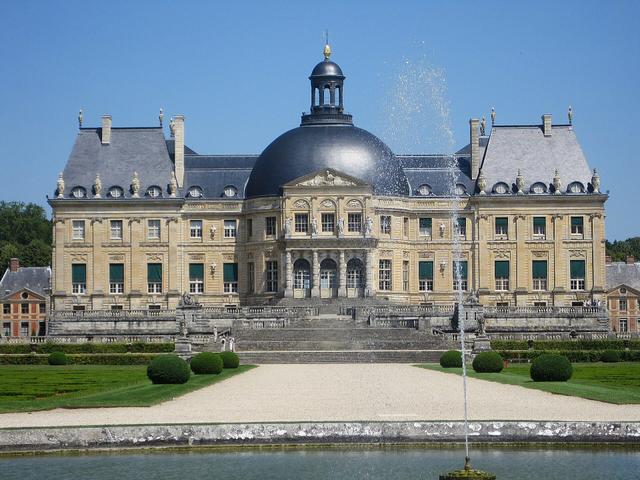
In 1657, the superintendent Nicolas Fouquet brought together for his château at Vaux three men who had never worked together: the architect Louis Le Vau, the painter Charles Le Brun and Le Nôtre. The garden stretches 1500 metres, in terraces, with box parterres, pools and a cross canal hidden from view when you stand at the château. Le Nôtre plays with perspective: the pools look closer than they are, and the grotto at the far end seems to sit on the edge of the canal when it is well beyond it. See also: Vaux-le-Vicomte, Nicolas Fouquet
On 17 August 1661, Fouquet received Louis XIV there. Three weeks later, he was arrested. The king kept the team.
What to see: the long vista from the château steps to the statue of Hercules, and the walk around the canal to discover the optical effects.
Forty years at Versailles
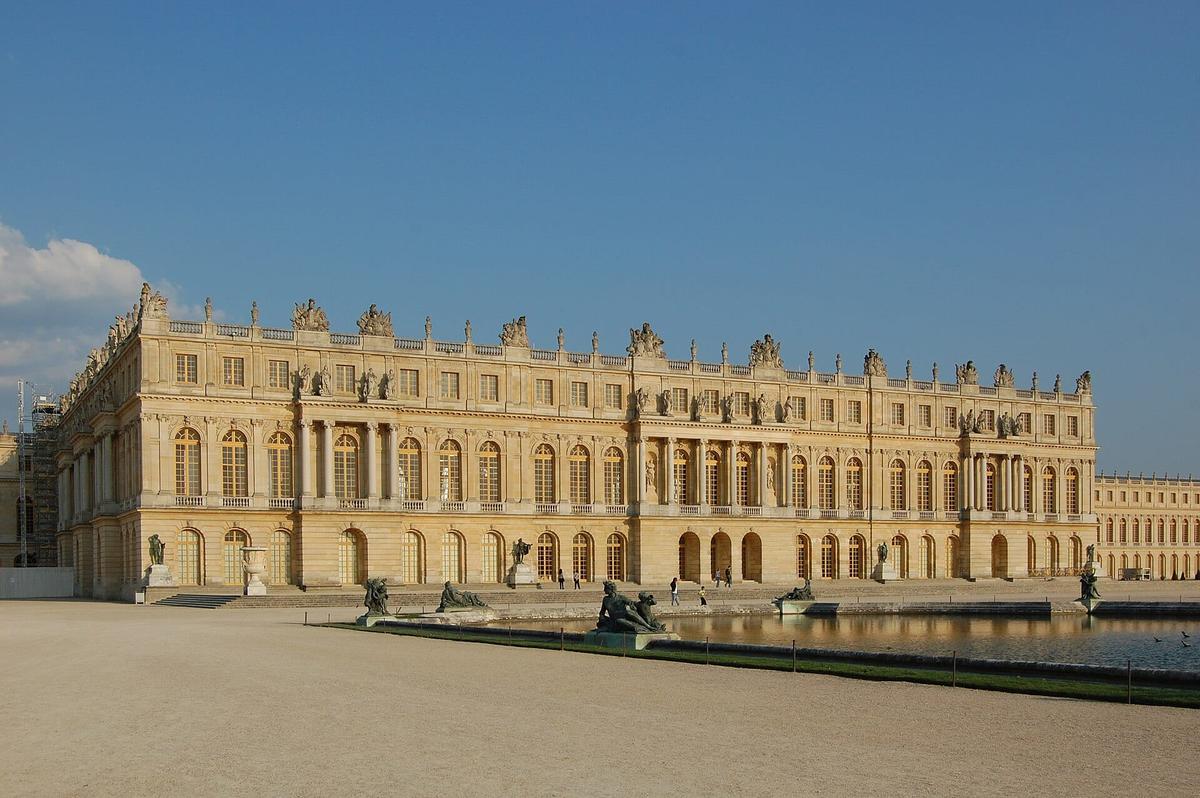
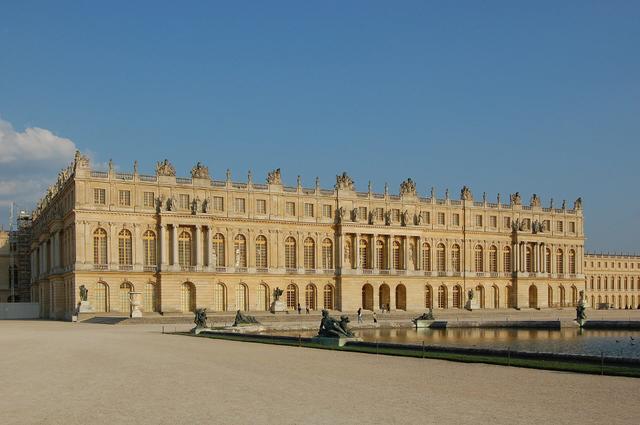
From 1661, Le Nôtre transformed the grounds of Louis XIII's small hunting lodge at Versailles. He laid out the Grand Canal, the water parterres, the Royal Avenue and the groves, outdoor rooms of greenery hidden between the paths where the king held his parties. The work lasted his whole life. Louis XIV liked to walk the gardens with him, and wrote a guide himself, the “Way to Present the Gardens of Versailles”. See also: Palace of Versailles, Louis XIV
At the same time he worked for the great nobles of the kingdom. At Chantilly, for the Grand Condé, he designed the parterres and the grand canal; it was said to be his favourite garden. At Fontainebleau, he designed the Grand Parterre for Louis XIV, one of the largest in Europe.
What to see: at Versailles, the view from the Hall of Mirrors over the Grand Canal, the water parterre and the groves; at Fontainebleau, the Grand Parterre and its pools.
Three snails and a cabbage
In 1675, Louis XIV ennobled his gardener. When asked what coat of arms he wanted, Le Nôtre replied that he already had one: three snails topped with a cabbage. The king took him at his word. In 1679, he left for Italy and visited the gardens of Rome.
At around eighty, he gave up his duties. He gave the king his collection of old master paintings and received the Order of Saint Michael. He died in 1700, aged eighty-seven, and lies in the church of Saint-Roch in Paris.
In his footsteps: Vaux, Versailles and Fontainebleau
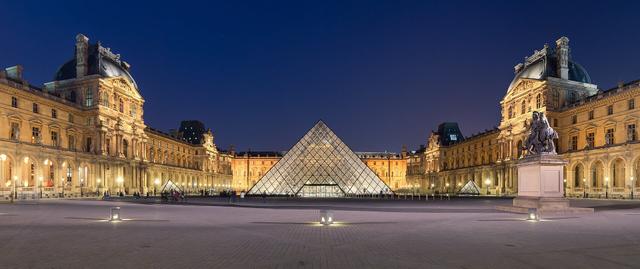
Vaux-le-Vicomte is 50 km from Paris, reached by train to Melun and then a shuttle. Versailles is a ten-minute walk from the RER C station Versailles Château Rive Gauche. Fontainebleau is about twenty minutes from Vaux by car: in two days you can see Le Nôtre's three great gardens. In Paris, the Tuileries Garden keeps its long vista towards the Champs-Élysées. See also: Louvre Museum
Partner links: if you book through these links, we earn a commission at no extra cost to you. Partner links · Learn more
FAQ
Who was André Le Nôtre?
Louis XIV's gardener, born in 1613 and died in 1700. He created the gardens of Vaux-le-Vicomte, Versailles and Chantilly, and set the model for the French formal garden.
What is a French formal garden?
A garden organised around a great axis, with symmetrical parterres, pools, canals and paths that lead the eye to the horizon. Le Nôtre added tricks of perspective.
Where can you see Le Nôtre's gardens?
At Vaux-le-Vicomte, Versailles, Fontainebleau (the Grand Parterre), Chantilly and, in Paris, the Tuileries Garden.
Why are there snails on his coat of arms?
When he was ennobled in 1675, Le Nôtre is said to have told the king that he already had his arms: three snails and a cabbage. Louis XIV granted them to him.
Where is Le Nôtre buried?
In the church of Saint-Roch, on Rue Saint-Honoré in Paris, where his funerary monument stands.
Sources: fr.wikipedia.org (André Le Nôtre)
Tickets to book online
Partner links: if you book through these links, we earn a commission at no extra cost to you. Partner links · Learn more
Places to visit
Related guides