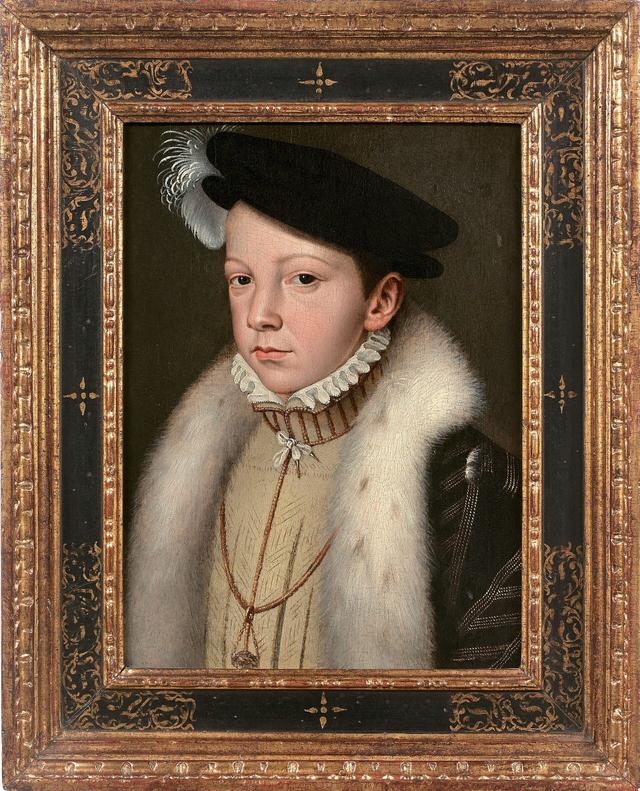
Henry III, the last of the Valois
- Born
- 19 September 1551
- Died
- 2 August 1589
- Reign
- 1574 – 1589
- Family
- Valois-Angoulême
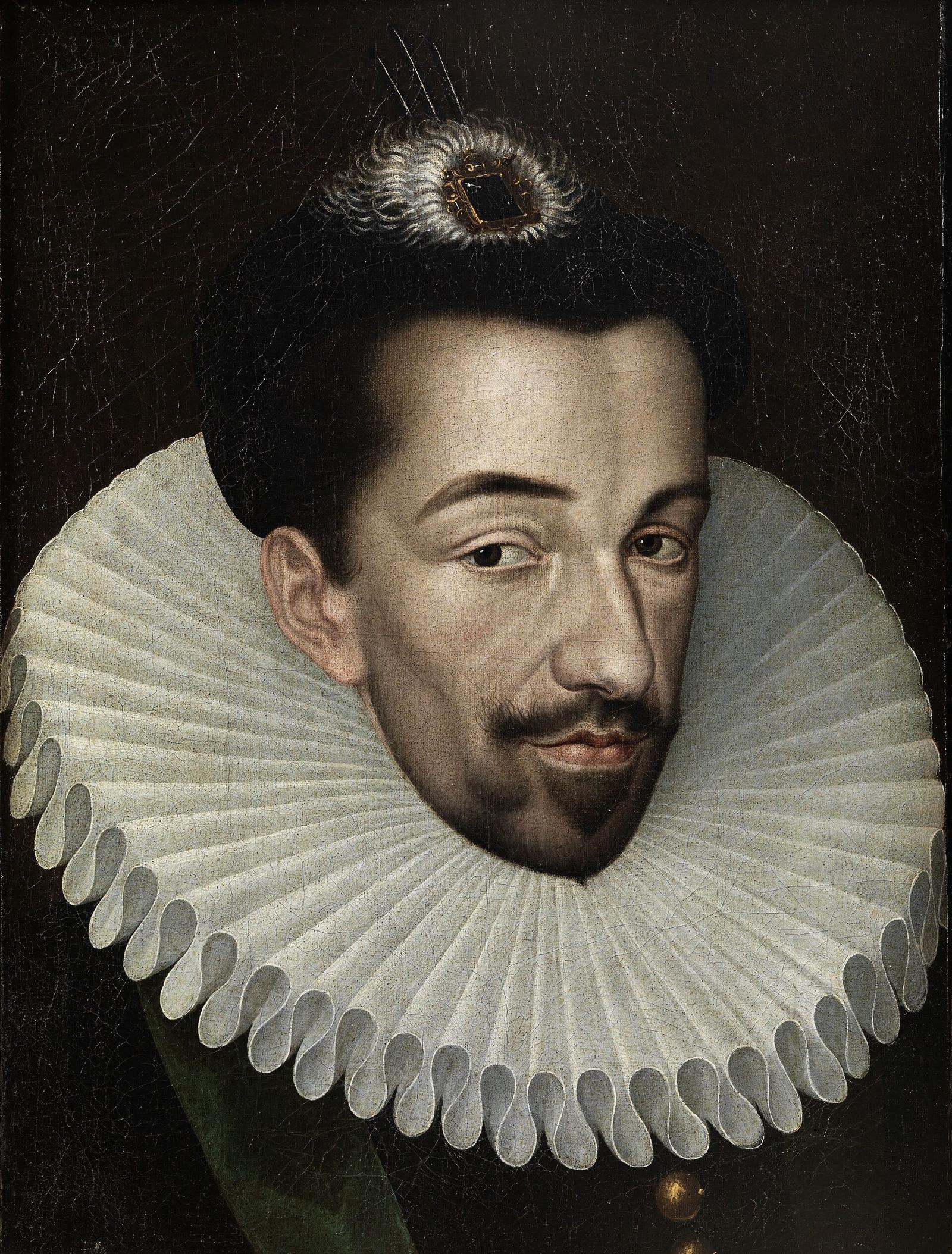
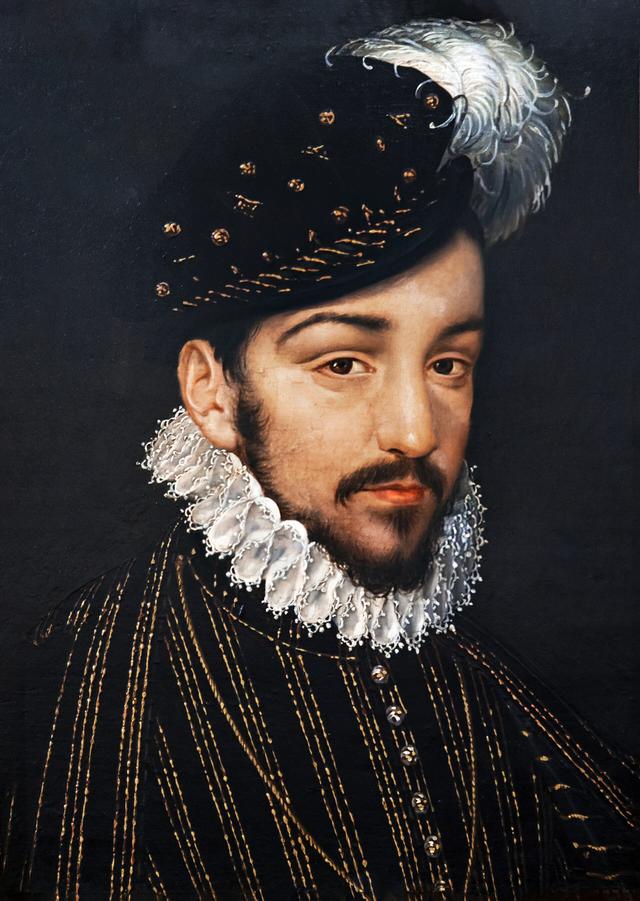
Catherine de' Medici's favourite son was King of Poland for a few months before fleeing Kraków in the middle of the night to take the crown of France. He ruled for fifteen years over a kingdom at war with itself, had his most dangerous rival killed in his bedchamber at the Château de Blois, and was then stabbed to death himself. With him, the Valois dynasty died out.
Henry III in dates
| Date | Event |
|---|---|
| 19 September 1551 | Born at Fontainebleau, third son of Henry II and Catherine de' Medici |
| 1569 | As Duke of Anjou, defeats the Protestants at Jarnac and Moncontour |
| 1573 | Elected King of Poland |
| 1574 | Secretly leaves Kraków on the death of his brother Charles IX |
| February 1575 | Crowned at Reims; marries Louise of Lorraine |
| 1576 | First Estates General of Blois |
| 1578 | Founds the Order of the Holy Spirit |
| May 1588 | Driven out of Paris by the League on the Day of the Barricades |
| 23 December 1588 | Has the Duke of Guise assassinated at the Château de Blois |
| 2 August 1589 | Dies at Saint-Cloud, stabbed the day before by the monk Jacques Clément |
The favourite son
Henry was the third son of Henry II and Catherine de' Medici, and her favourite. While still Duke of Anjou, he commanded the royal army against the Protestants and won the battles of Jarnac and Moncontour in 1569. In 1573, his mother secured his election to the throne of Poland. See also: Henry II of France, Catherine de' Medici
He stayed there only a few months. When he learned of the death of his brother Charles IX in 1574, he left Kraków at night, without telling the Poles, and returned to France by way of Venice. He was crowned at Reims and married Louise of Lorraine straight afterwards.
A contested king
The kingdom was torn apart by the Wars of Religion. Henry III surrounded himself with favourites from the minor nobility, whom his opponents called the “mignons”; pamphlets mocked his clothes and his parties, and historians still debate his private life. In 1578 he created the Order of the Holy Spirit to win over the nobility.
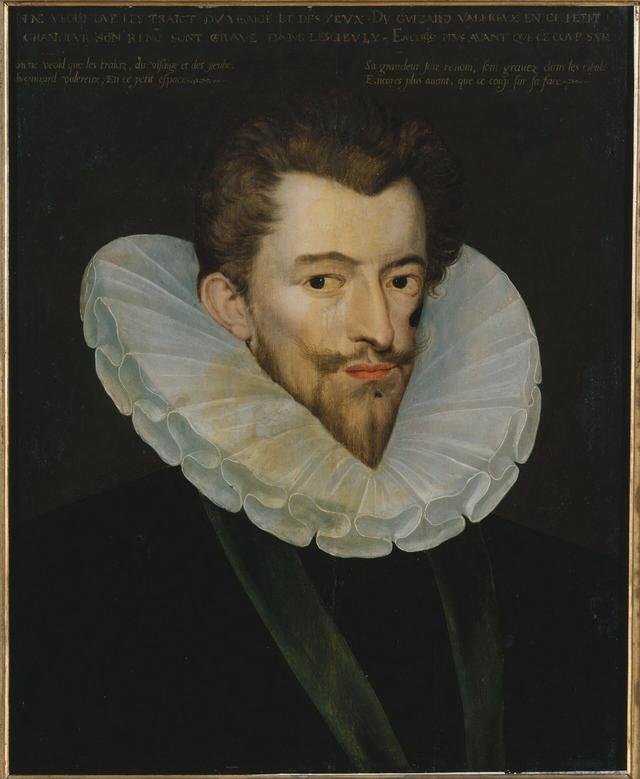
The king had no children. From 1584, the heir to the throne was a Protestant, Henry of Navarre. The Catholic League, led by Henry, Duke of Guise, refused to accept this succession. In May 1588, Paris filled with barricades and the king had to flee his capital.
Angers: the cut-down towers
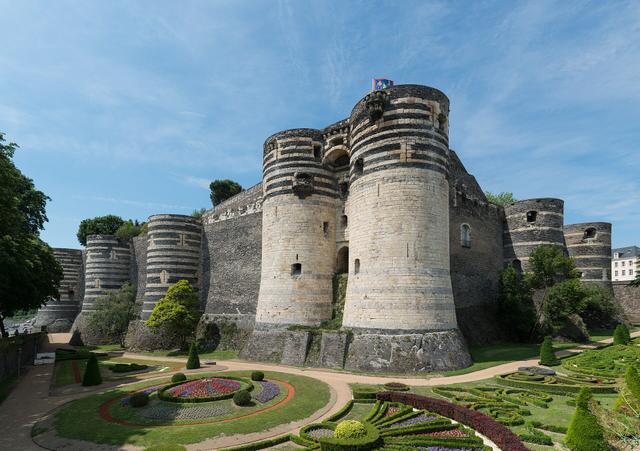
During these wars, fortresses could be used by the enemy. In 1585, Henry III ordered the Château d'Angers to be demolished. Work began at the top of the towers, then stopped: that is why they look cut short today. See also: Château d'Angers
What to see: the cut-down towers of the curtain wall, the wall walk, the Apocalypse Tapestry.
Blois: the murder of the Duke of Guise
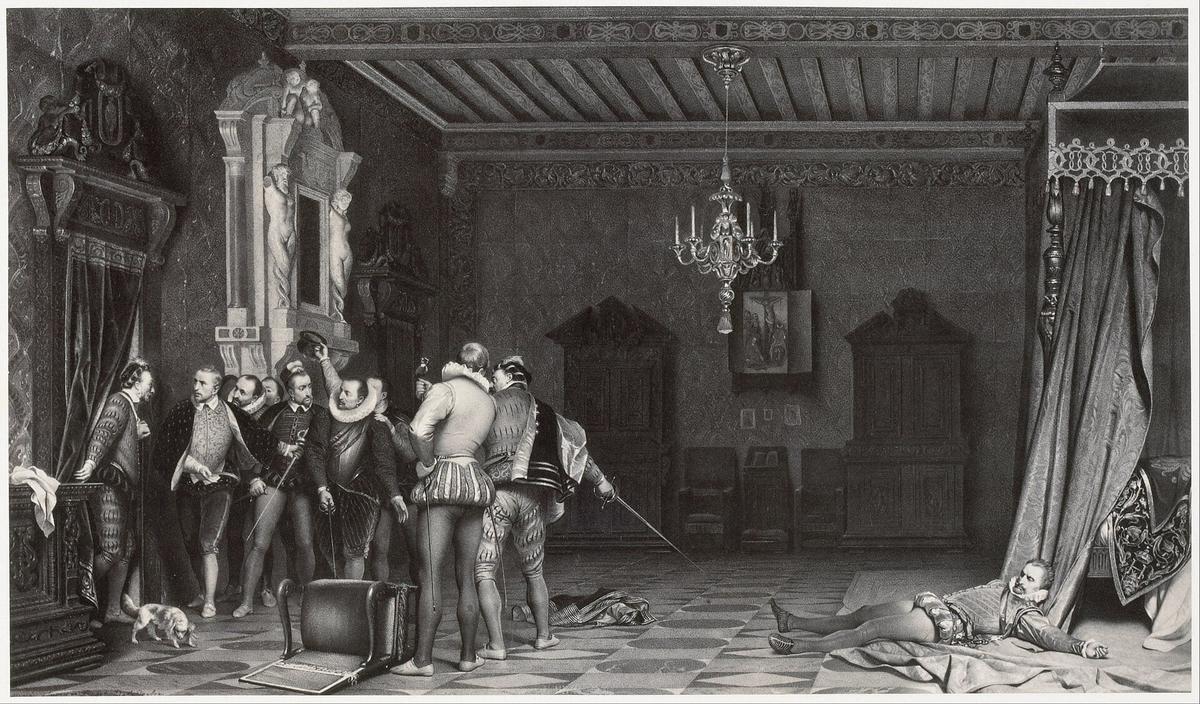
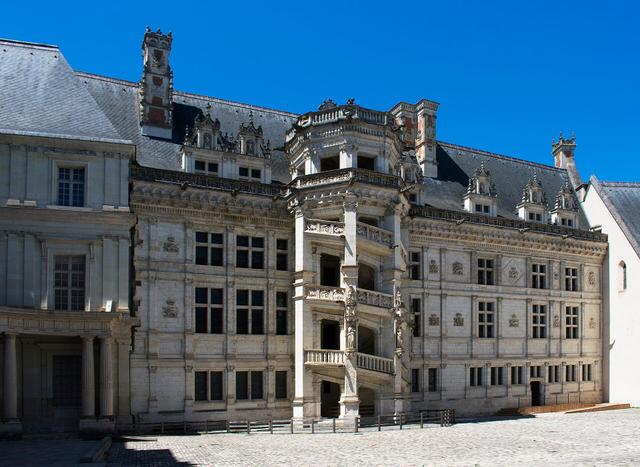
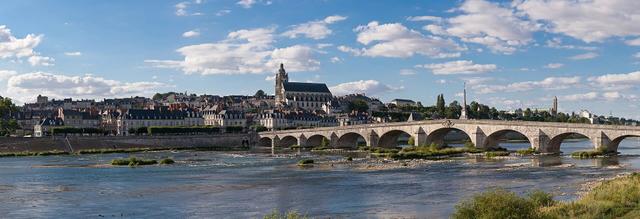
In the autumn of 1588, Henry III gathered the Estates General at Blois, in the great Hall of the Estates. The deputies supported the League, and the Duke of Guise behaved as if he were in charge. The king decided to get rid of him. On the morning of 23 December 1588, he summoned him to his apartments in the Francis I wing, where his guards, the Forty-Five, stabbed him to death with daggers. His brother, the Cardinal of Guise, was executed the next day. “He is taller dead than alive”, the king is said to have remarked over the body. See also: Royal Château of Blois
Catherine de' Medici, who was ill, died at the château a few days later, on 5 January 1589.
What to see: the Hall of the Estates, the king's bedchamber and the study where the murder took place, the staircase of the Francis I wing.
Chenonceau: the white queen
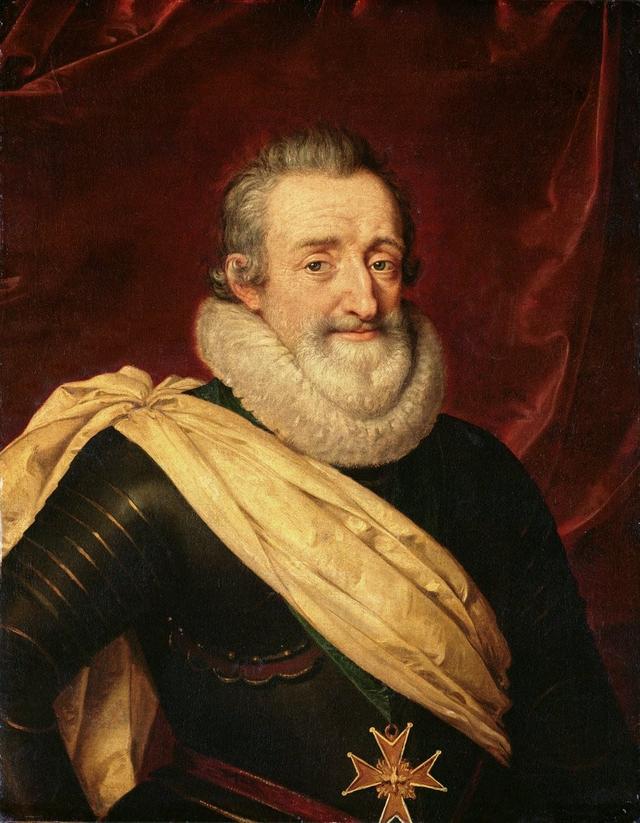
Killing Guise did not save the king. Reconciled with Henry of Navarre, he was besieging Paris when, on 1 August 1589 at Saint-Cloud, a Dominican monk, Jacques Clément, stabbed him. He died the next day, after recognising Navarre as his successor, who became Henry IV. See also: Henry IV
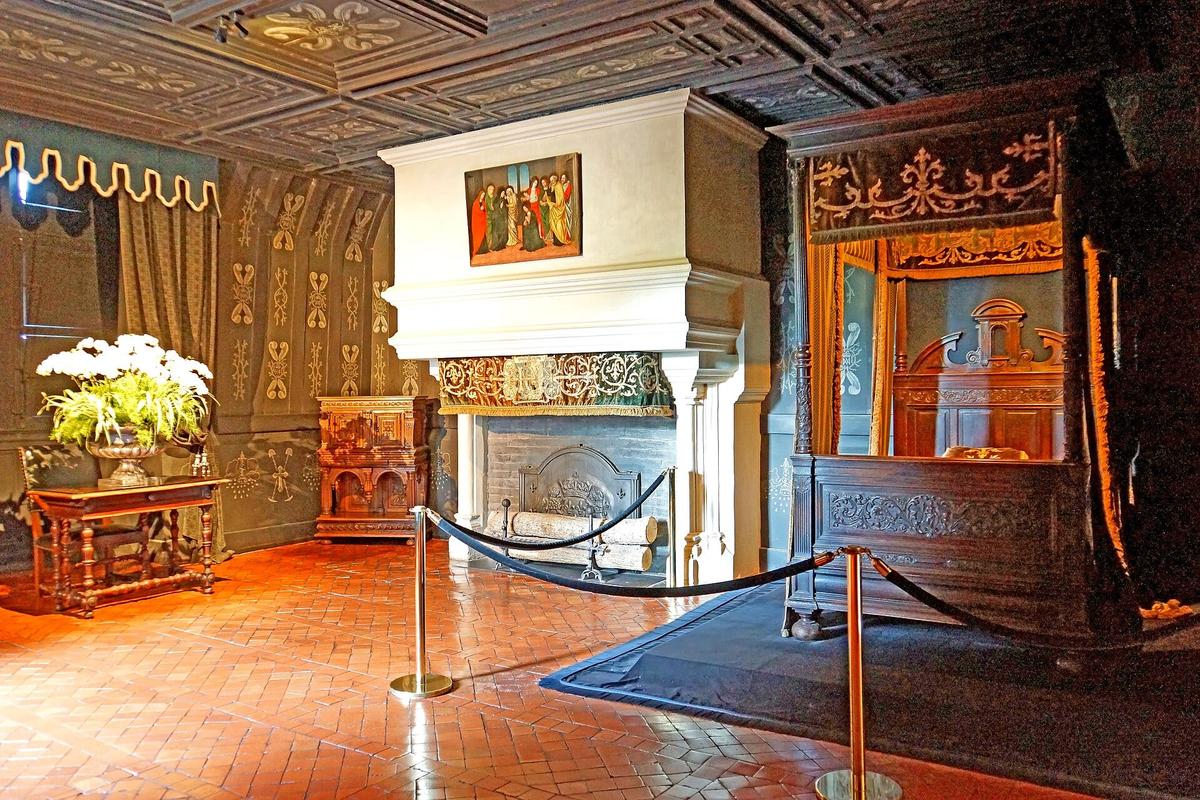
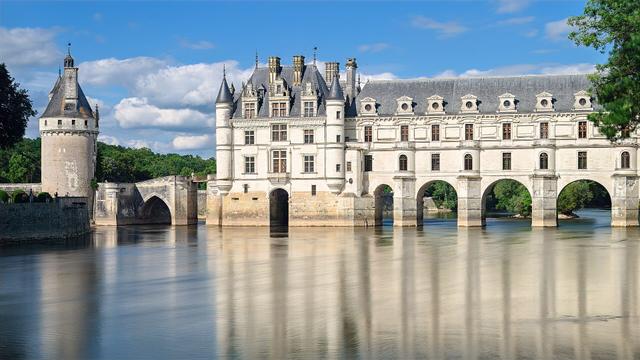
His widow, Louise of Lorraine, withdrew to Chenonceau. She wore mourning in white, as the queens of France traditionally did, and had her bedroom hung in black, scattered with tears. She was nicknamed the “white queen”. See also: Château de Chenonceau
What to see: Louise of Lorraine's bedroom, the gallery over the Cher, Diane's garden.
In his footsteps: Blois and Chenonceau
The Château de Blois is a 10-minute walk from the station. Chenonceau is 13 km from Amboise; the two can be combined in a day from Tours or Amboise. Angers is a separate visit, together with Saumur. See also: Where to stay in Blois
Partner links: if you book through these links, we earn a commission at no extra cost to you. Partner links · Learn more
FAQ
Where was the Duke of Guise assassinated?
At the Château de Blois, in the royal apartments of the Francis I wing, on 23 December 1588, on Henry III's orders.
Why did Henry III have the Duke of Guise killed?
The leader of the Catholic League had driven him out of Paris in May 1588 and dominated the Estates General at Blois. The king saw him as a threat to his throne.
How did Henry III die?
Stabbed on 1 August 1589 at Saint-Cloud by the monk Jacques Clément, he died the following day.
Was Henry III King of Poland?
Yes, elected in 1573. He secretly left Poland in 1574 to succeed his brother Charles IX in France.
Who succeeded Henry III?
Henry of Navarre, his distant cousin, who became Henry IV, the first Bourbon king.
Sources: fr.wikipedia.org (Henri III (roi de France)), chateaudeblois.fr
Tickets to book online
Partner links: if you book through these links, we earn a commission at no extra cost to you. Partner links · Learn more
Places to visit


Related guides
Related historical figures