Place Stanislas in Nancy: a visitor's guide
Place Stanislas at a glance
- Admission
- Free
- Visitors per year
- about 1,000,000 (2013)
- Where
- Nancy
Facts checked on 29 October 2026. Full opening hours, reduced prices and access
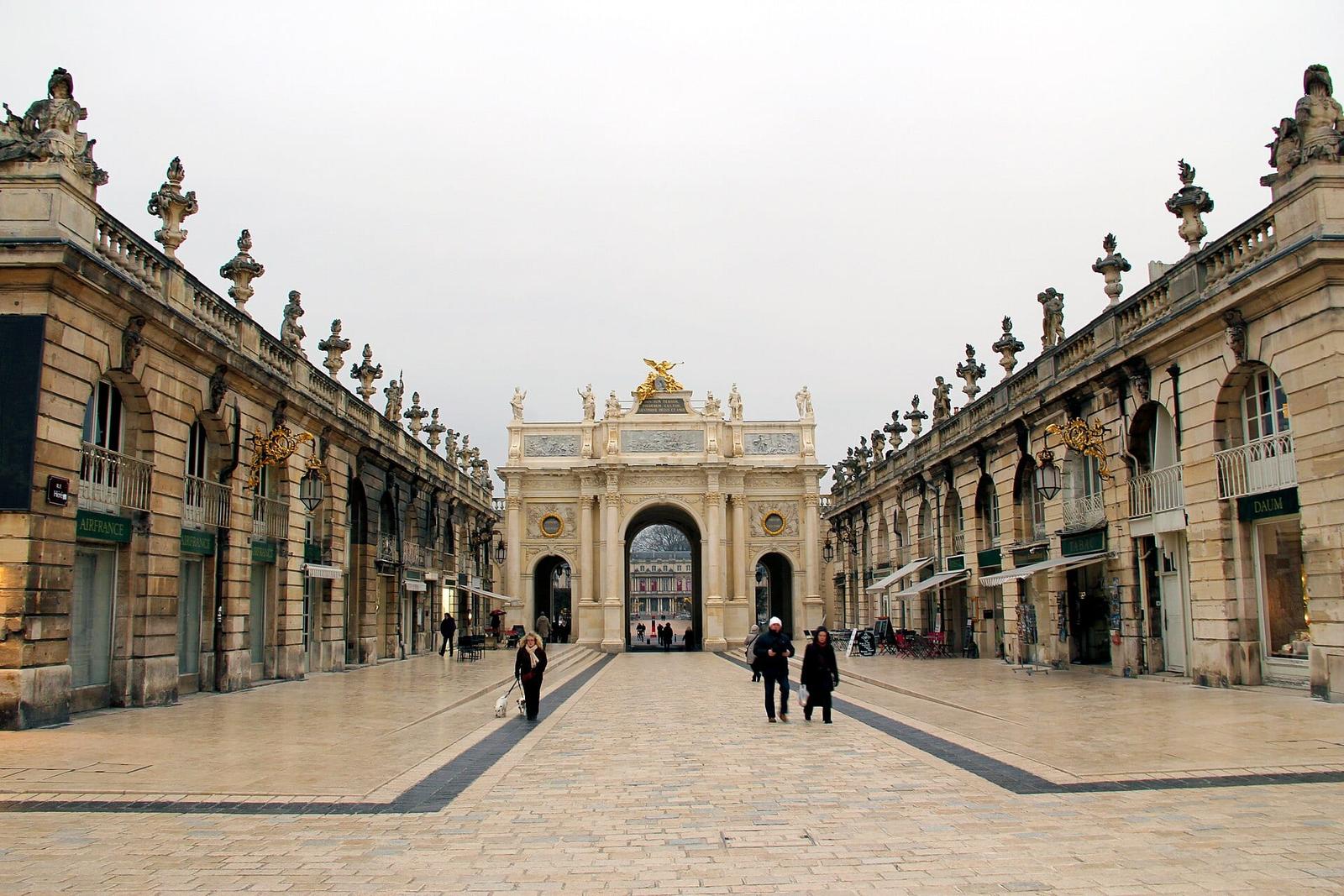
Place Stanislas is the heart of Nancy. Built in four years in the mid-18th century, framed by gilded gates and pale stone facades, it forms, with Place de la Carrière and Place d'Alliance, a group of squares listed as a UNESCO World Heritage Site in 1983. It is free to enter, day and night. Here is how to see it at its best, understand what you are looking at and plan the rest of your day.
Place Stanislas at a glance
- Where: in the centre of Nancy, between the old town and the new town, about ten minutes' walk from the railway station.
- Price: free. The square is a pedestrian public space, open day and night.
- Time needed: half an hour for the square alone, two to three hours with Place de la Carrière, Place d'Alliance and the Pépinière park.
- World Heritage: listed by UNESCO in 1983, together with Place de la Carrière and Place d'Alliance.
- Visitors: nearly 1,000,000 in 2013, according to the tourist office.
- Best for: everyone. It is the first stop on any visit to Nancy and a good starting point for exploring the city.
Why is Place Stanislas famous?
The square is named after Stanislas Leszczynski, a former king of Poland who became Duke of Lorraine. He was Louis XV's father-in-law, and Lorraine was to pass to France on his death. To link the medieval old town with the new town, he commissioned a royal square from his architect, Emmanuel Héré. Work began in 1751 and the square was inaugurated in 1755.
It was first called Place Royale, and its statue showed Louis XV. That statue was destroyed during the Revolution. The statue of Stanislas, by Georges Jacquot, took its place in 1831.
The square measures 106 metres by 124. That is small next to great squares such as the Quinconces in Bordeaux, but the effect comes from its unity: the same heights, the same facades, and the gilded gates in the corners.
In 2005, for the square's 250th anniversary, the city made it fully pedestrian and relaid the paving in light ochre, crossed by two lines of dark cobbles. The work took two years and cost 8 million euros. Since then, cars no longer drive past the town hall.
What to see on Place Stanislas
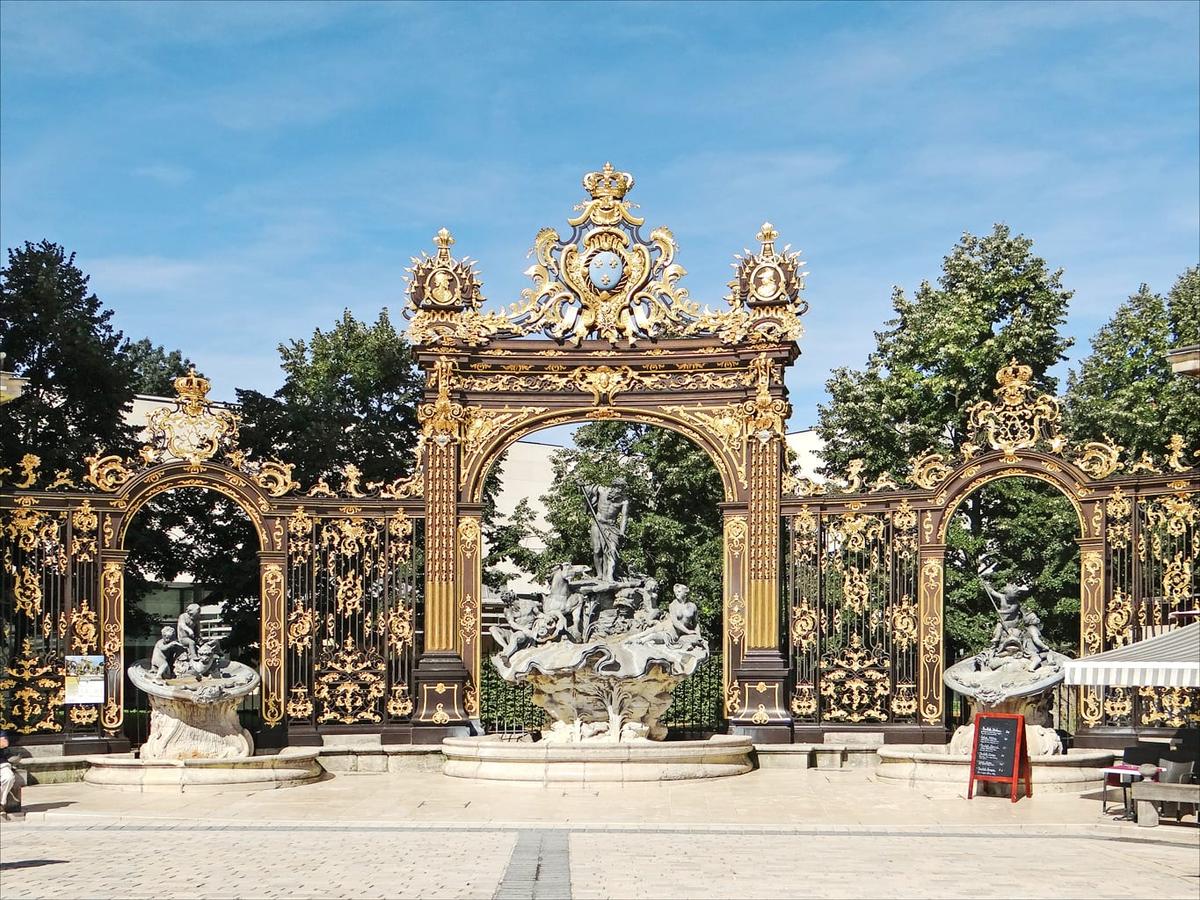
Jean Lamour's gates. The locksmith Jean Lamour forged the 6 large gilded wrought-iron gates that close off the corners of the square. They earned Nancy its nickname, "the city of golden gates". Get close: the leaves, shells and crowns are easier to read up close, and the gilding was redone during the renovation.
The Neptune and Amphitrite fountains. In the two northern corners, the gates frame two rococo fountains showing the sea gods surrounded by cherubs and dolphins. The sculptor Barthélemy Guibal presented the design as early as 1750.
The town hall. This is the largest building on the square, about 98 metres long, built at the same time as the square. Inside, the entrance hall, the grand staircase and the Salon Carré are original. It is still the working town hall, so its reception rooms are not open to drop-in visitors. Look out for the European Heritage Days in September, or the tourist office's guided tours.
The other pavilions. Opposite the town hall, the former college of medicine has housed the Musée des Beaux-Arts (fine arts museum) since 1936. The neighbouring pavilion, a former tax office, is now the Opéra national de Lorraine; the current auditorium dates from after the theatre fire of 1906.
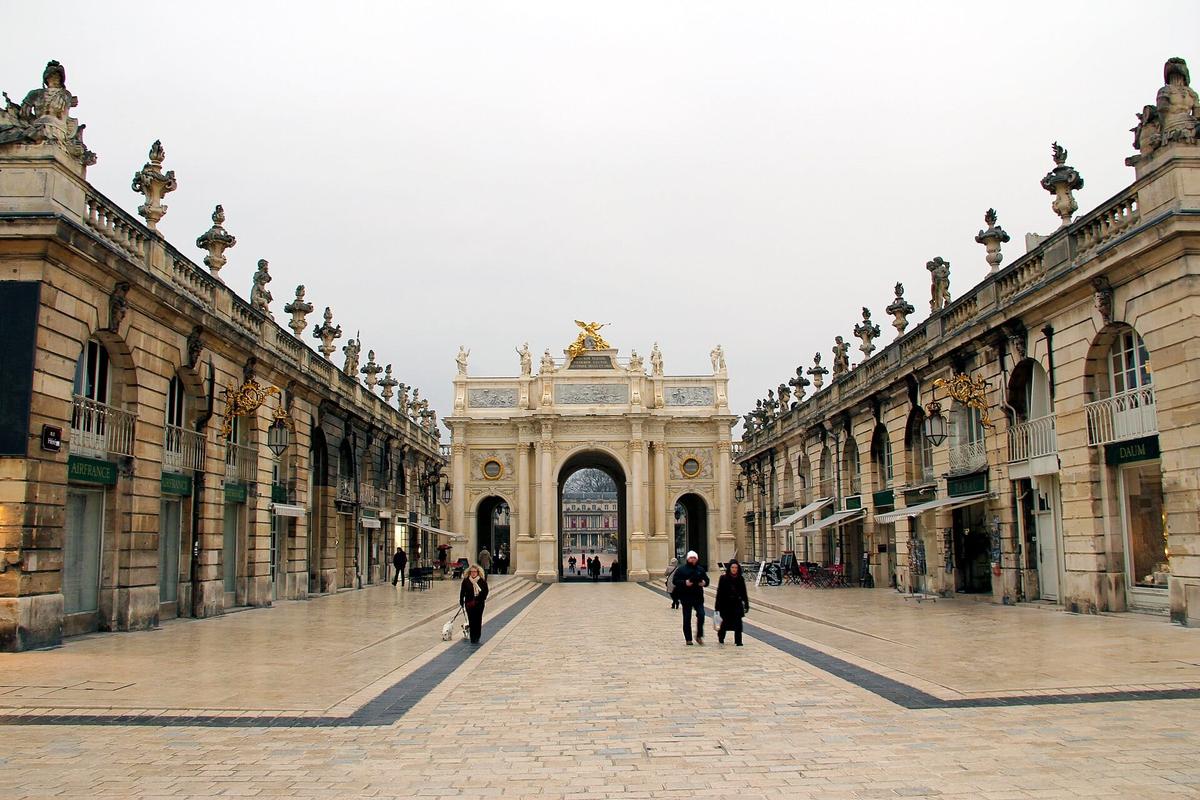
Arc Héré. To the north, this triumphal arch, built between 1753 and 1755, leads through to Place de la Carrière. Its decoration contrasts war and peace, in tribute to Louis XV.
Place de la Carrière and Place d'Alliance
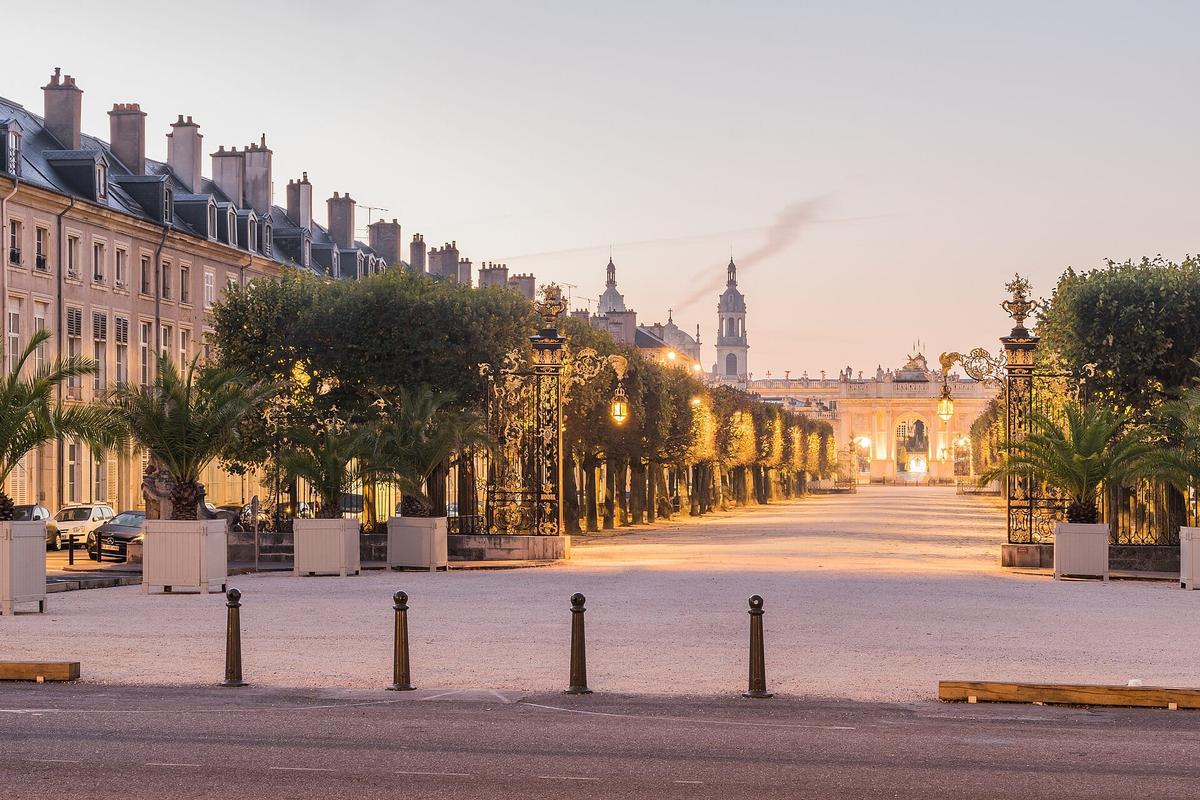
UNESCO did not list Place Stanislas on its own, but a group of three squares designed by Héré.
Place de la Carrière stretches out behind Arc Héré. It was once a tiltyard used for tournaments and horse games. With its avenue of trees, benches and 18th-century mansions, it is quieter than Place Stanislas. At the far end, a colonnaded semicircle leads to the Palais du Gouvernement, the former residence of the royal intendant.
Place d'Alliance, a few minutes east of Place Stanislas, is smaller and more intimate. It is lined with mansions and has a fountain in the middle. Its name recalls an 18th-century alliance between France and Austria. Many visitors miss it: it is worth the short detour.
The Pépinière park opens next to Place de la Carrière. It is the large park in central Nancy, with shady paths, and the right place for a break after seeing the squares.
How long does it take to visit Place Stanislas?
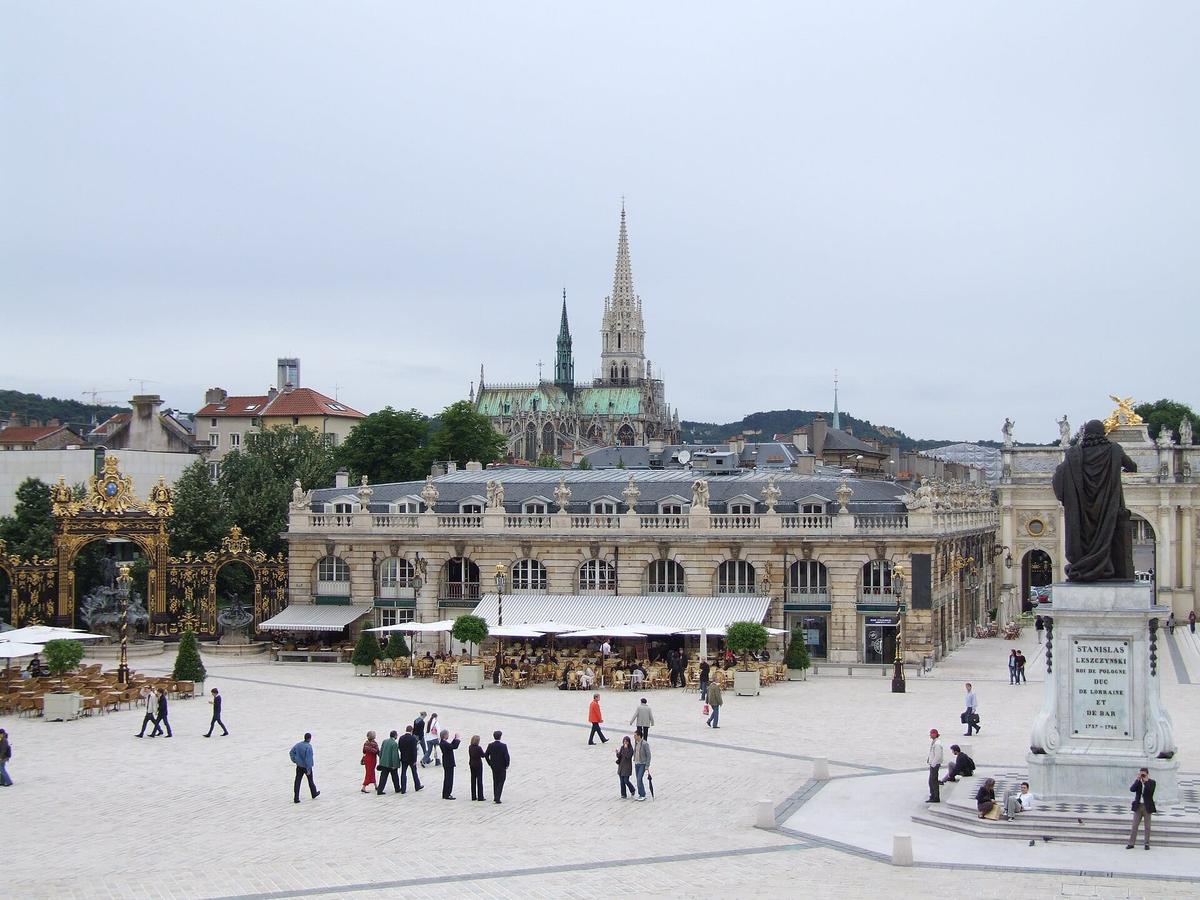
Half an hour is enough for the square alone: walk round the facades, look closely at the gates, stop at the fountains and the statue. Allow two to three hours for the whole UNESCO group with a break in the Pépinière park.
If you add the fine arts museum, on the square itself, plan half a day. With the Musée de l'École de Nancy, devoted to Art Nouveau, your day is full.
Our tip: come twice. Early in the morning the square is almost empty and the low light brings out the gilding. In the evening the square is lit up and the café terraces are lively.
Place Stanislas at night and the summer light show
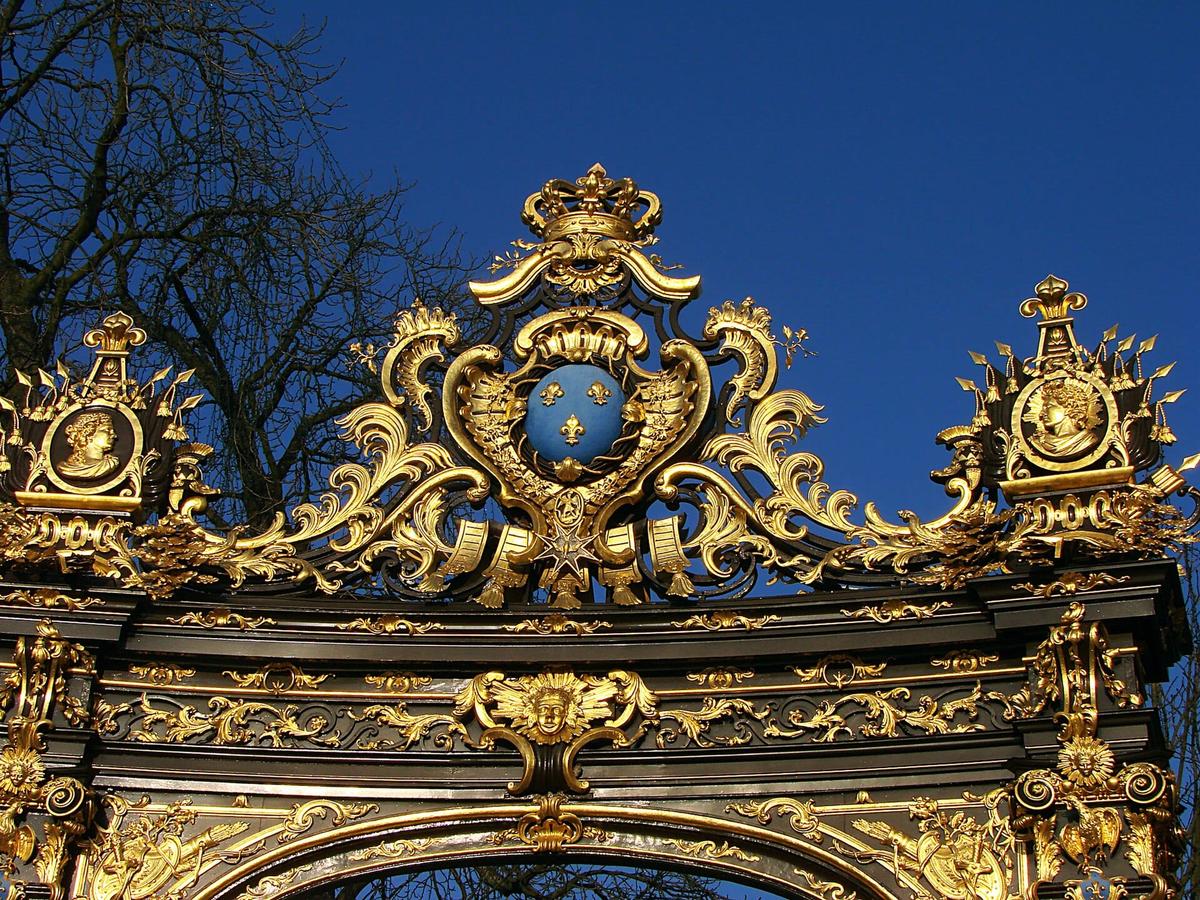
The square stays open at night and the facades are lit. It is one of the best times to photograph it.
In summer, the City of Nancy projects a video and light show onto the facades of the square, called "La Belle Saison". In 2026 it ran every evening from 12 June 2026 to 13 September 2026, starting at nightfall, a little earlier from August (no show on the evening of the Fête de la Musique, 21 June 2026). The show is free and open-air. It starts late, especially in June and July: arrive a little early to find a standing spot in the middle.
In December the square also hosts the Saint Nicholas festivities, a big event in Lorraine.
Do you need to book? Guided tours
No. The square is open to all and there is nothing to book to walk around it.
A guided tour, however, gives you what you will not see on your own: the meaning of the decoration, the story of Stanislas, the link with the medieval town and with Art Nouveau. The Nancy tourist office runs guided tours of the city. Tour companies also offer walking tours of Nancy and day trips in Lorraine.
Partner links: if you book through these links, we earn a commission at no extra cost to you. Partner links · Learn more
Guided tours and day trips on GetYourGuide
How to get to Place Stanislas
On foot from the station. Nancy station is about ten minutes' walk away. Follow rue Stanislas, which leads straight to the square. Direct TGV trains link Paris-Est with Nancy.
By public transport. Several lines of the Stan network serve the city centre. The Stan journey planner gives the most convenient line from where you are.
By car. The square is pedestrian. Leave your car in one of the underground car parks in the city centre and finish on foot. A car is mainly useful for what comes next: Lunéville, Metz or Verdun are an hour's drive at most.
Visiting Place Stanislas with children
The square is a good place for children: no cars, plenty of space, and fountains with figures to spot. Ask them to find Neptune, then the dolphins and cherubs in the gates. The statue of Stanislas works for a little game too: which way is his finger pointing?
The Pépinière park, close by, has shade and room to run. In summer, children enjoy the light show, but it starts late. In December, the Saint Nicholas festivities are the big family event in Lorraine.
Facts and figures
- Nearly 1,000,000 visitors came to the square in 2013, according to the Nancy tourist office.
- Stanislas's finger. It is said that the statue points at the portrait of Louis XV on Arc Héré. A survey by IGN, the French mapping agency, showed that it actually points north-west, towards Sedan and Charleville-Mézières.
- A time capsule. During the 2005 renovation, a capsule was buried under the square. A paving stone engraved with a star marks the spot: see if you can find it.
- One-euro cobbles. Part of the old paving, laid in 1958, was sold for one euro a stone to raise money for charities.
- France's favourite monument. The square was voted "France's favourite monument" in 2021.
- A statue cast in three minutes. The statue of Louis XV is said to have been cast in about three minutes, in Lunéville, in 1755.
Where to eat and stay near Place Stanislas
Eating. The cafés and restaurants on the square have the finest terraces in Nancy, with prices to match. For cheaper meals, head up into the old town around the Grande-Rue, or to rue des Maréchaux, right next door, which is lined with restaurants. Try bergamot sweets and macarons, two specialities of Nancy.
Staying. The city centre, between the station and the square, lets you do everything on foot, including the Musée de l'École de Nancy. Without a car, it is the simplest choice. Hotels overlooking the square are few and expensive: book early for the summer light show and for Saint Nicholas.
What to combine with Place Stanislas
| Also worth seeing | Distance | Travel time |
|---|---|---|
| Musée de l'École de Nancy | 2.5 km | 30 min on foot |
| Château de Lunéville | 35 km | 35 min by car |
| Metz Cathedral | 57 km | 50 min by public transport |
Approximate road distances and travel times.
The Musée de l'École de Nancy. After Stanislas's 18th century, the Art Nouveau of Gallé, Majorelle and Daum, in a townhouse with a garden. It is the best complement to the square. See also: Musée de l'École de Nancy
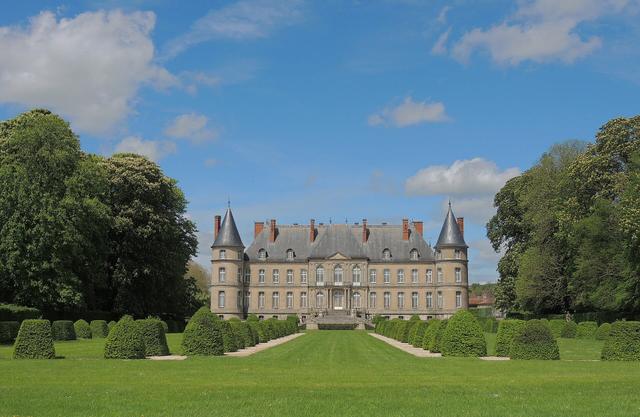
Château de Lunéville. The palace where Stanislas lived, nicknamed the "Versailles of Lorraine", half an hour's drive away. See also: Château de Lunéville
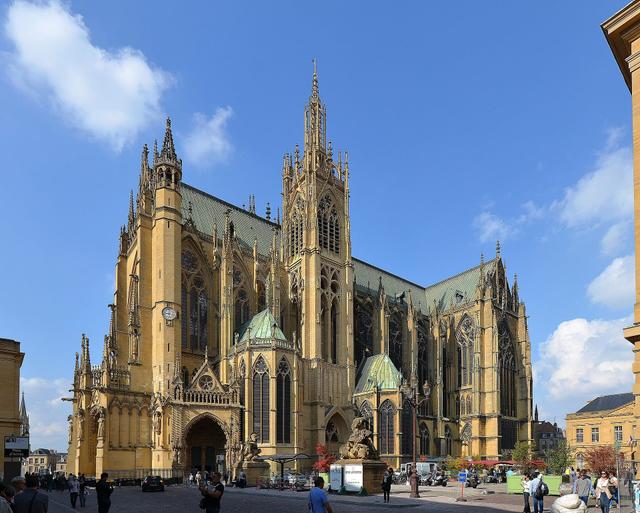
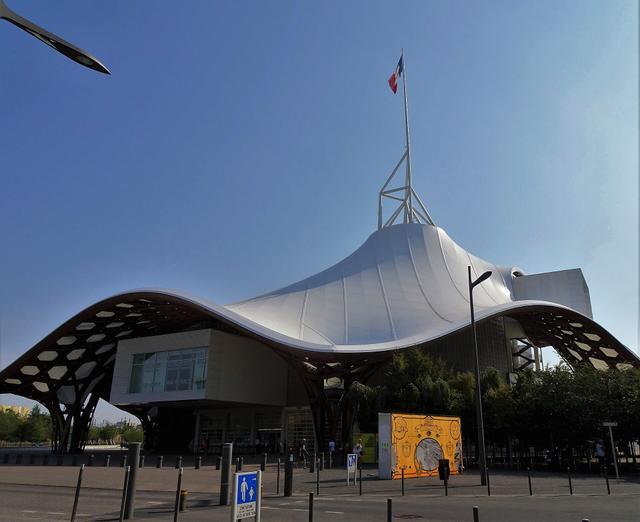
Metz. Less than an hour away by train, Metz Cathedral and the Centre Pompidou-Metz can be seen in the same day. See also: Metz Cathedral, Centre Pompidou-Metz
For the rest of the region: See also: Lorraine
FAQ
Is Place Stanislas free?
Yes. It is a pedestrian public space, open day and night, with no ticket.
How long does it take to visit Place Stanislas?
Half an hour for the square alone, two to three hours with Place de la Carrière, Place d'Alliance and the Pépinière park.
When is the Place Stanislas light show?
In summer. In 2026, "La Belle Saison" was shown every evening from 12 June 2026 to 13 September 2026, at nightfall. The show is free.
Who made the gilded gates on Place Stanislas?
The locksmith Jean Lamour, in the 18th century. They earned Nancy the nickname "the city of golden gates".
Why is Place Stanislas a UNESCO World Heritage Site?
Together with Place de la Carrière and Place d'Alliance, it forms an 18th-century urban ensemble designed by Emmanuel Héré, listed in 1983.
Can you visit the town hall?
Not on a drop-in basis: it is the working town hall. Its reception rooms open during the European Heritage Days and on some guided tours.
Practical information
Official ticket-office prices 2026
Free admission
Address
Place Stanislas, 54000 Nancy, France
Directions
On site and nearby
- Nearest shops and pharmacy: Nancy, less than 1 km away Straight-line distance, based on OpenStreetMap.
- Emergencies: 112 (all emergencies, free from any phone), 15 (SAMU, medical emergency)
Around the site, on Google Maps
With children
Family days out nearby: Château de Fléville (8 km), Fort de Villey-le-Sec (16 km), Sion-Vaudémont Hill (30 km)
Swimming pools and play areas nearby, on Google Maps
Facts checked on 29 October 2026. Sources: destination-nancy.com, fr.wikipedia.org, nancy.fr
Map
In the same region


- Maison de la MirabelleFree admission

- Amnéville ZooFree under 3