Joan of Arc's Birthplace in Domrémy: planning your visit
Joan of Arc's Birthplace at a glance
- 1 October 2026 to 15 December 2026
- 10:00 – 13:00, 14:00 – 17:00 (closed on Tuesday)
- Full price
- €5
- Free
- under 18s
- Time needed
- about 2 h
- Visitors per year
- about 35,000 (2012)
- Where
- Domrémy-la-Pucelle
Official ticket-office prices, checked on 11 November 2026. Full opening hours, reduced prices and access
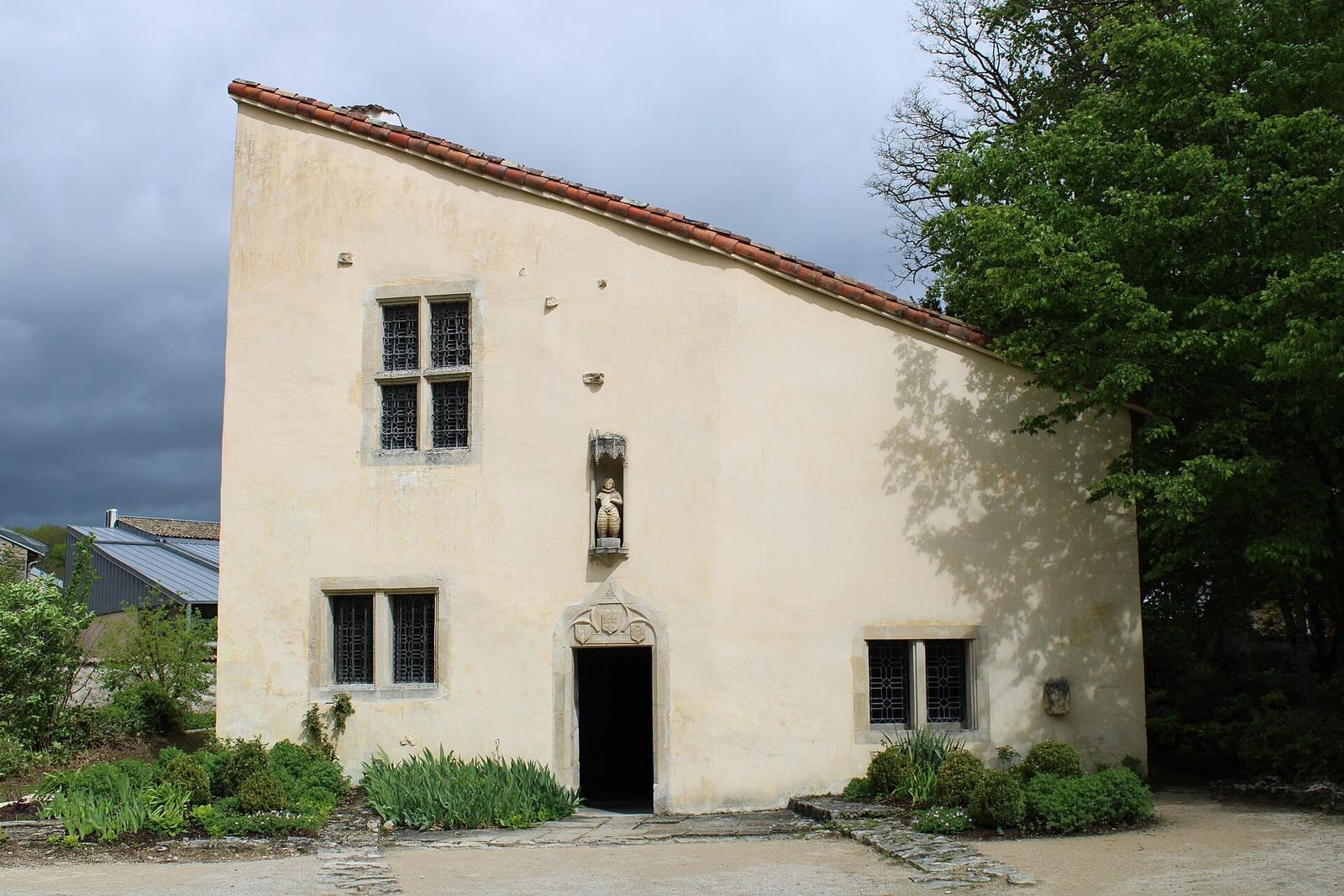

In a small village in the Vosges, on the banks of the Meuse, a 15th-century farmhouse is one of the oldest places of remembrance in France. Joan of Arc was born here around 1412. The Vosges department has owned it since 1818 and has added an interpretation centre, Visages de Jehanne. Here are the prices, opening hours, how long to allow and what to see nearby.
Joan of Arc's birthplace at a glance
- Where: in Domrémy-la-Pucelle, in the western Vosges, about ten kilometres north of Neufchâteau, on the banks of the Meuse.
- Price: €5 full price, €3 reduced, free for under-18s.
- Open: February to mid-December, closed on Tuesdays except in July and August. In summer, open every day, 10:00 – 18:30 with no lunch break.
- Time needed: the Grand Est tourist board gives an average visit of 120 minutes for the house and the interpretation centre.
- Best for: history lovers, pilgrims, and families, thanks to the school holiday workshops.
- Good to know: the site is closed from mid-December to late January. Dogs are not allowed.
Why visit Joan of Arc's birthplace
This is the only place where you can walk into a house where Joan of Arc lived. It is nothing like a castle. It is a low stone house of well-off peasants, with one upper floor and an attic. Joan's parents, Jacques d'Arc and Isabelle Rommée, farmed around twenty hectares around it, according to Wikipedia.

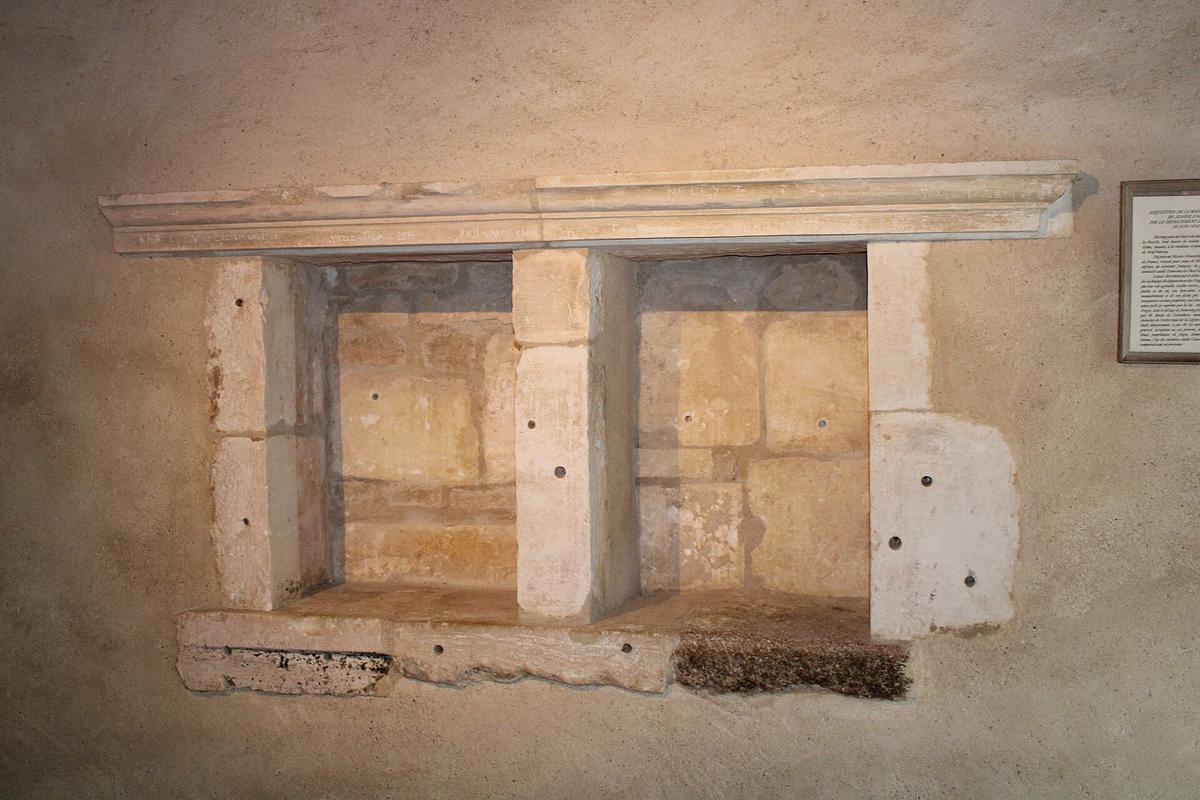
The tour of the interior is short: four small, bare rooms, the birth room, Joan's bedroom, the storeroom and the brothers' room. The plainness is surprising, and that is what makes the place interesting. You get a sense of the distance between this Lorraine farm and the girl who would have Charles VII crowned at Reims in 1429.
It is also one of the first protected monuments in France. The house appears on the very first list of historic monuments, drawn up by Prosper Mérimée in 1840. It also carries the Maisons des Illustres label, given to the homes of famous French people.
A house bought by the department in 1818
The story of the house after Joan is almost as curious as that of its famous resident.

The first visitors. The village was already drawing visitors in the 16th century. In 1580, Michel de Montaigne passed through Domrémy and mentioned the house in his travel journal. He is one of the earliest known visitors.
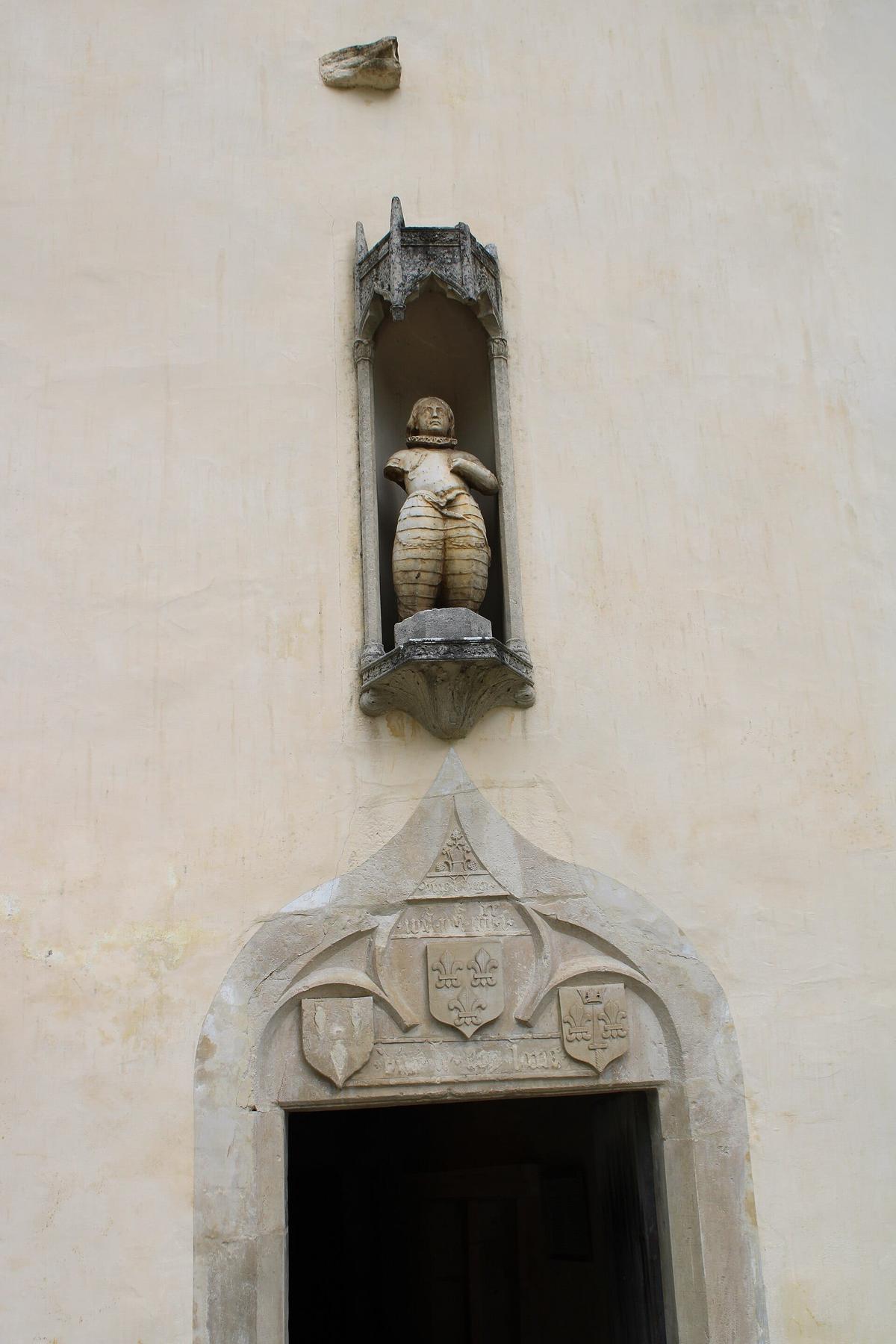
The 1481 lintel. Above the door, a lintel dated 1481 bears coats of arms. They were chiselled off during the July Revolution of 1830, then restored. Their authenticity was questioned as early as the late 19th century by the historian Eugène Misset. Take a look at the façade before going in: it sums up six centuries of changes.
A farm shed. In the 18th century, the house belonged to the Gérardin family. Work on the nearby stream caused damp to seep in, and the house ended up as a shed for farm equipment.
A veteran rewarded for a sale. In 1818, the Vosges general council bought the house from Nicolas Gérardin, a veteran of the Napoleonic wars, for 2,500 francs. As thanks, Gérardin received the Legion of Honour and the medal of the city of Orléans. The neighbouring buildings were then demolished to leave the house standing in a garden. In 1820, Louis XVIII paid for a fountain topped with a bust of Joan, still visible on a small square nearby.
The statue on the façade. Since 1839, a statue of Joan kneeling in armour has stood above the door. It is a copy. The original is kept in the interpretation centre. It is thought to derive from a 1611 statue by Étienne Hordal and is considered the oldest surviving statue of Joan, even though it is damaged.
How much does it cost to visit?
2026 prices, as published on the ticket shop of the Ouest des Vosges tourist office:
- Full price: €5.
- Reduced price: €3, for ages 18 to 25, groups of more than 10, jobseekers and people on RSA income support, holders of the AAH disability card and some partner cards, with proof.
- Under 18: free.
The ticket covers the birthplace and the Visages de Jehanne interpretation centre.
The Grand-Domrémy combined ticket. The Vosges department runs two sites: the birthplace and the Gallo-Roman archaeological site of Grand, with its amphitheatre and large mosaic. A joint ticket costs €7 full price and €4 reduced. It is valid for up to 2 days, so you can stay overnight between the two visits.
The Pass Vosges. This free pass is available from tourist offices in the Vosges. With it, entry drops to €3 for over-25s and is free for under-25s. If you are spending several days in the department, pick one up when you arrive.
Groups. A guided tour for a group costs a flat fee of €30, on top of the entry tickets.
Do you need to book?
No. For an individual visit, just turn up at the front desk. You can pay by card, in cash or by cheque. E-tickets are also sold on the online shop of the Ouest des Vosges tourist office, which is mostly useful for the combined ticket with Grand.
The holiday workshops, treasure hunts and weekend events have limited places. For those, call the site before you come.
2026 opening hours and best time to visit
Opening hours as published by the Vosges tourist offices and the department's website:
- February and March: 10:00 – 13:00 and 14:00 – 17:00, closed on Tuesdays.
- April to June: 9:30 – 13:00 and 14:00 – 18:00, closed on Tuesdays.
- 1 July 2026 to 31 August 2026: every day, 10:00 – 18:30, no lunch break.
- September: 9:30 – 13:00 and 14:00 – 18:00, closed on Tuesdays.
- 1 October to 15 December 2026: 10:00 – 13:00 and 14:00 – 17:00, closed on Tuesdays.
Last entry is 30 minutes before closing. The site is closed from mid-December to late January.
The lunchtime trap. Outside July and August, the site closes for an hour at lunchtime, after the morning slot (10:00 – 13:00 in low season). If you arrive half an hour before the break, you will only have time to see the house. Come at opening time or early in the afternoon.
The Tuesday trap. Tuesday is the weekly closing day from February to June and from September to December. Many visitors find the gate shut.
Our tip: the village is quiet almost all year. The busiest days are the medieval festivals and re-enactments in summer, especially around 15 August, and the European Heritage Days in September. If you want the rooms to yourself, avoid those dates. If you are coming with children, they are the best time.
How long does it take to visit?
The house itself does not take long: four small rooms. The interpretation centre needs the most time. The Grand Est tourist board gives an average of 120 minutes for the whole site, garden included.
Add half an hour for the Church of Saint-Rémy next door, and an hour to go up to the Bois-Chenu basilica. Half a day in Domrémy works well.
What to see on site
The birthplace. You enter through the door with the carved lintel. Inside, the birth room, Joan's bedroom, the storeroom and the brothers' room are almost empty. The thick walls, stone floors and small windows tell of the life of a farming family in the early 15th century.

The garden. The house stands in a tree-lined garden, created in the 19th century after the neighbouring buildings were pulled down. It was in her father's garden, in her own words, that Joan first heard her voices. At her trial, on 22 February 1431, she said the voice came to her "around noon, in summer, in her father's garden", when she was about 13 years old.
The Visages de Jehanne centre. Set behind the house and redesigned in 2020, it traces Joan's life, her trial and death, then the way her image has been used over the centuries. The original statue of Joan kneeling is kept here. Temporary exhibitions are held every year. A guide sometimes offers short introductory tours of about 30 minutes.
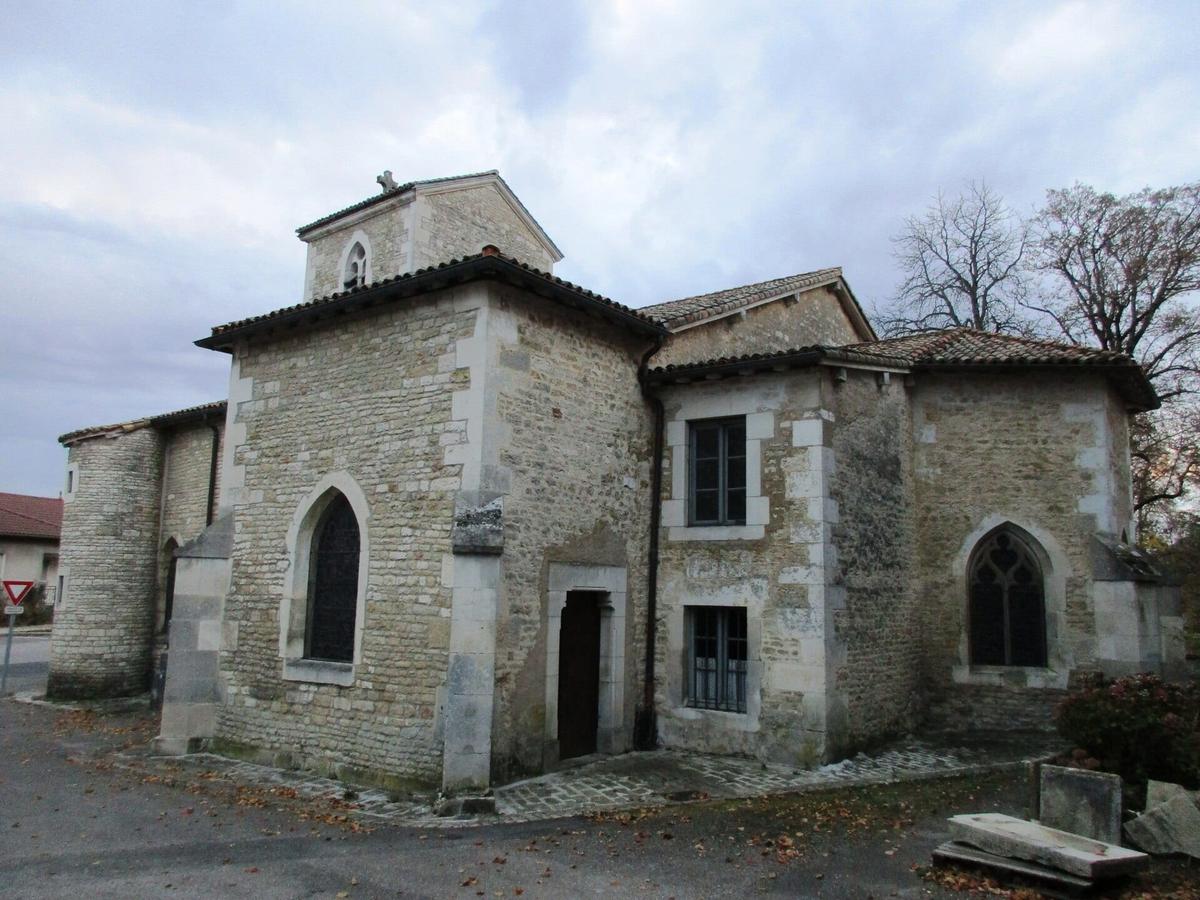
The Church of Saint-Rémy. Right next to the house, this is the church where Joan was baptised. Its curved clay tile roof looks like that of the birthplace. Entry is free.
The Louis XVIII fountain. On a small square nearby, this neoclassical monument from 1820 bears a marble bust of Joan by Jean-François Legendre-Héral.
The Bois-Chenu basilica
On the hill above the village, the Bois-Chenu basilica stands where, according to tradition, Joan came to pray. Building began in the late 19th century, and it is still an active place of pilgrimage. The interior is covered with large murals telling the story of Joan's life. From the esplanade, the view stretches over the Meuse valley.
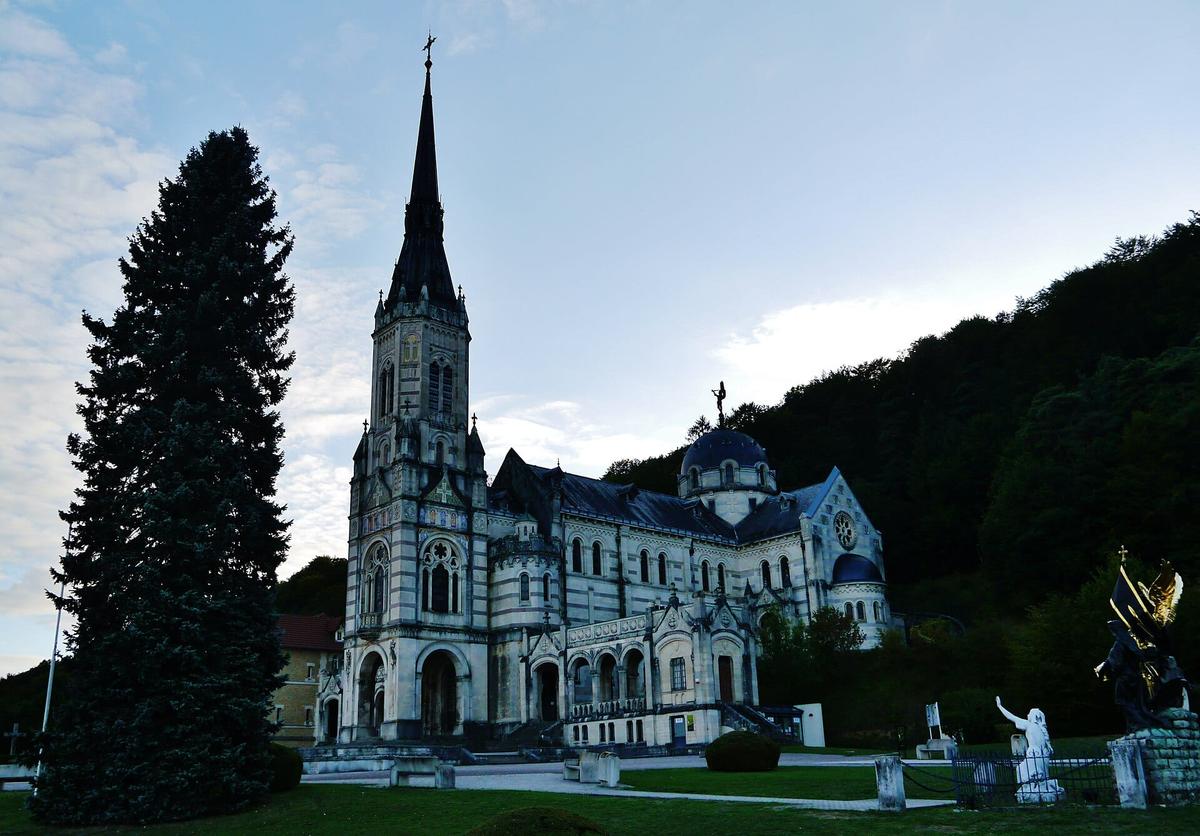

It takes a few minutes to drive up, or you can walk up along the road. Entry to the basilica is free and is not part of the ticket for the department's site.
Visiting with children
The site is small, which suits young children: no long galleries, a garden to run around in and free entry for under-18s.
During French school holidays, the site runs children's workshops, treasure hunts and activities on the Middle Ages: illumination, coats of arms, storytelling, night-time games. The programme changes every year and is published on the official website and in the tourist offices' events listings. A shared fresco in the interpretation centre invites visitors to add a detail of their own.
For teenagers, the best angle is the trial: a 19-year-old girl standing up to learned judges for weeks. Read them her words about the garden before you go in.
Accessibility
The site's listing on acceslibre, the French accessibility database, mentions a step-free entrance, adapted toilets and trained staff. However, the reception is up three steps with no ramp, and the medieval house keeps its thresholds and uneven floors. A wheelchair visit is therefore only partly possible: call the site before you come, as assistance can be arranged. There is no public transport nearby.
Dogs are not allowed.
How to get to Domrémy
By car. This is the easiest option. Domrémy-la-Pucelle is on the road along the Meuse between Neufchâteau and Vaucouleurs. Allow about an hour from Nancy. Free parking is available near the site, and there is space for coaches.
By train. The nearest station is Neufchâteau. There is no convenient regular bus from the station to the village, so you need a taxi or a bike.
By bike. The site has the Accueil Vélo label for cycle-friendly places. It lies on the Meuse cycle route, which follows the valley. It is a lovely way to arrive, especially from Neufchâteau.
Renting a car. To combine Domrémy, the Grand site, Vaucouleurs and Nancy, the most practical option is to rent a car in Nancy.
Partner links: if you book through these links, we earn a commission at no extra cost to you. Partner links · Learn more
In the footsteps of Joan of Arc in the area
Vaucouleurs. This is where Joan set off in 1429 to join the Dauphin at Chinon, after convincing the captain Robert de Baudricourt. The town has a museum devoted to Joan and the ways she has been portrayed. A combined ticket with Domrémy has been offered in the past; ask at the front desk if it is still available.
The archaeological site of Grand. It has nothing to do with Joan, but it is the department's other site, with an amphitheatre described as one of the largest in the Roman Empire and a large mosaic. The combined ticket makes it worth the trip.
Guided tours. For a guided tour of Joan of Arc country from a big city, here are our partners' offers.
Guided tours and day trips on GetYourGuide
What to visit nearby on the same day
| Also worth seeing | Distance | Travel time |
|---|---|---|
| Château d'Haroué | 50 km | 50 min by car |
| Place Stanislas | 60 km | 55 min by car |
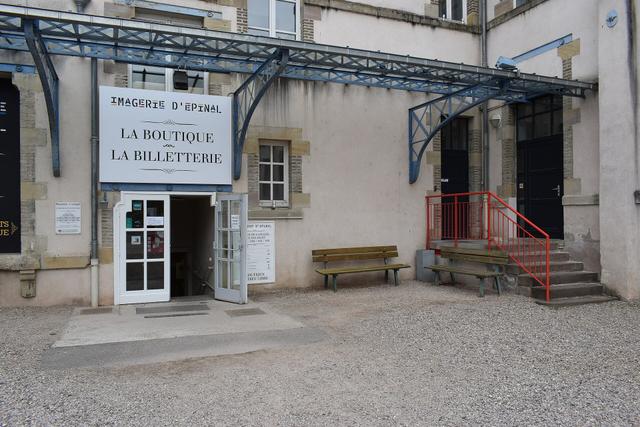
| Imagerie d'Épinal | 75 km | 65 min by car |
Approximate road distances and travel times.
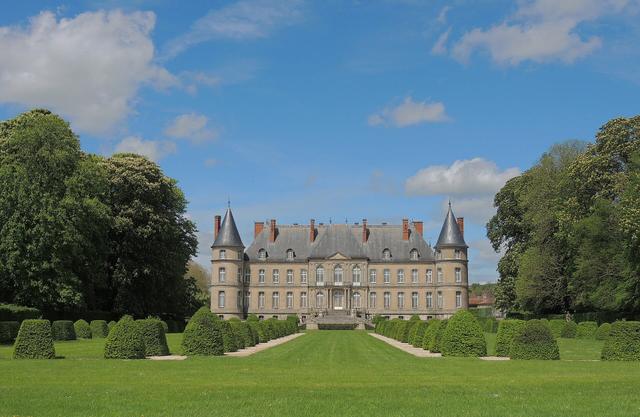
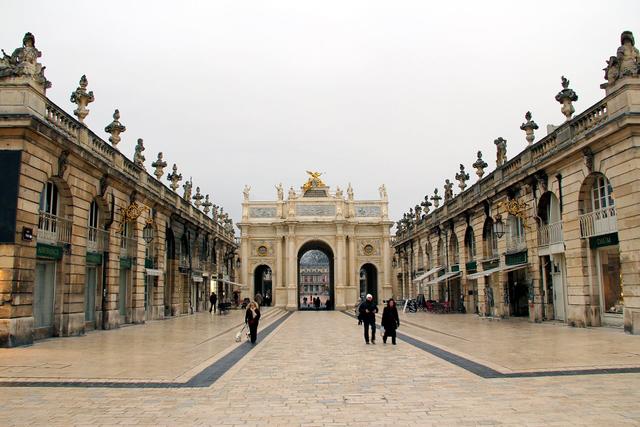
To the north, the Château d'Haroué, famous for its 365 windows, is the nearest visit in southern Meurthe-et-Moselle. See also: Château d'Haroué Nancy and its Place Stanislas are less than an hour away: the obvious base for a weekend in Lorraine. See also: Place Stanislas, Château de Lunéville To the east, Épinal and its famous popular prints round off a tour of the Vosges. See also: Imagerie d'Épinal
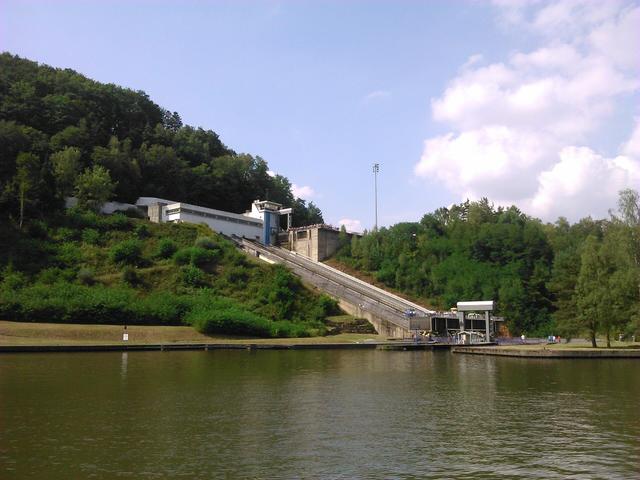
To the south, Langres and the Maison des Lumières Denis Diderot make a good stop if you are heading down to Burgundy. See also: Maison des Lumières Denis Diderot For a very different side of Lorraine's heritage, the Saint-Louis-Arzviller inclined plane in Moselle lifts boats 44 m in a few minutes. See also: Saint-Louis-Arzviller Boat Lift, Lorraine
Where to eat and stay near Domrémy
Domrémy is a small village: places to eat are very limited and depend on the season. Bring a picnic or have lunch in Neufchâteau, about ten minutes away by car, which has several restaurants.
To stay, Neufchâteau is the nearest base, with hotels and B&Bs. If you are combining your trip with Nancy, a night in town lets you see Place Stanislas lit up.
Places to stay near Neufchâteau
FAQ
How much is a ticket to Joan of Arc's birthplace?
€5 full price, €3 reduced, free for under-18s. The combined ticket with the Grand site costs €7.
Is the birthplace open on Tuesdays?
Only in July and August. For the rest of the season, from February to mid-December, Tuesday is the closing day.
Is the house open in winter?
Until 15 December 2026, then it closes until early February.
Was Joan of Arc really born in this house?
It is her parents' house, Jacques d'Arc and Isabelle Rommée, where she was born around 1412 and grew up. The building has been altered, but it has been recognised as her birthplace since the 16th century and has been protected since 1840.
How long should I spend in Domrémy?
About 120 minutes for the house and the interpretation centre, half a day with the Church of Saint-Rémy and the Bois-Chenu basilica.
How many people visit each year?
About 35,000 a year, according to the latest published figure, which dates from 2012.
Practical information
Opening hours 2026
| 1 February 2026 to 31 March 2026 | 10:00 – 13:00, 14:00 – 17:00 (Closed: Tuesday) |
|---|---|
| 1 April 2026 to 30 June 2026 | 9:30 – 13:00, 14:00 – 18:00 (Closed: Tuesday) |
| 1 July 2026 to 31 August 2026 | 10:00 – 18:30 |
| 1 September 2026 to 30 September 2026 | 9:30 – 13:00, 14:00 – 18:00 (Closed: Tuesday) |
| 1 October 2026 to 15 December 2026 | 10:00 – 13:00, 14:00 – 17:00 (Closed: Tuesday) |
Official ticket-office prices 2026
| Full price | €5 |
|---|---|
| Reduced rate | €3 |
| Free | under 18s |
Address
2 rue de la Basilique, 88630 Domrémy-la-Pucelle, France
Directions · Phone+33 3 29 06 95 86
On site and nearby
- On site: Toilets
- Nearest shops and pharmacy: Coussey, 4 km away Straight-line distance, based on OpenStreetMap.
- Emergencies: 112 (all emergencies, free from any phone), 15 (SAMU, medical emergency)
Around the site, on Google Maps
With children
Family days out nearby: Sion-Vaudémont Hill (30 km), Fort de Villey-le-Sec (33 km), Château du Grand Jardin (Joinville) (39 km)
Swimming pools and play areas nearby, on Google Maps
Facts checked on 11 November 2026. Sources: maisonjeannedarc.vosges.fr, tourisme-ouest-vosges.fr, boutique.tourisme-ouest-vosges.fr, tourisme-plainedesvosges.fr, fr.wikipedia.org, vosgesinfo.fr, explore-grandest.com, acceslibre.beta.gouv.fr
Map
In the same region
- Maison de la MirabelleFree admission
- Amnéville ZooFree under 3