Church of Saint-Étienne in Saint-Mihiel and Ligier Richier's Sepulchre
Church of Saint-Étienne, Saint-Mihiel at a glance
- High season
- 9:30 – 19:30
- Low season
- 10:00 – 17:00
- Admission
- Free
- Where
- Saint-Mihiel
Facts checked on 12 November 2026. Full opening hours, reduced prices and access
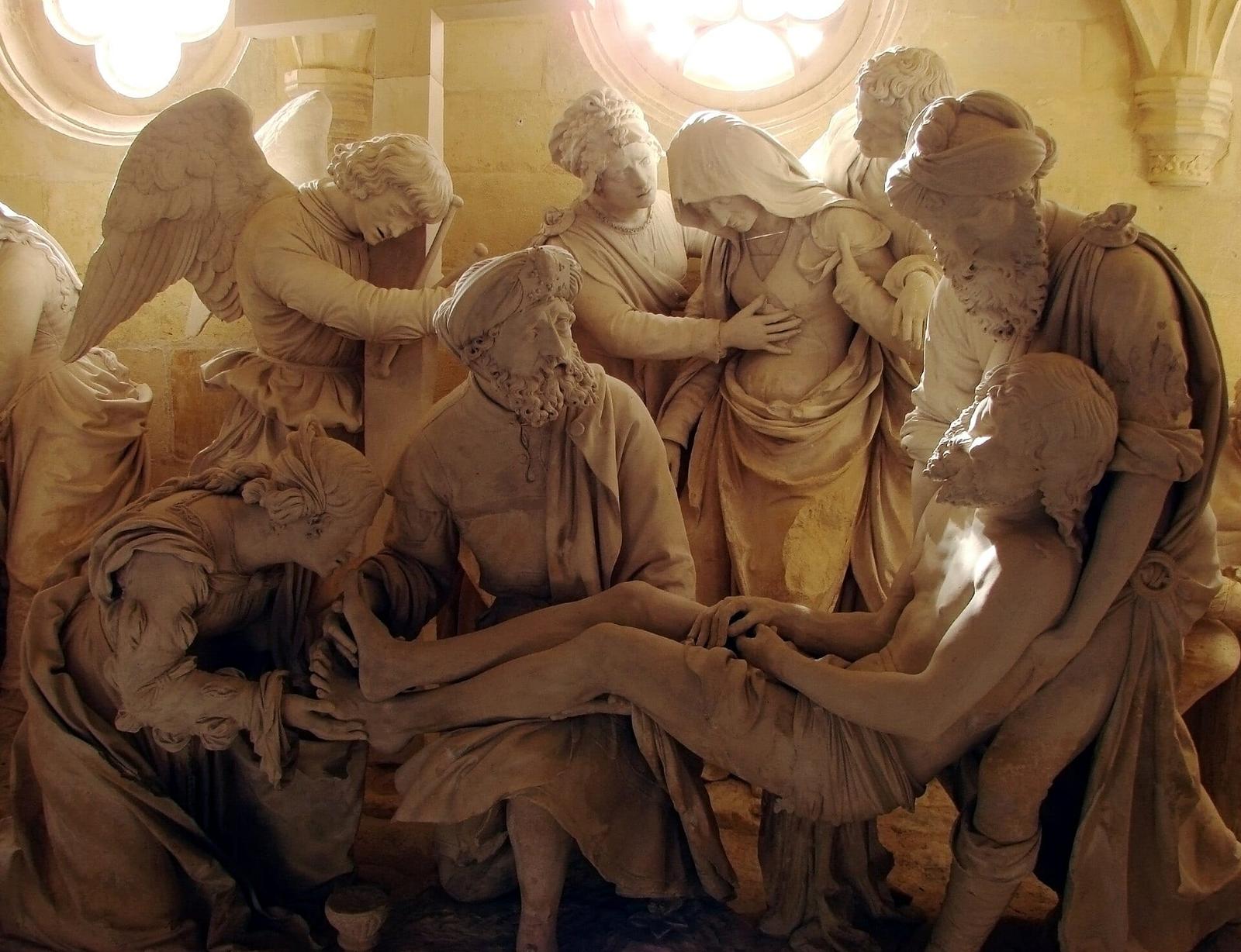

In a small town in the Meuse, a church holds one of the most famous sculptures of the French Renaissance: Ligier Richier's Sepulchre, thirteen stone figures around the body of Christ. Entry is free. Here are the opening hours, the story of the work, what to look at and how to plan your visit from Verdun, Toul or Nancy.
Saint-Étienne at a glance
- Where: in the centre of Saint-Mihiel (Meuse), Place du Général Audeoud, between Verdun and Commercy, on the banks of the Meuse.
- Price: free entry.
- Open: every day, 9:30 – 19:30 from 1 April to 30 September and 10:00 – 17:00 from 1 October to 31 March, according to the Grand Est network of open religious buildings.
- Must-see: Ligier Richier's Sepulchre (or Entombment), 13 figures slightly larger than life.
- Best for: lovers of sculpture and the Renaissance, and visitors to the Verdun battlefields looking for a different kind of stop.
- Good to know: the church is still a place of worship. Opening hours are not published every year, so call the tourist office before a long drive.
Why visit the Church of Saint-Étienne
People come to Saint-Étienne for one work: the Saint-Mihiel Sepulchre. This stone group, carved by Ligier Richier between 1554 and 1564, shows Christ being laid in the tomb. It is 325 centimetres long and 180 centimetres high. Its 13 figures are slightly larger than life.

Ligier Richier is the great Renaissance sculptor of Lorraine, and Saint-Mihiel is his town. The Sepulchre is his last work before he left for Geneva, where he died in 1567. So the work has never left the town where it was carved.
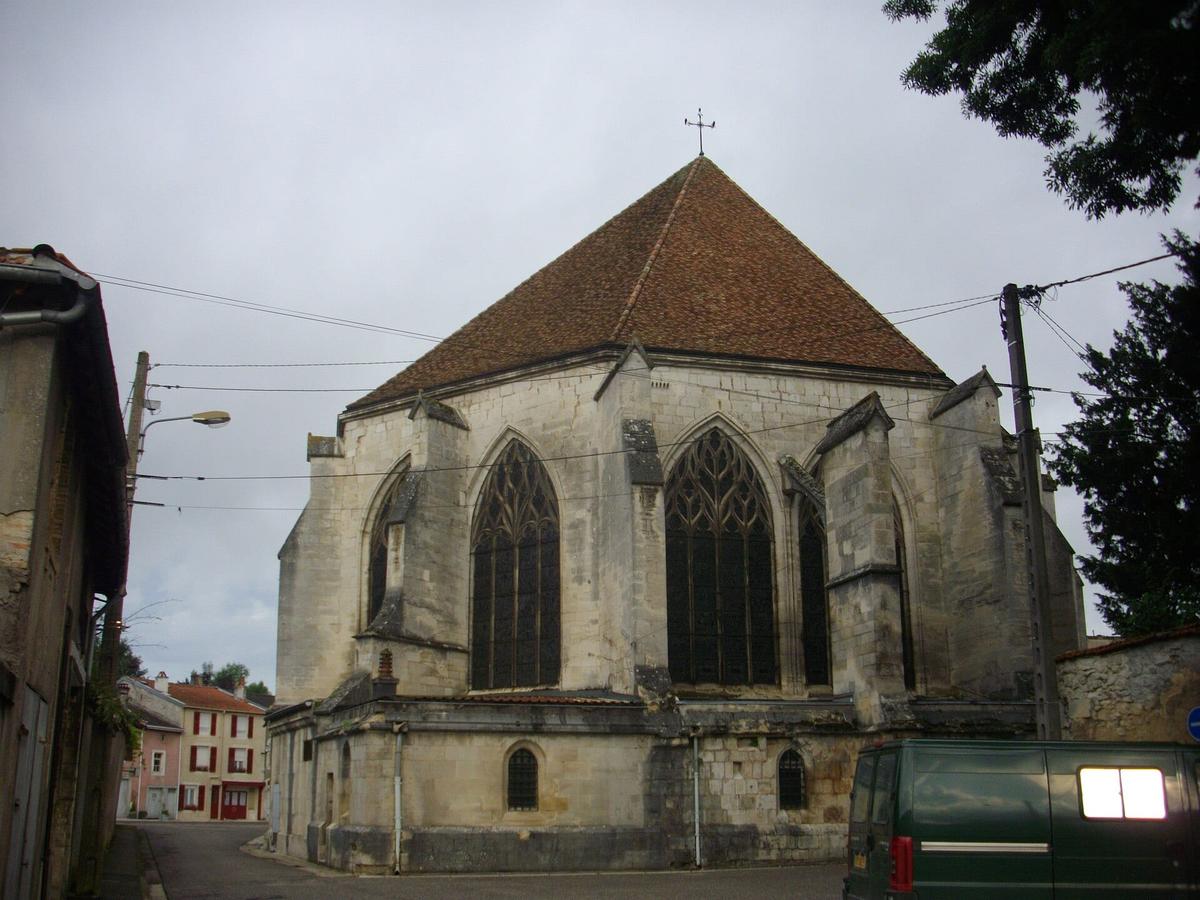
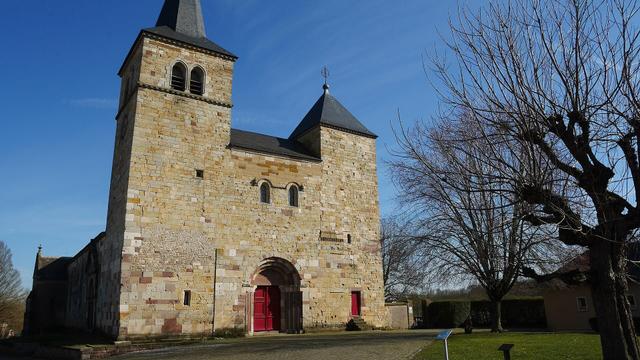
The church itself has a long history. A Benedictine abbey was founded in 709 by Count Wulfoad. Its church was first dedicated to Saints Cyricus and Julitta; it only took the name of Saint Stephen (Saint Étienne) in the 12th century. It was extended eastwards from 1500 to 1543, helped in particular by a gift from Duke Antoine of Lorraine, and consecrated in 1545. In the early 18th century, it became a collegiate church, served by a chapter of canons.
In 1824, the town widened the street: the oldest part, from the 13th century, was demolished, then the bell tower and façade were rebuilt. That is why the outside looks more recent than the inside. The church, Sepulchre included, has been a listed historic monument since 1907.
Is there an entry fee?
No. Entry to the church and the view of the Sepulchre are free. There is no ticket to book.
For a guided visit, contact the Cœur de Lorraine tourist office on +33 3 29 89 06 47. The town refers all visit requests to it. During the European Heritage Days in September, the town also runs heritage discovery events, which have included the collegiate church of Saint-Étienne in previous years.
Partner links: if you book through these links, we earn a commission at no extra cost to you. Partner links · Learn more
Church of Saint-Étienne opening hours
The Édifices ouverts du Grand Est network, which lists churches open to visitors, gives these hours:
- 1 April to 30 September: every day, 9:30 – 19:30.
- 1 October to 31 March: every day, 10:00 – 17:00.
These hours have not been updated for 2026 on the network's listing, and the town does not publish opening hours on its page about the collegiate church. Before you set off, especially in winter or on a public holiday, call the tourist office.
When to go. The church is rarely crowded. The Sepulchre stands in a niche in the right-hand aisle. Avoid mass times and funerals, when you cannot walk around the church.
How long does the visit take?
Half an hour is enough to see the church and the Sepulchre. If you enjoy sculpture, spend longer in front of the group: each figure has a different gesture and expression, and you notice new details every time you look. With the rest of the town (Saint-Michel Abbey, Ligier Richier's house, the Museum of Sacred Art), half a day in Saint-Mihiel is about right.
What to see: Ligier Richier's Sepulchre
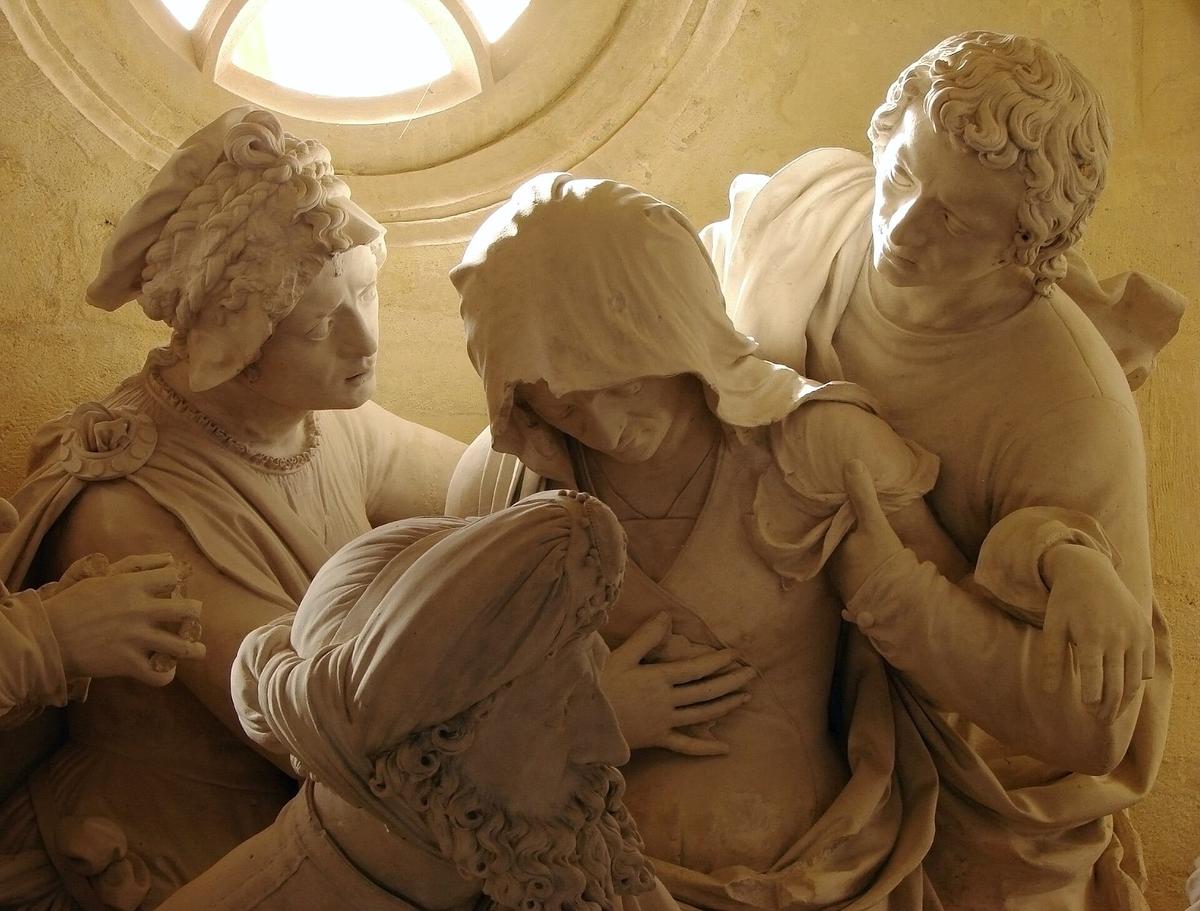
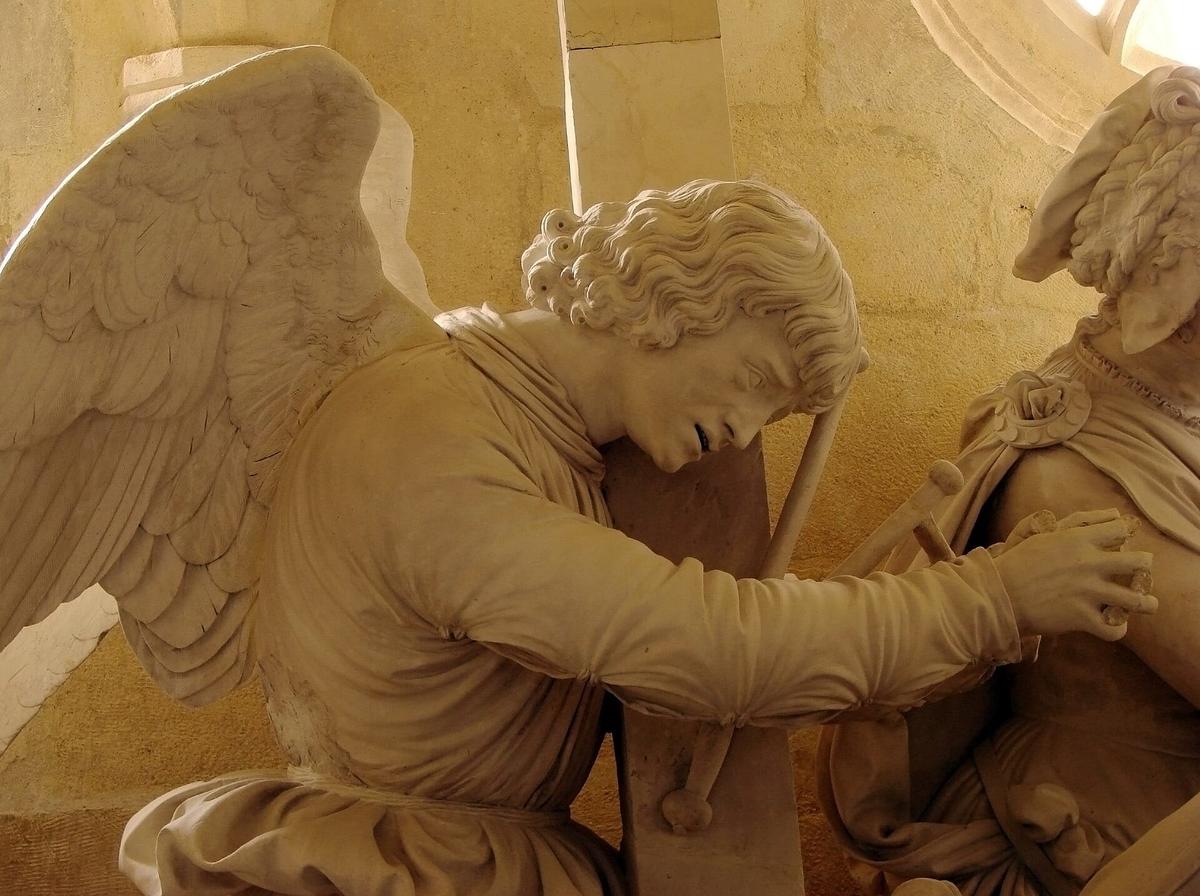
The composition. In the centre, the body of Christ is held by Joseph of Arimathea and Nicodemus, who are about to lay him in the tomb. On the left, Mary Magdalene kneels at his feet and Veronica holds the cloth. Behind, the fainting Virgin is supported by Saint John. You can also make out Mary of Clopas, Salome, a centurion and an angel carrying the cross.

The two soldiers. In the background, two soldiers throw dice for Christ's tunic. They contrast with the grief of the other figures: it is one of the details visitors notice last.
Three blocks for a single scene. The group is carved from local stone, quarried in Saint-Mihiel. It is made of 3 blocks fitted together so well that people in Lorraine believed until the 19th century that it had been carved from a single stone.
A niche that is too small. The town's page on the collegiate church points it out: the niche was probably not the original intended location, and the figures look a little cramped in it. Step back into the aisle to see the whole group.
Who was Ligier Richier?
Ligier Richier was born in Saint-Mihiel around 1500 and ran a sculpture workshop there for most of his life. He worked for the Dukes of Lorraine and for the churches of the region. His best-known works are still in the Meuse: the Sepulchre in Saint-Étienne, the Swooning Virgin in the abbey church of Saint-Michel in the same town, and the Transi of René de Chalon in the Church of Saint-Étienne in Bar-le-Duc, a standing skeleton holding its heart up to the sky.

After converting to Protestantism, he left Catholic Lorraine for Geneva, where he died in 1567. His son Gérard and his grandson Jean carried on the trade; their work can also be seen in the Church of Saint-Étienne.
If you liked the Sepulchre, Bar-le-Duc is less than an hour's drive away: the Transi makes a fine follow-up.
A Sepulchre that survived the wars
The Sepulchre has come through several dangerous times. During the Revolution, it was hidden under hay. When it reappeared at the end of the 18th century, damp had damaged the stone and the iron bars supporting the figure of Christ. A first restoration took place in 1810, then a second replaced the iron bars with stone supports.
In 1914, shell fragments hit several statues. Saint-Mihiel was occupied by the German army for almost the whole war, and the group was protected with sandbags. Surprisingly, the occupiers even turned the church over to Protestant worship during the conflict. The town was freed in September 1918, during the Battle of Saint-Mihiel, the first major offensive led by the American Expeditionary Forces under General Pershing.
More recently, the French Ministry of Culture launched a restoration in 1996. It took about ten years for the work to be fully visible again. In 2012, a laboratory at the Nancy school of architecture made a digital survey of it. A plaster cast is on display in Paris, at the Cité de l'architecture et du patrimoine, and the French postal service, La Poste, has issued a stamp of the work.
The church's other works of art
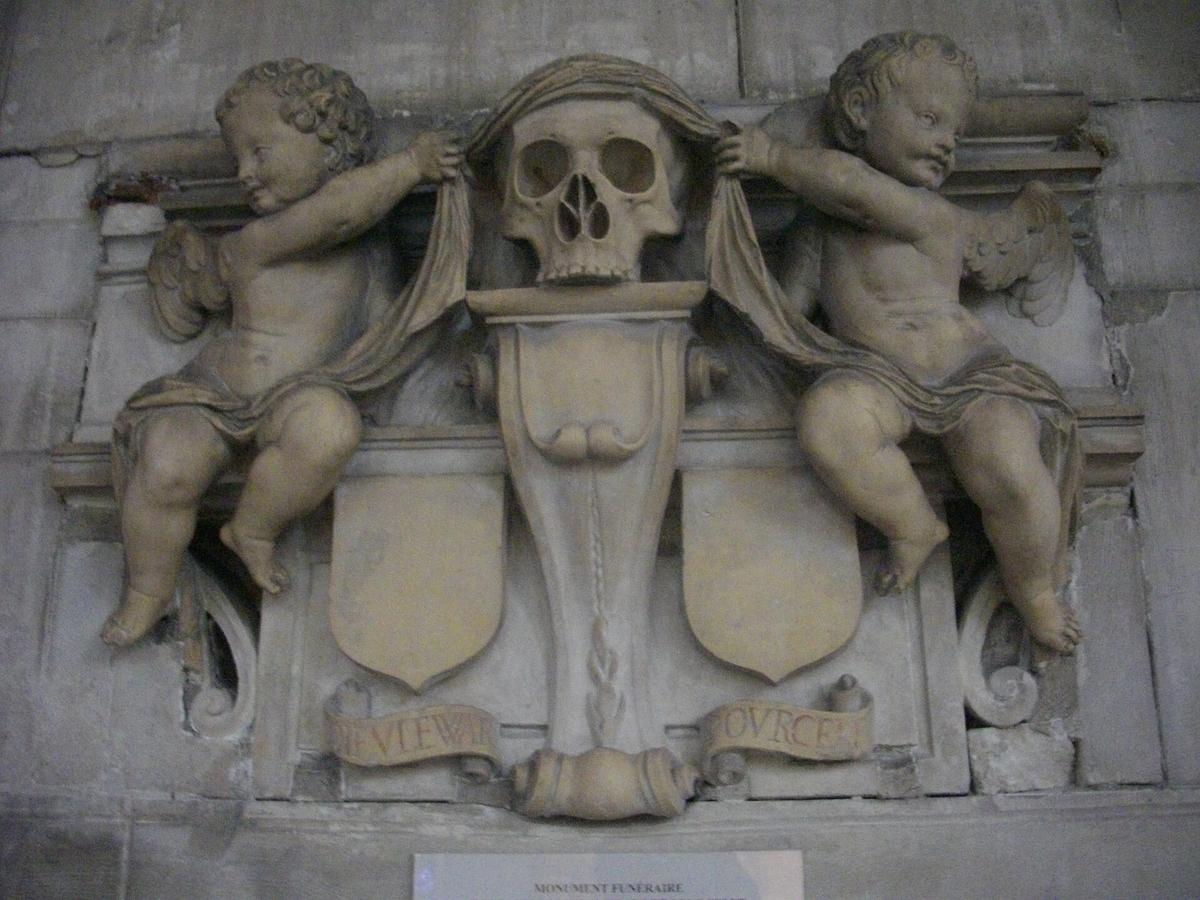
The tomb of Blaise Lescuyer. This funerary monument from the late 16th or early 17th century is attributed to Gérard Richier, Ligier's son. Another tomb, that of the Dieulewart and Pourcelet families, is attributed to his grandson Jean Richier. Three generations of the same family of sculptors are brought together in the church.

The Virgin of Mercy. This 16th-century terracotta statue comes from the town's Minim convent. It has been in Saint-Étienne since 1824.
The stained glass. The 14 windows tell the life of Christ. They were made from 1932 to 1937 by the Charles Lorin workshops in Chartres, from designs by Jacques Virolle, to replace the windows destroyed during the Great War. The town points out their many references to plants and animals: look for them in the borders.
The hall church. Saint-Étienne is a hall church, where the aisles rise almost as high as the nave. This makes the interior look larger and brighter than the façade suggests.
A painting of the old church. A 17th-century painting, Saint Vincent de Paul Appearing to the People of Saint-Mihiel, shows the church before the 1824 demolitions, with a square bell tower. The town's information panel in front of the church mentions it.
Visiting with children
The visit is free and short, so it is easy with children. The Sepulchre lends itself to a little game: ask them to find the two soldiers playing dice, the angel with the cross or the figure holding the cloth. The stained-glass windows, with their animals and plants, offer a second spotting game.
The Saint-Mihiel Museum of Sacred Art has announced workshops in April, July and October 2026 in the town newsletter, a way to extend the outing.
How to get to Saint-Mihiel
By car. This is the most practical option. Saint-Mihiel is about 40 minutes from Verdun, three quarters of an hour from Toul and just under an hour from Nancy or Metz. The church is right in the centre; park in one of the town squares and finish on foot.
By train. Without a car, the easiest option is to take the train to Verdun or Commercy, then finish by coach or taxi. Check connections before you leave: there are not many.
By bike. The town lies in the Meuse valley, which has a cycle route running along it. Ask the Cœur de Lorraine tourist office for details.
What to combine on the same day
| Also worth seeing | Distance | Travel time |
|---|---|---|
| Verdun Underground Citadel | 37 km | 40 min by car |
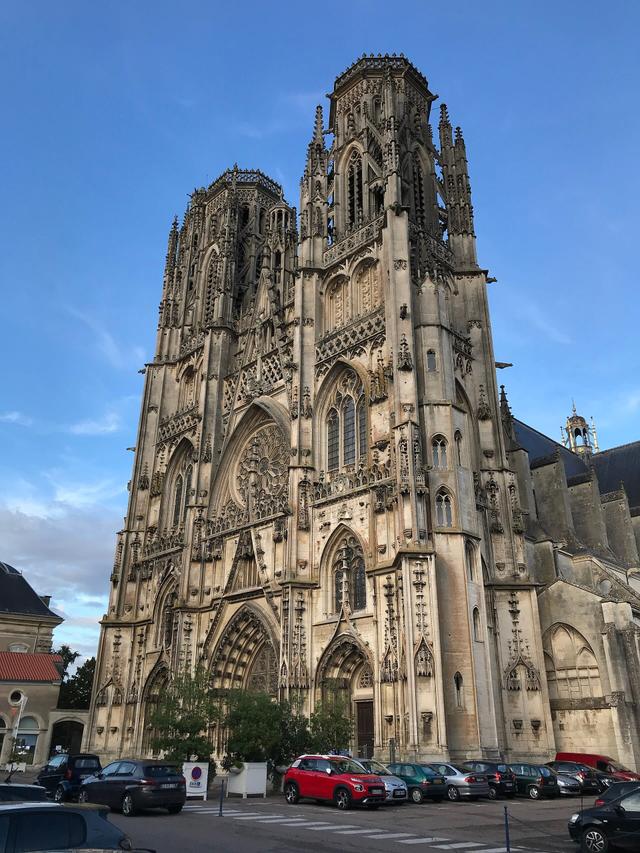
| Toul Cathedral | 45 km | 45 min by car |
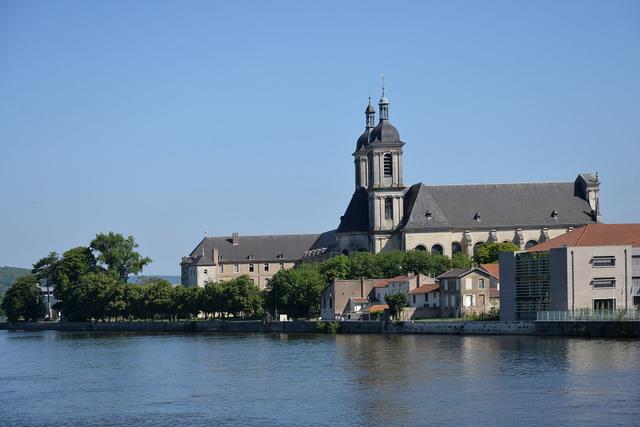
| Prémontrés Abbey, Pont-à-Mousson | 45 km | 45 min by car |
Approximate road distances and travel times.
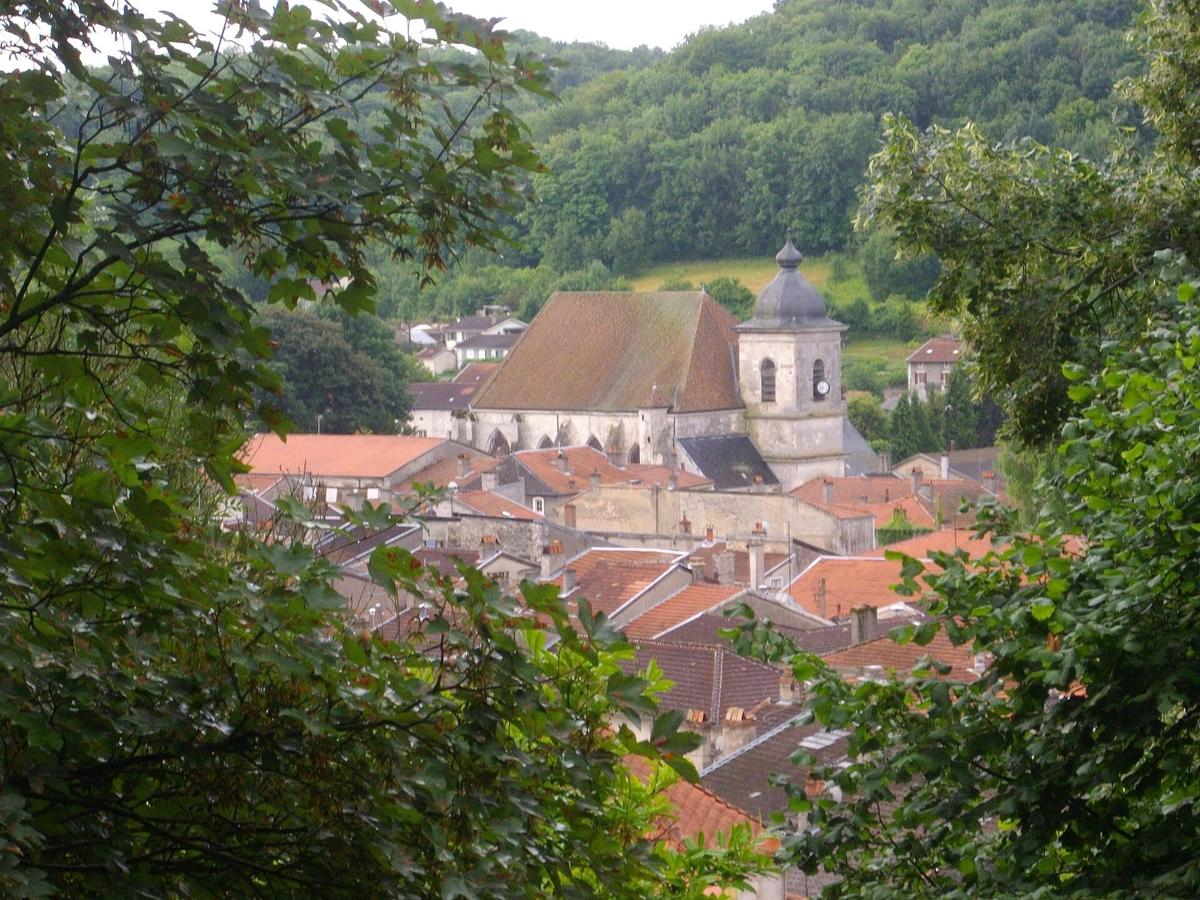

In Saint-Mihiel itself, the abbey church of Saint-Michel holds another work by Ligier Richier, the Swooning Virgin. Its great organ is being rebuilt, with a final tuning announced by the town for September 2026. Ligier Richier's house, the Museum of Sacred Art and the Benedictine library round off a visit to the town.
To the north, Verdun and its battlefields are less than an hour away: the Underground Citadel is in the town, while the Memorial and Fort Douaumont are on the heights. See also: Verdun Underground Citadel, Verdun Memorial, Fort Douaumont
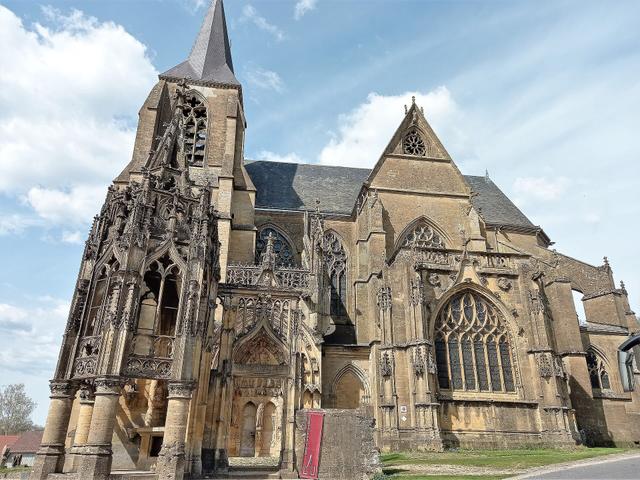
To the south-east, Toul's Cathedral of Saint-Étienne, another great Gothic building in Lorraine, has the same patron saint. See also: Toul Cathedral Pont-à-Mousson and its Premonstratensian abbey are on the way to Nancy and Place Stanislas. See also: Prémontrés Abbey, Pont-à-Mousson, Place Stanislas, Joan of Arc's Birthplace, Lorraine
Where to eat and stay
Saint-Mihiel has a few restaurants and bakeries in the centre, a few minutes' walk from the church. There is more choice in Verdun, if you are going on to the First World War sites.
To stay, the town and the villages of the Côtes de Meuse have holiday cottages and B&Bs. Lac de Madine, about twenty kilometres away, is a handy base in summer. Verdun, Toul and Nancy have more hotels.
Places to stay near Saint-Mihiel
FAQ
Where can I see Ligier Richier's Sepulchre?
In the Church of Saint-Étienne in Saint-Mihiel, in the Meuse, in a niche in the right-hand aisle. Entry is free.
Is the Church of Saint-Étienne open every day?
According to the Édifices ouverts du Grand Est network, yes: 9:30 – 19:30 from April to September and 10:00 – 17:00 from October to March. These hours are not republished every year; call the tourist office on +33 3 29 89 06 47 to confirm.
How many figures are there in the Sepulchre?
13, slightly larger than life, carved from 3 blocks of stone.
When was the Sepulchre carved?
Between 1554 and 1564. It is Ligier Richier's last major work before he left for Geneva.
How long does the visit take?
Half an hour for the church and the Sepulchre, half a day for Saint-Mihiel and its other works by Richier.
Can I combine it with Verdun?
Yes. Verdun is about 40 minutes away by car: Saint-Mihiel in the morning and the battlefields in the afternoon, or the other way round.
Practical information
Official ticket-office prices 2026
Free admission
Address
Place du Général Audeoud, 55300 Saint-Mihiel, France
Directions · Phone+33 3 29 89 06 47
On site and nearby
- Nearest shops and pharmacy: Saint-Mihiel, less than 1 km away Straight-line distance, based on OpenStreetMap.
- Emergencies: 112 (all emergencies, free from any phone), 15 (SAMU, medical emergency)
Around the site, on Google Maps
With children
Family days out nearby: Fort de Villey-le-Sec (40 km), Trois-Fontaines Abbey (48 km), Joan of Arc's Birthplace (50 km)
Swimming pools and play areas nearby, on Google Maps
Facts checked on 12 November 2026. Sources: saint-mihiel.fr, cirkwi.com, fr.wikipedia.org, fr.wikipedia.org, saint-mihiel.fr
Map
In the same region
- Maison de la MirabelleFree admission
- Amnéville ZooFree under 3