Château de Lunéville: planning your visit
Château de Lunéville at a glance
- Free
- under 18s
- Where
- Lunéville
Facts checked on 29 October 2026. Full opening hours, reduced prices and access
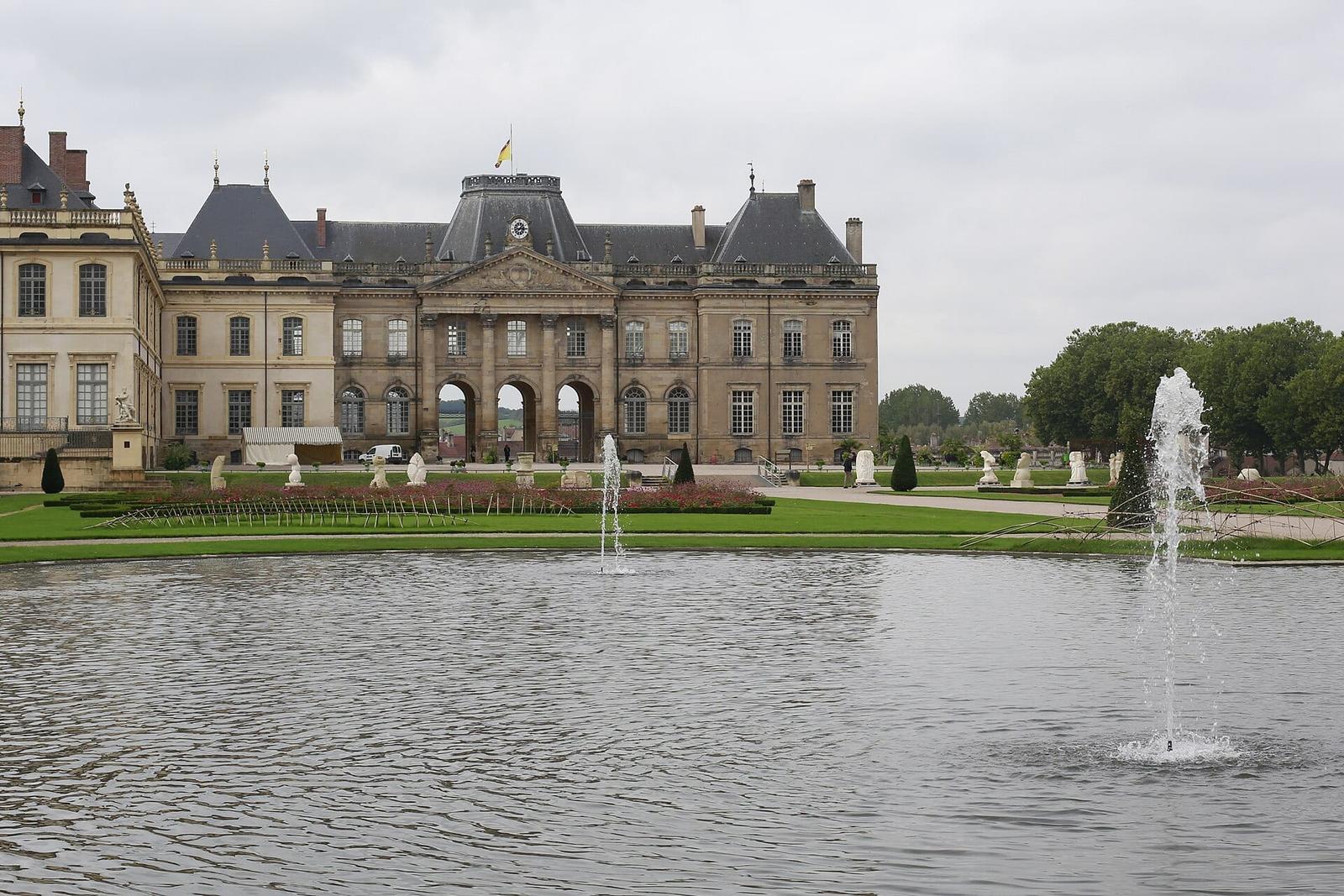
Built for Duke Leopold in the early 18th century, then home to Stanislas, the former king of Poland, the Château de Lunéville is still known as the "Versailles of Lorraine". Ravaged by fire in 2003, it is being restored room by room and now houses a museum. Its park, the Bosquets, is free to enter. Here is what to know before you go: opening hours, free admission, getting there from Nancy and what there is to see.
Château de Lunéville at a glance
- Where: in the centre of Lunéville, place de la 2e Division de Cavalerie, half an hour's drive south-east of Nancy.
- Price: the ticket price for the current season is shown on the château's website. Entry is free for under-18s, and the Bosquets park is free all year.
- Open: the château closes at lunchtime and on Tuesdays. In summer 2026 it was open from 10 am to 6 pm, with a break from 12:30 – 13:30.
- The park: open every day, 6:00 – 22:00 from May to September.
- Getting there: by TER regional train from Nancy, or about half an hour by car.
- Best for: anyone interested in the history of Lorraine, families looking for a large park to stroll in.
Why is it called the "Versailles of Lorraine"?
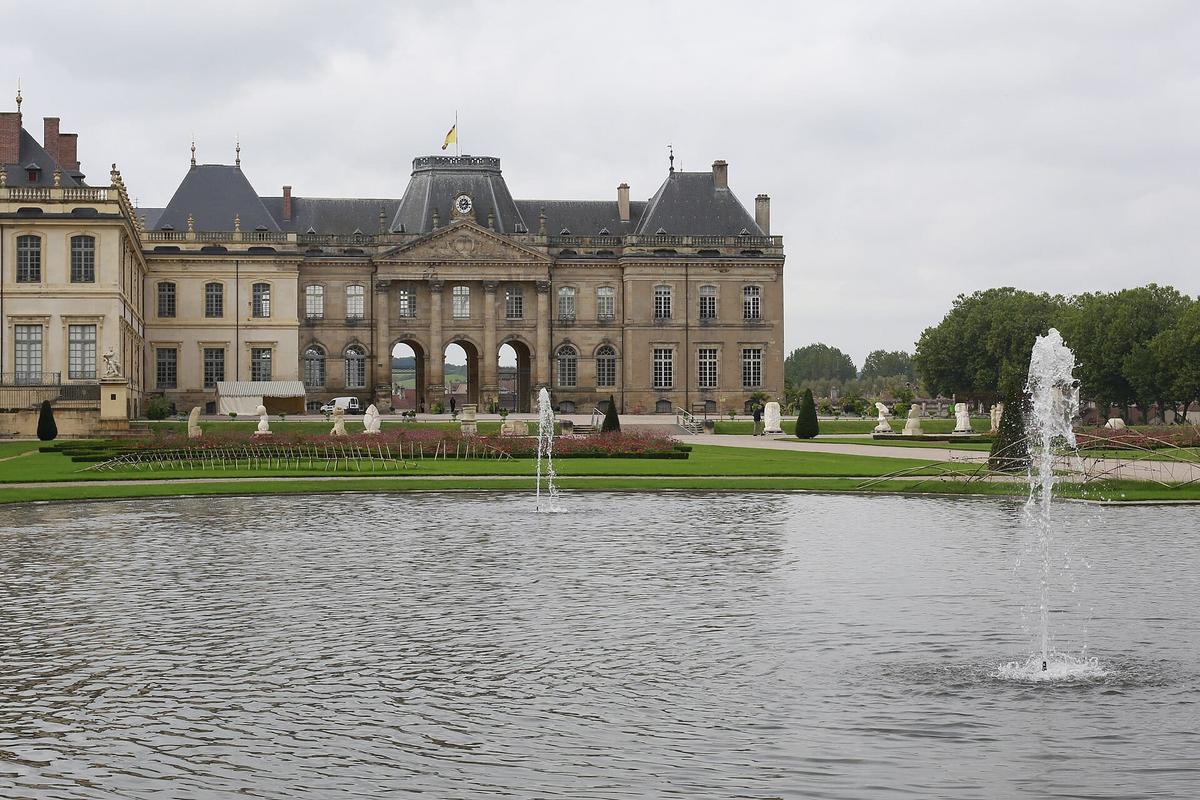
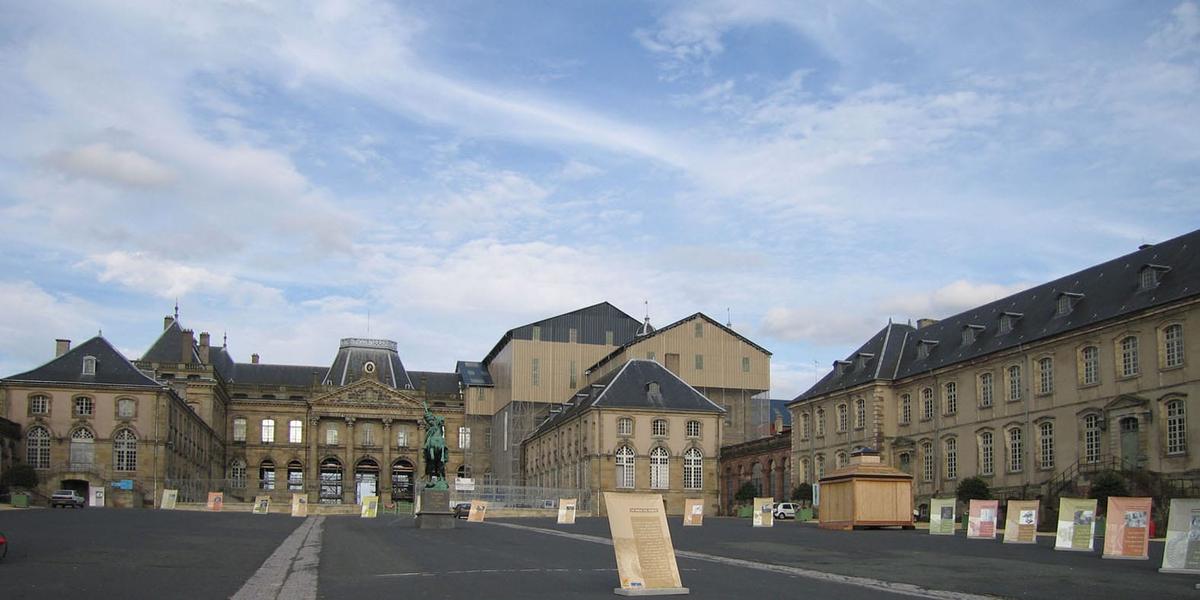
In the early 18th century, Lorraine was still an independent duchy, and Nancy was occupied by French troops. Duke Leopold moved to Lunéville and had the château rebuilt from 1703. The first plans were by Pierre Bourdict and Nicolas Dorbay, then the architect Germain Boffrand took over. It would be his major work.
The layout recalls Versailles: a vast courtyard opening onto the town, long wings, a central block and, behind, gardens running down to the river. Hence the nickname "Versailles of Lorraine".
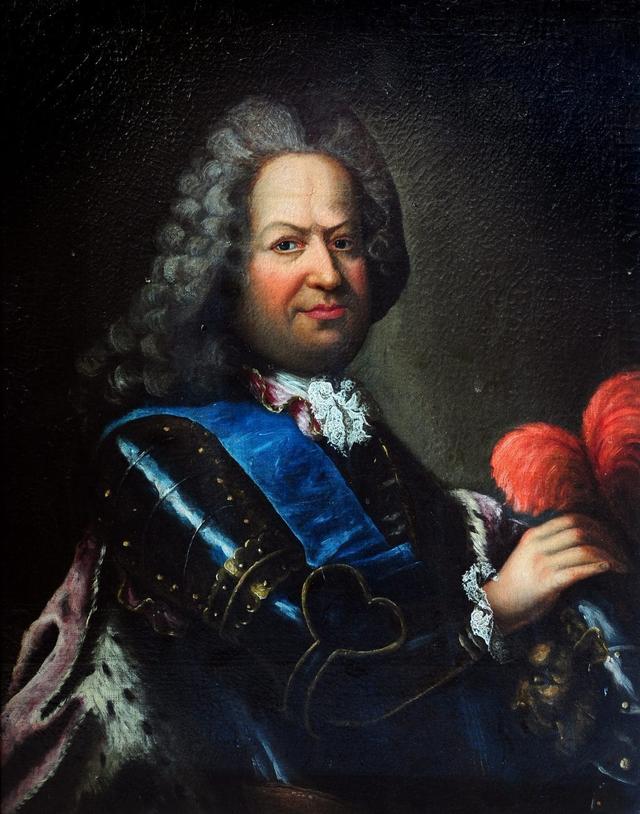
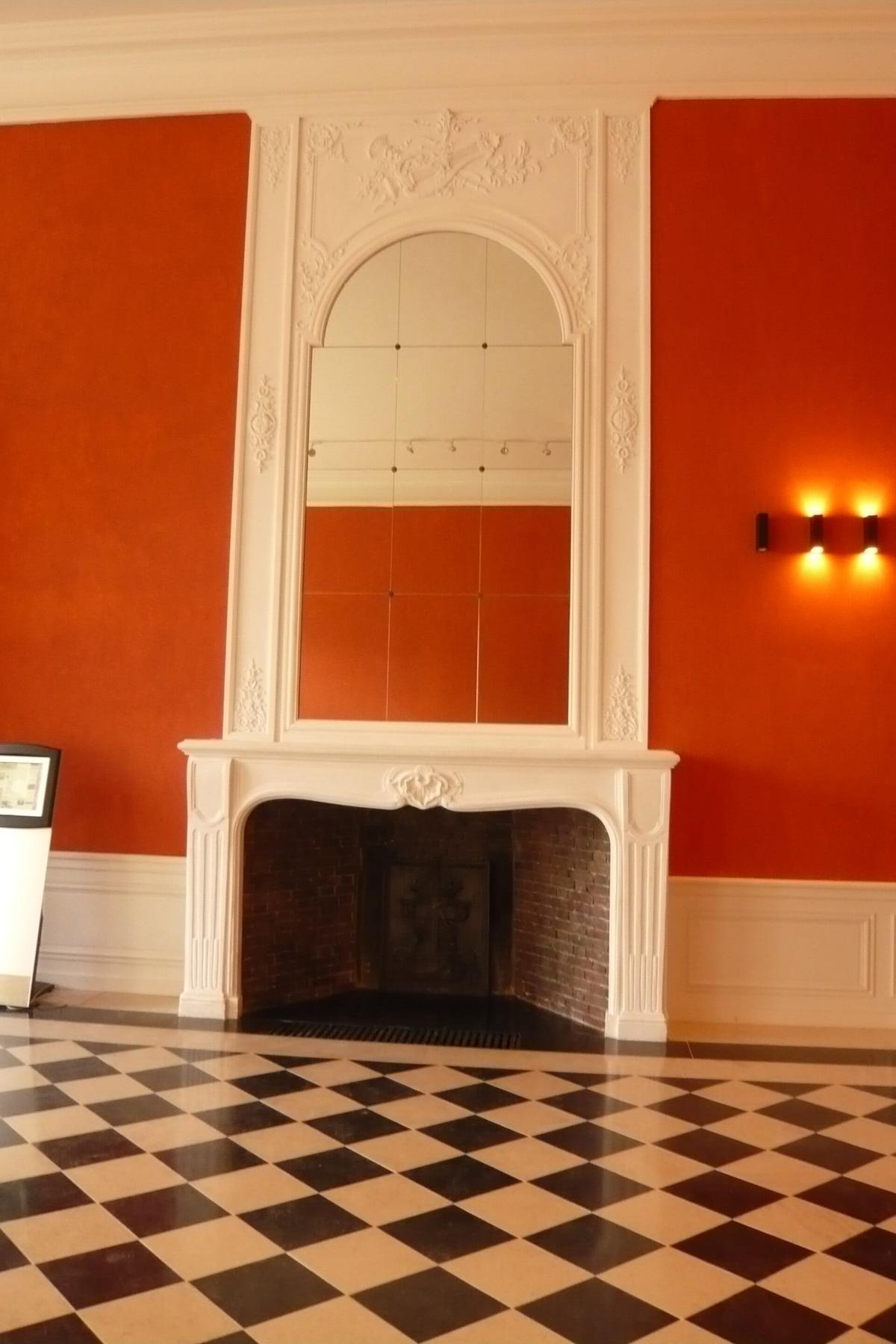
In 1737 Lorraine was given to Stanislas Leszczynski, the deposed king of Poland and father-in-law of Louis XV. He made Lunéville his favourite residence. His court attracted writers and scholars, including Voltaire and Émilie du Châtelet, who died at the château in 1749. Around 1739, the architect Emmanuel Héré built a series of six pavilions, the "chartreuses", for Stanislas's favourites. Stanislas died at Lunéville in 1766, after his dressing gown caught fire near a fireplace.
Lorraine then became French. The château was handed over to the army and served mainly as barracks: several buildings disappeared during this period. The Treaty of Lunéville between France and Austria was also signed at the château, in 1801. The château was listed as a historic monument in 1901.
The 2003 fire and the restoration
On the night of 2 to 3 January 2003, fire swept through the château. The plaster vault of the royal chapel collapsed, and the fire spread through the attics, destroying the roof over a large part of the buildings.
Since then, restoration has moved forward in stages: roofs, decoration, then the return of the collections. The Meurthe-et-Moselle département, which runs the estate, is also buying back objects scattered over the centuries (mirrors, paintings, furniture) to bring them back to the château. Visitors therefore see a monument that is a permanent work in progress, with some rooms restored and others still waiting. That is part of the interest: you see how a château is restored after a fire.
Our tip: look at the season's programme on the official website before you come. The château puts on temporary exhibitions, concerts in the chapel and themed tours, and some parts are only open on those occasions.
What to see at the Château de Lunéville
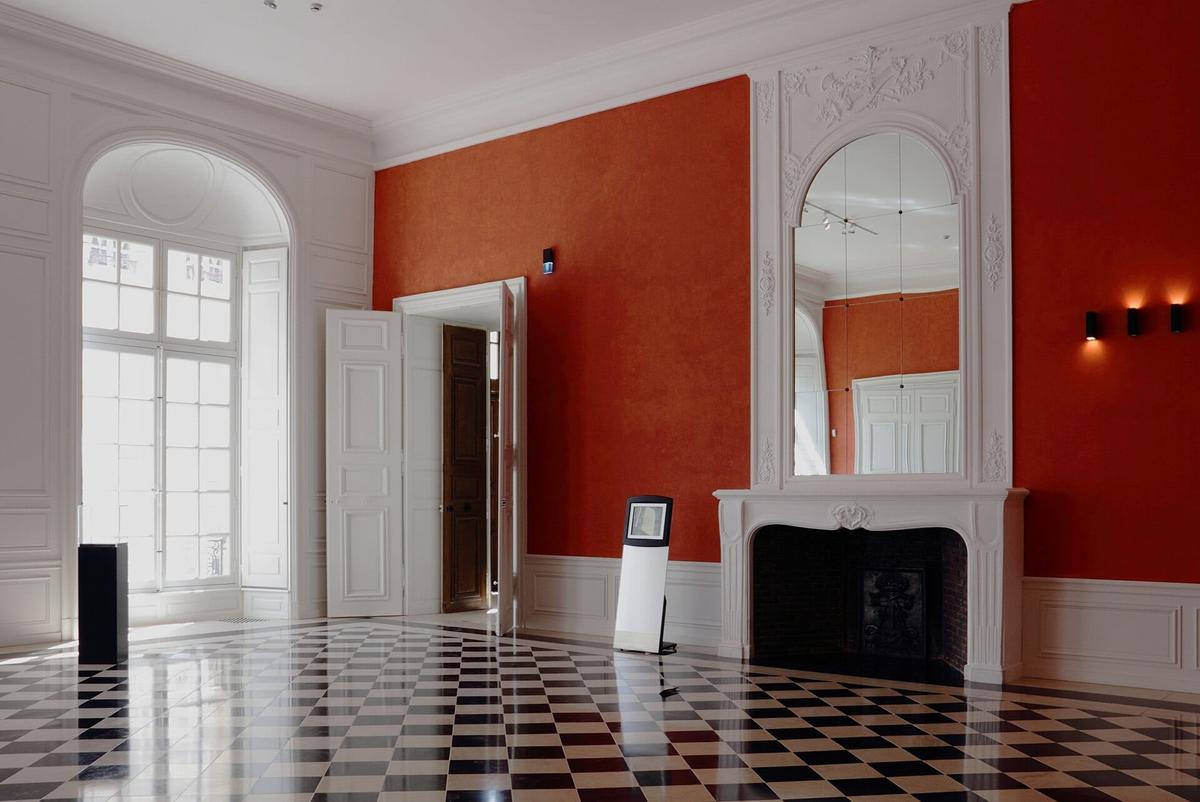
The château museum. The rooms trace the history of the site and of the court of Lorraine in the Age of Enlightenment, from Leopold to Stanislas. The ticket includes an audio guide, while devices last.
The chapel. This is the part of the château worst hit by the 2003 fire. Now restored, it hosts concerts: the season's programme gives the details.
The main courtyard. Even if you do not go into the museum, walk across it to take in the facades. This is where the "Versailles of Lorraine" nickname makes most sense.
Exhibitions and events. Depending on the season, the château offers horse-drawn carriage rides, a projection show on the facades (mapping) and an end-of-year programme, "L'Hiver au château" (Winter at the château). These events have their own prices: free entry for under-18s does not apply to them.
The Bosquets park, free all year
Behind the château, the Bosquets park stretches between the château, the Vezouze river and the canal. The "bas bosquets" were created under Stanislas, and the gardens once had cascades, a grand canal and ornamental pools. Today you can stroll through a French formal garden and along the avenues.
The park is free and open to all. It opens every day:
- from 1 October to 30 April, 6:00 – 19:00;
- from 1 May to 30 September, 6:00 – 22:00.
It is the ideal place for a break before or after the museum, or for a simple walk if you do not have time to visit the inside. In summer, the long evenings let you walk there after the château has closed.
How much does it cost to visit the Château de Lunéville?
We could not check the 2026 ticket price at the time of our update: see the ticketing page on the official website, where full-price tickets can also be bought online. Other options (reduced rate, free entry) are available on site or by phone.
According to the château's 2025-2026 season programme:
- Free for under-18s, for holders of the Pass Musées and the ICOM card, journalists and licensed tour guides, disabled visitors and the person accompanying them.
- Free for everyone on the first Sunday of each month, without guided tour.
- Reduced rate for jobseekers, people on RSA or ASPA benefits, students and over-65s, with proof.
- The Bosquets park is free all year.
Our tip: for families, free entry for under-18s keeps the cost down. On the first Sunday of the month everyone gets in free, but it is busier.
Opening hours and best time to visit
The château has its own opening hours, different from the park's. 2026 hours published in the season programme:
- 11 February to 31 March: 10 am to 5.30 pm, closed from 12 noon to 2 pm, closed Mondays and Tuesdays.
- 1 April to 14 June: 10 am to 6 pm, closed from 12 noon to 2 pm, closed Tuesdays and 1 May.
- 15 June to 15 September: 10 am to 6 pm, closed from 12.30 pm to 1.30 pm, closed Tuesdays.
The château was closed from 12 January 2026 to 10 February 2026. For autumn and winter, the new season's hours are published on the official website: check them before you set off, as the château closes for some weeks between November and February.
Traps to avoid: Tuesdays (closed all year) and the lunch break. Arriving at 11.30 am leaves you barely half an hour before it closes for lunch. Come at opening time, or early in the afternoon.
How long does a visit take?
Allow a morning or an afternoon for the museum and a walk in the park. If you add a temporary exhibition or an event, plan more. With the lunch break, organise your day like this: the museum in the morning, lunch in town, the Bosquets park in the afternoon, or the other way round.
How to get to the Château de Lunéville
By train from Nancy. Lunéville is served by TER regional trains from Nancy. The journey is short, and the château is in town, within walking distance of the station. It is the simplest option if you are staying in Nancy. See also: Place Stanislas
By car. Allow about 35 minutes from Nancy. The château is in the town centre, place de la 2e Division de Cavalerie. Parking spaces are reserved for visitors with reduced mobility.
To combine several places. A car lets you link Lunéville with Nancy, or with the Vosges to the south, in the same day. Rental companies are in Nancy.
Partner links: if you book through these links, we earn a commission at no extra cost to you. Partner links · Learn more
Guided tours and day trips
The château offers guided tours through the season: the official programme lists them with their dates. Full-price tickets can be bought online; other options are sold on site or by phone on +33 3 83 76 04 75.
From Nancy, guided tours of Stanislas's city help you understand the link between Place Stanislas and Lunéville, where the duke lived.
Guided tours and day trips on GetYourGuide
With children
Free entry for under-18s is a real advantage. The Bosquets park, free and open early in the morning, lets children let off steam before or after the museum.
For younger children, go for the season's events: the horse-drawn carriage ride, the mapping on the facades or the "L'Hiver au château" events. Note that children pay for these events too.
If you are in Lorraine for several days with children, the Fraispertuis City theme park, in the Vosges, is about 40 minutes' drive away. See also: Fraispertuis City
What to combine in the same day
| Also worth seeing | Distance | Travel time |
|---|---|---|
| Place Stanislas | 35 km | 35 min by car |
| Musée de l'École de Nancy | 35 km | 35 min by car |
| Fraispertuis City | 40 km | 40 min by car |
Approximate road distances and travel times.
Nancy and Place Stanislas. This is the most logical pairing: Stanislas had the square that bears his name laid out in Nancy, and he lived in Lunéville. The château in the morning, Nancy in the afternoon, or the other way round. See also: Place Stanislas
The Musée de l'École de Nancy. To move from the 18th century to Art Nouveau, another great period for Lorraine. See also: Musée de l'École de Nancy
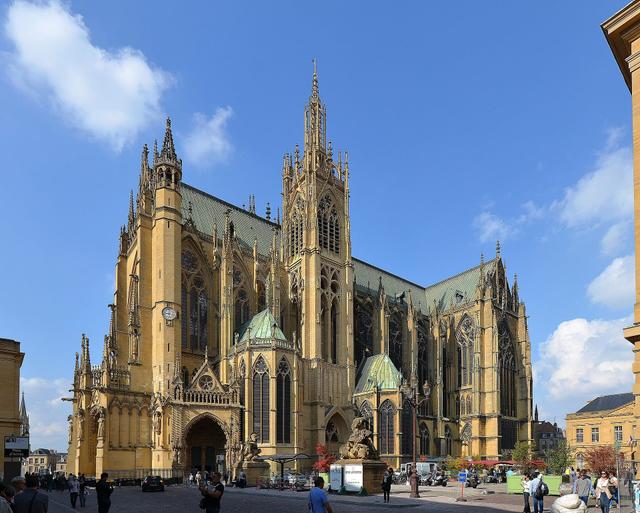
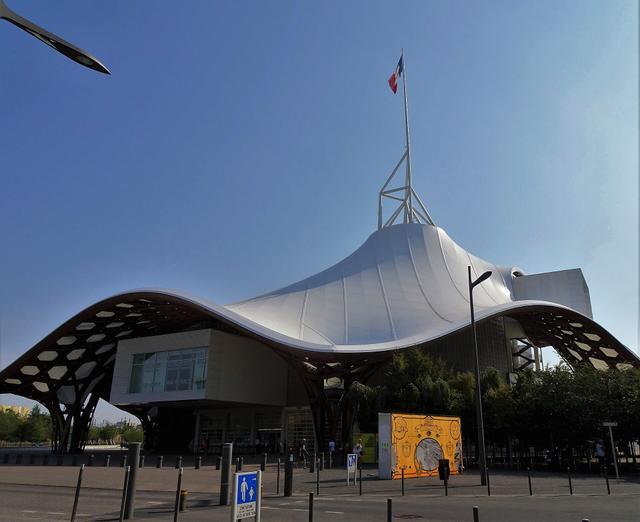
Further afield, Metz and Bitche. The Citadel of Bitche, in north-eastern Moselle, and Metz each need a day. See also: Citadel of Bitche, Centre Pompidou-Metz, Metz Cathedral
The Château de Lunéville in five dates
- 1703: Duke Leopold begins rebuilding the château.
- 1737: Stanislas Leszczynski becomes Duke of Lorraine and settles in Lunéville.
- 1801: the Treaty of Lunéville is signed between France and Austria.
- 1901: the château is listed as a historic monument.
- 2003: fire destroys the chapel and much of the roofs.
Stories from the château
- A tragic death. Stanislas, by then very old, got too close to a fireplace in 1766: his dressing gown caught fire. He died of his burns shortly afterwards.
- A woman of science. Émilie du Châtelet, translator of Newton and Voltaire's companion, died at the château in 1749, a few days after giving birth.
- Pavilions for favourites. Emmanuel Héré's six "chartreuses", built around 1739-1740, housed Stanislas's close circle.
- A château turned barracks. After Stanislas's death, the army occupied the château for a long time, which explains why several buildings have disappeared.
Where to eat and stay
In Lunéville. The town centre, around the château, has restaurants and cafés, handy during the museum's lunch break. The Bosquets park is also good for a picnic on fine days.
Staying in Nancy or Lunéville. Nancy has the widest choice of hotels and lets you visit Stanislas's city the next day. Lunéville suits you if you are carrying on to the Vosges.
To plan a stay in the region: See also: Lorraine
FAQ
Do you have to pay to enter the Château de Lunéville park?
No. The Bosquets park is free and open to all year-round, 6:00 – 22:00 from May to September and 6:00 – 19:00 from October to April.
Is the Château de Lunéville free for children?
Yes, museum entry is free for under-18s. Special events (carriage rides, mapping, "L'Hiver au château") are still charged.
Which day is the Château de Lunéville closed?
Tuesday, all year, and also Monday between February and March. The château also closes at lunchtime.
Why is Lunéville called the "Versailles of Lorraine"?
Because in the early 18th century Duke Leopold had a château built that was inspired by Versailles, with a large open courtyard, long wings and French formal gardens.
What is left after the 2003 fire?
The chapel vault collapsed and much of the roofs burned. Restoration has progressed in stages since then, and the château is open to visitors again.
How do I get to Lunéville from Nancy?
By TER train: the journey is short and the château is within walking distance of the station. By car, allow about 35 minutes.
Practical information
Opening hours 2026
| 11 February 2026 to 31 March 2026 | 10:00 – 12:00, 14:00 – 17:30 (Closed: Monday and Tuesday) |
|---|---|
| 1 April 2026 to 14 June 2026 | 10:00 – 12:00, 14:00 – 18:00 (Closed: Tuesday) |
| 15 June 2026 to 15 September 2026 | 10:00 – 12:30, 13:30 – 18:00 (Closed: Tuesday) |
Closed: 1 January 2026 and 1 May 2026
Address
Château de Lunéville, place de la 2e Division de Cavalerie, 54300 Lunéville, France
Directions · Phone+33 3 83 76 04 75
On site and nearby
- Nearest shops and pharmacy: Lunéville, less than 1 km away Straight-line distance, based on OpenStreetMap.
- Emergencies: 112 (all emergencies, free from any phone), 15 (SAMU, medical emergency)
Around the site, on Google Maps
With children
Family days out nearby: Maison de la Mirabelle (17 km), Château de Fléville (22 km), Marsal Salt Museum (23 km)
Swimming pools and play areas nearby, on Google Maps
Facts checked on 29 October 2026. Sources: chateauluneville.meurthe-et-moselle.fr, meurthe-et-moselle.fr, en.wikipedia.org
Map
In the same region
- Maison de la MirabelleFree admission
- Amnéville ZooFree under 3