Marsal Salt Museum: planning your visit
Marsal Salt Museum at a glance
- 7 February 2026 to 13 December 2026
- 9:30 – 12:30, 13:30 – 18:00 (closed on Monday)
- Full price
- €7
- Free
- under 12
- Where
- Marsal
Official ticket-office prices, checked on 12 November 2026. Full opening hours, reduced prices and access
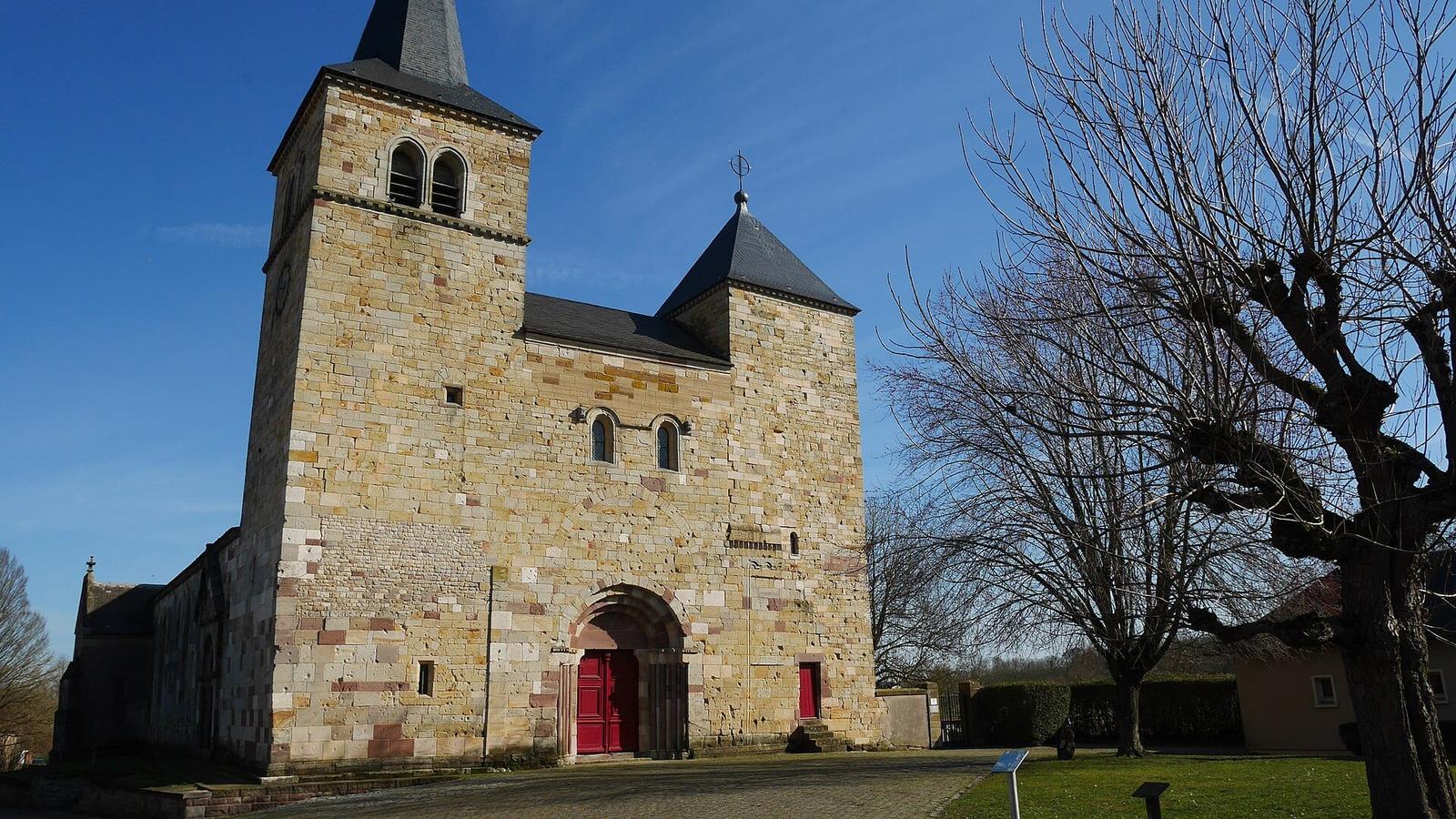

In the Saulnois area, between Nancy and Sarrebourg in Lorraine, the small fortified village of Marsal tells two thousand years of salt history. The departmental museum, the former Maison du Sel, occupies the Porte de France, a surviving gate of Vauban's fortifications. Here are the prices, the season's opening hours, what is in the rooms, the children's workshops and what to see in the village.
Marsal Salt Museum at a glance
- Where: in Marsal, Moselle, in the Seille valley, at the entrance to the village through the Porte de France.
- Price: €7 full price, €5 reduced price, free for under-12s.
- Open: from 7 February 2026 to 13 December 2026, Tuesday to Sunday, 9:30 – 12:30 and 13:30 – 18:00.
- Closed: on Mondays, on 1 May, and from mid-December to early February.
- Best for: anyone interested in history and archaeology, families thanks to the workshops, fortification enthusiasts.
- Accessibility: step-free access, wheelchair lent on request.

Why visit the Marsal Salt Museum
Because salt made Lorraine rich long before coal and steel. In the Seille valley, salt springs rise from underground. For centuries, people boiled this water to extract the salt, the "white gold" that was essential for preserving meat and fish.
Marsal is one of the places where this story is easiest to read. The village's Roman name, Marosallum, is thought to mean something like "great saltworks". Around the village, archaeologists have found Gaulish workshops along more than 1.5 km of the valley. The waste from this production, fragments of fired clay known as the "briquetage de la Seille", forms layers up to nearly 8 metres thick in places, even under the collegiate church.
The museum traces salt production from the Iron Age to the 17th century, in 5 themed rooms arranged in chronological order. It is housed in the Porte de France, one of the gates of the fortified town. It is run by the Moselle Department and holds the "Musée de France" label.
How much is a ticket to the Salt Museum?
2026 prices published by the Moselle Department:
- Full price: €7.
- Reduced price: €5.
- Under 12: free.
These prices are the same at all four museums in the "Passionnément Moselle" network: the Salt Museum in Marsal, the Georges de La Tour Museum in Vic-sur-Seille, the Museum of the 1870 War and the Annexation in Gravelotte, and Robert Schuman's House in Scy-Chazelles.
The Pass Passionnément Moselle. If you plan to see several of these museums, or come back for events, look at the annual Pass. It comes in Solo, Duo, Family and Student versions. It gives unlimited access for one year from first use, reduced prices for major events and a discount in the shop. The Georges de La Tour Museum in Vic-sur-Seille is only a few kilometres from Marsal, so the two are easy to combine in one day.
Workshops and shows cost extra: €4 per child for workshops, €4 per child and €7 per adult for storytelling and shows.
Do you need to book?
Not for a self-guided visit: tickets are sold at the museum's front desk. Descriptive tours for visually impaired visitors must be booked. For children's workshops, call the museum on +33 3 87 35 01 50 or check the network's website, mosellepassion.fr.
There is no online ticket for this museum on resale platforms. The GetYourGuide offers in the region are mostly around Nancy.
Partner links: if you book through these links, we earn a commission at no extra cost to you. Partner links · Learn more
Salt Museum opening hours 2026
The museum is open from 7 February 2026 to 13 December 2026:
- Tuesday to Sunday: 9:30 – 12:30 and 13:30 – 18:00.
- Closed: on Mondays and on 1 May.
The museum closes for lunch, from 12.30 pm to 1.30 pm. Do not plan to arrive at midday.
Winter closure. After 13 December 2026, the museum closes until the next season, which began in early February in 2026. The dates of the 2027 season had not yet been published when we checked.
Our tip: come in the early afternoon. Visit the museum, then walk around the fortified village and the collegiate church in the late-day light. Event Sundays (Gaulish festival in June, Samhain in October, Christmas lights) are livelier, but also busier.
How long does the visit take?
The permanent exhibition has 5 rooms. One hour is enough to see it while taking time over the digital displays. Add an hour to walk around Marsal: the collegiate church of Saint-Léger, what remains of the ramparts, the arsenal and the barracks. With a children's workshop, allow half a day.

What to see at the Salt Museum
The salt cellar collection. The visit starts with several hundred salt cellars of every shape and period. It is the part visitors remember most.
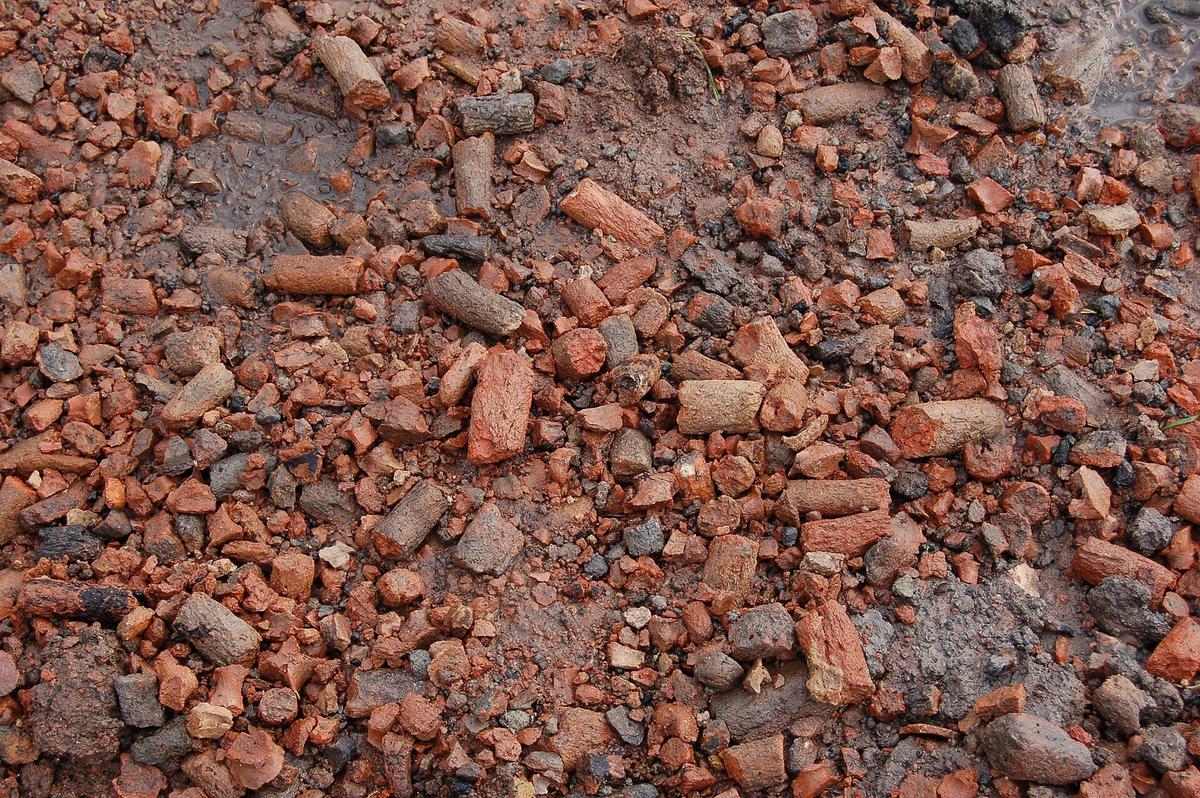

The Iron Age. The first room explains how the Celts made salt: they filled small clay moulds with salt water and heated them until it evaporated. The mould was then broken to get the salt cake out. These fragments, piled up over centuries, form the briquetage de la Seille.
Roman times. Marsal was then a settlement on the Roman road linking Metz and Strasbourg. A stele dedicated to Emperor Claudius, dated to the year 44 and discovered in 1842, proves it existed under the name Marosallum.
The Middle Ages. Salt made the bishops of Metz and the dukes of Lorraine wealthy. The museum also shows a reliquary and a 14th-century opening Virgin (a statue of Mary that opens like a shrine).
The age of Louis XIV. The last room explains why salt and the fortress caught the interest of the King of France.
The digital displays. The museum reopened in 2019 after about 12 months of work. Animated busts on tablets, a salt furnace reconstructed in augmented reality, an animated timeline and film clips make the visit less like a school lesson.
Marsal, a Vauban fortress town
The village is worth the trip in its own right. Its position on the road between Metz and Strasbourg made it a contested stronghold.
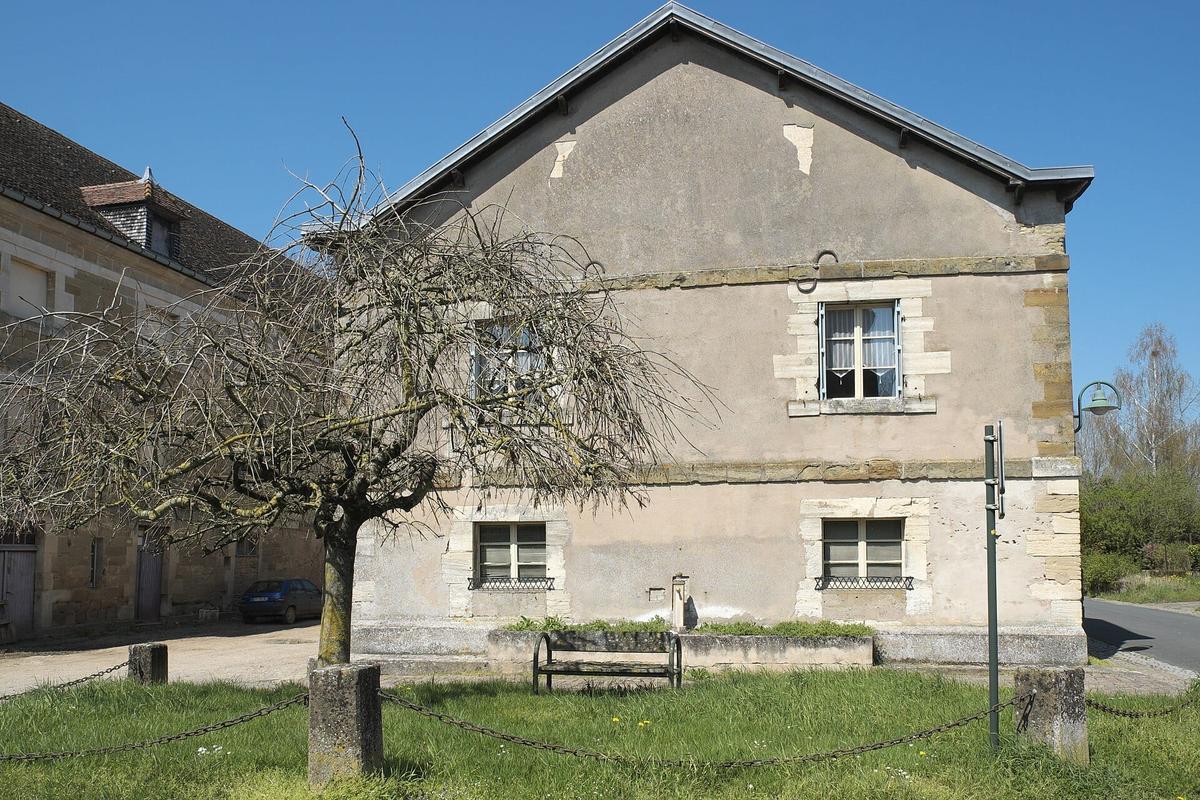

King Henry II of France had Marsal occupied from 1553. The Duke of Lorraine then had a wall with seven bastions built between 1609 and 1620. In 1662, the Treaty of Montmartre forced Duke Charles IV to hand Marsal over to Louis XIV. Even so, the king had to besiege the town the following year to take it. Vauban was then put in charge of modernising the fortifications, with a first phase of work in 1673.
A literary anecdote. The capture of Marsal in 1663 inspired a sonnet by Jean de La Fontaine. Several hundred soldiers of the Carignan-Salières regiment, which had taken part in the siege, later went to Canada and settled there.
An 1870 anecdote. During the Franco-Prussian War, Marsal surrendered after 3 days. Normally the valley would have been flooded to protect the town, but the Étang de Lindre, the lake meant to supply the water, had run dry.
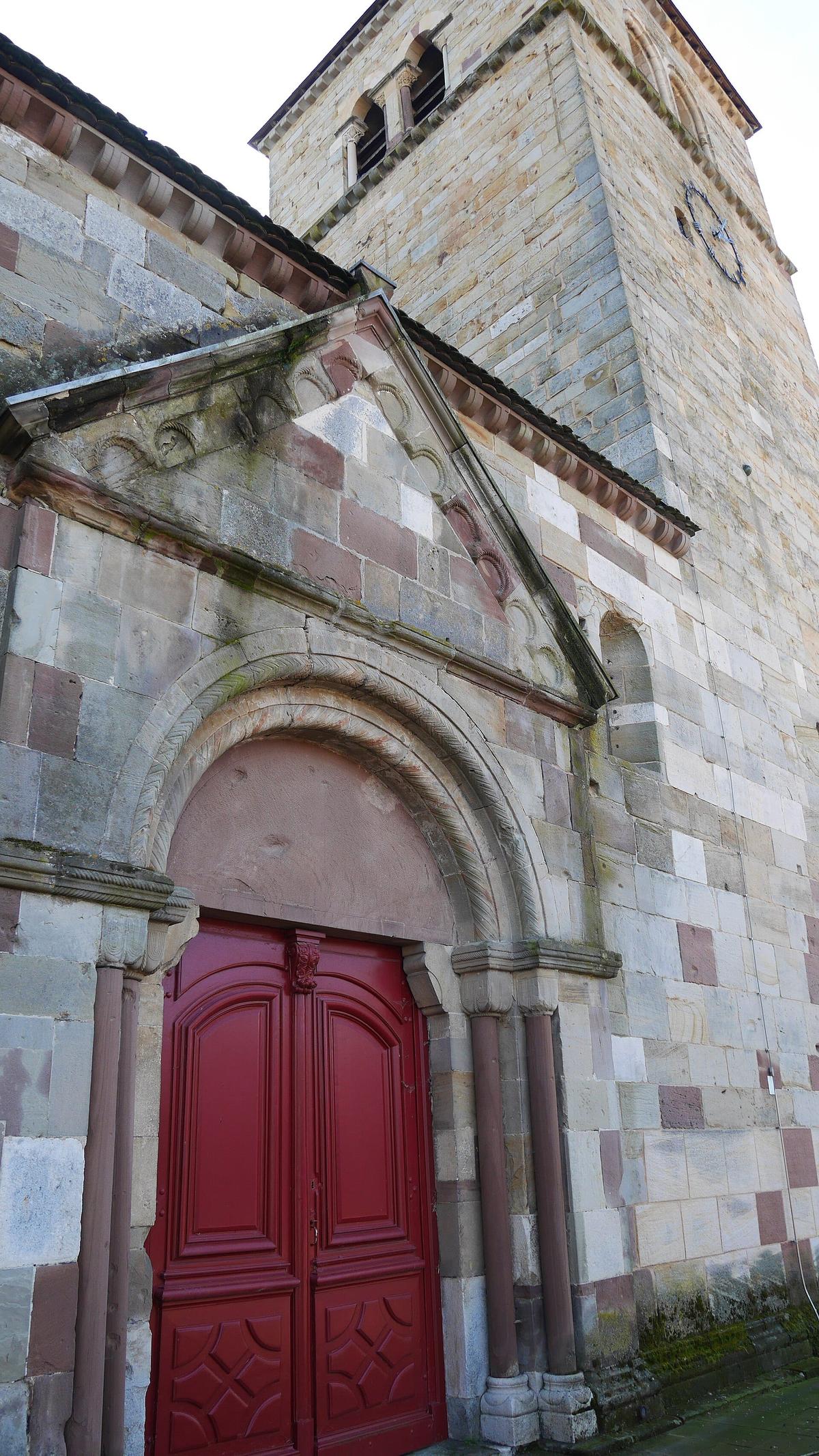
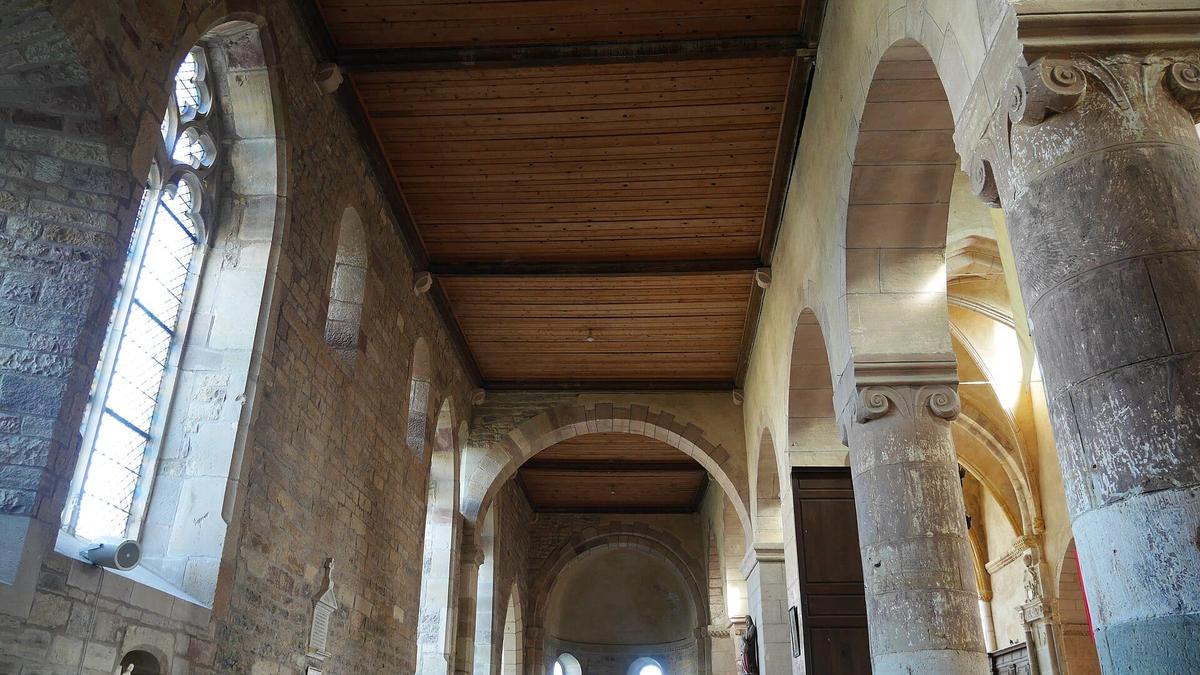
The collegiate church of Saint-Léger. A 12th-century Romanesque church with a 14th-century Gothic apse, it became a collegiate church in 1222. It holds the tomb effigies of Jean VIII de Salm and his wife. The Lorraine engraver Jacques Callot also got married here, in 1623.
Visiting with children
The Salt Museum is one of the most active museums in Moselle for families. The 2026 programme includes:
- Workshops for under-3s, with one accompanying adult free and €5 per extra adult.
- Craft workshops for ages 4 to 7 and 8 to 12, at €4 per child: salt pottery, dragons and Lorraine legends, salt painting.
- Treasure hunts and Easter egg hunts, the Gaulish festival in June, a Samhain evening in October and light displays in winter.
- Storytelling and shows, at €4 per child.
The calendar of dates is published on mosellepassion.fr.
Accessibility
According to the museum's 2026 brochure, access is step-free. A wheelchair and "flâneuses" (electric mobility scooters) are lent free of charge on request. The museum also offers a hearing loop, Braille sheets, descriptive tours by appointment and portable voice reading devices, which also translate the texts into several languages for foreign visitors.
How to get to the Marsal Salt Museum
By car. This is the only practical option. Marsal is about 45 minutes from Nancy, between Château-Salins and Dieuze, in the Saulnois countryside. From Metz, allow a little over an hour. The museum is at the entrance to the village, in the Porte de France.
By public transport. No convenient bus or train serves Marsal for a day trip. Without a car, visiting is difficult.
Renting a car. Nancy is the most logical starting point for combining Marsal, Vic-sur-Seille, Lunéville and the Seille valley.
What to see nearby on the same day
| Also worth seeing | Distance | Travel time |
|---|---|---|
| Château de Lunéville | 35 km | 40 min by car |
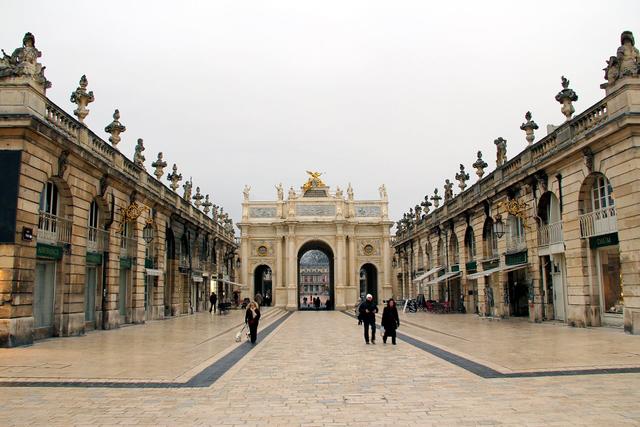
| Place Stanislas | 45 km | 50 min by car |
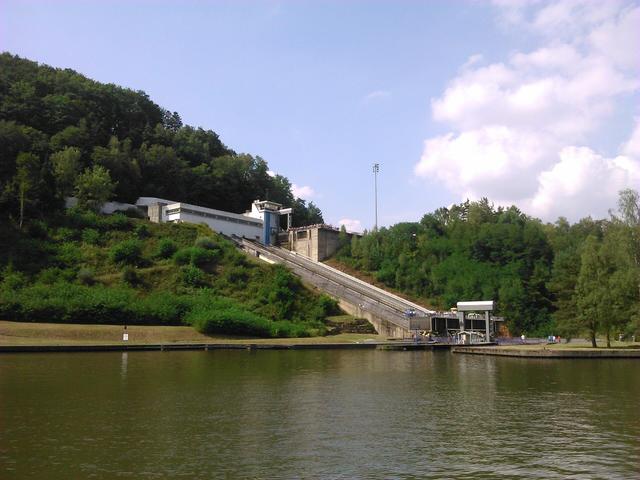
| Saint-Louis-Arzviller Boat Lift | 50 km | 50 min by car |
Approximate road distances and travel times.
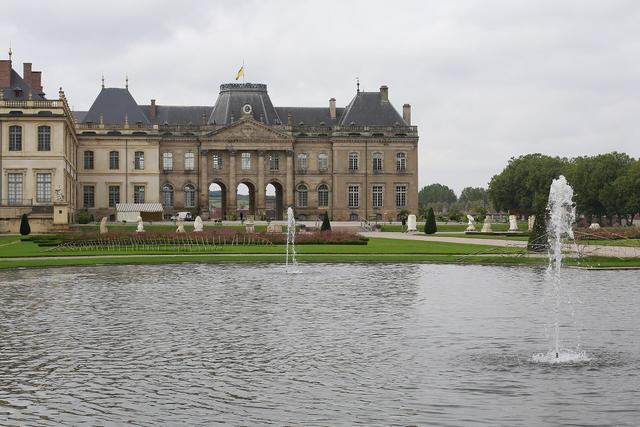
A few kilometres away, the Georges de La Tour Museum in Vic-sur-Seille belongs to the same network and charges the same prices. Lunéville Castle, the "little Versailles of Lorraine", is about forty minutes away. See also: Château de Lunéville In Nancy, Place Stanislas is a fine way to end the day in town. See also: Place Stanislas To the east, the Arzviller boat lift on the Marne-Rhine Canal is a big hit with children. See also: Saint-Louis-Arzviller Boat Lift
See also: Basilica of Saint-Nicolas-de-Port, Maison de la Mirabelle, Baccarat Crystal Museum, Murbach Abbey, Lorraine
Where to eat and stay
Marsal is a very small village of 234 inhabitants (2022). For lunch, look in Vic-sur-Seille or Château-Salins, or bring a picnic.
To stay, the Saulnois area mostly offers holiday cottages and B&Bs in the countryside. Nancy, less than an hour away, has a much wider choice of hotels.
FAQ
How much is a ticket to the Marsal Salt Museum?
€7 full price, €5 reduced price, free for under-12s.
Is the Salt Museum open all year?
No. In 2026, it is open from 7 February 2026 to 13 December 2026, Tuesday to Sunday, with a lunch break. It is closed on Mondays and on 1 May.
How long does the visit take?
About an hour for the museum, two hours with a walk around the fortified village and the collegiate church.
Is the museum wheelchair accessible?
Yes, access is step-free and a wheelchair can be lent on request.
What is the briquetage de la Seille?
It is the debris of the fired clay moulds the Gauls used to make salt. It forms layers up to nearly 8 metres thick around Marsal.
Are there activities for children?
Yes: workshops from a very young age, treasure hunts, storytelling and festivals such as the Gaulish festival in June.
Practical information
Opening hours 2026
| 7 February 2026 to 13 December 2026 | 9:30 – 12:30, 13:30 – 18:00 (Closed: Monday) |
|---|
Closed: 1 May
Official ticket-office prices 2026
| Full price | €7 |
|---|---|
| Reduced rate | €5 |
| Free | under 12 |
Address
Porte de France, 57630 Marsal, France
Directions · Phone+33 3 87 35 01 50
On site and nearby
- Nearest shops and pharmacy: Vic-sur-Seille, 6 km away Straight-line distance, based on OpenStreetMap.
- Emergencies: 112 (all emergencies, free from any phone), 15 (SAMU, medical emergency)
Around the site, on Google Maps
With children
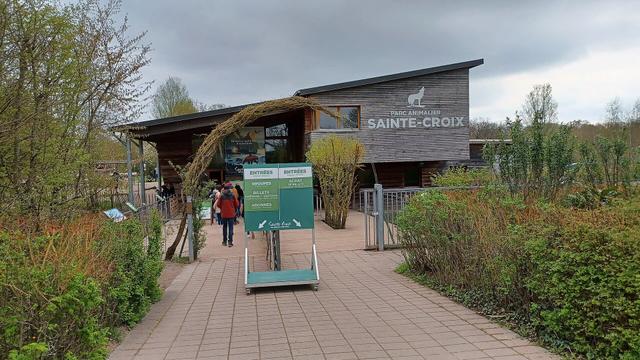
Family days out nearby: Sainte-Croix Wildlife Park (21 km), Place Stanislas (33 km), Château de Fléville (35 km)
Swimming pools and play areas nearby, on Google Maps
Facts checked on 12 November 2026. Sources: mosellepassion.fr, moselle.fr, moselle.fr, fr.wikipedia.org, showcaves.com, lagazettefrance.fr
Map
In the same region

- Maison de la MirabelleFree admission

- Amnéville ZooFree under 3