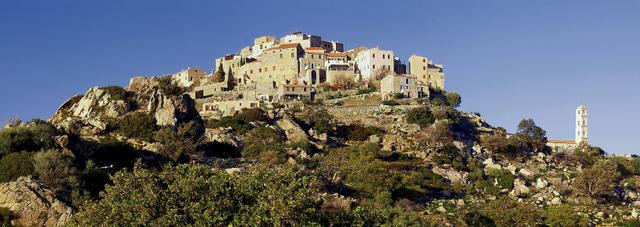
Cucuruzzu and Capula: visiting the Bronze Age site near Levie
Cucuruzzu and Capula at a glance
- Full price
- €4
- Free
- under 10
- Where
- Levie
Official ticket-office prices, checked on 5 November 2026. Full opening hours, reduced prices and access

Above Levie, in the Alta Rocca, the castellu of Cucuruzzu is a Bronze Age fortress built into a jumble of granite boulders among the oak trees. A woodland trail leads there, then carries on to Capula, another listed fortified site. The visit is easy and cheap, but it is only open in the warmer months and access can be restricted in summer when the fire risk is high. Here are the price, the season, how to get there and our tips.
Cucuruzzu at a glance
- Where: on the Pianu di Livia plateau, in Levie, in the Alta Rocca (Corse-du-Sud), between Porto-Vecchio and Sartène.
- Price: €4 per adult, €3 reduced price, free for children under 10 (prices shown by the tourist office in November 2026).
- Season: from spring to the end of October. Exact dates and times differ between sources: call before you come on +33 6 13 35 94 67.
- What you see: a Bronze Age tower, the Torra, a terraced village among the rocks, then the site of Capula.
- Good to know: from mid-June to mid-September, access may be restricted when the fire risk is high.
- Bring: good shoes, water and time: the site is explored on foot.
What is Cucuruzzu?
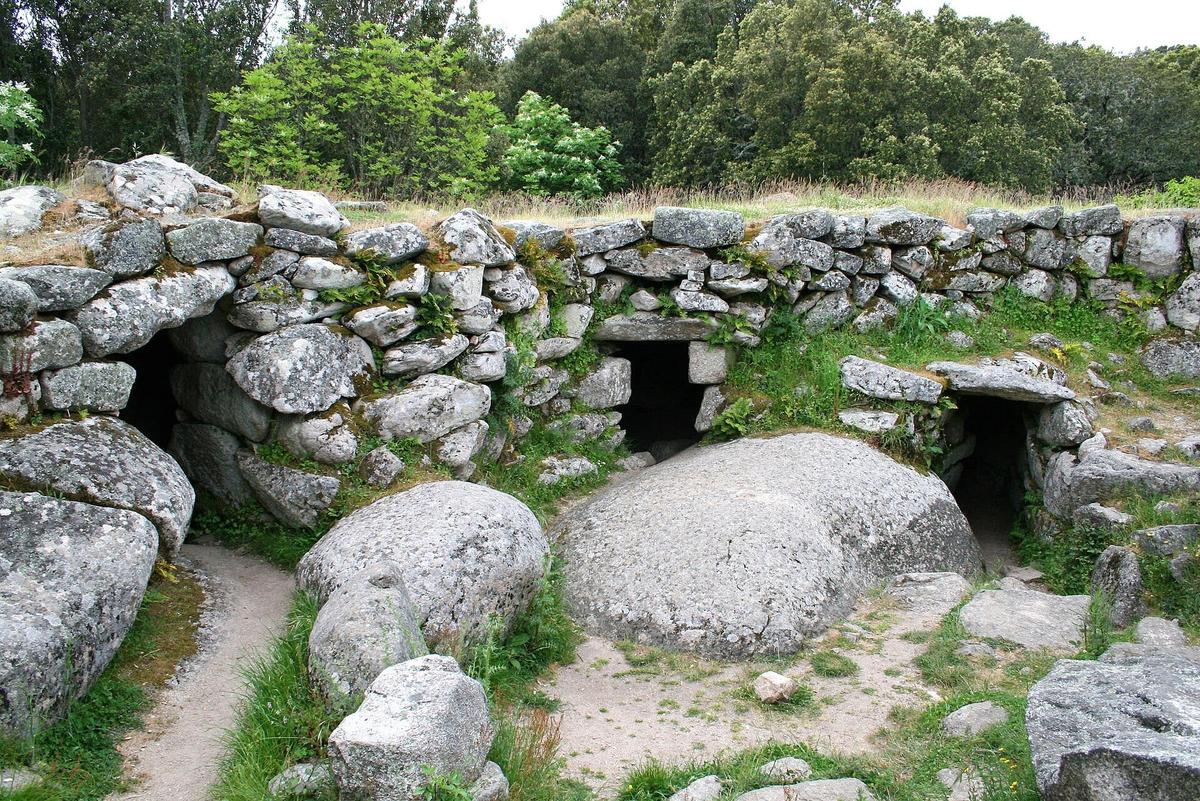
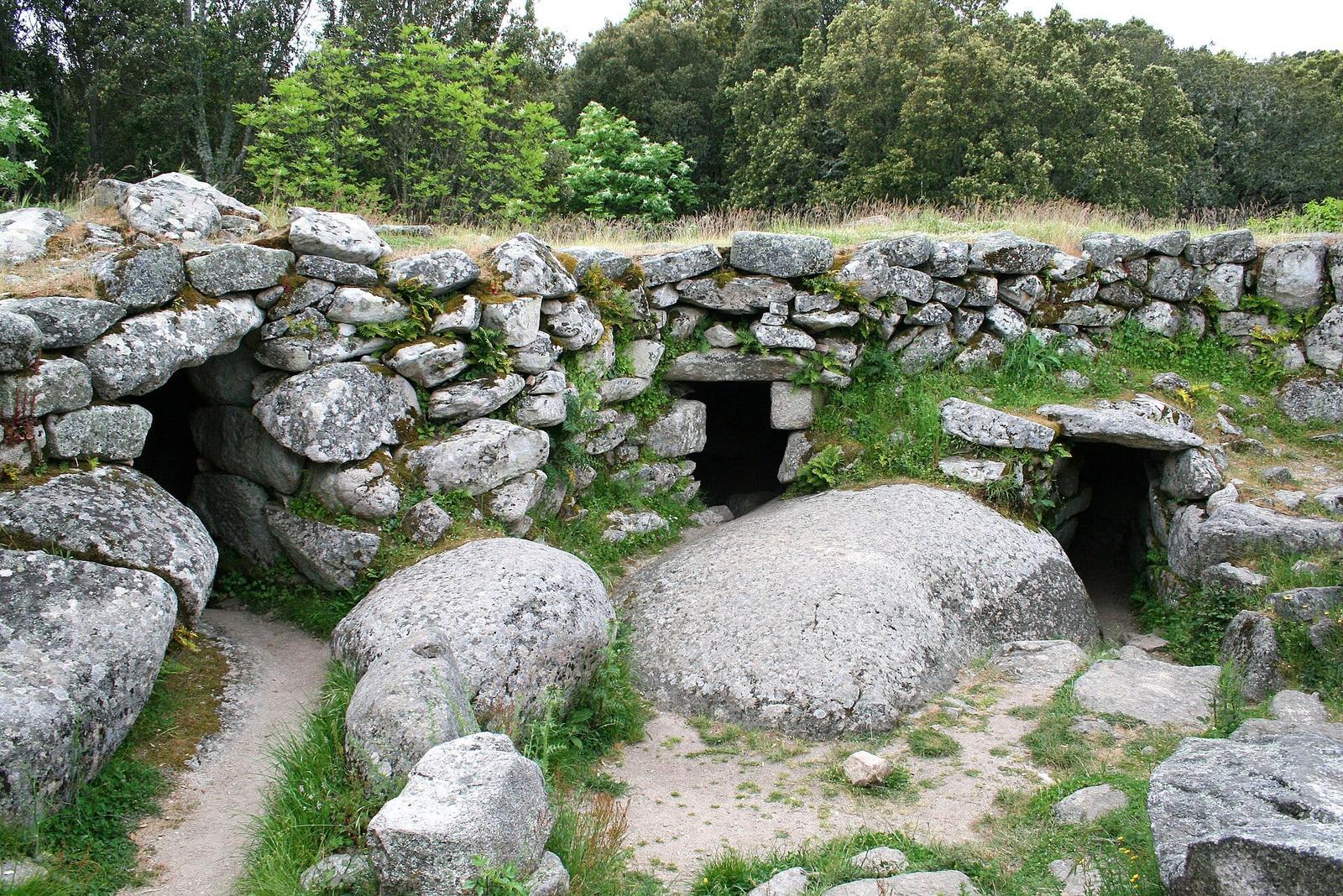
The castellu of Cucuruzzu is a Bronze Age fortified site, built in the 2nd millennium BC and still occupied in the 1st millennium BC, according to the heritage record of the Collectivité de Corse. In Corsican, these sites are called casteddi. The Porto-Vecchio tourist office counts about twenty known on the island, mostly in the south.
It is not a castle in the medieval sense. The builders made use of a jumble of granite boulders overlooking the Pianu di Livia plateau. They linked the large rocks with stone walls to enclose a living area. The result almost blends into the landscape: from a distance, you mainly see granite blocks and oak trees.
The site now belongs to the Collectivité de Corse, which maintains it and studies it with its archaeologists. It has been listed as a historic monument since 1982, as has the nearby site of Capula.
The site does not publish visitor numbers. It is much less known than Bonifacio or Filitosa, and lies away from the main roads, in the interior of the island.
Cucuruzzu tickets and prices
Here is the price list shown in November 2026 by the Porto-Vecchio tourist office and the Corsica tourism agency. It gives no year, but both sources give the same prices.
- Full price: €4.
- Reduced price: €3, for over-65s, young people aged 10 to 25, students, groups of at least 10 people and families, according to the Corsica tourism agency.
- Children under 10: free.
The ticket covers the Cucuruzzu and Capula route. It is one of the cheapest visits in Corsica, and the forest walk that goes with it costs nothing extra.
The sources do not say which payment methods are accepted: bring a little cash just in case.
Do you need to book?
No, not for an individual visit. You go to the reception, pay and set off on the trail. Groups are welcome, but they must contact the Collectivité de Corse in advance (group visits department, on +33 4 95 51 64 29).
One thing matters more than booking: when you arrive. The Collectivité de Corse asks visitors to reach the reception at least two hours before closing time, to leave enough time for the route. Exact opening times vary between sources and months: call the same morning on +33 6 13 35 94 67 or +33 6 40 73 58 13, especially at the start and end of the season.
When to visit: season, opening hours and fire risk
The season. The site only opens in the warmer months and closes at the end of October. The sources disagree on the start of the season: the Porto-Vecchio tourist office says mid-March, the Corsica tourism agency and the Collectivité de Corse say 1 April. None of these pages confirmed the 2026 season in November 2026. If you are coming in March, phone first.
The demonstrations. According to the Corsica tourism agency, Bronze Age craft demonstrations take place from 1 May to the end of September, Wednesday to Sunday, from 11:00 to 17:00. Check they are still running if you are coming for them.
Opening hours. The published times also differ from one source to another, with later closing in summer than in spring and autumn. We do not give them here until they are confirmed for 2026. Remember the reception rule: arrive at least two hours before closing.
Fire risk. From mid-June to mid-September, access to the site may be restricted when the fire risk is high. The Corsica tourism agency refers visitors to the official "feux de forêt" (forest fire) warning map published by the French state services. Check it the evening before: the Cucuruzzu trail runs through forest.
Our tip. The best time is the morning, in spring or September. The plateau is shaded by oaks, but the rocks heat up quickly in the afternoon in July and August. In October, the low light on the granite is beautiful, and the Alta Rocca is almost empty.
If it rains. The granite becomes slippery. The route is still possible in cloudy weather, but avoid stormy days and keep the Alta Rocca museum in Levie for a rainy day.
What to see at Cucuruzzu
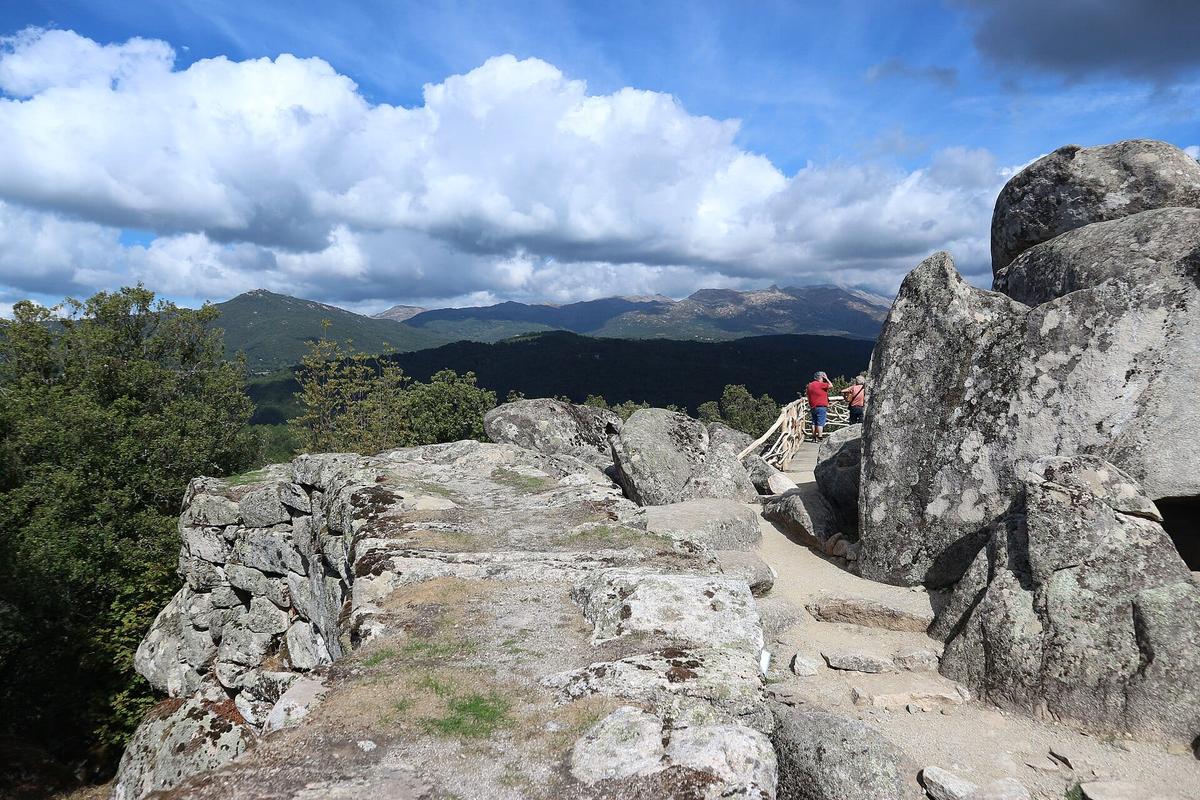

The approach trail. From the reception, you walk through woodland on the plateau, between oak trees and moss-covered granite boulders. The path is not difficult, but it is stony and roots stick out in places.
The enclosure. The fortified village was protected by a surrounding wall. According to the Collectivité de Corse, its walls reach 5 m high and 3 m thick. They are built of large blocks laid without mortar, wedged against the natural rocks.
The Torra. This is the main monument on the site: a round tower about 8 m across, still standing 4 to 5 m high. It was probably used to store and process food, according to the tourist office.
The terraced village. Around the tower, the inhabitants lived on terraces built among the rocks. The tourist office notes that part of the enclosure is closed to the public: stay on the marked route, as not all the stones are stable.
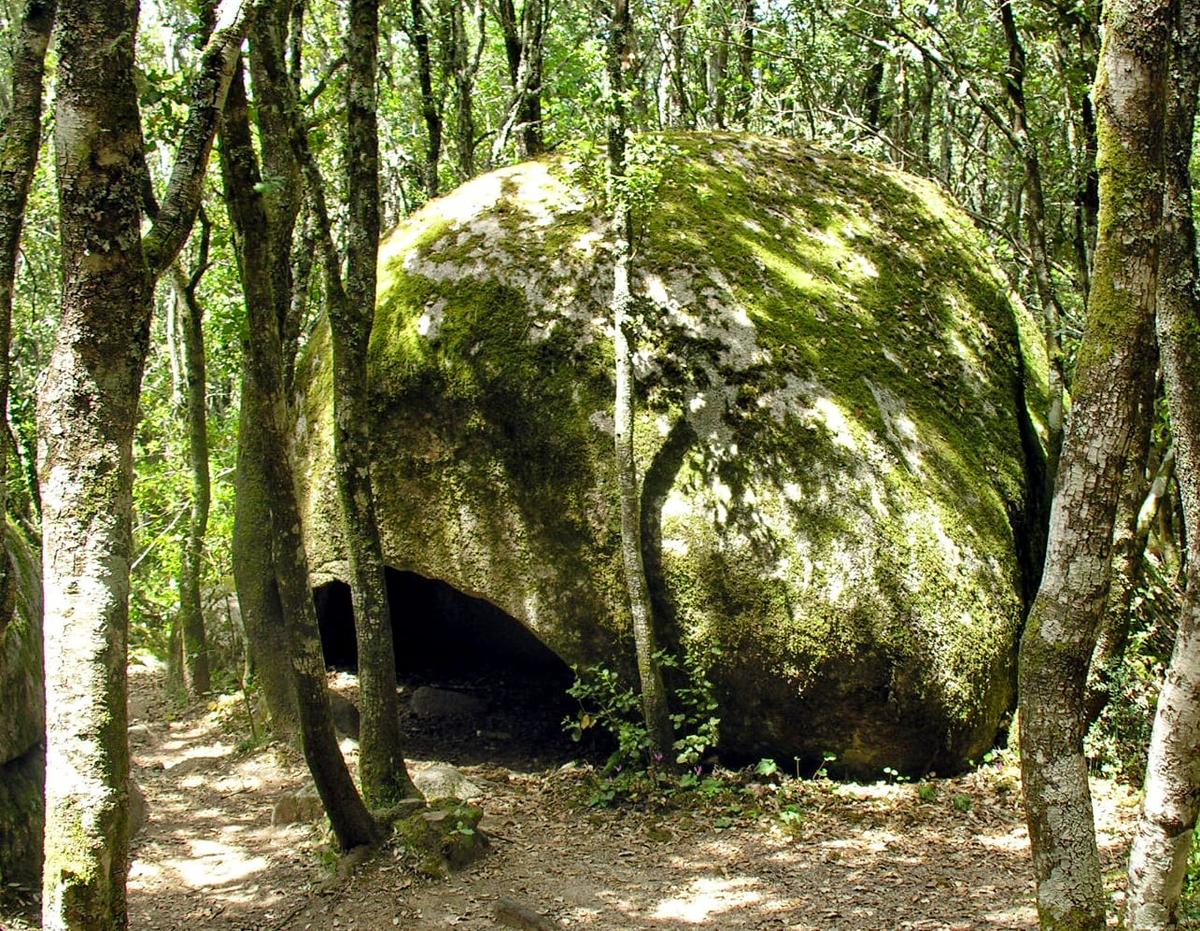
The granite boulders. The site sits on a jumble of granite overlooking the Livia plateau, according to the tourist office. Walking among the blocks, you understand why the spot was chosen: the rocks serve both as walls and as lookout posts over the plateau.
Capula, the second site on the trail
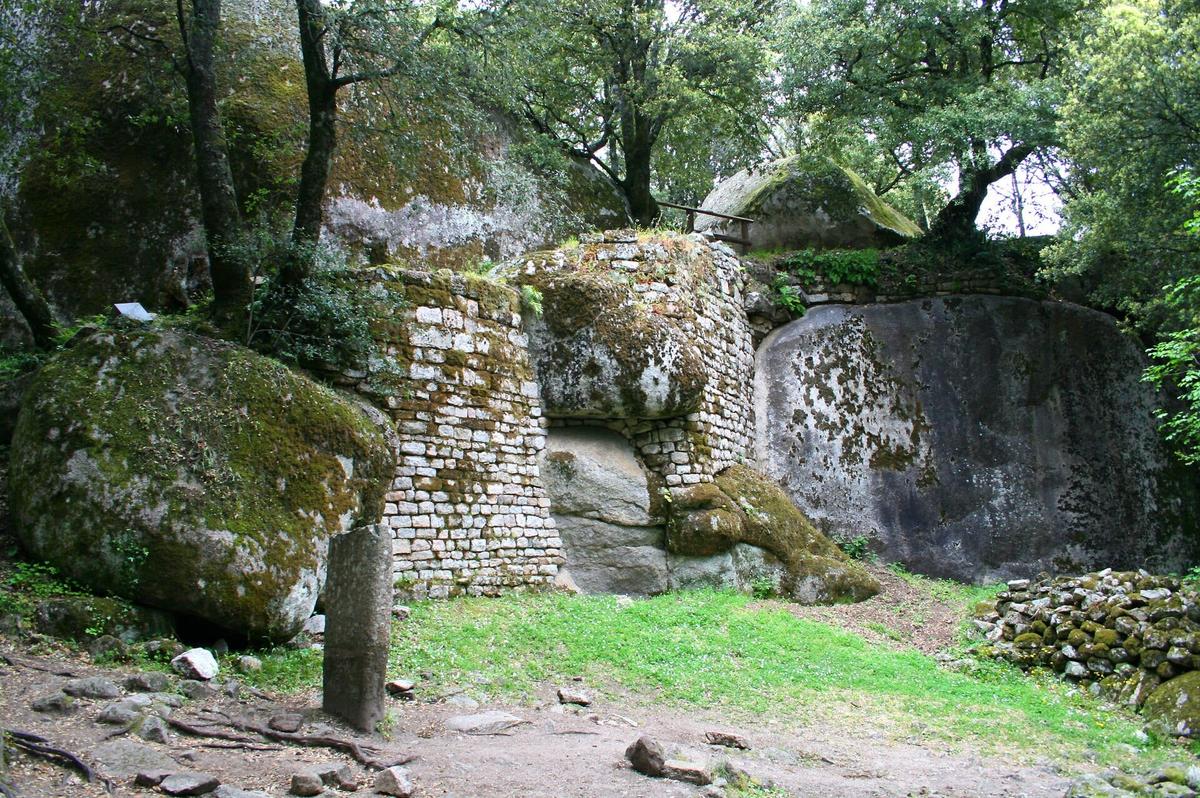

After Cucuruzzu, the trail continues to Capula, another fortified site on the same plateau, also listed as a historic monument. Capula was occupied over a very long period: the tourist office runs activities there on the theme "from prehistory to the Middle Ages", and the site still has the remains of a medieval castle. At Capula, then, you see two eras in the same place, whereas Cucuruzzu remains a Bronze Age site.
You walk from one site to the other through the forest. Save some energy for the second site: many visitors stop at the Torra and miss it.
The objects found during the excavations are not on site. They are on display at the Alta Rocca departmental museum in Levie. Seeing it before or after the site makes the visit much more meaningful: you understand how the people of the castellu lived.
How long should you allow?

The sources give no official visit time. The route is on foot, at your own pace, and the Collectivité de Corse asks you to arrive at least two hours before closing: a good guide for visiting both sites without rushing.
For a full half-day, add the Alta Rocca museum in Levie and lunch in the village. For a whole day, go on to the Col de Bavella, half an hour's drive away.
With children
Children who like walking and climbing enjoy the visit. The forest trail, the rocks, the round Torra tower: there is plenty to keep a 7 or 8-year-old busy. Entry is free for under-10s.
A few precautions:
- No pushchairs. The trail is stony and crossed by roots. Bring a baby carrier for the youngest.
- Keep an eye on them in the rocks. The granite blocks are high, and some old walls are not stable.
- Water and a cap in summer, even though part of the route is shaded.
The Corsica tourism agency says there are no special activities for children. Tell them the story before you set off, or go to the Alta Rocca museum first.
Accessibility and dogs
Wheelchair users. The site is not suitable: the route follows an earth and stone path, with sections among the rocks. People who find walking difficult can call the reception before coming.
Dogs. The tourist office says pets are allowed. Keep your dog on a lead: the site is fragile and other visitors share the trail.
How to get to Cucuruzzu
By car. This is the easiest way. The site is signposted from Levie, on the route de Cucuruzzu. According to the Collectivité de Corse:
- From Ajaccio: take the RT 40 south, then the D 268 towards the Alta Rocca.
- From Porto-Vecchio: take the D 859 or the RT 40, then the D 59 towards Levie.
The roads of the Alta Rocca are narrow and winding. Allow plenty of time for your journeys and drive carefully on the bends.
Without a car. The sources mention no public transport to the site. In practice, you need a car, a taxi or an organised excursion.
Renting a car. In southern Corsica, the sites are far apart: Cucuruzzu, Bavella, Bonifacio and Filitosa can only be reached by car. Rental companies are at Ajaccio and Figari airports, where most visitors from abroad land, and in town.
Partner links: if you book through these links, we earn a commission at no extra cost to you. Partner links · Learn more
What to combine with Cucuruzzu
| Also worth seeing | Distance | Travel time |
|---|---|---|
| Bavella Needles | 24 km | 35 min by car |
| Bonifacio Citadel | 60 km | 65 min by car |
Approximate road distances and travel times.
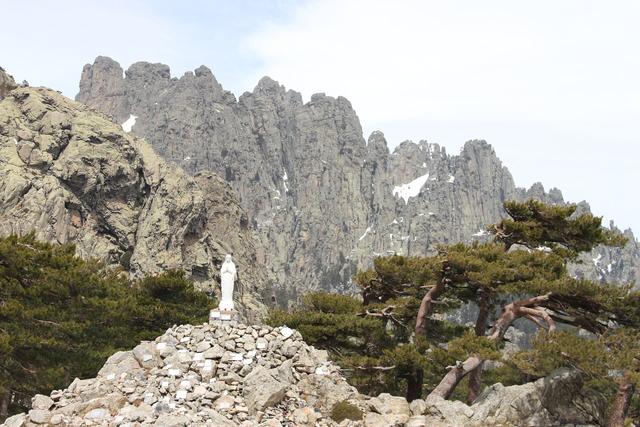
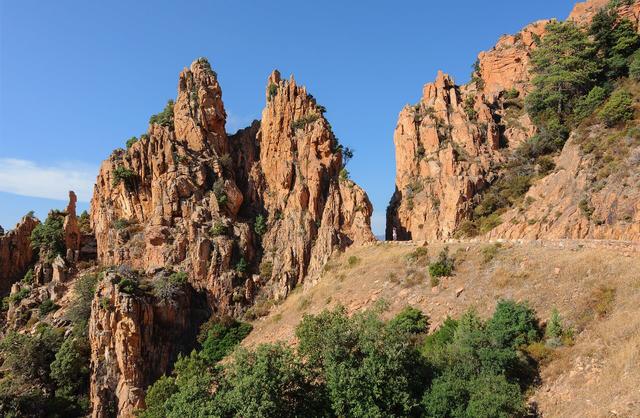
The Col and Aiguilles de Bavella. Half an hour's drive away, the red granite needles of Bavella are the great walk of the Alta Rocca. Do Cucuruzzu in the cool of the morning and go up to Bavella in the afternoon. See also: Bavella Needles
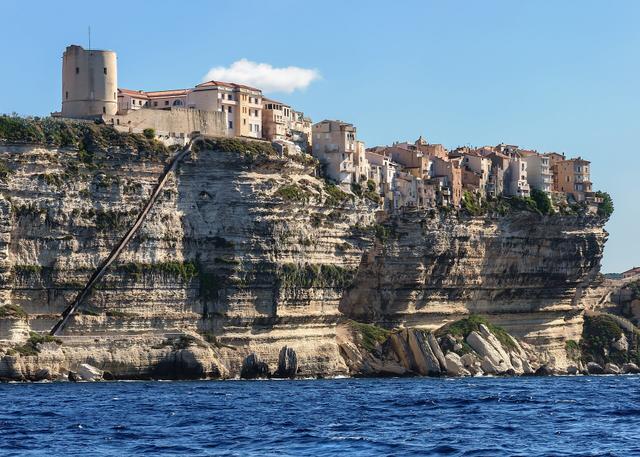
Bonifacio. The old town on its cliffs is about an hour's drive away. A good end to the day, once the heat eases. See also: Bonifacio Citadel
Filitosa. For a "prehistoric Corsica" day, the statue-menhir site of Filitosa goes well with Cucuruzzu. Roger Grosjean, who reported Cucuruzzu, was also the archaeologist of Filitosa. Allow for a long mountain drive between the two. See also: Filitosa
Further afield on the island: See also: Aleria Roman site, Corte Citadel and Museum of Corsica, Corsica
Stories from Cucuruzzu
- A site rescued from the forest. When the first excavations began, in 1963, the site was covered in thick vegetation, according to the Collectivité de Corse. It was only in 1991 that it was cleared and laid out for the public, according to Wikipedia.
- The archaeologist of Filitosa. Roger Grosjean, known for his work at Filitosa, reported the site in 1959. Excavations began in 1963 and 1964. The archaeologist François de Lanfranchi went on to study the site at length.
- From the State to Corsica. The French State bought the site in 1975, had it listed in 1982, then transferred it to the Collectivité de Corse in 2003.
Where to eat and stay near Cucuruzzu
Eating. The sources mention no food on site. Bring water and a snack. For lunch, Levie and the nearby villages of the Alta Rocca, such as Zonza, have restaurants serving Corsican food. In summer, book for lunch.
Staying. Levie and Zonza have B&Bs and gîtes, handy for an early morning visit and a trip up to Bavella. To combine sea and mountains, Porto-Vecchio is the most common base.
Places to stay near Porto-Vecchio
FAQ
How much does it cost to visit Cucuruzzu?
€4 per adult, €3 reduced price, and free for children under 10 (prices shown by the tourist office in November 2026).
Is Cucuruzzu open all year?
No. It opens in the warmer months and closes at the end of October. Start dates and opening hours vary between sources: call before you come on +33 6 13 35 94 67.
Do you need to book to visit Cucuruzzu and Capula?
Not for an individual visit. Arrive at least two hours before closing. Groups must contact the Collectivité de Corse.
Can you visit Cucuruzzu in summer?
Yes, but from mid-June to mid-September access may be restricted when the fire risk is high. Check the forest fire warning map the evening before.
Are dogs allowed?
Yes, the tourist office says pets are allowed. Keep your dog on a lead.
Can you take a pushchair to Cucuruzzu?
No, the trail is stony. Bring a baby carrier.
Practical information
Official ticket-office prices 2026
| Full price | €4 |
|---|---|
| Reduced rate | €3 |
| Free | under 10 |
Address
Pianu di Livia, route de Cucuruzzu, 20170 Levie, France
Directions · Phone+33 6 13 35 94 67
On site and nearby
- Nearest shops and pharmacy: Levie, 2 km away Straight-line distance, based on OpenStreetMap.
- Emergencies: 112 (all emergencies, free from any phone), 15 (SAMU, medical emergency)
Around the site, on Google Maps
With children
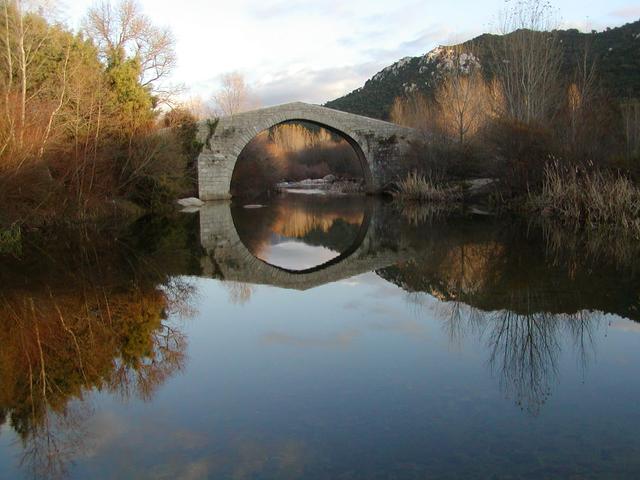
Family days out nearby: Alta Rocca Museum (2 km), Bavella Needles (11 km), Spin'a Cavallu Genoese Bridge (14 km)
Swimming pools and play areas nearby, on Google Maps
Facts checked on 5 November 2026. Sources: portovecchio-tourisme.corsica, visit-corsica.com, isula.corsica, en.wikipedia.org, monumentum.fr, monumentum.fr
Map
In the same region
- Parc Galeafrom €10Free under 3