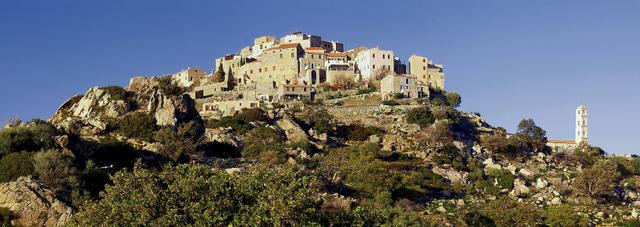
Pascal Paoli's birthplace: visiting the museum in Morosaglia
Pascal Paoli Museum at a glance
- 1 October 2026 to 31 January 2027
- 10:00 – 17:00 (closed on Sunday)
- Full price
- €4
- Free
- under 10
- Time needed
- about 1 h
- Visitors per year
- about 5000 (2021)
- Where
- Morosaglia (Merusaglia)
Official ticket-office prices, checked on 11 November 2026. Full opening hours, reduced prices and access
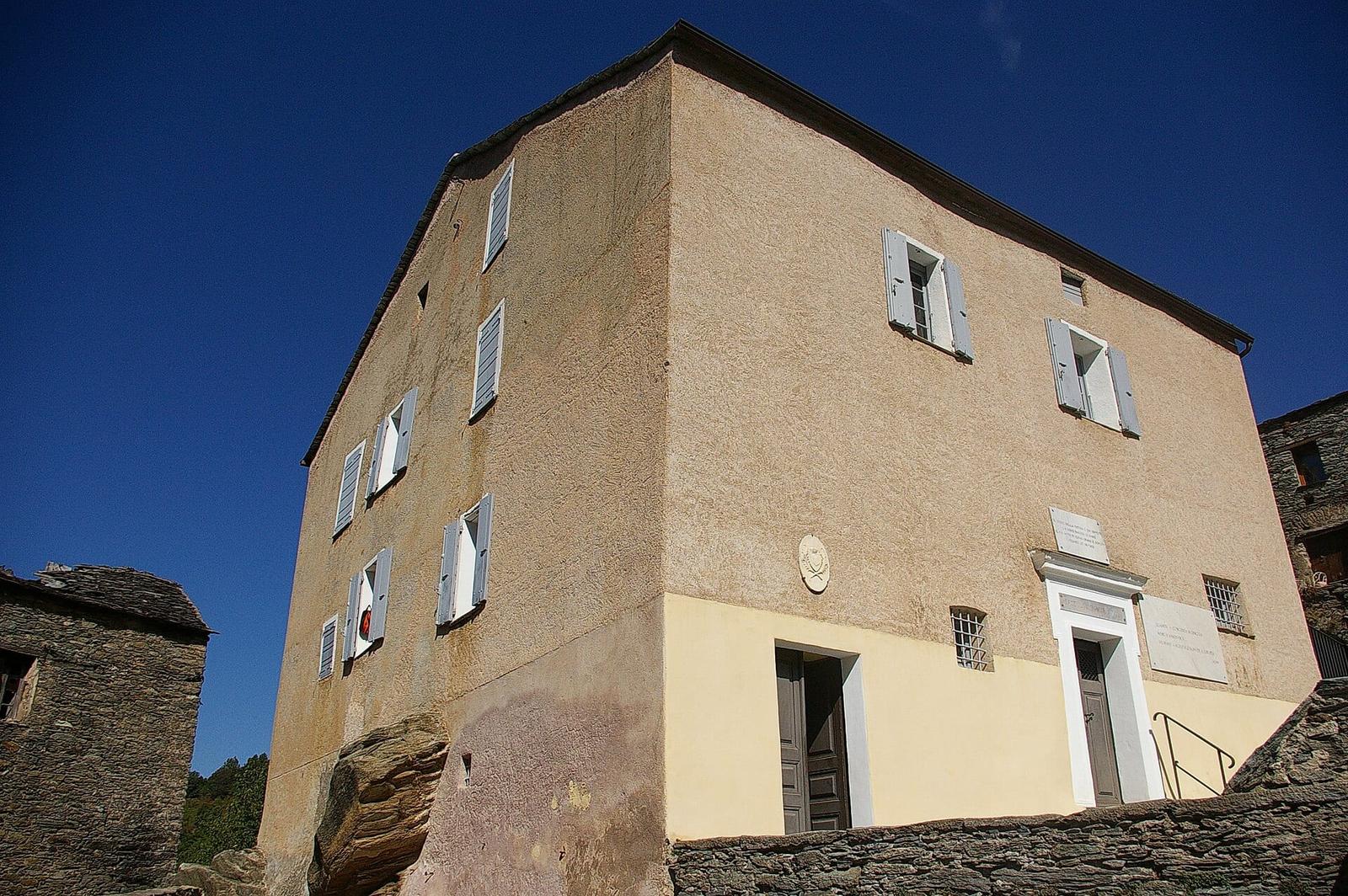

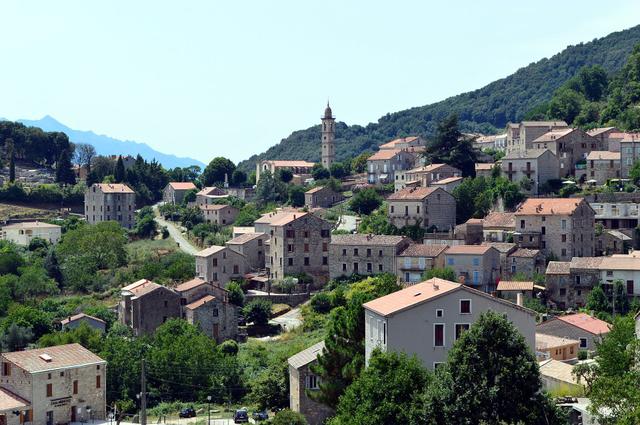
In the hamlet of Stretta, in Morosaglia, the house where Pascal Paoli was born in 1725 is now a museum. It follows the life of the Corsican "Father of the Nation", from exile in Naples to the Constitution of 1755, and then to London. His ashes rest in the chapel on the ground floor. Here are the prices, the opening hours, the road to take and what to know before driving up into the Castagniccia.
Pascal Paoli Museum at a glance
- Where: in the hamlet of Stretta, Morosaglia (Merusaglia in Corsican), in the Castagniccia region, about 15 km from Ponte Leccia.
- Price: €4 full price, €3 reduced, free under 10.
- Open: 10:00 – 17:00 Monday to Saturday from October to mid-May, 10:00 – 18:00 Tuesday to Sunday from mid-May to the end of September.
- Time needed: about 60 minutes for the four rooms and the chapel.
- Best for: anyone curious about Corsican history, and anyone who wants to understand why Paoli's name is everywhere on the island, from the university in Corte to the squares of Bastia.
- Good to know: the museum is closed on public holidays, except 14 July and 15 August. The road is narrow and winding, so allow plenty of time.
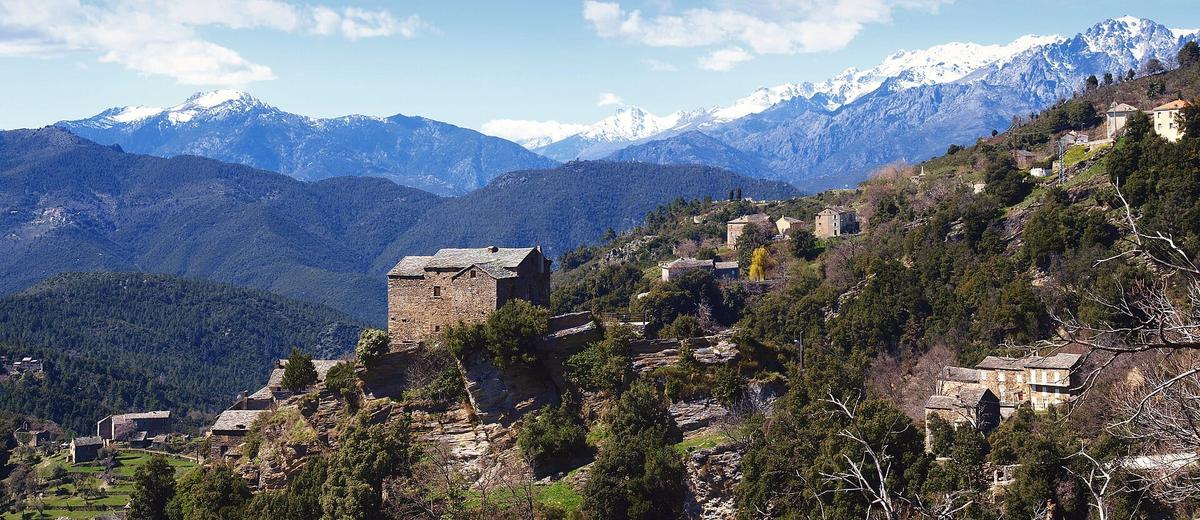

Why visit Pascal Paoli's birthplace
Pascal Paoli (Pasquale Paoli in Corsican) is the great figure of the island's history in the 18th century. He was born here in 1725, into a family of village notables. In 1740 he left for Naples with his father, Ghjacintu Paoli, who had gone into exile after the Corsican revolt against Genoa. He studied there and received his military training.
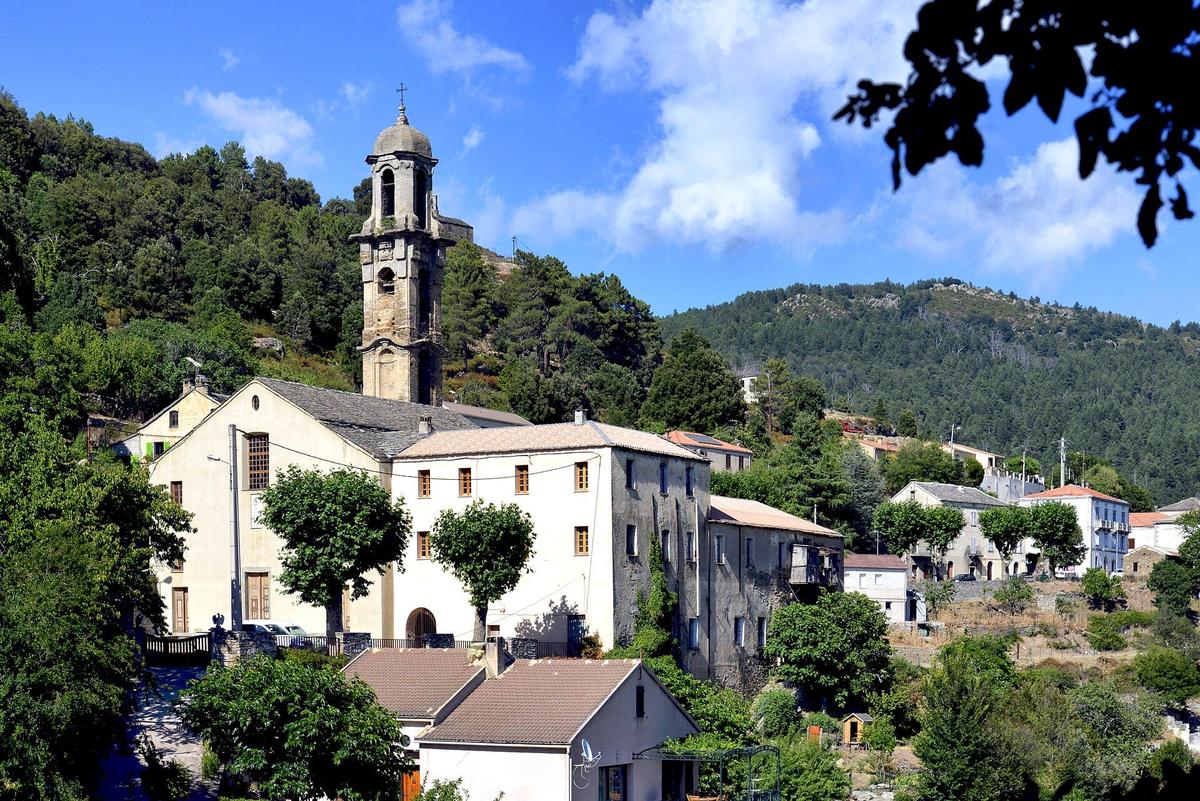

Back in Corsica, he was elected General of the Nation. In 1755 he had a constitution adopted, based on the sovereignty of the people and the separation of powers. He founded a university in Corte, an army, a navy, a currency and a printing press. The experiment ended in 1769 with the defeat at Ponte Novu against the French troops. Paoli went into exile in London, came back during the French Revolution, then left again for England. He died there in 1807.
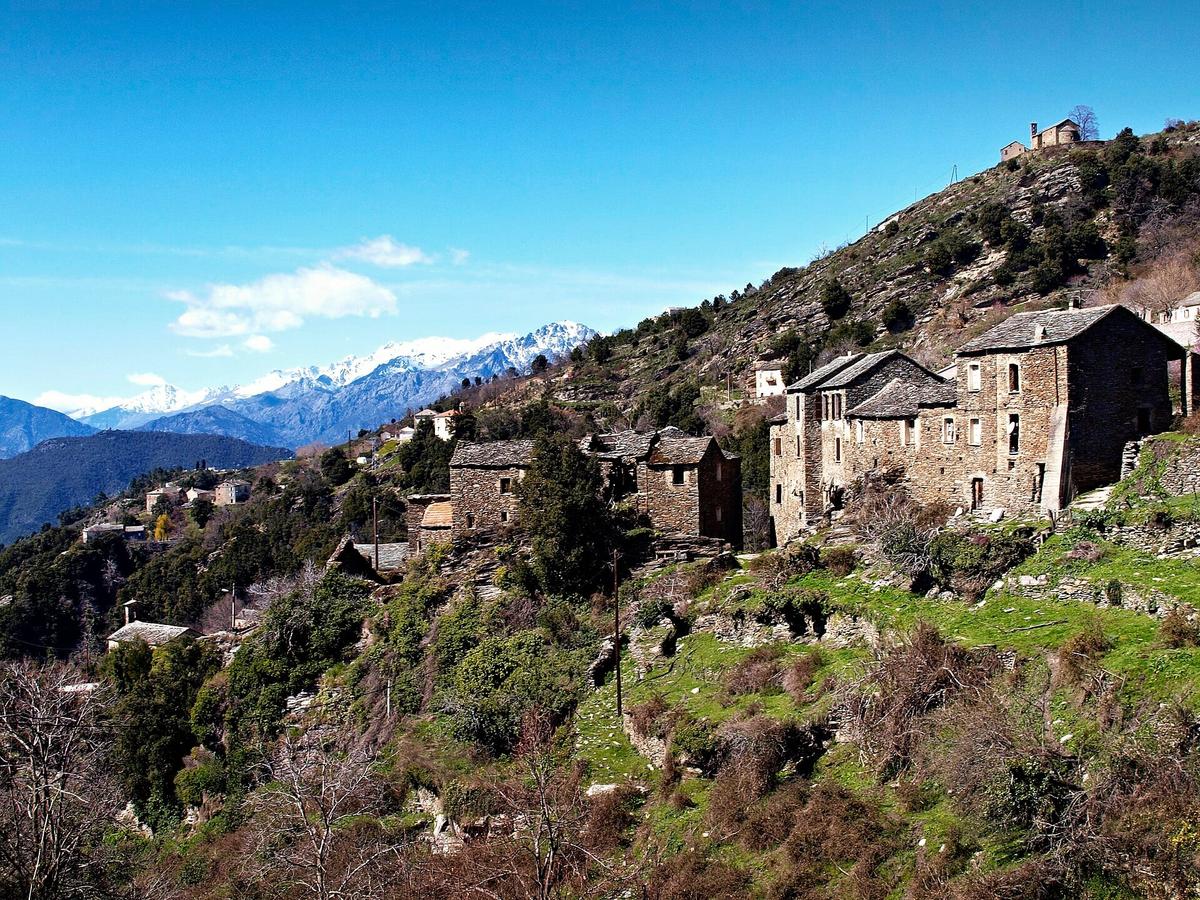
The house itself has hardly changed: a square plan, two floors and an attic, rubble-stone walls and a roof of schist slabs. Inside are the original staircases, vaulted rooms and chestnut floors. It has been listed as a historic monument since 1975 and has held the "Maison des Illustres" label, given to the homes of notable French figures, since 2012.
The museum is a quiet one: it receives between 5000 and 9000 visitors a year, according to the Collectivité de Corse, which puts this down to its rural and isolated location. That is exactly what makes it worthwhile: no crowds, in the very village where Paoli grew up.
How much is a ticket to the Pascal Paoli Museum?
Prices published by the Collectivité de Corse, which runs the museum:
- Full price: €4.
- Reduced rate: €3, for over-65s, young people aged 10 to 25, students, groups of 10 or more and families (at least two adults and two children).
- Free: under-10s, jobseekers, disabled visitors and their carer.
Free entry also covers other visitors: under-25s living in Corsica, school groups and teachers, students of history, art history and archaeology, guides, ICOM-ICOMOS card holders, heritage professionals and the Friends of the Museums of Corsica. Bring proof.
How to pay. The Corsica tourist board's listing mentions cash and cheques. Do not count on paying by card, and bring some cash: the nearest cash machine may be a long way off.
Good value. At this price, it is one of the cheapest visits on the island. A family of two adults and two children over 10 pays the reduced rate for everyone.
Do you need to book?
No. There is no online ticketing: you pay on site, at the front desk. The museum offers a guided tour on request, depending on staff availability. If you would like one, call ahead on +33 4 95 61 04 97.
Groups are welcome. Here too, it is best to call first, if only to sort out parking.
2026 opening hours and best time to visit
Opening hours published by the Collectivité de Corse:
- 1 October to 15 May: 10:00 – 17:00, Monday to Saturday. Closed on Sundays.
- 16 May to 30 September: 10:00 – 18:00, Tuesday to Sunday. Closed on Mondays.
Last entry is 30 minutes before closing. The museum is closed on public holidays, except 14 July and 15 August, so it is also closed on 25 December and 1 January.
Watch out in February. The Corsica tourist board says the museum is closed for the whole of February. The Collectivité de Corse page does not mention this, so in winter, call before making the drive.
Watch out for the change of closing day. In winter the museum is closed on Sundays; in summer, on Mondays. It is the classic trap for anyone passing by on a Sunday in October or a Monday in June.
Our tip: come in the morning. The Castagniccia road is more pleasant before the heat, and you keep the afternoon free to carry on to Corte or to the coast. In spring and autumn, the chestnut woods around the village are at their best.
How long does the visit take?
Allow about 60 minutes. The permanent exhibition fills 4 rooms, plus the chapel. If you read the letters and documents closely, or take a guided tour, allow longer. Add the driving time: from Bastia or Corte, the visit takes up half a day.
What to see in Paoli's birthplace
The exhibition is called "Pasquale Paoli, un mitu fundatore" (a founding myth). It follows Paoli's life in four stages: "The chief's son", "Building the Corsican State", the battle of Ponte Novu, and "From the triumphant return to the Anglo-Corsican Kingdom". On display are maps, letters, treaties, furniture, coins, portraits and statues.
The bust by John Flaxman. This marble bust is one of the highlights. Flaxman was one of the great English neoclassical sculptors, and his work is a reminder of Paoli's long years in London.
The Benbridge portraits. The American painter Henry Benbridge painted Paoli. A full-length portrait by Benbridge is shown in the museum. The portrait commissioned by the Scottish writer James Boswell, who had visited Paoli in Corsica, was exhibited in London as early as 1769.
The London pistols. A pair of pistols made in London in 1773 by the gunsmith John Fox Twigg is among the most telling objects in the collection.
New acquisitions. The collection keeps growing. In 2025 the Collectivité de Corse bought an 18th-century hunting dagger that belonged to Paoli, four handwritten letters by him dated 1755 to 1757, engravings and documents from the Anglo-Corsican Kingdom (1794-1796). Their entry into the museum's inventory was voted in June 2026. Ask at the front desk what is on display.
For younger visitors. Touch screens have been installed for children, and projections round off the visit.
The sculpture at the entrance. In front of the house, a sculpture by Dumè Paolini, "Illuminisimu", pays tribute to Paoli and to the spirit of the Enlightenment.
Paoli's chapel and tomb
On the ground floor, the house chapel holds Paoli's ashes. He died in London and was first buried in the churchyard of St Pancras. His remains were brought back to Corsica on 7 September 1889.
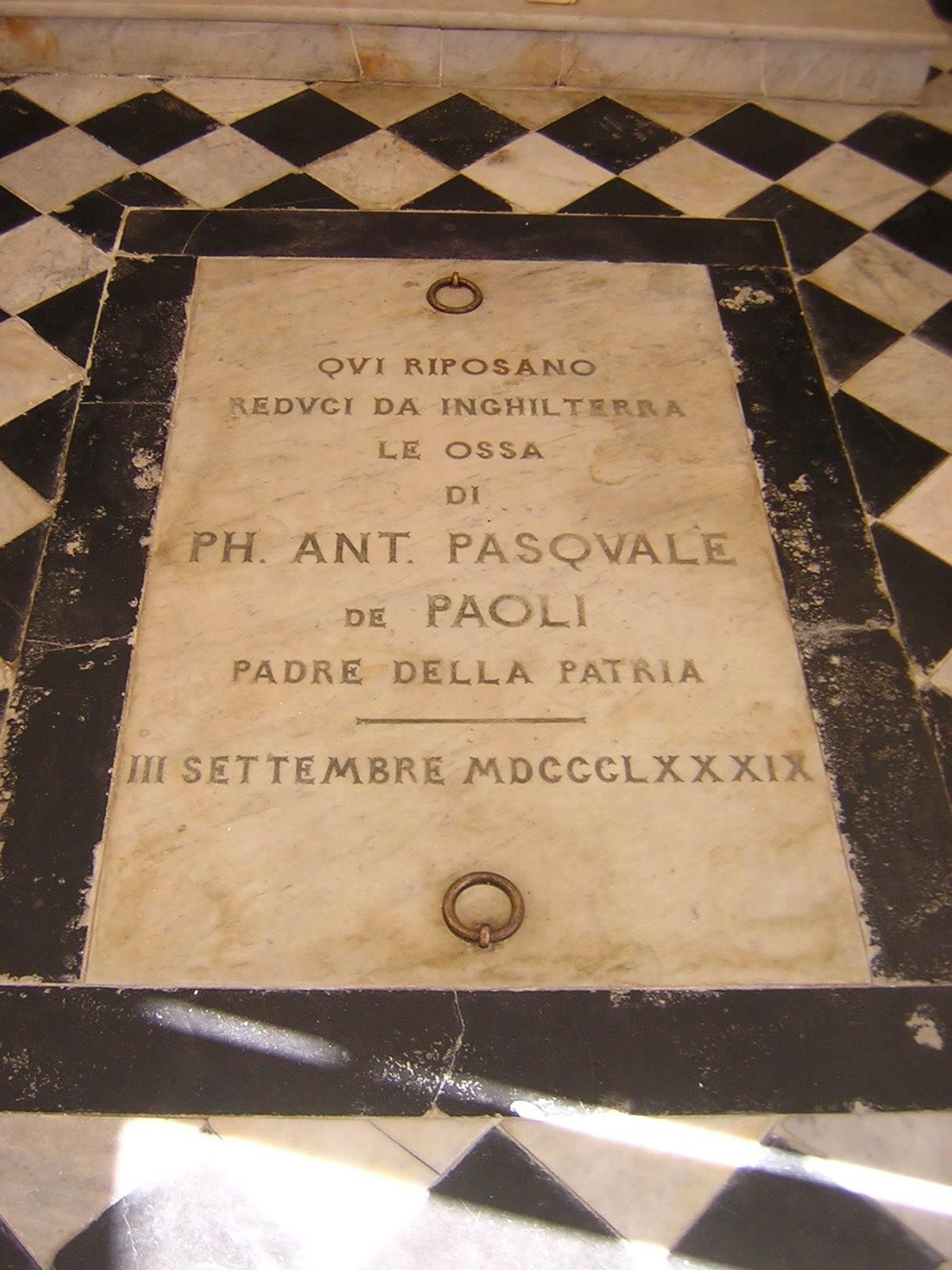

A story behind the return. It was a descendant of Paoli's sister, Jean-Baptiste Franceschini Pietri, former private secretary to Napoleon III, who gave the house to the département in 1888. He set two conditions: that the oratory should receive the general's ashes, and that the upper floor should become a museum. The museum did not really open until 1954.
The chapel also keeps the tombstone from the first grave in London. Paoli is still remembered in England: a bust and a marble plaque honour him in Westminster Abbey.
Another story about the collection. Twice, in 1769 and again in 1796, Paoli asked people close to him to hide his belongings, because he feared they would be seized. The collection was scattered, and few original objects have come back to the house. That is why the museum still buys pieces at auction.
Visiting with children
The visit is short and the price low, which makes it an easy family stop. The touch screens and projections were designed for younger visitors. To get them interested, tell them the story before you go in: a village boy who became the leader of a country, a constitution written before that of the United States, then exile. Under-10s get in free.
The house has stairs and old rooms, so a baby carrier is more practical than a pushchair.
Accessibility
The museum is in an 18th-century house on several levels, with stairs. The Collectivité de Corse does not publish detailed information on wheelchair access. If you need step-free access, call the museum before you come.
How to get to Morosaglia
By car. This is the only practical option. From the N193 (Bastia-Ajaccio), leave the main road at Ponte Leccia and climb into the Castagniccia: the museum is about 15 km away. The road is narrow, with many bends, and you sometimes meet free-roaming animals. Allow plenty of time.
Parking. There is no large dedicated visitor car park: the Collectivité de Corse acknowledged this in 2021, saying a project was under discussion with the municipality. Park in the hamlet without blocking the road.
By train. Ponte Leccia station, on the Chemins de fer de la Corse line, is the nearest. From there you still have the climb up to the village, with no practical bus for visitors.
Renting a car. Bastia-Poretta airport is the nearest. A car lets you combine the museum, Corte and the Romanesque churches of the Nebbio in the same day.
Partner links: if you book through these links, we earn a commission at no extra cost to you. Partner links · Learn more
Guided tours and day trips in Haute-Corse
The museum does not sell tickets online. If you would like to discover the area with a guide, day trips from Bastia cover Cap Corse, the Nebbio and the interior of the island.

What to combine on the same day
| Also worth seeing | Distance | Travel time |
|---|---|---|
| Corte Citadel and Museum of Corsica | 38 km | 45 min by car |
| San Michele de Murato Church | 45 km | 60 min by car |
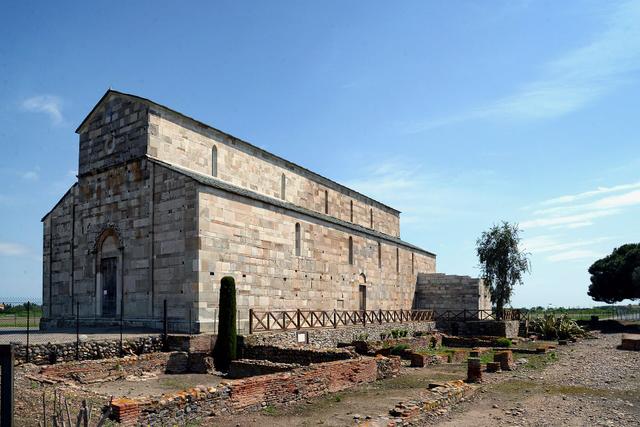
| La Canonica and Mariana archaeological site | 45 km | 50 min by car |
Approximate road distances and travel times.
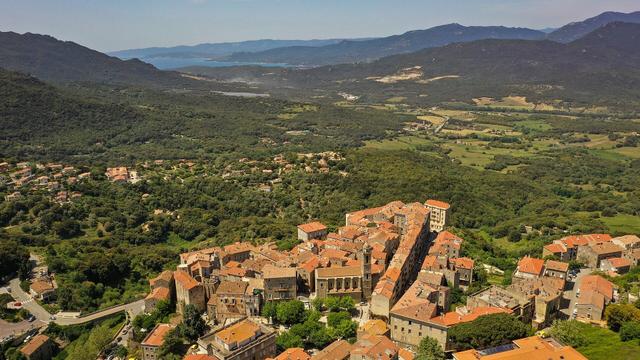
The obvious next stop is Corte, Paoli's former capital. The Museum of Corsica, in the citadel, carries on the story, and it was in Corte that Paoli founded the university. See also: Corte Citadel and Museum of Corsica From Corte, the Restonica gorges make a fine outing into nature. See also: Restonica Gorges (Gorges de la Restonica)
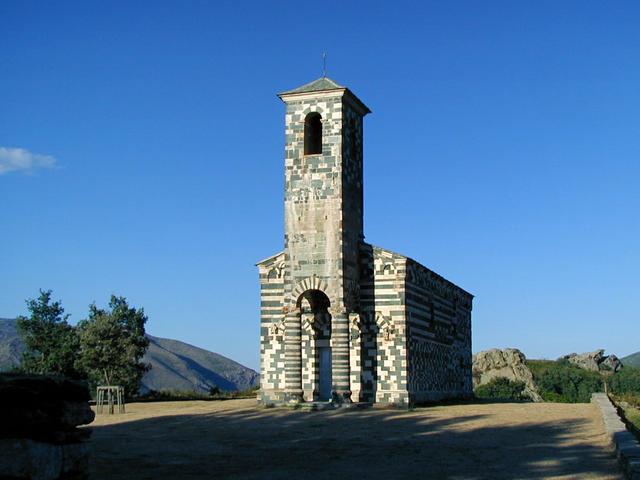
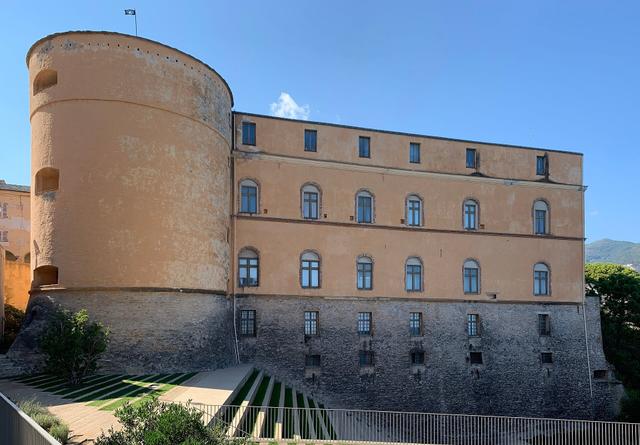
To the north, the church of San Michele de Murato, with its white and green stones, is one of the finest Romanesque churches on the island. See also: San Michele de Murato Church To the east, the Canonica de Mariana, near Lucciana, shows early Christianity in Corsica. See also: La Canonica and Mariana archaeological site In Bastia, the museum in the Governors' Palace fills in the island's history under Genoa. See also: Bastia Museum
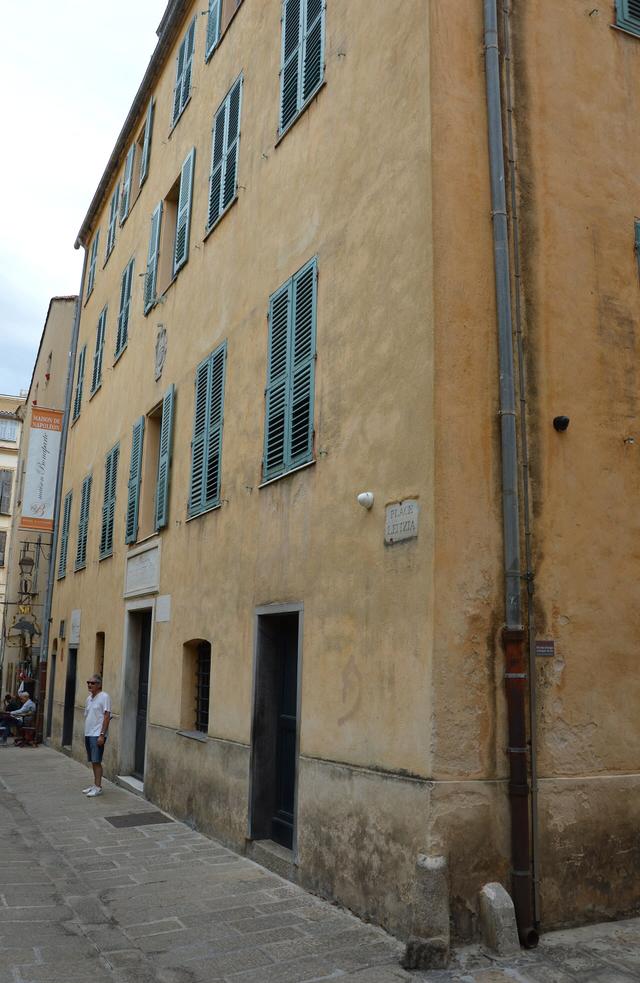
For the other great Corsican figure, head down to Ajaccio and the Maison Bonaparte, Napoleon's birthplace. See also: Maison Bonaparte, Corsica
Where to eat and stay
The museum has no restaurant or café. The village and the neighbouring Castagniccia villages have a few inns, but opening times vary with the season: bring a picnic if you come out of season.
To stay, Corte is the most convenient base, with the widest choice of hotels and guest houses in the interior. Bastia suits you if you arrive by plane or boat.
FAQ
How much is a ticket to the Pascal Paoli Museum?
€4 full price and €3 reduced. Entry is free for under-10s, under-25s living in Corsica and several other groups.
Is the museum open on Sundays?
From mid-May to the end of September, yes (it is then closed on Mondays). From October to mid-May, no: it opens Monday to Saturday.
Where is Pascal Paoli buried?
In the chapel of his birthplace in Morosaglia. His ashes were moved there from London in 1889.
How long does the visit take?
About 60 minutes for the four rooms and the chapel.
How do I get to the museum without a car?
It is difficult. The Chemins de fer de la Corse train stops at Ponte Leccia, about 15 km away, but there is no practical bus up to the village.
Can I pay by card?
The official tourist board listing mentions cash and cheques. Bring cash.
Practical information
Opening hours 2026
| 1 October 2026 to 31 January 2027 | 10:00 – 17:00 (Closed: Sunday) |
|---|---|
| 1 March 2027 to 15 May 2027 | 10:00 – 17:00 (Closed: Sunday) |
| 16 May 2027 to 30 September 2027 | 10:00 – 18:00 (Closed: Monday) |
Closed: 25 December and 1 January
Official ticket-office prices 2026
| Full price | €4 |
|---|---|
| Reduced rate | €3 |
| Free | under 10, jobseekers, and disabled visitors and one companion |
Address
Musée Pascal Paoli, hameau de Stretta, 20218 Morosaglia (Merusaglia), France
Directions · Phone+33 4 95 61 04 97
On site and nearby
- Nearest shops and pharmacy: Ponte Leccia, 8 km away Straight-line distance, based on OpenStreetMap.
- Emergencies: 112 (all emergencies, free from any phone), 15 (SAMU, medical emergency)
Around the site, on Google Maps
With children
Family days out nearby: Parc Galea (19 km), La Canonica and Mariana archaeological site (20 km), Agriates Desert (33 km)
Swimming pools and play areas nearby, on Google Maps
Facts checked on 11 November 2026. Sources: isula.corsica, isula.corsica, en.wikipedia.org, isula.corsica
Map
In the same region
- Parc Galeafrom €10Free under 3