Pointe de la Parata and the Sanguinaires Islands: planning your visit
Pointe de la Parata and Sanguinaires Islands at a glance
- Admission
- Free
- Visitors per year
- about 400,000 (2016)
- Where
- Ajaccio
Facts checked on 11 November 2026. Full opening hours, reduced prices and access
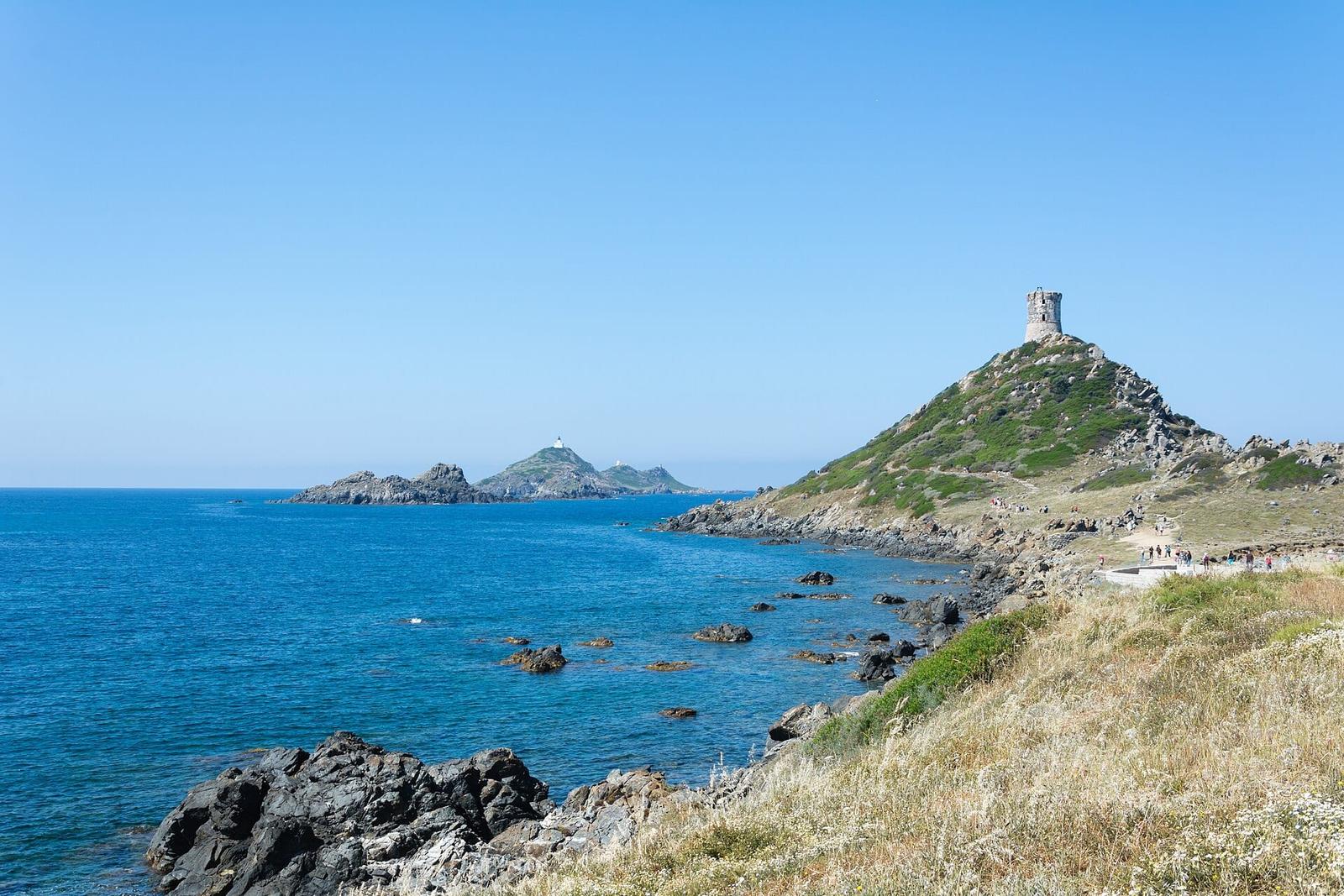
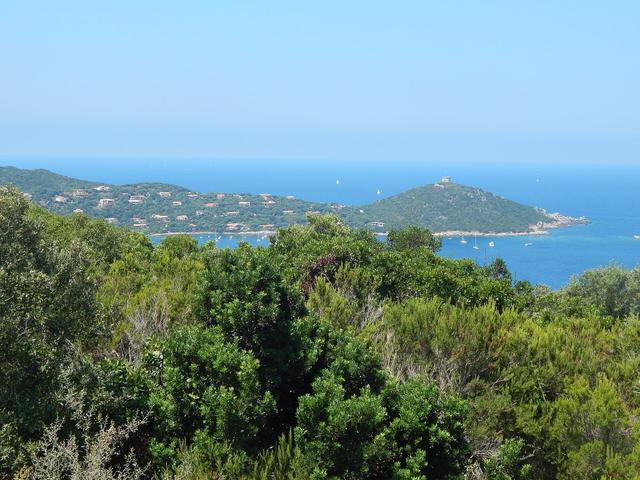
About ten kilometres from Ajaccio, the Route des Sanguinaires ends on a granite headland topped by a Genoese tower. Offshore, four red islets line up towards the open sea. People come to La Parata to walk up to the tower, watch the sun set behind the lighthouse, or take a boat to the Grande Sanguinaire. Here is how to get there, what the bus and the boat cost, and our tips for avoiding the crowds.
Pointe de la Parata at a glance
- Where: at the end of the Route des Sanguinaires (D111), about 11 km west of central Ajaccio.
- Price: the headland and its paths are free to visit, all year round.
- Getting there: by car, by bike or on Ajaccio bus line 5, which runs from Place de Gaulle to La Parata.
- The islands: they can only be reached by boat. Trips leave from Port Tino Rossi in Ajaccio or from Porticcio, in season.
- Time needed: an hour to walk up to the tower and back, half a day with a boat trip.
- What to bring: good shoes, water and a windproof jacket. The path is earth and rock, with almost no shade.
What is the Pointe de la Parata?
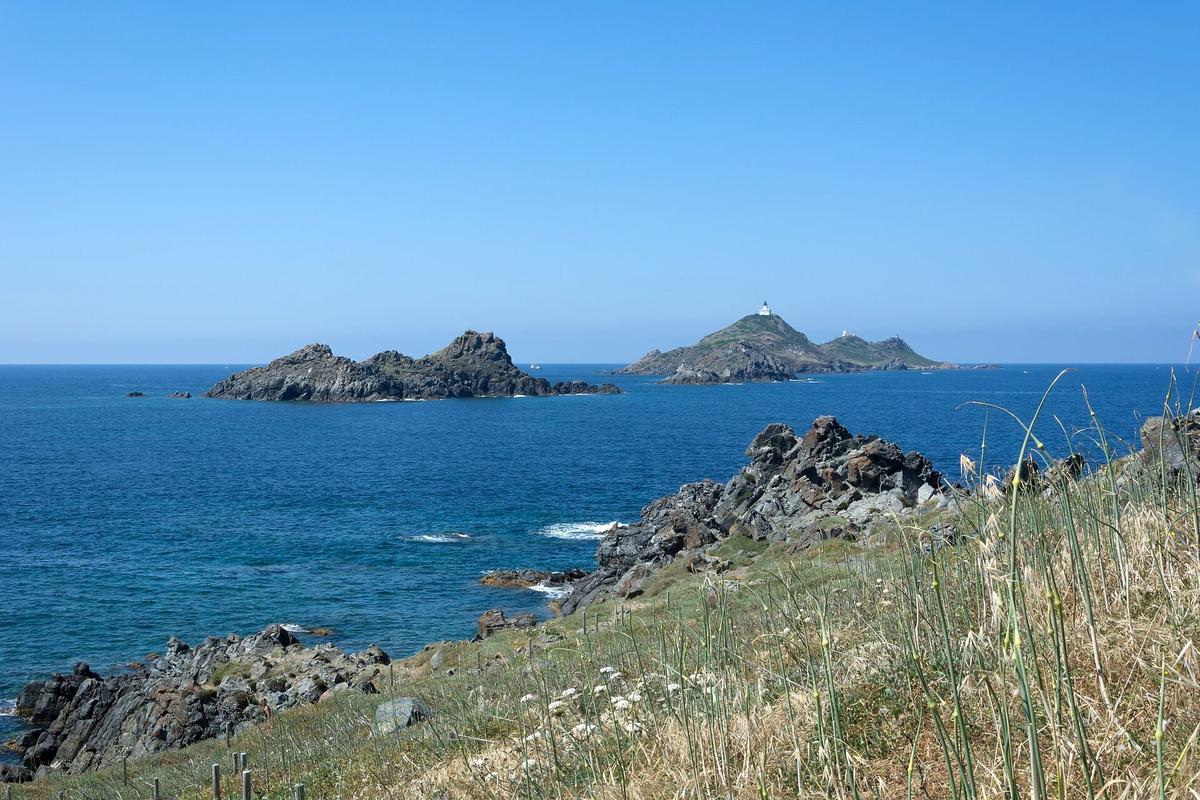
La Parata is the headland that closes off the Gulf of Ajaccio to the north. Low maquis scrub grows on the windswept granite. At the top, on a rocky spur 55 m above the sea, stands the Parata tower. Offshore, the Sanguinaires archipelago continues the line of the headland: 4 islets, including the Grande Sanguinaire, also called Mezzu Mare, the only one where visitors can land.
The site is protected and listed. The headland and the islands belong to the Grands Sites de France network, and the archipelago is a Natura 2000 site. The town launched a "Grand Site" scheme in 2002 to manage visitor numbers. It was needed: according to Corse Net Infos, the headland was receiving up to 400,000 visitors a year in 2016, mostly in summer.
In practice, the road now stops level with the Saint-Antoine de la Parata chapel. Cars stay below. Only walkers, cyclists, delivery vehicles and shuttles go on to the foot of the tower.
Why are they called the Sanguinaires (Bloody) Islands?
Nobody knows for sure, which makes it a good story to tell on the way up. Several explanations are given:
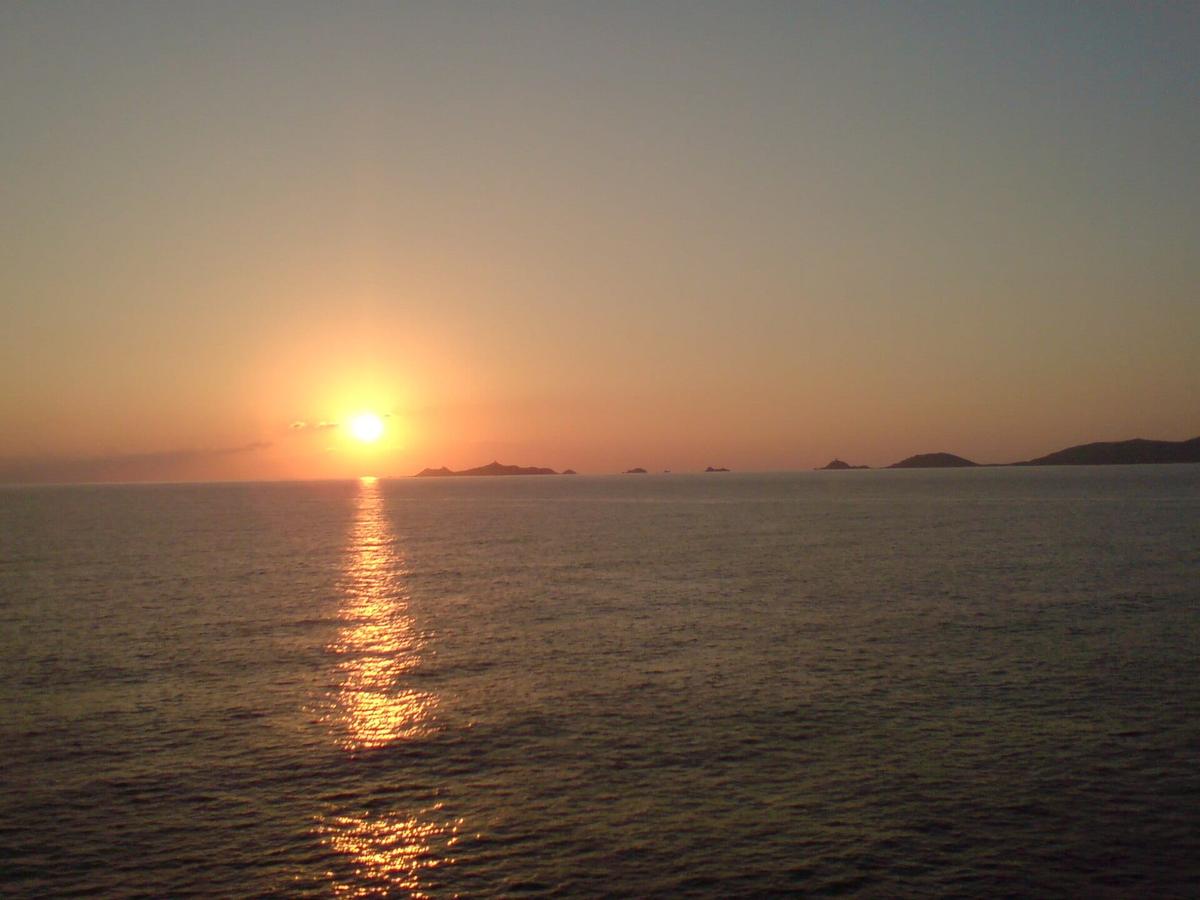
- The evening light. At sunset, the rock of the islands turns crimson, almost blood red. This is the explanation most visitors remember.
- The plants. Some low-growing plants on the islands turn red in autumn, and others have pink flowers.
- The Gulf of Sagone. A map from 1595 names the archipelago "Sagonares insulae", the islands of Sagone, after the neighbouring gulf. The word may have changed into "Sanguinaires" over time.
- The coral fishermen. Coral fishermen returning from North Africa, nicknamed "i sanguinari", served their quarantine on the Grande Sanguinaire. This seems to be the most widely accepted theory.
How much does it cost?
The headland is free. There is no ticket and no gate: you can walk up to the tower whenever you like.
The bus. On the Ajaccio network, a single journey costs €1 if bought in advance (app, online shop or text message) and €2 on board. Tickets are valid for one hour including changes. Note that from 2 May 2026 to 1 November 2026, line 5 runs as a beach shuttle and these two tickets are not accepted on it. The one-day visitor pass, at €12, covers buses, the cable car and the shuttle boat for 24 hours: check with the Muvitarra agency which ticket you need for line 5 in summer.
The boat. Trips to the islands are run by private companies, with prices that vary with the length and type of trip. A sunset cruise with a stop on Mezzu Mare and tasting on board starts at €50 per adult with one of the operators at Port Tino Rossi. Compare the kiosks along the harbour before you buy.
Partner links: if you book through these links, we earn a commission at no extra cost to you. Partner links · Learn more
How to get to the Pointe de la Parata from Ajaccio
By car. Take the Route des Sanguinaires (D111) from central Ajaccio. It runs past the beaches on the north shore of the gulf, Marinella, Scudo and Vignola, then climbs towards the headland. Allow about twenty minutes out of season. In summer the road is busy in the late afternoon, when half of Ajaccio heads out to watch the sunset: leave early, or accept that you will arrive at dusk.
By bus. Line 5 leaves from Place de Gaulle, right in the centre, and runs to the Parata stop. It is the easiest option if you are staying in Ajaccio. Regular lines run from 6:30 to 20:00, except on 1 May. Check the time of the last bus back before staying on for the sunset.
By open-top bus or tourist train. In season, sightseeing tours leave from Place Foch and go up to La Parata. They are a good choice with children or if you would rather not drive.
On foot or by bike. A ridge path links the hills above Ajaccio with La Parata. It is a proper hike, long and exposed to the sun: for experienced walkers only, early in the morning.
Renting a car. If you fly into Ajaccio airport, a car lets you combine La Parata, the beaches along the Route des Sanguinaires and, on another day, the south of the island.
The walk to the Genoese tower
From the end of the road, a waymarked path climbs to the tower. It is short but stony, with a few sections over bare rock. Allow an hour there and back, taking time to enjoy the view. Information boards describe the wildlife and plants of the maquis.
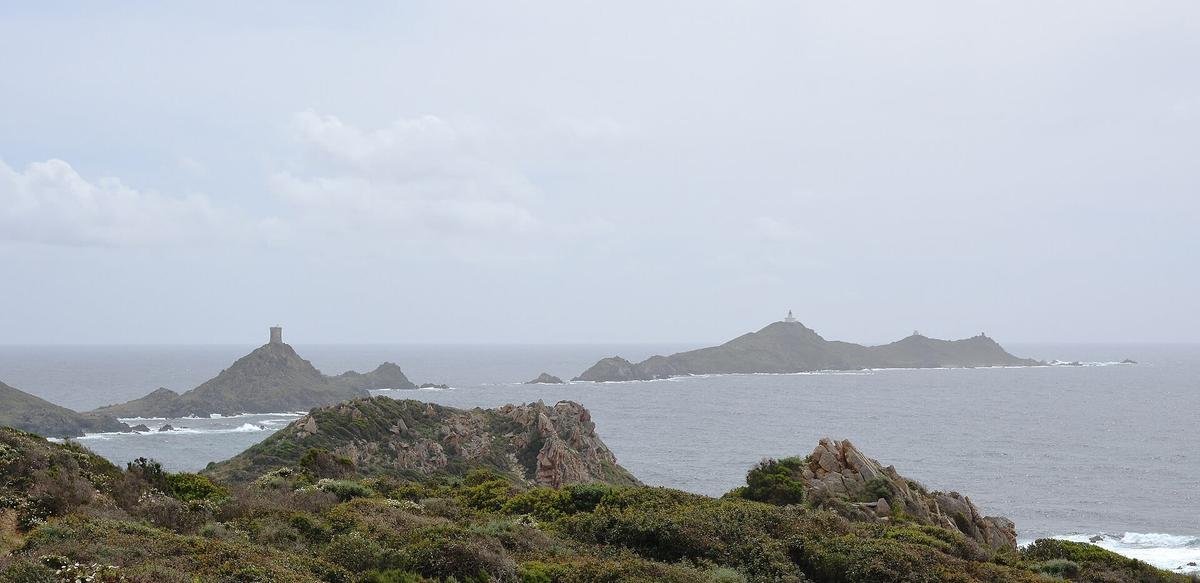
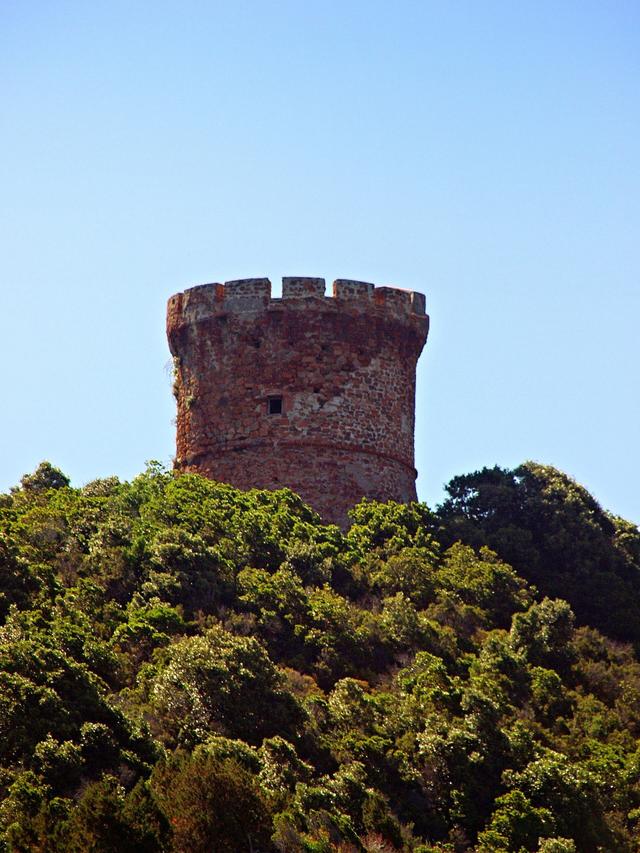
The Parata tower. It was built in 1550-1551 by Giacomo Lombardo for the Republic of Genoa. At 12 m high, it is one of the string of towers Genoa built around Corsica in the 16th century to watch for Barbary pirates. The guards lit a fire at the top to warn the next tower. Inside, there are two vaulted rooms, one above the other. You cannot go inside the tower; you walk around it.
The view. From the foot of the tower, you can see the four islets in a line, the lighthouse on the Grande Sanguinaire, the Gulf of Ajaccio on one side and the Gulf of Sagone on the other. On a clear day, the view reaches the mountains in the centre of the island.
What you will see. The maquis is made up of mastic trees, wild olives, myrtle and heather. European shags and yellow-legged gulls nest on the islands. With a bit of luck, you will see dolphins from the boat.
The mistake to avoid: leaving the path to get closer to the edge. The rocks are slippery and the wind can be very strong. Stay on the path, all the more so as the vegetation is fragile.
How to get to the Sanguinaires Islands: boat trips
The islands can only be reached by boat, and only the Grande Sanguinaire is open to visitors. You cannot walk across from La Parata.
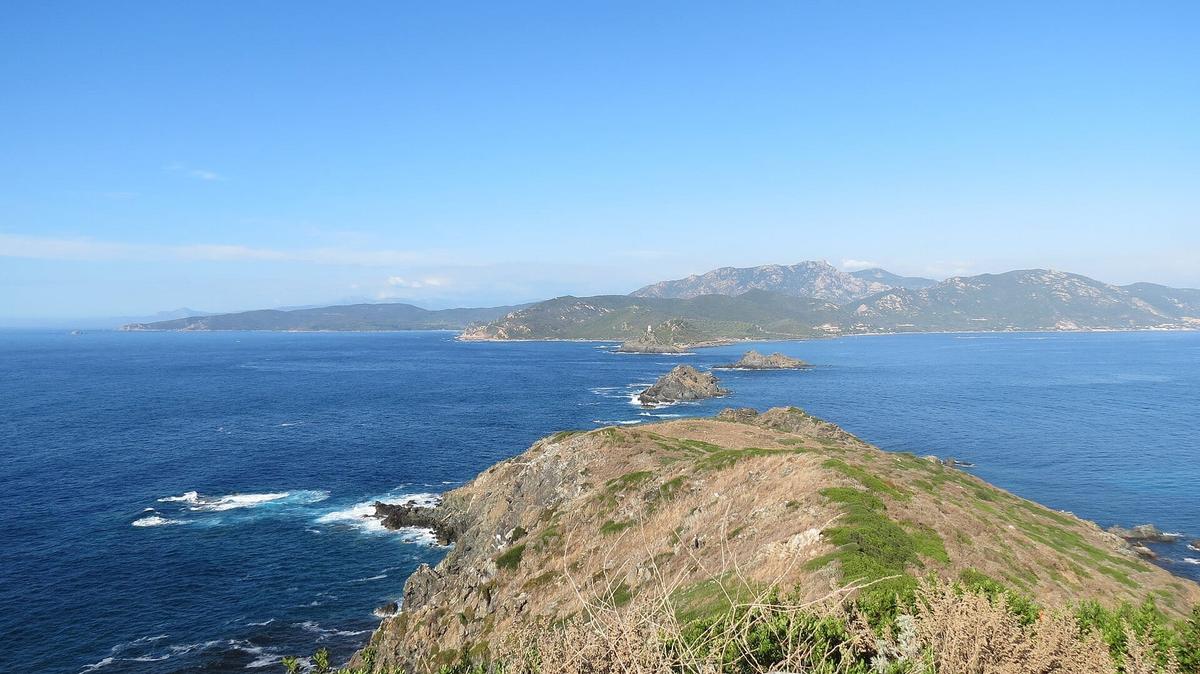
Boat trips from Ajaccio and Porticcio. In season, several companies sail from Port Tino Rossi, below the citadel, or from Porticcio, on the other side of the gulf. The standard trip lasts about 3 hours. It follows the Route des Sanguinaires, rounds La Parata and drops passengers on Mezzu Mare for about 1 hour, sometimes 2 hours on evening trips.
The boat from La Parata. A small shuttle boat also leaves from the fishermen's quay at La Parata. It runs on booking only: ask at the Ajaccio tourist office.
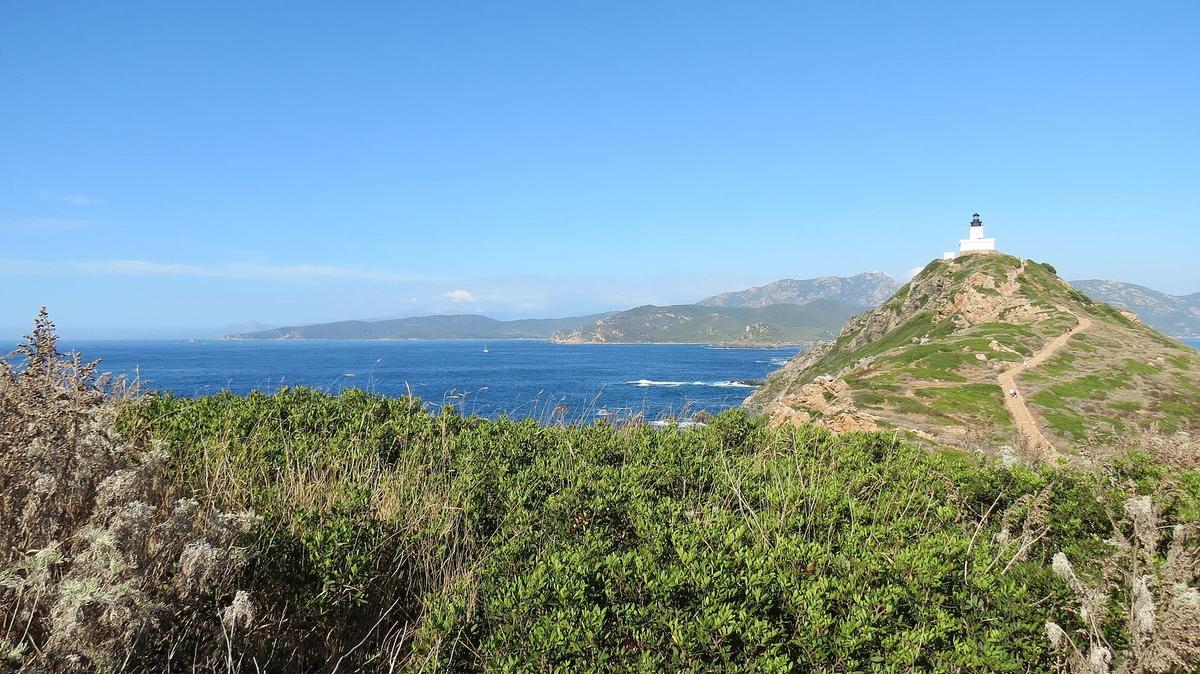
What to do on the Grande Sanguinaire? Walk up to the lighthouse, built in 1870 on the highest point of the island, 80 m above the sea, and automated in 1985. On the way, you pass the old signal station, in service from 1865 until 1955, and the ruins of the 1806 quarantine station, where the coral fishermen were isolated. You can also swim in a cove: bring water shoes, as the seabed is rocky. The island has more than 150 plant species.
Our tip: with a one-hour stop, you have to choose between the lighthouse and a swim. If you want both, pick a trip with a longer stop.
Alphonse Daudet and the Sanguinaires lighthouse
This is the best story about the site. In Letters from My Windmill, Alphonse Daudet devotes a whole chapter to the lighthouse, "The Lighthouse of the Sanguinaires". He describes nights spent with the keepers on a wild, reddish island, with the lighthouse at one end and an old Genoese tower at the other. Read it before you come: it is only a few pages long, and the view from La Parata still looks much the same.
Best time to visit: sunset and seasons
Sunset. This is La Parata's big moment. The sun sets in line with the islands, behind the lighthouse, and the rock turns red. In summer, hundreds of people walk up to the tower at the end of the day. Arrive an hour early to find a spot on the rocks, and bring a torch for the way down.
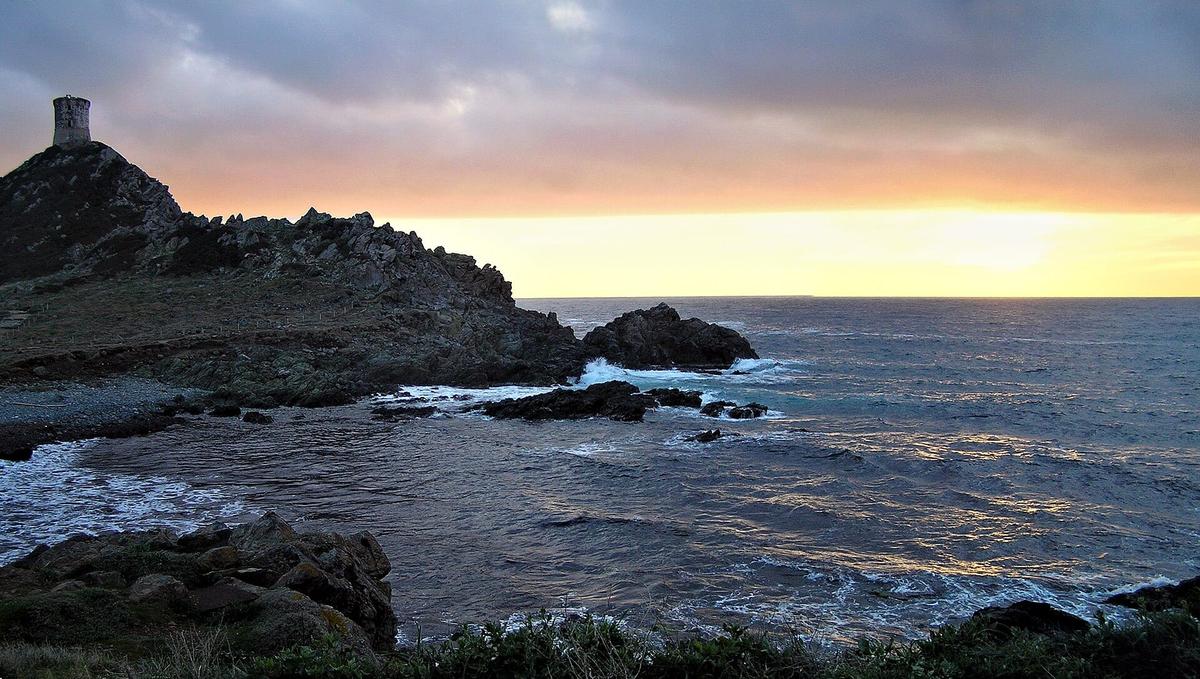
Morning. If you want the headland to yourself, come early. The light is lovely over the Gulf of Ajaccio, the path is empty and it is still cool.
Seasons. Spring and autumn are the best times for walking. Boat trips to the islands run mainly from late spring to early autumn; in winter, you can still visit the headland, but sailings are rare.
On windy days. The site is very exposed. On a day of mistral or libeccio wind, you can still walk, but boat trips may be cancelled.
Pointe de la Parata with children
La Parata makes a good family outing, as long as you come properly equipped. The path to the tower is short, and children love the watchtower and the pirate stories. Bring closed shoes, hats and water: there is almost no shade. A pushchair will not make it to the top; bring a baby carrier.
On the boat, younger children can look out for shags and sometimes dolphins. Keep seasickness in mind if the swell picks up, and follow the crew's instructions on life jackets.
What to combine with La Parata on the same day
| Also worth seeing | Distance | Travel time |
|---|---|---|
| Maison Bonaparte | 12 km | 35 min by public transport |
| Palais Fesch | 12 km | 35 min by public transport |
| Filitosa | 70 km | 80 min by car |
Approximate road distances and travel times.
La Parata goes well with a morning in central Ajaccio. Napoleon's birthplace is a short walk from Place de Gaulle, where the bus leaves. See also: Maison Bonaparte The Palais Fesch and its collection of Italian paintings round off a visit to the town. See also: Palais Fesch
With a car, head south to the statue-menhirs of Filitosa. See also: Filitosa To the north, the Calanques de Piana and the Scandola nature reserve can also be visited by boat. See also: Calanques de Piana, Scandola Nature Reserve Further south, the Lavezzi Islands are the other great archipelago to explore by boat. See also: Lavezzi Islands, Corsica
Where to eat and stay
There is nothing to buy on the path to the tower: bring your own water. For food, the beaches along the Route des Sanguinaires have restaurants and beach bars in season, which are much in demand at sunset, and central Ajaccio has plenty of choice. Take water for the stop on the Grande Sanguinaire too.
For somewhere to stay, there are two options. Central Ajaccio is handy for the bus, the museums and the harbour where the boats leave. Or the hotels along the Route des Sanguinaires are quieter and by the sea, but a car becomes almost essential.
FAQ
Is there an entry fee for the Pointe de la Parata?
No. The headland and the path to the tower are free, all year round.
Can you walk to the Sanguinaires Islands?
No. The islands can only be reached by boat, from Ajaccio harbour, Porticcio or the fishermen's quay at La Parata (booking required). Only the Grande Sanguinaire is open to visitors.
Which bus goes to La Parata?
Line 5, from Place de Gaulle in Ajaccio, to the Parata stop. From 2 May to 1 November it runs as a beach shuttle with its own ticket rules.
How long does it take to walk up to the Genoese tower?
Allow an hour there and back from the end of the road, at an easy pace.
Can you go inside the Parata tower?
No, the tower is not open inside. You walk around it and enjoy the view of the islands.
When is the best time to visit?
Sunset for the colour of the islands, early morning for peace and quiet. In summer, arrive an hour before sunset.
Practical information
Official ticket-office prices 2026
Free admission
Address
Presqu'île de la Parata, route des Sanguinaires (D111), 20000 Ajaccio, Corse, France
Directions
On site and nearby
- Nearest shops and pharmacy: Ajaccio, 11 km away Straight-line distance, based on OpenStreetMap.
- Emergencies: 112 (all emergencies, free from any phone), 15 (SAMU, medical emergency)
Around the site, on Google Maps
With children
Family days out nearby: Filitosa (27 km), A Cupulatta (29 km), Campomoro Genoese tower (33 km)
Swimming pools and play areas nearby, on Google Maps
Facts checked on 11 November 2026. Sources: ajaccio-tourisme.com, capamove.corsica, capamove.corsica, imperialcroisiere.com, corsenetinfos.corsica, en.wikipedia.org, visit-corsica.com, techno-science.net, visit-corsica.com
Map
In the same region
- Parc Galeafrom €10Free under 3