Sartène Museum of Prehistory and Archaeology: visitor guide
Sartène Museum of Prehistory and Archaeology at a glance
- 1 November 2026 to 31 March 2027
- 9:00 – 16:00 (closed on Saturday and Sunday)
- Full price
- €4
- Free
- under 10
- Time needed
- about 1 h
- Where
- Sartène
Official ticket-office prices, checked on 11 November 2026. Full opening hours, reduced prices and access
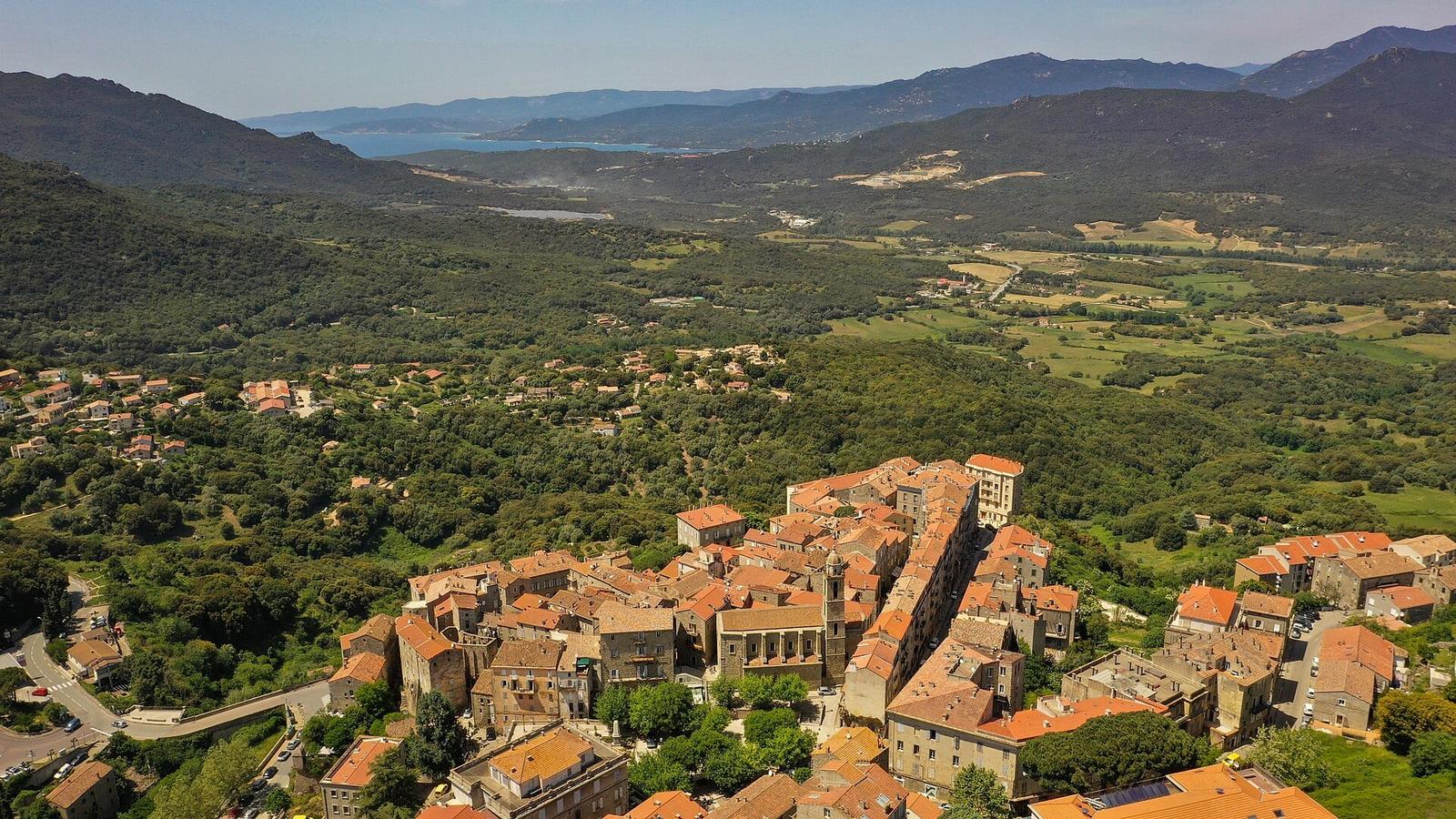

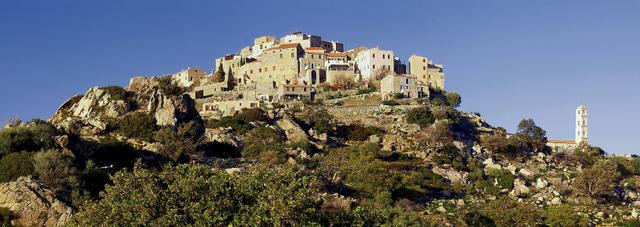
At the top of the old town of Sartène, next to the former prison, the archaeology museum of Corsica tells nearly 10,000 years of the island's history, from its first inhabitants to the end of Genoese rule. It is the museum to see before or after the menhirs of Cauria and Filitosa. Here are the opening hours for each season, prices and free entry, where to park and what to look for in the rooms.
Sartène museum at a glance
- Where: boulevard Jacques Nicolaï, at the top of the old town of Sartène (Corse-du-Sud), about 80 km from Ajaccio and 13 km from Propriano.
- Price: €4 full price, €3 reduced, free for children under 10.
- Open: all year, on three schedules: every day from June to October (10:00 – 18:00), Tuesday to Saturday in April and May, Monday to Friday from November to March.
- Time needed: allow 60 minutes.
- Best for: anyone curious about prehistory, families touring the megalithic sites of southern Corsica, travellers caught out by rain or heat.
- Good to know: outside the summer season the museum closes on public holidays, and in winter it is closed at weekends.
Why visit the Sartène museum
Southern Corsica is covered in menhirs, dolmens and Bronze Age fortresses. On the ground, you see stones. At the museum, you see what excavations found around them: tools, pottery, weapons, jewellery, funerary urns. The two visits go hand in hand.

The museum, now run by the Collectivité de Corse (the island's regional authority), holds the Musée de France label. It grew out of the Centre de préhistoire corse, and it still receives the finds from most excavations carried out on the island. What you see in the display cases therefore follows the progress of research. The Wikipedia article on Sartène describes it as the most important archaeology museum in Corsica.
The galleries cover nearly 10,000 years: from the island's first inhabitants to the end of the Genoese period in the 15th century. The highlights are prehistory, the Bronze Age and the Iron Age. The Roman period, with pieces from underwater excavations, and the Middle Ages are also represented.
You will find the museum under several names. On site and on the Collectivité de Corse website, it is called the musée d'archéologie de la Corse. Guidebooks and the Corsican tourist board often still call it the musée de préhistoire corse et d'archéologie, or the musée départemental de Sartène, its former name. It is the same place.
Ticket prices
2026 prices published by the Collectivité de Corse:
- Full price: €4
- Reduced rate: €3, for over-65s, 10 to 25-year-olds, students, groups of 10 or more and families of 4 or more.
- Tour operators: €2.50 per person.
- Tour with a qualified guide: €6 on top of the entry price.
Free entry for children under 10, jobseekers, under-25s living in Corsica, disabled visitors and their carer, school groups, teachers, professional guides, ICOM and ICOMOS members, Friends of the Museums of Corsica and staff of the Collectivité de Corse.
You can pay by card, by cheque (made out to the Trésor public) or in cash.
Family tip. A family of four pays the reduced rate for each person, and children under 10 get in free. With two young children, entry comes to two reduced tickets.
Museum Night. The museum takes part in the European Night of Museums. On 23 May 2026, entry was free from 10 am to 11 pm, with music, singing and dance in the evening. Check the Collectivité de Corse website for the date of the next edition.
Do you need to book?
For an individual visit, just turn up at the front desk. The official page says that booking is required: in practice this applies to groups, guided tours and workshops, which are booked at the front desk during opening hours or on +33 4 95 77 01 09.
The museum runs guided tours at certain times of year, with limited places. These tours are booked by phone. The dates change from year to year: call before you come if you want to join one.
The museum does not sell tickets online: you pay on site. If you are looking for an organised activity around Sartène (a boat trip along the coast, an excursion to Bonifacio), see the options below.
Partner links: if you book through these links, we earn a commission at no extra cost to you. Partner links · Learn more
Opening hours 2026: when is the museum open?
The museum is open all year, but the days change with the season:
| Period | Days | Hours |
|---|---|---|
| 1 April to 31 May | Tuesday to Saturday | 10:00 – 17:00 |
| 1 June to 31 October | every day | 10:00 – 18:00 |
| 1 November to 31 March | Monday to Friday | 9:00 – 16:00 |
In April and May and from November to March, the museum is also closed on public holidays. Bear this in mind if you come over a long spring weekend.
Watch out in winter. From November to March, the museum is closed on Saturdays and Sundays, and it closes at 4 pm. If you are in Sartène on a winter weekend, you will find the doors shut.
The best time. In summer, come at opening time or late in the afternoon: you avoid the hottest hours for the open-air sites, and the museum is quiet. A good plan is to see Cauria in the morning, before the heat, then the museum in the early afternoon.
How long does the visit take?
Allow 60 minutes for the galleries. It is a medium-sized museum that you can see without rushing in an hour. With a guided tour, or if you watch all the videos, allow a little longer. Add an hour to wander through the old town of Sartène, just below.
What to see at the Sartène museum
The statue-menhirs
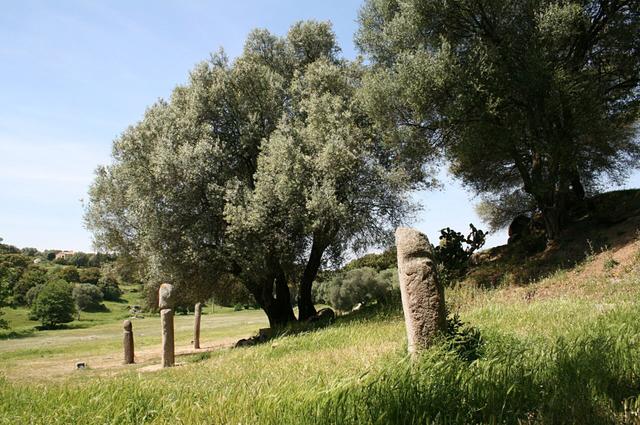
This is the main reason to come. Corsica is one of the great statue-menhir regions of the Mediterranean: standing stones, some carved with a face, sometimes a sword or a dagger. The museum has a large collection, shown in a room of its own.
In 2018, the Portigliolu-Pozzacciu statue-menhir joined the collections. Its owners donated it to the State, which placed it on deposit at the museum. The anthropomorphic stelae of Balchiria, found near Sartène, were also promised to the museum once their study is complete.
Our tip: look at the statues up close, from the side, in low-angled light. The lines of the faces and weapons are often shallow and easier to read as you move around the stone.
Finds from Cauria and Renaghju
If you have seen, or are going to see, the Cauria plateau, look for the display cases devoted to it. The regional heritage service lists several objects found there and shown in Sartène: arrowheads, a polished axe, a decorated pendant, a small pigment pot, spindle whorls (small weights for spinning wool) and funerary vessels. The museum also shows shell-decorated potsherds from Renaghju, among the oldest pottery from the site.
The Bronze Age and the Iron Age
This is the richest section: weapons, ceramics, tools and ornaments. It is the age of the torre and the castelli, the stone fortresses you can see at Cucuruzzu, in the Alta Rocca, or at Filitosa.
Antiquity and the Middle Ages
The last part of the visit shows Roman pieces, some from underwater excavations off the Corsican coast, and medieval objects: crafts, sculpture, ceramics, ammunition. They show an island open to trade and often fought over.
The building and the view
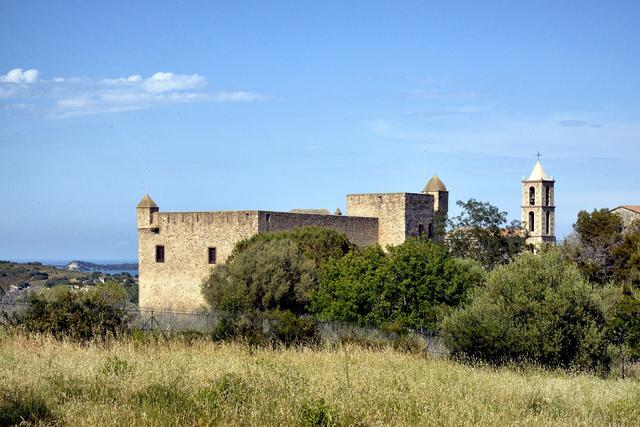
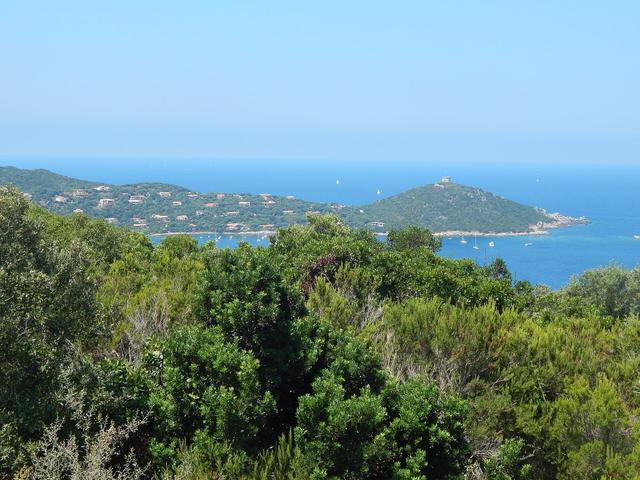
The museum is in a modern building next to the former prison, above Place Porta. From the top, the view stretches over the Gulf of Valinco. Take a moment to enjoy it before heading back down.
Visiting with children
The museum is small and quick to see, which suits children well. The statue-menhirs with their carved faces usually intrigue them. Ask them to spot the swords on the stones, then find the same objects for real in the display cases.
During some school holidays, the museum runs workshops for children. The programme changes every year: ask at the front desk or call +33 4 95 77 01 09.
Children under 10 get in free. For a good day out, combine the museum with the Cauria menhirs, where children can run around between the stones.
Wheelchair access
The Corsican tourist board states that the museum is wheelchair accessible. The old town of Sartène is hilly, with cobbled lanes: if you have reduced mobility, call before you come to find out the best way to reach the entrance by car.
How to get to the Sartène museum
By car. This is the easiest option for a stay in southern Corsica. Driving times given by the museum:

- From Ajaccio: on the T40 towards Bonifacio, about 2 hours.
- From Bonifacio: on the T40 towards Ajaccio, about 1 hour.
- From Porto-Vecchio: on the D859 then the T40 towards Ajaccio, about 1 hour.
- From the Col de Bavella: on the D268 towards Ajaccio, then the T40 towards Bonifacio, about 1 hour.
Where to park. The museum has no car park of its own. Two options are suggested:
- the lycée (high school) car park, free, about 5 minutes' walk downhill;
- the Bassaccia car park, paid in high season, about 10 minutes' walk uphill.
The lycée car park is the better choice: it is free, and you walk back up the slope on the way back to the car, not on the way in.
Renting a car. Ajaccio and Figari airports are the closest. A car lets you combine the museum, Cauria, Filitosa and Bonifacio in the same trip.
What to see nearby on the same day
| Also worth seeing | Distance | Travel time |
|---|---|---|
| Cauria megalithic site | 15 km | 25 min by car |
| Filitosa | 33 km | 45 min by car |
| Alta Rocca Museum | 29 km | 40 min by car |
Approximate road distances and travel times.
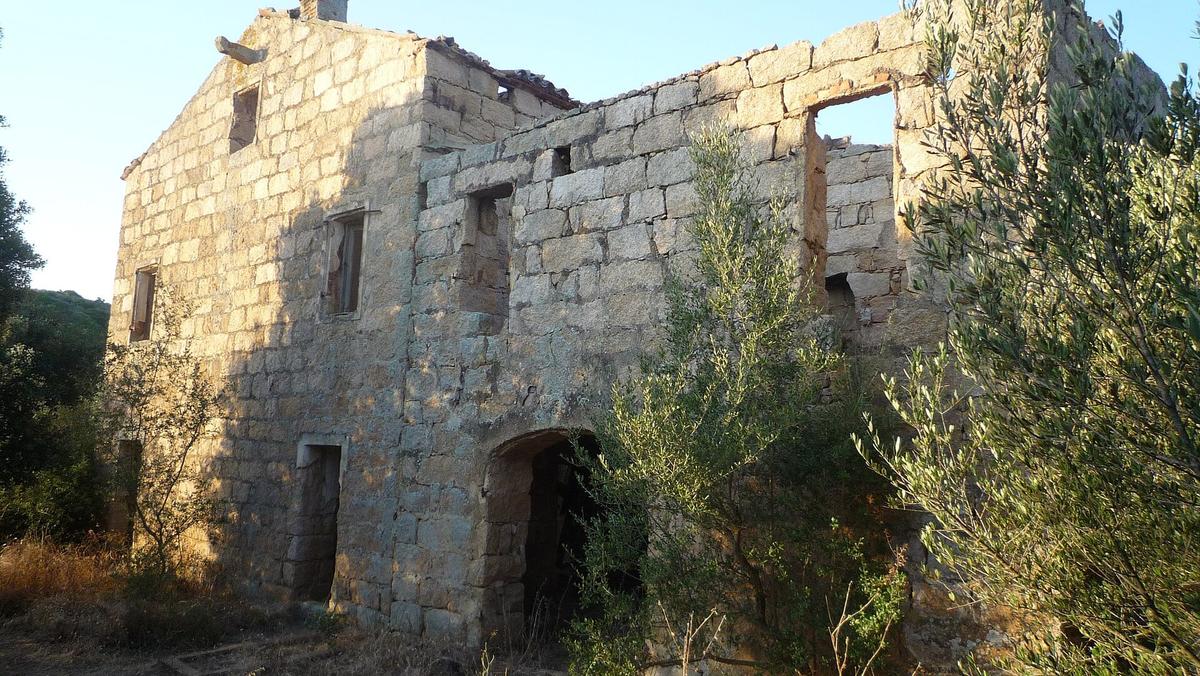

The Cauria plateau, south of Sartène, brings together the I Stantari statue-menhirs, the Renaghju alignment and the Funtanaccia dolmen. It is the natural companion to the museum. See also: Cauria megalithic site
Filitosa, north of Propriano, is the best-known prehistoric site in Corsica, with its armed statue-menhirs. See also: Filitosa
In the Alta Rocca, the Levie museum displays the Lady of Bonifacio, and the Cucuruzzu castellu is a few kilometres away. See also: Alta Rocca Museum, Cucuruzzu and Capula
For a longer stay, the citadel of Bonifacio is an hour's drive away, and the ancient site of Aléria, on the east coast, carries the story on into Roman times. See also: Bonifacio Citadel, Aleria Roman site In Corte, the Museum of Corsica covers the island's more recent history. See also: Corte Citadel and Museum of Corsica, Corsica
Where to eat and stay in Sartène
The museum is a short walk from Place Porta, the heart of the old town, where most of Sartène's cafés and restaurants are. In the evening, the old town is quiet and pleasant.
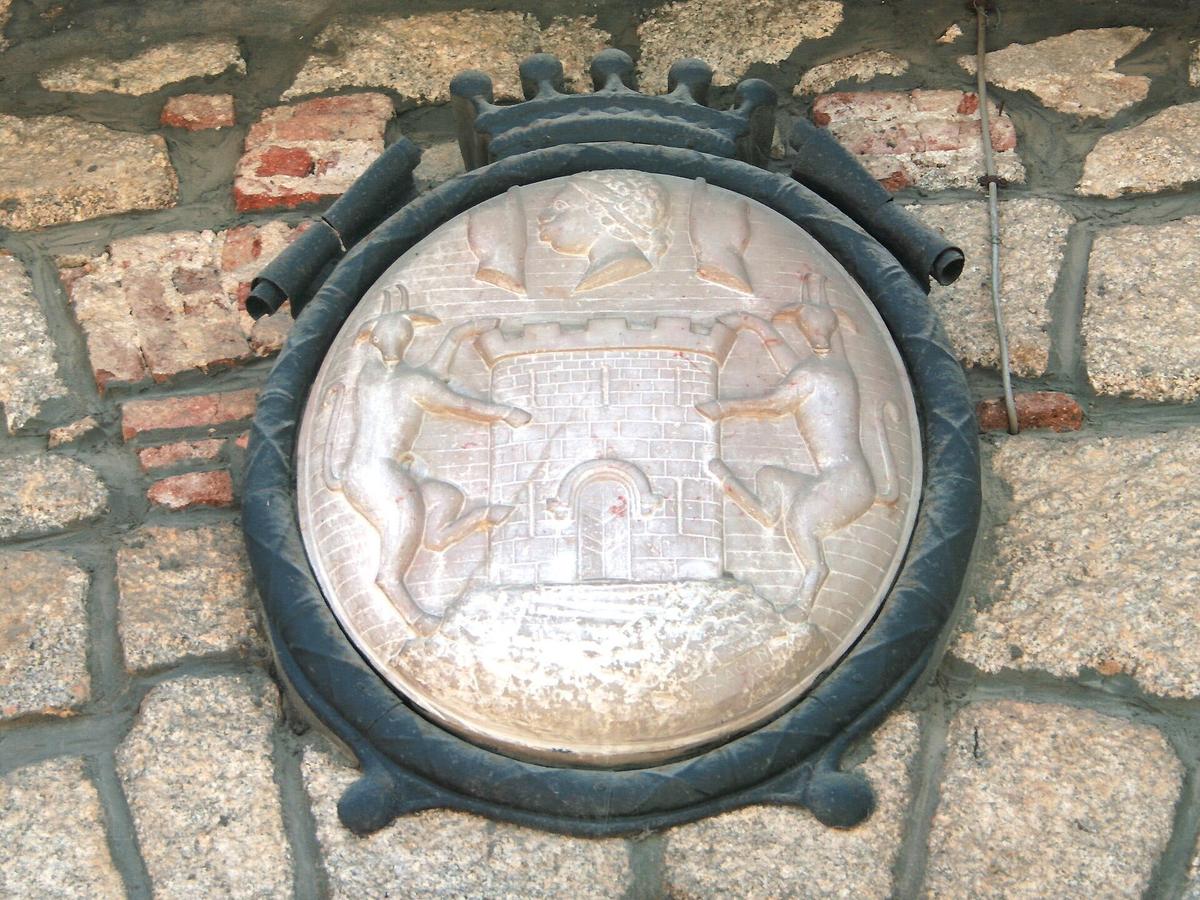

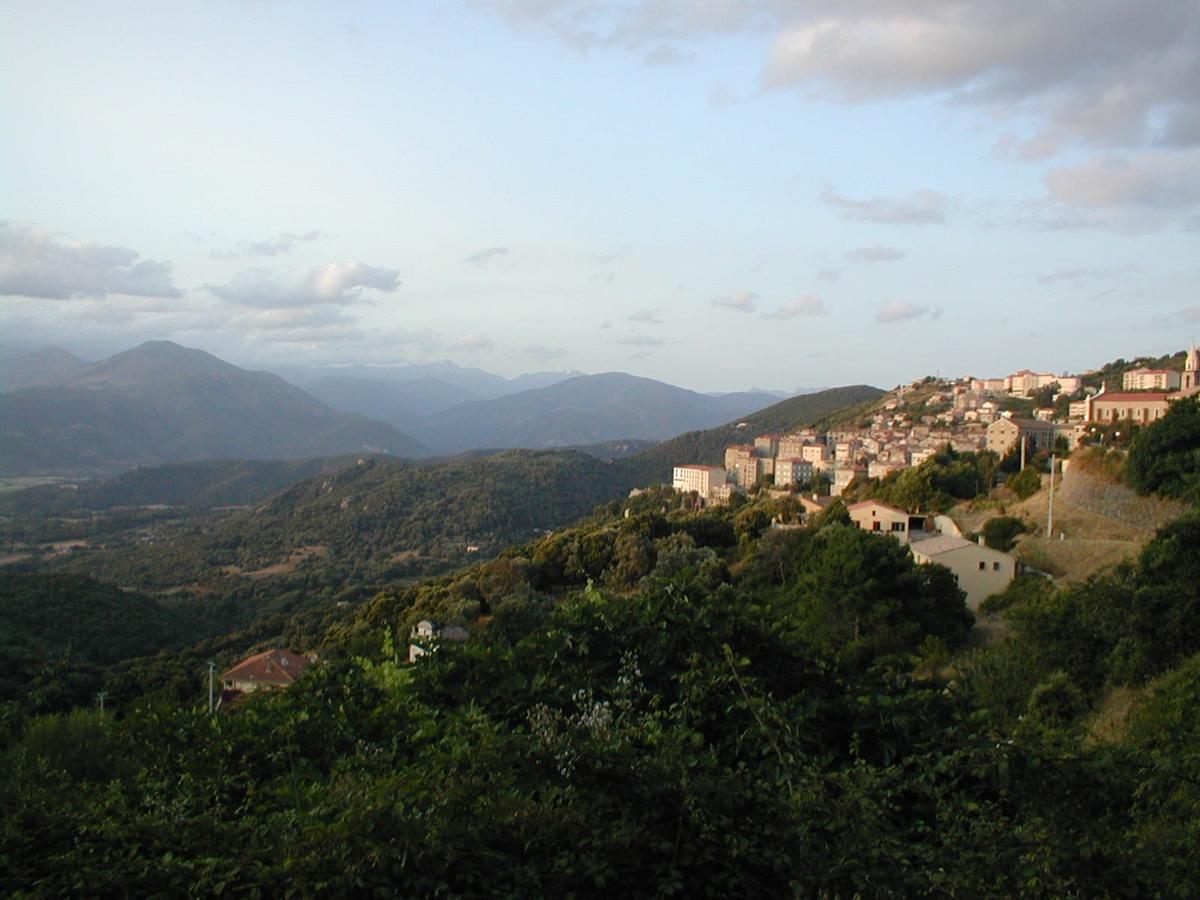
To stay, Sartène works well if you want to explore Cauria, Filitosa and the Tizzano coast. Propriano, 13 km away, has more choice, plus the sea and the harbour.
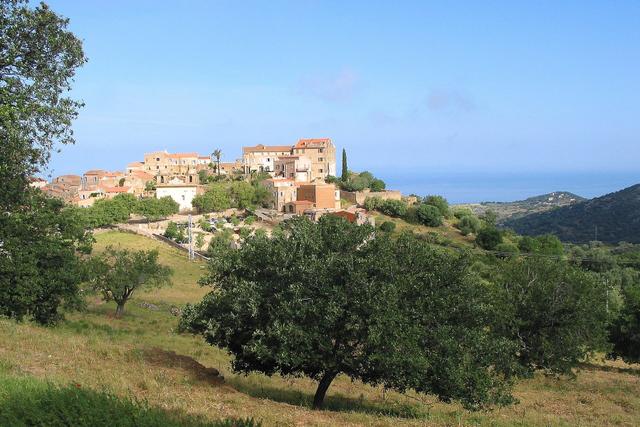
Sartène, "the most Corsican of Corsican towns"
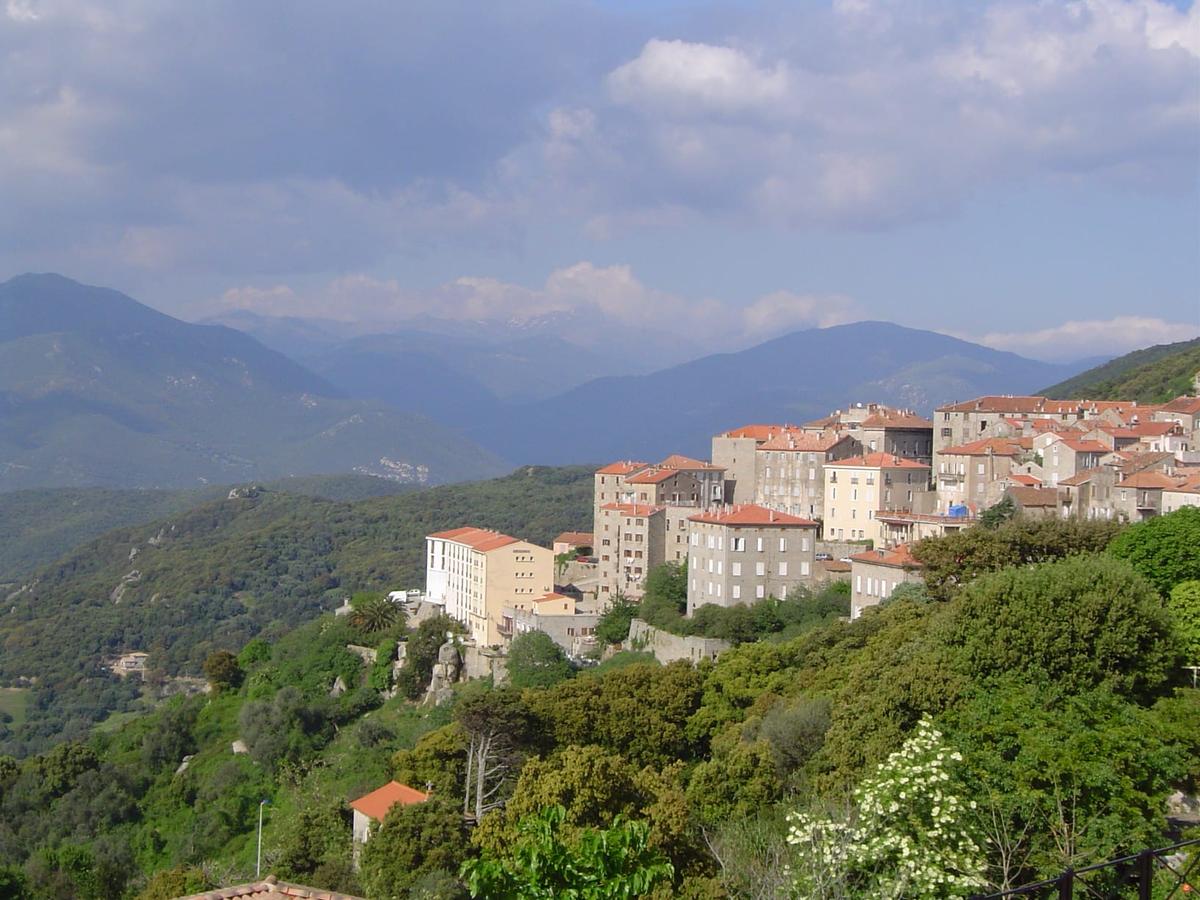
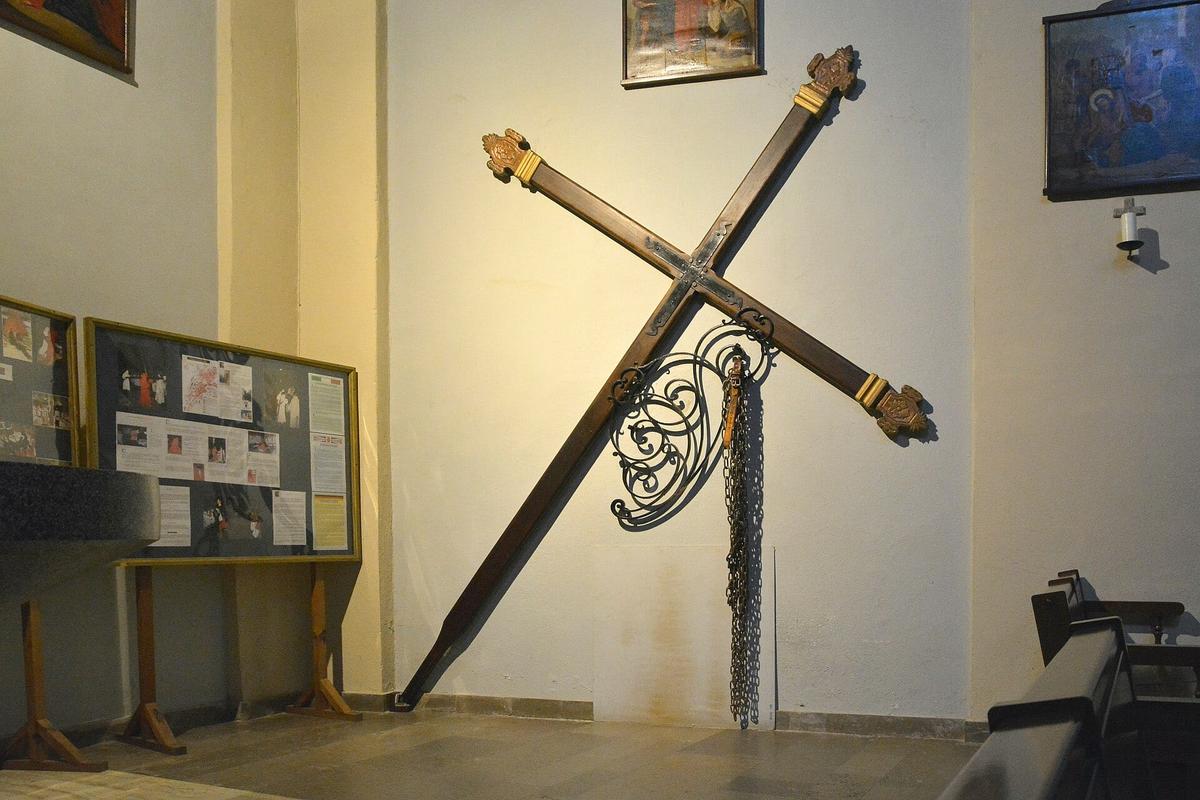
The phrase is attributed to Prosper Mérimée, who travelled widely in Corsica as inspector of historic monuments. It is written on a sign at the entrance to the town. Sartène had 3732 inhabitants in 2022. After your visit, walk down to the church of Sainte-Marie, on Place de la Libération: the cross and chain carried by the penitent of the Catenacciu, the Good Friday procession, are on display there.

FAQ
How much does the Sartène prehistory museum cost?
€4 full price and €3 reduced. Entry is free for children under 10, jobseekers and under-25s living in Corsica.
Is the museum open at weekends?
From June to October, yes, every day. In April and May, it opens on Saturdays but not Sundays. From November to March, it is closed on Saturdays and Sundays.
Is the museum open in winter?
Yes, Monday to Friday, 9:00 – 16:00, except on public holidays.
Where can I park for the Sartène museum?
At the free lycée car park, 5 minutes' walk away, or at the Bassaccia car park, paid in high season.
How long does the visit take?
About 60 minutes, a little longer with a guided tour.
What is the link with the Cauria menhirs?
The museum displays objects found at Cauria and Renaghju, as well as a collection of statue-menhirs. Both visits fit easily into the same day.
Practical information
Opening hours 2026
| 1 April 2026 to 31 May 2026 | 10:00 – 17:00 (Closed: Monday and Sunday) |
|---|---|
| 1 June 2026 to 31 October 2026 | 10:00 – 18:00 |
| 1 November 2026 to 31 March 2027 | 9:00 – 16:00 (Closed: Saturday and Sunday) |
Official ticket-office prices 2026
| Full price | €4 |
|---|---|
| Reduced rate | €3 |
| Free | under 10, jobseekers, and disabled visitors and one companion |
Address
Musée d'archéologie de la Corse, boulevard Jacques Nicolaï, 20100 Sartène, France
Directions · Phone+33 4 95 77 01 09
On site and nearby
- Nearest shops and pharmacy: Sartène, less than 1 km away Straight-line distance, based on OpenStreetMap.
- Emergencies: 112 (all emergencies, free from any phone), 15 (SAMU, medical emergency)
Around the site, on Google Maps
With children
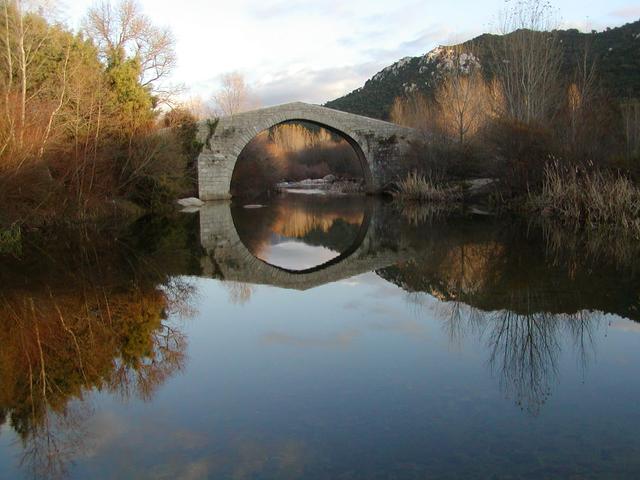
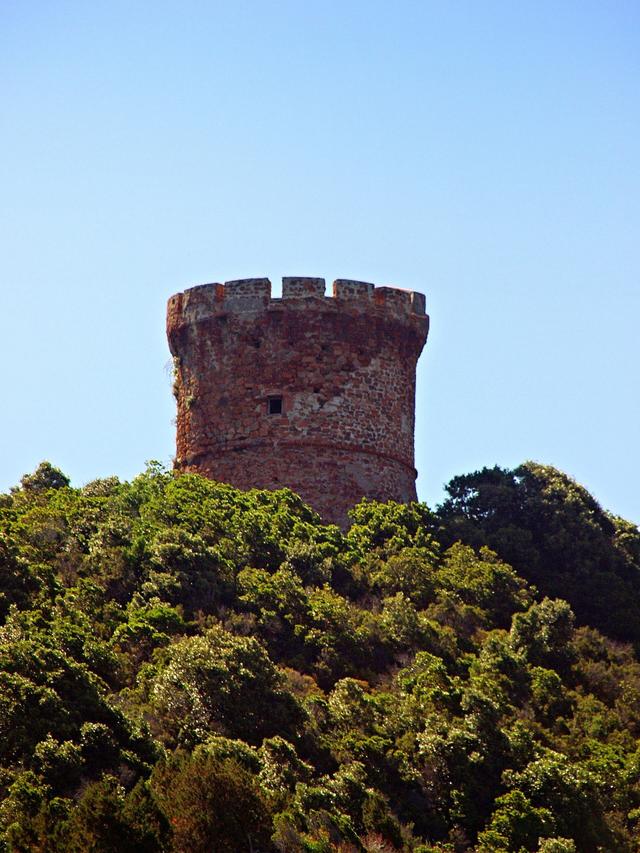
Family days out nearby: Spin'a Cavallu Genoese Bridge (4 km), Cauria megalithic site (11 km), Campomoro Genoese tower (14 km)
Swimming pools and play areas nearby, on Google Maps
Facts checked on 11 November 2026. Sources: isula.corsica, visit-corsica.com, isula.corsica, isula.corsica, isula.corsica, fr.wikipedia.org
Map
In the same region
- Parc Galeafrom €10Free under 3