Bastia Museum: visiting the Governors' Palace in the citadel
Bastia Museum at a glance
- 1 October 2026 to 30 April 2027
- 9:00 – 12:00, 14:00 – 17:00 (closed on Monday and Sunday)
- Full price
- €5
- Free
- under 10
- Where
- Bastia
Official ticket-office prices, checked on 4 November 2026. Full opening hours, reduced prices and access
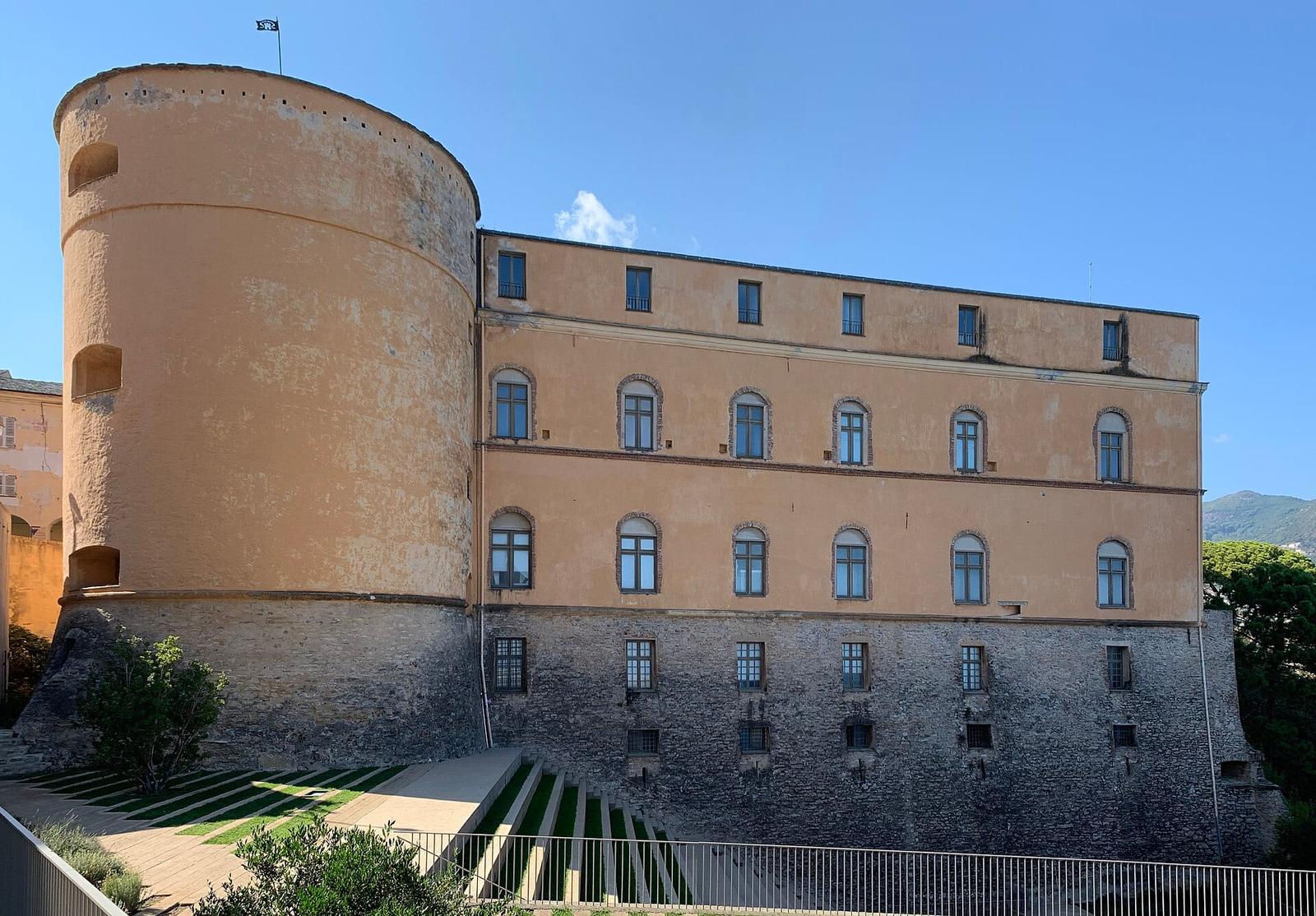

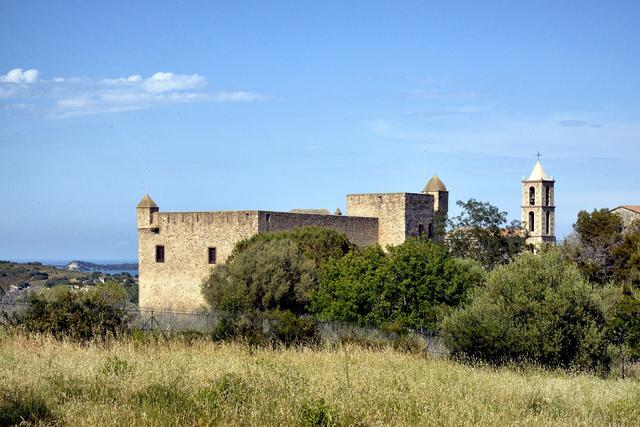
At the top of Bastia's citadel, the Governors' Palace was home for centuries to the men who ruled Corsica for Genoa. Today it houses the town's history museum, hanging gardens above the Old Port and part of Cardinal Fesch's painting collection. Tickets are cheap and a morning is enough. Here are the prices, the opening hours by season, the closing days to know about and our tips for making the most of it.
Bastia Museum at a glance
- Where: Place du Donjon, in the citadel, above Bastia's Old Port.
- Price: €5 full rate, €2.50 reduced rate, free for under-10s.
- Open: from May to September, 10:00 – 18:30; from October to April, 9:00 – 17:00 with a break from 12:00 – 14:00, Tuesday to Saturday.
- Closed: on Mondays in May, June and September; on Sundays and Mondays from October to April; on public holidays in May and November, and during the French school Christmas holidays.
- Getting there: on foot from the Old Port; bus lines 3 and B.
- Don't miss: the hanging gardens, the old prison cells and the paintings from the Fesch collection.
The Governors' Palace, heart of Bastia's history
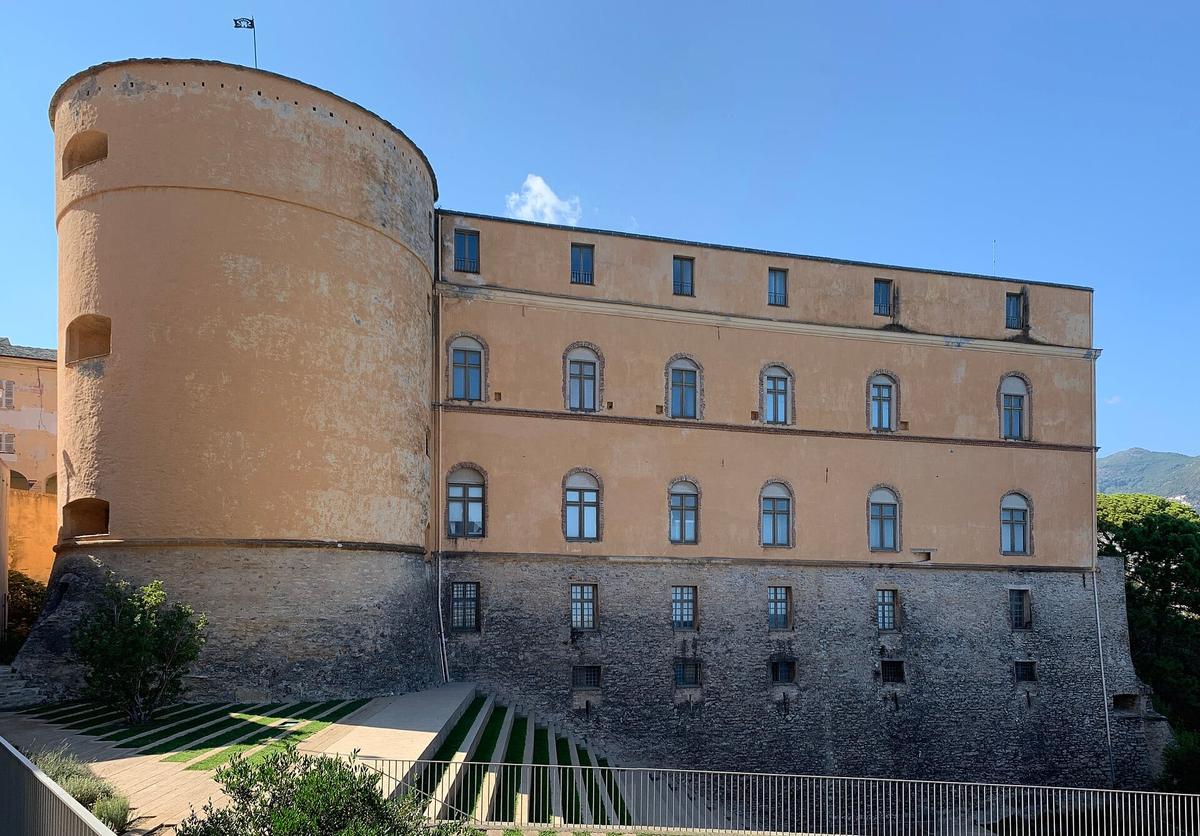
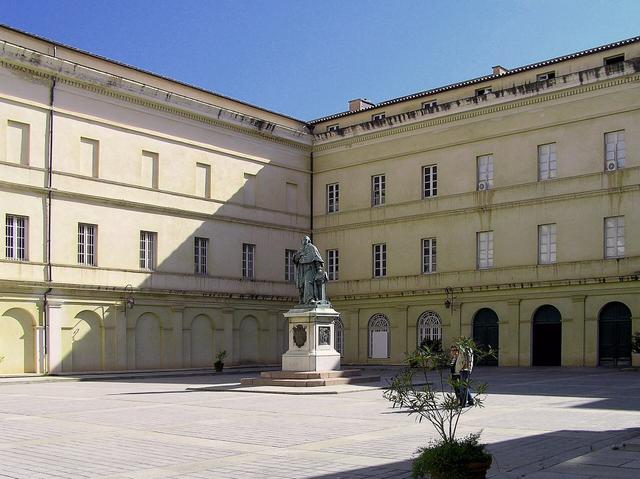
Bastia takes its name from this building. In 1380, the Genoese governor Leonello Lomellini had a small fort built on the rock, a "bastia". The town grew up around it. Around 1480, the tower became the residence of the governors of Genoa, who ran the island from here. In 1518, new wings and two large round towers were added.
For nearly three centuries, the palace was the centre of Genoese power in Corsica. The governor presided over the town's elections here. The basements were used as a prison and the palace as a law court.
After Corsica became French in 1768, the palace lost its role. It became a barracks in 1794, known in the 19th century as the Watrin barracks. During the Second World War, the German army occupied it. As they left, the troops mined and destroyed the west and north wings.
The French state handed the building over to the town in 1952 to set up a museum. The facade and roofs were listed as a historic monument in 1977. For nearly half a century, the palace housed a museum of Corsican ethnography. When the Museum of Corsica opened in Corte, the Bastia museum changed its subject: it reopened in 2010, devoted to the history of the town. It holds the official "Musée de France" label.
Bastia Museum ticket prices
These are the prices shown on the museum's official website in November 2026:
- Full rate: €5.
- Reduced rate: €2.50, for 10 to 18-year-olds, students and people aged 60 and over.
- Jobseekers and disabled visitors: €1.
- Free: for children under 10.
It is one of the cheapest museums in Corsica. For a family of two adults and two children under 10, the visit costs the price of two full-rate tickets.
Bring proof (student card, ID, certificate) if you ask for a reduced rate. The museum's website does not say that the reductions are limited to EU residents, but ask at the desk if you are visiting from outside Europe. You can pay by bank card, cash or cheque, according to the Corsican tourist board.
Bastia Museum opening hours
Opening hours published on the museum's official website:
- 2 May to 30 September: 10:00 – 18:30. Open every day in July and August. Closed on Mondays in May, June and September.
- 1 October to 30 April: 9:00 – 17:00, with a break from 12:00 – 14:00. Closed on Sundays and Mondays.
- Annual closures: 1 May, 8 May, 1 November, 11 November, and during the French school Christmas holidays.
The official website does not say which year these hours apply to. Before a visit over the end-of-year holidays or on a public holiday, call the museum on +33 4 95 31 09 12.
Our tip: in winter, don't come late in the morning. With the 12:00 – 14:00 closure, arriving at 11:30 leaves you too little time. In summer, the citadel is cooler and quieter early in the morning: that is the best time for the gardens, before you head back down to the Old Port.
Do you need to book?
No, not for an individual visit. The official website does not mention booking for individual visitors. Groups are welcome: in that case, contact the museum in advance by phone or by email at musee-bastia@bastia.corsica.
The museum is not sold on the big ticketing platforms. You buy your ticket on the spot.
What to see in the Bastia Museum
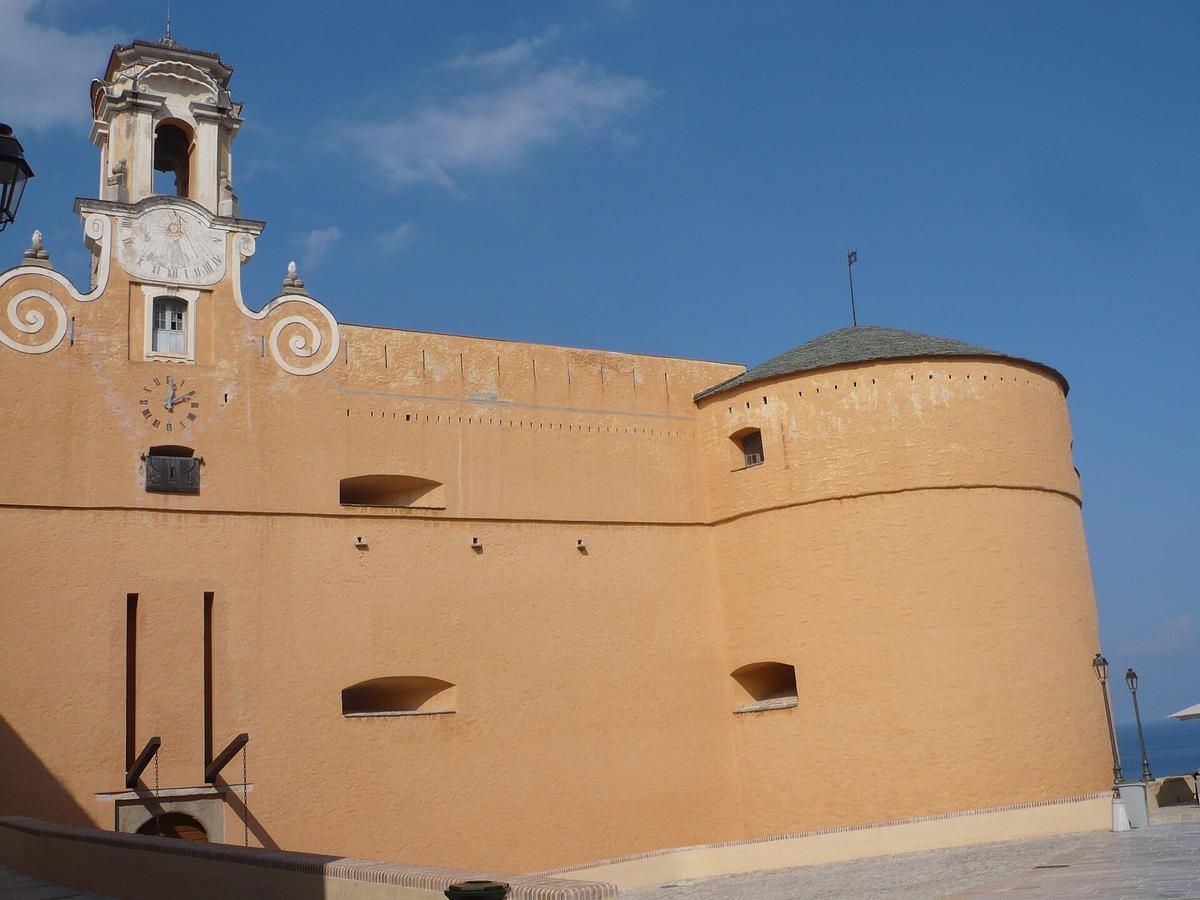

The tour follows the history of the town, from the ground floor to the upper floor.
Ancient Corsica. A first room presents the island in Antiquity, before Bastia existed.
Bastia's urban history. Several rooms tell how the small Genoese fort became a town: from the first cluster of houses in 1476 to the bastions of the late 16th century. The collections mix archaeology, fine arts, religious objects and maritime objects.
Bastia, seat of power. Upstairs, the rooms show the time when the town governed the island on behalf of Genoa. Look out for the portrait of Doge Luca Giustiniani, painted by Cornelis de Wael around 1644-1646, and a late 16th-century throne bearing the arms of Genoa.
The Fesch and Carlini collections. The last rooms show paintings, mostly Italian. Some come from Cardinal Fesch, Napoleon's uncle. When he died, he owned 17,767 works of art, including about 16,000 paintings. About a hundred items from his collection were given to Bastia in 1844. The rest of his Corsican collection is at the Palais Fesch in Ajaccio. See also: Palais Fesch
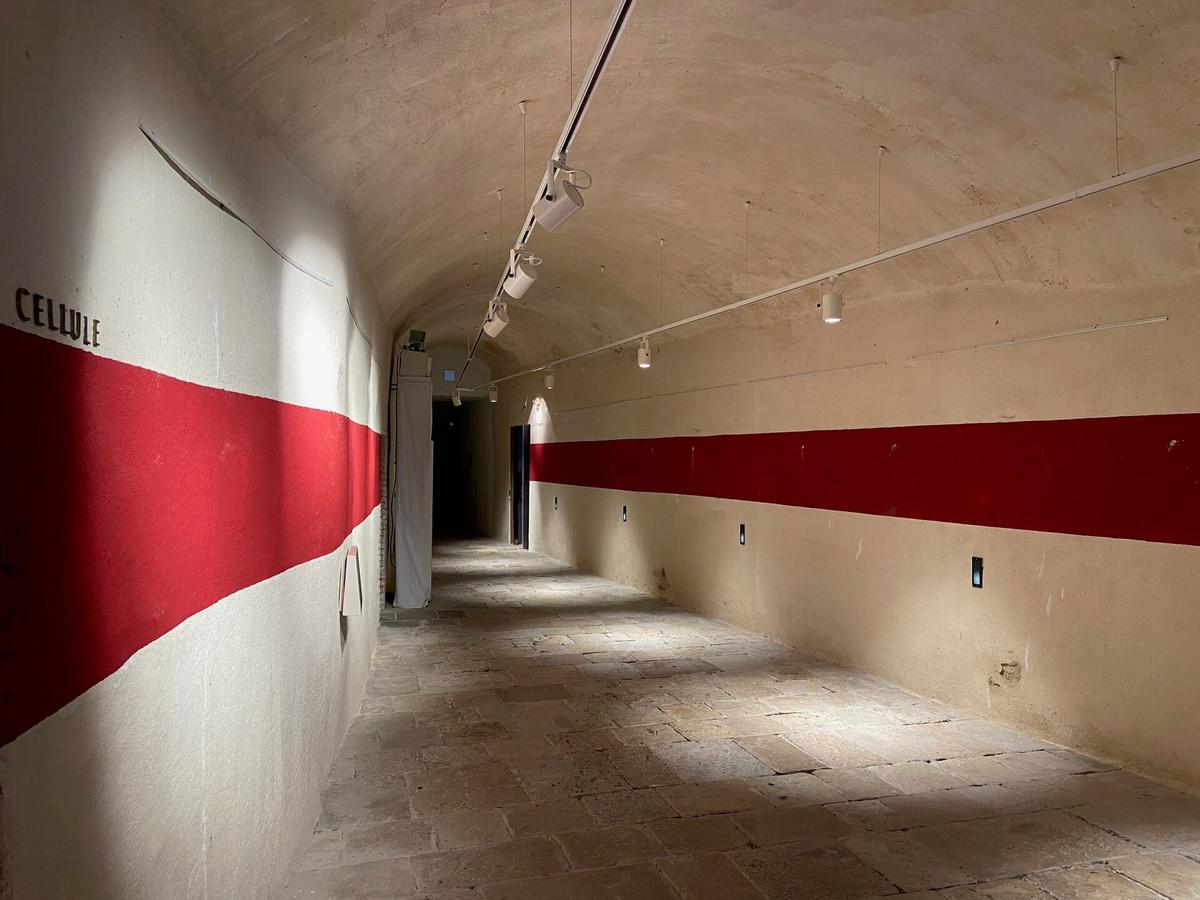
The prisons and cisterns. Some of the old prison cells and two of the palace cisterns are open to visitors. This is often what people remember best.
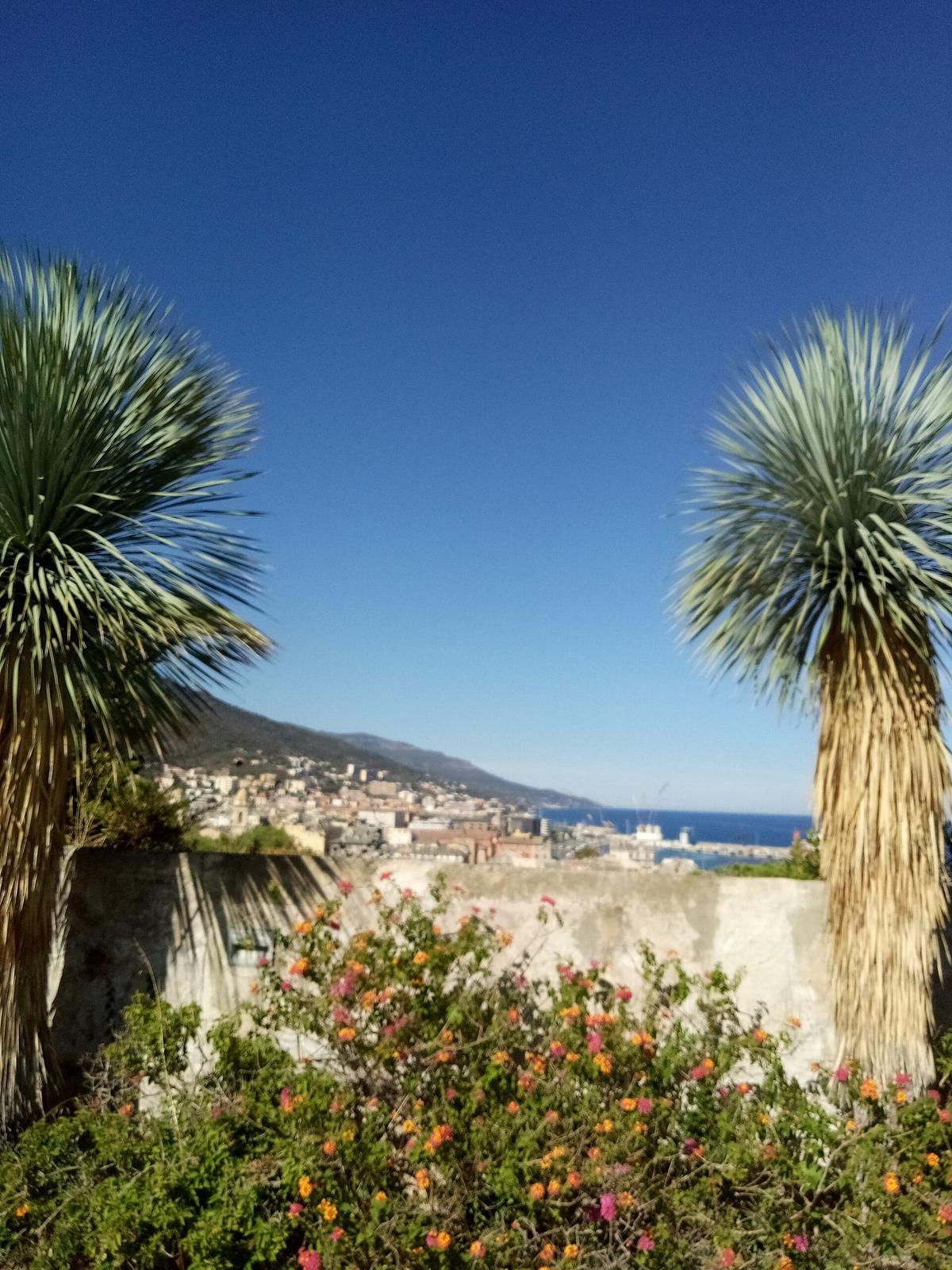
The hanging gardens. The palace has terraced gardens overlooking the Old Port and the sea. Keep them for the end of your visit.
Temporary exhibitions in 2026
The museum holds one temporary exhibition a year. In November 2026, the official website presents the exhibition "Corsica-Maghreb, une histoire en miroir (1830-2026)", on the shared history of Corsica and North Africa. Another exhibition has been announced: "Napoléon IV, le prince corse oublié (1856-1879)", about the son of Napoleon III. Their dates are not given on the website's home page, so check them before you go. For the Bonaparte family sites in Corsica, see also See also: Maison Bonaparte
Stories from the Governors' Palace

- Saint George everywhere. The keystones of the palace show Saint George slaying the dragon. He was the emblem of the Bank of Saint George, the Genoese institution that governed the island at the time.
- Priests in prison. In 1812, about 300 Roman priests were locked up in the palace for refusing the oath demanded by Napoleon I.
- Prison cells with names. The prison in the basements had 14 cells, each with its own name, including one for women.
- Elections at the palace. Every 1 May, the governor presided in the great hall over the election of the podestà, the town's chief magistrate. In September, he presided over the election of the Noble Twelve.
- A collection rebuilt. After the bombing of 1943, most of the old museum's collections were lost. Only 584 works were found. Today's museum was rebuilt from what was left.
The museum does not publish visitor numbers on its website.
How long does the visit take?
The museum does not give a visit time. Allow an hour for the rooms, a little more if you read everything and spend time in the gardens. Add an hour to walk around the citadel: Place du Donjon, the lanes of the Terra Nova and the ramparts are a few minutes away.
A morning is enough for the museum and the citadel. In the afternoon, head down to the Old Port.
Visiting with children

According to the Corsican tourist board, the museum has no special activities for children. It is still an easy visit: entry is free for under-10s, the tour is short, and older children like the prison cells and the cisterns.
Before the visit, tell them that the town is named after the fort they are about to enter. Afterwards, the hanging gardens are a good place to rest and watch the boats come into the harbour.
Accessibility
According to the official website, the museum is accessible to people with reduced mobility and to people with hearing impairments. There is a reserved parking space in the courtyard, with an entrance on Cours Favale. Call before you come to use it.
How to get to the Bastia Museum
On foot. This is the easiest way. The citadel sits right above the Old Port: the climb is short but steep.
By bus. Lines 3 and B stop at Cours Docteur Favale or Place Vincetti, near the entrance to the citadel. Timetables are on the town of Bastia's website.
By car. The streets of the citadel are narrow. Park in the paid car park on Place Vincetti, open until 22:30, and walk the rest of the way.
Getting to Bastia. Bastia has a ferry port and an airport. To explore Cap Corse, the Castagniccia or Corte, a car is almost essential.
Partner links: if you book through these links, we earn a commission at no extra cost to you. Partner links · Learn more
What to combine with the Bastia Museum
| Also worth seeing | Distance | Travel time |
|---|---|---|
| Parc Galea | 45 km | 50 min by car |
| Corte Citadel and Museum of Corsica | 70 km | 75 min by car |
Approximate road distances and travel times.
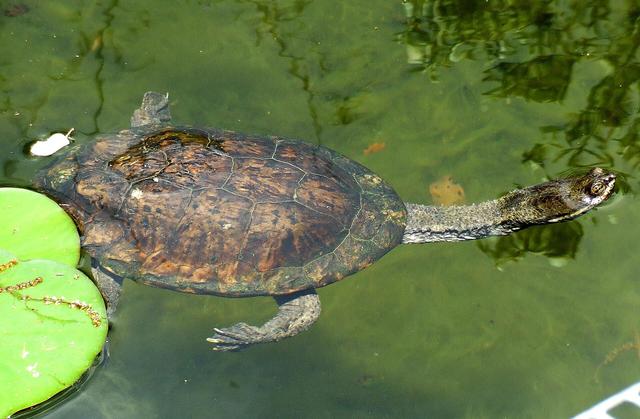
Parc Galea, on the east coast. Heading south along the eastern plain, Parc Galea presents Corsica in its Mediterranean setting, with exhibition pavilions, gardens and a barefoot trail. It is a good family outing. See also: Parc Galea
Corte and the Museum of Corsica. A little over an hour's drive away, in the centre of the island, the Museum of Corsica took over the ethnography collections that the Governors' Palace used to show. The two museums complement each other well. See also: Corte Citadel and Museum of Corsica
The rest of the island. To plan a longer stay: See also: Bonifacio Citadel, Scandola Nature Reserve, Corsica
Guided tours and day trips. Guided tours of Bastia and day trips to Cap Corse leave from the town.
Where to eat and stay in Bastia
Eating. The museum has no restaurant. The citadel has a few restaurants and cafés around Place du Donjon. The Old Port, below, has many more, with terraces facing the boats.
Staying. Central Bastia, around the Old Port, lets you do everything on foot and catch an early-morning ferry. For a beach stay, the coast south of Bastia has hotels and holiday residences near the beaches, but you need a car. Book early for July and August.
FAQ
How much does it cost to visit the Bastia Museum?
€5 full rate and €2.50 reduced rate. Entry is free for under-10s.
Is the Bastia Museum open on Mondays?
Only in July and August. The rest of the year it is closed on Mondays, and also on Sundays from October to April.
Does the museum close at lunchtime?
Yes, from October to April, with a break from 12:00 – 14:00. From May to September, it is open all day, 10:00 – 18:30.
Where is the Bastia Museum?
In the Governors' Palace, Place du Donjon, at the top of the citadel, above the Old Port.
How long does the visit take?
Allow about an hour for the rooms, and another hour for the gardens and the citadel.
Where can I park to visit the museum?
In the paid car park on Place Vincetti, at the foot of the citadel, then walk up.
Practical information
Opening hours 2026
| 2 May 2026 to 30 June 2026 | 10:00 – 18:30 (Closed: Monday) |
|---|---|
| 1 July 2026 to 31 August 2026 | 10:00 – 18:30 |
| 1 September 2026 to 30 September 2026 | 10:00 – 18:30 (Closed: Monday) |
| 1 October 2026 to 30 April 2027 | 9:00 – 12:00, 14:00 – 17:00 (Closed: Monday and Sunday) |
Closed: 1 May, 8 May, 1 November, and 11 November
Official ticket-office prices 2026
| Full price | €5 |
|---|---|
| Reduced rate | €2.50 |
| Visitor with a disability | €1 |
| Free | under 10 |
Address
Musée de Bastia, palais des Gouverneurs, place du Donjon, La Citadelle, 20200 Bastia, France
Directions · Phone+33 4 95 31 09 12
On site and nearby
- Nearest shops and pharmacy: Bastia, less than 1 km away Straight-line distance, based on OpenStreetMap.
- Emergencies: 112 (all emergencies, free from any phone), 15 (SAMU, medical emergency)
Around the site, on Google Maps
With children
Family days out nearby: La Canonica and Mariana archaeological site (18 km), Agriates Desert (20 km), Parc Galea (30 km)
Swimming pools and play areas nearby, on Google Maps
Facts checked on 4 November 2026. Sources: musee.bastia.corsica, fr.wikipedia.org, fr.wikipedia.org, visit-corsica.com
Map
In the same region
- Parc Galeafrom €10Free under 3