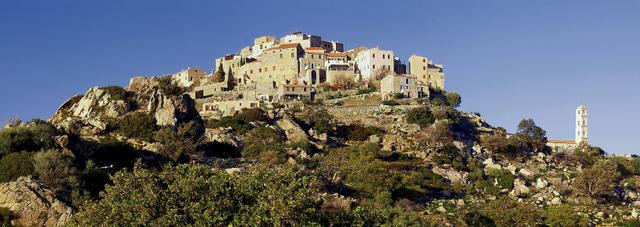
Corbara: visiting the hilltop village of Balagne
Corbara at a glance
- Admission
- Free
- Time needed
- about 1 h
- Where
- Corbara
Facts checked on 12 November 2026. Full opening hours, reduced prices and access
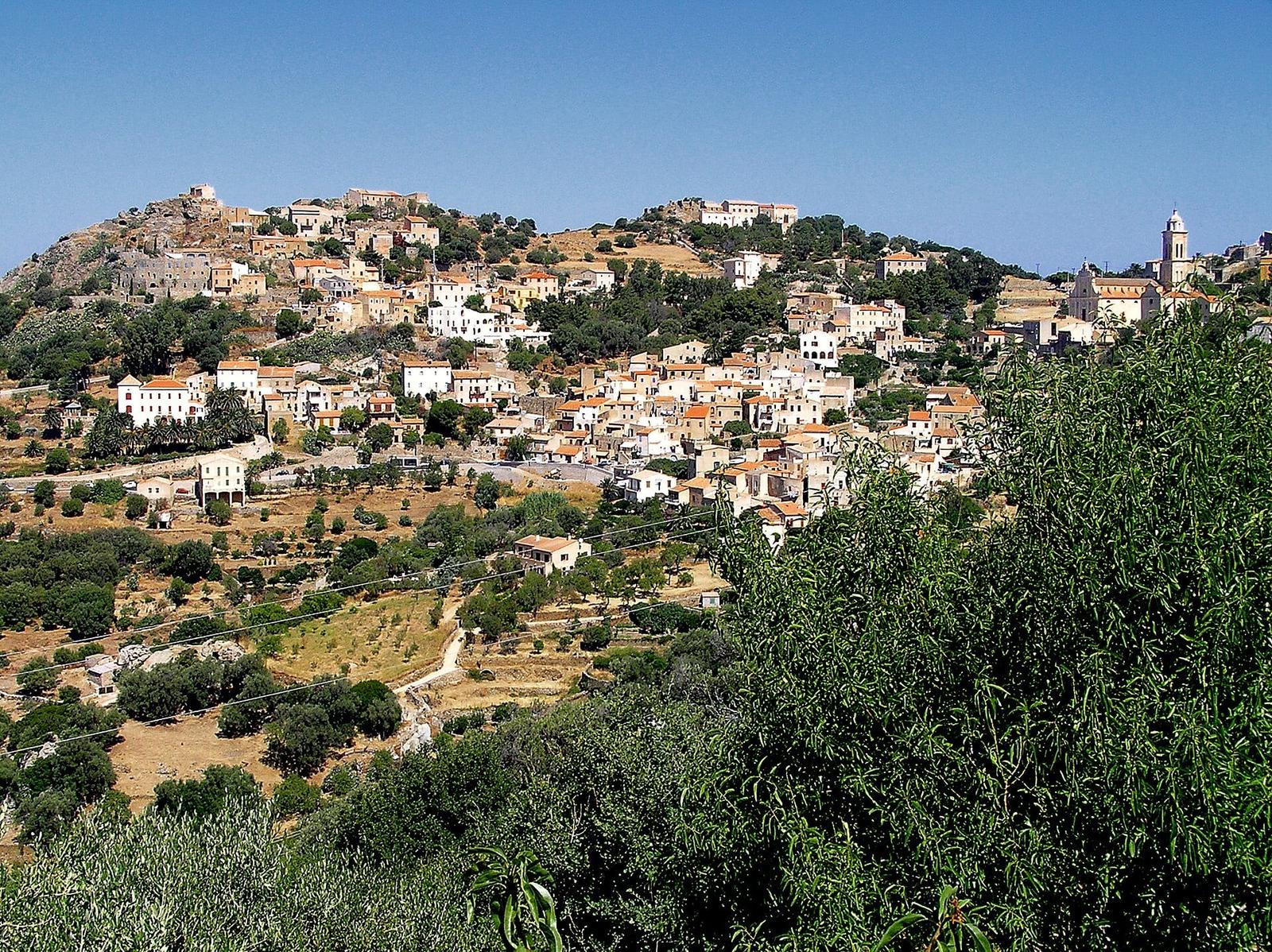

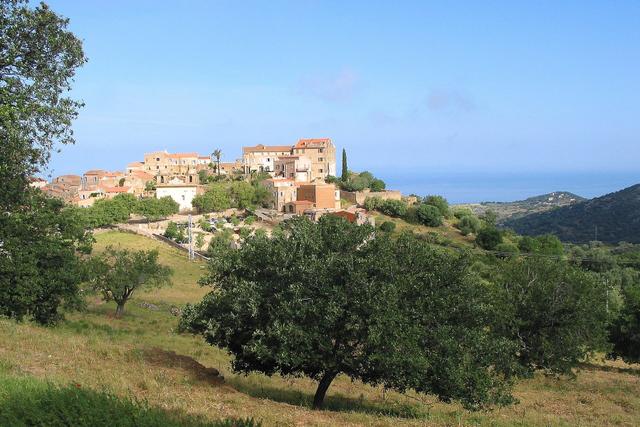
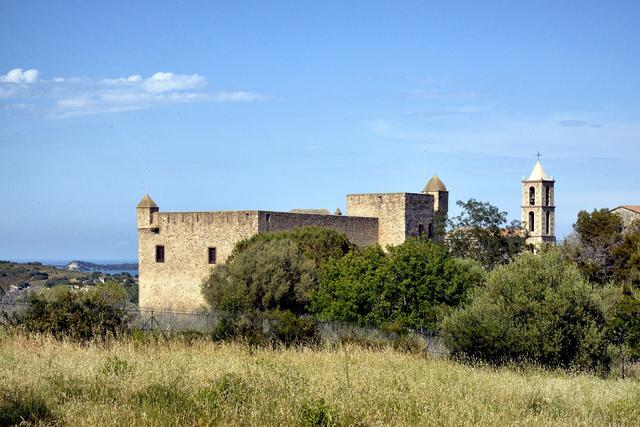
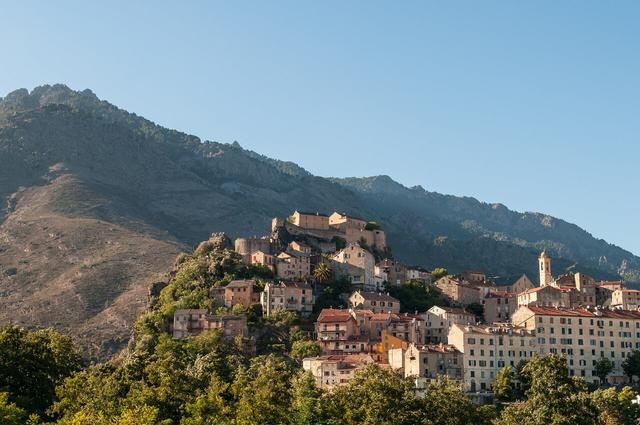
Above L'Île-Rousse, Corbara's houses climb in tiers at the foot of Monte Sant'Angelo. The village has kept a Baroque collegiate church, the largest convent in Corsica and the remarkable story of a local girl who became the wife of a Sultan of Morocco. It is free to visit all year round. Here is what to see, where to park and how to plan your visit.
Corbara at a glance
- Where: in Balagne (Haute-Corse), 7.5 km from the port of L'Île-Rousse and 22 km from Calvi airport.
- Price: free. The village, its lanes and squares are open to all, all year round.
- Time needed: 60 minutes to walk round the village, half a day with the convent and a hike.
- What to see: the Church of the Annunciation and its treasury, the Saint-Dominique convent, the Chapel of Our Lady of Seven Sorrows and the sea views.
- Good to know: the churches and museums have short opening hours that change often. On Sundays, the collegiate church and the Guy Savelli museum are closed to visitors.
- Best for: lovers of Corsican villages, religious heritage and viewpoints. Less busy than Pigna, so parking is easier to find.
Why visit Corbara?
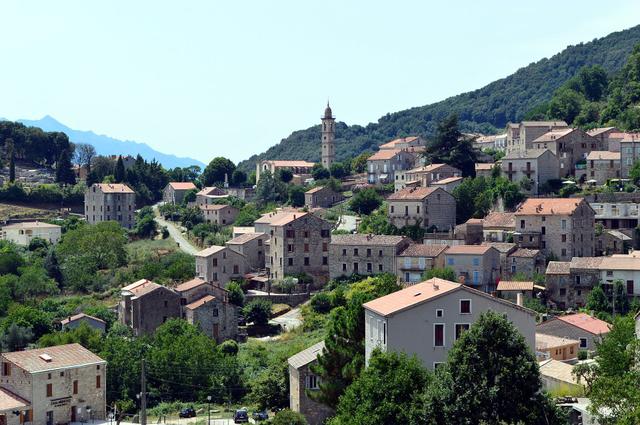
Corbara is one of the oldest villages in Balagne. Its houses cling to several hills at the foot of Monte Sant'Angelo (562 metres) and look out over the sea and L'Île-Rousse. The commune has 962 inhabitants (2023 census) and about 7 km of coastline. The village itself sits at an average altitude of 273 metres.
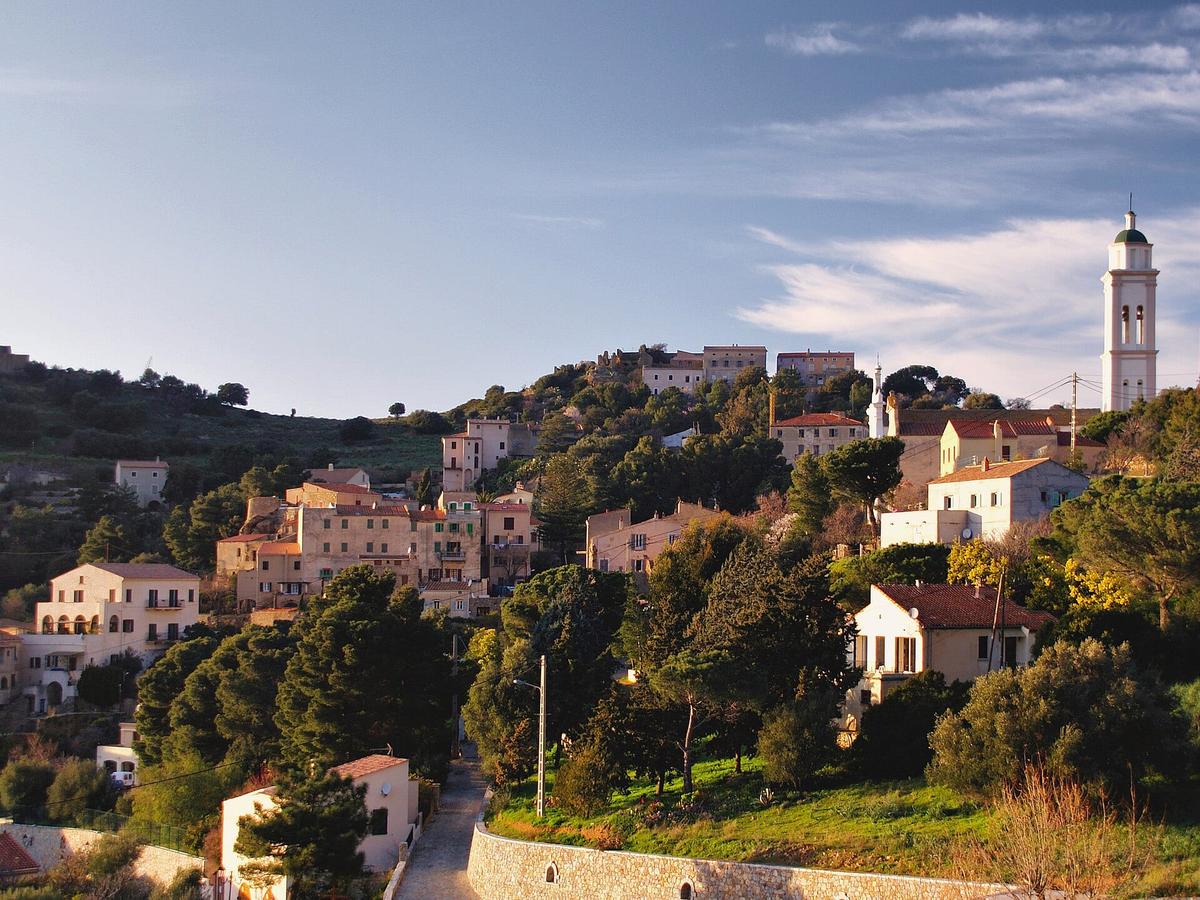

Its name is thought to come from curbaghja, a rocky outcrop frequented by crows. Local tradition traces its history back to the early 9th century. In 816, after the Saracens left, a Roman lord, Guido de Sabellis (Savelli), is said to have been given Balagne and to have built a fort on the mountain that now bears his name, Monte Guido. In 1375, a new castle was completed on the site of U Forte, where the Chapel of Our Lady of Seven Sorrows stands today. Corbara was also the main town of the pieve of Aregno, the church district for this part of Balagne.
What strikes you on arrival is the architecture. The Corsican tourist board describes a village with "Moorish-style architecture": tall houses, vaulted passages, stairways and small paved squares. The best plan is to leave the car and get lost in the lanes.
Things to do in Corbara
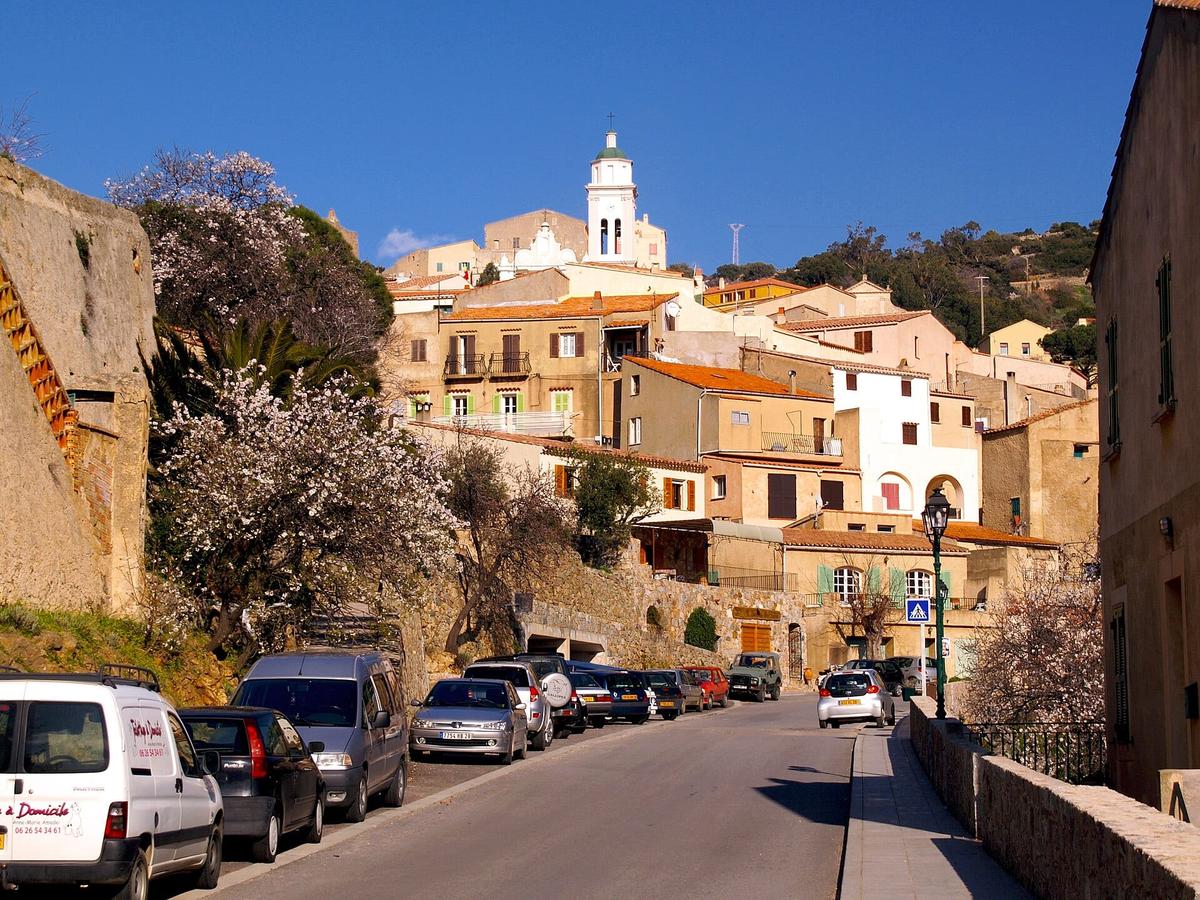

The Church of the Annunciation (A Nunziata)
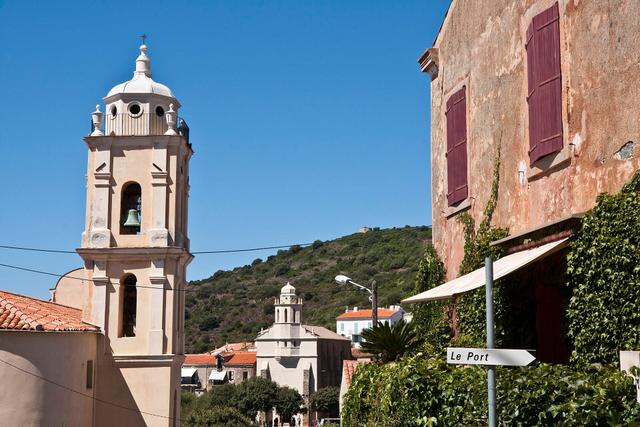
This is the village's main monument. The Baroque church was built between 1641 and 1751, more than a century of work. It has been a listed historic monument since 1985. Its façade towers over the central square, and its richly decorated interior contrasts with the plain houses around it.
In the sacristy, a small treasury museum displays liturgical vestments and religious silverware. The Corsican tourist board mentions an audio guide at the church entrance that presents the village's heritage and its notable figures.
Opening hours. No official hours are published. A travel guide updated in July 2026 gives opening times of at least 10:00 – 12:00 and 16:00 – 18:00, except on Sundays, while noting that it found the door shut when it called. According to Wikipedia, the treasury museum opens from April to October, Monday to Saturday. Aim for a weekday morning, and do not make the trip for the interior alone.
The Saint-Dominique convent
On the edge of the village, on the road to Pigna, this is the largest convent in Corsica. It was founded in 1456 by the Friars Minor of the Observance, as Saint-François d'Aregno. Sold off as state property during the Revolution, it fell into ruin. In 1857, the commune handed it over to the Dominicans, who rebuilt it between 1857 and 1864. They left in 1905, after the law separating Church and State.
Since 1993, a lease with the diocese has allowed the Brothers of Saint John to settle there, and the community still lives in the convent. It has been a listed historic monument since 2011. Four wings surround an arcaded cloister, and terraced gardens step down towards the plain.
It is a place of religious life, not a museum: no tours are announced for 2026. You can see the outside and enjoy the view from the esplanade. Keep your voice down and dress appropriately if you go into the church.
The Chapel of Our Lady of Seven Sorrows
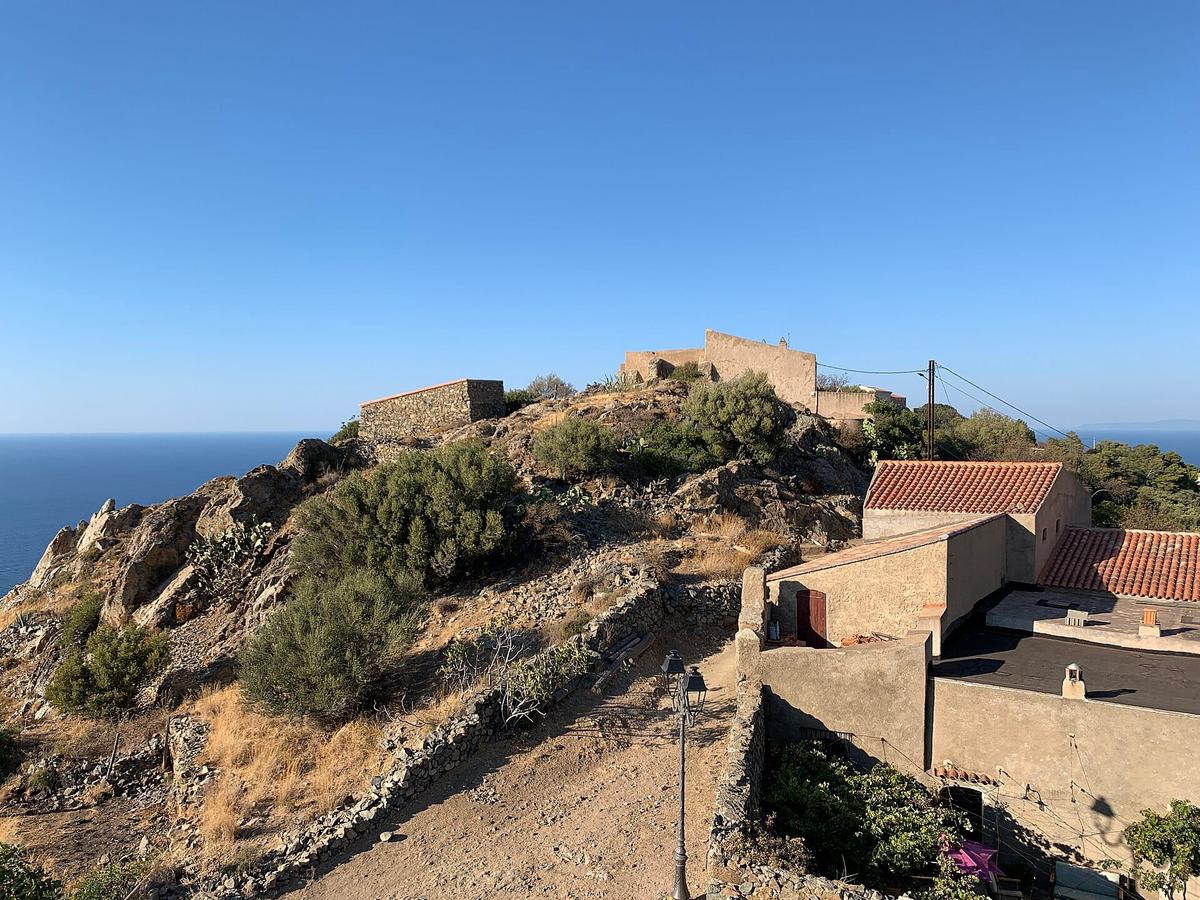
It stands on the site of the old castle of U Forte, above the village. Most people walk up for the view over Corbara, the plain and the sea. The chapel has been a listed historic monument since 1985. It is rarely open; its feast day is 15 September.
The other chapels and the fountain
- Notre-Dame de Lazio (Church of the Nativity of the Virgin) holds a statue of the Madonna di u Laziu dated 1481 and a 19th-century Pietà in bas-relief, both listed in 2005.
- The Chapel of Saint Roch, built in 1607 and restored in the 19th and 20th centuries.
- The oratory of the Confraternity of Saint Anthony keeps a 17th-century wooden statue of Saint Anthony.
- The fountain di u sbollaru, under an arch, flows into a granite basin. A local legend promises peace to anyone who drinks from it.
The Guy Savelli museum
In a house at the top of the village, this private museum gathers portraits, old maps, posters, handwritten letters and musical instruments, with a section on Pascal Paoli. It is closed on Sundays. The guide mentioned above gives opening times of at least 16:00 – 18:00, from mid-April to the end of September. Prices are not published.
Davia, the Empress of Morocco
This is the story everyone tells in Corbara. Marthe Franceschini, known as Davia, is said to have been born in 1755 into a village family. Kidnapped by corsairs, she was taken to Morocco. According to tradition, in 1786 she became the wife of Sultan Sidi Mohammed ben Abdallah. She died in 1799. In the village, she is still called "the Empress of Morocco".
Her memory is everywhere: the Marine de Davia, on the commune's coast, bears her name. Historians still debate some details, but the story is part of Corbara's identity.
More true stories from Corbara
An internment camp in the First World War. From 1914 to 1918, the convent served as an internment centre for around 800 German and Austro-Hungarian civilians. In October 1914, about 400 Alsatians were also briefly held there. The internees included painters and sculptors, and some cells still have their painted decoration.
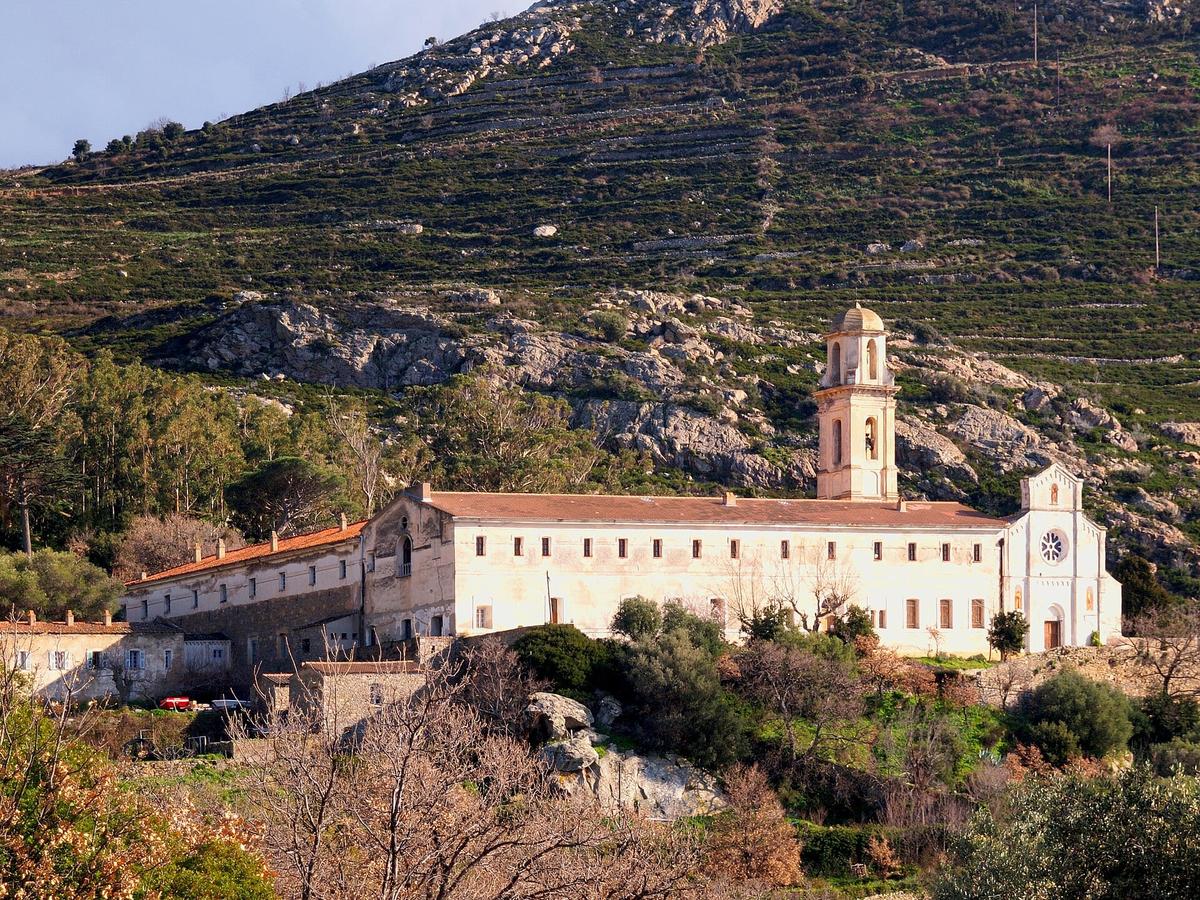

Famous guests. The French heritage inventory names Pascal Paoli, Guy de Maupassant and Cardinal Roncalli, the future Pope John XXIII, among the convent's guests.
Napoleon's monolith. In a quarry in the commune lies a 270-tonne block of porphyry, abandoned in 1837. It was meant for a statue of Napoleon I that was never put up.
Is Corbara free to visit?
Yes. Corbara is a lived-in village: you can walk around freely, day and night, all year round. The collegiate church is free. Only the private Guy Savelli museum may charge an entry fee, and no price was published when we checked.
For a guided tour of Balagne or a trip from Calvi, have a look at the activities on offer in the area.
Partner links: if you book through these links, we earn a commission at no extra cost to you. Partner links · Learn more
How long to spend in Corbara and when to go
Allow 60 minutes to walk round the village, without the museums. With the inside of the collegiate church, the climb to Our Lady of Seven Sorrows and a stop at the convent, plan on two hours. Half a day leaves time for a hike.
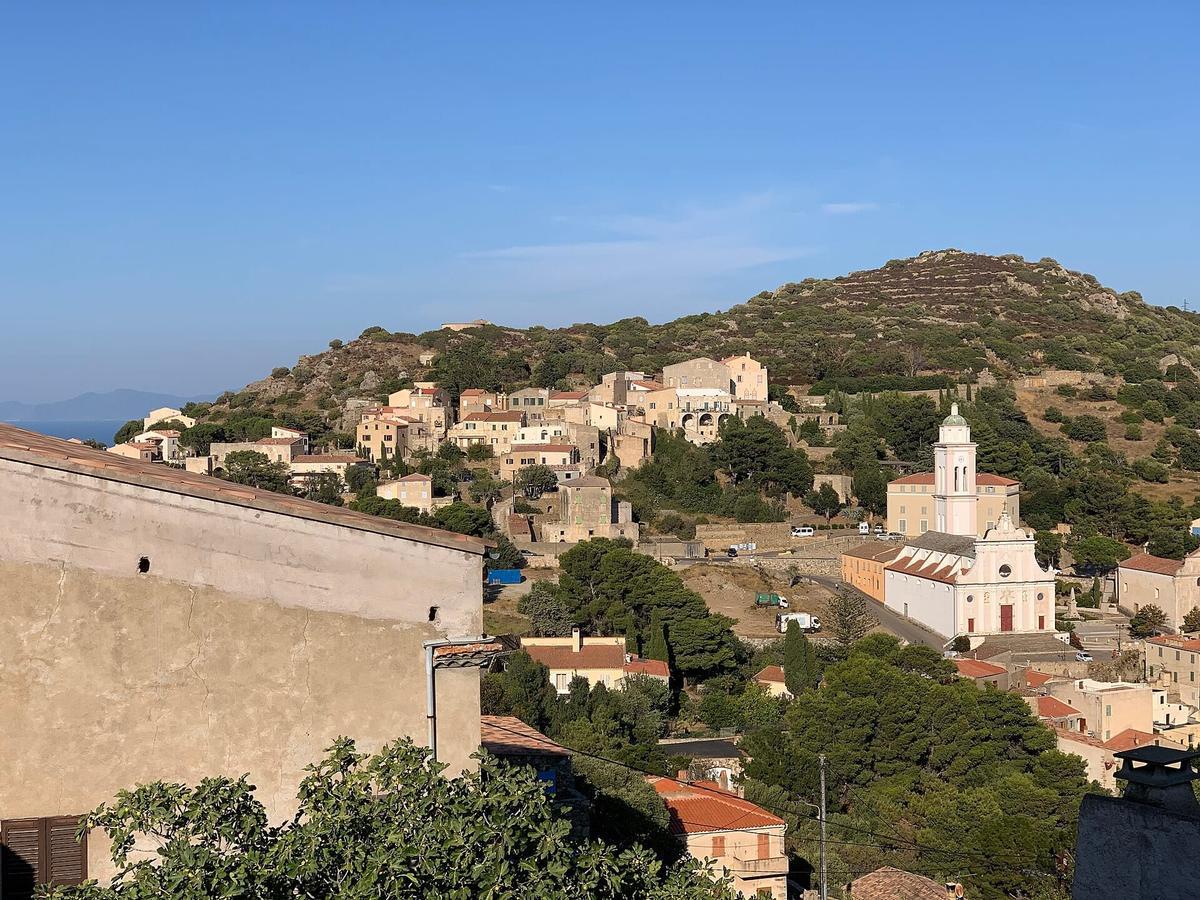

Best time to go. A weekday morning, to stand a chance of finding the collegiate church open. Spring and autumn are more pleasant than July and August: the lanes are steep and there is little shade. In the late afternoon, the light over the sea and L'Île-Rousse is worth the trip.
How to get to Corbara and where to park
By car. This is the easiest option. Corbara is 7.5 km from L'Île-Rousse, on the road that climbs towards Pigna and Sant'Antonino. From Calvi, allow half an hour. Park along the main streets around the centre. As the village is less busy than Pigna, finding a space is easier, even in summer.
By train. The nearest stations are L'Île-Rousse (6 km) and Algajola (7.5 km), on the Calvi - L'Île-Rousse line. From there, it is an uphill walk or a taxi ride.
By plane or boat. Calvi Sainte-Catherine airport is 22 km away. Ferries arrive at the nearby port of L'Île-Rousse.
A car is almost essential to tour the hilltop villages of Balagne.
Hiking from Corbara
Two waymarked loops start from the village:
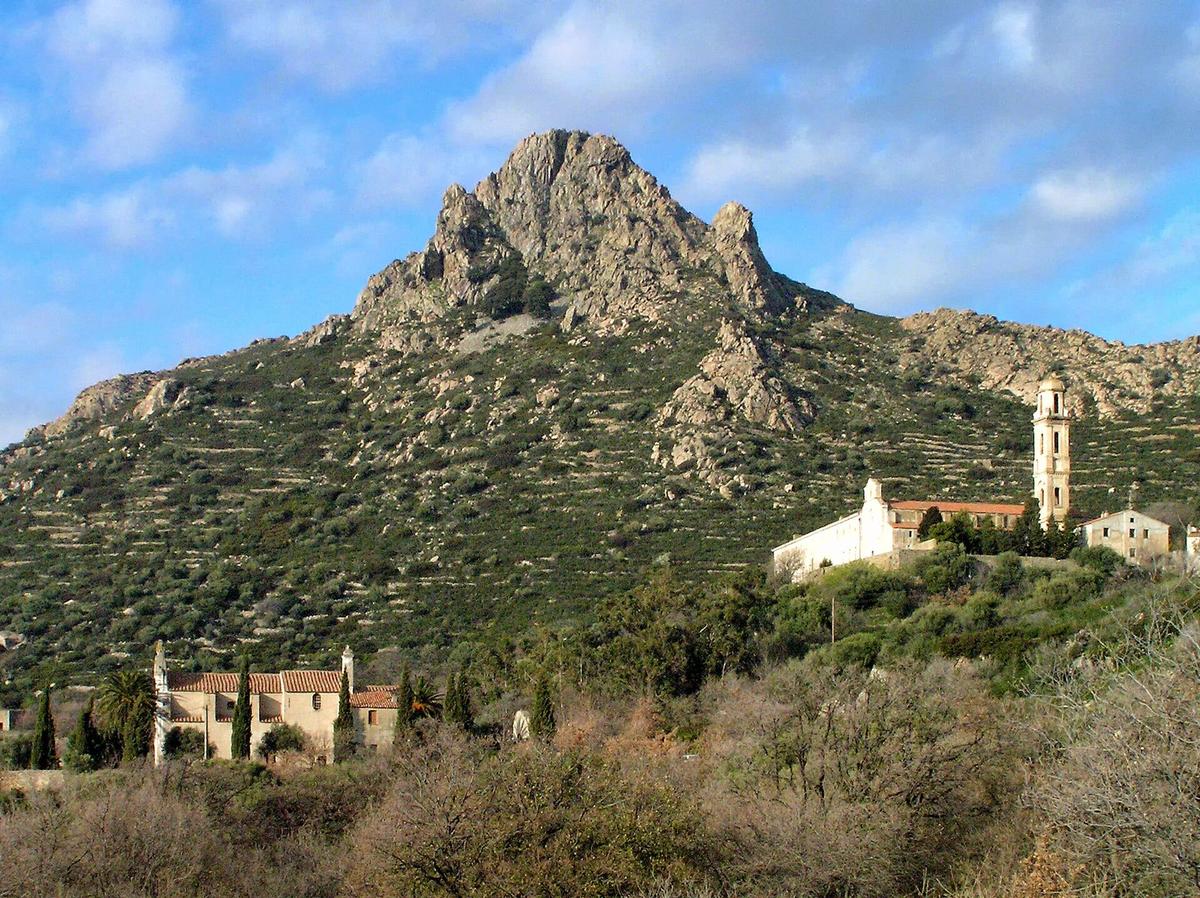

- The Sant'Anghjulu loop (4.22 km) climbs towards the mountain above Corbara. The view over the Balagne coast is the reward.
- The Carbunaghja loop (3.5 km) is shorter.
There is very little shade on these trails. Set off early, with good shoes and water.
Beaches near Corbara
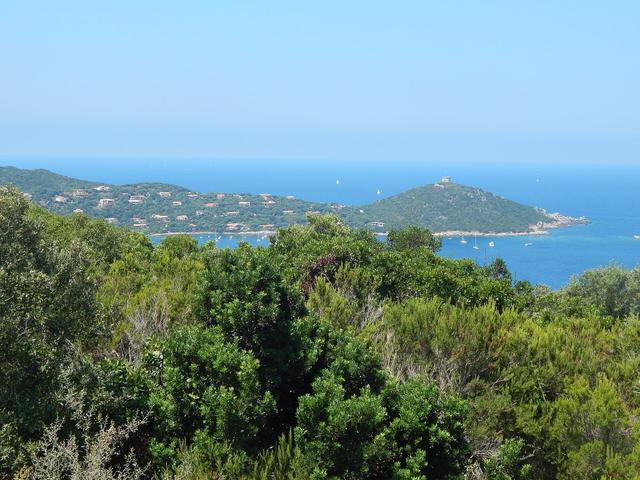
The commune runs down to the sea. The Marine de Davia has three small sandy coves: Fornello, Capite and Vignola. The fine-sand beaches of Bodri and Ghjunchitu are also close by. In summer, come early: the seafront car parks fill up fast.

Visiting Corbara with children
The village visit is short and free, which makes it easy with children. The steep, cobbled lanes are not suitable for pushchairs, so bring a baby carrier. The story of Davia, kidnapped by corsairs and married to a sultan, usually goes down well with older children. Village in the morning, beach in the afternoon is the simplest plan.
What to combine on the same day
| Also worth seeing | Distance | Travel time |
|---|---|---|
| Pigna | 3 km | 10 min by car |
| Sant'Antonino | 7 km | 15 min by car |
| Calvi Citadel | 23 km | 30 min by car |
Approximate road distances and travel times.
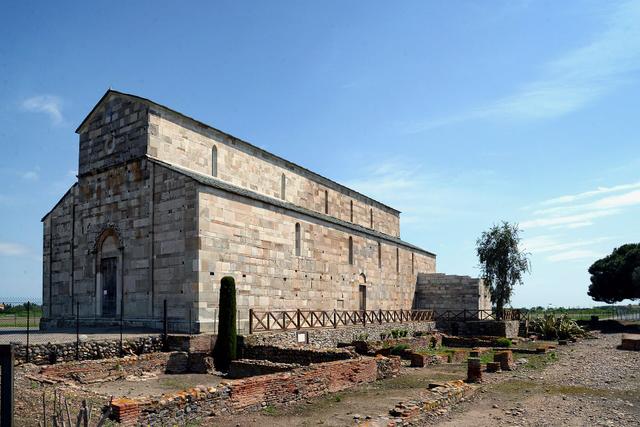
Pigna, the village of craftspeople and music, is right next door: you can see Corbara from its Place a l'Olmu. See also: Pigna Higher up, Sant'Antonino, perched on its rock, is one of the most visited villages in Balagne. See also: Sant'Antonino On the way, the Church of the Trinity in Aregno is a fine example of Pisan Romanesque art. See also: Church of the Trinity and San Giovanni, Aregno
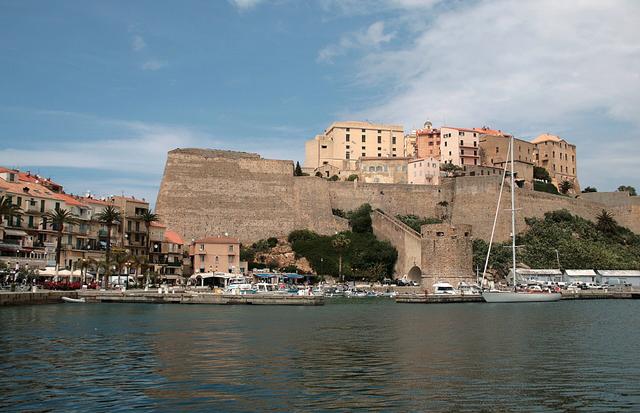
For a longer day, the citadel of Calvi is half an hour away. See also: Calvi Citadel Nature lovers can also head east to the Agriates Desert, or book a boat trip to Scandola from Calvi. See also: Agriates Desert, Scandola Nature Reserve, Corsica
Where to eat and stay
The choice of restaurants in the village is limited, especially out of season. L'Île-Rousse, a few minutes away, and Pigna, next door, have more places to eat.
To stay, L'Île-Rousse is the most convenient base: port, station, shops and plenty of hotels, a few minutes from the village. In Corbara itself, accommodation is mostly holiday rentals, particularly around the Marine de Davia.
Places to stay near L'Île-Rousse
FAQ
Do you have to pay to visit Corbara?
No. The village is open to all year round and the collegiate church is free. Only the private Guy Savelli museum may charge for entry.
Can you visit the Corbara convent?
The Saint-Dominique convent is home to the community of the Brothers of Saint John. No tours are announced for 2026; you can see the outside and enjoy the view.
What are the opening hours of the Church of the Annunciation?
No official hours are published. It is usually open on weekdays, in the morning and late afternoon, and closed to visitors on Sundays. A weekday morning is your best bet.
Who was Davia?
Marthe Franceschini, born in Corbara in 1755, kidnapped by corsairs and, according to tradition, married to the Sultan of Morocco in 1786. She is known as "the Empress of Morocco".
Where can I park in Corbara?
Along the main streets around the centre. Parking is easier than in Pigna or Sant'Antonino.
How long does it take to visit Corbara?
About an hour for the village, two hours with the collegiate church, the Chapel of the Seven Sorrows and the convent.
Practical information
Official ticket-office prices 2026
Free admission
Address
20220 Corbara, Corse, France
Directions · Phone+33 4 95 63 06 50
On site and nearby
- Nearest shops and pharmacy: L'Île-Rousse, 3 km away Straight-line distance, based on OpenStreetMap.
- Emergencies: 112 (all emergencies, free from any phone), 15 (SAMU, medical emergency)
Around the site, on Google Maps
With children
Family days out nearby: Calvi Citadel (14 km), Agriates Desert (27 km), Scandola Nature Reserve (40 km)
Swimming pools and play areas nearby, on Google Maps
Facts checked on 12 November 2026. Sources: visit-corsica.com, fr.wikipedia.org, en.wikipedia.org, pop.culture.gouv.fr, corsicalovers.fr
Map
In the same region
- Parc Galeafrom €10Free under 3