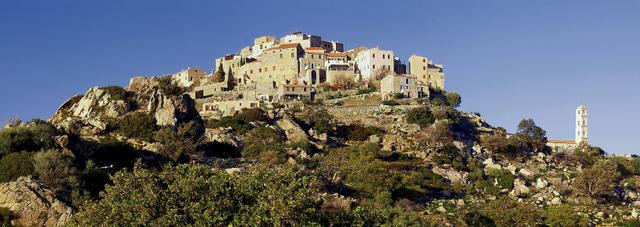
Calanques de Piana: planning your visit
Calanques de Piana at a glance
- Admission
- Free
- Where
- Piana
Facts checked on 29 October 2026. Full opening hours, reduced prices and access
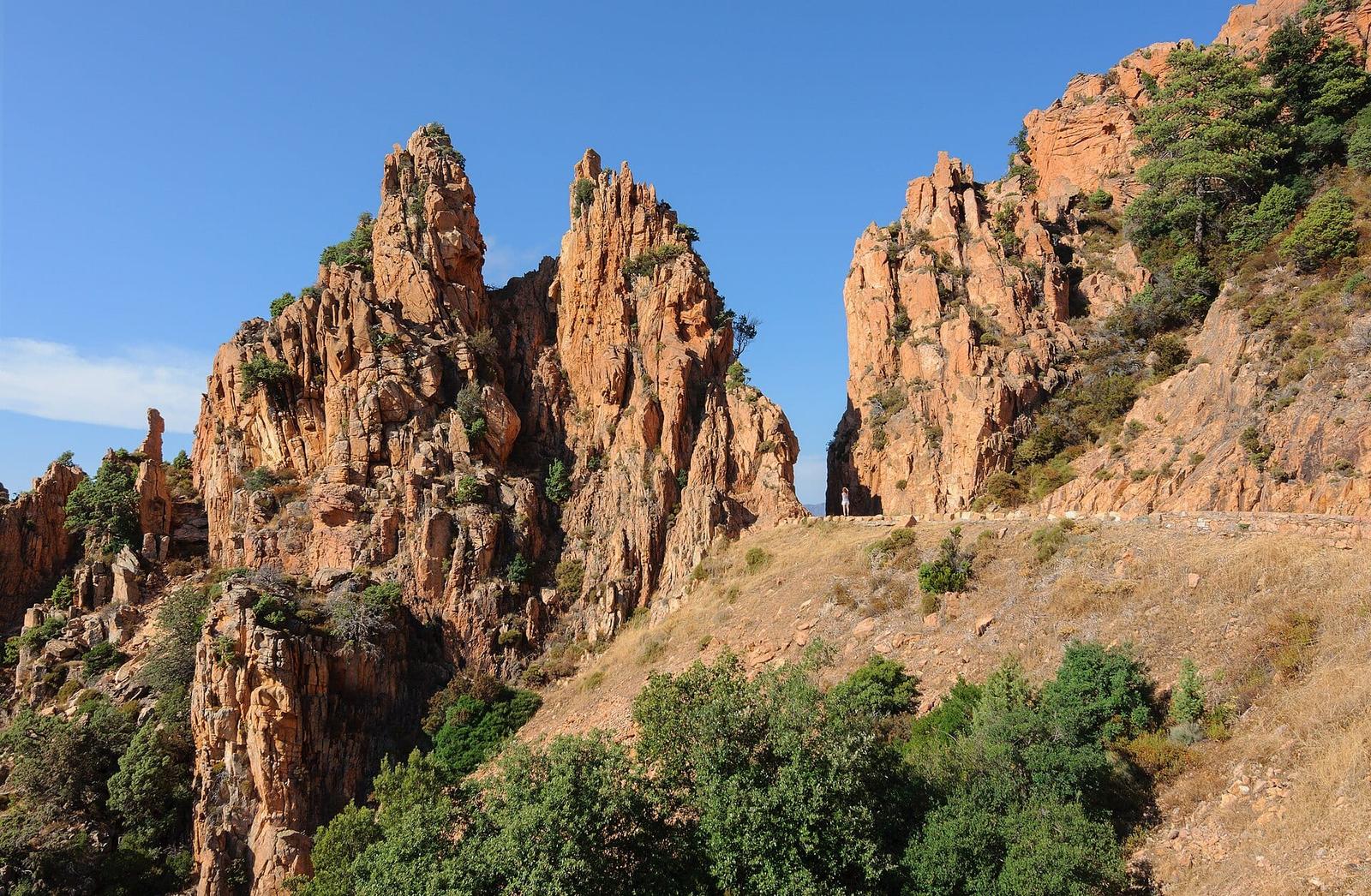

Between Piana and Porto, the D81 road winds through a jumble of red granite that drops into the Gulf of Porto. The Calanques de Piana have been a UNESCO World Heritage Site since 1983. Access is free and open to all. Here is how to deal with a narrow road, very little parking and short trails that are well worth the effort.
Calanques de Piana at a glance
- Where: on the west coast of Corsica, between the village of Piana and Porto, along the D81 road, above the Gulf of Porto.
- Price: free. There is no ticket and no ticket office: you drive through the calanques and explore them on foot.
- Open: a natural site with open access, at any time.
- Time needed: an hour to drive through with a few stops, half a day with a trail, a full day if you add a boat trip.
- Getting there: by car from Ajaccio or Calvi, on a slow mountain road. By boat from Porto for the view from the sea.
- Best time: late afternoon and sunset, when the red granite turns orange.
- Best for: everyone. The Château Fort trail is easy and fine with children. The trails are not wheelchair accessible.
What are the Calanques de Piana?
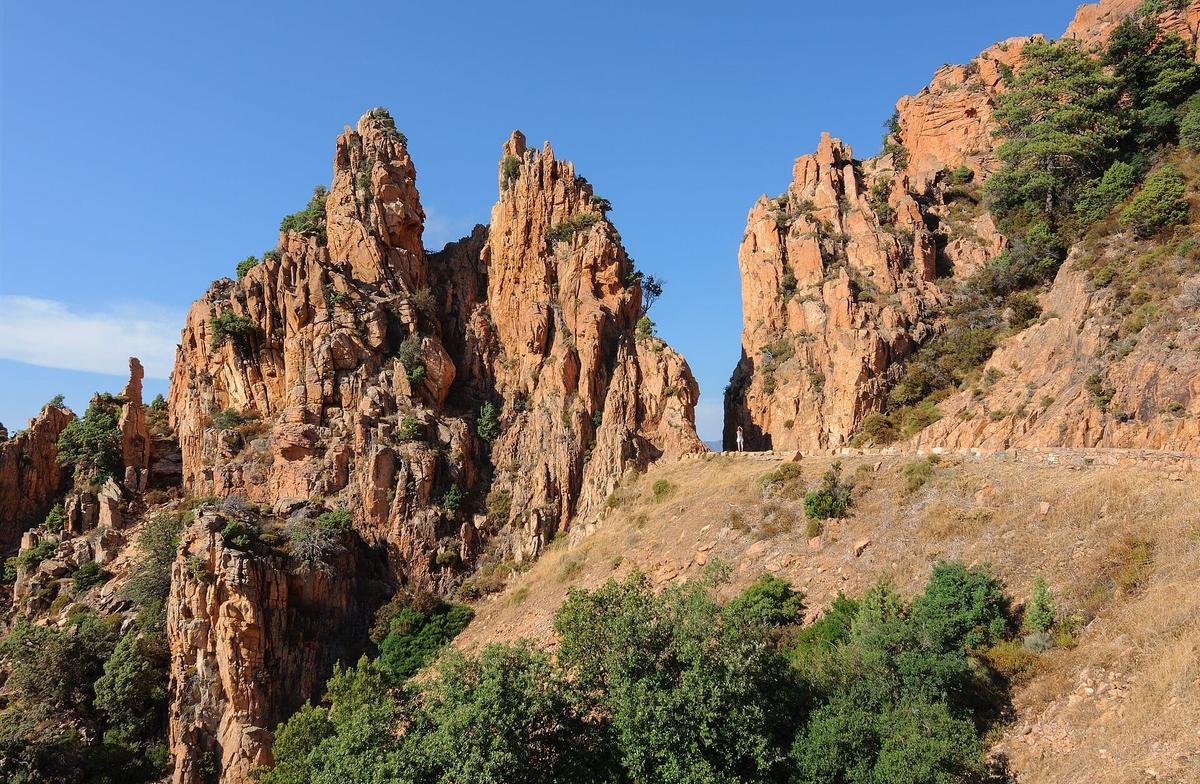
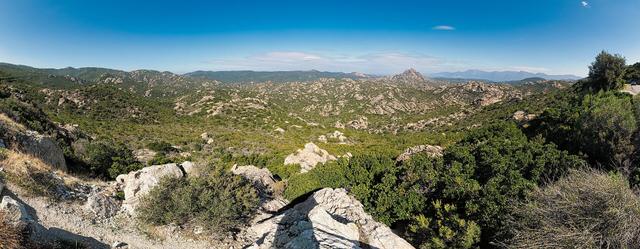
In Corsican they are called "les Calanche". Unlike the calanques near Marseille, the word here does not mean coves but a mass of cliffs, spires and blocks of red granite above the Gulf of Porto. Erosion has carved the rock into holes, arches and strange shapes that everyone enjoys spotting: a dog's head, a face, an animal.
The site is part of a property inscribed on the UNESCO World Heritage List in 1983, under the name "Gulf of Porto: Calanche of Piana, Gulf of Girolata, Scandola Reserve" (property no. 258). It is a natural site, listed for its landscapes, its geology and its marine life. The Scandola Nature Reserve, on the other side of the gulf, is part of the same property. See also: Scandola Nature Reserve
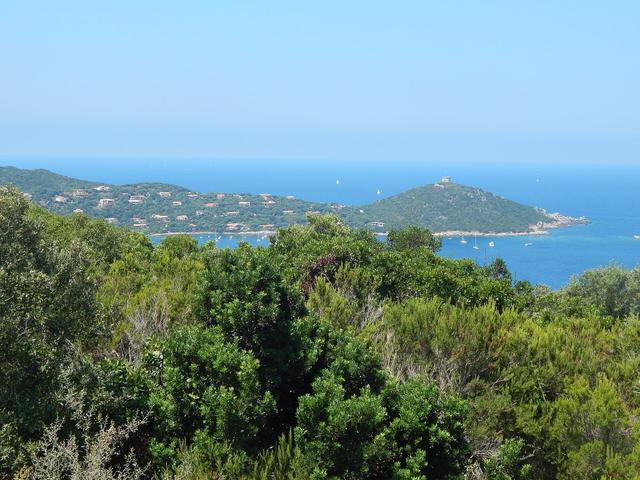
Around the rocks grows the maquis, the low, fragrant scrub typical of Corsica, with a few pines and chestnut trees. Below, the water of the gulf shifts from green to deep blue.
There is no museum, no visitor centre and no gate: you discover the calanques from the road, from the trails or from the sea. That is their charm, but it also makes the practical side tricky.
Is there an entrance fee for the Calanques de Piana?
No. The calanques are a natural site with free access. You pay nothing to get in or to walk the trails.
The only costs are the ones you choose: a boat trip from Porto to see the cliffs from the sea, a kayak outing, or a guide for a hike. Prices vary with the company and the season: compare on the spot or online before you book.
Do you need to book?
Not to visit on foot or by car: there is nothing to book.
Yes, in summer, if you want a boat trip. Trips to the calanques and Scandola leave mainly from Porto, but also from other ports on the west coast. In July and August, the morning seats go fast. Book a few days ahead and check the marine forecast: trips are cancelled in strong wind.
Partner links: if you book through these links, we earn a commission at no extra cost to you. Partner links · Learn more
Guided tours and day trips on GetYourGuide
Driving the D81: what to know before you go
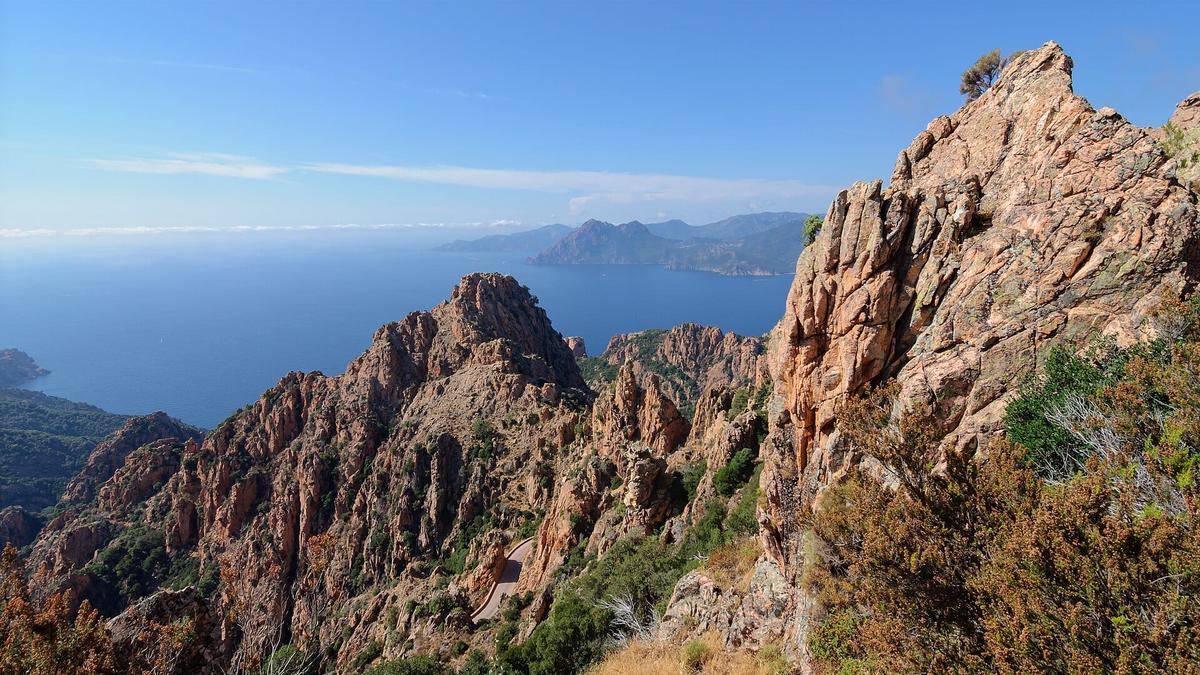

The D81 is the only road through the calanques. It links Piana to Porto, snaking between the rocks, with tight bends, sections cut into the rock and low walls on the edge of the drop. It is very beautiful, and it is also the main difficulty of the visit.
A narrow road. For much of the way, two cars can barely pass each other. When a coach or a camper van comes the other way, one of the two has to reverse to a wider spot. Drive slowly and give way to the bigger vehicle when passing is impossible.
Little parking. There is no large car park in the calanques. Cars park in small lay-bys by the road, often full in summer. Never stop in the middle of the road to take a photo: it is dangerous and blocks all the traffic. If a lay-by is full, carry on to the next one.
Camper vans. They get through, but passing is tricky. If you are not comfortable with a large vehicle, avoid the summer peak around the middle of the day.
Our tip: drive through the calanques early in the morning or late in the day. There is less traffic, the lay-bys are less full and the light is better.
How long do you need for the Calanques de Piana?
It depends on what you want to do:
- Driving through from Piana to Porto, with two or three photo stops: about an hour.
- With a short trail such as the Château Fort: half a day, including time to park.
- With a boat trip from Porto: a full day, especially if the trip goes on to Scandola.
Do not underestimate driving times. In Corsica, mountain roads are slow, and the D81 especially so. A journey that looks short on the map often takes twice as long as expected.
Calanques de Piana hikes: Dog's Head and Château Fort
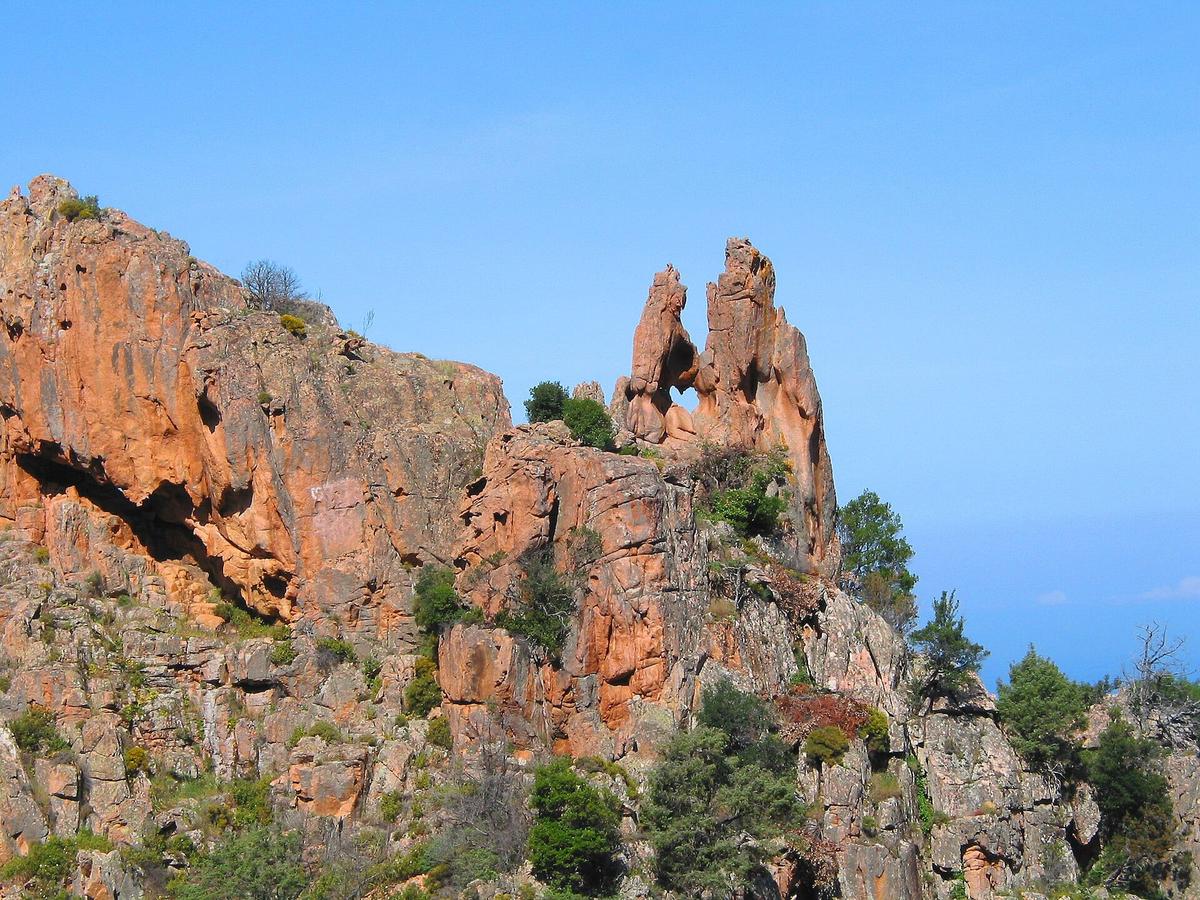

The best way to understand the calanques is to leave the road and walk a little among the rocks.
The Dog's Head (Tête de chien). This is the best-known rock in the calanques. The Corsica Tourism Agency describes it like this: round a hairpin bend on the D81, as you leave the Calanche, you see on your left a huge rock shaped like a dog's head. This is where the Château Fort trail begins.
The Château Fort trail. This is the simplest and most popular walk. The trail, graded easy, is an out-and-back with about 69 m of elevation gain. It goes through a small wood, then a maze of red rocks, before reaching a flat area with a 180-degree panorama. From there you can see Capo Rosso, the Scandola peninsula, Girolata, the calanques themselves, Piana, Partinello, Osani and the whole Gulf of Porto.
The "château fort" (fortified castle) is not a building: it is a large block of granite shaped like a fortress. That is where the name comes from.
Tips for the trails:
- Wear good shoes. The ground is granite and loose stones, slippery in places.
- Bring water. There is no water on the trails, and shade is rare once you leave the wood.
- Avoid the middle of the day in summer. The rock heats up quickly.
- Stay on the trails. The cliff edges are not fenced, and the maquis is fragile.
- Park carefully. The trailhead is by the D81, where spaces are limited. Arrive early.
Other trails start from Piana and the surrounding area, longer and more demanding. Ask at the Piana tourist office before setting off, especially in summer when it is very hot.
Seeing the calanques by boat
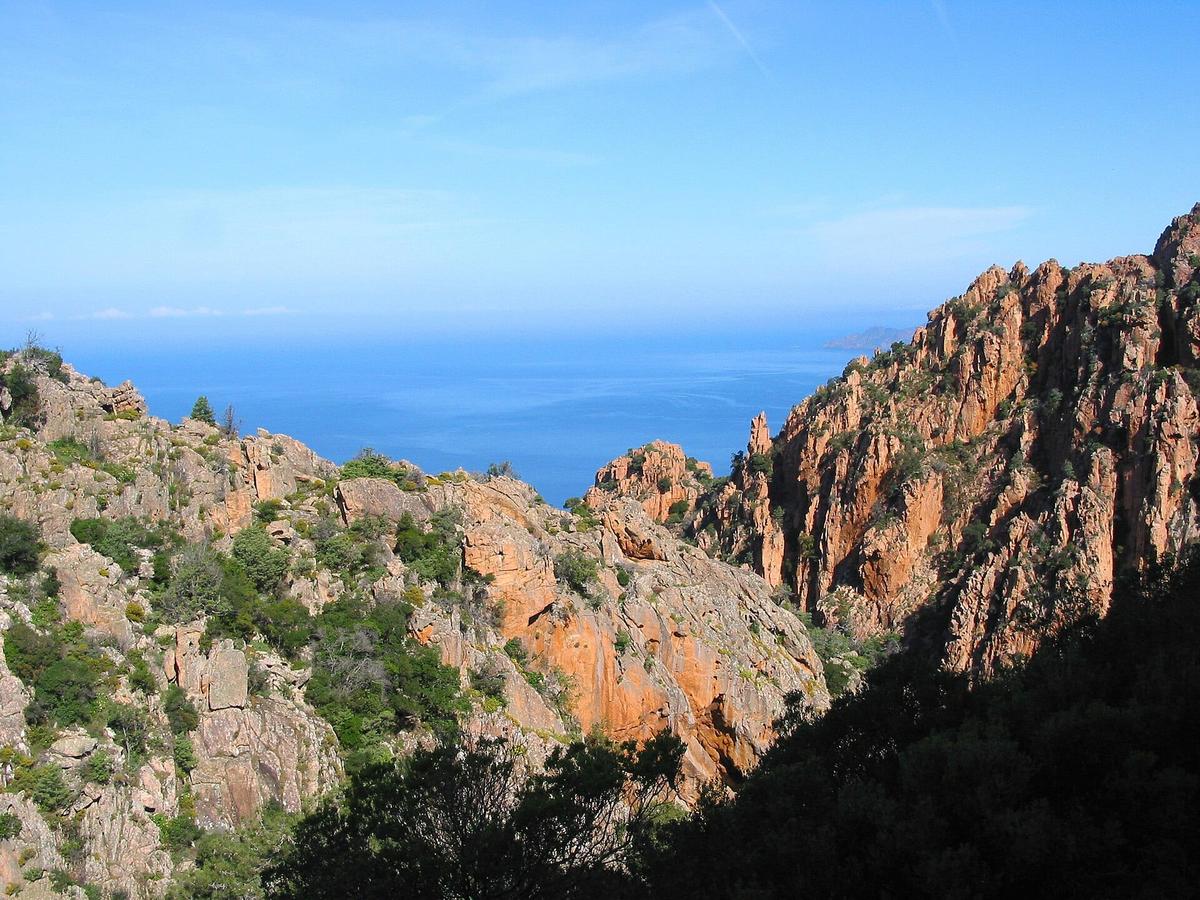

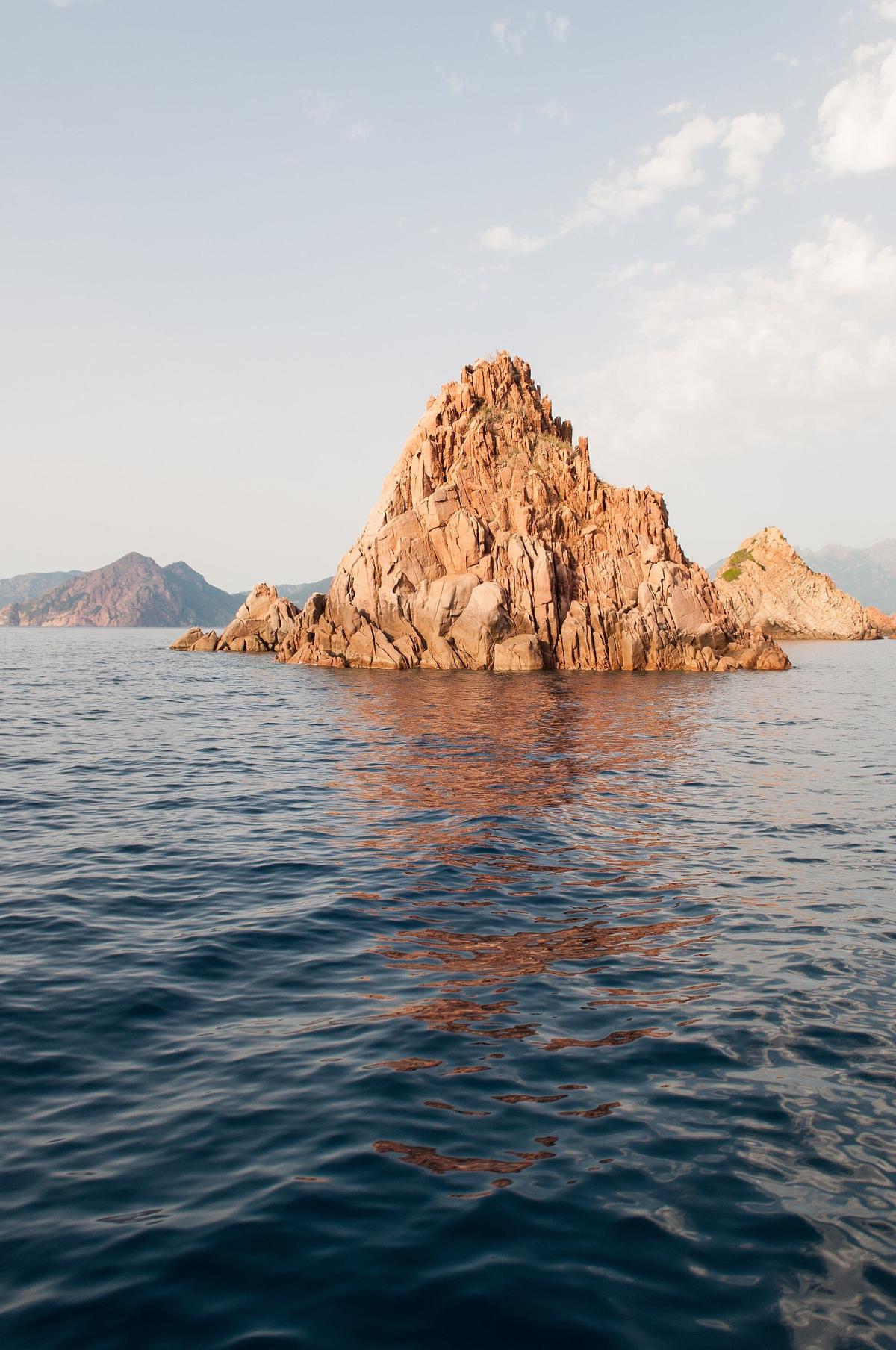
From the road, you see the rocks up close. From the sea, you see the whole cliffs plunging straight into the gulf. It is a different visit, and the two go well together.
By boat. Trips leave mainly from the harbour in Porto. Most follow the calanques, then cross the gulf to Girolata and the Scandola Nature Reserve. The shortest ones cover only the calanques. Smaller boats get closer to the caves and cracks in the rock.
By kayak. Rental outfits offer sea kayak trips in the gulf. These are only for people comfortable on the water, and only when the sea is calm.
Our tip: choose a late afternoon trip if there is one. The low light brings out the red of the granite, and the sea is often calmer than in the morning when the wind picks up.
Best time to visit the Calanques de Piana
Sunset is the most popular time. The calanques face west: at the end of the day, the sun sinks over the gulf and the granite turns from red to orange. The D81 lay-bys then fill up with photographers. Arrive an hour before sunset to find a space.
Early in the morning, the road is almost empty and the rocks are in shade or soft light: the best time for walking.
In season, from June to September, traffic is heavy in the middle of the day. In spring and autumn, the site is quieter and temperatures are pleasant for the trails. In winter, the calanques are still accessible, but the road can be slippery after rain and some services in Porto and Piana are closed.
How to get to the Calanques de Piana
From Ajaccio. Head for Tiuccia and Sagone, then Cargèse and Piana. The road follows the coast, then climbs to Piana before entering the calanques. Allow plenty of time: the west coast roads are winding and the drive takes well over an hour and a half.
From Calvi. The road follows the coast over the Col de la Croix, then drops down to Porto. It is even more winding than from Ajaccio. Plan on a good part of the morning.
From Porto. The calanques begin a few kilometres from the village, climbing towards Piana on the D81.
Without a car. It is difficult: public transport is rare on the west coast and does not let you stop freely in the calanques. An organised trip from Ajaccio or Porto is simpler.
Renting a car. On the west coast, a car is almost essential. It lets you drive through the calanques at the right time of day and carry on to Porto, Évisa or Cargèse. Ajaccio airport is the most convenient starting point.
The Calanques de Piana with children
Children love the calanques, especially the game of spotting shapes: the dog's head, the face, the tortoise. A few tips:
- Choose the Château Fort trail. It is short and easy, with a real reward at the end.
- Hold their hand near the edges. The cliffs are not fenced.
- Take care when stopping by the road. Get children out on the rock side, never on the traffic side.
- Avoid long car journeys. The hairpin road quickly causes car sickness. Plan breaks.
Facts and figures
- A shared listing. The Calanques de Piana were inscribed by UNESCO in 1983 together with the Scandola Nature Reserve and the Gulf of Girolata, as one single natural property.
- The Dog's Head. The most photographed rock in the calanques is also a landmark for walkers: the Château Fort trail starts there.
- A castle with no walls. The "château fort" on the trail is a block of granite, not a building. Its flat top gives a view over much of the Gulf of Porto.
Visitor numbers are not counted: there is no entrance, so no ticket office to measure them.
What to combine with the Calanques de Piana
| Also worth seeing | Distance | Travel time |
|---|---|---|
| Scandola Nature Reserve | 10 km | 25 min by car |
| Maison Bonaparte | 72 km | 105 min by car |
Approximate road distances and travel times.
Porto and the Scandola Nature Reserve. The village of Porto is at the end of the D81, at the head of the gulf. Most boats to Scandola, which can only be reached by sea, leave from there. See also: Scandola Nature Reserve
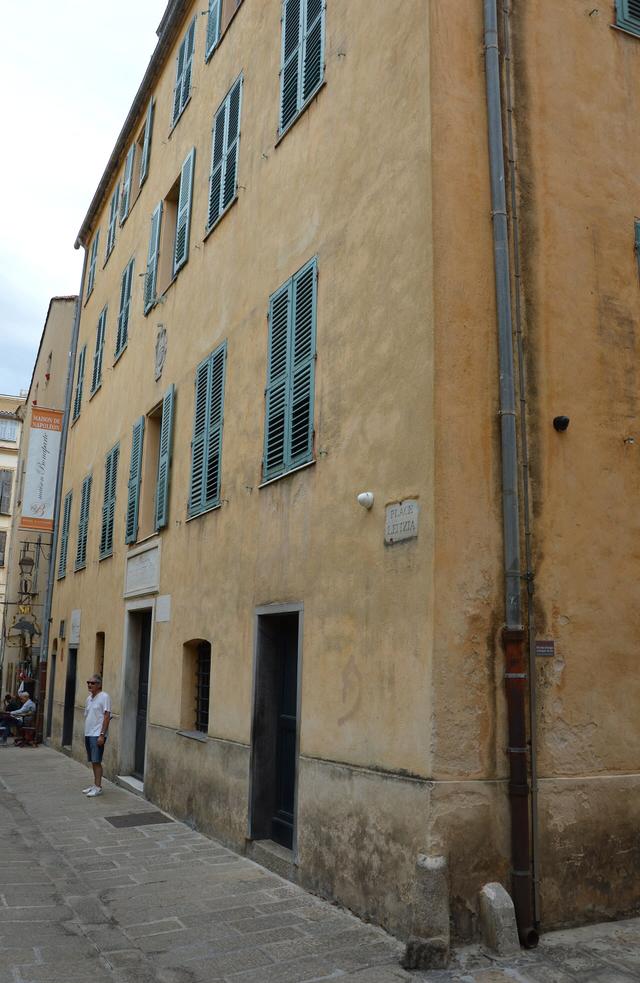
Ajaccio. If you are staying in Ajaccio, combine the calanques with a day in town: Napoleon's birthplace and the Fesch Museum. See also: Maison Bonaparte, Palais Fesch
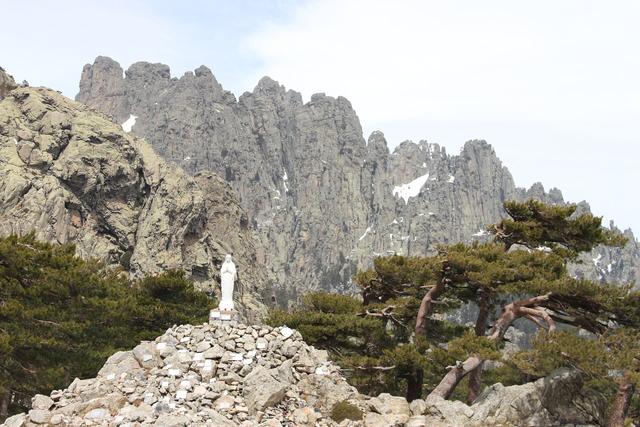
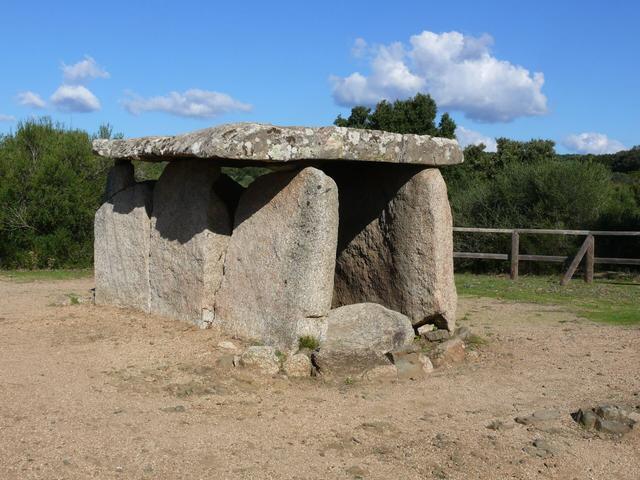
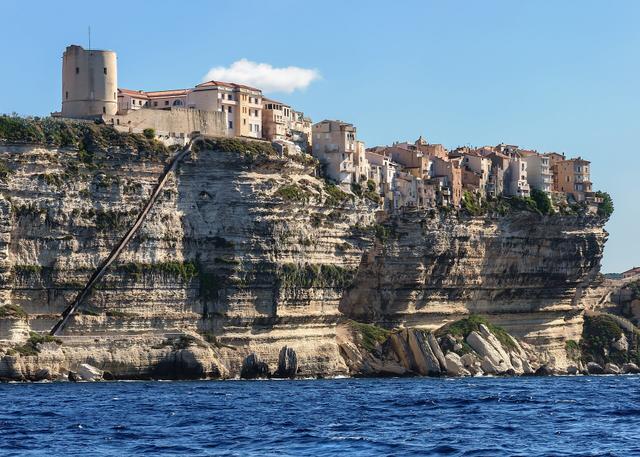
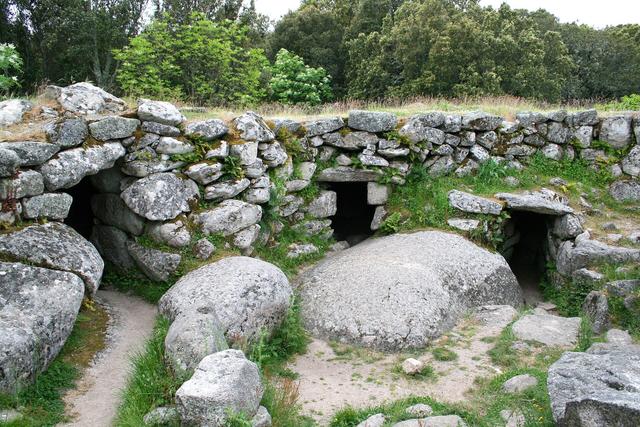
Further afield in Corsica. Corte and its citadel, in the centre of the island, can be reached from Porto on mountain roads. In the south, Filitosa, Bonifacio and the Bavella Needles take several hours' drive. See also: Corte Citadel and Museum of Corsica, Filitosa, Bonifacio Citadel, Bavella Needles, Corsica
Where to eat and stay near the calanques

On site. There are no restaurants in the calanques themselves. Bring water and something to eat, and take your rubbish with you.
In Piana. The village, perched above the gulf, has restaurants and a few hotels. It is the closest base for the trails, and the best starting point for a sunset over the calanques.
In Porto. The village has more hotels, restaurants and campsites, and it is where the boats leave from. Handy if you are combining the calanques and Scandola.
FAQ
Do you have to pay to visit the Calanques de Piana?
No. The calanques are a natural site with free, open access. Only boat trips and guided outings cost money.
Where can I park to visit the Calanques de Piana?
In the small lay-bys along the D81. There is no large car park. In summer, arrive early in the morning or late in the day to find a space, and never stop on the road.
Which trail should I do in the calanques?
The Château Fort trail, which starts near the Dog's Head rock. It is graded easy, with about 69 m of elevation gain, and leads to a panorama over the whole Gulf of Porto.
What is the best time of day to see the calanques?
Sunset, when the red granite lights up facing the gulf. Early morning is ideal for a quiet walk.
Can I see the Calanques de Piana by boat?
Yes. Trips leave from Porto and follow the cliffs, often as far as Girolata and the Scandola Nature Reserve. Book ahead in summer.
Is the D81 road dangerous?
It is narrow and winding, and passing coaches and camper vans is difficult. Drive slowly and avoid the middle of the day in summer.
Practical information
Official ticket-office prices 2026
Free admission
Address
Calanche de Piana, route D81, 20115 Piana, France
Directions
On site and nearby
- Nearest shops and pharmacy: Porto, 4 km away Straight-line distance, based on OpenStreetMap.
- Emergencies: 112 (all emergencies, free from any phone), 15 (SAMU, medical emergency)
Around the site, on Google Maps
With children
Family days out nearby: Scandola Nature Reserve (14 km), A Cupulatta (32 km), Calvi Citadel (36 km)
Swimming pools and play areas nearby, on Google Maps
Facts checked on 29 October 2026. Sources: visit-corsica.com, en.wikipedia.org
Map
In the same region
- Parc Galeafrom €10Free under 3