Corte Citadel and Museum of Corsica: planning your visit
Corte Citadel and Museum of Corsica at a glance
- Where
- Corte
Facts checked on 29 October 2026. Full opening hours, reduced prices and access
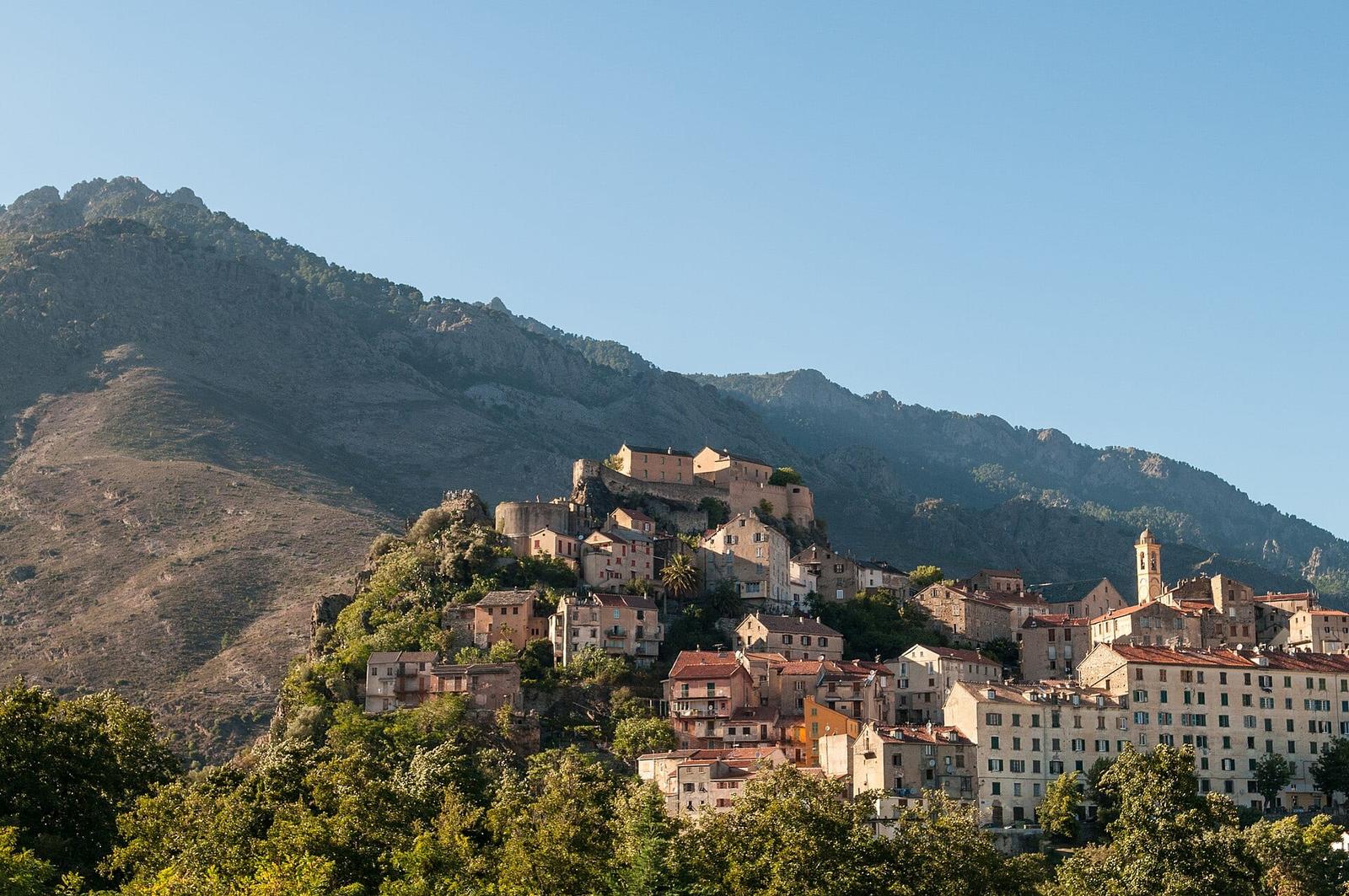

In the middle of the island, on a rock above the Tavignano and Restonica valleys, Corte Citadel is the only one of Corsica's 6 citadels built away from the sea. Corte was the capital of Pasquale Paoli's independent Corsica, and the citadel now houses the Museum of Corsica, devoted to the island's anthropology. Here is how to plan the visit, get there by train or car, and combine it with the Restonica valley.
Corte Citadel at a glance
- Where: in the upper town of Corte, in the centre of Corsica, halfway between Ajaccio and Bastia.
- What you visit: the Museum of Corsica (anthropology, art and history), the citadel buildings and the viewpoint over the two valleys.
- The Eagle's Nest: the old castle perched at the top of the rock, visible from all over town.
- Getting there: Corte station on the Chemins de fer de la Corse (Corsican railway) between Ajaccio and Bastia, then a walk up; by car on the main road across the island.
- Best for: anyone curious about Corsican history, hikers on their way to the Restonica, families with children who enjoy walking.
Corte Citadel: history in brief
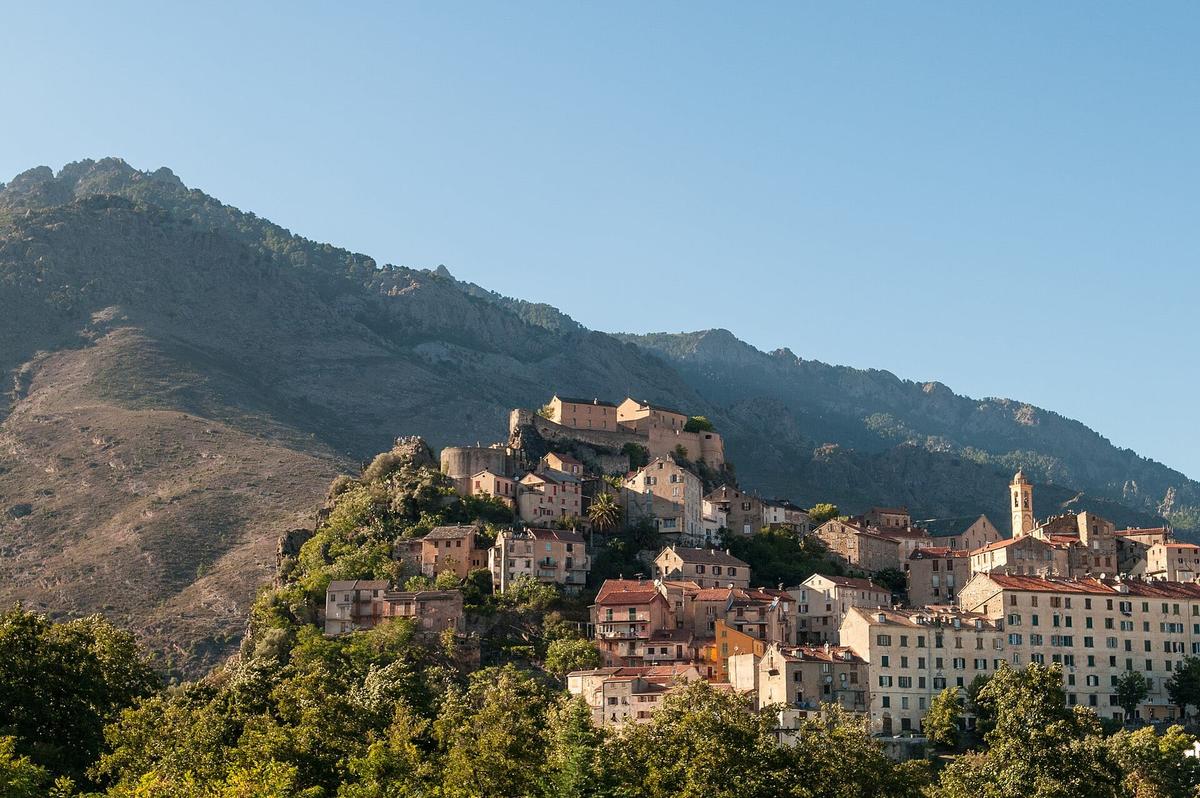
Corte is not a seaside town, and that is what makes its citadel interesting. The other great citadels on the island, such as Bonifacio, Calvi or Bastia, keep watch over a harbour. Corte's keeps watch over the interior: the meeting point of the valleys, the mountain roads and the route between the north and south of the island.
The first castle was built in 1419 by Vincentello d'Istria, count and viceroy of Corsica, a vassal of King Alfonso V of Aragon. This castle, sitting right at the top of the rock, is what locals call the Eagle's Nest. The citadel you visit around it, with its barracks and ramparts, mostly dates from the 18th century. The Padoue barracks were completed in 1776.
Pasquale Paoli's capital. In the mid-18th century, Pasquale Paoli took the lead of Corsica's revolt against Genoa and made Corte the capital of his government. The town became home to the institutions of the young Corsican nation, and a university was founded there. The dream of independence ended with the defeat at Ponte-Novu on 9 May 1769, against French troops. The University of Corsica, named after Pasquale Paoli, reopened in Corte in the 1980s, which explains the student atmosphere in town today.
A citadel that stayed military. After Corsica became part of France, the citadel kept a military role for two centuries. From 1962 to 1983, it was used by a French Foreign Legion training unit. It opened to the public in 1984, then became the home of the Museum of Corsica.
What to see in the citadel and the Museum of Corsica
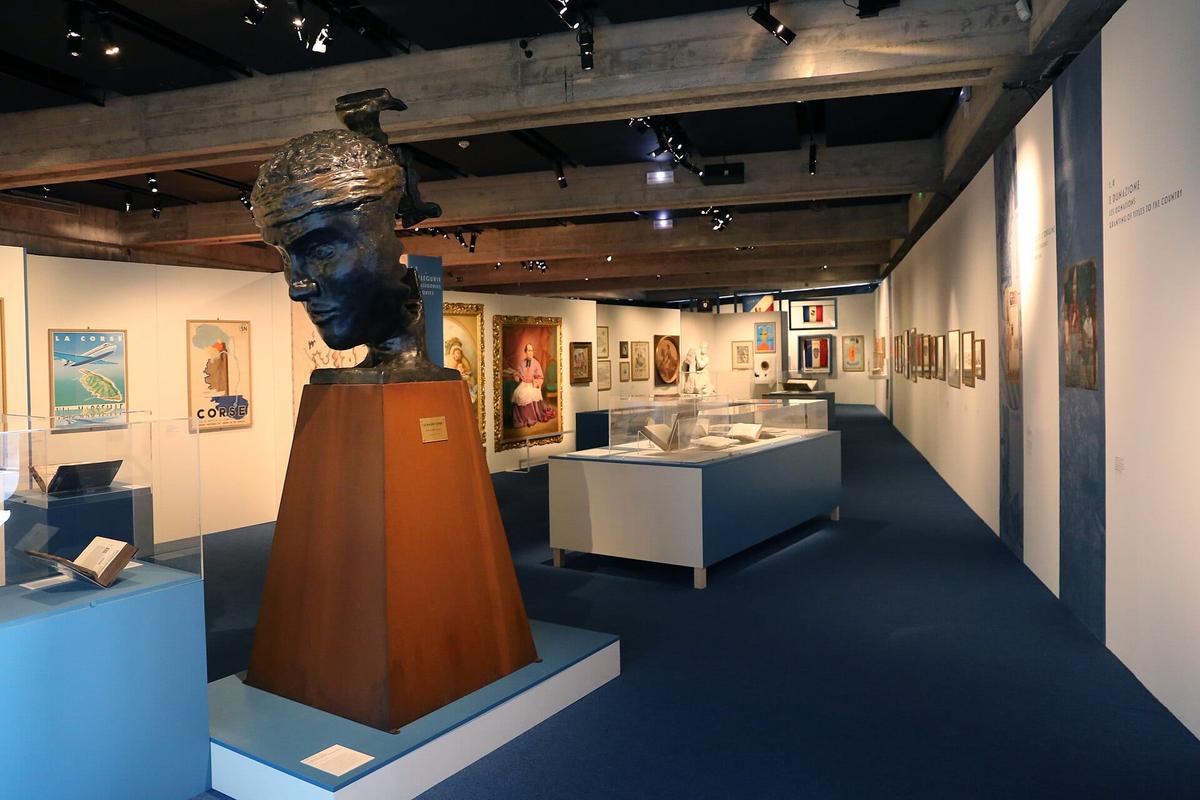

The Museum of Corsica. The regional anthropology museum occupies part of the restored military buildings. It does not tell Corsica's history ruler by ruler: it shows how the island's people lived. Shepherds and seasonal migration of flocks, woodwork and chestnut growing, farm tools, clothing, religious objects, music and brotherhoods. You come away understanding how a mountain village lived a century ago, which explains a lot of what you will see as you cross the mountains afterwards.
The museum also puts on temporary exhibitions. In autumn 2026, the exhibition "Sguardi novi" showed new acquisitions, and the museum opened its stores to the public during one-off events. Children's workshops and guided tours of the restored citadel are listed in the museum's programme, especially during the European Heritage Days in September.
The viewpoint. From the citadel terraces, the view takes in the Restonica and Tavignano valleys, which meet at the foot of Corte, and the mountains that close them off. It is the best place to understand why the town was chosen as capital: it holds the centre of the island.
The Eagle's Nest. Vincentello d'Istria's castle, clinging to the tip of the rock, is the outline everyone photographs. The best view of it is not from inside the citadel but opposite, from the public viewpoint in the upper town, below Place Gaffory.
FRAC Corsica. The regional contemporary art collection is based in the castle. It holds contemporary art exhibitions, separate from the museum tour.
The upper town. Before or after the citadel, take time to walk up Cours Paoli to Place Gaffory, with its statue of General Gaffory and the Church of the Annunciation. The steep lanes of the old town lead straight to the citadel entrance.
How long does it take to visit?
The museum and the viewpoint take half a day at an easy pace. Add the upper town and lunch on Cours Paoli, and the whole morning goes by easily.
Our tip: start with the upper town on foot in the morning, while it is still cool, then go into the museum. Keep the afternoon for the Restonica gorges, or for the drive to Ajaccio or Bastia. In summer, the interior of the island is often very hot in the early afternoon, and the walk up to the citadel is in full sun.
Opening hours and tickets
The Museum of Corsica's opening hours change with the season. We could not check the 2026 opening hours and prices against an official source on the date of checking: ask the museum or the Corte tourist office before you go, especially outside July and August.
Be careful with websites that use old web addresses of the museum: make sure the page you are reading belongs to the museum or to the Collectivité de Corse.
How to get to Corte Citadel
By train. Corte is served by the Chemins de fer de la Corse, on the lines linking Ajaccio to Bastia and Ajaccio to Calvi. The journey from Ajaccio crosses the mountains over viaducts and through tunnels: it is a trip in itself. The station is at the bottom of town; expect a good climb on foot to the upper town and the citadel. With luggage or small children, take a taxi or plan breaks.
By car. Corte is on the road that crosses the island between Ajaccio and Bastia. Corsican roads are slow: bends, passes, camper vans and herds of animals. From Ajaccio, allow about an hour and forty minutes for just over 80 km, more in summer. Park at the bottom or halfway up, then walk: the upper town streets are narrow and parking there is difficult.
Without a car, from Ajaccio. The train lets you do the round trip in a day. Check the time of the last train back before you set off: services are limited, especially out of season.
Renting a car. To link Corte, the Restonica and the mountain villages, a car is still the simplest option. Ajaccio airport and station are the most convenient places to rent before crossing the island.
Partner links: if you book through these links, we earn a commission at no extra cost to you. Partner links · Learn more
The Restonica gorges, right next door
The Restonica valley starts at the foot of Corte. A narrow road climbs up the gorges to the car park at the Grotelle sheepfold, the starting point of the trail to the lakes of Melo and Capitello. In summer, car access may be restricted: ask in Corte before driving up. Set off early in the morning, as the road is narrow and fills up quickly.
The river's rock pools along the road draw swimmers in summer. The water comes down from the mountains and stays cool. On the rocks, wear shoes with a good grip: they are slippery.
The simplest plan: the citadel and upper town in the morning, a picnic and a swim in the Restonica in the afternoon.
Visiting Corte with children
The citadel appeals most to children from about 7 or 8: the ramparts, the viewpoint and the outline of the Eagle's Nest speak to them more than display cases. In the museum, everyday objects (tools, musical instruments, costumes) are easier to explain than a painting gallery. The museum runs children's workshops at certain times: check its programme.
With a pushchair, the climb to the upper town and the citadel is steep and cobbled. A baby carrier is more practical.
After the visit, the Restonica makes a good reward: a swim in a shallow pool, or a short walk along the river.
Guided tours and day trips
The museum offers guided tours of the restored citadel on certain dates. From Ajaccio or Bastia, agencies run day trips by minibus or train into the centre of the island, with a stop in Corte.
Guided tours and day trips on GetYourGuide
What to visit near Corte on the same day
| Also worth seeing | Distance | Travel time |
|---|---|---|
| Maison Bonaparte | 83 km | 100 min by car |
| Palais Fesch | 83 km | 100 min by car |
Approximate road distances and travel times.
Corte is in the middle of the island, which makes it a good stop between two regions, but not a base for seeing everything. The travel times in the table are a guide and are often exceeded in summer.
Ajaccio. Heading down to the west coast, Napoleon's birthplace and the Palais Fesch, with its large collection of Italian paintings, are in the same town. See also: Maison Bonaparte, Palais Fesch
To the west. The road from Corte to the coast over the Col de Vergio and through the Aïtone forest leads to the Calanques de Piana and the boats for the Scandola Nature Reserve. It is a very beautiful road, but slow: plan a night there. See also: Calanques de Piana, Scandola Nature Reserve
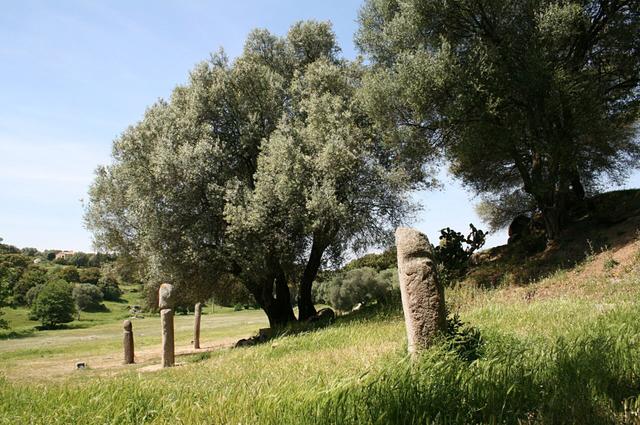
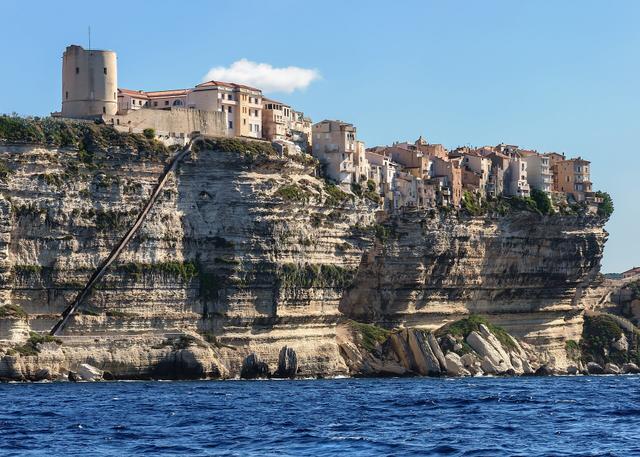
To the south. Bonifacio, the Bavella Needles and the prehistoric site of Filitosa are a long way from Corte: keep them for another day. See also: Bonifacio Citadel, Bavella Needles, Filitosa
To plan the rest of your trip: See also: Corsica
Corte Citadel in six dates
- 1419: Vincentello d'Istria has the castle built on the rock.
- 18th century: Pasquale Paoli makes Corte the capital of independent Corsica.
- 1769: defeat at Ponte-Novu, end of Paoli's government.
- 1776: the Padoue barracks are completed.
- 1962-1983: the French Foreign Legion occupies the citadel.
- 1984: the citadel opens to the public, before the Museum of Corsica moves in.
Facts and stories
- The only inland citadel. Of the island's 6 citadels, Corte is the only one built inland. The others protect harbours.
- Legionnaires until 1983. The museum occupies buildings that were still used to train French Foreign Legion recruits in the early 1980s.
- A hunger strike in the Eagle's Nest. In April 2015, around twenty activists from a pro-independence student union occupied the old castle for a hunger strike, a reminder that Corte remains a symbolic town for the Corsican nationalist movement.
Where to eat and stay in Corte
Eating. Cours Paoli and Place Gaffory have most of the cafés and restaurants, with shaded terraces. In the upper town, several restaurants serve mountain food: charcuterie, ewe's milk cheese and dishes made with chestnut flour. For a picnic by the Restonica, shop in town before you drive up.
Staying. Corte has hotels in town and campsites near the entrance to the Restonica. It is a handy stop when crossing the island, or a base for two days of hiking. In summer, book early: the town is small and also hosts hikers from the GR20 long-distance trail, which passes nearby.
FAQ
Why is Corte called the former capital of Corsica?
Because Pasquale Paoli set up the government of independent Corsica there in the 18th century, until the defeat at Ponte-Novu in 1769.
What is Corte's Eagle's Nest?
It is the old castle built in 1419 by Vincentello d'Istria at the top of the rock, above the citadel.
Can I get to Corte by train?
Yes. Corte is served by the Chemins de fer de la Corse on the lines between Ajaccio and Bastia and between Ajaccio and Calvi. The station is at the bottom of town.
How much time should I allow for the citadel and the museum?
Half a day, and a full day if you add the upper town and the Restonica gorges.
What can you see at the Museum of Corsica?
Traditional island life: shepherding, crafts, tools, music, clothing and religious life, plus temporary exhibitions.
Are the Restonica gorges far from the citadel?
No, the valley starts at the foot of Corte. The road is narrow and very busy in summer.
Practical information
Address
Musée de la Corse, La Citadelle, 20250 Corte, France
Directions
On site and nearby
- Nearest shops and pharmacy: Corte, less than 1 km away Straight-line distance, based on OpenStreetMap.
- Emergencies: 112 (all emergencies, free from any phone), 15 (SAMU, medical emergency)
Around the site, on Google Maps
With children
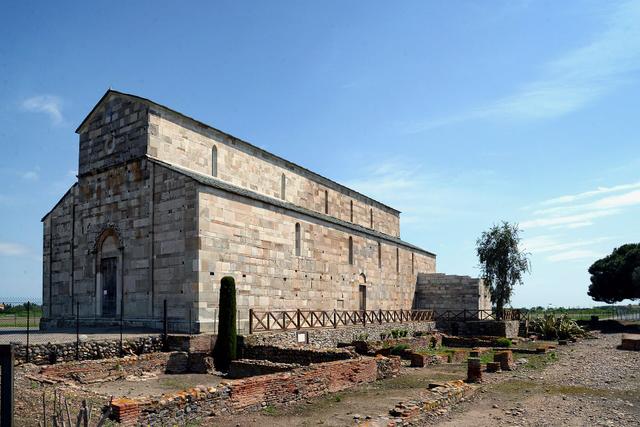
Family days out nearby: Parc Galea (34 km), A Cupulatta (37 km), La Canonica and Mariana archaeological site (38 km)
Swimming pools and play areas nearby, on Google Maps
Facts checked on 29 October 2026. Sources: en.wikipedia.org, fr.wikipedia.org, guide-tourisme-france.com
Map
In the same region
- Parc Galeafrom €10Free under 3