Alta Rocca Museum in Levie: visiting Corsica's prehistory museum
Alta Rocca Museum at a glance
- 1 October 2026 to 31 May 2027
- 10:00 – 17:00 (closed on Monday and Sunday)
- Full price
- €4
- Free
- under 10
- Time needed
- about 1 h
- Where
- Levie
Official ticket-office prices, checked on 11 November 2026. Full opening hours, reduced prices and access
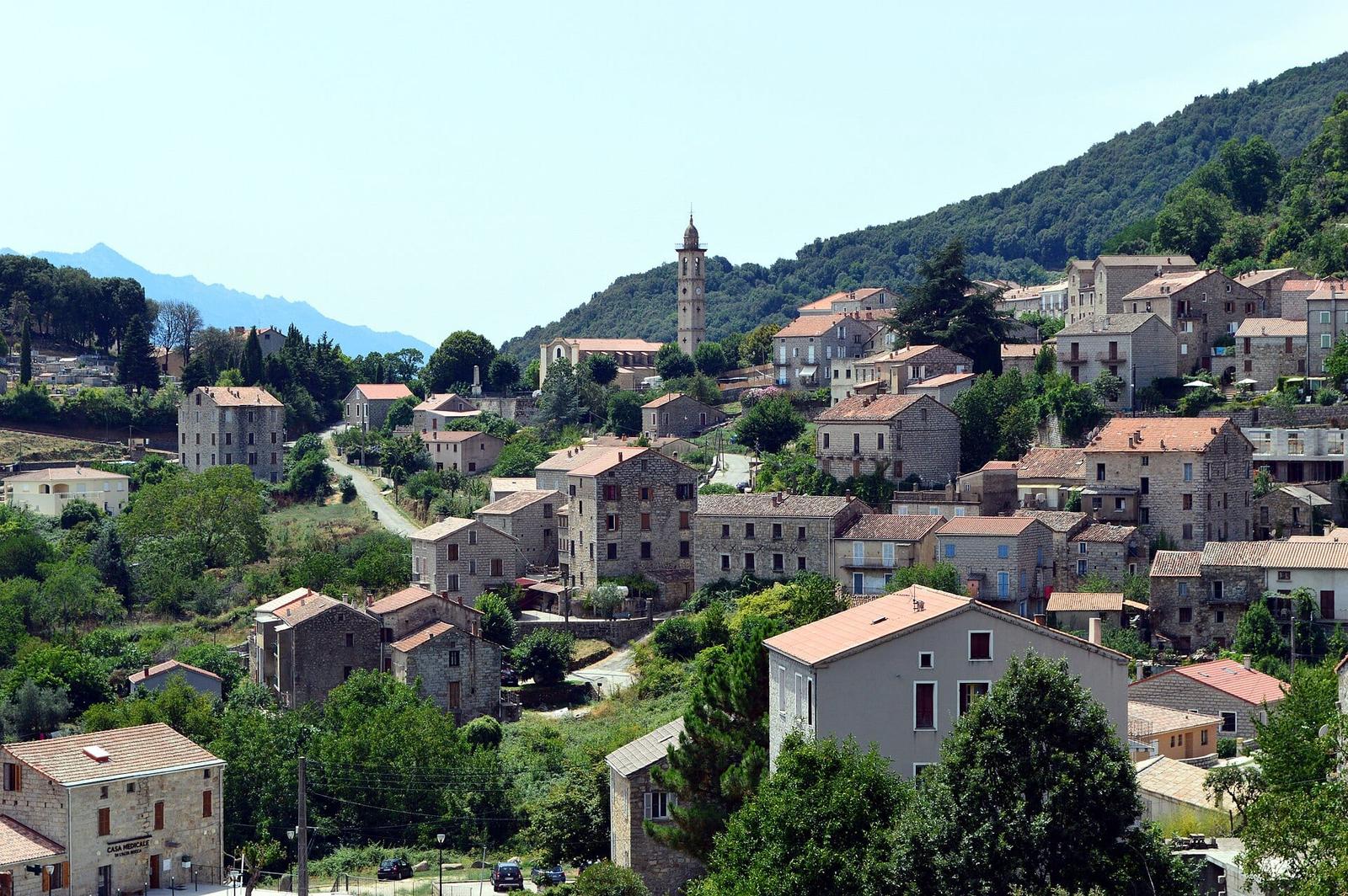

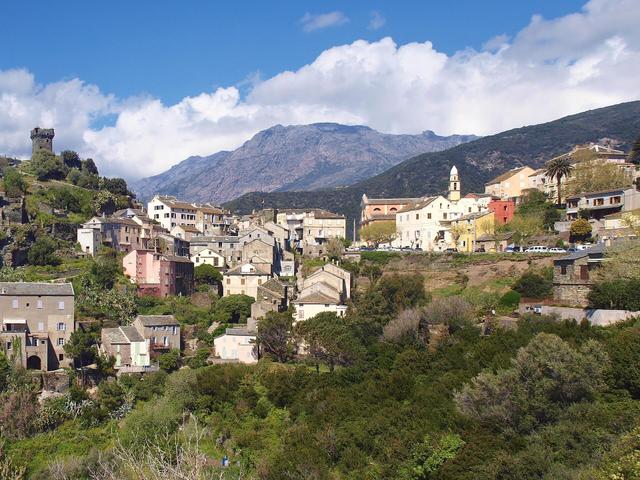
In the heart of the village of Levie, the Alta Rocca Museum tells the story of 10,000 years of human life in the mountains of southern Corsica. Here you can see the Lady of Bonifacio, the oldest known human skeleton on the island, and finds from the excavations at Cucuruzzu and Capula. The museum is small, cheap and open all year. Here are the opening hours, prices, what to look out for and how to combine it with the nearby archaeological sites.
Alta Rocca Museum at a glance
- Where: in the village of Levie (Livia in Corsican), Pratu district, in the Alta Rocca (Corse-du-Sud), 39 km from Porto-Vecchio and 29 km from Sartène.
- Price: €4, reduced rate €3, free for children under 10.
- Open: 10:00 – 17:00. From June to September, Monday to Saturday; from October to May, Tuesday to Saturday. Closed on Sundays and public holidays.
- Time needed: allow about an hour.
- Best for: anyone curious about prehistory, families looking for an indoor outing, and everyone heading to the Castellu de Cucuruzzu.
- Good to know: it is one of the few sites in the Alta Rocca open in winter. It is closed on Mondays from October to May.
Why visit the Alta Rocca Museum?
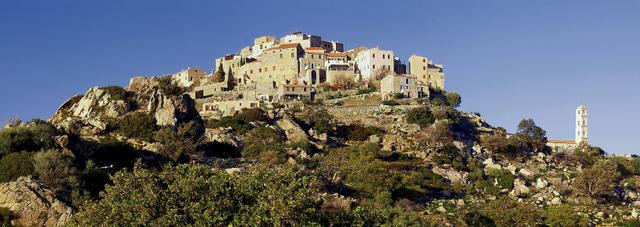
The Alta Rocca is the mountain area between the Cuscionu plateau and the Bavella needles, above Porto-Vecchio. People have lived here since the Mesolithic, and the ground is rich in archaeological sites: Cucuruzzu, Capula, Caleca, Curacchiaghju. The museum in Levie brings together what the excavations found.

The permanent exhibition covers more than 10000 years of human presence, from the Mesolithic to modern times, according to the Corsican Tourism Agency. It holds the "Musée de France" label. It is now run by the Collectivité de Corse, even though many signs and guidebooks still call it the "departmental museum".
According to Wikipedia, its founder was the archaeologist François de Lanfranchi. He led the excavations at Cucuruzzu for decades and discovered the Lady of Bonifacio. The museum is in a way the showcase of his work.
If you plan to see the Castellu de Cucuruzzu, call in at the museum before or after. The finds from the site are not displayed there: the pottery, millstones and grinders are shown here. The two visits complement each other.
The Lady of Bonifacio, Corsica's oldest skeleton
This is the piece everyone comes to see. The Lady of Bonifacio is the skeleton of a woman who lived in the Mesolithic. The Corsican Tourism Agency dates her to around 7,500 BC. She is the oldest known human remains on the island.
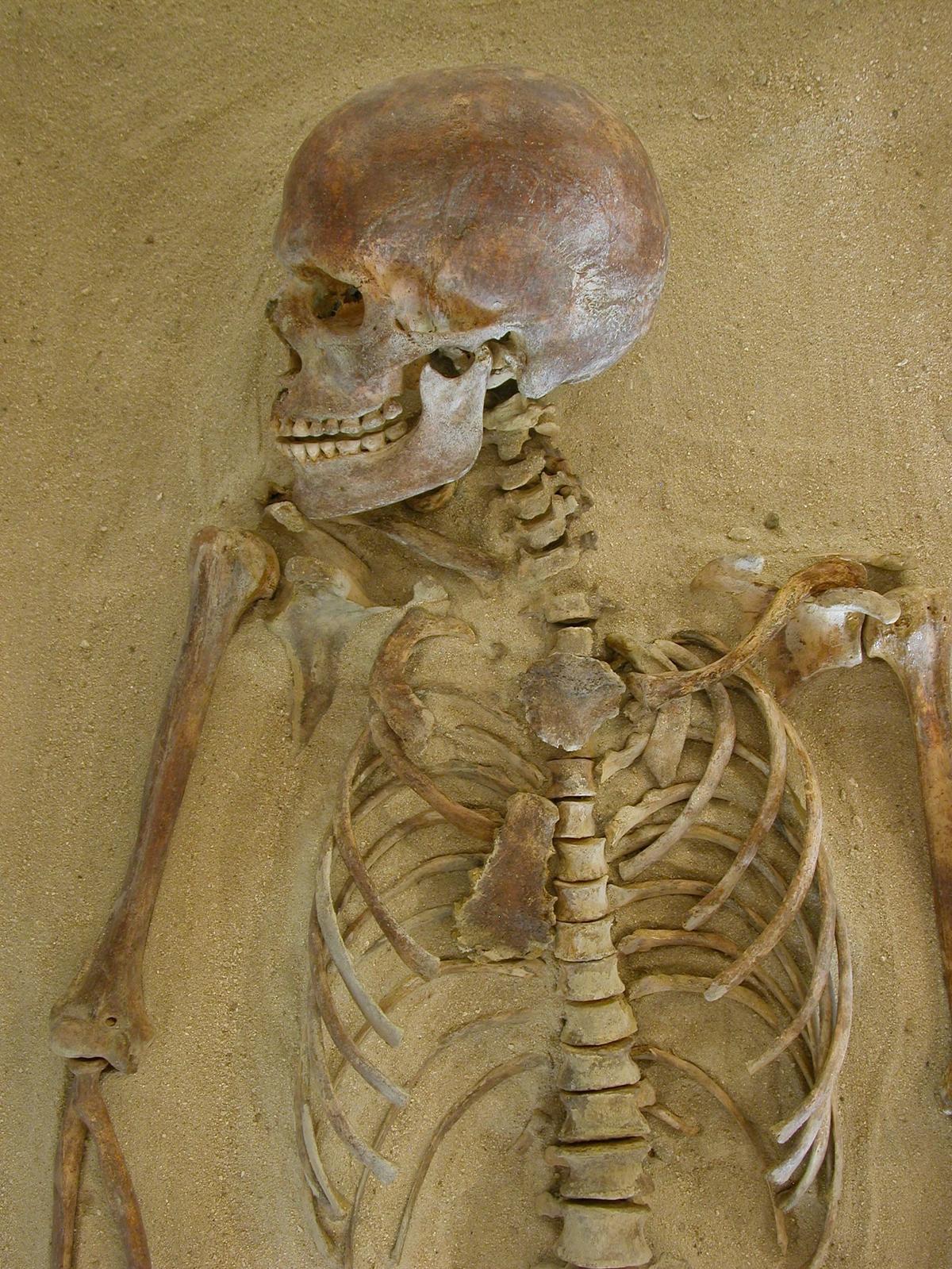

She was discovered in 1972 by François de Lanfranchi and Michel-Claude Weiss in the Araguina-Sennola rock shelter in Bonifacio. She was 1.54 m tall and died at around 30 or 35.
What her skeleton tells us. According to Wikipedia, her bones show signs of a very hard life: a fracture of the left forearm that was never set, paralysis of the left arm, a foot deformity that probably stopped her from standing normally, arthritis and a benign bone tumour. She is thought to have died of an infection linked to a broken molar. That she lived to 30 with such disabilities shows that her group took care of her.
An ochre burial. She was buried on her back, in the very place where her group lived, and covered with a large amount of red ochre. This rite recalls Mesolithic burials on the mainland.
What else is there to see in the museum?
The exhibition follows a chronological order. Here are the main stages, according to the Corsican Tourism Agency.

The Mesolithic (9000 to 6000 BC). The island's first inhabitants, with the Lady of Bonifacio.
The Neolithic. The first farmers and herders. Pottery, tools of flint and obsidian. Obsidian is not found in Corsica: it came mainly from Sardinia, which proves that trade between the two islands is very old.
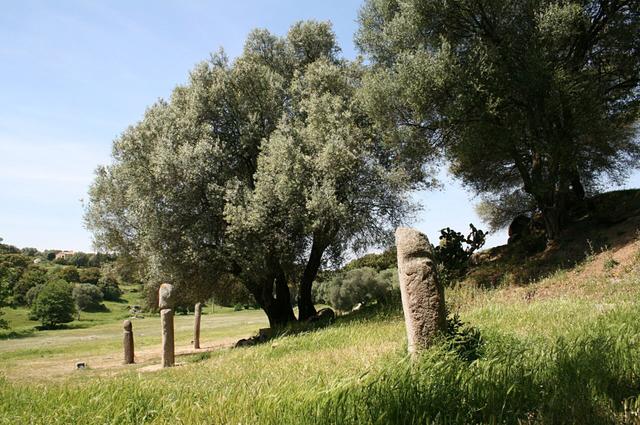
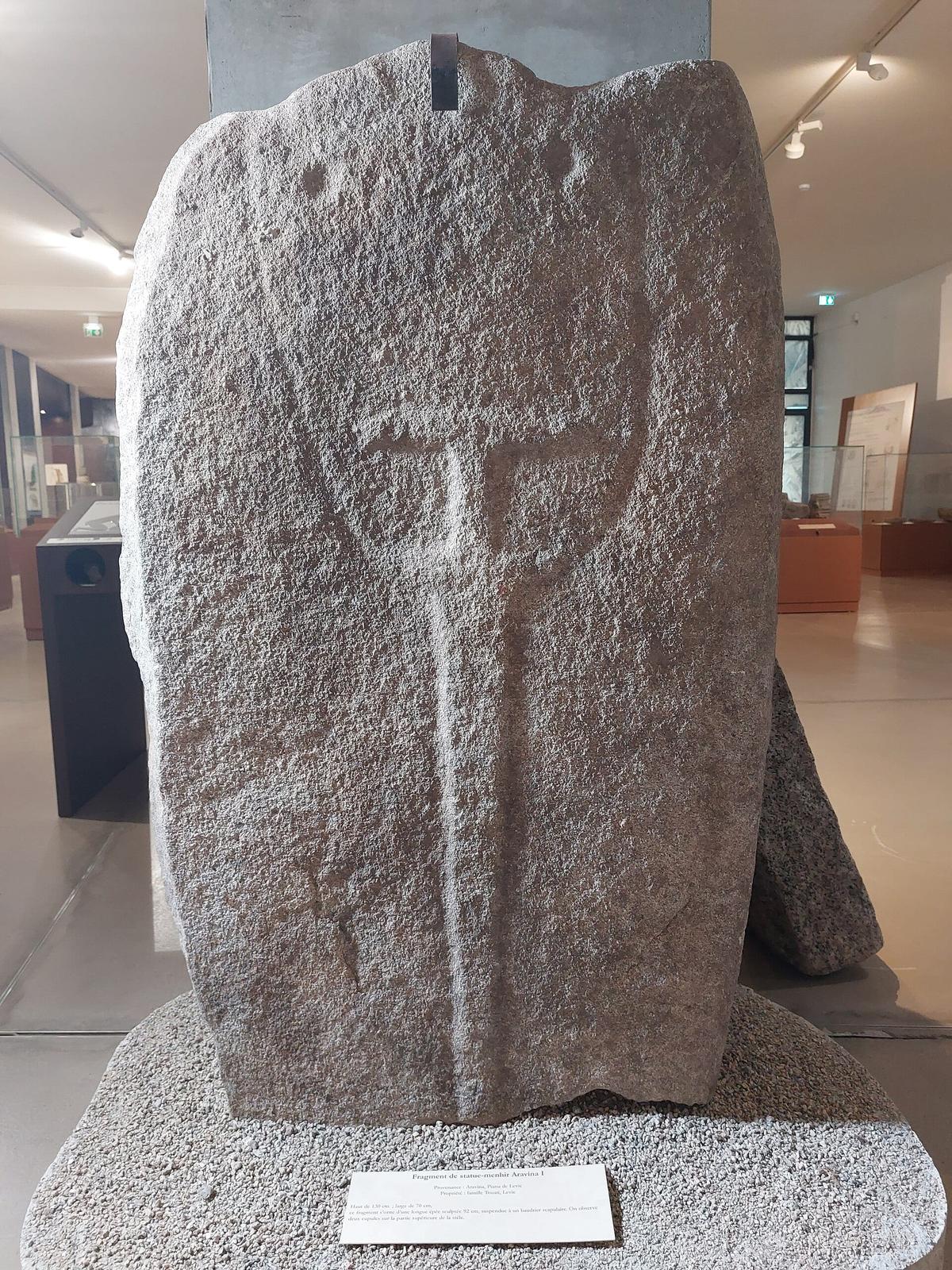
The Bronze Age. This is the period of the castelli, such as Cucuruzzu and Capula, and of the statue-menhirs of southern Corsica. The museum shows a fragment of the Aravina I statue-menhir and finds from the region's fortified sites.
The Iron Age and Antiquity. Jewellery, pottery fragments, metal tools.
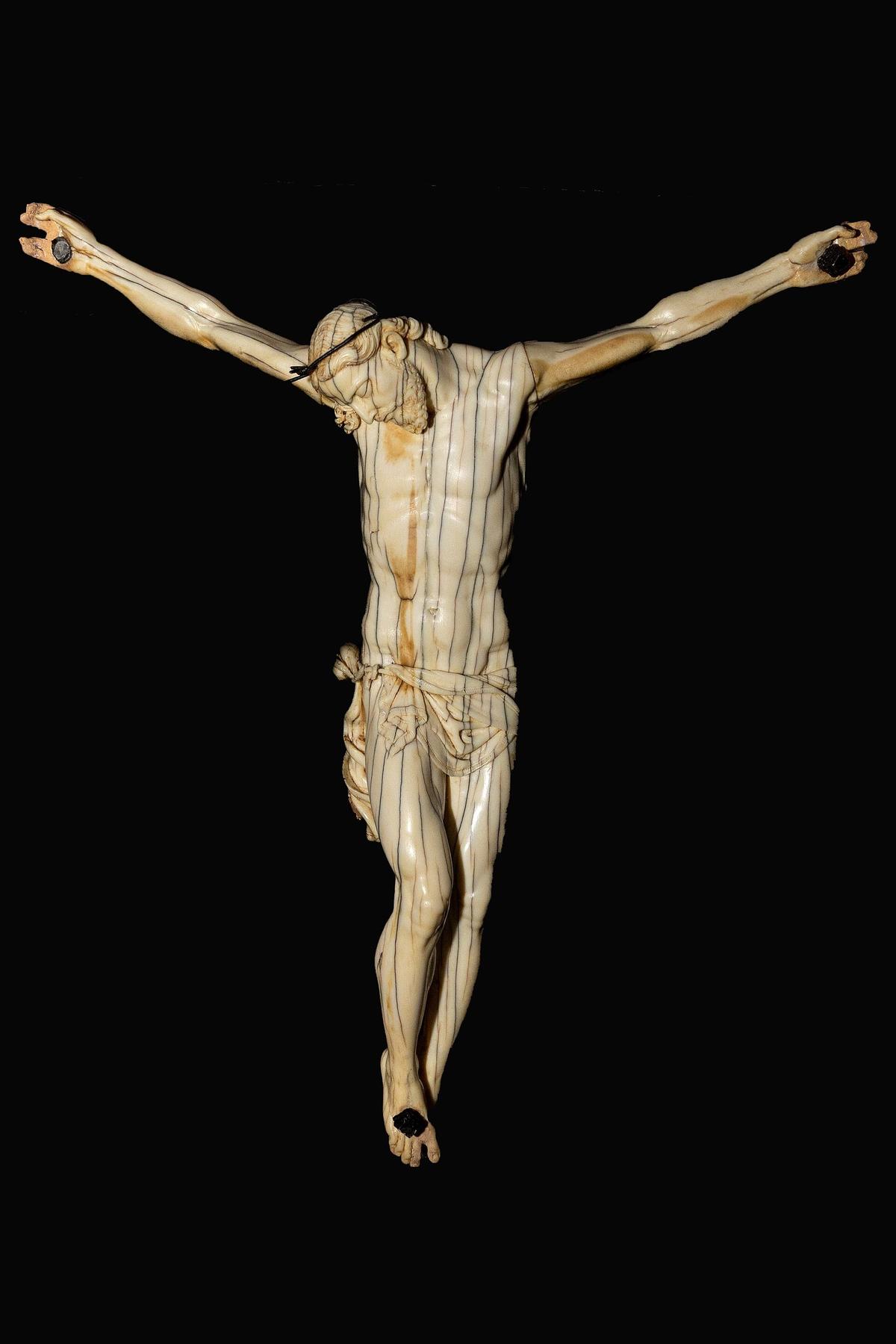
The Middle Ages and modern times. Painted and glazed tableware, coins, a 16th-century ivory Christ, animal bells and objects from rural life. They are a reminder that the Alta Rocca long lived from livestock farming.
The museum also hosts temporary exhibitions on archaeology, local resources or contemporary art.
The Nuragica exhibition: ended September 2026
In 2026, the museum hosted Nuragica, a large immersive exhibition on the Nuragic civilisation of Sardinia, from 8 January 2026 to 30 September 2026. It was the first time the exhibition had left Sardinia and Italy, after stops in Naples, Milan and Cagliari.
It had 10 spaces: life-size reconstructions of Nuragic towers and "giants' tombs", a model of the Mont'e Prama site, and virtual reality headsets. It compared the Sardinian nuraghi with the torre of southern Corsica, around 1500 BC.
The exhibition has now closed. If you missed it, the torra at Cucuruzzu, a few minutes from the museum, shows a Bronze Age tower whose stone slabs recall those of the nuraghi. For the next temporary exhibition, check the heritage page of the Collectivité de Corse.
A story. At the opening, the museum's director, Kewin Peche-Quilichini, paid tribute to François de Lanfranchi, the first Corsican archaeologist to work regularly with Sardinian researchers, according to the daily L'Unione Sarda. This collaboration with the universities of Sassari and Cagliari has lasted for decades.
How much does it cost?
2026 prices published by the Collectivité de Corse:
- Full price: €4.
- Reduced rate and families: €3.
- Free: for children under 10.
The museum's previous press kit, for 2024-2025, also listed free entry for jobseekers, school groups, under-25s living in Corsica, and disabled visitors with their carer. Ask at the front desk if any of these apply to you.
The Corsican Tourism Agency says the museum accepts cash and cheques. Bring cash.
Do you need to book?
Not for an individual visit. Guided tours of the exhibition and children's workshops are by booking only, through the museum's front desk on +33 4 95 78 00 73.
If you are looking for a guided activity in the area (canyoning at Bavella, hiking, a boat trip from Porto-Vecchio or Bonifacio), most of them leave from those towns.
Partner links: if you book through these links, we earn a commission at no extra cost to you. Partner links · Learn more
Guided tours and day trips on GetYourGuide
2026 opening hours: when is the museum open?
Opening hours published by the Collectivité de Corse:
- June to September: Monday to Saturday, 10:00 – 17:00.
- October to May: Tuesday to Saturday, 10:00 – 17:00.
- Closed: Sundays and public holidays. The 2024-2025 press kit listed 1 January, 1 May, 1 November and 11 November.
Note that the museum closes at 5 pm, even in high summer. If you are driving up from the coast, set off early. On rainy or very hot days, the afternoons are often busier, as it is one of the few indoor visits in the area.
How long does it take to visit?
Allow about an hour for the permanent exhibition. Add half an hour if there is a temporary exhibition. With the Castellu de Cucuruzzu, plan on half a day.
Visiting with children
The museum is small, which suits children: they do not get bored. The skeleton of the Lady of Bonifacio usually makes an impression. Tell them her story before you go in: a disabled woman who survived thanks to her group, nearly 10,000 years ago.
Entry is free for children under 10. The museum runs workshops for young people, by booking. The best plan for a family: the museum in the morning, a picnic, then the woodland walk to Cucuruzzu when the site is open.
Accessibility
The Corsican Tourism Agency says the museum welcomes disabled visitors. Call the front desk for details of access.
How to get to the Alta Rocca Museum
By car. It is the only practical option. The museum is in the village of Levie, in the Pratu district.
- From Porto-Vecchio: 39 km on a mountain road.
- From Sartène: 29 km.
- From Bonifacio: allow a little over an hour.
The roads of the Alta Rocca are narrow and winding. Drive slowly and watch out for cows and pigs roaming free.
Renting a car. The nearest airport is Figari. Ajaccio and Bastia are further away but have more flights.
What to see nearby on the same day
| Also worth seeing | Distance | Travel time |
|---|---|---|
| Cucuruzzu and Capula | 5 km | 10 min by car |
| Bavella Needles | 26 km | 40 min by car |
| Bonifacio Citadel | 60 km | 65 min by car |
Approximate road distances and travel times.
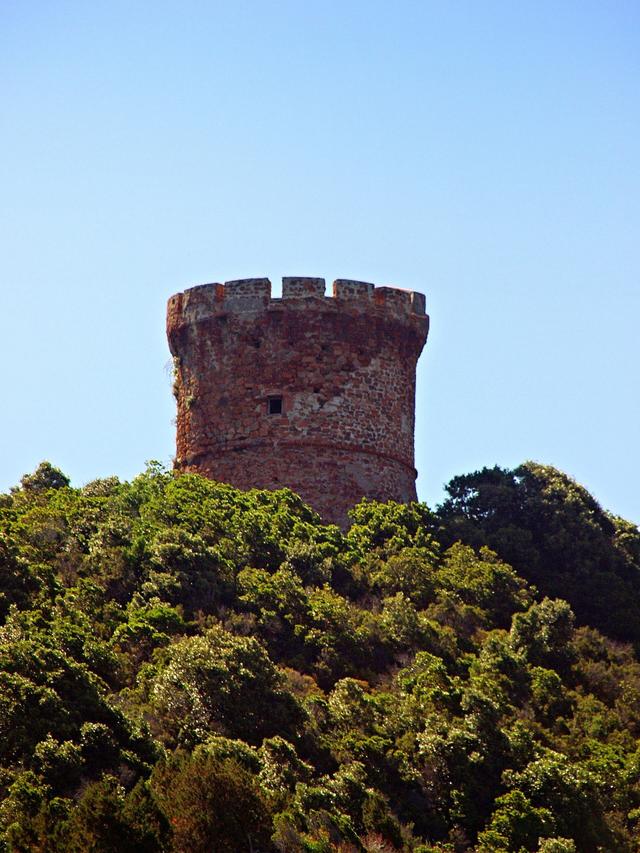
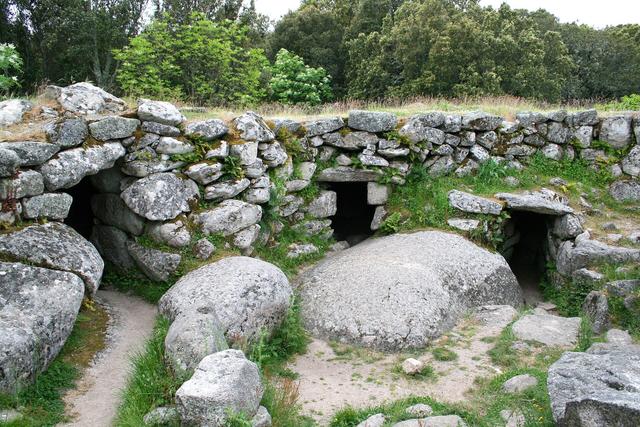
The Castellu de Cucuruzzu and Capula. The archaeological site is a few minutes from the village, on the Pianu di Livia plateau. A woodland path leads to the Bronze Age fortress, then on to Capula. It is the natural companion to the museum. It can only be visited in the warmer months. See also: Cucuruzzu and Capula
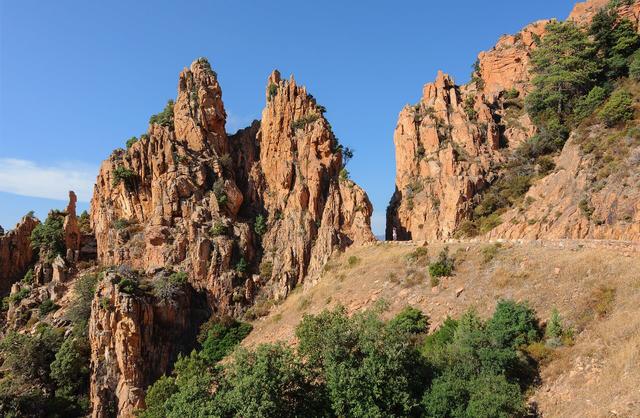
The Bavella needles. The pass and its granite peaks are about forty minutes away via Zonza. Plan a short hike or a picnic. See also: Bavella Needles
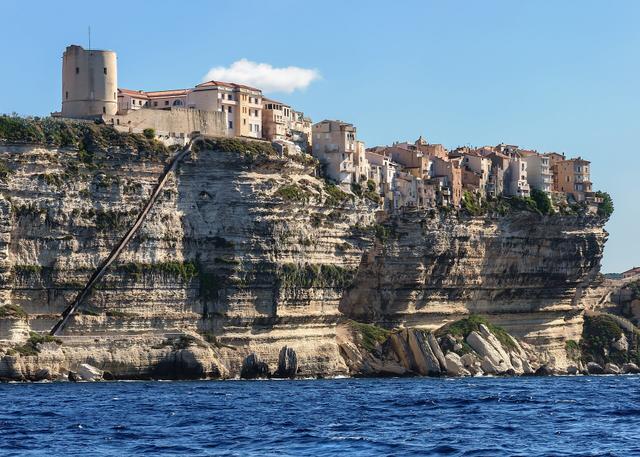
Bonifacio. The clifftop citadel is a little over an hour away. The Lady was found near Bonifacio, at Araguina-Sennola. See also: Bonifacio Citadel
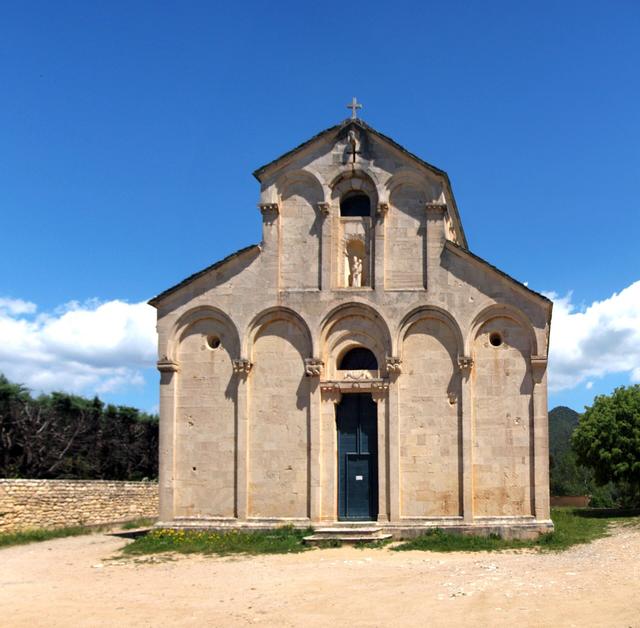
To carry on with Corsican prehistory: the Cauria megaliths near Sartène, and the Filitosa site with its statue-menhirs. See also: Cauria megalithic site, Filitosa Further north: See also: Aleria Roman site, Corte Citadel and Museum of Corsica, Nebbio Cathedral (Santa Maria Assunta), Corsica
Where to eat and stay
Eating. The museum has no restaurant. Levie and Zonza have restaurants serving Corsican food: charcuterie, ewe's milk cheeses, chestnut dishes. In summer, book for lunch. Out of season, many close: check before you go.
Staying. Levie and Zonza have B&Bs and holiday cottages, handy for visiting Cucuruzzu early in the morning and driving up to Bavella. To combine the sea and the mountains, Porto-Vecchio remains the usual base.
FAQ
How much is the Alta Rocca Museum?
€4 full price, €3 reduced rate. Entry is free for children under 10.
Is the Levie museum open in winter?
Yes. From October to May, it opens Tuesday to Saturday, 10:00 – 17:00. It is closed on Sundays, Mondays and public holidays.
Is the museum open on Sundays?
No, neither in summer nor in winter.
Where can I see the Lady of Bonifacio?
At the Alta Rocca Museum in Levie. She is the oldest known human skeleton in Corsica, dated to around 7,500 BC.
Can I still see the Nuragica exhibition?
No. It ran from 8 January 2026 to 30 September 2026.
Should I visit the museum before or after Cucuruzzu?
Either works. Before, you will better understand what you see on the site. After, you will be able to put objects to the ruins you have just walked through.
Practical information
Opening hours 2026
| 1 June 2026 to 30 September 2026 | 10:00 – 17:00 (Closed: Sunday) |
|---|---|
| 1 October 2026 to 31 May 2027 | 10:00 – 17:00 (Closed: Monday and Sunday) |
Closed: 1 January, 1 May, 1 November, and 11 November
Official ticket-office prices 2026
| Full price | €4 |
|---|---|
| Reduced rate | €3 |
| Free | under 10 |
Address
Musée de l'Alta Rocca, quartier Pratu, avenue Lieutenant Aviateur De Peretti, 20170 Levie, France
Directions · Phone+33 4 95 78 00 73
On site and nearby
- Nearest shops and pharmacy: Levie, less than 1 km away Straight-line distance, based on OpenStreetMap.
- Emergencies: 112 (all emergencies, free from any phone), 15 (SAMU, medical emergency)
Around the site, on Google Maps
With children
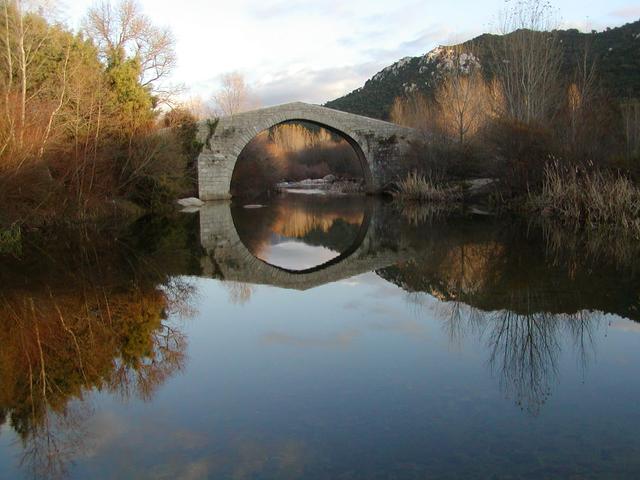
Family days out nearby: Cucuruzzu and Capula (2 km), Bavella Needles (13 km), Spin'a Cavallu Genoese Bridge (13 km)
Swimming pools and play areas nearby, on Google Maps
Facts checked on 11 November 2026. Sources: isula.corsica, isula.corsica, visit-corsica.com, visit-corsica.com, fr.wikipedia.org, visit-corsica.com, unionesarda.it, fr.wikipedia.org
Map
In the same region
- Parc Galeafrom €10Free under 3