Visiting Kaysersberg: a practical guide
Kaysersberg at a glance
- 1 February 2026 to 31 December 2026
- 10:30 – 13:00, 14:00 – 17:30 (closed on Tuesday)
- Admission
- Free
- Free
- under 18s
- Where
- Kaysersberg Vignoble
Facts checked on 12 November 2026. Full opening hours, reduced prices and access
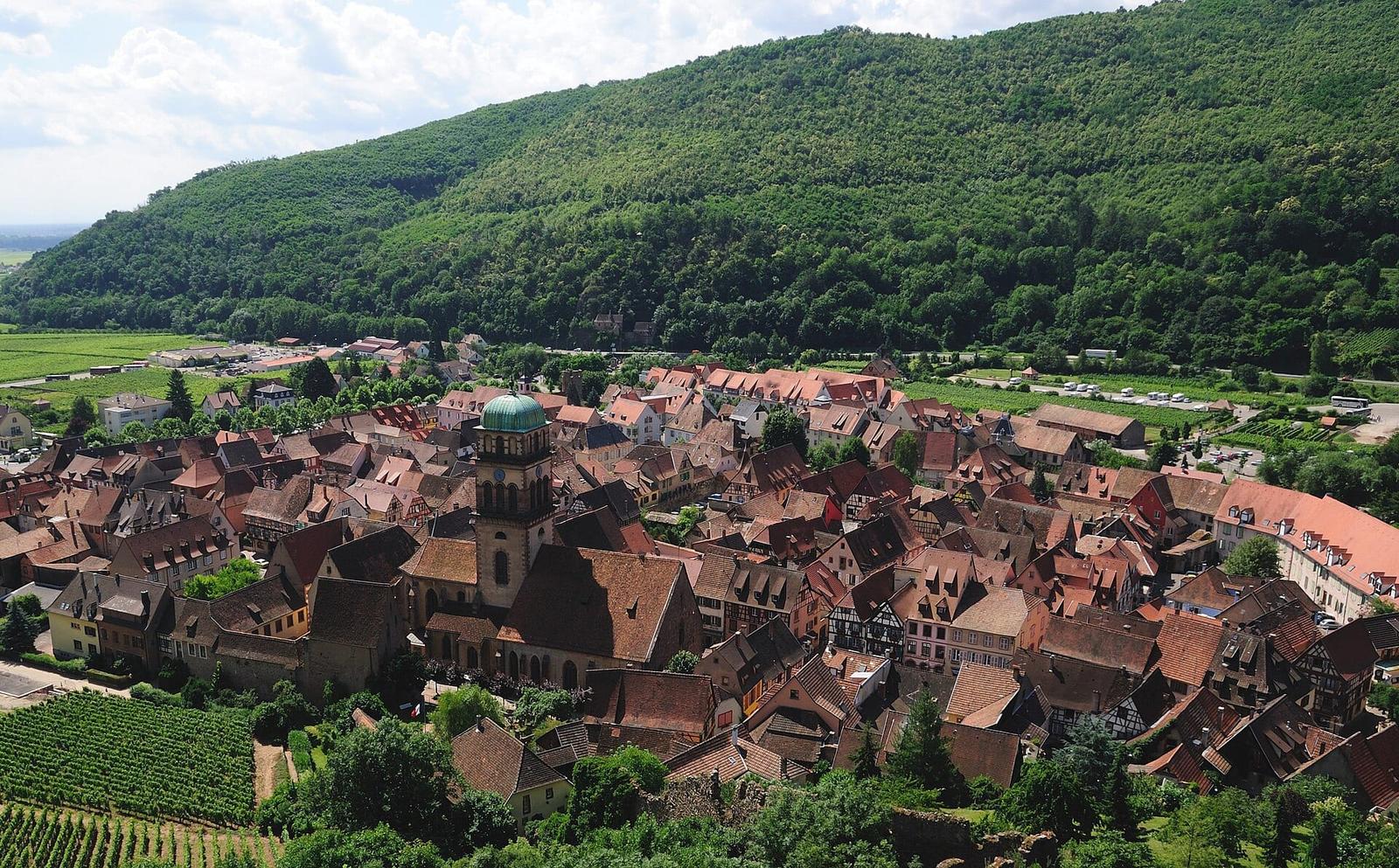

Where the Weiss valley opens out, a few kilometres from Colmar, Kaysersberg lines up its half-timbered houses below a ruined imperial castle. You can wander the village freely, and climb the keep too. Here is what to see, the price of the Schweitzer Centre, where to park and how to avoid the Christmas market crowds.
Kaysersberg at a glance
- Where: in the Haut-Rhin, on the Alsace Wine Route, at the mouth of the Weiss valley, about twenty minutes from Colmar by car.
- Price: the town, the castle and the fortified bridge are free to visit. The Schweitzer Centre costs €7, free for under-18s.
- Schweitzer Centre opening hours: Wednesday to Monday, 10:30 – 13:00 and 14:00 – 17:30. Closed on Tuesdays, in January, on 1 May and on 25 and 26 December.
- Time needed: half a day for the town, the castle and the centre.
- Christmas market 2026: from 27 November 2026 to 20 December 2026, Fridays, Saturdays and Sundays only.
- Good to know: the old town is best explored on foot. The castle takes some effort: 122 steps to the top of the keep.
Why visit Kaysersberg
Kaysersberg means "the emperor's mountain". The name comes from its castle, built on the spur that closes off the Weiss valley. The valley led to Lorraine over the Col du Bonhomme pass: whoever held the castle held the road.
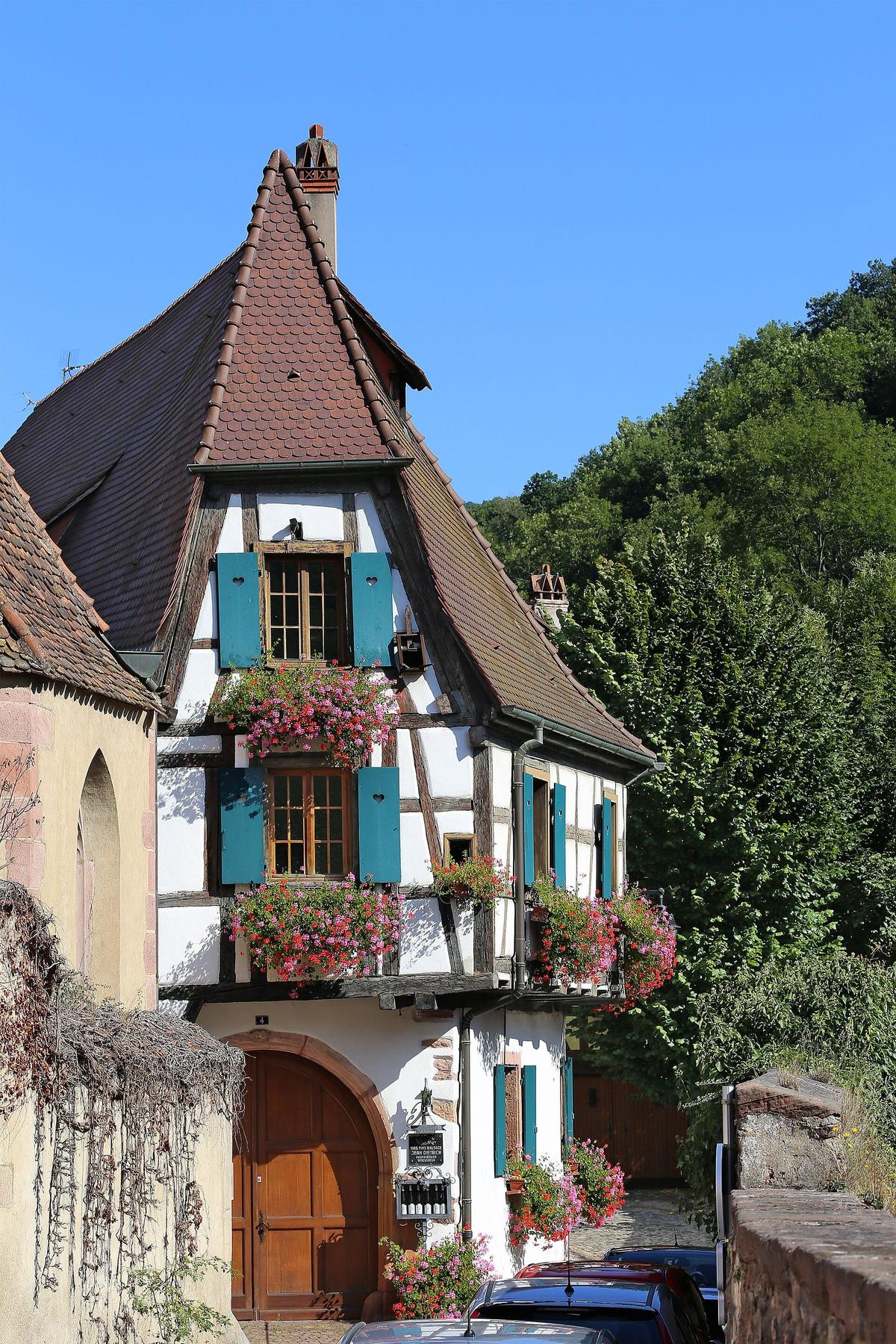

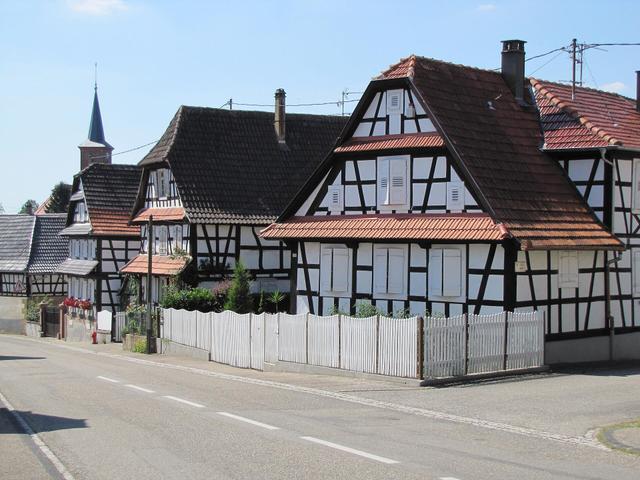
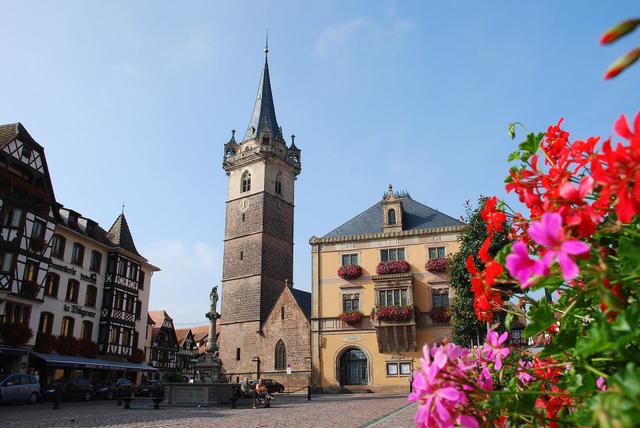
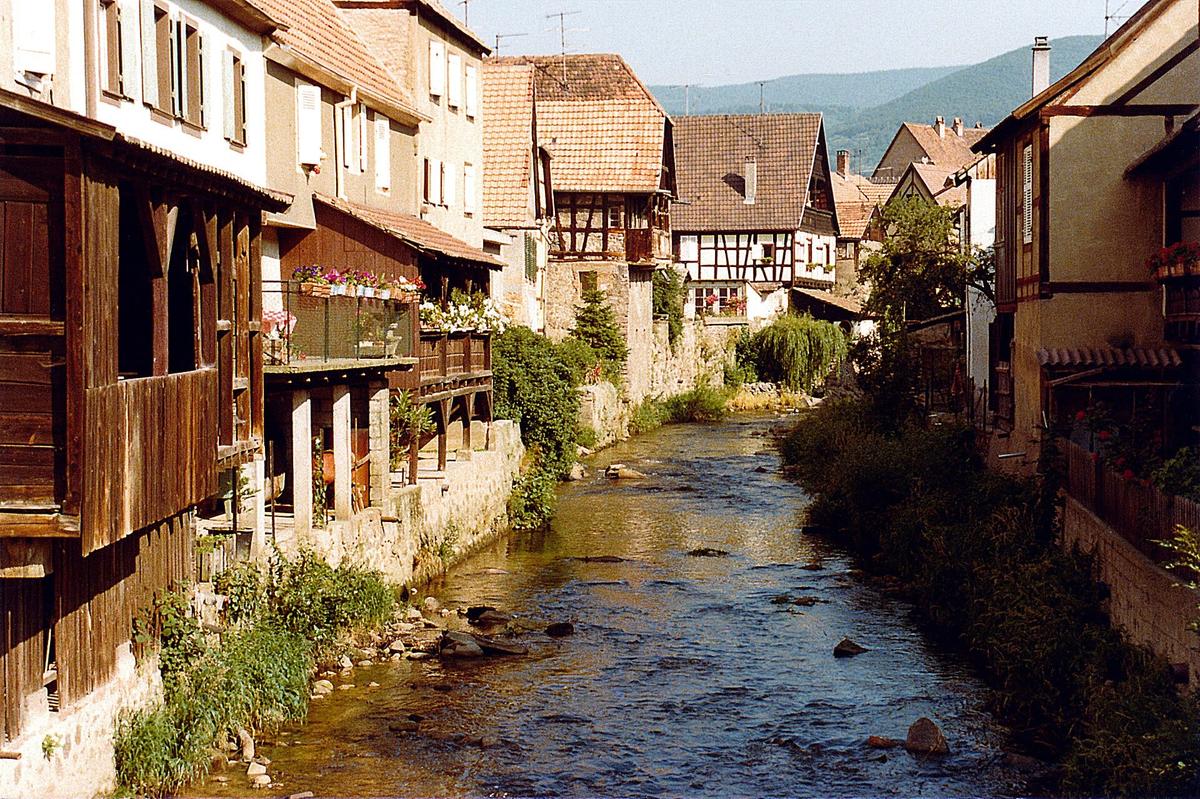
For visitors, Kaysersberg has three things going for it. The first is a main street lined with half-timbered houses and wrought-iron signs, cut in two by the Weiss. The second is a real castle you can climb for free, with a view over the rooftops and vineyards. The third is Albert Schweitzer, doctor, organist and Nobel Peace Prize winner, born here in 1875.
In 2017, the village won the France 3 TV show "Le village préféré des Français" (the French people's favourite village). Visitor numbers have risen sharply since, especially at weekends during Advent. Since 1 January 2016, Kaysersberg has formed the municipality of Kaysersberg Vignoble together with Kientzheim and Sigolsheim: that is the name you will see on addresses and sat navs.
A short history
1227, a castle for the emperor. The earliest document to mention Kaysersberg dates from 1227. Emperor Frederick II, grandson of Frederick Barbarossa, had the site bought to control the valley. According to the association of Alsace castles, it was his bailiff, Woelfelin, who had the castle built shortly before that date. The town was fortified soon afterwards, with ramparts linked to the castle.

A free town of the Decapolis. In the spring of 1354, Emperor Charles IV stayed in Kaysersberg and backed the creation of the Decapolis, an alliance of ten imperial towns in Alsace. Kaysersberg was one of them, alongside Colmar, Haguenau and Sélestat. The alliance lasted about three centuries. The town's finest buildings date from this prosperous period: the Kessler tower in 1371, the fortified bridge in 1514, the Renaissance town hall in 1521.
A wine story. In 1573, Lazarus von Schwendi became the town's imperial bailiff. Legend has it that he brought back vines from Hungary, from the Tokaj region, which are said to have made the reputation of the local wines.
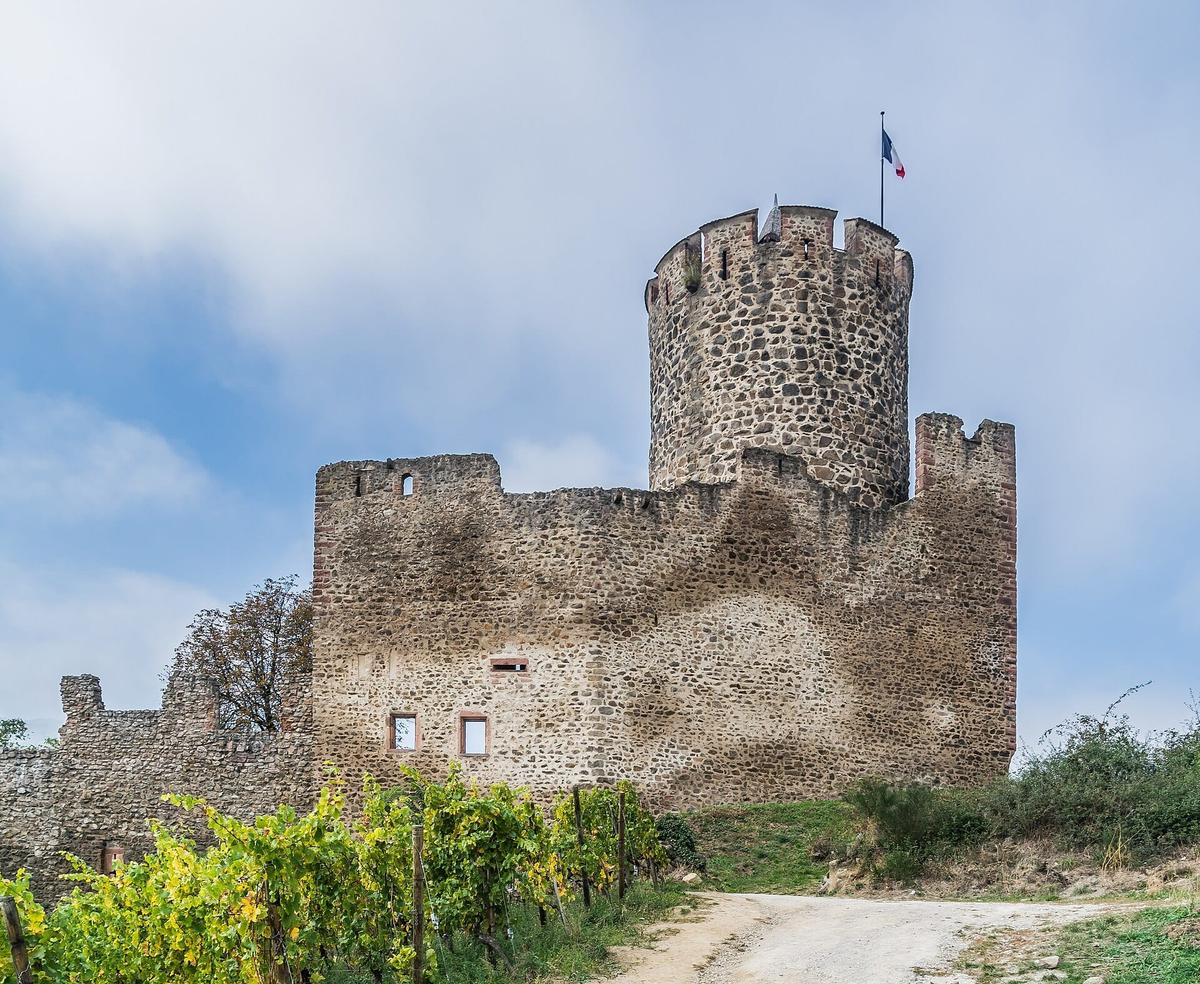
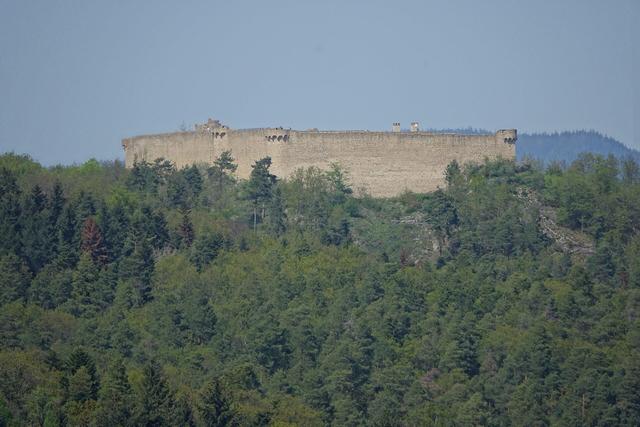
The castle's decline. The Thirty Years' War ruined the town. Around 1600 the castle was already described as dilapidated, and by the end of the war it was no longer habitable. Sold as state property in 1796, it lost its living quarters, which were pulled down to plant vines. All that remains today is the round keep, the curtain wall and the gates.
1944-1945, the Colmar Pocket. In the winter of 1944-1945, Kaysersberg was one of the key points of the Colmar Pocket. The town was liberated after fierce street fighting and artillery fire. It was awarded the Croix de Guerre 1939-1945. Some of the houses you will see were restored after the war.
How much does it cost to visit Kaysersberg?
The town, the castle, the fortified bridge and the Holy Cross church are free to visit. The only paid attraction in the centre is the Schweitzer Centre.
| Schweitzer Centre | Price |
|---|---|
| Full price (over 18) | €7 |
| Reduced rate | €5 |
| Last Sunday of the month, for everyone | €4 |
| Kaysersberg Vignoble residents | €4 |
| Under 18 | free |
| Annual pass | €20 |
| Audio guide | €2 |
The reduced rate applies, with proof, to students, jobseekers, people on RSA income support, disabled visitors and their companion, teachers, and visitors who show a ticket from the Schweitzer house in Gunsbach. Groups of 11 or more paying visitors pay €6 per person.
Money-saving tip: come on the last Sunday of the month, when entry drops to €4 for everyone. The temporary exhibitions on the ground floor are free.
Do you need to book?
No. Kaysersberg is an open town, with no tickets or time slots. At the Schweitzer Centre, booking is only useful for groups and guided tours.
The only thing to book ahead is the Christmas shuttle from Colmar, sold online only and in limited numbers (see below).
If you would like a guided tour of the town or a trip from Colmar that takes in several Wine Route villages, several operators offer them:
Partner links: if you book through these links, we earn a commission at no extra cost to you. Partner links · Learn more
Things to do in Kaysersberg
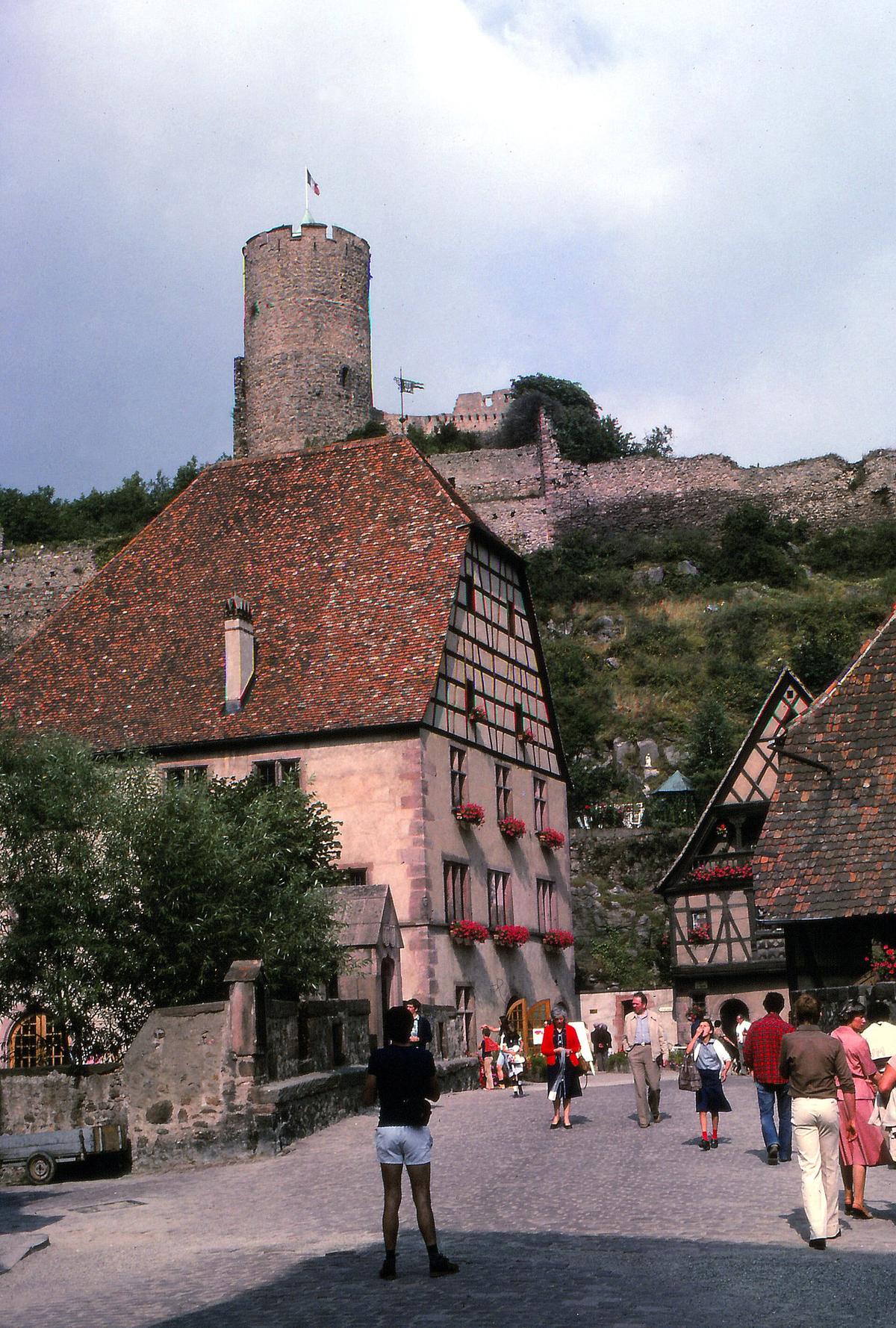
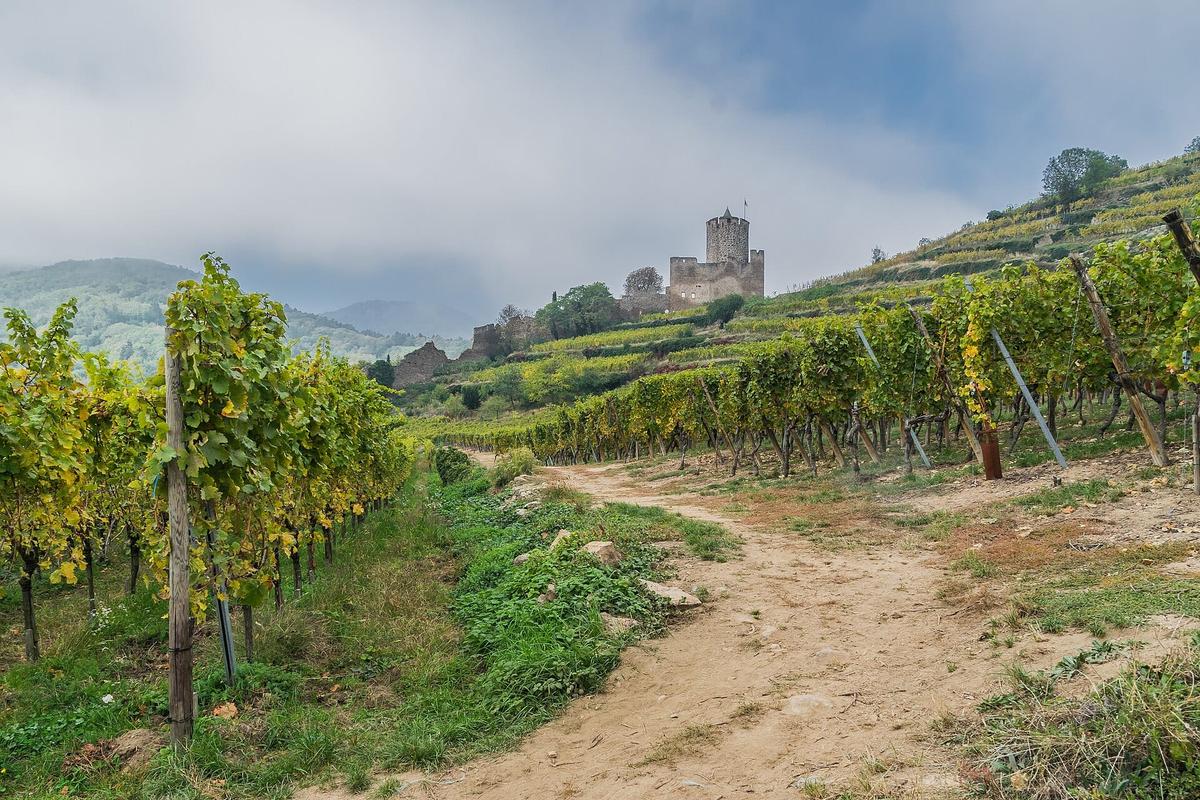
The castle and its keep. This is the one not to miss. A path climbs from the centre to the curtain wall, above the rooftops. The round keep dates from the 1220s. It is 22 metres high and 11.4 metres across, with walls more than 4 metres thick. A staircase of 122 steps leads to the top. From there you can see the whole town, the Weiss valley and the vineyard slopes. The site is open all year and free. Wear good shoes: the path is steep and stony in places.

The fortified bridge. Built in 1514 to stop enemies crossing the Weiss, it still has its parapets pierced with arrow slits. In the middle stands a small oratory chapel. This is the classic Kaysersberg photo, with half-timbered houses dropping into the river. The bridge and its chapel are protected historic monuments.
The Holy Cross church (Église Sainte-Croix). Its oldest parts go back to the 13th century. Inside, look at the large altarpiece on the high altar, carved in 1518 by Jean Bongart, an artist from Colmar. It tells the Passion of Christ in panels of carved and gilded wood.
The town hall. Built in 1521 in the Rhineland Renaissance style, it has a council chamber with a coffered ceiling. It is not open like a museum, but its facade is worth a stop.
The Kessler tower and the ramparts. The tower dates from 1371 and was often used as a prison. Sections of the medieval walls survive around the centre; follow the Weiss towards the upper town and you will walk along part of them.
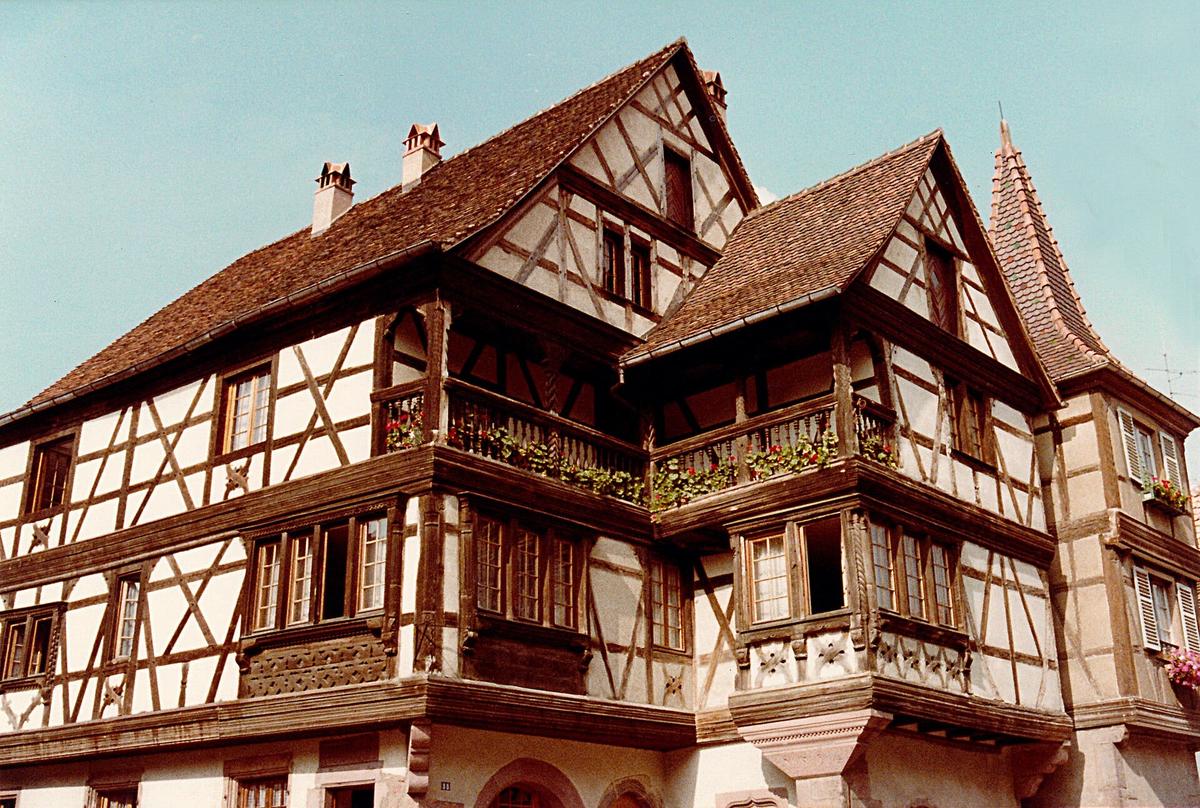
Rue du Général de Gaulle. This is the main street, from the Porte Basse gate to the bridge. Look up: the wrought-iron signs, the oriel windows and the dates carved above the doors are what make the walk. In the morning, before the coaches arrive, the street is much more pleasant.
The Schweitzer Centre and birthplace
Albert Schweitzer was born in Kaysersberg on 14 January 1875, in the Protestant presbytery where his father was pastor. The family moved a few months later to Gunsbach, in the Munster valley. As a doctor he founded a hospital in Lambaréné, Gabon, and received the Nobel Peace Prize for 1952.
The Schweitzer Centre, next to his birthplace, is not a museum of memorabilia. It is an interpretation centre about his ideas, in three parts: the Nobel Peace Prize and its history, the ideal of peace (the largest section, which starts with his Alsace childhood), and reverence for life, including his campaign against nuclear weapons.
Opening hours. Wednesday to Monday, 10:30 – 13:00 and 14:00 – 17:30. The centre is closed on Tuesdays, throughout January, on 1 May and on 25 and 26 December.
Time needed. The tourist office suggests 30 minutes; allow longer if you take the audio guide.
Accessibility. The centre says it is fully accessible to people with reduced mobility: the route and the toilets are served by a lift, and the entrance is step-free. It has no car park of its own, but disabled parking spaces are nearby.
If Schweitzer interests you, his house in Gunsbach is also open to visitors, and its ticket gets you the reduced rate in Kaysersberg.
How long do you need in Kaysersberg?
- 1 hr 30: the main street, the fortified bridge and the church.
- 3 hours: the same, plus the climb to the castle and the Schweitzer Centre.
- A full day: add Riquewihr or Colmar in the afternoon.

For the castle, allow for the walk up and down the path, and time to catch your breath at the top. Keep some time to sit by the Weiss: that is where the town is prettiest.
Where to park in Kaysersberg
The old town is pedestrianised, or nearly. The usual car parks are around the centre: the Porte Basse car park, the Schweitzer car park and the one on Place Gouraud. Camper vans have a service area at the Erlenbad, on the Rocade Verte, with waste disposal and water.
In high season and at weekends, these car parks fill up fast. Arrive before 10 am or late in the afternoon.
During the Christmas market, things change:
- Park-and-ride car parks run on Saturdays and Sundays, at €4 per vehicle: the Hinteralspach business park, the DS Smith factory and the Carrefour Contact car park, on the Route de Lapoutroie.
- A free shuttle links them to Place Gouraud every 15 minutes, 10:00 – 20:30.
- The Théo Faller car park, Rue des Tilleuls, and the one on Place de la 5e DB in Kientzheim, 1.5 km away, also cost €4.
- Coaches park on the Rocade Verte, and the Erlenbad is reserved for them from Friday to Sunday. Camper vans then have a dedicated park-and-ride at the football ground, Rue du Geisbourg.
How to get to Kaysersberg
By car. This is the easiest way. From Colmar, follow the road to the Col du Bonhomme towards Saint-Dié: Kaysersberg is at the entrance to the valley. Allow about twenty minutes. From Strasbourg, about an hour on the motorway.
By bus from Colmar. Regional line 13 (Fluo 68), Colmar - Le Bonhomme, leaves from Colmar station and stops in Kaysersberg (Porte Basse and Porte Haute stops, among others). Timetables change every year on 1 September: check the current timetable before you set off.
The Christmas shuttle. During the Christmas market, two shuttle lines link Colmar with Kaysersberg, Riquewihr and Ribeauvillé: hourly on Fridays, every 30 minutes on Saturdays and Sundays. A ticket costs €17 per person per day, free for under-12s. It can only be booked online and places are limited.
Car hire. To string together the Wine Route villages, the castles and Colmar over one or two days, a car is far more flexible than the bus. Strasbourg is the most convenient big city to start from.
Kaysersberg Christmas market
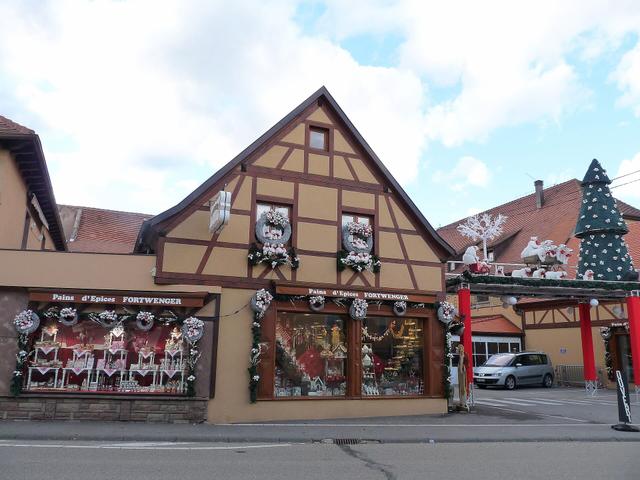
This is the busiest time of year. In 2026, the market runs from 27 November 2026 to 20 December 2026, over four weekends, Friday to Sunday, 10:00 – 20:00. It is not open on weekdays.
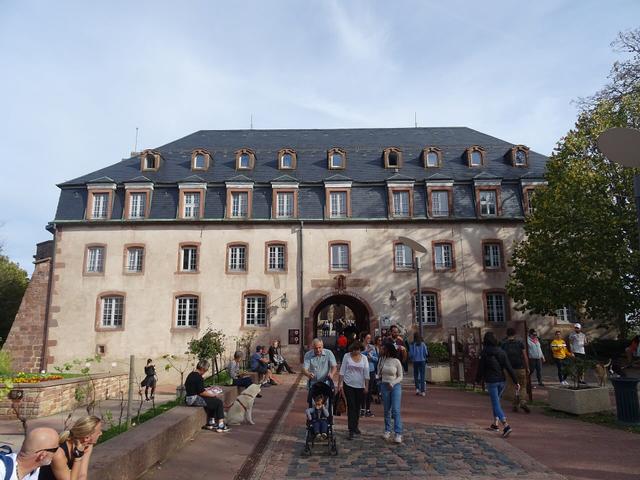
It fills the Arsenal courtyard and the area around the Holy Cross church, in the old town. A producers' market sets up on Place de la Mairie at the same time, on the same dates and hours.
Our tips:
- Come on a Friday, which is quieter than Saturday and Sunday.
- On Saturdays and Sundays, leave the car at a park-and-ride or take the shuttle from Colmar, rather than circling the centre.
- The official Christmas markets website publishes crowd forecasts: check them to choose your day.
Visiting with kids
Children mostly love Kaysersberg for its castle: climbing to the top of a real keep is a good memory. The path is not suitable for a pushchair; bring a baby carrier.

The Schweitzer Centre runs workshops for children, at €5; ask about dates. Under-18s get in free.
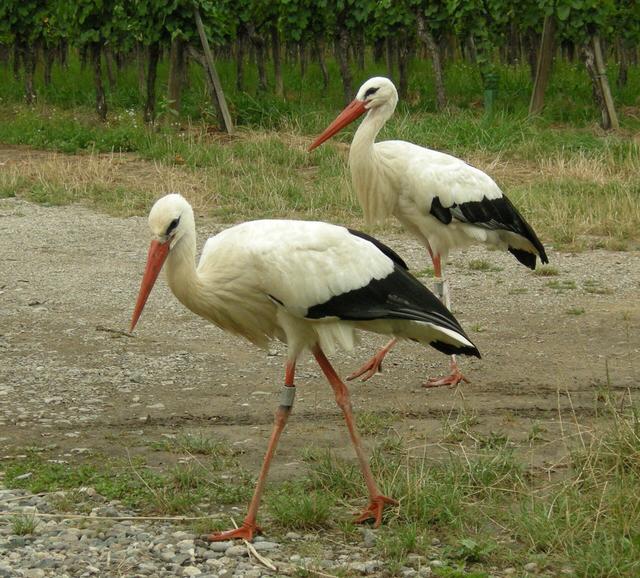
To round off the day, the Hunawihr Naturoparc and its storks are a quarter of an hour's drive away. See also: NaturOparC stork park
What to combine it with
| Also worth seeing | Distance | Travel time |
|---|---|---|
| Riquewihr | 10 km | 15 min by car |
| Unterlinden Museum | 12 km | 20 min by car |
| Eguisheim | 18 km | 25 min by car |
Approximate road distances and travel times.
Riquewihr, the neighbouring walled village, is the natural next stop: it is a quarter of an hour by road, and the Christmas shuttle links the two. See also: Riquewihr Colmar and the Unterlinden Museum, with the Isenheim Altarpiece, go well with a morning in Kaysersberg. See also: Unterlinden Museum Further south, Eguisheim, with its lanes in concentric circles, is the other great village of the Wine Route. See also: Eguisheim
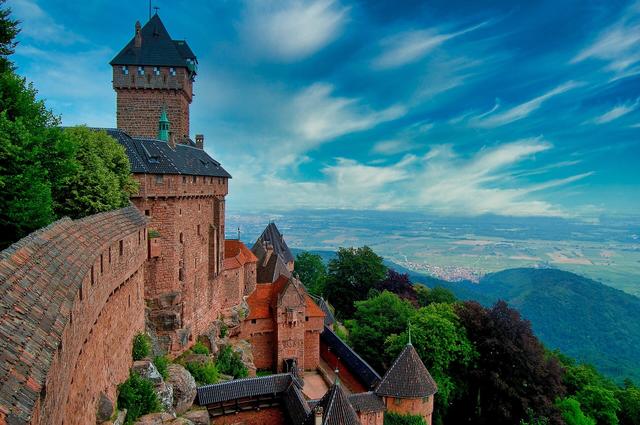
For castles, Haut-Koenigsbourg looms over the plain to the north, and the Hohlandsbourg stands above Wintzenheim. See also: Haut-Koenigsbourg Castle, Hohlandsbourg Castle, Alsace Wine Museum (Vino Storia), Colmar, Neuf-Brisach, Alsace
Where to eat and stay
The main street is lined with winstubs (traditional Alsace wine taverns), restaurants and pâtisseries. For a quiet meal, avoid Saturday lunchtime during Advent or book ahead. The benches by the Weiss are good for a picnic.

To stay, Kaysersberg has hotels and plenty of holiday rentals in old houses. Staying in town lets you see it in the evening and early morning, without the crowds. During the Christmas market, book months ahead, or stay in Colmar, which is bigger and linked by the shuttle.
Places to stay near Kaysersberg
FAQ
Do you have to pay to visit Kaysersberg?
No. The town, the castle, the keep and the fortified bridge are free. Only the Schweitzer Centre charges: €7, free for under-18s.
Can you climb the keep of Kaysersberg castle?
Yes, for free and all year round. There are 122 steps to the top, and a steep path up from the town.
When is the Kaysersberg Christmas market in 2026?
From 27 November 2026 to 20 December 2026, Fridays, Saturdays and Sundays, 10:00 – 20:00.
Where can I park in Kaysersberg?
At the Porte Basse, Schweitzer and Place Gouraud car parks. During the Christmas market, use the park-and-ride car parks on the Route de Lapoutroie, at €4, linked to the centre by a free shuttle at weekends.
How do I get from Colmar to Kaysersberg without a car?
On bus line 13 Colmar - Le Bonhomme, from Colmar station, or on the Christmas shuttle during the Advent weekends.
What is Kaysersberg famous for?
Its imperial castle, its fortified bridge of 1514, winning "Le village préféré des Français" in 2017, and being Albert Schweitzer's birthplace.
Practical information
Opening hours 2026
| 1 February 2026 to 31 December 2026 | 10:30 – 13:00, 14:00 – 17:30 (Closed: Tuesday) |
|---|
Closed: 1 May, 25 December, and 26 December
Official ticket-office prices 2026
| Audio guide | €2 |
|---|---|
| Free | under 18s |
Address
Centre Schweitzer, 126 rue du Général de Gaulle, 68240 Kaysersberg Vignoble, France
Directions · Phone+33 3 67 35 19 49
On site and nearby
- On site: Toilets
- Nearest shops and pharmacy: Kaysersberg, less than 1 km away Straight-line distance, based on OpenStreetMap.
- Emergencies: 112 (all emergencies, free from any phone), 15 (SAMU, medical emergency)
Around the site, on Google Maps
With children
Family days out nearby: Riquewihr (4 km), NaturOparC stork park (6 km), Hohlandsbourg Castle (9 km)
Swimming pools and play areas nearby, on Google Maps
Facts checked on 12 November 2026. Sources: centreschweitzer.org, centreschweitzer.org, noel-colmar.com, fr.wikipedia.org, en.wikipedia.org, chateauxfortsalsace.com, tourisme-colmar.com, tourisme-colmar.com, fr.wikipedia.org, centreschweitzer.org, acceslibre.beta.gouv.fr
Map
In the same region
- La Ferme aux Rennes (Reindeer Farm)from €7Free under 3