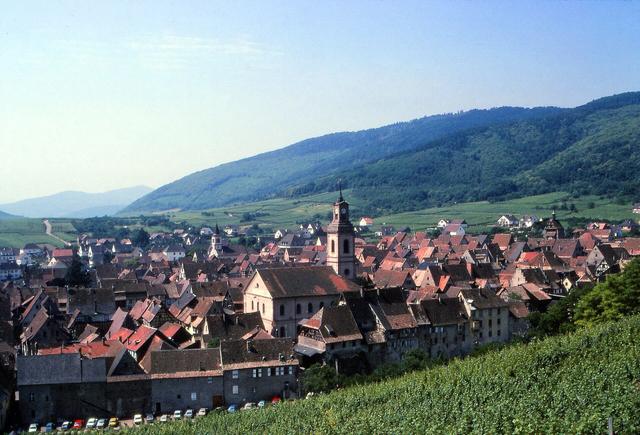
Fort de Schoenenbourg: visiting the Maginot Line in northern Alsace
Fort de Schoenenbourg at a glance
- Time needed
- about 2.5 hours
- Where
- Hunspach
Facts checked on 5 November 2026. Full opening hours, reduced prices and access
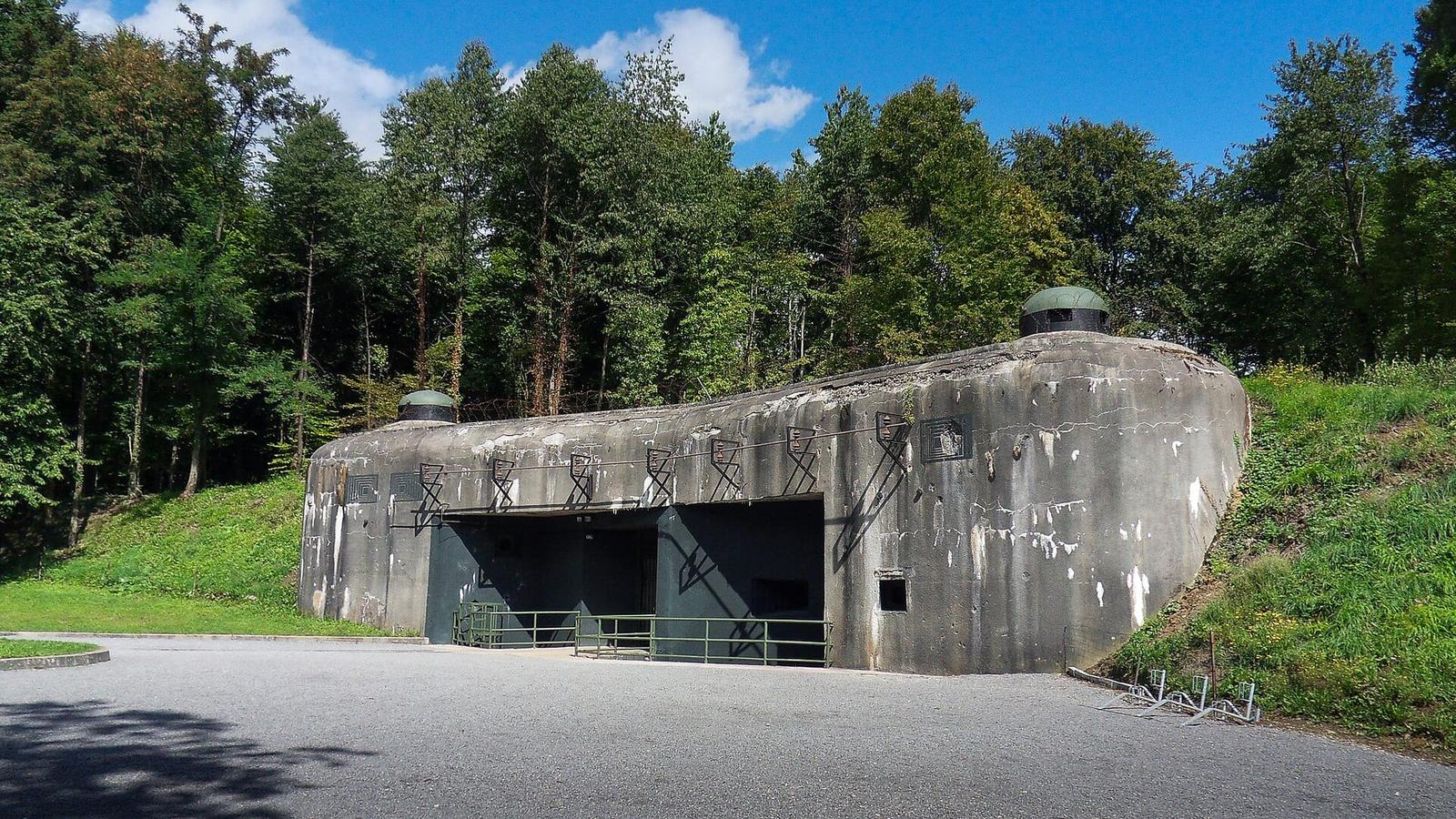

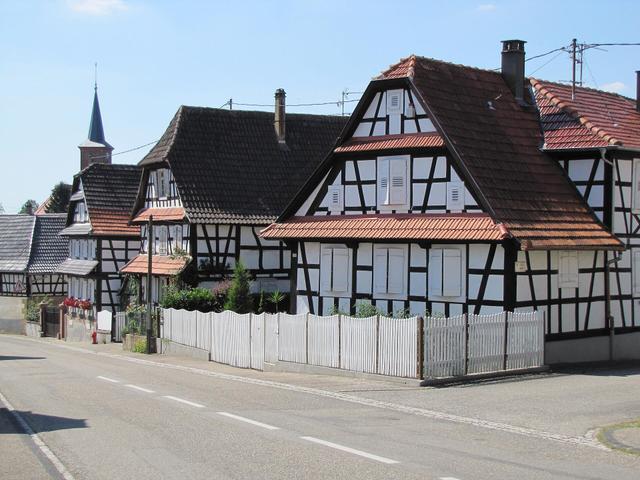
Between Hunspach and Ingolsheim, north of Haguenau, the Fort de Schoenenbourg is a large Maginot Line fort open to the public. You go down almost 30 m underground to walk the tunnels and combat blocks of a fort that held out until the 1940 armistice. Here is what to know before you go: tour length, what to wear, access, opening hours to check and places to combine in the same day.
Fort de Schoenenbourg at a glance
- Where: in Hunspach (Bas-Rhin), in northern Alsace, between Haguenau and Wissembourg.
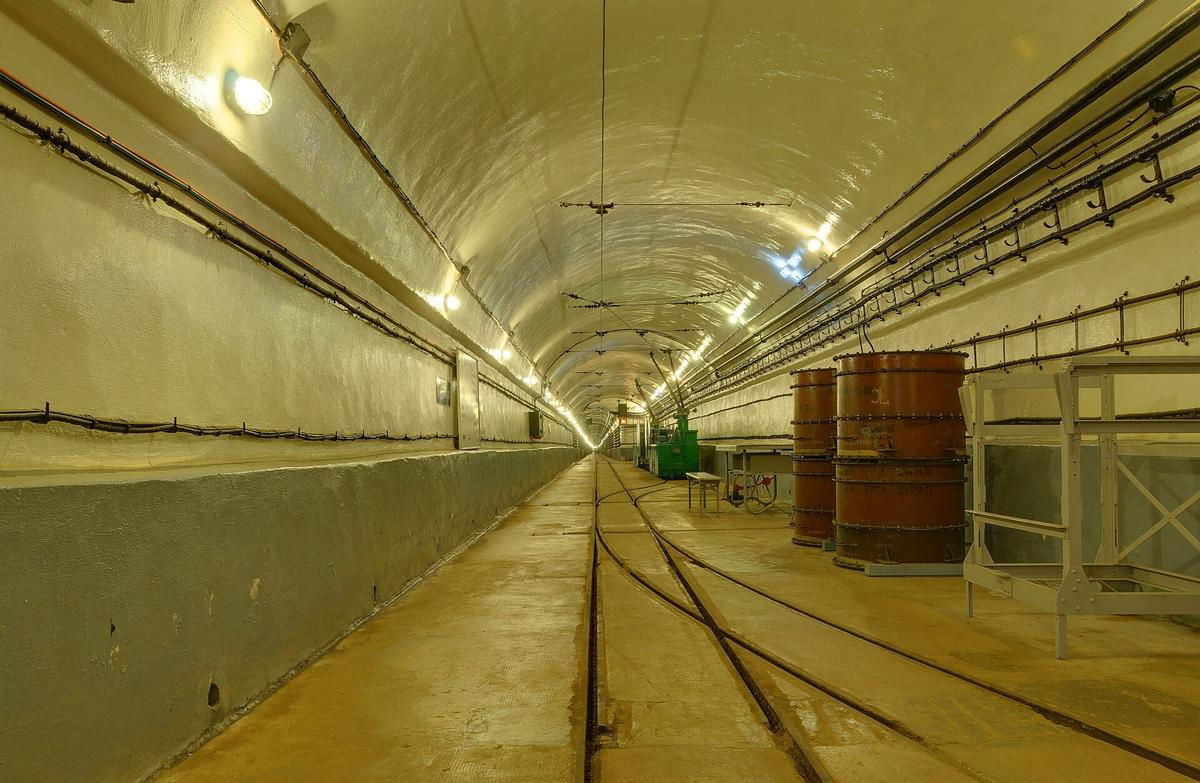
- What: a large Maginot Line fort, built from 1931 to 1938, with 3 km of tunnels dug between 18 and 30 m deep.
- Time needed: about 2.5 hours.
- Temperature: around 12 °C underground, all year round. Bring a warm jacket.
- Languages: tours available in French, English and German.
- 2026 opening hours and prices: not clearly published online when we checked. Call the fort on +33 3 88 80 96 19 before you come.
- Dogs: only small dogs, carried or in a basket, are allowed.
What is the Fort de Schoenenbourg?

The Maginot Line is the line of fortifications France built along its north-eastern border between the two World Wars. It includes large forts ("gros ouvrages"), underground towns armed with artillery, and many smaller works. Schoenenbourg is one of the large forts in Alsace. It stretches beneath the land of Hunspach, Schœnenbourg and Ingolsheim.
The project dates from 1929. A small fort was planned at first, then a large one was approved in June 1931. The main structure was finished in 1935. Equipment and weapons were installed in 1936 and 1937, and the fort was completed in 1938.
The fort has 8 blocks: 6 combat blocks, a personnel entrance and an ammunition entrance. Underground, tunnels link the entrances to the combat blocks. In 1939, the garrison numbered 491 men and 17 officers, under Commandant Reynier, who gave his name to the access road.
The fort is listed as a historic monument. Volunteers from the Association des Amis de la Ligne Maginot d'Alsace have been restoring it since 1981 and showing visitors around since 1987, according to Wikipedia.
Schoenenbourg in 1940: a fort under bombardment
The fort went to war in September 1939. Between September 1939 and June 1940, its guns fired more than 17,000 shells, according to the English Wikipedia article on the fort.
In June 1940, the German army broke through further west, but the Alsace forts held on. Schoenenbourg became a target. Stukas attacked it on 19 June, then on 20 and 21 June. From the 21st, 420 mm siege mortars shelled it for three days. After the armistice, a survey counted 160 aircraft bombs, 50 42 cm shells and about 3000 smaller projectiles that had fallen on the fort.
The fort was never taken. Its garrison only left on 1 July 1940, under orders, as required by the armistice.
What you see on the Maginot Line tour
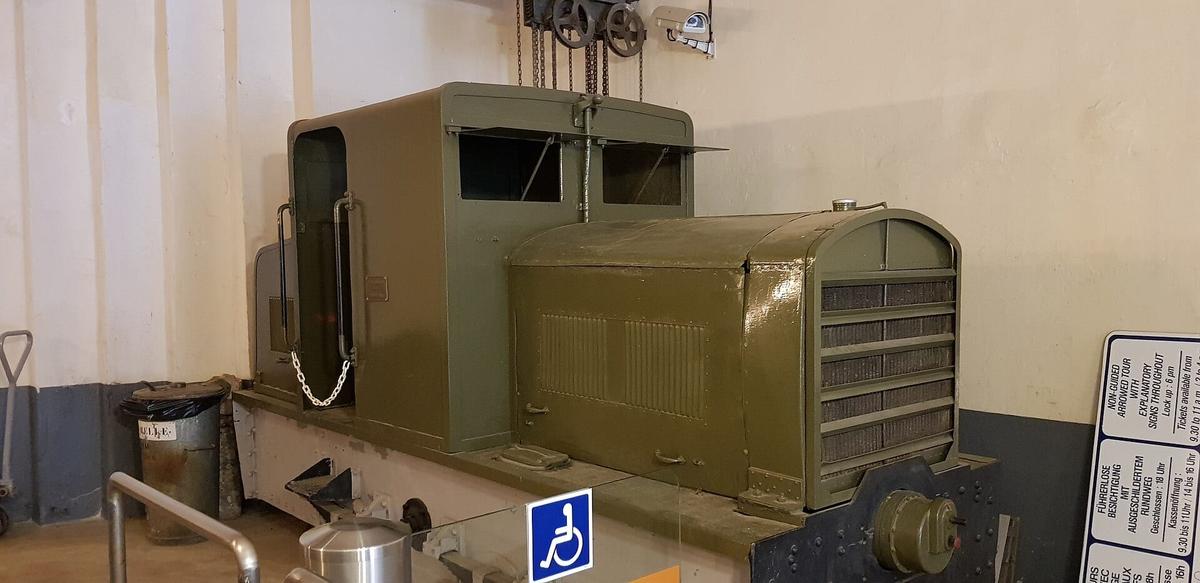

The visit takes place underground, at depths of up to 30 m. A lift takes you down to the tunnels. The route follows the life of the garrison, from the personnel entrance to the combat blocks.
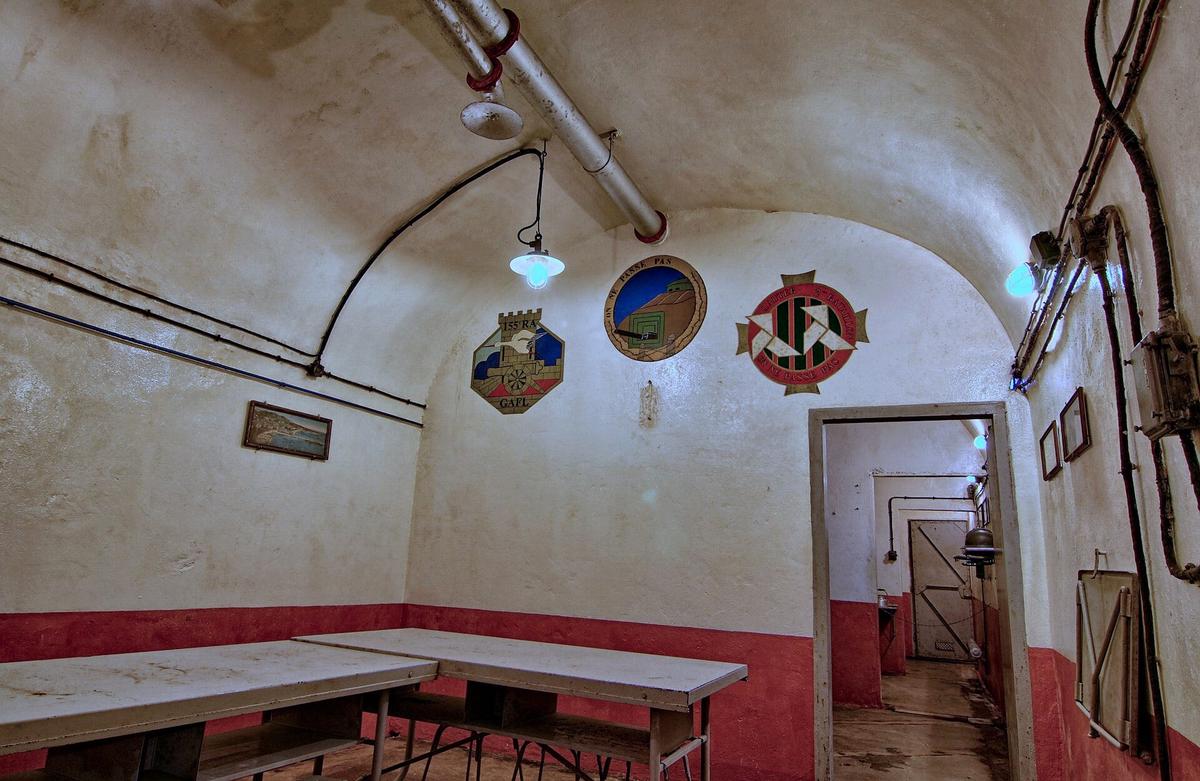
Life underground. The fort was designed to let 491 men live and fight without going outside. The visit shows the installations that kept them alive, far from daylight.
The tunnels. They link the entrances to the combat blocks, at a depth of 18 to 30 m. Their length surprises almost every visitor.
The combat blocks. This is where the fort's weapons were, and where the 1940 bombardments struck.
A technical detail. According to Wikipedia, the engineers set the blocks on piles to stabilise weak foundations, a solution unique on the Line. Another detail: block 1 had no ammunition lift, so the men had to carry the shells by hand.
The underground route covers 3 km in all, there and back. Wear good shoes.
Fort de Schoenenbourg opening hours and prices in 2026

Opening hours. The fort is open for much of the year, with self-guided and guided tours. The calendar published online by the regional tourist board Explore Grand Est gives no year, and the official website did not show it clearly in November 2026. So we cannot give you exact dates and times for 2026. Call the fort on +33 3 88 80 96 19 before you come, especially in winter and outside school holidays.
Prices. The only price list we found online was valid until 31 December 2025, with no 2026 list published. We do not show it here, so as not to give you a wrong price. It had an adult rate, a children's rate and a rate for students and school groups. Ask for the current price by phone.
Guided tours. Groups can book a tour with a guide from the association, in French, English or German. These are by booking only.
Do you need to book?
For a self-guided visit, booking is not usually required. For a group or a guided tour, yes. In any case, call before you come to check that the fort is open on the day you have chosen.
If you are travelling without a car from Strasbourg, look at the tours and day trips that leave from the city.
Partner links: if you book through these links, we earn a commission at no extra cost to you. Partner links · Learn more
How long does the visit take?
Allow about 2.5 hours. Add a little time for the shop and the access road. With a castle in the Northern Vosges or the village of Hunspach, you can easily fill a day.
What to wear
It is around 12 °C in the tunnels, summer and winter. The change is a real shock in July.
- A warm jacket or a jumper, even in summer: this is the advice from the regional tourist board.
- Closed, comfortable shoes: you will walk about 3 km underground.
- A light bag. The tunnels are long and you will carry your things for the whole visit.
With children
Children interested in history often enjoy the visit: the lift, the long tunnels, the combat blocks. The tour is long, though, and the cold is tiring. For under-8s or under-10s, keep it for children who are good walkers, and dress them more warmly than yourself.
The subject is war. Prepare for the visit by explaining the story of the Maginot Line simply before you go.
Accessibility and dogs
Reduced mobility. A lift goes down to the tunnels, and the regional tourist board presents the site as suitable for everyone. The visit is still long, on underground floors. Call before you come to find out which parts are accessible.
Dogs. Large dogs are not allowed. Small dogs are accepted if they are carried or in a basket.
How to get to the Fort de Schoenenbourg
By car. This is the easiest way. The fort is on the route du Commandant Reynier, in Hunspach, north of Haguenau and south of Wissembourg. From Strasbourg, allow about 50 minutes' drive. Germany is only a few kilometres north of Wissembourg.
On foot from Hunspach. Circular walking routes link the village to the fort. Check the distance before setting off with children.
Renting a car. The fort, the castles of the Northern Vosges and the villages around Wissembourg are much easier to visit by car. Rental companies are in Strasbourg, in town and at the station.
What to combine with the Fort de Schoenenbourg
| Also worth seeing | Distance | Travel time |
|---|---|---|
| Fleckenstein Castle | 25 km | 30 min by car |
| Didi'Land | 20 km | 25 min by car |
| Strasbourg Cathedral | 60 km | 50 min by car |
Approximate road distances and travel times.
Fleckenstein Castle. This ruined fortress near Lembach comes with a games trail that families enjoy. See also: Fleckenstein Castle
Didiland. This amusement park is very close, to end the day with the children. See also: Didi'Land
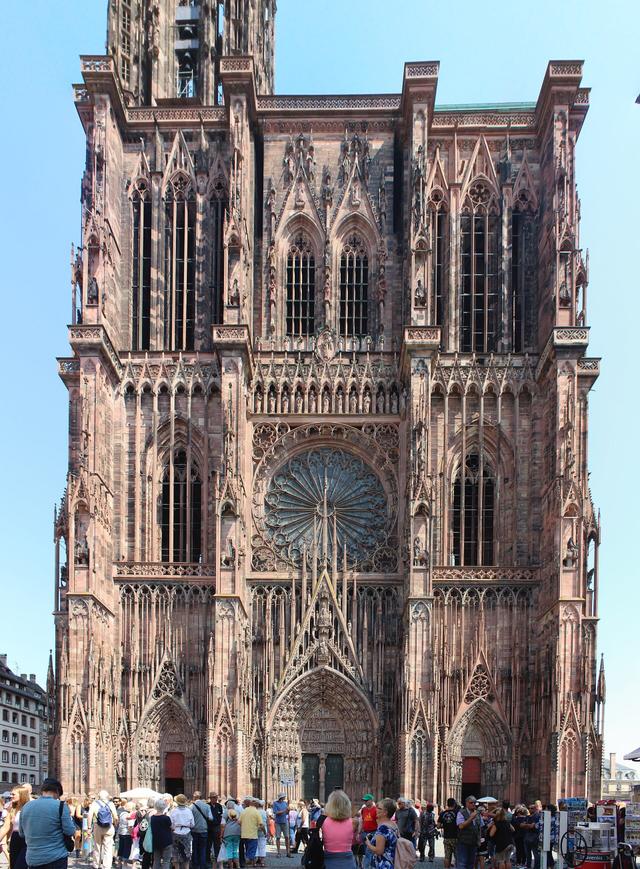
Strasbourg. The cathedral is less than an hour's drive away. See also: Strasbourg Cathedral
Other remembrance sites. In Lorraine, the Hackenberg is the other large Maginot Line fort open to visitors. In the Vosges, the Struthof camp recalls another chapter of the Second World War in Alsace. See also: Ouvrage Hackenberg, Natzweiler-Struthof concentration camp, Citadel of Bitche
Further afield in the region: See also: Alsace
Stories from the fort
- A propaganda film set. After the surrender, the Germans used the fort as a set for propaganda films, then as an indoctrination centre for the Hitler Youth, according to Wikipedia.
- Blown up in 1945. In March 1945, as it withdrew, the German army blew up the entrances and turrets, according to Wikipedia. The volunteers had to restore a large part of the fort.
- The first fort sold to a town. On 4 September 2001, the Ministry of Defence sold Schoenenbourg to a local authority. It was the first large Maginot Line fort handed over in this way.
Where to eat and stay near the fort
Eating. A restaurant, "La Ligne Maginot", is about 200 m from the fort. Hunspach and the nearby villages also have restaurants.
Staying. Wissembourg, to the north, is the most convenient base, with hotels and B&Bs. Haguenau, to the south, has more choice. To combine with Strasbourg, stay in the city and drive there and back.
Places to stay near Wissembourg
FAQ
How long is the Fort de Schoenenbourg tour?
Allow about 2.5 hours for the tunnels and the blocks.
How cold is it inside the fort?
Around 12 °C all year round. Bring a warm jacket, even in summer.
What are the Fort de Schoenenbourg opening hours in 2026?
The 2026 calendar was not clearly published online when we checked. Call the fort on +33 3 88 80 96 19 before you come.
Are dogs allowed?
Only small dogs, carried or in a basket. Large dogs are not allowed.
Are tours available in English or German?
Yes, the fort offers tours in French, English and German.
Was the Fort de Schoenenbourg captured in 1940?
No. Despite the bombardments, the garrison held out until the armistice and only left the fort on 1 July 1940.
Practical information
Address
Fort de Schoenenbourg, route du Commandant Reynier, 67250 Hunspach, France
Directions · Phone+33 3 88 80 96 19
On site and nearby
- Nearest shops and pharmacy: Soultz-sous-Forêts, 4 km away Straight-line distance, based on OpenStreetMap.
- Emergencies: 112 (all emergencies, free from any phone), 15 (SAMU, medical emergency)
Around the site, on Google Maps
With children
Family days out nearby: Hunspach (3 km), Fleckenstein Castle (13 km), Didi'Land (14 km)
Swimming pools and play areas nearby, on Google Maps
Facts checked on 5 November 2026. Sources: lignemaginot.com, explore-grandest.com, en.wikipedia.org, monumentum.fr, blog.komoot.de
Map
In the same region
- La Ferme aux Rennes (Reindeer Farm)from €7Free under 3