Saint-Austremoine Abbey Church, Issoire: planning your visit
Saint-Austremoine Abbey Church, Issoire at a glance
- Admission
- Free
- Time needed
- about 1 h
- Where
- Issoire
Facts checked on 11 November 2026. Full opening hours, reduced prices and access
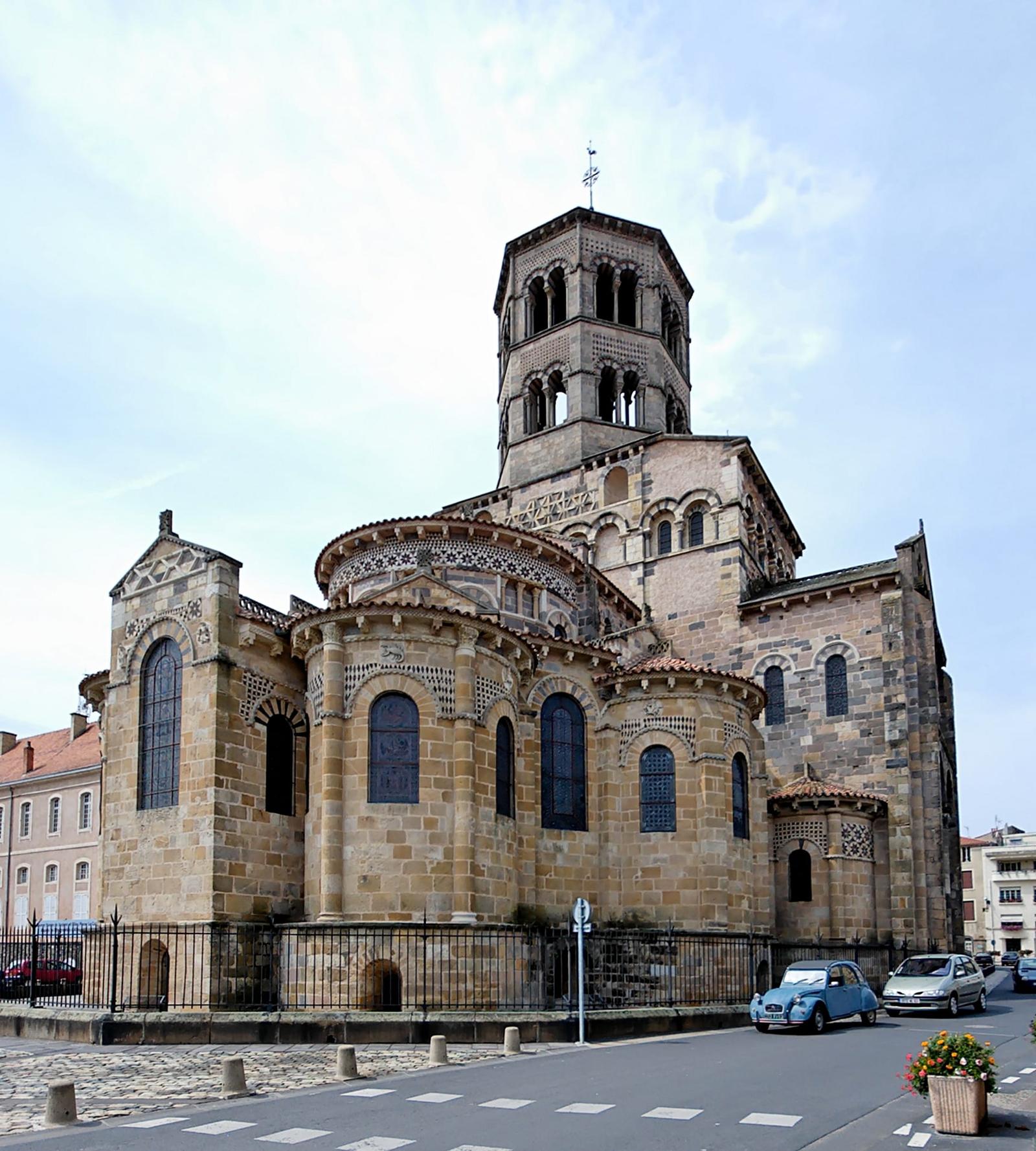

In the centre of Issoire, the abbey church of Saint-Austremoine is the largest of the five major Romanesque churches of Auvergne. Its stepped east end, its zodiac medallions and its interior painted from top to bottom in the 19th century look like no other church. Entry is free and it is open every day. Here are the opening hours, what to look for, how much time to allow and how to link it with the other great Romanesque churches of the region.
Issoire Abbey Church at a glance
- Where: place Saint-Paul, in the centre of Issoire (Puy-de-Dôme), about 35 minutes south of Clermont-Ferrand on the A75 motorway.
- Price: free entry.
- Open: every day of the year, 8:30 – 18:30.
- Time needed: allow an hour for the east end, the crypt and the Last Judgement room.
- Best for: lovers of Romanesque art, anyone curious about colour (the whole interior is painted), and families with the free activity booklet.
- Good to know: the Last Judgement room only opens from Easter to All Saints' Day (1 November), when volunteers are available.
Why visit Issoire Abbey Church
Auvergne has five great Romanesque churches that art historians call the "major" churches: Notre-Dame-du-Port in Clermont-Ferrand, Orcival, Saint-Nectaire, Saint-Saturnin and Saint-Austremoine in Issoire. Issoire is the largest of the five. The tourist office presents it as the largest Romanesque church in Lower Auvergne. It is 69.3 metres long on the outside, and the dome over the crossing rises to 23.3 metres.
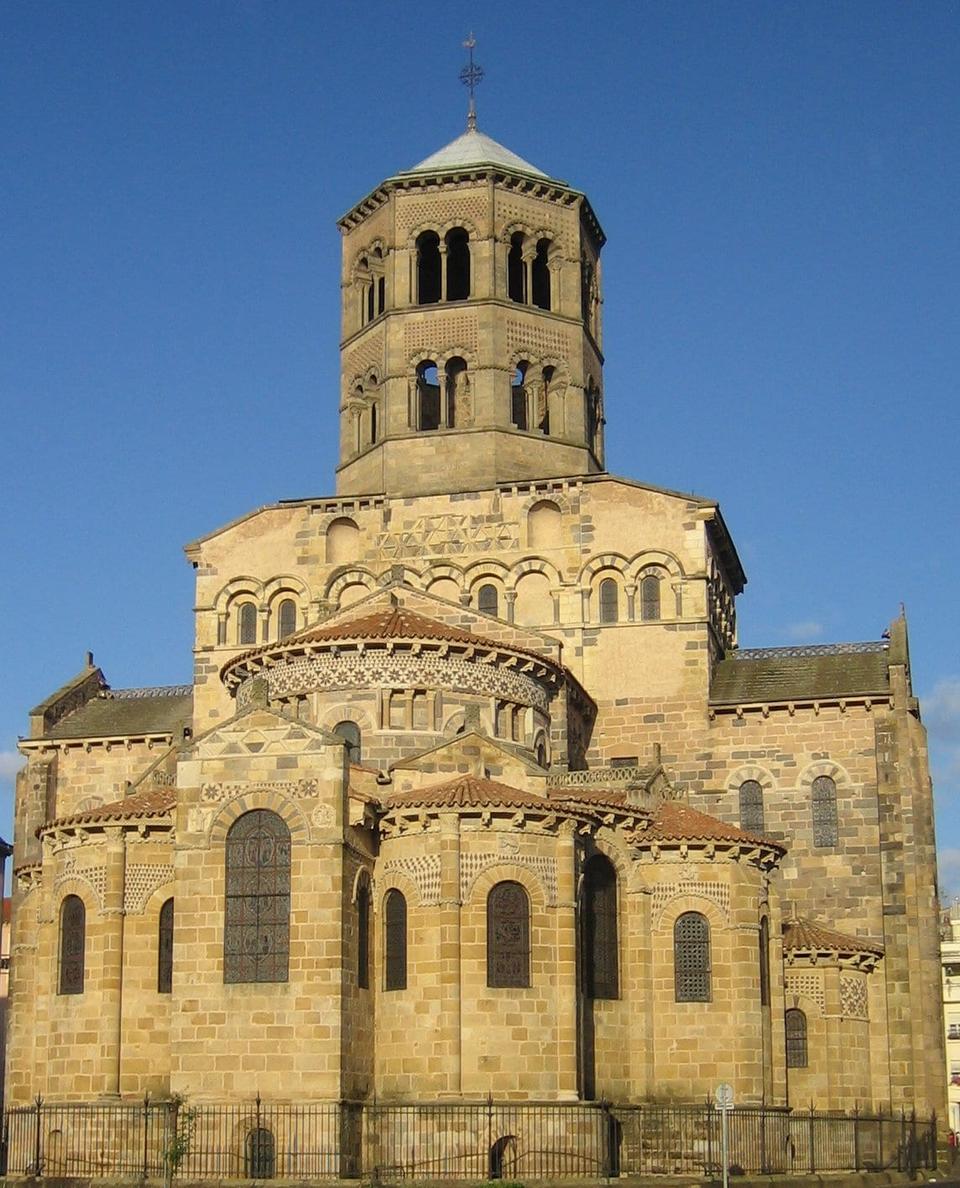

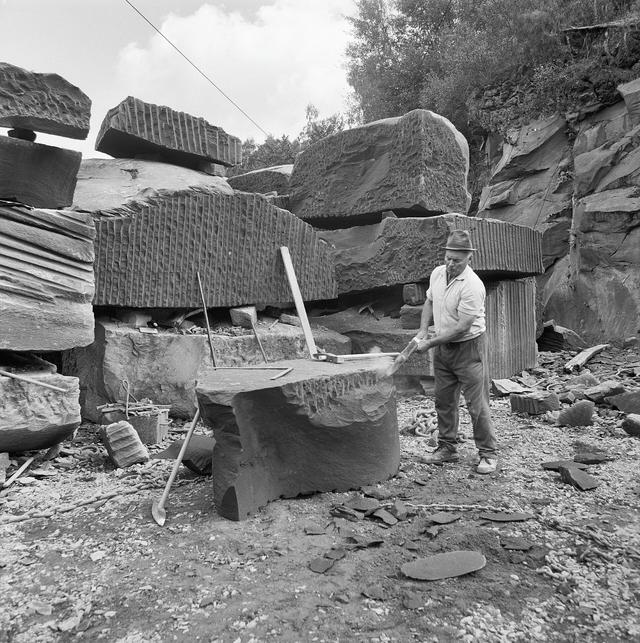
It was mostly built around 1130, in the first third of the 12th century, for a Benedictine abbey. It is dedicated to Saint Austremoine, the first bishop of Clermont, who brought Christianity to Auvergne at the end of the 3rd century. It is built of arkose, a pale golden sandstone from the quarries of Montpeyroux, a few kilometres away.
The church was on the first list of French historic monuments, in 1840, alongside 1034 other buildings from all over France.
What sets it apart is its colour. In the 19th century, the whole interior was repainted. Notre-Dame-du-Port kept its bare stone; Issoire is covered in patterns, striped pillars and decorated vaults. You may love it or not, but you will not forget it.
A turbulent history
The Wars of Religion. Issoire suffered greatly during the French Wars of Religion. The Protestant captain Matthieu Merle took the town and tried to set fire to the church. He failed, but had three monks flayed alive, according to the account reported by Wikipedia. The bell towers were damaged during those years of violence.
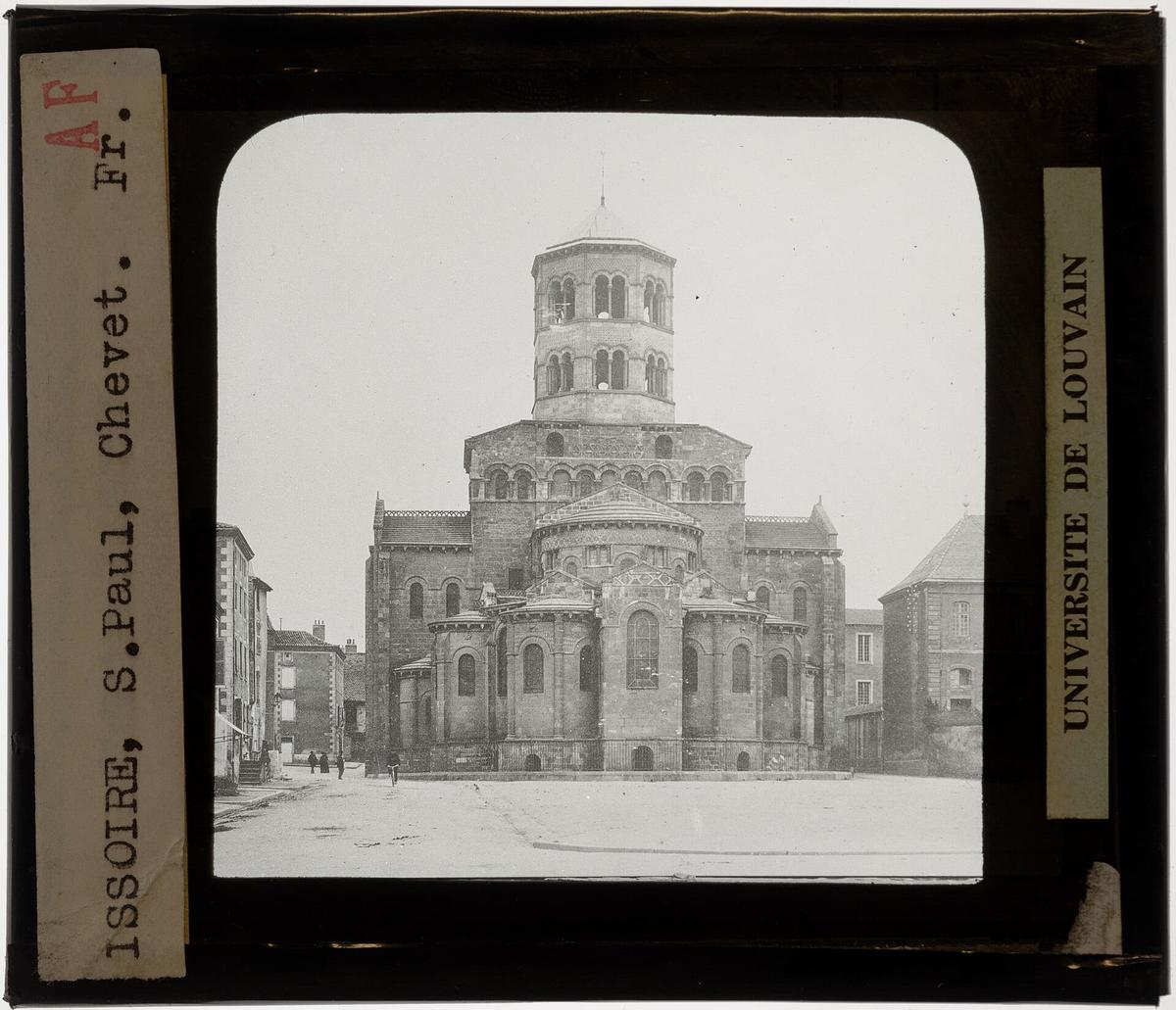

A 19th-century facade and bell tower. What you see when you arrive from the west is not Romanesque. The facade was rebuilt in 1841 and the bell tower in 1847. To see the 12th-century church, walk around to the east end.
The great painting campaign. From 1857 to 1859, the painter Anatole Dauvergne covered the interior in colour, at a cost of 60,000 gold francs. The aim was to give the church back the painted look that medieval churches may have had. So these paintings are not original. Some capitals were even repainted in bright colours, which caused debate.
The 2016 fire. On 3 July 2016, an arson attack hit the south arm of the transept. It was quickly brought under control and only damaged furniture and one painting. It led to a programme of works on the south transept from 2016 to 2019: roofs, facades, painted decoration. The work cost 1,785,000 euros excluding VAT, according to the architecture firm that led it.
Is there an entry fee?
No. Entry to the abbey church is free, as the Pays d'Issoire tourist office states. There is no ticket for the church, the crypt or the Last Judgement room.
Guided tours. The tourist office runs guided tours for individual visitors in July and August. Dates are published in the events calendar on the tourist office website. Groups are welcome all year by booking, up to 50 people. The tourist office is right next to the church, at 9 place Saint-Paul, phone +33 4 73 89 15 90.
For an organised excursion in the region, most activities are booked from Clermont-Ferrand.
Partner links: if you book through these links, we earn a commission at no extra cost to you. Partner links · Learn more
Opening hours 2026
Opening hours published by the tourist office:
- Church: every day of the year, 8:30 – 18:30.
- Last Judgement room: from Easter to All Saints' Day, Monday to Saturday 9:00 – 12:00 and 15:00 – 18:00, Sunday 9:00 – 12:00. It depends on volunteers being available and closes during services.
In November and in winter, the church stays open, but the Last Judgement room is closed. If this fresco interests you, come between Easter and the beginning of November.
The best time. This is a parish church: avoid Sunday morning Mass if you want to move around freely. For the east end, come in the late afternoon on a sunny day. The low light brings out the basalt inlays and the zodiac medallions.
How long does it take to visit?
Allow about an hour. The Routard guide suggests 45 minutes to an hour. That is the time you need to walk around the outside, go through the nave, look at the capitals in the choir, go down into the crypt and see the Last Judgement room. Add an hour for the old centre of Issoire and the Tour de l'Horloge (clock tower), a short walk away.

What to see at Saint-Austremoine

Start with the east end
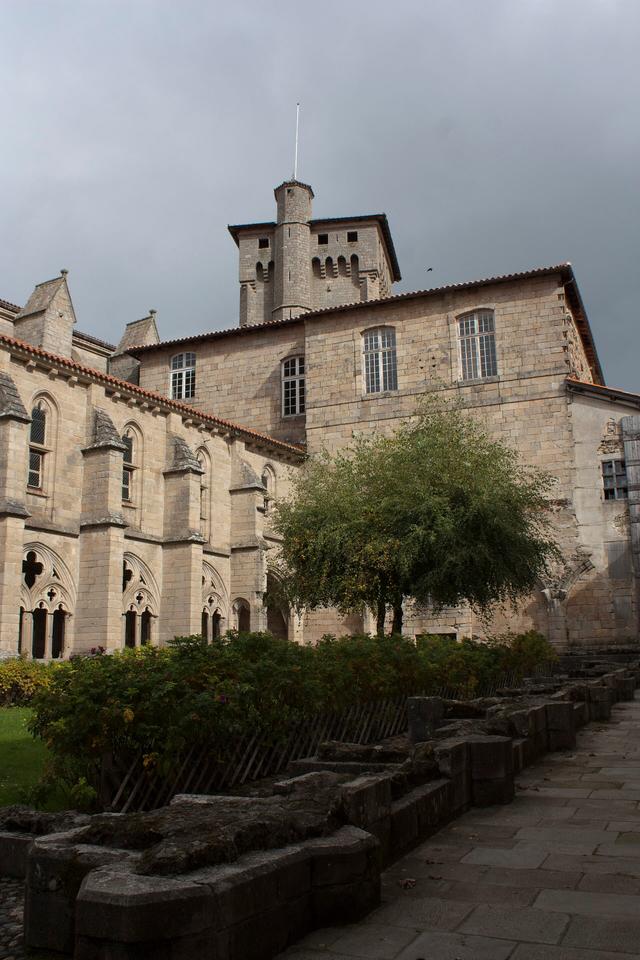
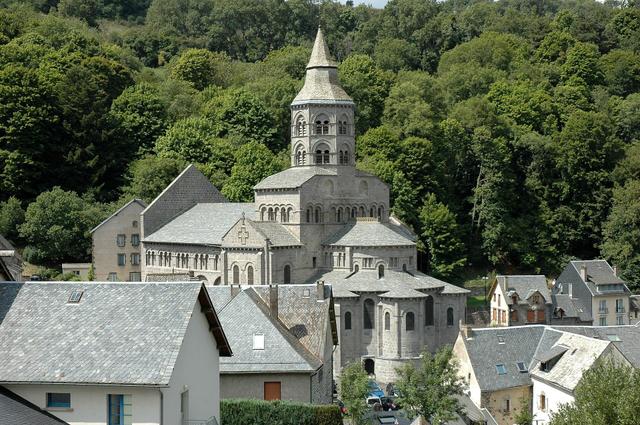
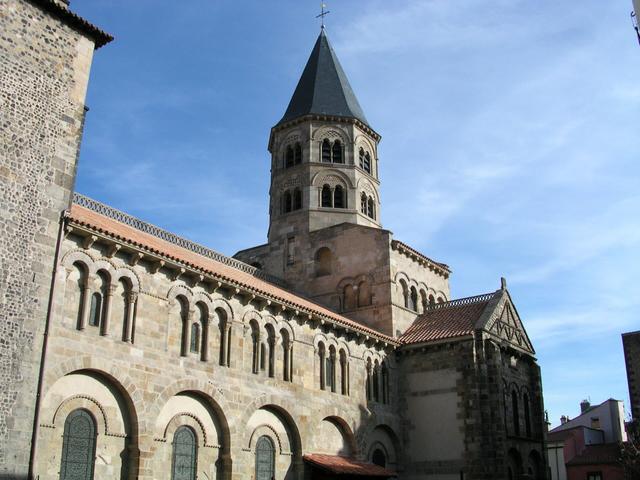
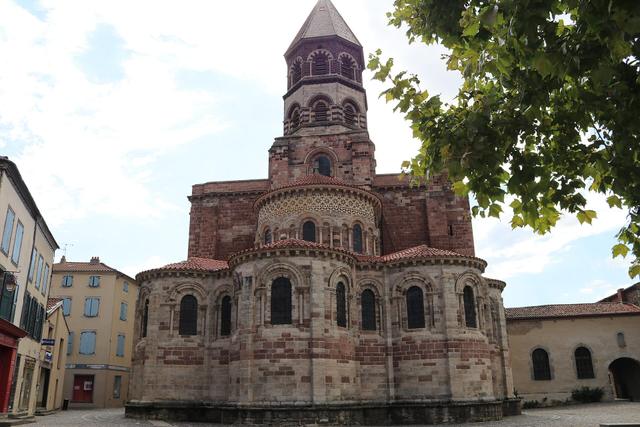
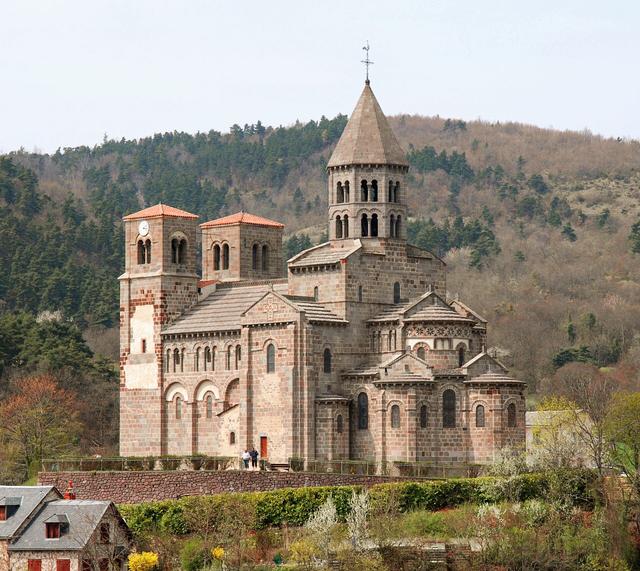
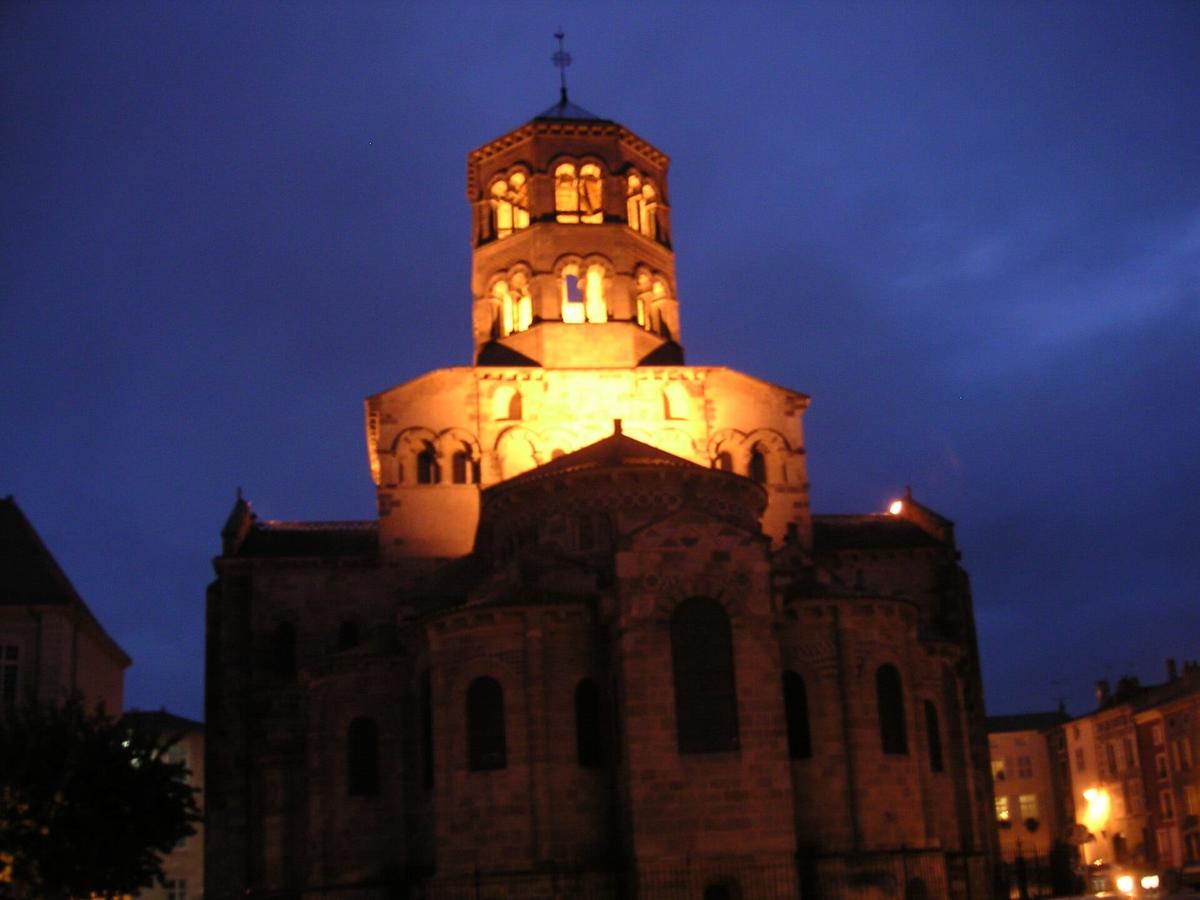
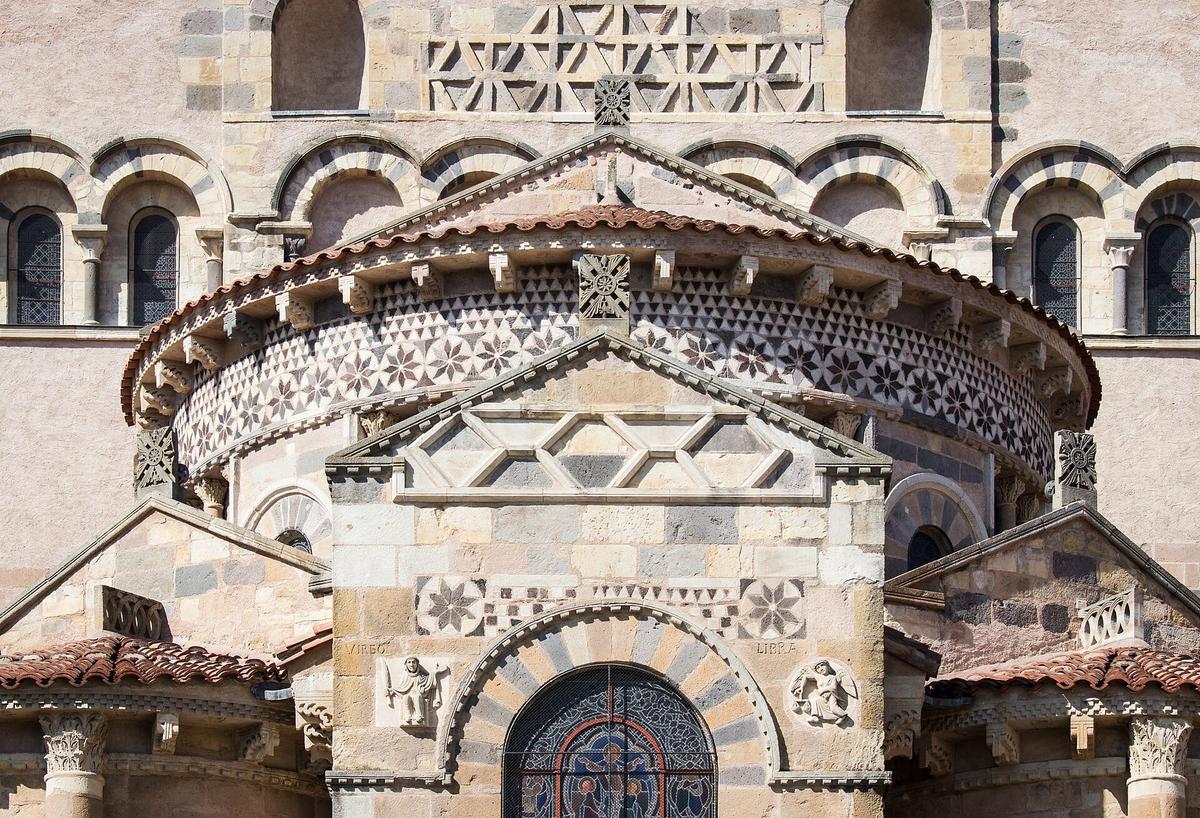
Every guide gives the same advice: walk around the church before going in. The east end is the most spectacular part. The volumes rise like a staircase: the radiating chapels, the ambulatory, the choir, the transept arms, the rectangular block (called the "barlong") and finally the octagonal bell tower.
Issoire has a detail the other four major churches do not: a rectangular axial chapel in the centre, between the round chapels. It makes the east end more massive than that of Notre-Dame-du-Port.
The zodiac medallions
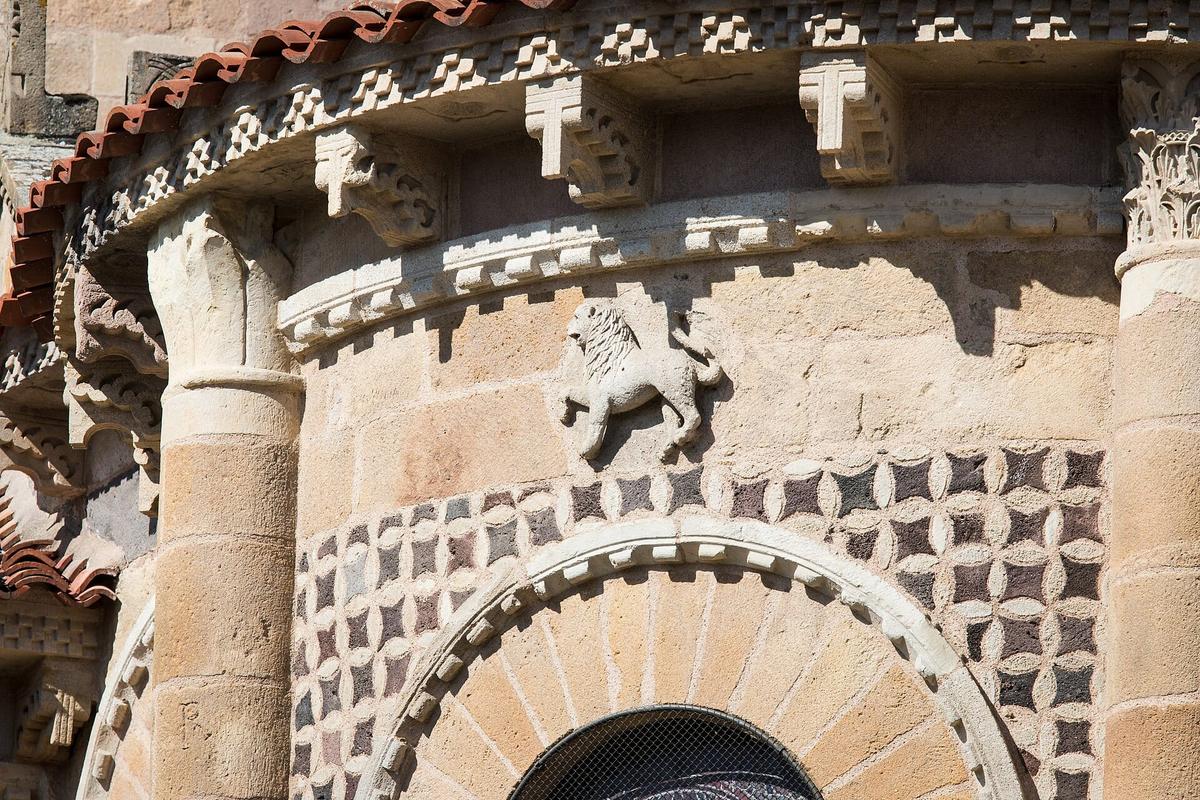
Under the roofs of the chapels, carved medallions show the signs of the zodiac. The walls are also decorated with two-colour stone mosaics: pale golden arkose and black volcanic basalt. Take time to find your own sign.
The painted nave
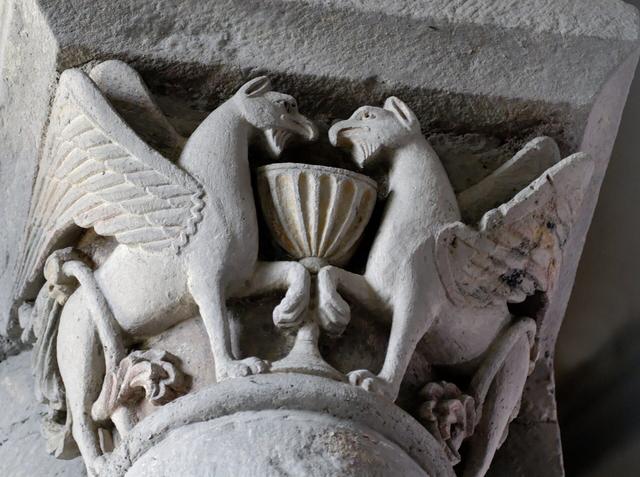
As you step inside, you are in a nave 18.8 metres high, coloured from floor to vault. Pillars, arches and vaults are covered in patterns, mostly floral. This is the work of Anatole Dauvergne in the 19th century. Look at the capitals of the nave too: griffins, centaurs and eagles.
The choir capitals and the Last Supper
Around the choir, 8 columns carry capitals. The narrative capitals tell the story of Holy Week, from Maundy Thursday to the Resurrection. The most famous is the Last Supper, on the north side: you recognise it by the tablecloth running all around the capital, with the apostles lined up behind the table. Opposite are the Flagellation and Christ carrying the Cross. In the centre, the holy women at the tomb and Christ appearing to his disciples.
Our tip: bring binoculars. The capitals are high up and the lighting is not always good.
The crypt
You go down by a staircase at the start of the ambulatory. The crypt is partly underground. It holds a Limoges enamel reliquary containing relics of Saint Austremoine.
The Last Judgement fresco
In a room on the right as you enter, a large 15th-century wall painting shows the Last Judgement. It can only be seen from Easter to All Saints' Day (see opening hours above). It is the only large old painting in the church: everything else dates from the 19th century.
The stained glass
The windows tell the lives of Saint Anne, Saint Joseph and Saint Austremoine.
Visiting with children
The tourist office, right next to the church, hands out a free activity booklet for ages 6 to 12. It turns the visit into a detective game. The zodiac signs on the east end work well too: each child looks for their own. Inside, the coloured pillars and the monsters on the capitals hold attention more easily than in a bare stone church.

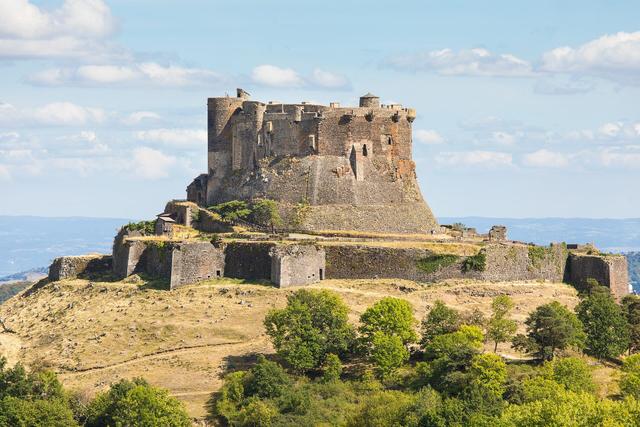
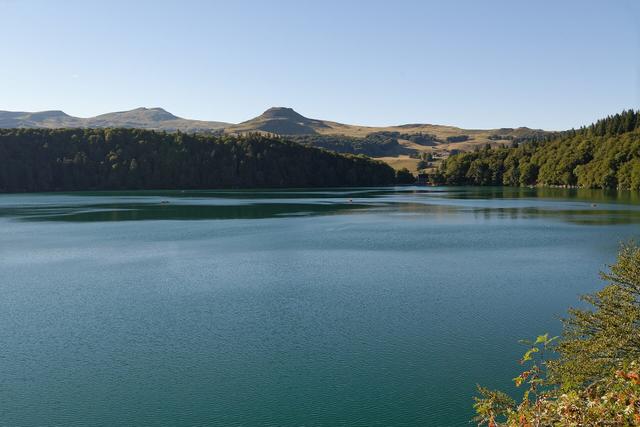
The visit is short. Combine it with an afternoon at Lac Pavin or the Château de Murol for a proper family day out.
Accessibility and facilities
Public toilets and parking spaces, including for coaches, are near the church, according to the tourist office. The tourist office does not mention wheelchair access in its listing: the crypt is reached by a staircase. Call the tourist office before you come if you need precise information. Animals are not allowed.
How to get to Issoire Abbey Church
By car. Issoire is on the A75 motorway, about 35 minutes south of Clermont-Ferrand. The abbey church is right in the centre, on place Saint-Paul. The tourist office mentions car parks nearby. The free car park on place Pierre-Veysseire, near the cemetery, makes a good starting point for a walk through the old town.
By train. Issoire station is served by TER regional trains from Clermont-Ferrand. The abbey church is about 300 metres from the station, according to the Routard guide: a few minutes on foot.
Renting a car. To link Issoire, Saint-Nectaire, Murol and Lac Pavin, a car is almost essential. Clermont-Ferrand airport and railway station are the most convenient places to pick one up.
What to combine on the same day
| Also worth seeing | Distance | Travel time |
|---|---|---|
| Basilica of Notre-Dame-du-Port | 36 km | 35 min by car |
| Murol Castle | 32 km | 40 min by car |
| Lac Pavin | 45 km | 50 min by car |
Approximate road distances and travel times.
The most telling comparison is with the Basilica of Notre-Dame-du-Port in Clermont-Ferrand: same plan, same period, same stepped east end, but an interior left in bare stone. Seeing both on the same day shows what the 19th-century painting changed in Issoire. See also: Basilica of Notre-Dame-du-Port For capitals seen up close, Mozac Abbey, near Riom, completes the picture well. See also: Mozac Abbey
For volcanoes and nature, the Château de Murol and Lac Pavin are less than an hour to the west, in the Sancy mountains. See also: Murol Castle, Lac Pavin, Puy de Dôme
If you are following the trail of religious art in Auvergne, carry on to La Chaise-Dieu Abbey and Le Puy-en-Velay Cathedral. See also: La Chaise-Dieu Abbey, Le Puy Cathedral, Auvergne
Where to eat and stay
The centre of Issoire, around the Tour de l'Horloge, has restaurants and cafés a few minutes' walk from the abbey church.
To stay, Issoire is a good base for exploring the south of the Puy-de-Dôme: Saint-Nectaire, the Sancy and the Livradois are close, and the motorway makes Clermont-Ferrand easy to reach. Clermont has a wider choice of hotels.
FAQ
Is Issoire Abbey Church free?
Yes, entry is free, including the crypt and the Last Judgement room.
What are the opening hours of Saint-Austremoine?
Every day of the year, 8:30 – 18:30. The Last Judgement room only opens from Easter to All Saints' Day.
Why is the interior painted?
The paintings date from 1857-1859. The painter Anatole Dauvergne wanted to give the church the colourful look of medieval churches. They are not original.
What is the largest Romanesque church in Auvergne?
Among the five major Romanesque churches, it is Saint-Austremoine in Issoire, 69.3 metres long.
Are there guided tours?
Yes, the tourist office runs guided tours for individual visitors in July and August, and all year for groups by booking.
How much time should I allow?
About an hour, or half a day with the historic centre of Issoire.
Practical information
Official ticket-office prices 2026
Free admission
Address
Abbatiale Saint-Austremoine, place Saint-Paul, 63500 Issoire, France
Directions · Phone+33 4 73 89 15 90
On site and nearby
- On site: Toilets
- Nearest shops and pharmacy: Issoire, less than 1 km away Straight-line distance, based on OpenStreetMap.
- Emergencies: 112 (all emergencies, free from any phone), 15 (SAMU, medical emergency)
Around the site, on Google Maps
With children
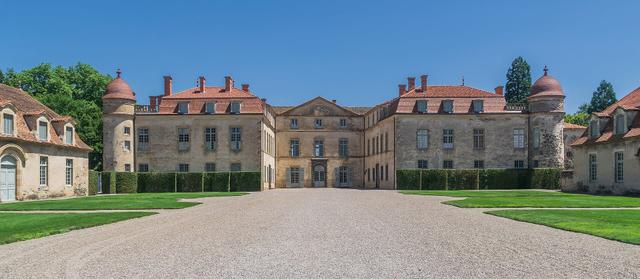
Family days out nearby: Château de Parentignat (3 km), Château de Busséol (17 km), Château de Saint-Saturnin (18 km)
Swimming pools and play areas nearby, on Google Maps
Facts checked on 11 November 2026. Sources: issoire-tourisme.com, routard.com, fr.wikipedia.org, visorando.com, agencecaillault.com
Map
In the same region