Notre-Dame-du-Port Basilica: Auvergne Romanesque in Clermont
Basilica of Notre-Dame-du-Port at a glance
- Admission
- Free
- Where
- Clermont-Ferrand
Facts checked on 29 October 2026. Full opening hours, reduced prices and access
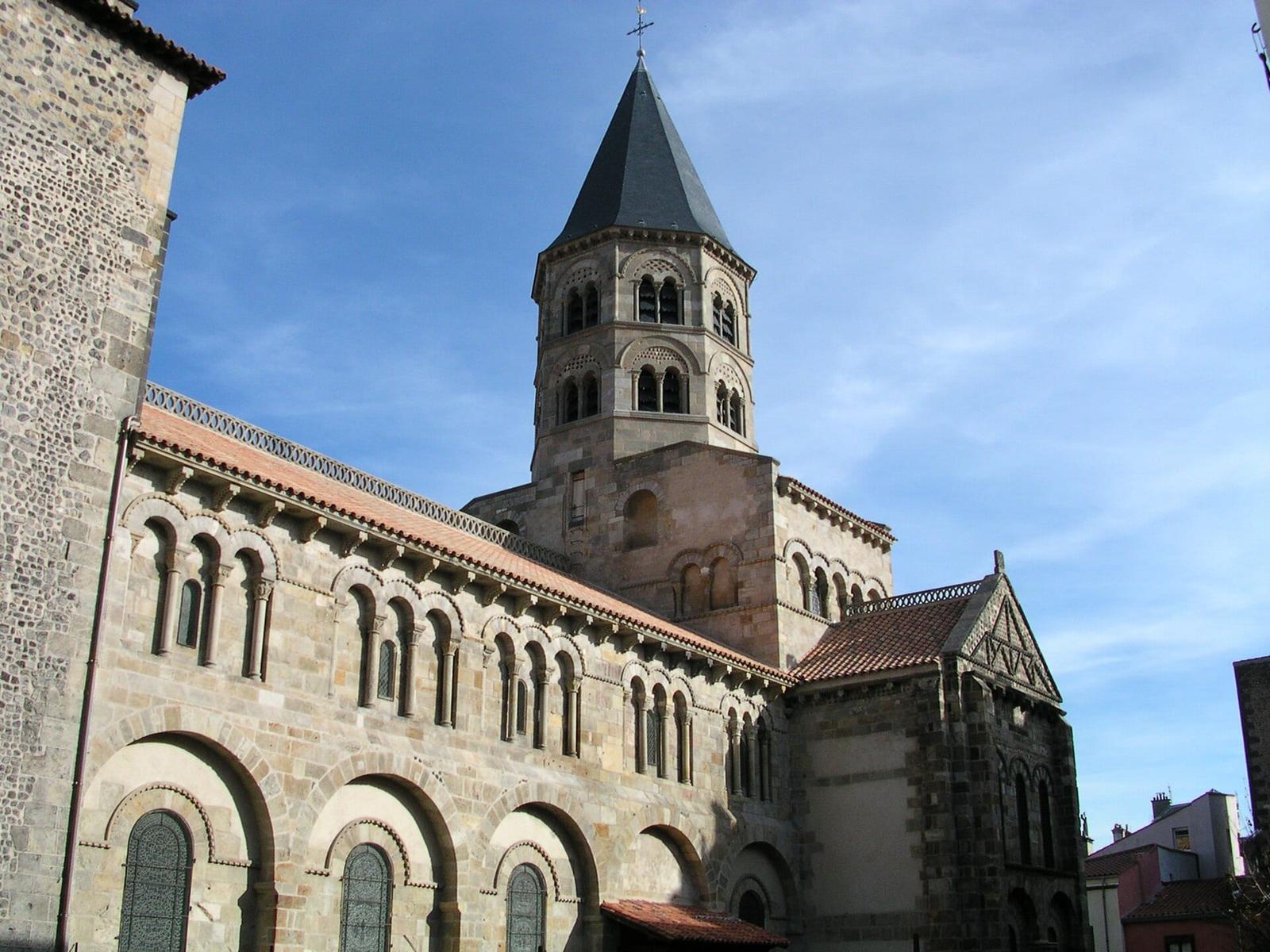

In the old town of Clermont-Ferrand, a few streets from the black cathedral, the Basilica of Notre-Dame-du-Port is one of the great Romanesque churches of Auvergne. Many visitors walk past without noticing it: it sits below the level of a small square. Entry is free. Here are its opening hours, what to look at inside, from the crypt and its Black Madonna to the carved capitals, and how to fit it into a visit to the city.
Notre-Dame-du-Port at a glance
- Where: in the old quarter of Clermont-Ferrand, Rue du Port, a few minutes' walk from the cathedral.
- Price: free entry.
- Open: daily, from 9:00 – 18:00. Avoid walking around during Mass.
- Time needed: 30 to 45 minutes for the church and the crypt; an hour if you study the capitals in detail.
- Best for: lovers of Romanesque art, pilgrims on the Way of St James, and anyone exploring Clermont on foot.
- Status: a UNESCO World Heritage Site since 1998, as part of the Routes of Santiago de Compostela in France.
Why visit Notre-Dame-du-Port?
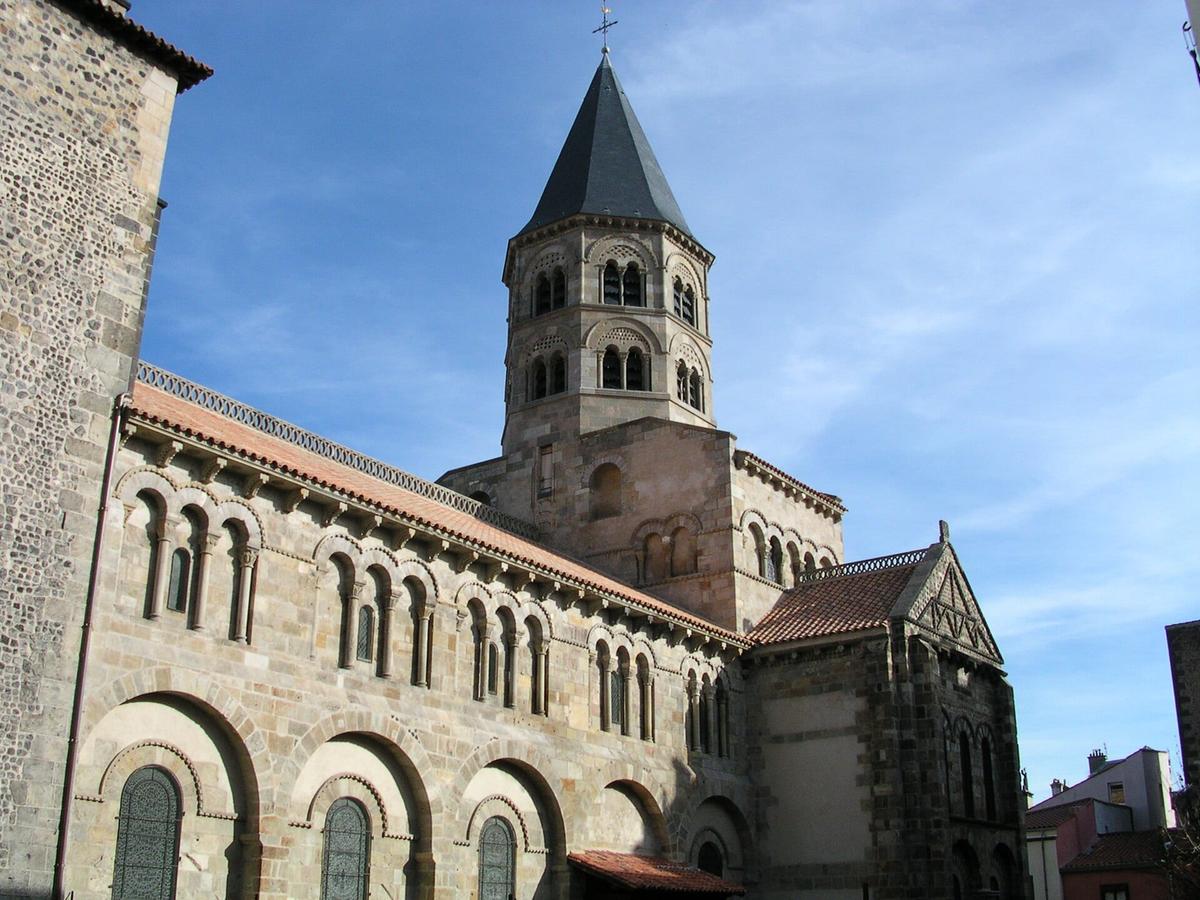
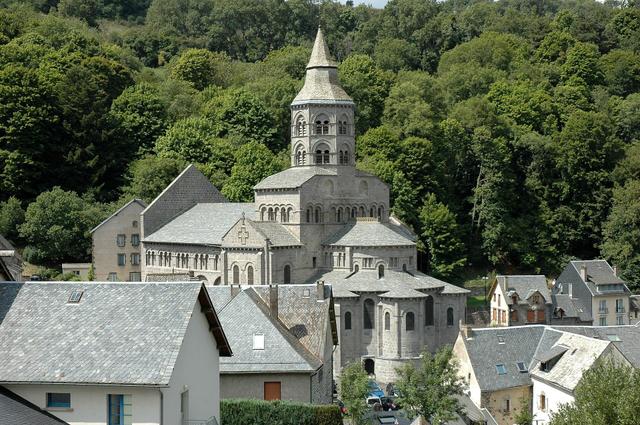
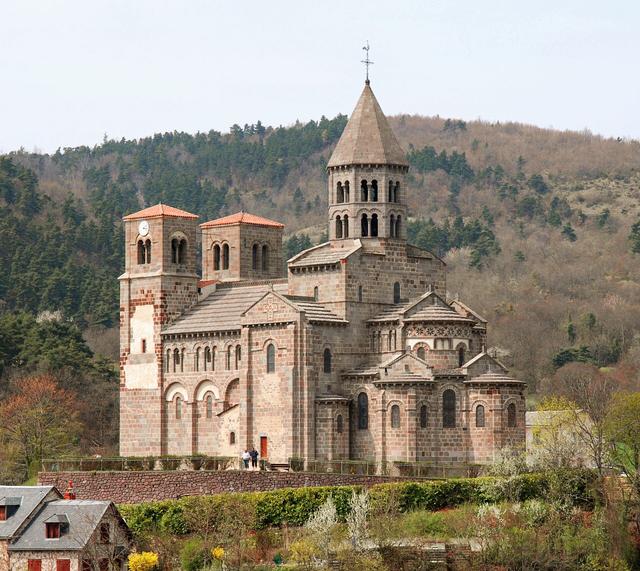
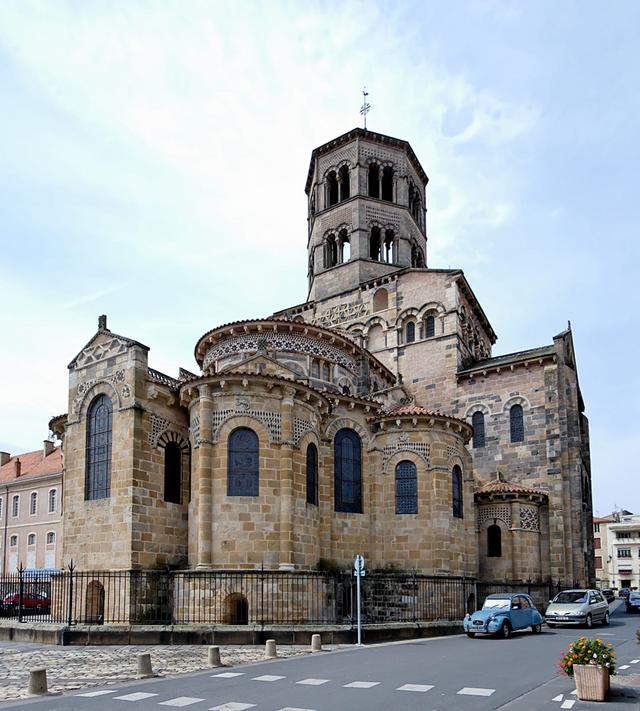
Auvergne gave its name to a family of Romanesque churches that are easy to recognise: tall, dark naves, an east end that rises in tiers like a pyramid towards the bell tower, round chapels clustered around the choir, and walls decorated with coloured stone. Notre-Dame-du-Port is one of the five "major churches" of this style, along with Saint-Austremoine in Issoire, Notre-Dame d'Orcival, Saint-Nectaire and Saint-Saturnin. It is the only one in a city.
According to tradition, a first church was founded here in the 6th century by Saint Avitus, Bishop of Clermont. Burnt down by the Normans, it was rebuilt. Most of the present building dates from the first third of the 12th century. It is built of golden arkose, a local sandstone, which gives it a light colour, whereas the nearby cathedral is black, built of lava stone from Volvic. The two churches, a few minutes' walk apart, show the two faces of Auvergne stone.
The name is thought to come from the Latin portus, used here in the sense of a market rather than a harbour.
Notre-Dame-du-Port was listed as a historic monument as early as 1840, on the first list drawn up by Prosper Mérimée.
How much does it cost to visit?
Nothing. Entry is free, the crypt included. Notre-Dame-du-Port is a parish church and a Marian shrine, open to everyone.
A collection box and candles let you contribute to its upkeep. The parish website and the Clermont tourist office occasionally announce guided tours, especially during the European Heritage Days in September.
Basilica opening hours
According to Auvergne-Rhône-Alpes Tourisme, the basilica is open all year, every day from 9:00 – 18:00. It is still a place of worship: during Mass and services, you cannot visit the nave. On Sunday mornings, come in the afternoon instead.
Our tip: come in the late morning on a weekday, when light comes through the upper windows of the choir and the church is quiet. Notre-Dame-du-Port sees far fewer groups than the cathedral: you will often have it almost to yourself.
Do you need to book?
No. You can look around on your own without booking. If you would like a guide, look at the walking tours of old Clermont run by the tourist office or by independent guides: they usually take in both the cathedral and Notre-Dame-du-Port.
Partner links: if you book through these links, we earn a commission at no extra cost to you. Partner links · Learn more
Guided tours and day trips on GetYourGuide
What to see inside Notre-Dame-du-Port

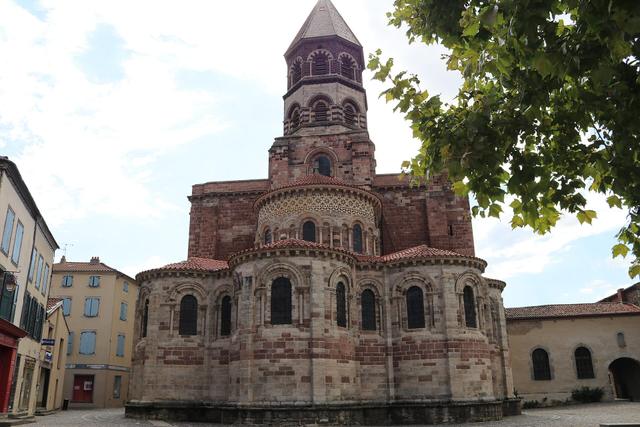
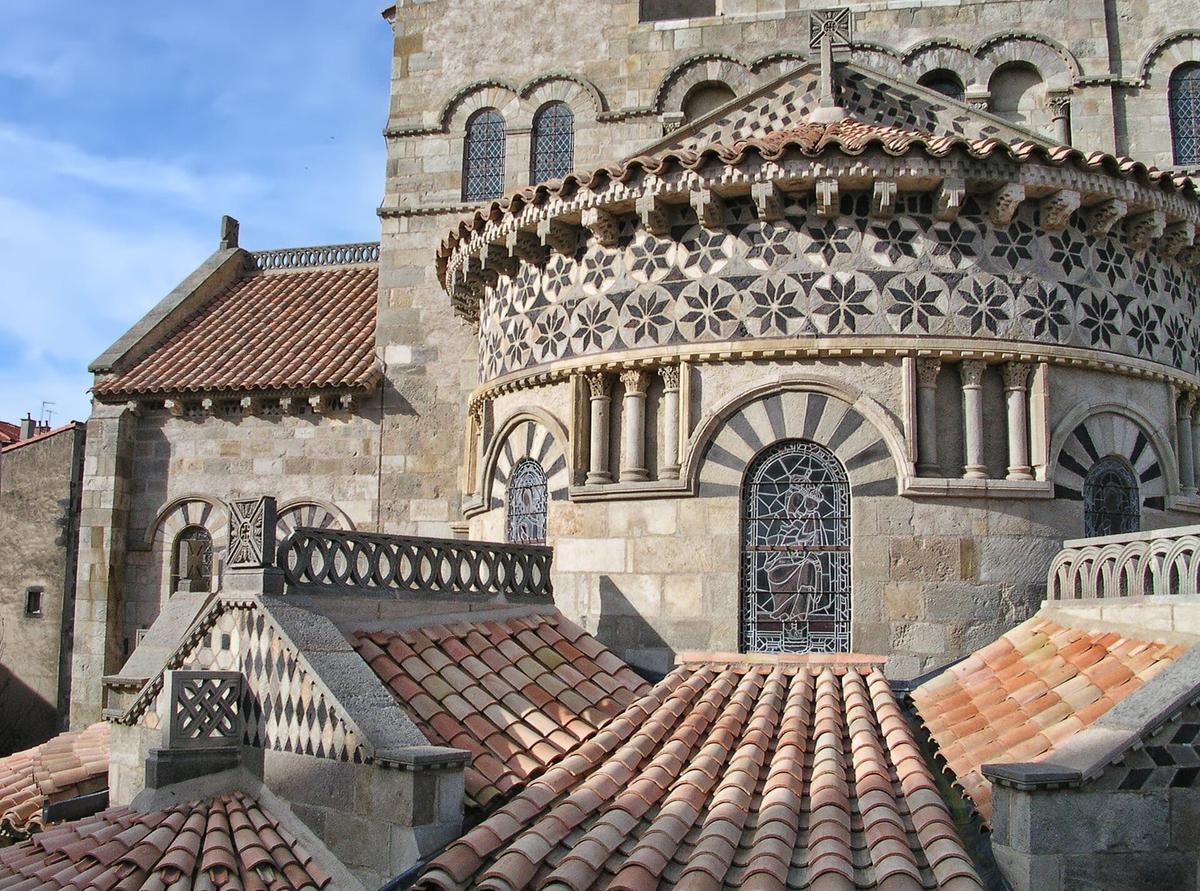
The east end. Start by walking around the outside of the church, on the street side. The east end is the most striking part: the four round chapels, the ambulatory, the choir and the block that carries the bell tower rise in successive tiers. Under the roofs, lava stone mosaics crown the apse and form geometric patterns, typical of Auvergne Romanesque.
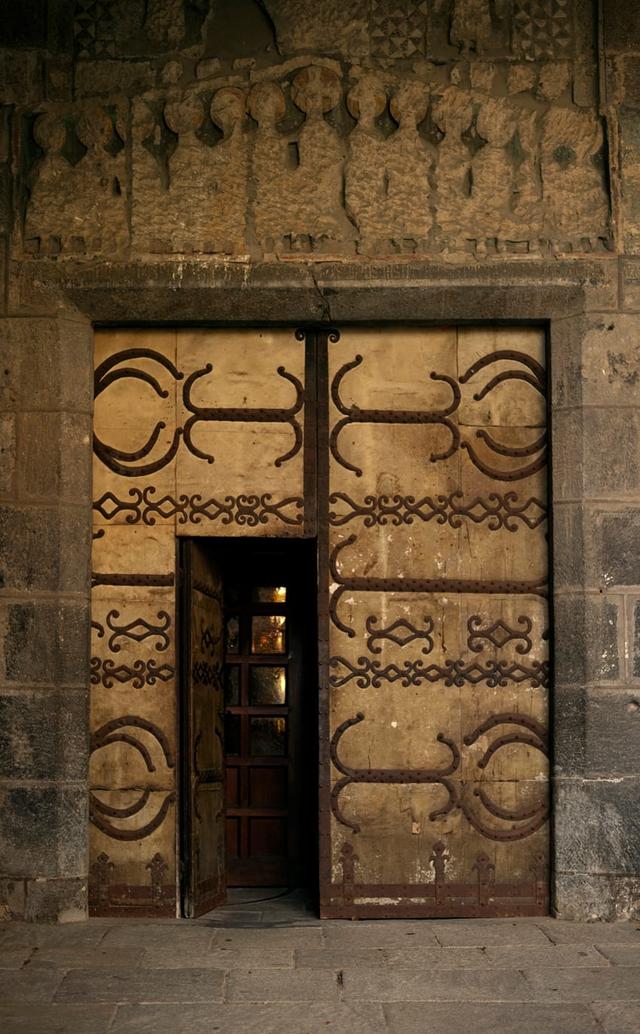
The south portal. On the side of the church, the doorway is topped by a carved tympanum. It is flanked by two prophets, Isaiah on the left and Saint John the Baptist on the right. These statues, older than the rest, are thought to come from the earlier church. The lintel shows the Adoration of the Magi, the Presentation in the Temple and the Baptism of Christ. Above, Christ in Majesty is surrounded by two seraphim, with the Annunciation and the Nativity in the corners.
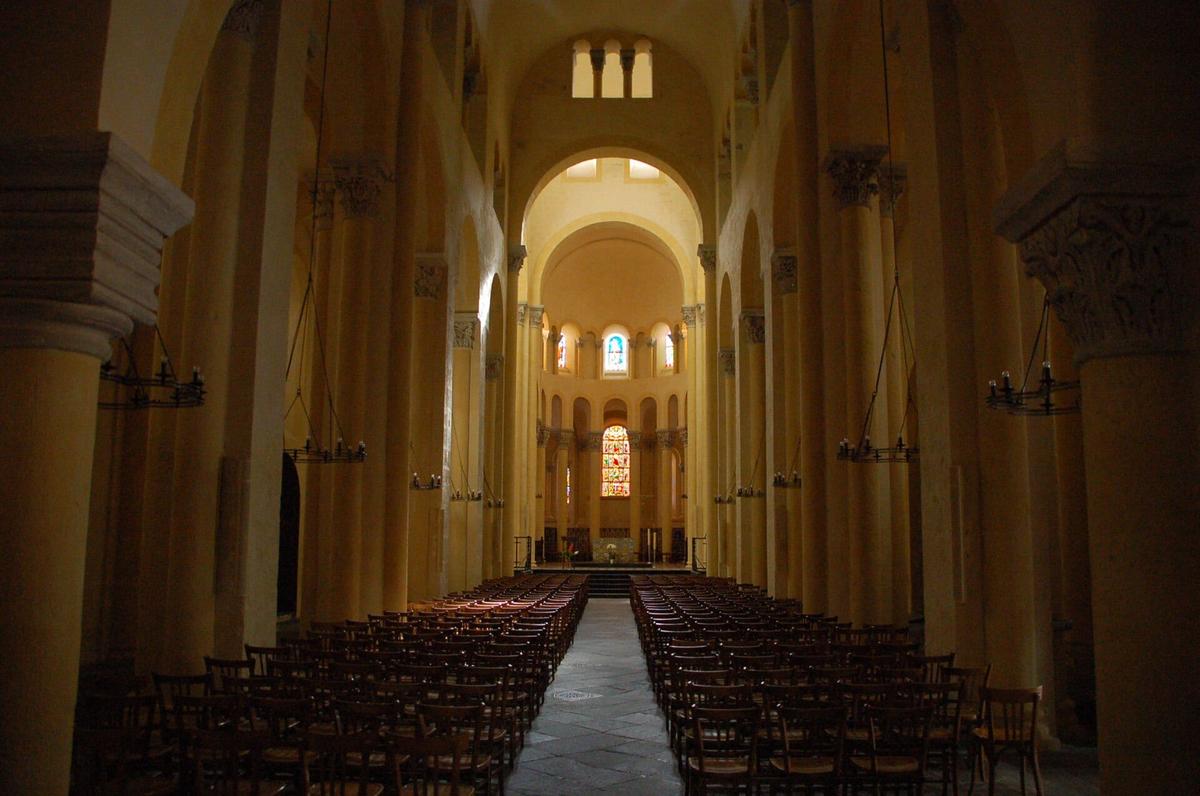
The nave. Inside, the nave has a barrel vault, and the light comes mostly from the brighter choir: you move from shadow towards light. The restoration completed in December 2008 gave the interior a daffodil-yellow limewash, which unifies the walls and makes the stained glass stand out.
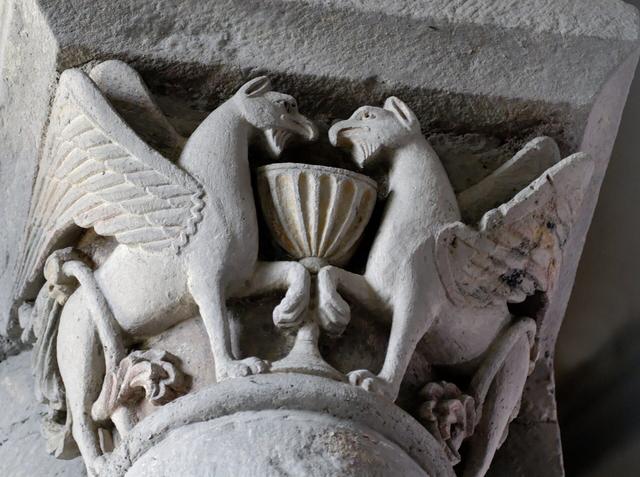
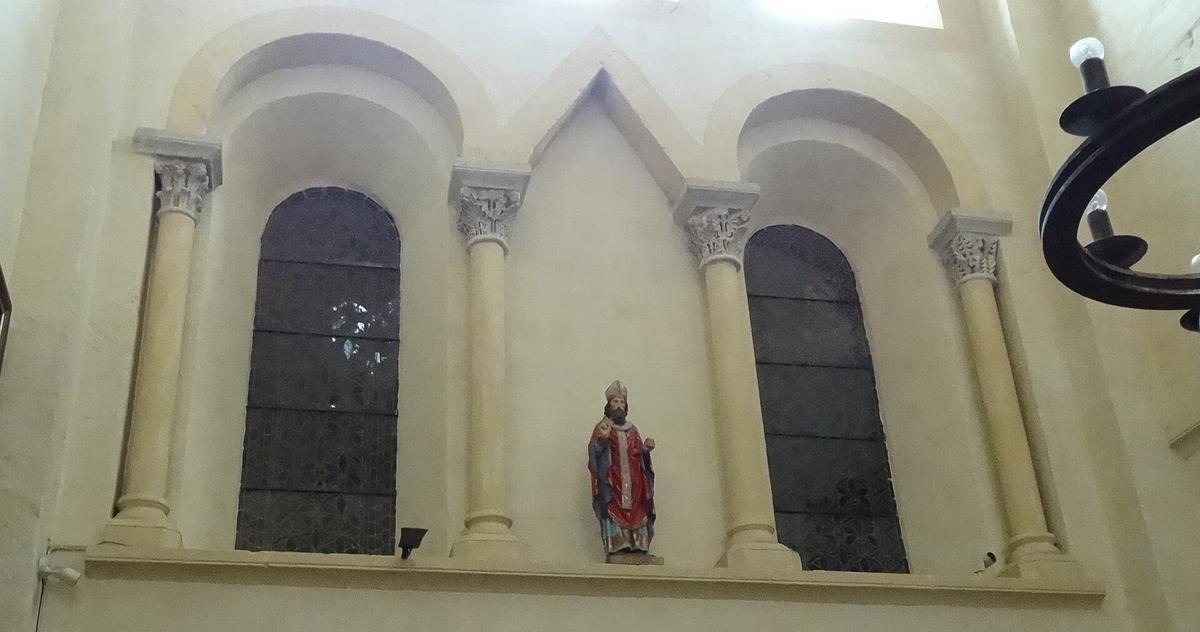
The choir capitals. These are the church's treasure. Around the choir, four historiated capitals mostly tell scenes from the Bible. Among the church's capitals, some illustrate the Psychomachia by Prudentius, a late antique poem in which the Virtues fight the Vices: on one of them, Generosity and Charity crush the vices. Another shows the Assumption of the Virgin. Bring binoculars or a zoom lens: the capitals are high up.
The crypt and the Black Madonna. Beneath the choir, you go down into the crypt, which follows the plan of the choir with its ambulatory. It holds the Black Madonna venerated by the people of Clermont, one of several in Auvergne. The present statue is a copy made in 1734 by the sculptor Pacquin. Pilgrims have come to pray to her since at least 1614, and a procession takes place every year on the Sunday after 15 May.
Two works not to miss. In the church, look for an Annunciation painted by Philippe de Champaigne, the great 17th-century painter, and a Virgin nursing the Child carved in the 14th or 15th century.
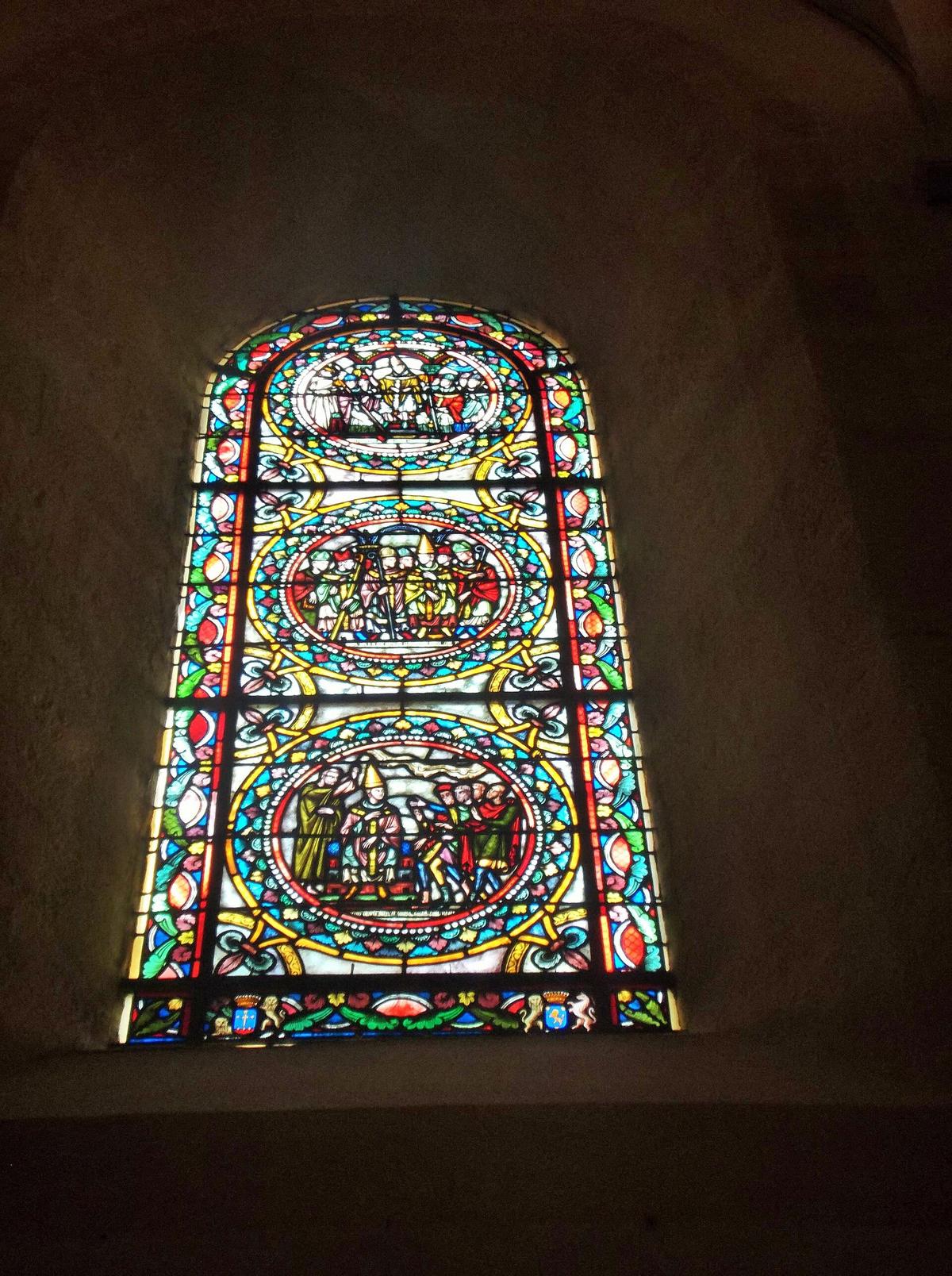
The stained glass. Most of it dates from the 19th century. The colours stand out well against the pale limewash of the restoration.

Notre-Dame-du-Port and the Way of St James
In 1998, UNESCO added the "Routes of Santiago de Compostela in France" to the World Heritage List. The listing covers seven sections of trail and dozens of monuments across the country, including Notre-Dame-du-Port. Clermont-Ferrand is a stop on the route that heads south to Le Puy-en-Velay, one of the great starting points for Spain.
For pilgrims, the basilica is a place to pass through and pray. You will sometimes meet walkers with rucksacks who have come to get their pilgrim passport stamped. If you are heading south, Le Puy-en-Velay Cathedral is the starting point of the Via Podiensis. See also: Le Puy Cathedral
How long do you need?

Allow 30 to 45 minutes: a walk around the outside of the east end, the nave, the choir capitals and the crypt. If you take time to read the capitals, an hour goes by quickly. For half a day in old Clermont, add:
- The Cathedral of Notre-Dame-de-l'Assomption, in black stone, and the climb up the Tour de la Bayette if it is open.
- Place de Jaude and the statue of Vercingetorix.
- The old streets of the quarter, between the cathedral and the basilica.
How to get to Notre-Dame-du-Port

On foot. This is the easiest way. From the cathedral, walk down through the streets of the old centre: the basilica is a few minutes away. From Place de Jaude, allow a quarter of an hour across the old town. The church sits below a small square, which is why it can be hard to find: follow the signs.
By tram. Clermont-Ferrand tram line A stops at Delille-Montlosier, about 200 metres from the basilica. The Delille-Stalford bus stop is 300 metres away, and there is a C-Vélo bike station on Place Delille.
By train. Clermont-Ferrand railway station is about twenty minutes' walk away, or a few stops by bus.
By car. The old centre is largely pedestrianised. Park in a public car park in the city centre and walk the rest of the way.
Visiting with children
The visit is short, which suits children. Give them a mission: find the Virtues crushing the Vices on the capitals, or count the round chapels of the east end. Going down into the crypt, with its half-light and its Black Madonna, is often a hit.
Remind them that the church is a place of prayer and that people speak quietly there. For a family day in the area, combine it with L'Aventure Michelin, in Clermont, or with the Puy de Dôme and Vulcania, west of the city. See also: L'Aventure Michelin, Puy de Dôme
Fun facts
- A Madonna back in 2008. During the restoration of the interior, carried out in 2007 and 2008, the statue of Notre-Dame-du-Port was removed. She returned to her place on 7 December 2008.
- A basilica since 1886. The church was given the title of minor basilica on 3 May 1886.
- Prophets older than the church. The statues of Isaiah and Saint John the Baptist on the south portal are thought to be reused from the earlier church, burnt by the Normans.
- Pilgrims for more than four centuries. The pilgrimage to the Black Madonna in the crypt is recorded since at least 1614.
- Two stones, two colours. Notre-Dame-du-Port is built of golden arkose, the cathedral of black Volvic lava. In a single morning you can see Romanesque and Gothic, light stone and dark stone.
- Among the first protected monuments. It appears on the 1840 list of historic monuments, the very first drawn up in France.
What to combine with Notre-Dame-du-Port
| Also worth seeing | Distance | Travel time |
|---|---|---|
| L'Aventure Michelin | 3 km | 10 min by car |
| Puy de Dôme | 13 km | 25 min by car |
| Vulcania | 20 km | 25 min by car |
Approximate road distances and travel times.
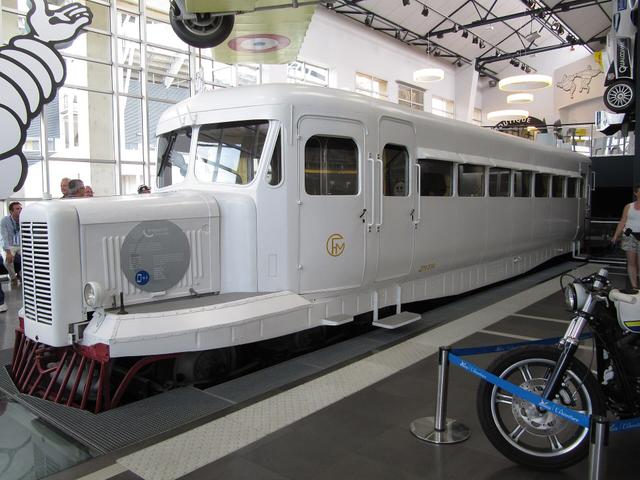
L'Aventure Michelin. In Clermont itself, this museum tells the story of the tyre company born in the city, with areas designed for children. See also: L'Aventure Michelin
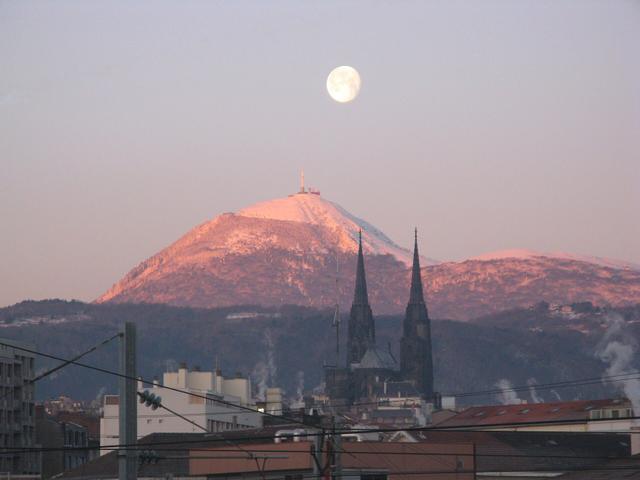
The Puy de Dôme. West of the city, the cog railway climbs to the summit of the volcano, with views over the whole Chaîne des Puys. See also: Puy de Dôme
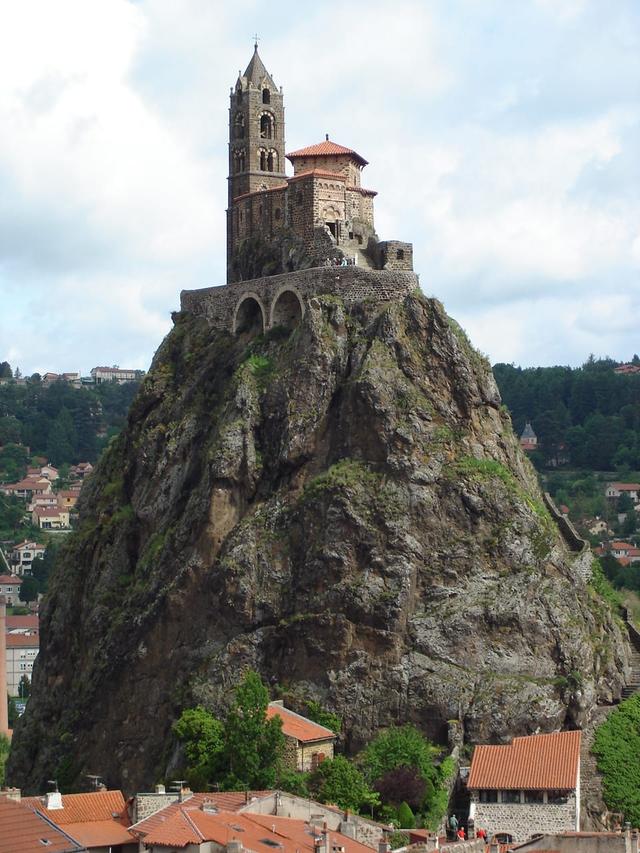
The Romanesque churches of Auvergne. If you like the style, carry on to Orcival, Saint-Nectaire or Issoire. Further south, Le Puy-en-Velay Cathedral and the Saint-Michel d'Aiguilhe chapel on its rock round off the trip, as does La Chaise-Dieu Abbey. See also: Saint-Michel d'Aiguilhe, La Chaise-Dieu Abbey
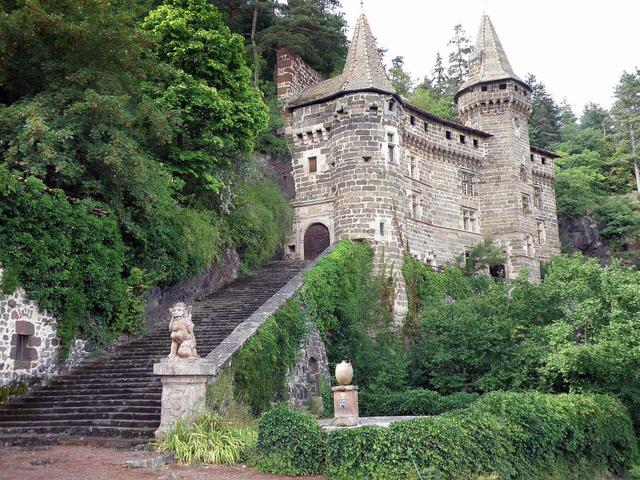
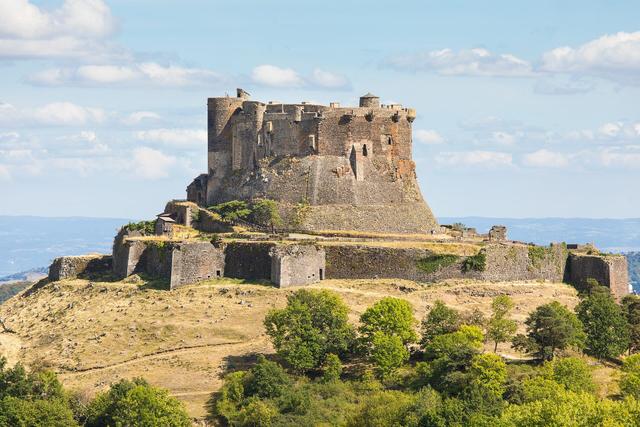
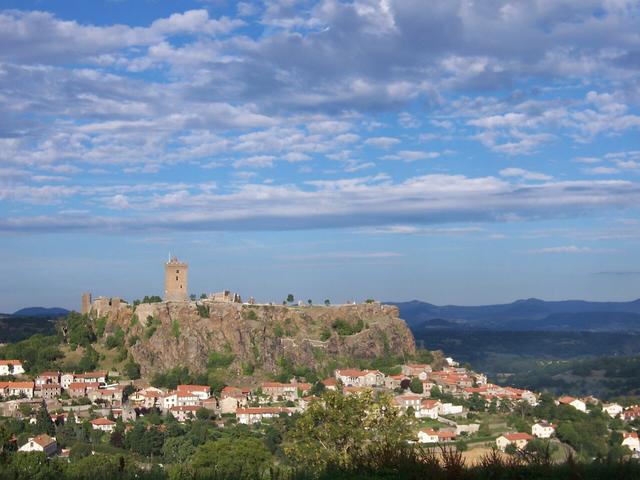
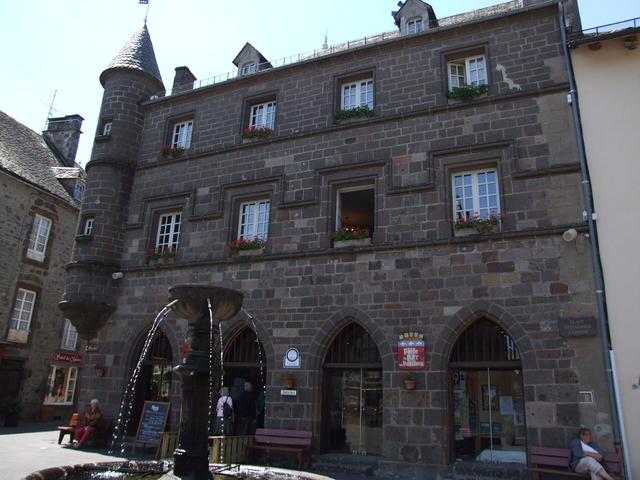
For a longer stay in the region: See also: Murol Castle, Salers, Auvergne
Where to eat and stay in Clermont-Ferrand
Eating. The quarter between the cathedral and Notre-Dame-du-Port has cafés and restaurants, and Place de Jaude is a few minutes away. Try the Auvergne specialities: truffade, PDO cheeses (Saint-Nectaire, Fourme d'Ambert, Cantal) and potée.
Staying. The centre of Clermont-Ferrand is the most practical base: you can walk to the basilica and drive to the Puy de Dôme in half an hour. Most hotels are in the Jaude area and the streets around the cathedral.
Places to stay near Clermont-Ferrand
FAQ
Do you have to pay to enter Notre-Dame-du-Port?
No. Entry is free, the crypt included.
What are the basilica's opening hours?
It is open every day from 9:00 – 18:00. Avoid visiting during Mass.
Why is Notre-Dame-du-Port a World Heritage Site?
It is part of the "Routes of Santiago de Compostela in France" listing, added by UNESCO in 1998.
Where is the Black Madonna?
In the crypt, beneath the choir. You reach it by stairs from inside the basilica.
How long does a visit take?
From 30 minutes to an hour, depending on how long you spend on the capitals.
Are the cathedral and Notre-Dame-du-Port close to each other?
Yes, they are less than ten minutes apart on foot. You can easily see both in the same morning.
Practical information
Official ticket-office prices 2026
Free admission
Address
Basilique Notre-Dame-du-Port, rue du Port, 63000 Clermont-Ferrand, France
Directions
On site and nearby
- Nearest shops and pharmacy: Clermont-Ferrand, less than 1 km away Straight-line distance, based on OpenStreetMap.
- Emergencies: 112 (all emergencies, free from any phone), 15 (SAMU, medical emergency)
Around the site, on Google Maps
With children
Family days out nearby: L'Aventure Michelin (2 km), Gergovia Plateau (7 km), Puy de Dôme (8 km)
Swimming pools and play areas nearby, on Google Maps
Facts checked on 29 October 2026. Sources: auvergnerhonealpes-tourisme.com, fr.wikipedia.org, en.wikipedia.org
Map
In the same region