Visiting Château d'Anjony at Tournemire, in the Cantal
Château d'Anjony at a glance
- Where
- Tournemire
Facts checked on 5 November 2026. Full opening hours, reduced prices and access
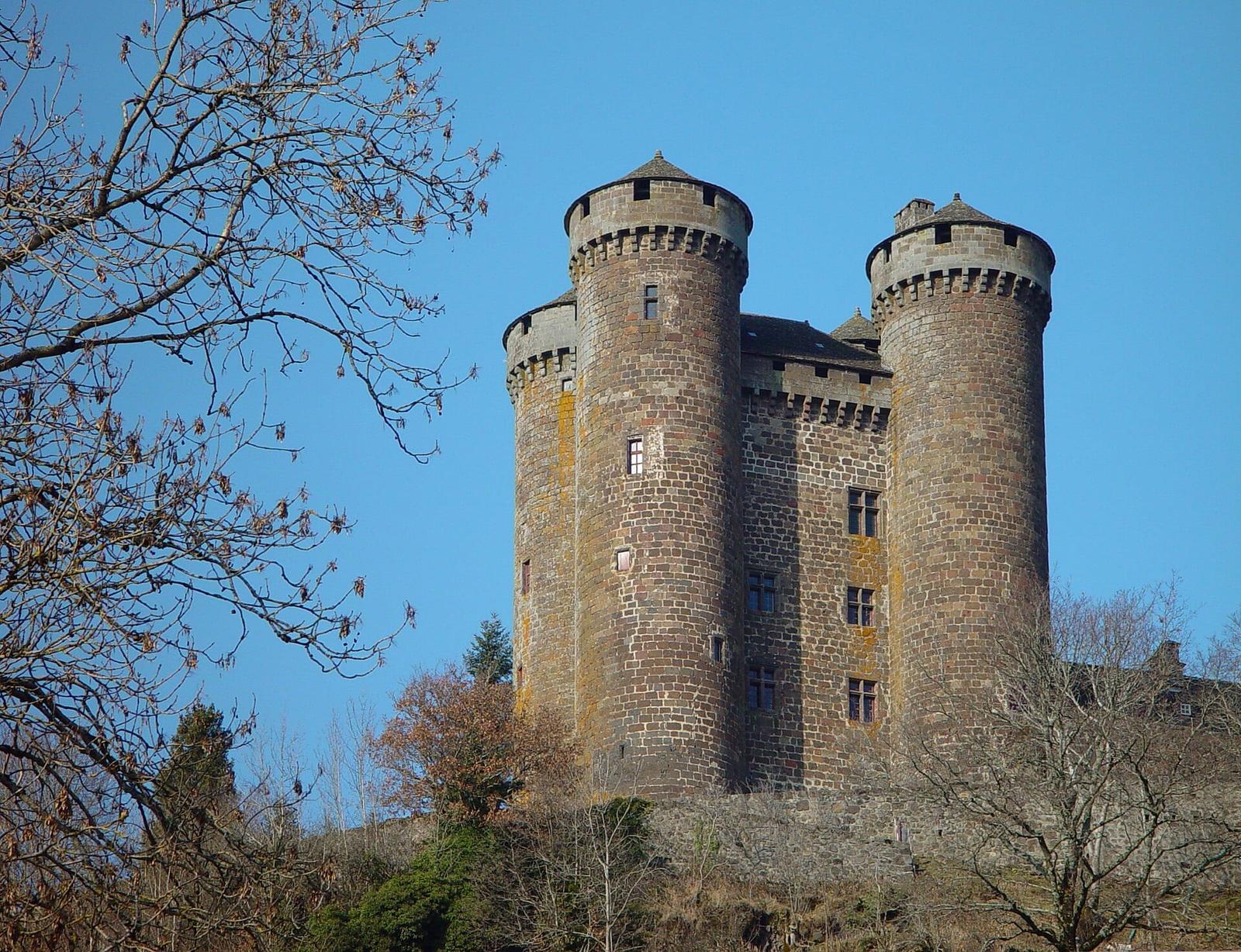

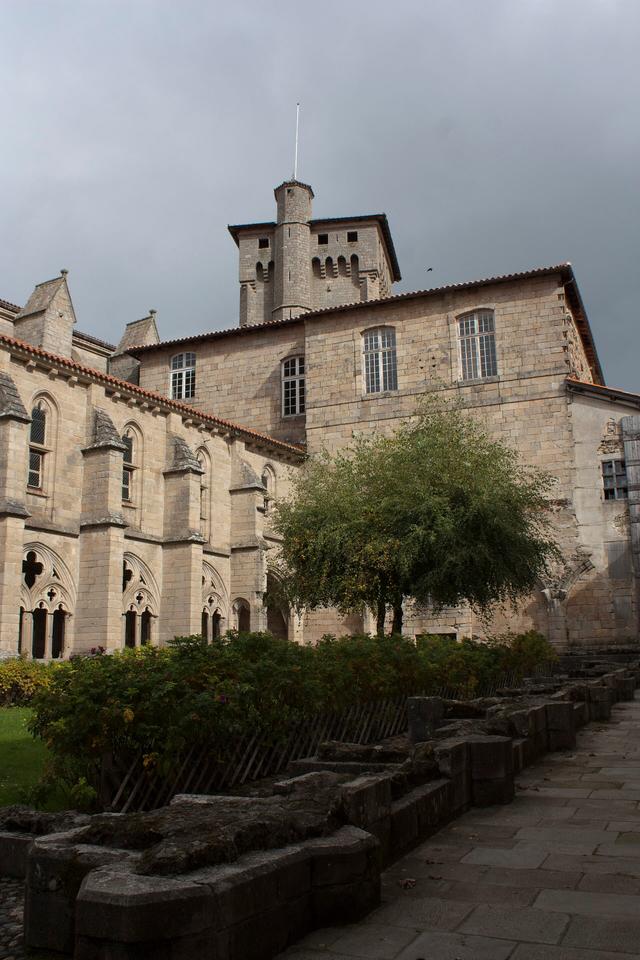
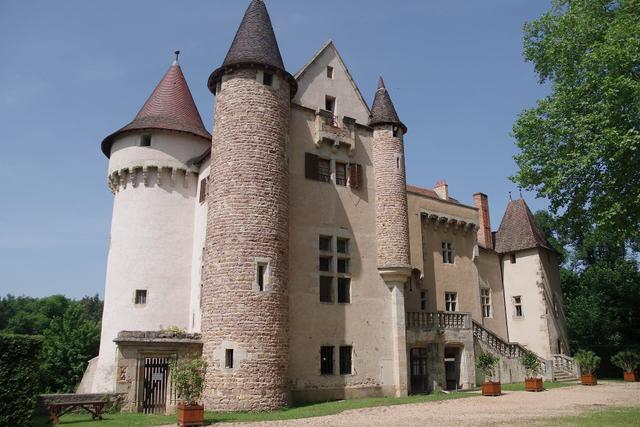
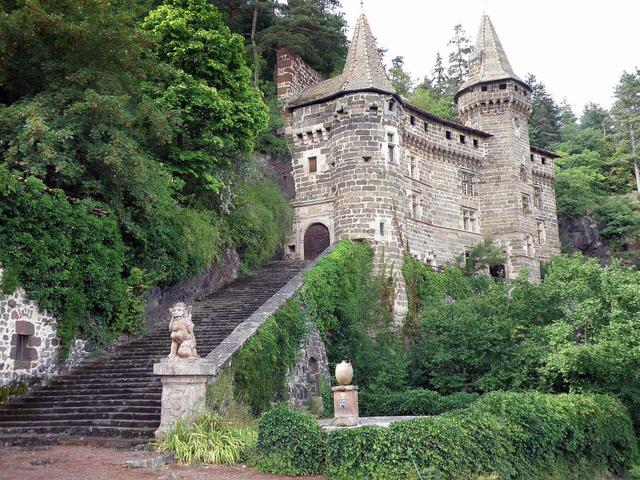
Château d'Anjony raises its tall square tower above the village of Tournemire, in the Cantal. Built in the 15th century and extended in the 18th, it is still lived in by the descendants of the family who built it. You visit it with a guide to see its 16th-century painted rooms, including the Hall of the Nine Worthies, and to hear the story of a feud between two neighbouring families that lasted two centuries. Here is what to know before you go.
Château d'Anjony at a glance
- Where: at Tournemire, in the Cantal, about twenty kilometres from Salers.
- Visit: guided tours only, about 60 minutes.
- Prices and opening hours: 2026 prices and times had not been published when we checked; call the château before you come.
- Best for: fans of medieval castles and old paintings, and anyone curious about local history.
- Good to know: the château is not wheelchair accessible; pets are allowed according to the tourist offices. Tours are in French.
Why visit Château d'Anjony?
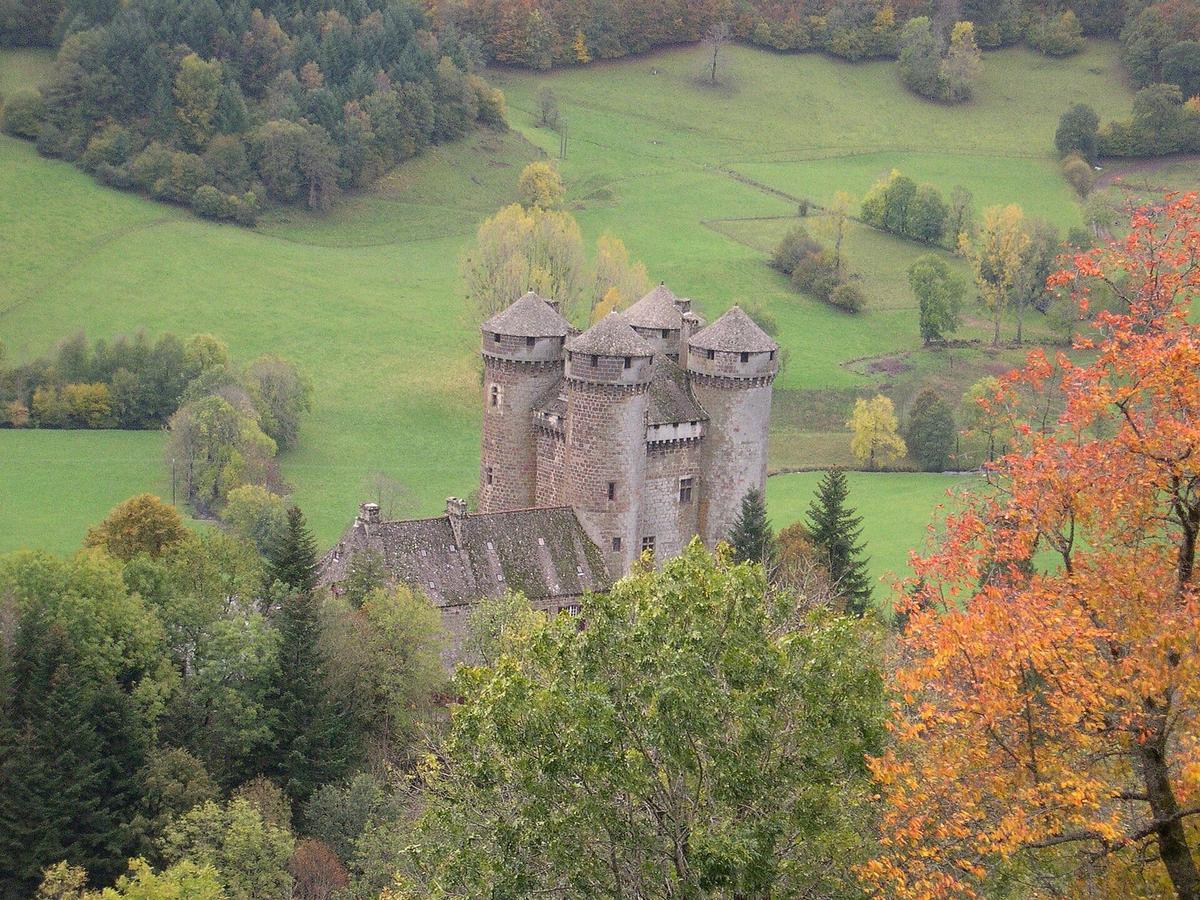

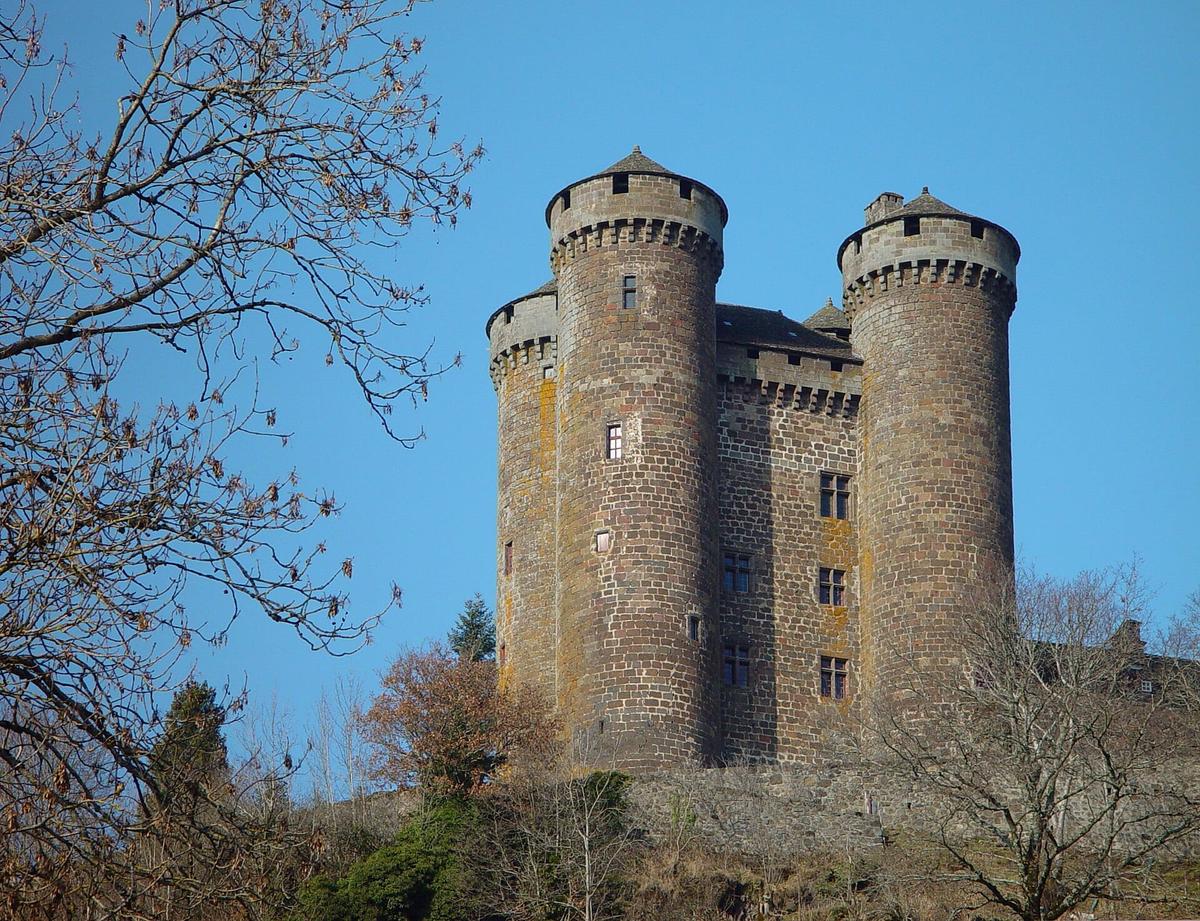
Anjony is one of the best-preserved castles in Upper Auvergne. Its keep is a fine example of a 15th-century mountain fortress that has survived almost intact.
Two things set it apart from the other castles of the Cantal. First, it is lived in: it still belongs to the descendants of the family who built it, and the current owner, the Marquis Robert Pélissier de Léotoing d'Anjony, is one of them. So you are visiting a home, not an empty museum. Second, it keeps 16th-century wall paintings that are rare in the region, in the chapel and in the great hall on the first floor.
The château has been a listed historic monument since 1942. The village of Tournemire, at the foot of the château, is one of the Most Beautiful Villages of France.
The Anjony and Tournemire families: a two-century feud
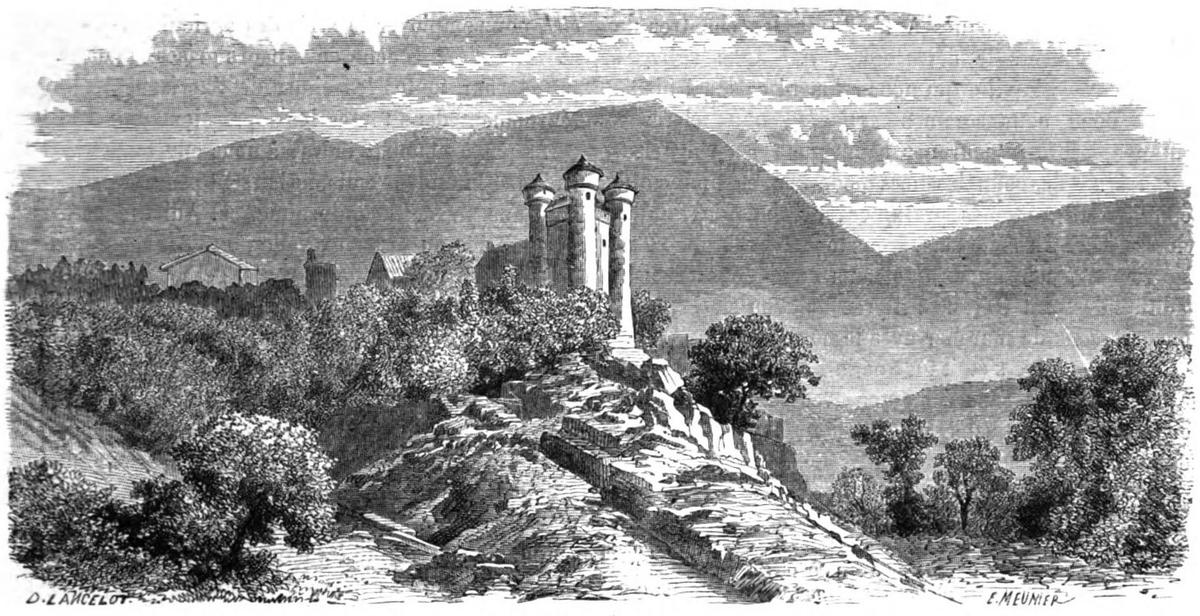

The story of the château is that of a middle-class family from Aurillac who rose into the nobility, facing an old family of lords settled right next door.
In 1351, Bernard Johanini, a burgher of Aurillac, acquired rights over the fief of Tournemire. He was ennobled in 1360 and in 1368 married Marguerite de Tournemire. The family took the name Anjony.
Around 1439, King Charles VII allowed the Anjonys to build the present keep. The lords of Tournemire, who had opposed the plan, took it very badly: two rival castles now stood a few hundred metres apart. The feud would last nearly two centuries, with a murder, a desecration and a duel (see the fun facts below).
It ended in 1643, when Michel II d'Anjony married Gabrielle de Pesteils, heiress of the Tournemires. The two families became one.
In the 18th century, in 1739, Claude d'Anjony added a more comfortable residence and outbuildings against the old fortress. This combination of medieval tower and residence is what you see today.
What to see at Château d'Anjony
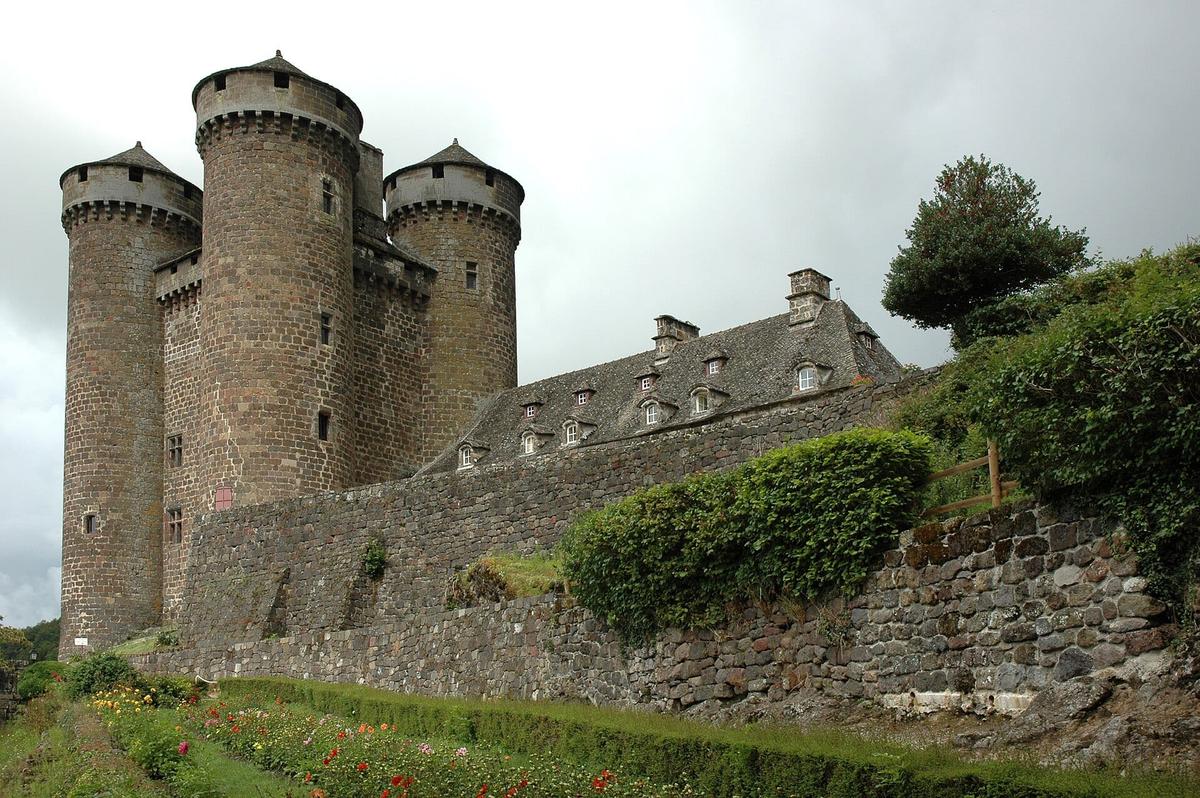

The keep. This is the tall 15th-century tower, the oldest part of the château, which has survived almost intact. It shows what a mountain fortress was like at the end of the Middle Ages, with its rooms stacked one above the other.
The Hall of the Nine Worthies. On the first floor, the great hall is covered in frescoes painted around 1575 for Michel d'Anjony. They show the Nine Worthies, the heroes the Middle Ages held up as models for knights: three from Antiquity, three from the Bible and three Christian heroes. Michel d'Anjony had himself painted among them. These paintings stayed hidden for a long time behind 18th-century panelling and were only rediscovered in the early 20th century. Look closely at the wall: the figure of Julius Caesar was lost in the 18th century, when a window was cut through the fresco.
The chapel. Its walls show scenes from the Passion of Christ, probably commissioned by Louis III d'Anjony, brother of the priest murdered in 1523. These are 16th-century religious paintings, alongside the secular frescoes of the Hall of the Worthies.
The 18th-century residence. It shows how a noble provincial family lived after the age of private wars: lighter rooms, furniture from several periods. As the château is lived in, the rooms open to visitors are the ones the family chooses to show.
The village of Tournemire. After the visit, take time to stroll through the village, one of the Most Beautiful Villages of France. It was in front of its church that the 1623 duel between the two families took place.
Château d'Anjony prices and opening hours
When we checked, in November 2026, the château had not published its 2026 prices or opening hours, and the tourist office listings still showed those of earlier seasons. So we do not repeat them here.
According to those same listings, outside summer the tours take place in the afternoon, with one closing day a week (Tuesday in autumn 2024). There is a child rate, a reduced rate for disabled visitors and a group rate. These details change from year to year: call the château on +33 4 71 47 61 67 before making the trip, especially in spring and autumn.
Our tip: as the visit is guided, you have to wait for the next tour if you arrive just after a group has left. On the phone, ask for the day's tour times and arrive a quarter of an hour early.
Do you need to book the guided tour?
Visits are only with a guide, in a group, and last about 60 minutes. If you are visiting on your own, phone to ask whether you need to book, especially in July and August. Groups of more than 15 people get a reduced rate and arrange their visit with the château in advance.
The tour is in French. The Aurillac tourist office says English is also spoken at the entrance: if you do not understand French, ask the guide whether they can give a few explanations in English.
How long does the visit take?
Allow about an hour for the guided tour, plus time waiting for it to start. With a walk round the village of Tournemire and a meal, half a day is enough. If you add Salers, close by, plan on the whole day.
Château d'Anjony with kids
An hour's guided tour inside a real castle tower appeals to children who like knights: rooms stacked on top of each other and big frescoes of heroes in armour. The story of the war between the Anjonys and the Tournemires, with its duel in front of the church, goes down well with older children. Young children may find it long: a guided tour means staying with the group and listening.
There is a child rate and entry is free for the youngest, according to the tourist office listings. Pushchairs cannot go up the tower stairs: bring a baby carrier.
Accessibility and dogs
The château is not wheelchair accessible, according to the Aurillac tourist office: the tour takes place on the upper floors of a medieval tower, reached by stairs. Visitors with reduced mobility should expect a lot of steps.
Pets are allowed according to the Salers and Aurillac tourist offices. Still, ask at the entrance when you buy your ticket whether your dog can come on the tour inside.
On site, there are toilets, a shop and a car park.
How to get to Château d'Anjony
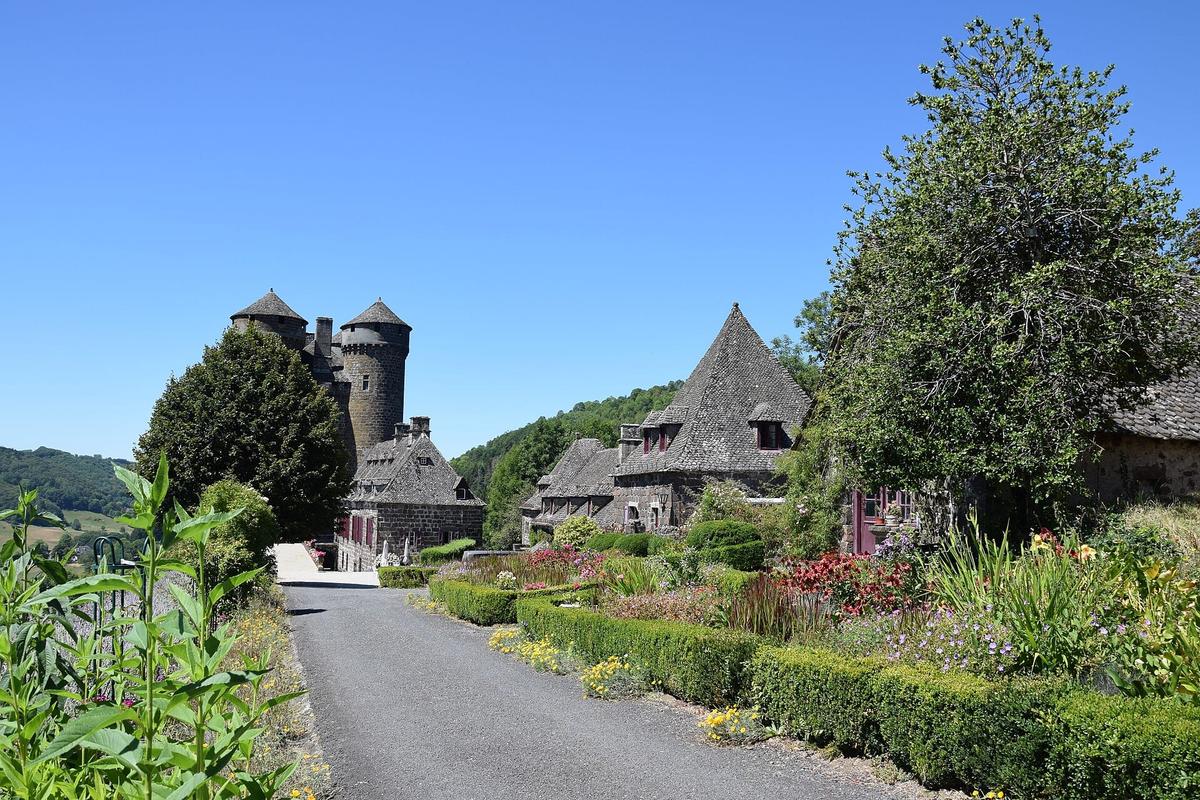

By car. This is the only practical way. The château is at Tournemire, in the Cantal, north of Aurillac and south-west of Salers. From Salers, it is about twenty kilometres and around half an hour on a small road. From Clermont-Ferrand, allow more than two hours. There is a car park near the château.
Without a car. There is no simple public transport connection to Tournemire. Ask the Aurillac and Salers tourist offices about any excursions in season.
Renting a car. To visit Anjony, Salers and the Monts du Cantal on the same trip, a car is essential. The main rental companies are at Clermont-Ferrand railway station and airport. On these mountain roads in winter, check road conditions before you set off.
Partner links: if you book through these links, we earn a commission at no extra cost to you. Partner links · Learn more
What to combine with Château d'Anjony
| Also worth seeing | Distance | Travel time |
|---|---|---|
| Salers | 20 km | 30 min by car |
| Murol Castle | 115 km | 125 min by car |
Approximate road distances and travel times.
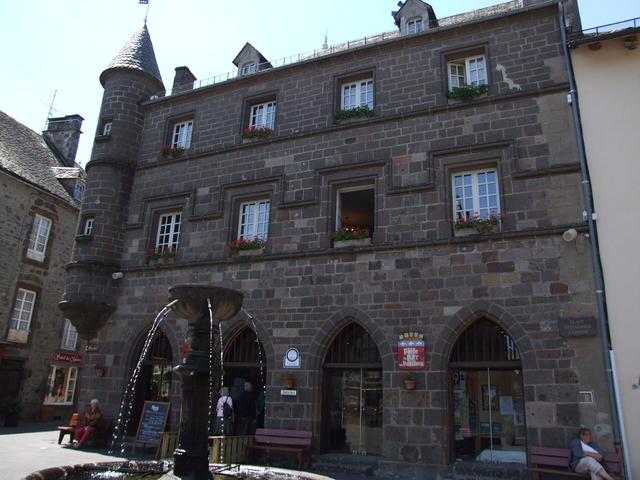
Salers. Half an hour's drive away, the volcanic stone village is the most natural visit to pair with Anjony: the château in the morning, Salers in the afternoon, or the other way round. Its Renaissance houses tell of the same period, that of the families who grew rich in Upper Auvergne. See also: Salers
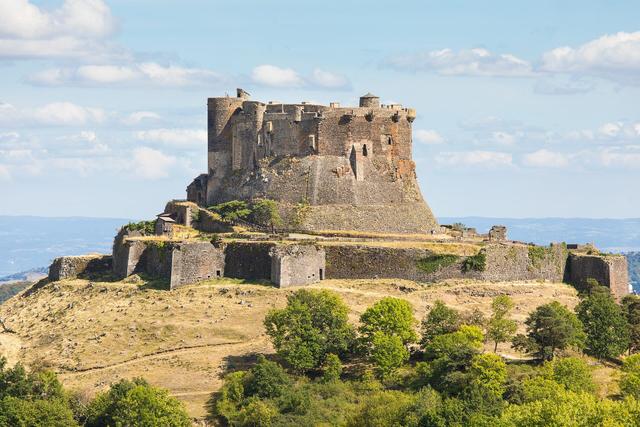
Murol Castle. Further north, in the Massif du Sancy, Murol is a restored ruined fortress with costumed shows. It is another side of the medieval castles of Auvergne, worth a stop on the way to Clermont-Ferrand. See also: Murol Castle
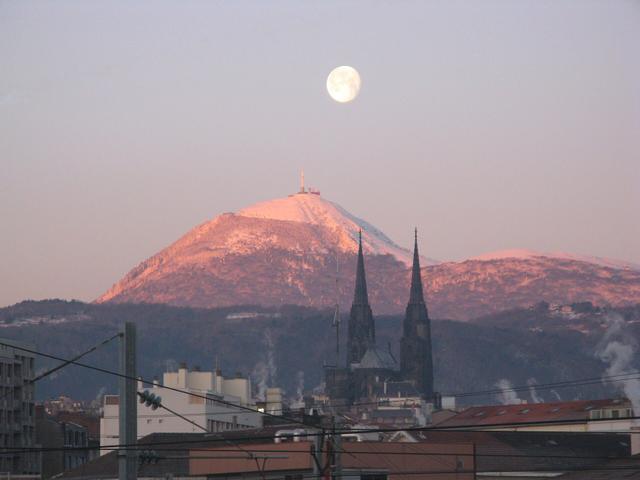
The volcanoes. For a longer stay, the Puy de Dôme and Vulcania go well with the castles of the Cantal. See also: Puy de Dôme, Vulcania
Fun facts
- A priest dug up. In 1523, Jean de Tournemire killed a son of the lord of Anjony, the parish priest of Marmanhac. The lord of Tournemire then had the priest's body exhumed from the parish church and thrown in front of the gate of Château d'Anjony.
- A duel with six dead. In 1623, a duel in front of the church pitted the two families' champions against each other. It left 3 dead on each side.
- Peace through marriage. The feud ended in 1643 with the marriage of Michel II d'Anjony to Gabrielle de Pesteils, heiress of the Tournemires.
- A lord among the heroes. In the Hall of the Worthies, Michel d'Anjony had himself painted in the middle of the nine heroes of Antiquity, the Bible and Christendom.
- A fresco with a hole in it. The Julius Caesar of the Hall of the Worthies was lost in the 18th century, when a window was opened in the wall where he was painted.
Château d'Anjony timeline
- 1351: Bernard Johanini, a burgher of Aurillac, acquires rights over the fief of Tournemire.
- Around 1439: Charles VII authorises the building of the keep.
- 1523: murder of the priest of Marmanhac, son of the lord of Anjony.
- Around 1575: the Nine Worthies frescoes are painted.
- 1623: duel between the two families in front of the church.
- 1643: the marriage that ends the feud.
- 1739: the residence and outbuildings are built.
- 1942: listed as a historic monument.
Where to eat and stay near Château d'Anjony
Eating. Choice is limited in Tournemire itself. Salers, half an hour away, has several restaurants serving Cantal cooking; Aurillac has more choice all year round. Out of season, many village restaurants close: call ahead.
Staying. Salers and the surrounding area have hotels and B&Bs, handy for combining Anjony, Salers and Puy Mary. Aurillac, the main town of the Cantal, has the most choice.
To plan the rest of your trip in Auvergne: See also: Auvergne
FAQ
Can you visit Château d'Anjony on your own?
No, visits are guided only and last about 60 minutes.
What are Château d'Anjony's opening hours and prices?
They had not been published for 2026 when we checked. Call the château on +33 4 71 47 61 67 before you come.
Does anyone live at Château d'Anjony?
Yes, it still belongs to the family who built it, now represented by the Marquis Robert Pélissier de Léotoing d'Anjony.
What is there to see inside?
The Hall of the Nine Worthies and its 16th-century frescoes, the chapel painted with scenes from the Passion, the keep and the 18th-century residence.
Is the château wheelchair accessible?
No, the tour takes place on the upper floors of a medieval tower, reached by stairs.
What else is there to visit near Château d'Anjony?
The village of Tournemire, then Salers, half an hour's drive away. See also: Salers
Practical information
Address
Château d'Anjony, 10 rue des Châteaux, Anjony, 15310 Tournemire, France
Directions · Phone+33 4 71 47 61 67
On site and nearby
- On site: Toilets
- Nearest shops and pharmacy: Saint-Cernin, 5 km away Straight-line distance, based on OpenStreetMap.
- Emergencies: 112 (all emergencies, free from any phone), 15 (SAMU, medical emergency)
Around the site, on Google Maps
With children
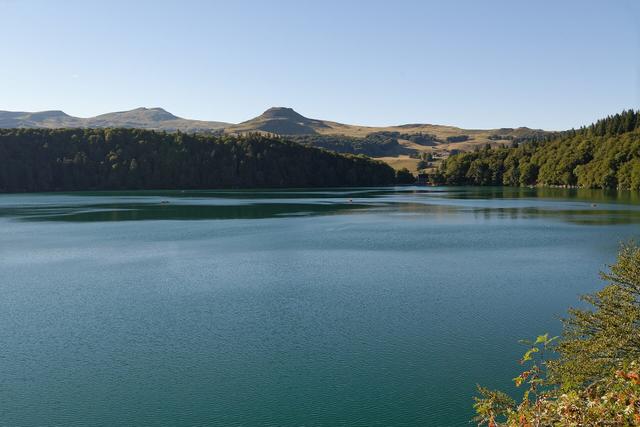
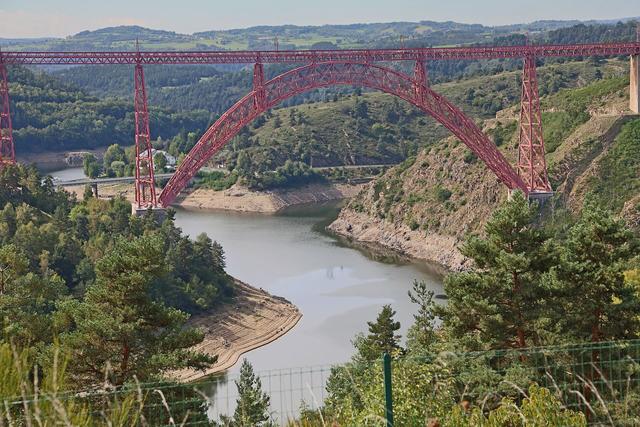
Family days out nearby: Château de Val (43 km), Garabit Viaduct (56 km), Lac Pavin (59 km)
Swimming pools and play areas nearby, on Google Maps
Facts checked on 5 November 2026. Sources: salers-tourisme.fr, iaurillac.com, auvergnerhonealpes-tourisme.com, fr.wikipedia.org, les-plus-beaux-villages-de-france.org
Map
In the same region