Visiting Salers, the stone village of the Cantal
Salers at a glance
- Admission
- Free
- Where
- Salers
Facts checked on 29 October 2026. Full opening hours, reduced prices and access
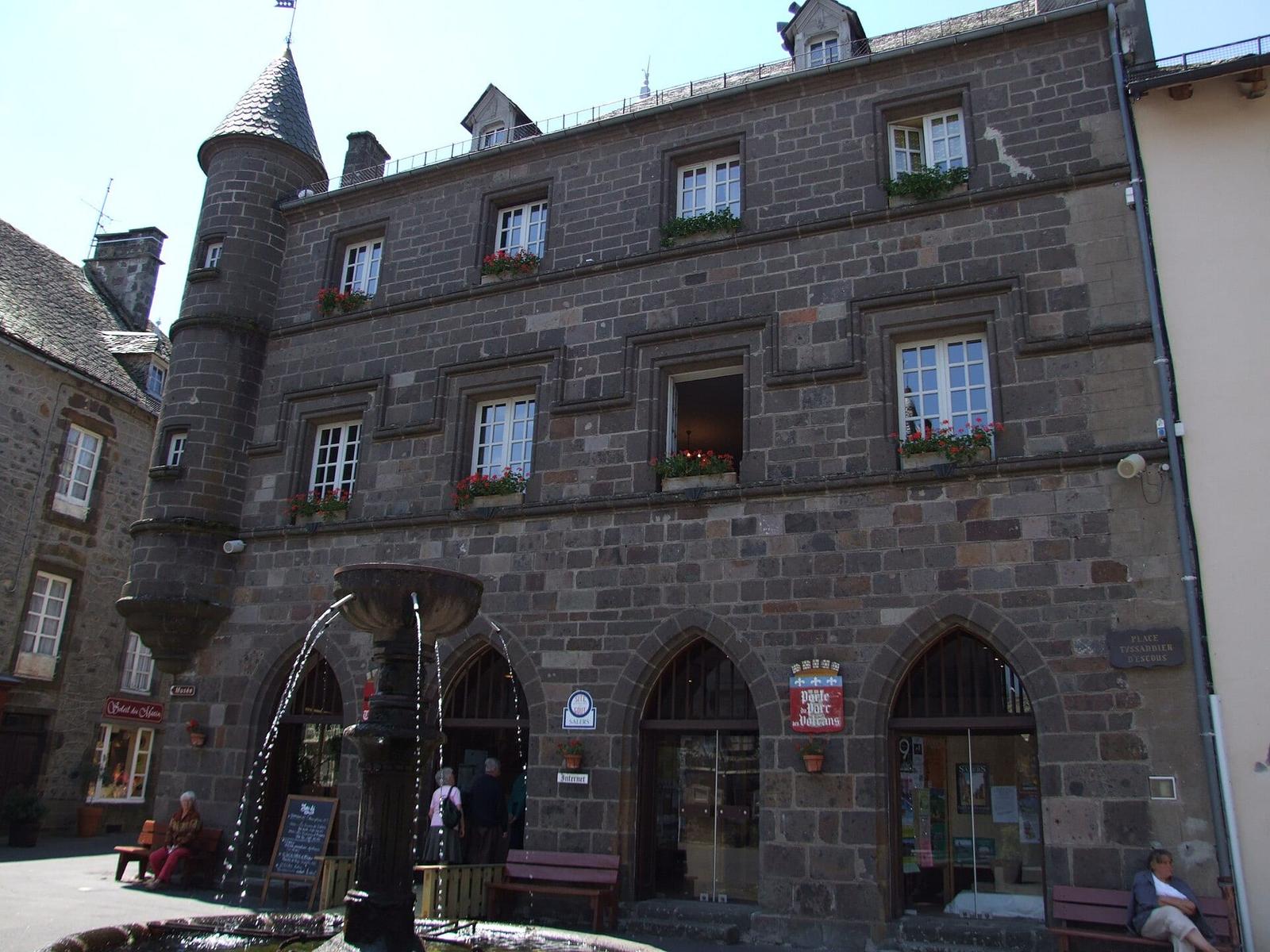

Listed among the Most Beautiful Villages of France, Salers is a little town of dark volcanic stone on a plateau in the Cantal, at about 900 metres above sea level. Its Renaissance houses, ramparts and Grande Place tell the story of a wealthy town of judges in the 16th century. All around, the red Salers cattle graze at the foot of Puy Mary. Here is how to plan your visit.
Salers at a glance
- Where: in the Cantal, north-west of Puy Mary, about two hours' drive from Clermont-Ferrand.
- Price: the village is free to visit. Only guided tours and a few houses charge admission.
- Open: you can visit the village all year; some shops close out of season.
- Time needed: one to two hours for the village; a guided tour lasts 90 minutes. Add half a day for Puy Mary.
- Getting there: by car; the centre is explored on foot.
- Best for: lovers of old stones, walkers and food lovers. The steep cobbled streets are hard going with pushchairs and wheelchairs.
Why Salers is so well preserved
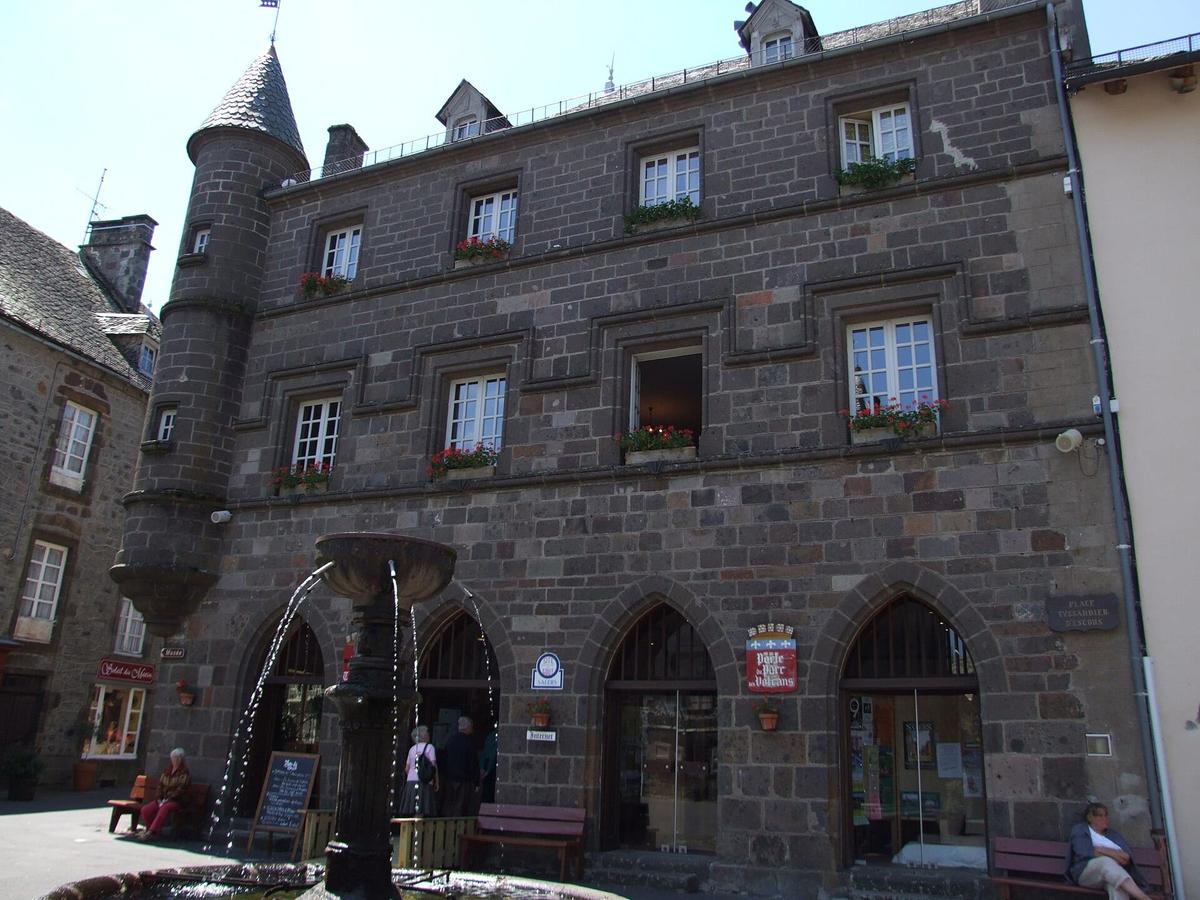
Salers has just 312 inhabitants (2022), but its streets look like those of a small town. The explanation lies in one date: in 1550, Salers became the seat of the bailiwick of the Montagnes d'Auvergne, the royal court of Upper Auvergne, moved here from Crèvecœur. Judges, lawyers and well-off families settled in the town and built the volcanic stone houses, with turrets and mullioned windows, that still surround the Grande Place.
Before that, the town had been fortified. In 1428, after raids by Rodrigo de Villandrando's mercenary bands, the upper town was enclosed by ramparts. The Beffroi and Martille gates date from this defensive system.
The castle of the barons of Salers, however, has vanished. In 1666, the Grands Jours d'Auvergne, a special court sent by Louis XIV, condemned Baron François de Salers, and the castle was razed.
After the judges left, Salers lived on the sidelines and changed little. That is what protected its façades. Today tourism is its main activity, with about 80 shops and businesses.
What to see in Salers
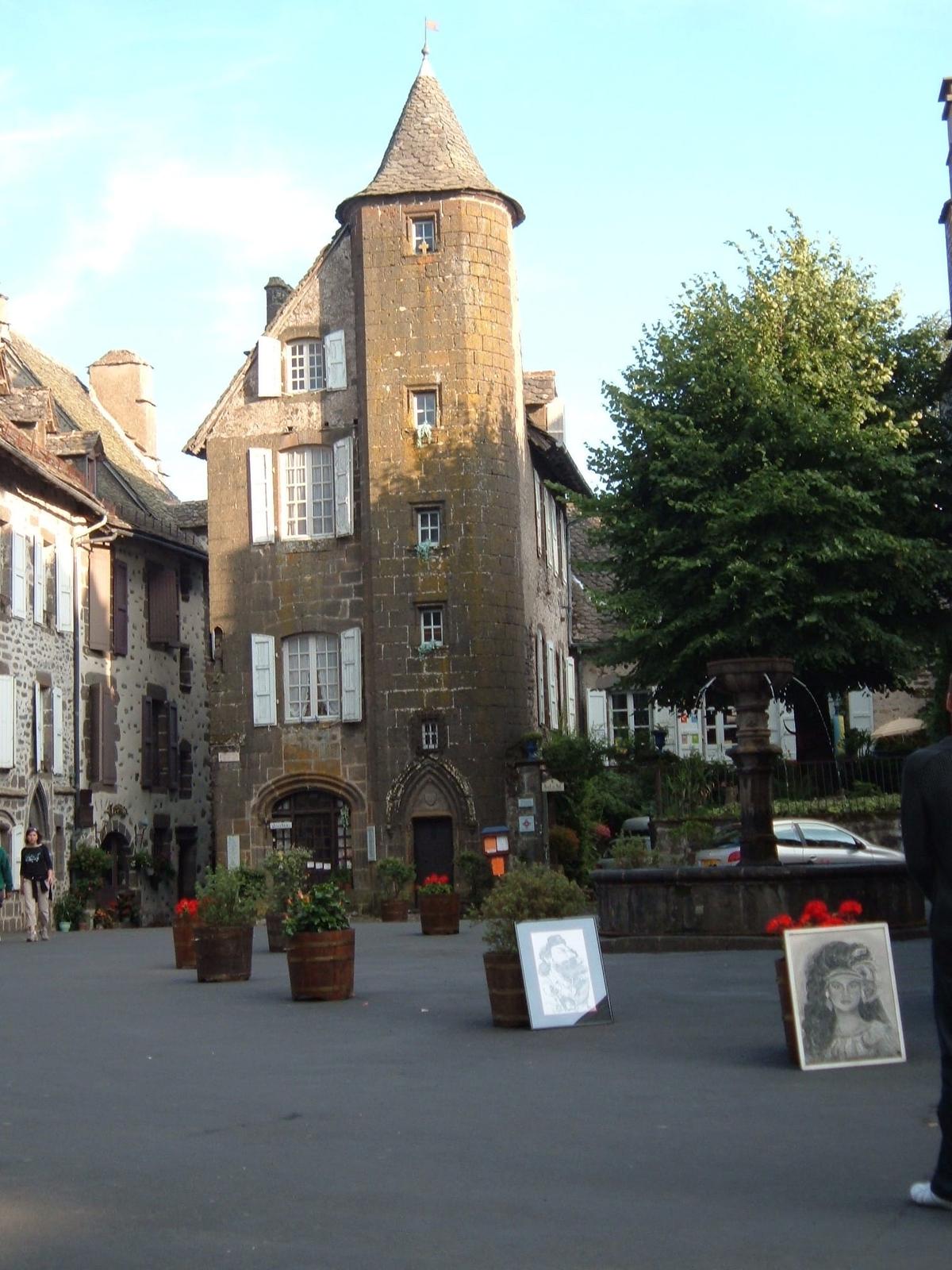
The Grande Place. This is the heart of the village, surrounded by Renaissance houses in dark stone. In the middle stands the bust of Ernest Tyssandier d'Escous, after whom the square is named. Take time to look up at the turrets and dormer windows.
The Maison du Bailliage. The former seat of the court, this is the house most closely linked to the town's history.
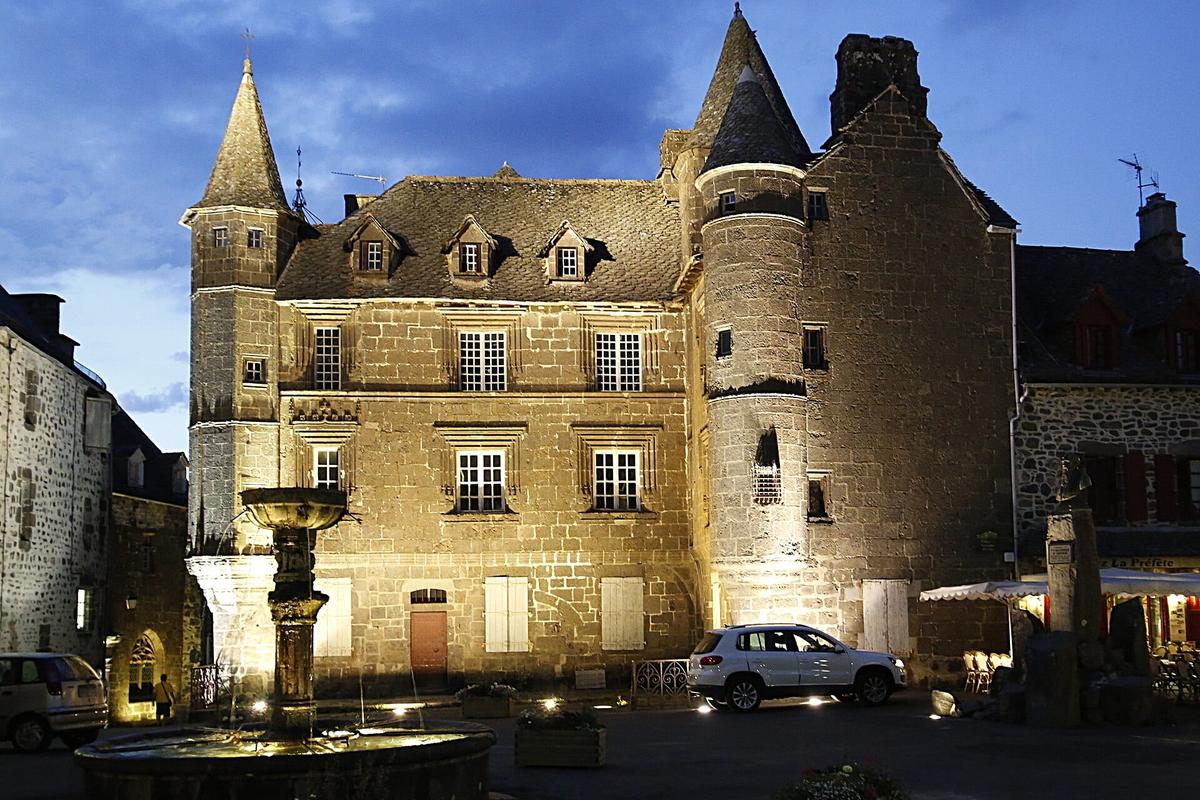

The Maison des Templiers. Also known as the house of the Commander of Mossier, this Renaissance mansion is home to the local history museum.
The Maison de la Ronade. Its foundations go back to the 13th century. It is one of the tallest fortified houses in the village.
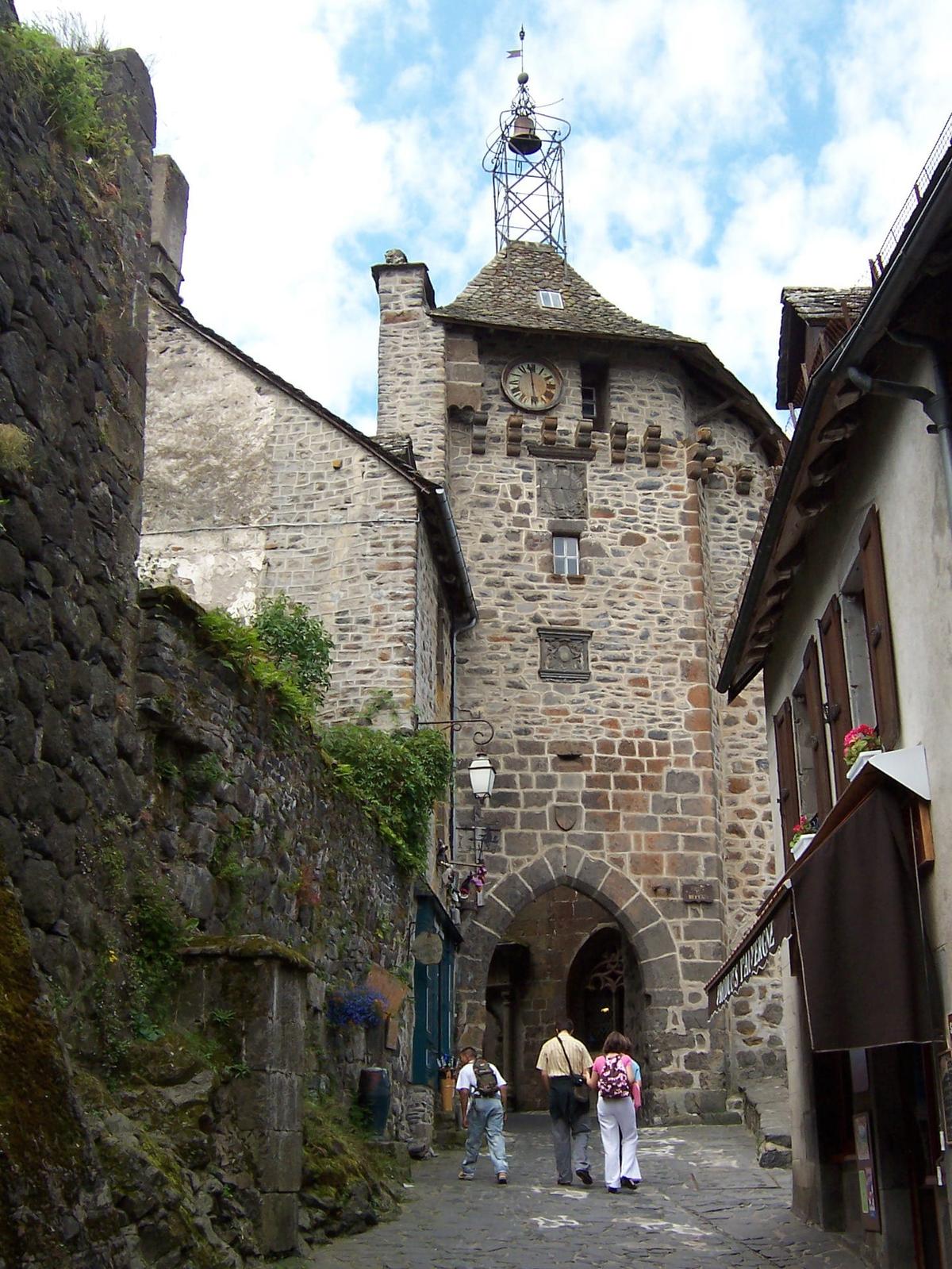
The Beffroi. This 15th-century gate tower marks the entrance to the upper town. Under its archway, the former Hôtel-Dieu, founded in 1532 by Pierre Lizet, a local man who became first president of the Parliament of Paris, now houses an enamel shop.

The Church of Saint-Mathieu. Rebuilt at the end of the 15th century, it holds a painted Entombment from 1495. It is the most important work of art in Salers.
Guided tours from the tourist office
The Pays de Salers tourist office, on the Grande Place, runs guided tours of the village lasting about 90 minutes. They take place mainly in summer, with a few dates in spring and autumn. The rest of the year, they are by appointment, in French or English. Dogs are welcome.
The 2026 programme and prices had not been published when we checked: ask the tourist office or look at its website before you come.
Our tip: in July and August, arrive before 10 am. The village is small, and the tour coaches arrive in the late morning. In the evening, once the groups have left, the Grande Place is peaceful again.
Partner links: if you book through these links, we earn a commission at no extra cost to you. Partner links · Learn more
Guided tours and day trips on GetYourGuide
How long does it take to visit Salers?
Walking around the village takes one to two hours, with the church, the Grande Place and the esplanade. With a guided tour, a museum and a meal, half a day goes by quickly. If you then go up Puy Mary, allow the whole day.
Salers cows and Salers cheese
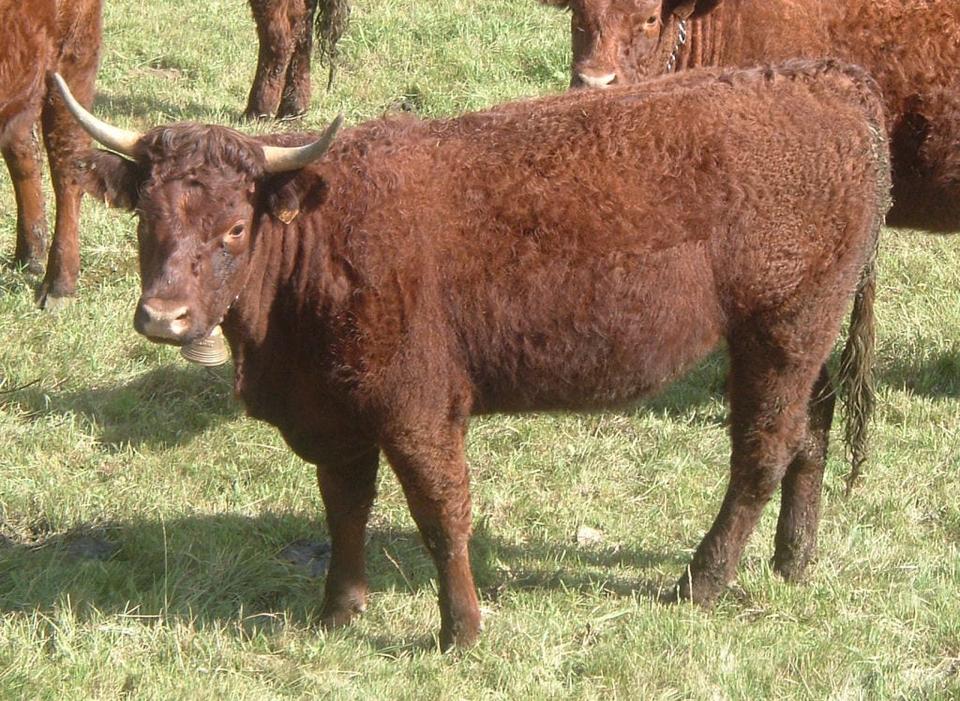

The village gave its name to a breed of cattle with a mahogany-red coat and long lyre-shaped horns. In the 19th century, Ernest Tyssandier d'Escous (1813-1889), an agronomist from Salers, worked on selecting the breed and getting it recognised. His bust stands on the Grande Place that bears his name.
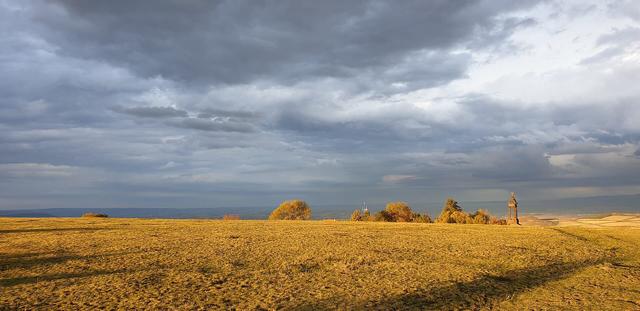
In summer, you will come across the herds on the mountain pastures around the village and on the road to Puy Mary.
Salers is also a cheese: a farmhouse cheese made from raw cow's milk, in the same family as Cantal. Taste it in the village shops, alongside gentian, the root liqueur that also carries the Salers name.
Salers with children
Visiting the village is free and short, which suits children. They enjoy the ramparts, the towers and above all the cows in the surrounding fields. The steep cobbled streets make pushchairs a struggle: a baby carrier is more practical. With children who walk well, the trails around Puy Mary make a good nature outing as well.
Accessibility and dogs
The streets of the old village are cobbled and sometimes steep. Before coming with a wheelchair, ask the tourist office which route to follow and where to park.
Dogs are welcome on the tourist office's guided tours. Keep them on a lead, especially near the herds around the village.
How to get to Salers
By car. This is the only realistic option. From Clermont-Ferrand, allow about two hours. From Aurillac, the main town of the Cantal, further south, the drive is shorter. Park in the car parks at the entrance to the village: the historic centre is explored on foot.
Without a car. There is no railway station in Salers. Ask the tourist office about organised excursions in season; otherwise, a car is the simplest way.
Renting a car. To combine Salers, Puy Mary and the volcanoes of the Puy-de-Dôme, a car is essential. Rental companies are at Clermont-Ferrand railway station and airport, and in Aurillac.
What to combine with Salers
| Also worth seeing | Distance | Travel time |
|---|---|---|
| Murol Castle | 100 km | 115 min by car |
| Vulcania | 110 km | 115 min by car |
Approximate road distances and travel times.
Puy Mary. The volcano at the heart of the Monts du Cantal is the big nature outing in the area. A scenic road leads there from Salers. It can be closed by snow in winter: check that it is open before you set off.
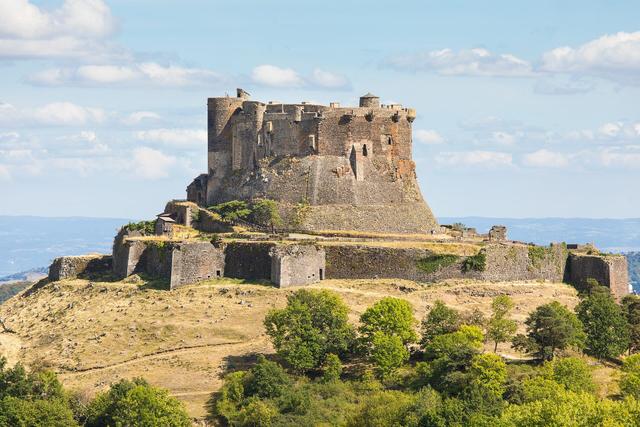
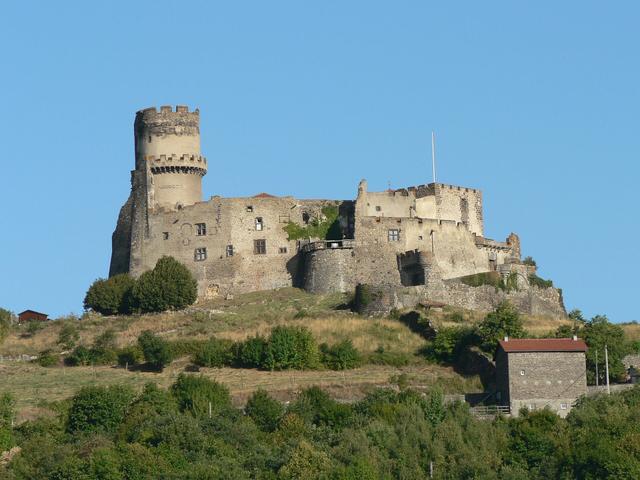
Murol Castle and Lac Chambon. To the north, in the Massif du Sancy, the medieval fortress of Murol puts on costumed shows during the holidays. Allow nearly two hours' drive: it is a stop to fit in on the way to Clermont-Ferrand. See also: Murol Castle
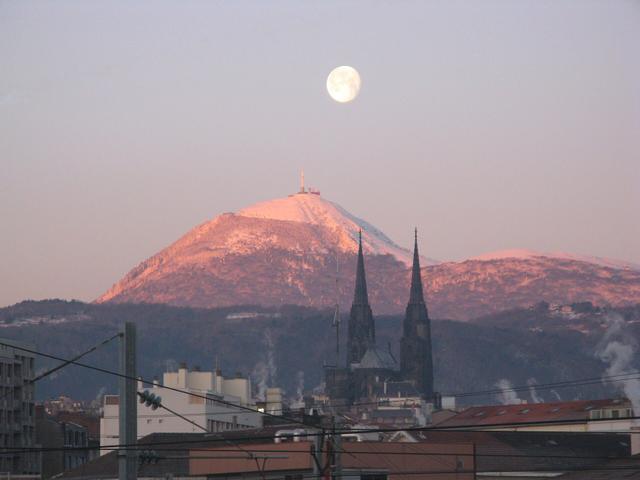
The Puy de Dôme and Vulcania. For a trip built around volcanoes, these two visits pair well with Salers on another day. See also: Puy de Dôme, Vulcania
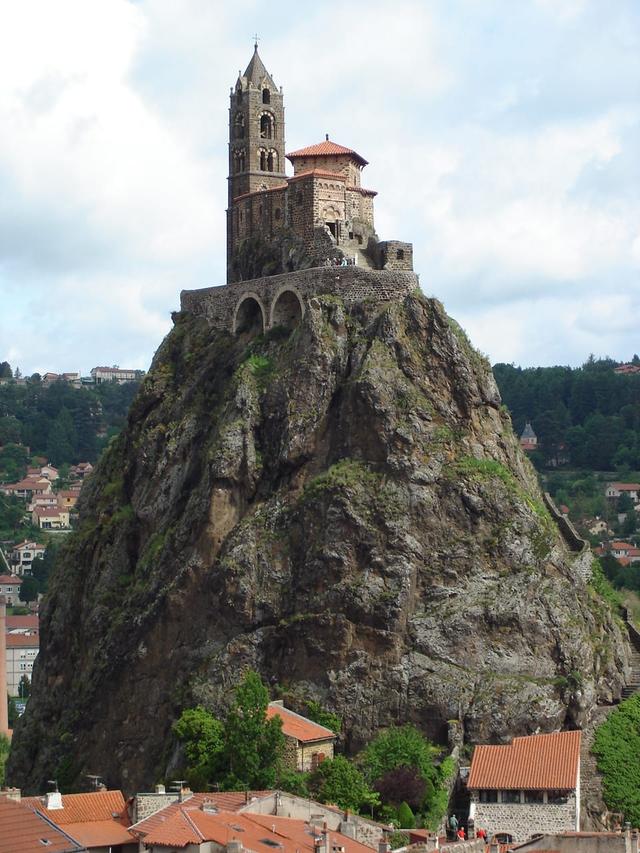
Le Puy-en-Velay and La Chaise-Dieu. In eastern Auvergne, Le Puy Cathedral and La Chaise-Dieu Abbey make up another heritage route. See also: Le Puy Cathedral, La Chaise-Dieu Abbey
Salers through the centuries
- 1095: Baron Séverin de Salers leaves for the First Crusade after the Council of Clermont.
- 1428: the upper town is enclosed by ramparts.
- 1520: a plague epidemic kills about 400 inhabitants.
- 1550: Salers becomes the seat of the bailiwick of the Montagnes d'Auvergne.
- 1666: the Grands Jours d'Auvergne have the barons' castle razed.
Fun facts

- A whole village of extras. In 1964, Jean-Pierre Mocky shot part of "La Grande Frousse", starring Bourvil, in Salers, and used local people as extras.
- On a stamp. In 1974, the French Post Office issued a stamp designed by Claude Durrens showing the main monuments of Salers.
- A night in the Wars of Religion. At the end of the 16th century, Protestants tried to take the town by night. The attack was driven back, but nineteen members of Salers' noble families lost their lives.
- An inventor. Jules-Antoine Badal, born in Salers in 1840, invented the optometer, an instrument for measuring eyesight.
Where to eat and stay in Salers
Eating. The restaurants on the Grande Place and the nearby streets serve Cantal cooking and the region's cheeses. Out of season, some close: check before you come.
Staying. The village has a few hotels and B&Bs in old houses. Staying overnight lets you see the Grande Place in peace, in the evening and early in the morning, and set off early for Puy Mary. Aurillac has more choice all year round.
To plan the rest of your trip: See also: Auvergne
FAQ
Do you have to pay to visit Salers?
No, the village is free to visit all year. Only guided tours and some museums or houses charge admission.
How long does it take to visit Salers?
One to two hours for the village. With Puy Mary, allow the whole day.
Are there guided tours of Salers?
Yes, the tourist office runs 90-minute tours, mainly in summer, and by appointment the rest of the year.
Why is Salers so famous?
For its Renaissance houses in volcanic stone, its place among the Most Beautiful Villages of France, its breed of cattle and its cheese.
Can you get from Salers to Puy Mary?
Yes, a scenic road leads to Puy Mary from Salers. It can be closed by snow in winter.
How do I get to Salers without a car?
It is difficult: there is no railway station. Ask the tourist office whether organised excursions run during your stay.
Practical information
Official ticket-office prices 2026
Free admission
Address
Salers, office de tourisme, 3 place Tyssandier d'Escous, 15140 Salers, France
Directions · Phone+33 4 71 40 58 08
On site and nearby
- Nearest shops and pharmacy: Salers, less than 1 km away Straight-line distance, based on OpenStreetMap.
- Emergencies: 112 (all emergencies, free from any phone), 15 (SAMU, medical emergency)
Around the site, on Google Maps
With children
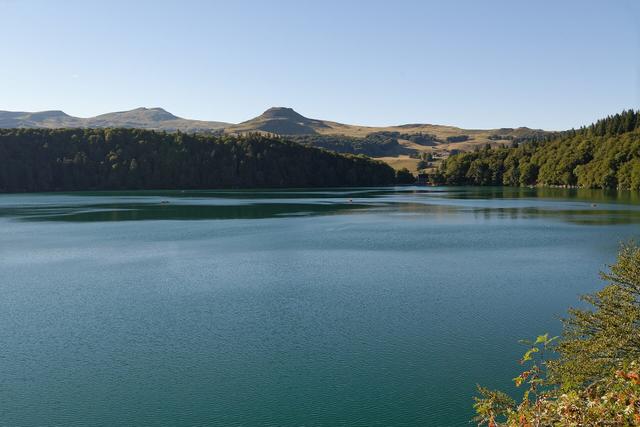
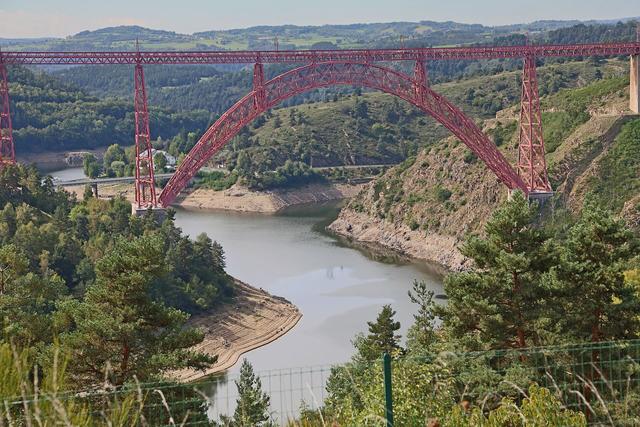
Family days out nearby: Château de Val (34 km), Lac Pavin (50 km), Garabit Viaduct (57 km)
Swimming pools and play areas nearby, on Google Maps
Facts checked on 29 October 2026. Sources: salers-tourisme.fr, salers-tourisme.fr, fr.wikipedia.org
Map
In the same region