Gergovia Plateau: visiting the battlefield and its museum
Gergovia Plateau at a glance
- High season
- 11:00 – 19:00
- Full price
- €9
- Free
- children under 7
- Time needed
- about 1 h 15 min
- Visitors per year
- about 45,000 (2025)
- Where
- La Roche-Blanche
Official ticket-office prices, checked on 11 November 2026. Full opening hours, reduced prices and access
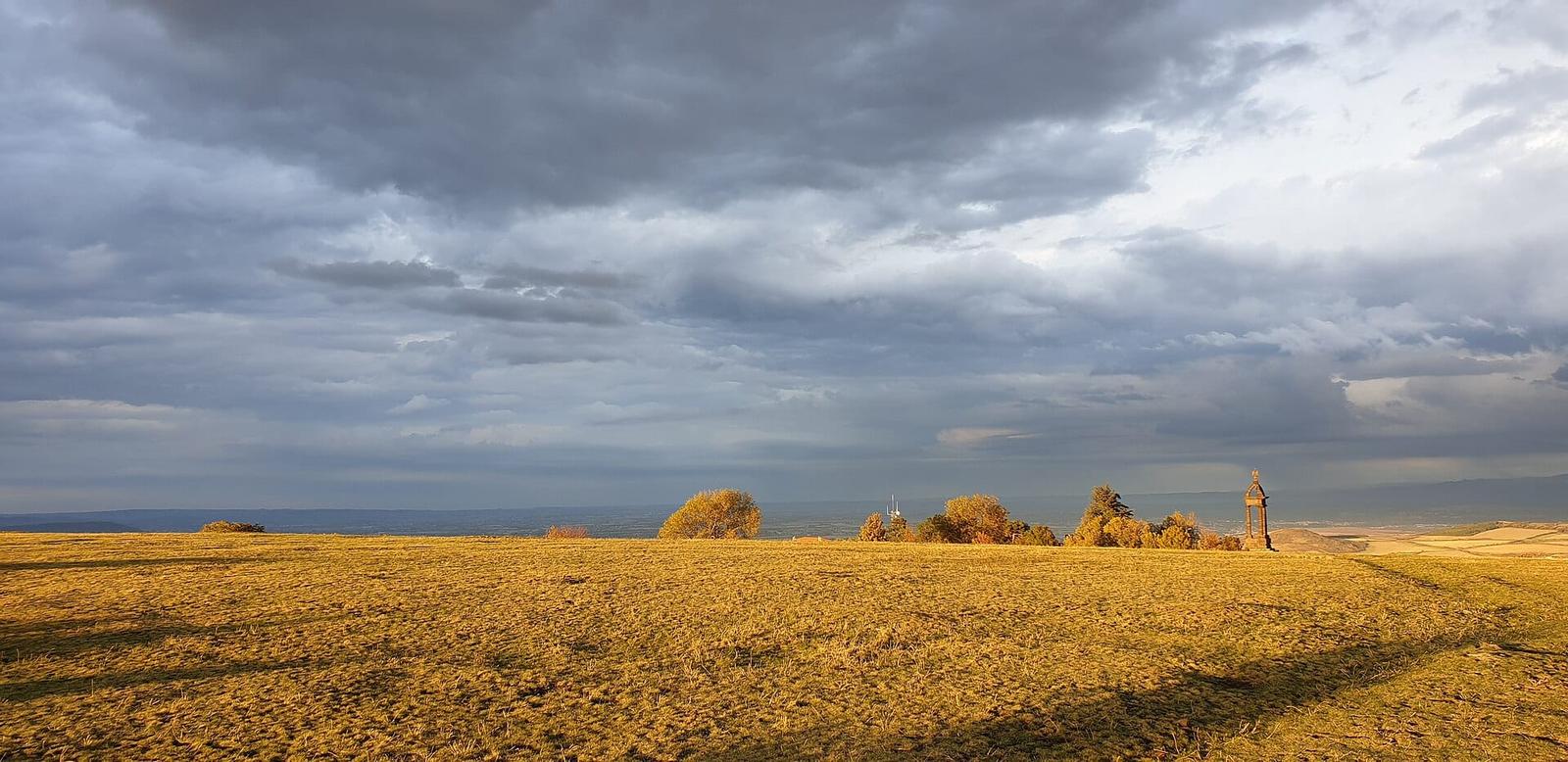

10 km south of Clermont-Ferrand, the Gergovia Plateau (Gergovie in French) overlooks the Limagne plain. It was here, in 52 BC, that Vercingetorix drove back Caesar's legions. The plateau is free to explore; the archaeological museum of the battle, opened in 2019, explains what happened. Here are the prices, the season's opening hours, the car parks and our tips.
Gergovia at a glance
- Where: in the commune of La Roche-Blanche (Puy-de-Dôme), about twenty minutes from Clermont-Ferrand on the A75.
- Price: the plateau is free. The museum costs €9 per adult, €5 for ages 7 to 25, and is free under 7.
- Museum opening: season from 7 February 2026 to 3 January 2027, afternoons 13:00 – 18:00, 11:00 – 19:00 in summer.
- Watch out: outside French school holidays, the museum only opens on Wednesdays, Saturdays and Sundays.
- Time needed: 75 minutes for the museum, one to two hours more for the plateau.
- Best for: history lovers, families, and anyone who wants a big view over the volcanoes.
Why visit the Gergovia Plateau
Gergovia is one of the few ancient battlefields you can still read in the landscape. The plateau is a large basalt tableland at 744 metres, about 1500 metres long and 700 wide. Its 70 hectares were home to an oppidum, a fortified Gallic town, densely populated in the 1st century BC.

In the spring or early summer of 52 BC, Caesar laid siege to this stronghold of the Arverni, defended by Vercingetorix. He set up a large camp and a small camp on the neighbouring heights, linked by a double ditch. The assault went wrong: signals were misunderstood, legionaries advanced too far, and the Gallic cavalry routed them.
Caesar describes his own defeat in The Gallic War. He admits the loss of nearly 700 soldiers and 46 centurions, a figure historians believe is probably too low. He lifted the siege and left Arverni territory. A few months later, Vercingetorix surrendered at Alesia, but Gergovia remains the most famous Gallic victory.
Today, the plateau offers three visits in one: the museum, the 1900 monument and a walk across open land grazed by sheep, with one of the finest views in the Auvergne.
How much does the Gergovia museum cost?
The plateau itself is free and open all year. Only the archaeological museum of the Battle of Gergovia charges for entry. 2026 prices, valid until 3 January 2027:
- Adult: €9.
- Reduced rate: €7, for disabled visitors, jobseekers and students.
- Ages 7 to 25: €5.
- Under 7: free.
- Family (2 adults and 2 young people): €23.
- Annual pass: €20, worth it from your third visit if you come back for the Gallic festivals or exhibitions.
- Children's activity booklet: €1.
Money-saving tips. The museum accepts the Pass Culture, the Pass'Région, the ClermontPass and the Terra Volcana pass. During the European Heritage Days, entry is free. Parking is free.
Groups. For more than 10 people, contact the museum to book and get the price.
Do you need to book?
No, not for a self-guided visit to the museum: you can buy your ticket on the spot. The museum also has an online ticket office, useful for events and guided tours, which have limited places.
If you are looking for other activities around Clermont-Ferrand, here are the tours on offer in the area.
Partner links: if you book through these links, we earn a commission at no extra cost to you. Partner links · Learn more
2026 opening hours: when is the museum open?
The 2026 season runs from 7 February 2026 to 3 January 2027. Hours change with the French school calendar:
- Outside school holidays: Wednesday, Saturday and Sunday, 13:00 – 18:00.
- During school holidays: every day, 13:00 – 18:00.
- In summer: every day, 11:00 – 19:00.
The museum also opens on some public holidays: 1 and 8 May, the Ascension long weekend, Whit Monday, 14 July, 15 August, 1 and 11 November. It is closed on 24 and 25 December and 1 January, then closes for the winter after 3 January 2027.
In November, the museum only opens on Wednesday, Saturday and Sunday afternoons. The plateau stays open every day.
Our tip: for the view, pick a clear day, ideally in the late afternoon. In summer, the museum opens at 11 am: visit it first, then walk up to the viewpoint when the heat drops. In fog or strong wind, the plateau loses much of its appeal; save the visit for another day if you can.
How long does it take?
The museum suggests 75 minutes for the exhibition. Add a walk round the plateau, the monument and the viewpoint: half a day on site is a good pace. If you join a guided tour of the plateau in summer, make a full day of it with a picnic.

What to see at the Gergovia museum
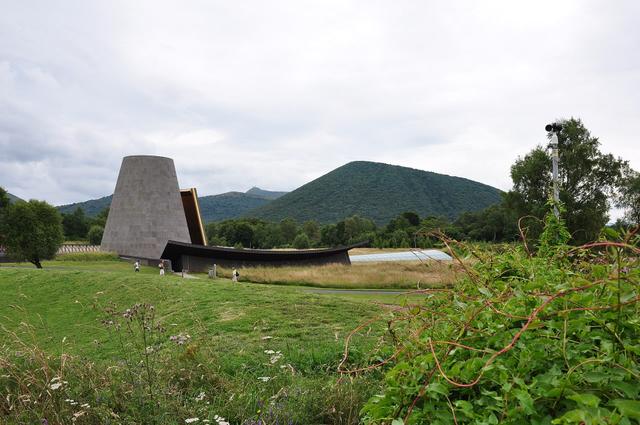
The museum, opened in October 2019 at the eastern end of the former oppidum, displays about 300 objects and remains over 600 m² of exhibition space. The building is laid out on three levels.
The battle. Models, maps and an audiovisual room put you at the heart of the clash between Romans and Gauls. At last you understand where the small camp, the large camp and the oppidum were, and why the Roman assault failed.
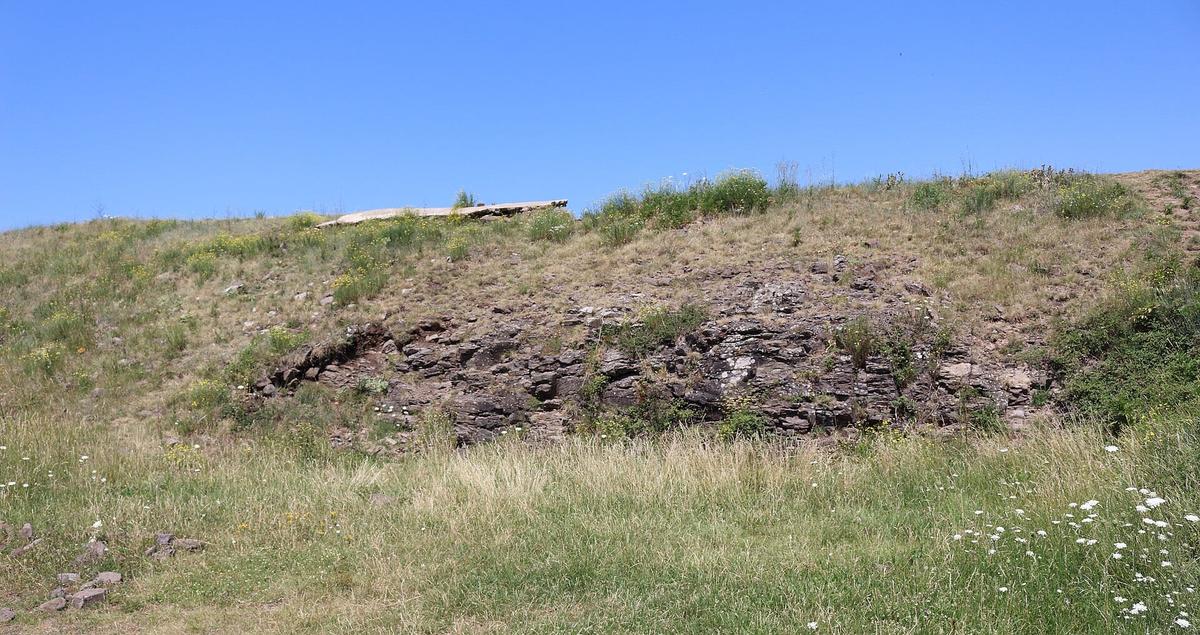
Finds from the excavations. Catapult bolt heads, pieces of amphorae, weapons: the physical traces of the siege. In 2007, the discovery of a catapult bolt in the rampart made it possible to date this section to Caesar's siege.
The Arverni. Part of the exhibition covers the civilisation of the Arverni oppida, the great Gallic towns of the region before the conquest.
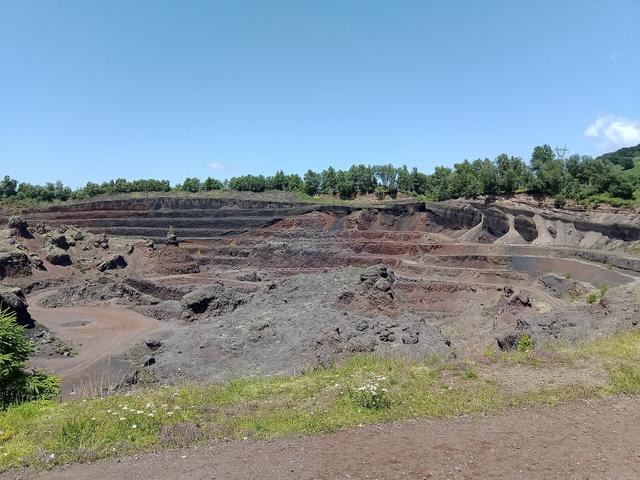
The landscape. The museum also tells the geological story of the plateau, formed by lava flows, and its wildlife and plants.
The 2026 exhibition. From 4 April 2026 to 7 March 2027, the exhibition L'Étoffe d'un Gaulois is devoted to Gallic clothing and textiles. It is included in the ticket.
The texts and multimedia content of the permanent exhibition are in French and English. Guided tours in English, German and Italian are possible, depending on guide availability.
On the plateau: the monument and the viewpoint
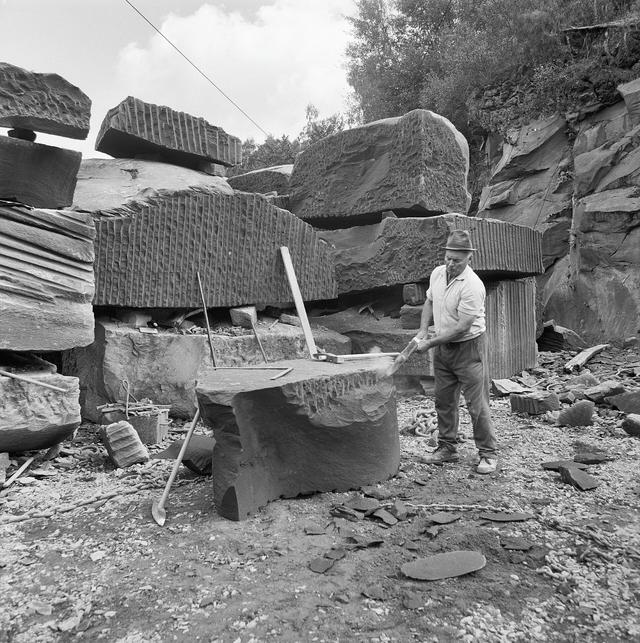
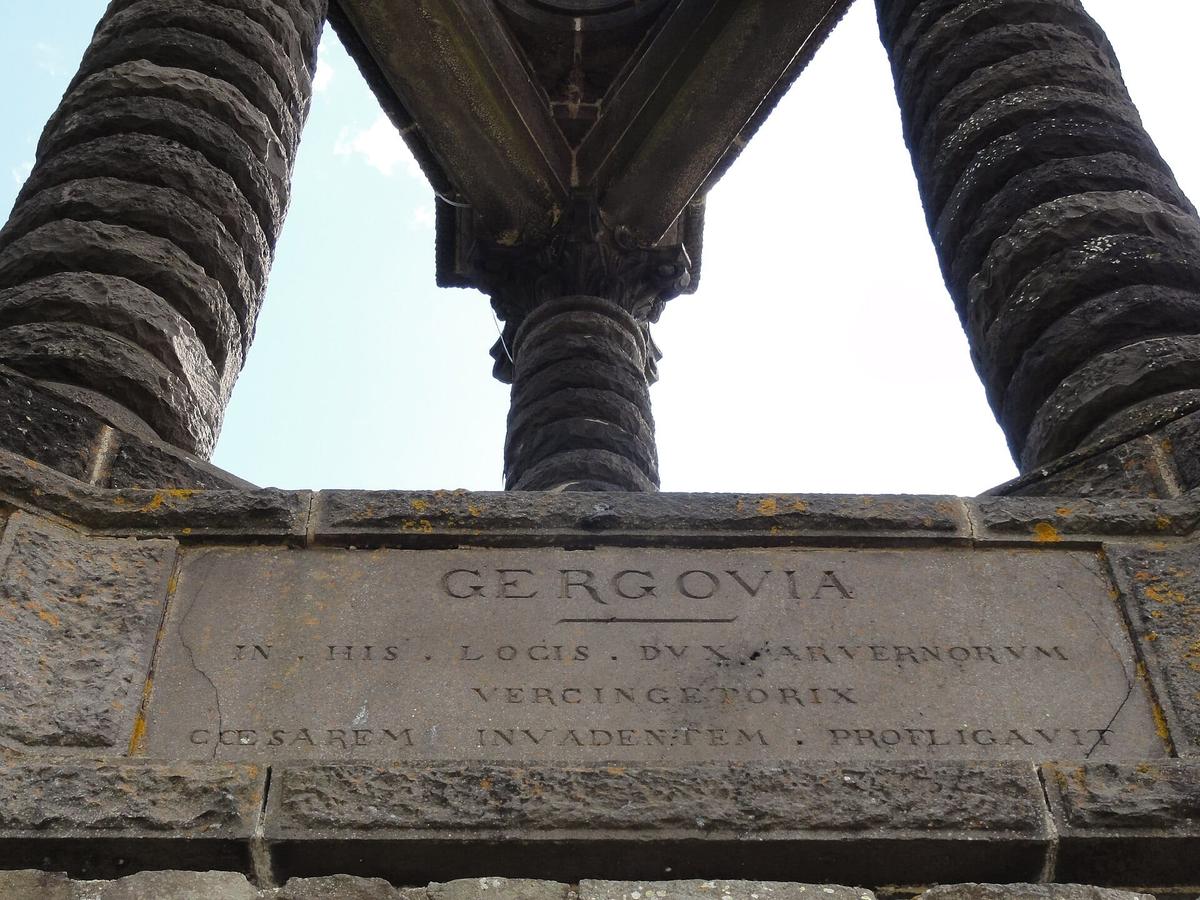
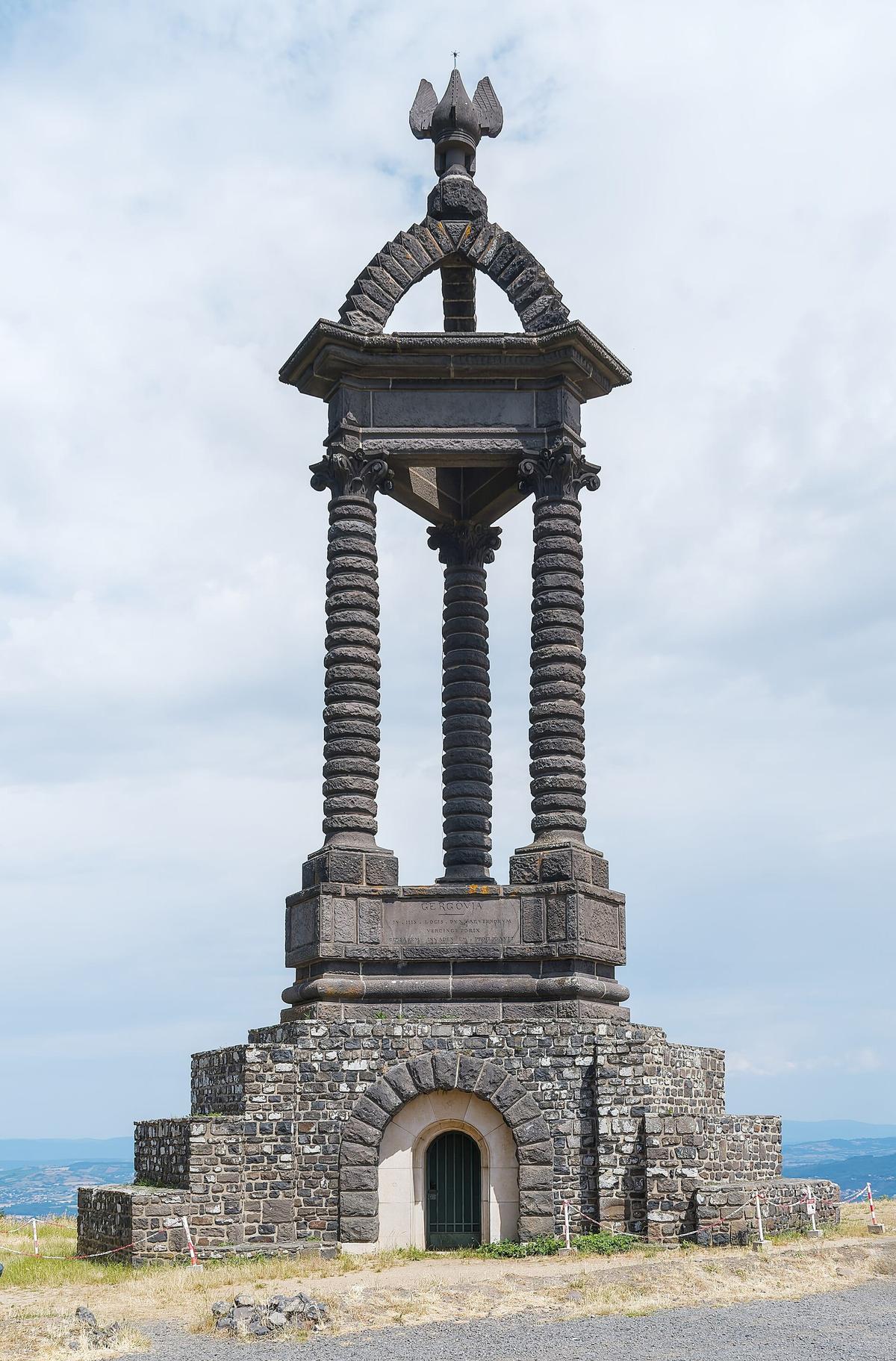
The Vercingetorix monument. On the plateau stands a 26-metre monument in Volvic stone, unveiled in 1900. It was designed by Jean Teillard, Clermont-Ferrand's city architect, and paid for by public subscription. It is 200 metres from the museum.

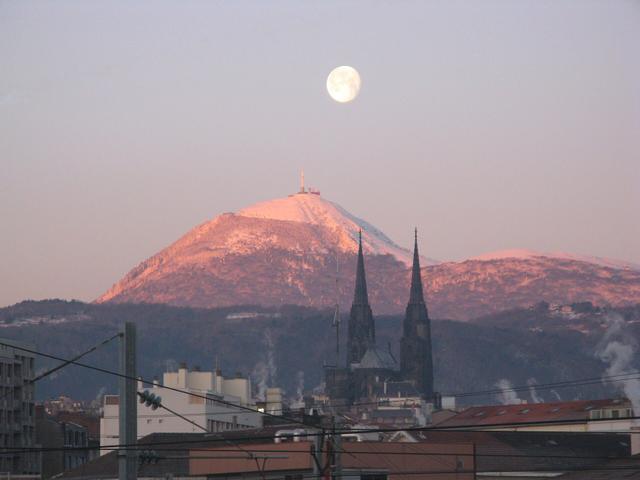
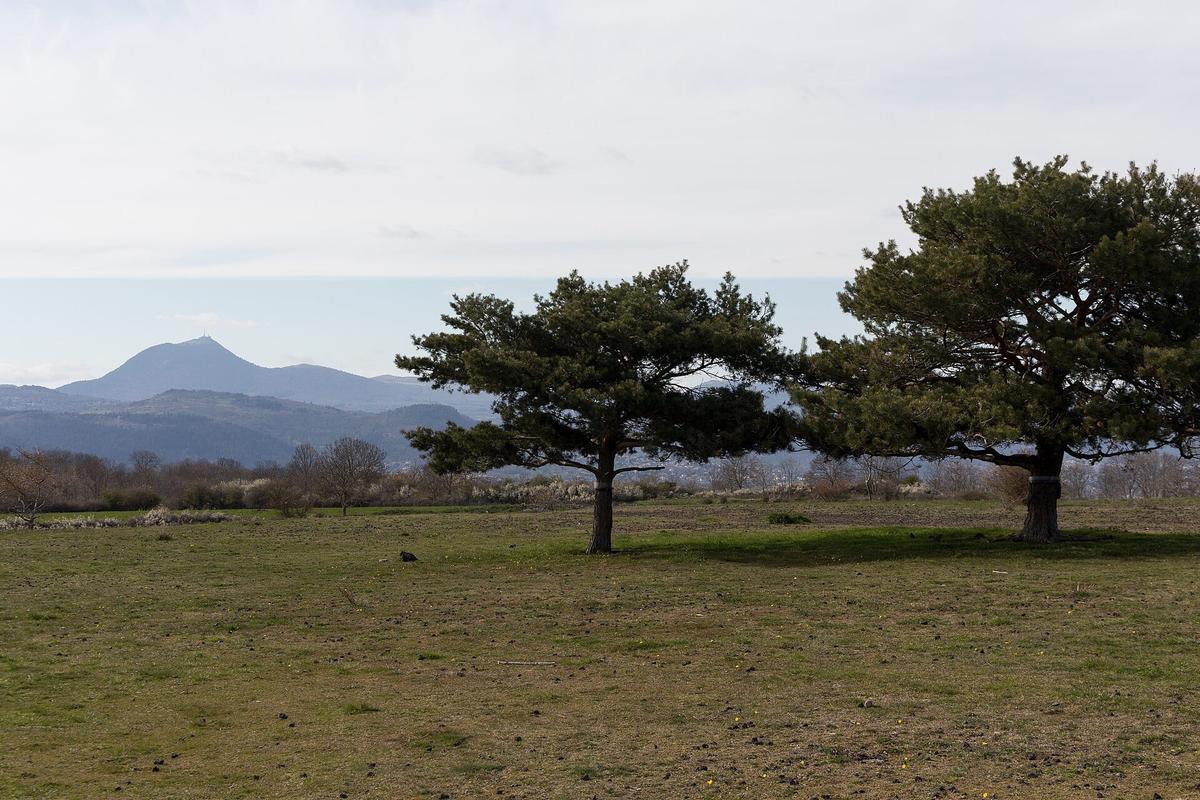
The viewpoint. The view is the real reward. The panorama takes in the Sancy massif, the Cézallier plateaus, the Chaîne des Puys and the Limagne fault, a UNESCO World Heritage Site, and, to the east, the Forez and Livradois mountains. The Puy de Dôme is easy to pick out. See also: Puy de Dôme
The paths. Trails circle the plateau. They are stony and sometimes steep: wear good shoes.
A story about the name. The village at the foot of the plateau was not always called Gergovie. It used to be called Merdogne. Under the Second Empire, after excavations ordered by Napoleon III, a great admirer of Caesar, the villagers got it renamed Gergovie.
The debate over the location. In the 1930s, some argued that the battle took place on the Côtes de Clermont, north of the city. Excavations carried out from the 19th century by Colonel Stoffel, then from 1995 to 2008, found the ditches of the Roman camps and projectiles around the plateau. Researchers no longer accept that theory.
Visiting with kids
Gergovia is a good family outing. The museum has held the Famille Plus label since 2023, and an activity booklet at €1 guides children through the visit. In summer, the "Au cœur de la bataille" guided tours run twice a day, and twilight tours are planned on 17 July and 14 August.
Gallic festivals mark the year: Beltaine in early May, Lugnasad in early August, Samonios around 1 November. These are the best days to come with children: workshops, re-enactments and activities. The museum also advertises the Archéobus, every Friday at 4 pm from May to the end of summer: ask at the front desk about the route.
A few practical tips: the stony paths on the plateau are not well suited to standard pushchairs, and the plateau is very exposed. Bring a hat, water and a windproof jacket: it is often windy up there, even in summer.
Accessibility and dogs
The museum has step-free access, a lift between its three levels, two reserved parking spaces in front, adapted toilets and a hearing loop. Tools can be downloaded: sign language videos, audio description, a Braille and large-print booklet and an easy-read booklet. The plateau, with its stony paths and slopes, is however difficult in a wheelchair.
Dogs are not allowed in the museum, except guide dogs. They are welcome on a lead on the plateau, including during outdoor guided tours, as sheep graze there.
How to get to the Gergovia Plateau
By car. It is the only practical option. From Clermont-Ferrand, take the A75 south, exit 4, then follow "Gergovie et sites arvernes". The road through the village of Gergovie is closed to large vehicles: motorhomes and coaches must follow the signposted route.
Where to park? Three free car parks serve the plateau:
- P3, near the monument: 200 metres from the museum, the closest.
- P2, south gate: recommended by the museum, less than a kilometre's walk.
- P1, west gate: 1500 metres from the museum, handy if you want to cross the plateau on foot.
By public transport. No line serves the museum. Without a car, the visit is difficult.
Renting a car. Clermont-Ferrand is the best starting point for combining Gergovia, the Puy de Dôme and the Romanesque churches.
What to see nearby on the same day
| Also worth seeing | Distance | Travel time |
|---|---|---|
| Basilica of Notre-Dame-du-Port | 15 km | 25 min by car |
| Puy de Dôme | 25 km | 35 min by car |
| Saint-Austremoine Abbey Church, Issoire | 30 km | 30 min by car |
Approximate road distances and travel times.

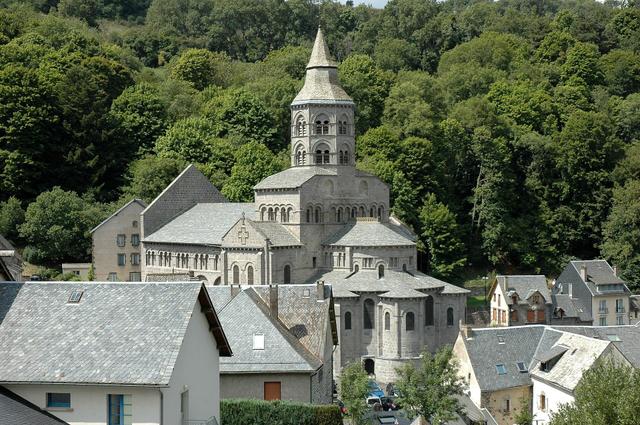
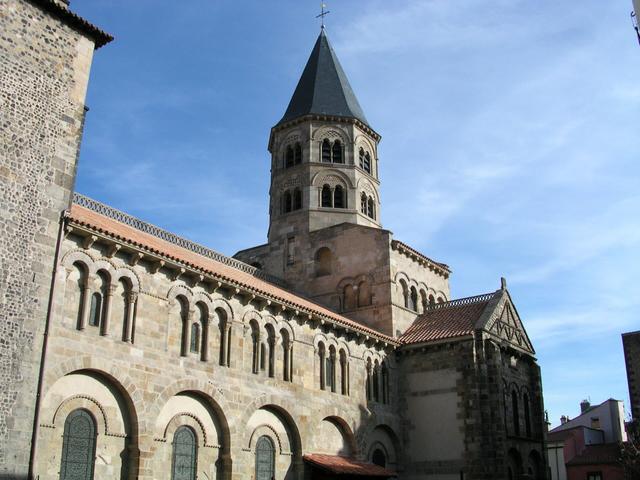
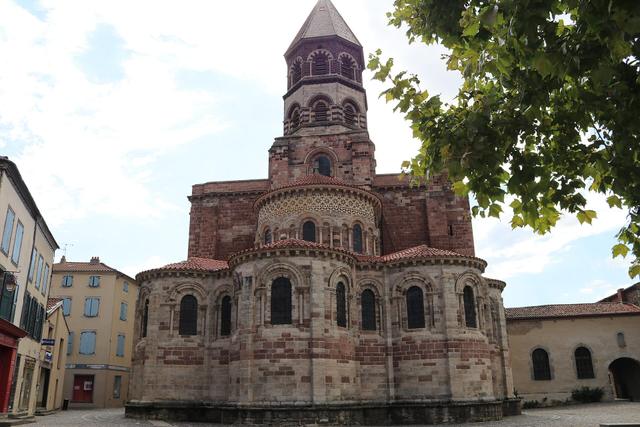
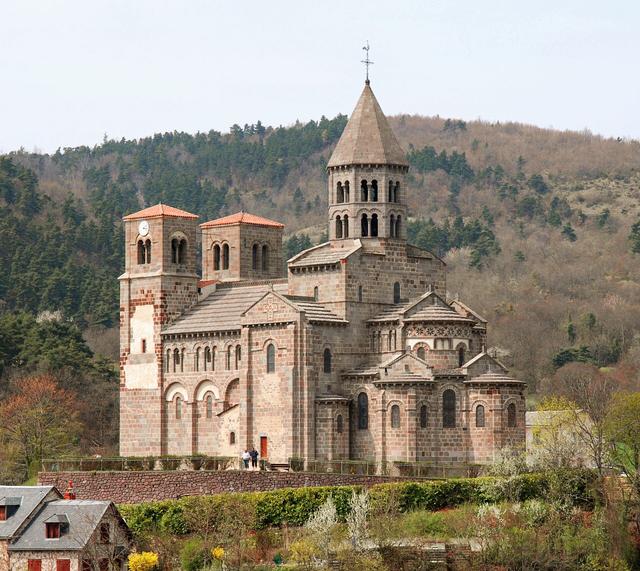
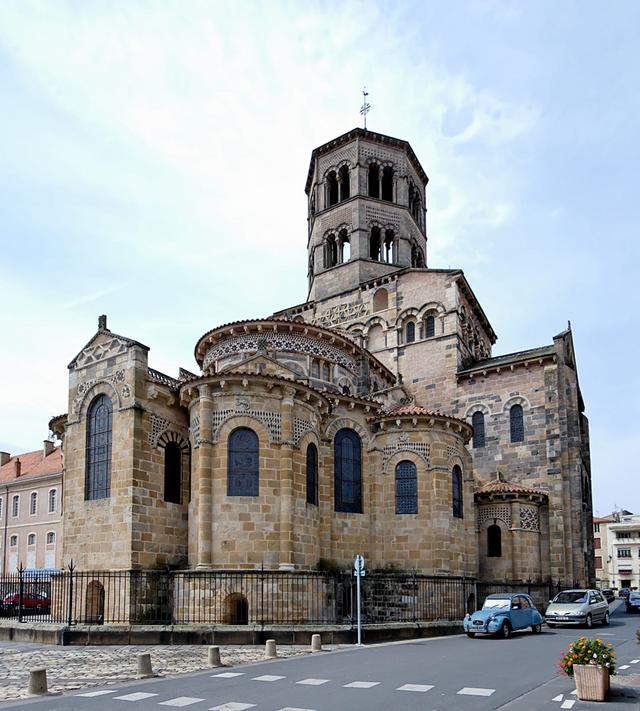
In Clermont-Ferrand, the Basilica of Notre-Dame-du-Port is one of the great Romanesque churches of the Auvergne. See also: Basilica of Notre-Dame-du-Port Further south, the abbey church of Saint-Austremoine in Issoire and its colourful paintings are half an hour away on the A75. See also: Saint-Austremoine Abbey Church, Issoire For volcanoes, the Puy de Dôme and Vulcania round off a stay. See also: Vulcania
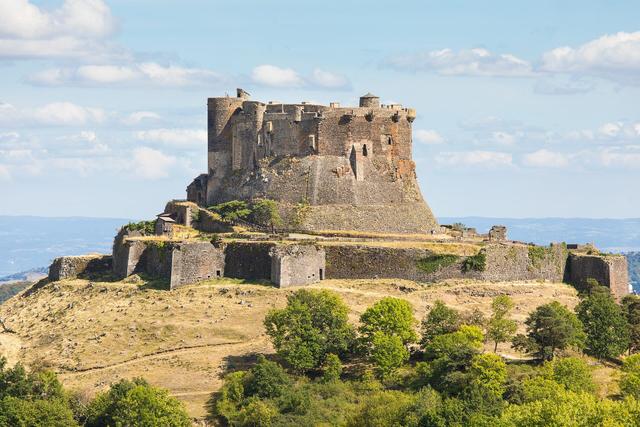
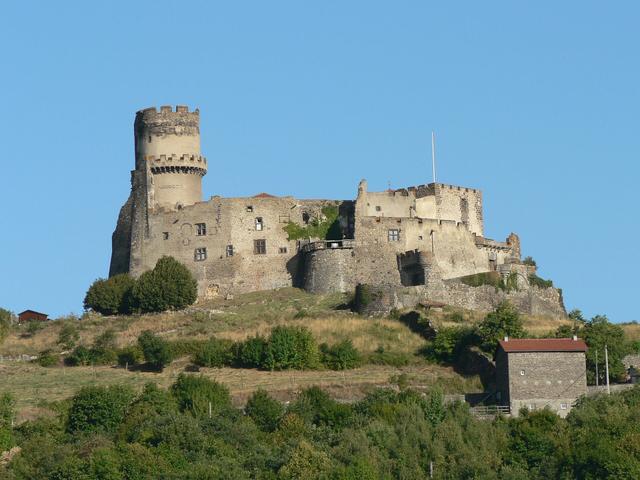
North of Clermont, Mozac Abbey and the Château de Tournoël make another good day out. See also: Mozac Abbey, Château de Tournoël Towards the Sancy, the Château de Murol is less than an hour away. See also: Murol Castle, Auvergne
Where to eat and stay
The plateau is ideal for a picnic, with its open views. For a sit-down meal, the villages at the foot of the plateau and Clermont-Ferrand, twenty minutes away, offer more choice.
For a place to stay, Clermont-Ferrand is the most convenient base, with a wide range of hotels and quick access to the A75 and the Chaîne des Puys.
Places to stay near Clermont-Ferrand
FAQ
Is the Gergovia Plateau free?
Yes, the plateau and the monument are free to visit. Only the museum charges: €9 per adult, free under 7.
Is the Gergovia museum open in winter?
Until 3 January 2027, yes, on Wednesday, Saturday and Sunday afternoons (every day during school holidays), except 24 and 25 December and 1 January. It then closes for the winter; the 2027 reopening date has not yet been published.
Where did the Battle of Gergovia take place?
On the plateau and the slopes around it, at La Roche-Blanche, south of Clermont-Ferrand. Excavations have found the ditches of the Roman camps around the plateau.
How long does it take to visit?
About 75 minutes for the museum, half a day with a walk on the plateau.
Can I bring my dog?
Yes on the plateau, on a lead. No in the museum, except guide dogs.
Where is the Gergovia museum?
On the plateau itself, at La Roche-Blanche. Its official name is the Musée archéologique de la bataille de Gergovie; it opened in October 2019.
Practical information
Official ticket-office prices 2026
| Full price | €9 |
|---|---|
| Reduced rate | €7 |
| Family ticket | €23 |
| Free | children under 7 |
Address
Musée archéologique de la bataille de Gergovie, Plateau de Gergovie, 63670 La Roche-Blanche, France
Directions · Phone+33 4 73 60 16 93
On site and nearby
- On site: Toilets
- Nearest shops and pharmacy: La Roche-Blanche, 1 km away Straight-line distance, based on OpenStreetMap.
- Emergencies: 112 (all emergencies, free from any phone), 15 (SAMU, medical emergency)
Around the site, on Google Maps
With children
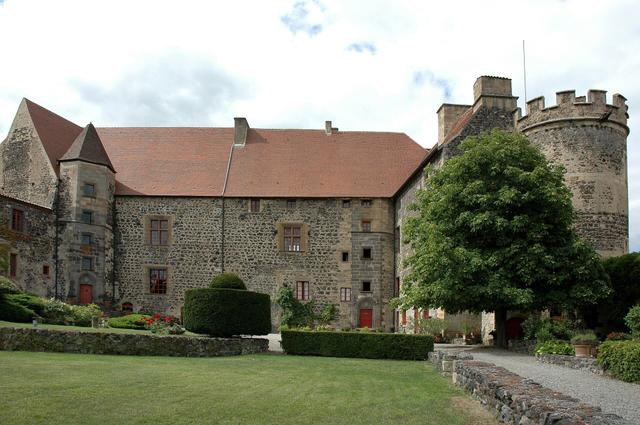
Family days out nearby: Château de Saint-Saturnin (7 km), L'Aventure Michelin (8 km), Château de Busséol (10 km)
Swimming pools and play areas nearby, on Google Maps
Facts checked on 11 November 2026. Sources: musee-gergovie.fr, musee-gergovie.fr, musee-gergovie.fr, fr.wikipedia.org, fr.wikipedia.org, acceslibre.beta.gouv.fr, terravolcana.com
Map
In the same region