What to see in Burgundy: a guide to choosing and planning
From Dijon to Cluny, Burgundy brings together the palace of the dukes and their tombs, the Hôtel-Dieu in Beaune with its glazed tile roofs, the Cistercian abbey of Fontenay, the château decorated by an exile at Bussy-Rabutin, the basilica of Vézelay on its hill, a castle being built with medieval methods at Guédelon, what remains of the great abbey of Cluny and the château of Cormatin with its maze. Trains serve Dijon, Beaune and Montbard, but most sites are visited by car. This guide groups the sights by area, suggests itineraries of one to three days and explains how to get around. Prices and opening hours are on each site's own page.
34 places to visit
- Cassissium
No place matches these filters.
Tickets to book online
Partner links: if you book through these links, we earn a commission at no extra cost to you. Partner links · Learn more
What to see in Burgundy?

The main sights fall into four areas. Dijon and Beaune are the most practical bases for the north, Vézelay for the west and Cluny for the south.
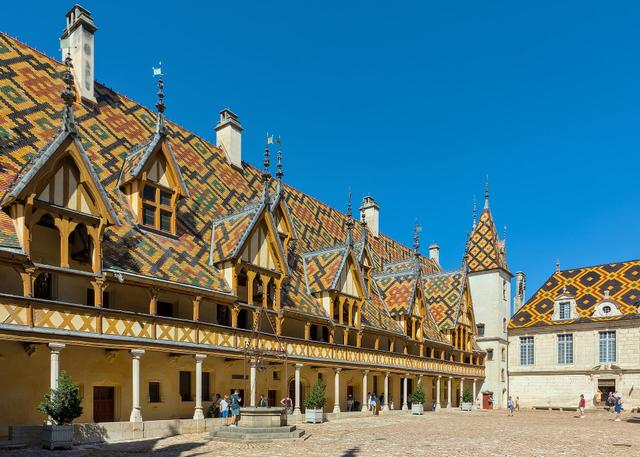
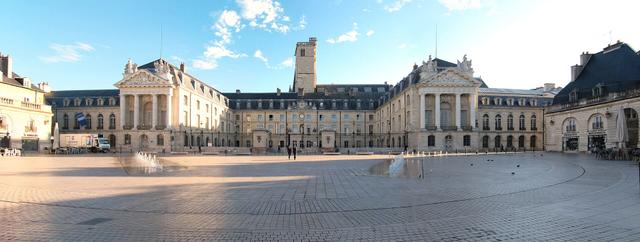
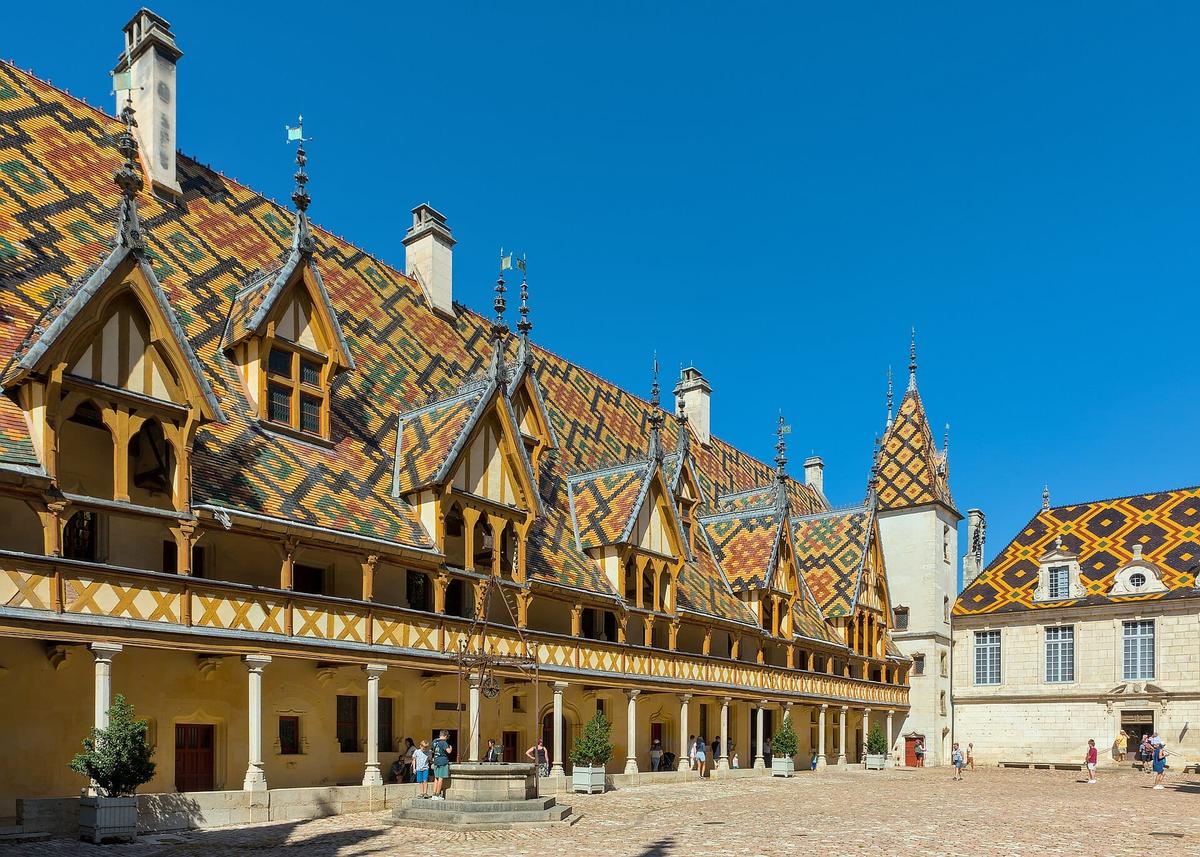
Dijon and the Côte: the Museum of Fine Arts and the Hospices de Beaune. In Dijon, the Museum of Fine Arts fills the Palace of the Dukes and States of Burgundy. The permanent collections are free. In the Guards' Room, go and see the tombs of the Dukes of Burgundy and their mourners. In Beaune, the Hôtel-Dieu was founded in 1443 by the chancellor Nicolas Rolin. In the courtyard, the glazed tile roofs form patterns in 4 colours. The Great Hall of the Poor is nearly 50 metres long, and Rogier van der Weyden's Last Judgment polyptych hangs in a room of its own. See also: Dijon Museum of Fine Arts, Hospices de Beaune (Hôtel-Dieu)
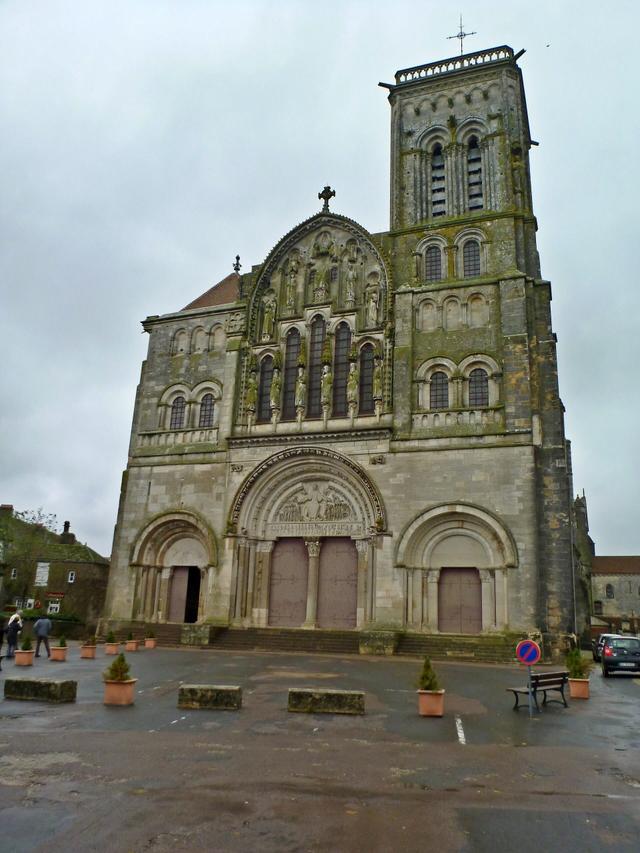
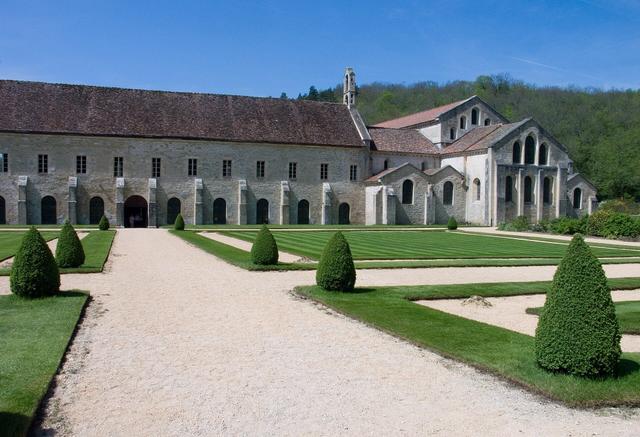
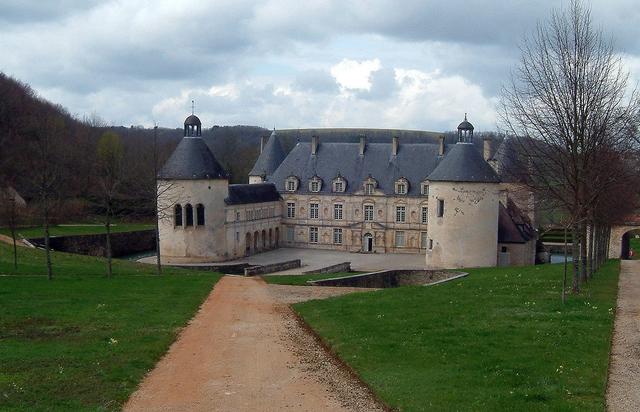
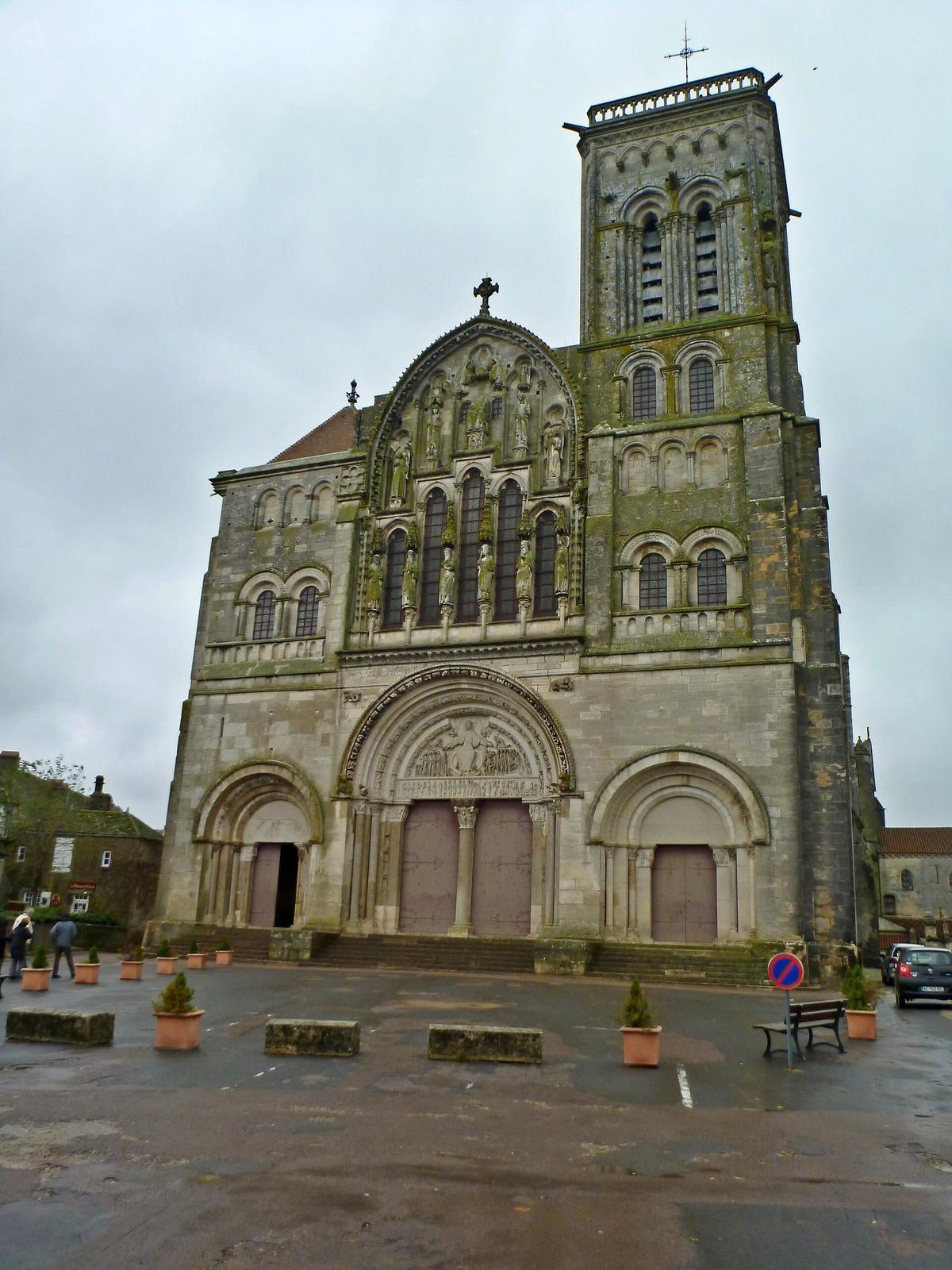
Auxois and Morvan: Fontenay, Bussy-Rabutin and Vézelay. Near Montbard, Fontenay Abbey was founded by Saint Bernard in 1118. The plain church, the cloister and the forge are still standing. It has been a UNESCO World Heritage Site since 1981. 20 minutes away by road, Roger de Bussy-Rabutin, exiled by Louis XIV, covered the walls of his château with portraits and mottoes. Further west, north of the Morvan, the basilica of Vézelay stands on its hill. Entry is free. Look at the Romanesque tympanum in the narthex, carved between 1120 and 1140, then at the 62.5-metre nave. The basilica and the hill have been on the UNESCO list since 1979. See also: Fontenay Abbey, Château de Bussy-Rabutin, Vézelay Abbey (Basilica of Sainte-Marie-Madeleine)
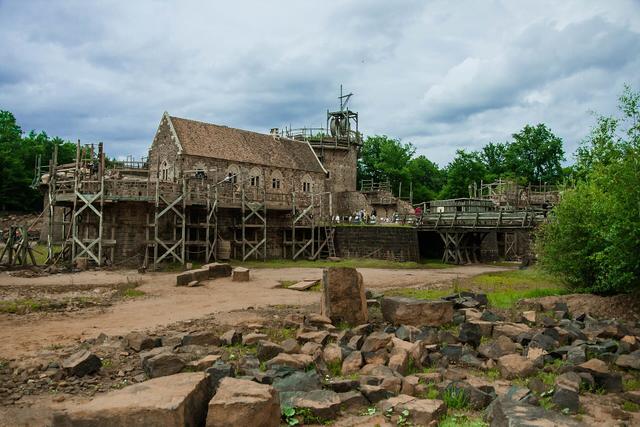
Puisaye: Guédelon. In a forest in the Yonne, builders have been raising a castle since 1997 with the tools and methods of the 13th century. You visit the building site and its workshops while the work goes on. See also: Guédelon Castle
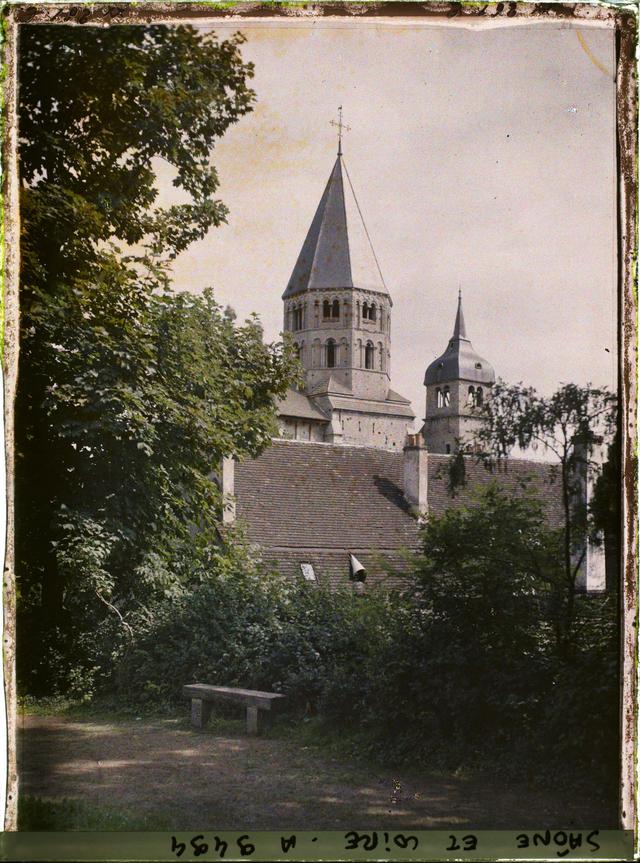
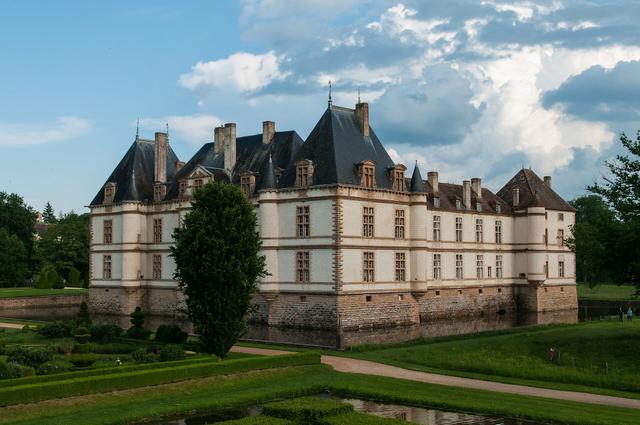
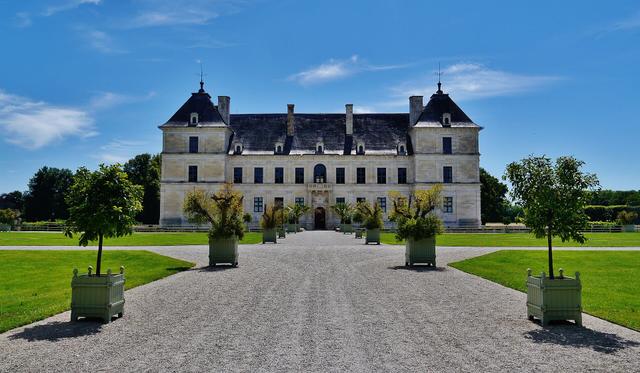
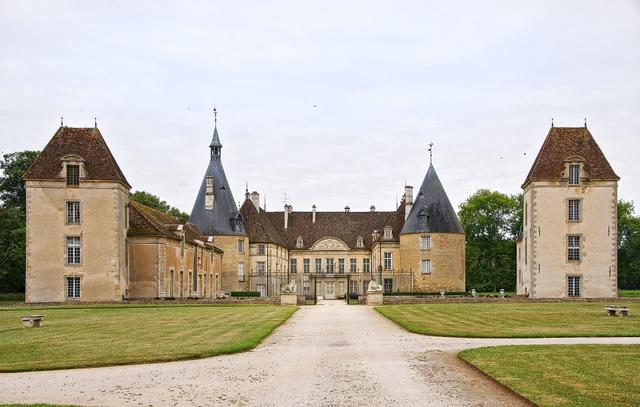
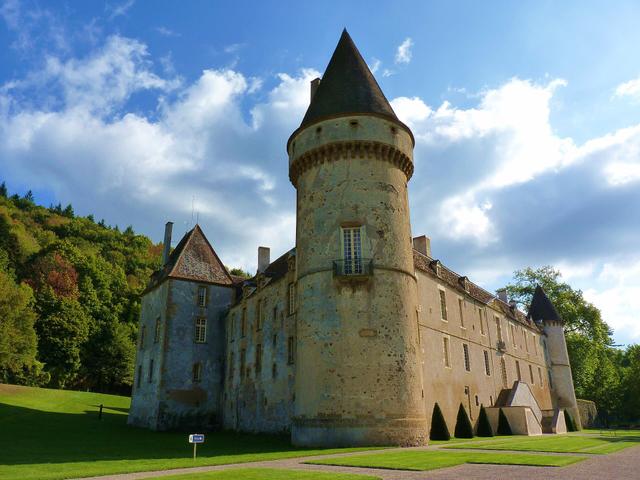
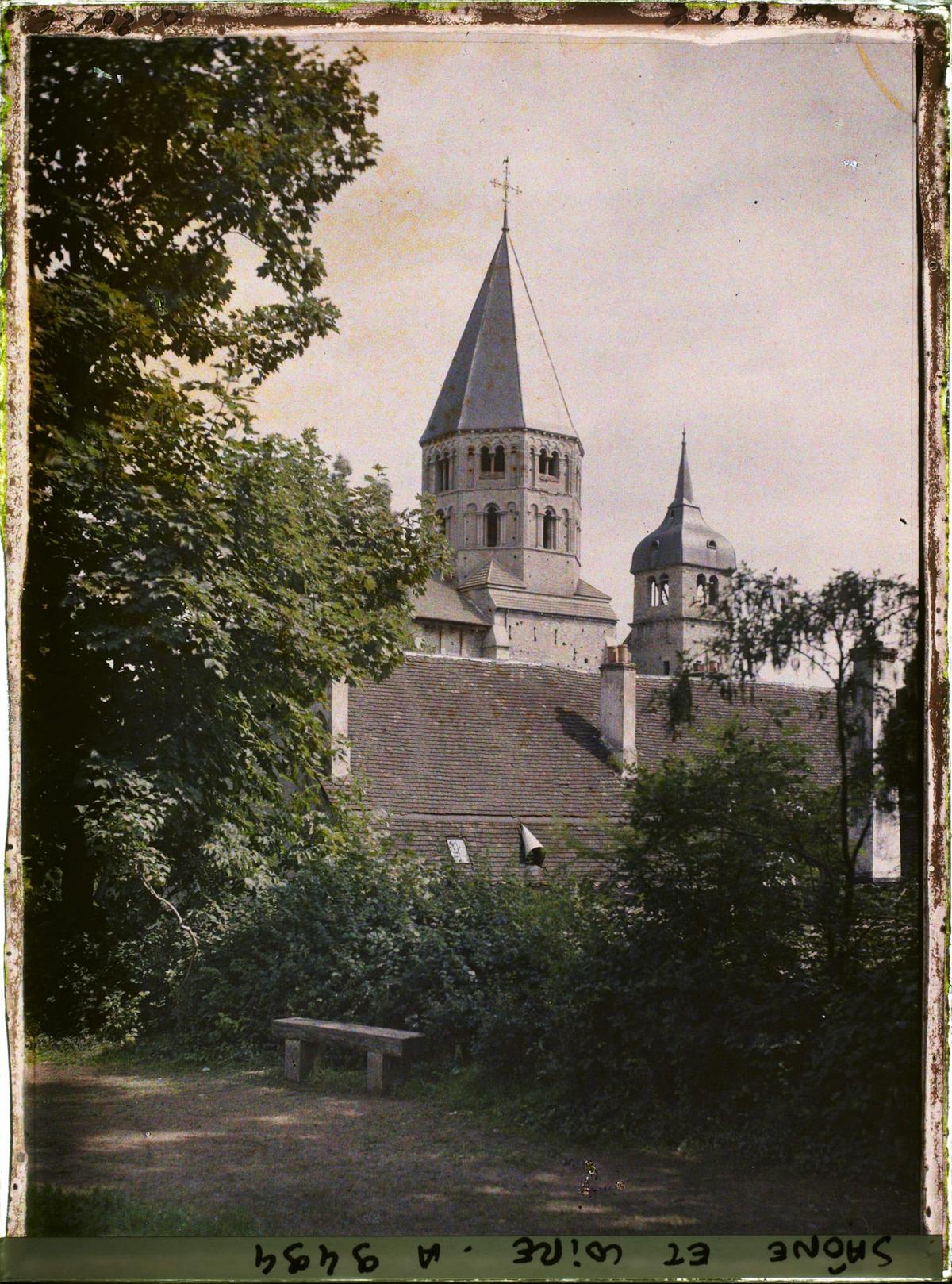
Southern Burgundy: Cluny and Cormatin. Cluny Abbey, founded in 910, once had the largest church in Christendom, 187 metres long. One arm of the transept and the Holy Water bell tower remain, to be seen together with the art and archaeology museum. 15 minutes to the north, the château of Cormatin has a great staircase 21 metres high, painted 17th-century apartments and a boxwood maze. See also: Cluny Abbey, Château de Cormatin
Burgundy in 1 day
Stay on the Côte and take the train. In the morning, visit the Museum of Fine Arts in Dijon, a walk from Dijon-Ville station. Start with the room of the tombs, the busiest one. Then take the regional TER train to Beaune: the journey takes about thirty minutes. In the afternoon, visit the Hôtel-Dieu. Allow about 1 hour with the audio guide. The Dijon museum is closed on Tuesdays.
Burgundy in 2 days

- Day 1: Dijon and Beaune, as above.
- Day 2: southern Burgundy. Cluny is 70 minutes by road from Beaune. Visit the abbey and the museum in the morning: allow about two hours. Have lunch in Cluny, then drive to Cormatin for the early afternoon. The château closes at lunchtime, and its apartments are seen on a 60-minute guided tour. From November to the end of March, Cormatin is closed: take the other option instead.
Another option, from Dijon: Fontenay Abbey in the morning, 60 minutes by road, then the château of Bussy-Rabutin in the afternoon. This day works all year round. Sleep in Dijon or Beaune.
Burgundy in 3 days

- Day 1: Dijon and Beaune.
- Day 2: Fontenay and Bussy-Rabutin. In the evening, drive to Vézelay, 65 minutes from Fontenay.
- Day 3: the basilica of Vézelay early in the morning, before the groups. Walk up the main street. In the afternoon, drive to Guédelon, 75 minutes away, during its season.
Spend the first night in Dijon or Beaune, then in Vézelay. With a fourth day, keep the south for the end: Cluny and Cormatin, from Beaune.
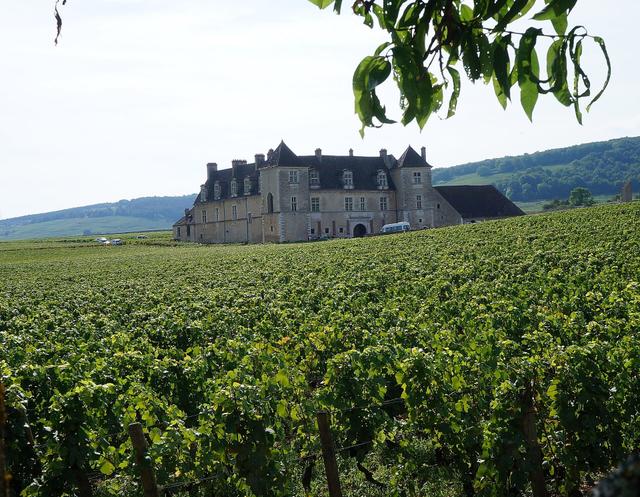
Wine and the Route des Grands Crus
- The Route des Grands Crus links Dijon and Beaune by car. It runs through the villages of the Côte de Nuits and the Côte de Beaune.
- The Hospices de Beaune have their own vineyards. The estate covers nearly 60 hectares. Its wines are auctioned every year on the third Sunday of November. That weekend, Beaune is packed.
- Elsewhere, the Vézelay vineyard produces white wines, and the south, around Cluny and Cormatin, can be combined with the Mâconnais vineyards.
- Think about the drive back. Drinking too much alcohol is dangerous for your health: drink in moderation. Choose a driver who does not drink, or stay in Beaune and do everything on foot.
When to visit Burgundy
- Several sites open all year. The Hôtel-Dieu, Fontenay Abbey, the basilica of Vézelay, Cluny Abbey and the château of Bussy-Rabutin open every day or nearly every day.
- Two sites close in winter. In 2026, Guédelon opens from 2 April 2026 to 1 November 2026, and closes on some Tuesdays and Wednesdays. The château of Cormatin opens from 4 April 2026 to 1 November 2026, then reopens on 27 March 2027.
- On Tuesdays, the Museum of Fine Arts in Dijon is closed.
- At lunchtime, Bussy-Rabutin and Cormatin close. The Hôtel-Dieu and Fontenay also take a break out of season. Arrive at opening time or early in the afternoon.
- Free: the Dijon museum and the basilica of Vézelay, all year. On the first Sunday of the month, Cluny Abbey is free in January, February, March, November and December, and Bussy-Rabutin from November to March.
- Around 21 June, come to Vézelay at noon: the sun draws patches of light in a line down the middle of the nave.
Guided tours and day trips
In Vézelay, the brothers and sisters of the Monastic Fraternities of Jerusalem lead tours without booking, on Sundays in season and every day in July and August. At Fontenay, guided tours in French leave without booking from April to early November. At Cormatin, the 17th-century apartments can only be seen with a guide. At the Hôtel-Dieu, accompanied tours must be booked. Day trips also leave from the main towns of the region.
Partner links: if you book through these links, we earn a commission at no extra cost to you. Partner links · Learn more
Guided tours and day trips on GetYourGuide
Getting around Burgundy
By train. The TGV links Paris-Gare-de-Lyon with Dijon. The TER links Dijon and Beaune in about thirty minutes. Montbard TGV station is 66 minutes from Paris and 5 km from Fontenay, with taxis and bikes. Bussy-Rabutin is 20 km from Montbard and 8 km from Les Laumes-Alésia station, with no bus.
By car. You need one to get between the sites. Vézelay, Guédelon and Cormatin have no station. For Cluny, coaches leave from Mâcon, with few on Sundays.
Renting a car. Rental agencies are in Dijon, for the Côte, the Auxois and Vézelay. For the south, rent in Mâcon. For Guédelon, Auxerre is closer.
Where to stay in Burgundy
For three days, choose two bases: Dijon or Beaune for the Côte and the Auxois, Vézelay for the west. The south needs a base of its own.
- Central Dijon: the museum and the old town on foot.
- Central Beaune: the Hôtel-Dieu and the wine cellars on foot. The wine villages around have quiet guesthouses, if you have a car.
- Vézelay: the basilica in the evening, once the groups have left, and the morning services. There are few places to stay: book early. Avallon has more choice.
- Cluny: the most practical base for the abbey and Cormatin. Rooms fill up fast in summer, and Mâcon has more choice.
FAQ
What to see in Burgundy in one day?
Dijon and Beaune by train: the Museum of Fine Arts in the morning, then the Hôtel-Dieu in the afternoon.
How many days do you need for Burgundy?
Three days for Dijon, Beaune, Fontenay, Bussy-Rabutin, Vézelay and Guédelon. Add a day for Cluny and Cormatin.
Can you visit Burgundy without a car?
Partly. Trains serve Dijon, Beaune and Montbard, from where you reach Fontenay by taxi or bike. For Vézelay, Guédelon, Cluny and Cormatin, a car is the easiest option.
Which sites close in winter?
The Guédelon building site and the château of Cormatin, from early November to spring. The Hôtel-Dieu, Fontenay, Vézelay, Cluny and Bussy-Rabutin open all year.
When is the Hospices de Beaune wine auction?
Every year on the third Sunday of November. To see the Hôtel-Dieu in peace, avoid that weekend.