Royal Saltworks of Arc-et-Senans: planning your visit
Royal Saltworks of Arc-et-Senans at a glance
- High season
- 9:00 – 19:00
- Low season
- 10:00 – 17:00
- Full price
- €15
- Free
- children under 6
- Time needed
- 2 to 3 hours
- Visitors per year
- 141,323 (2023)
- Where
- Arc-et-Senans
Official ticket-office prices, checked on 11 November 2026. Full opening hours, reduced prices and access
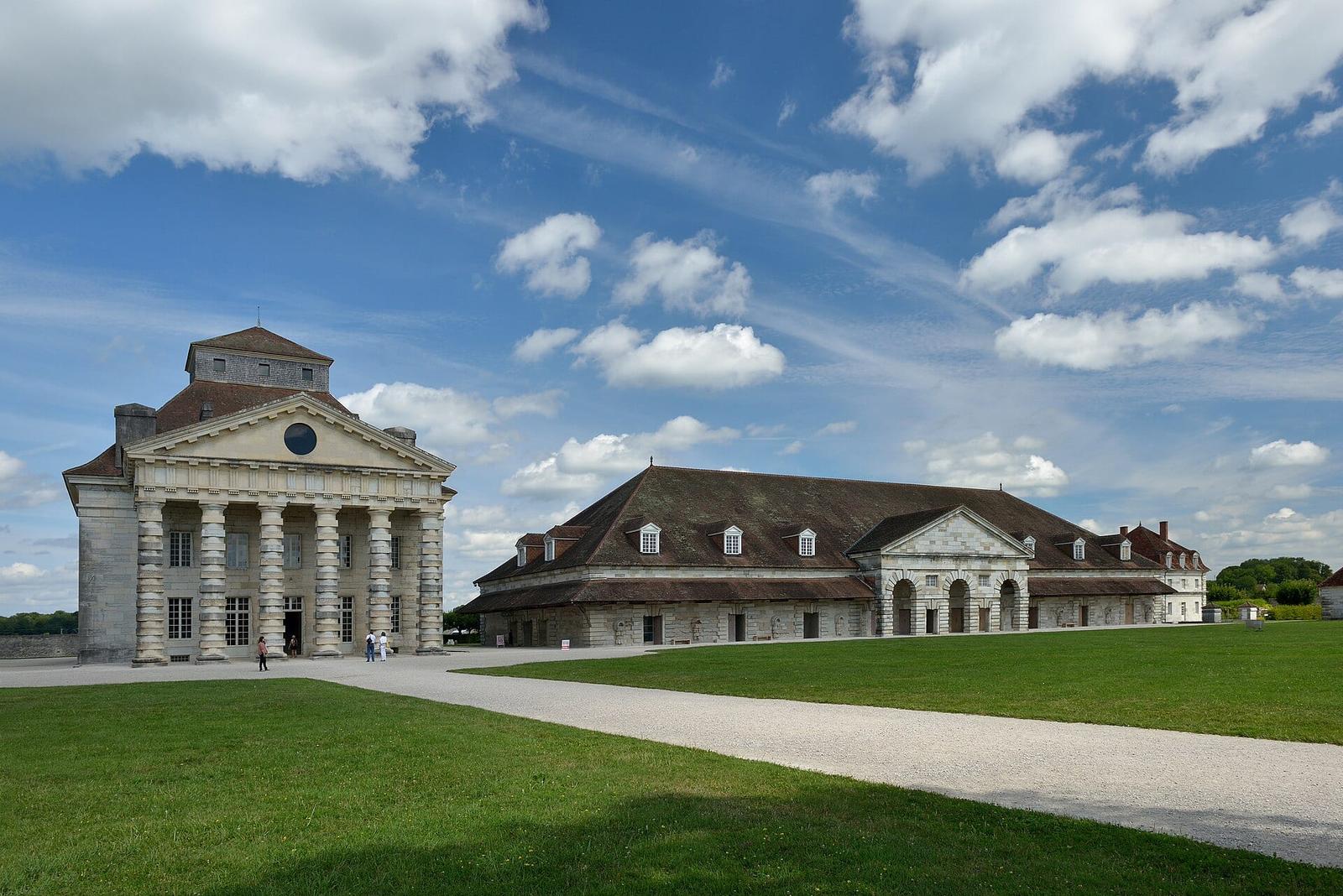

Between Besançon and Dole, the Royal Saltworks of Arc-et-Senans (Saline royale) is an 18th-century salt factory designed by Claude-Nicolas Ledoux in the shape of a semicircle. A UNESCO World Heritage Site, it is visited with a tablet, through listed buildings, a museum and gardens. Here are the prices, opening hours, how to get there and what to see.
Royal Saltworks at a glance
- Where: in Arc-et-Senans, in the Doubs department, 100 m from the TER railway station.
- Price: €15 from April to October, €13 from November to March. Free for children under 6.
- Opening hours: 10:00 – 17:00 from November to March, 9:00 – 18:00 in spring and autumn, 9:00 – 19:00 in July and August.
- Closed: 25 December and 1 January.
- Time needed: 2 to 3 hours.
- Booking: not required, tickets are also sold on site.
- Dogs: allowed on a lead on the grounds, but not inside the buildings.
What is the Royal Saltworks?
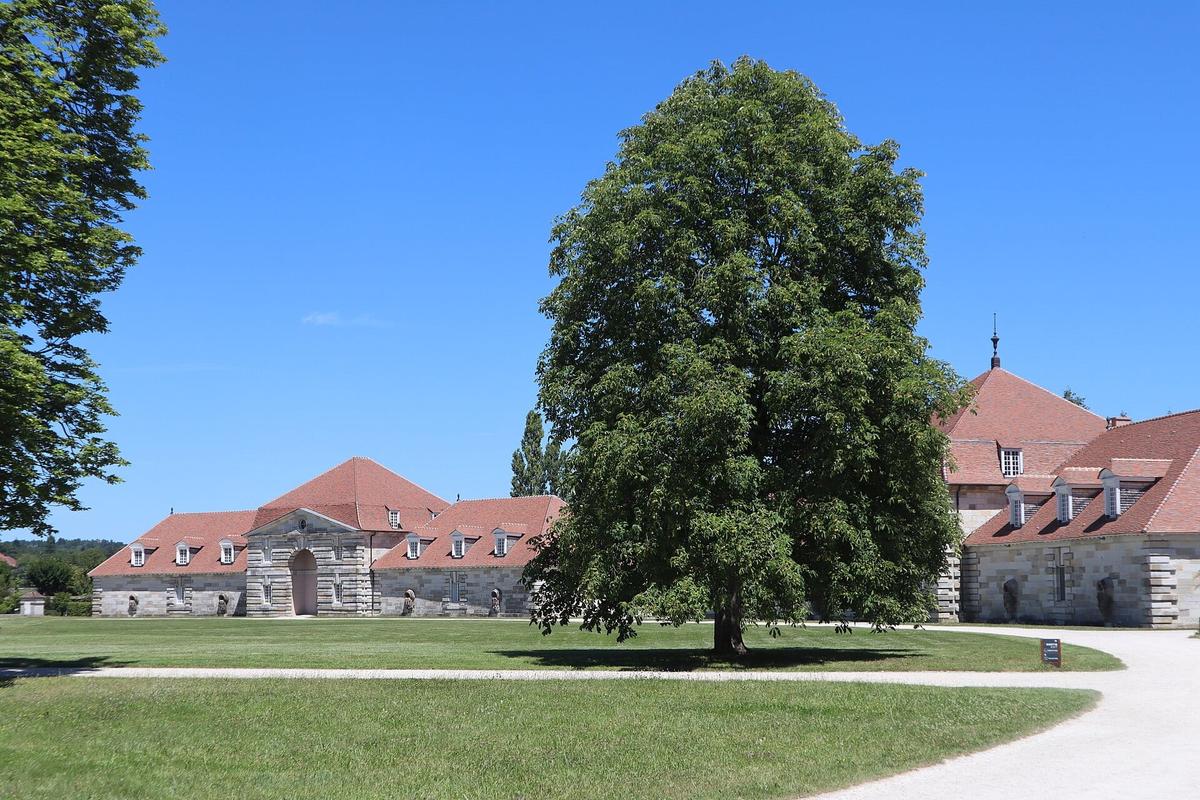

The Royal Saltworks is a salt factory built under Louis XV by the architect Claude-Nicolas Ledoux, who was then commissioner of the saltworks of Lorraine and Franche-Comté. Building work ran from 1775 to 1779. The salt was not mined here. Very salty water came from the wells of Salins-les-Bains through a wooden pipeline about 21 km long, the "saumoduc". At Arc-et-Senans, the water was boiled in large pans to recover the salt.
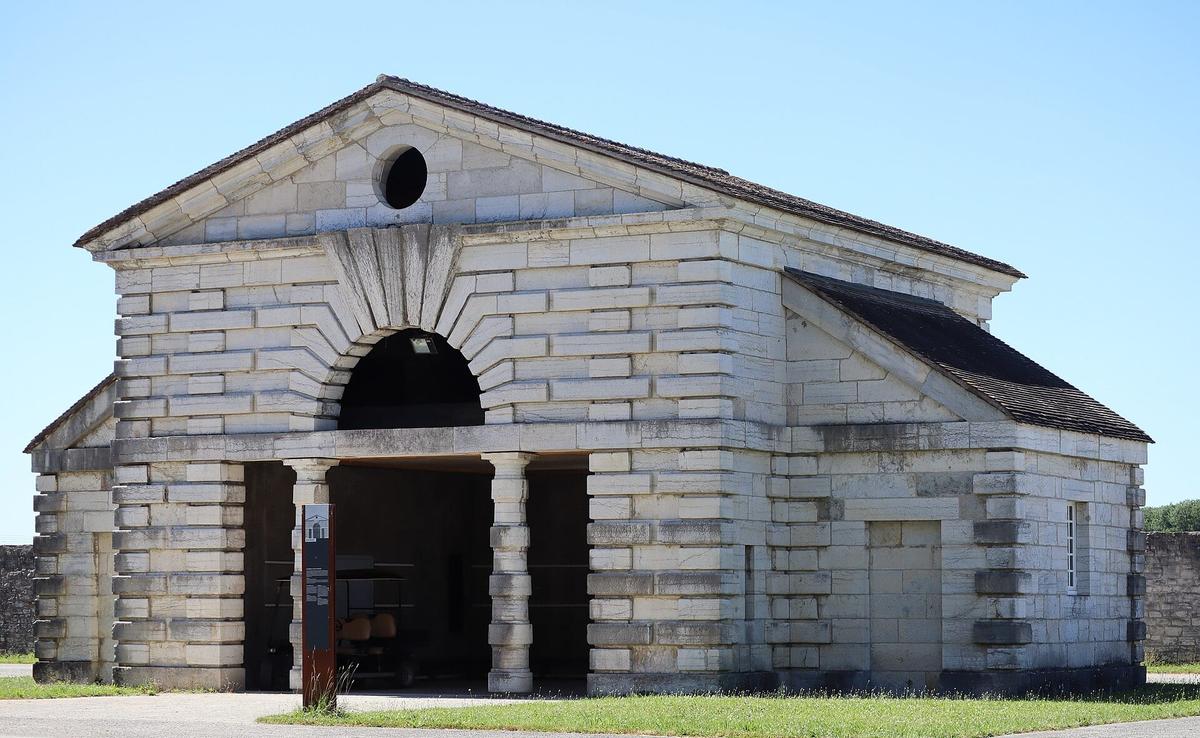
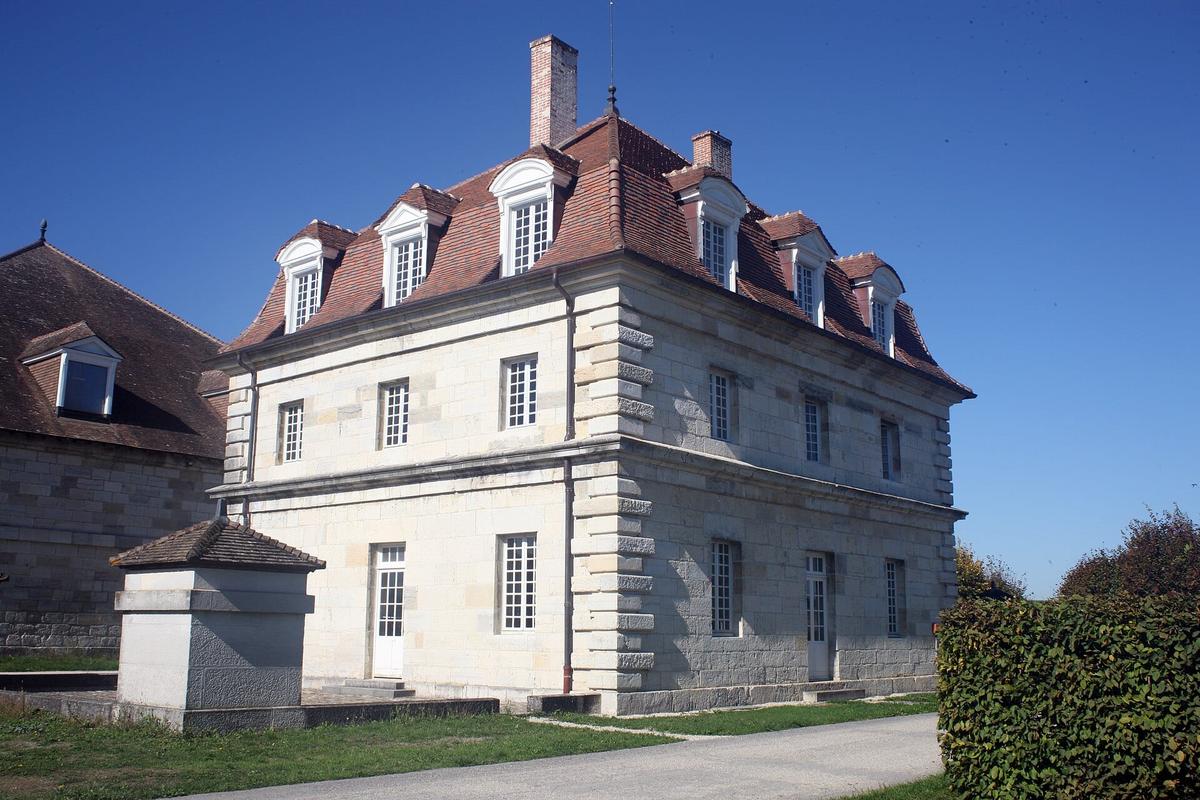
What makes the site unique is its layout. Ledoux arranged the buildings in a semicircle about 370 m across. In the centre stands the director's house, flanked by the two buildings where the salt was made. Along the curve are the workers' housing, the cooperage and the blacksmith's forge. Everything was designed so that the director could see the whole site from his home. Ledoux dreamed of extending the semicircle into an ideal city, the city of Chaux, which was never built.
The saltworks closed in 1895, as it was no longer profitable and faced competition from sea salt brought in by rail. The site fell into disrepair, then the Doubs department bought it and began restoring it from 1930. The Saltworks was added to the UNESCO World Heritage List in 1982. The Great Saltworks of Salins-les-Bains later joined this listing.
Today it is one of the most visited sites in Bourgogne-Franche-Comté: 141,323 visitors in 2023, according to the key tourism figures published by the Region. The site has welcomed more than 5,000,000 visitors since 1965, when counting began.
Royal Saltworks ticket prices
Prices change with the season. These are the ones published by the Saltworks.
From 1 April to 31 October:
- Adult: €15.
- Reduced price: €13.
- Child aged 6 to 15: €10.
- Visitor with a disability: €13.
- Combined ticket with the Great Saltworks of Salins-les-Bains: €22.50.
From 1 November to 31 March:
- Adult: €13.
- Reduced price: €12.
- Child aged 6 to 15: €9.
- Visitor with a disability: €12.
- Combined ticket with Salins-les-Bains: €21.50.
All year round: family ticket at €42 for 2 adults and 2 to 5 children aged 6 to 15, free entry for children under 6, annual pass from €28.
The reduced price applies to 16 to 25-year-olds, students, jobseekers, people on French minimum social benefits and visitors who arrive by train. The HistoPad tablet is included in the ticket.
The train deal. Show a TER train ticket dated within the last 48 hours, or a rail pass, at the entrance and you pay the reduced price. As the station is right in front of the entrance, it is the easiest saving of the visit.
Our calculation. With two children aged 6 to 15, the family ticket is cheaper than four separate tickets from spring onwards. In winter, do the maths: two adults and two children at the standard price also cost a little more than the family ticket.
Do you need to book?
No. According to the official website, you do not need to book in advance. You can buy your ticket from the Saltworks' online ticket office or at the entrance. Booking ahead mainly makes sense on event days, such as the Christmas market or the summer concerts.
Guided tour. A guided tour of about an hour, in French, is available for an extra €3. It can only be booked on site, subject to availability. Ask for the day's times when you arrive.
Organised day trips. The Saltworks does not appear on the big day-trip platforms from Paris or Lyon. You get there by car or by train.
Opening hours: when to visit the Royal Saltworks

The Saltworks is open all year, except on 25 December and 1 January:
- From November to March: 10:00 – 17:00.
- April, May, June, September and October: 9:00 – 18:00.
- July and August: 9:00 – 19:00.
The best time. Come at opening time if you want to photograph the semicircular courtyard without crowds. In spring and summer, late afternoon is pleasant in the gardens. In winter the days are short: arrive before 2 pm so you have time to see everything.
From June to October, the Garden Festival, started in 2001, adds temporary gardens around the buildings. It is the liveliest season for a family visit.
What to see at the Royal Saltworks
The director's house. The central building, with its columns and large round window, is the focal point of the whole design. It houses the permanent exhibition "Histoires de sel" (Salt stories) and, upstairs, the temporary exhibitions.
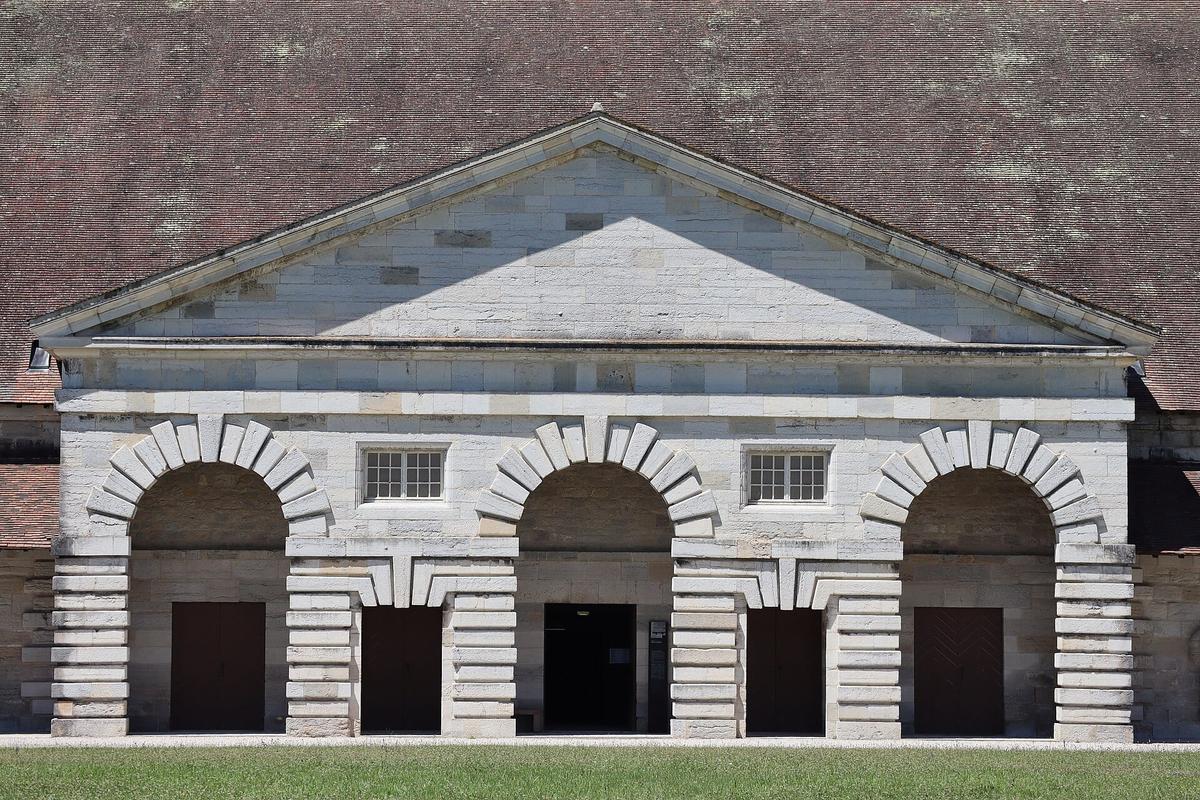
The salt buildings. On either side of the director's house, these two long buildings held the pans where the salt water was heated. Their huge roofs and timber frames show the scale of the work.
The Ledoux Museum. Set in the former cooperage and opened in 1991, it shows models of the architect's projects, many of which were never built. A touch table lets you explore the ideal city he imagined.
The Cercle immense. Opened in 2022, this garden project covers 13 hectares and traces, to the north, the half of the circle that Ledoux never built. Seen from the director's house, the original plan finally makes sense.
The HistoPad. The tablet brings the site back to life as it was when salt was produced here. It also includes a treasure hunt for children.
How long does it take to visit?
The official website suggests 2 to 3 hours. An hour and a half is enough for the courtyard, the director's house and the museum. Allow three hours if you take the guided tour, enjoy the gardens or add a temporary exhibition. With the combined ticket, keep an extra half-day for Salins-les-Bains.
Visiting the Royal Saltworks with children

The Saltworks makes a good family day out. Entry is free for children under 6, and the family ticket covers up to five children. The HistoPad has a children's trail with a treasure hunt. Activity booklets go with the temporary exhibitions, and workshops for younger children are held during the year.
The big lawns let children run around between buildings. Picnic areas are open all year in the gardens. The site recommends bringing a water bottle: the walking distances are longer than you might think.
Accessibility and dogs
Wheelchair users. According to the Saltworks, most of the site is wheelchair accessible. There is one step into the director's house and five steps into the "Histoires de sel" exhibition. The temporary exhibition, upstairs, is not wheelchair accessible, but a tablet with its content can be lent. Wheelchairs are lent free of charge at the entrance, and there are reserved spaces in the car park, less than 100 m from the entrance.
Dogs are allowed on a lead on the grounds, but not inside the buildings.
How to get to the Royal Saltworks
By train. This is the easiest option. Arc-et-Senans TER station is about 100 m from the entrance, on the TER Bourgogne-Franche-Comté network, with trains from Besançon. And your train ticket gets you the reduced price.
By car. On the A36, take the Gendrey exit and follow signs for "Saline royale". On the A39, leave at Poligny. Enter "Grande Rue, Arc-et-Senans" in your GPS.
Parking. There are two free car parks, plus a space for bikes.
Partner links: if you book through these links, we earn a commission at no extra cost to you. Partner links · Learn more
What to combine with the Royal Saltworks
| Also worth seeing | Distance | Travel time |
|---|---|---|
| Château de Joux | 75 km | 70 min by car |
| Hospices de Beaune (Hôtel-Dieu) | 95 km | 75 min by car |
| Cassissium | 90 km | 75 min by car |
Approximate road distances and travel times.
The Great Saltworks of Salins-les-Bains. The other half of the story: the wells the salt water came from. The combined ticket, sold on site, covers both sites.
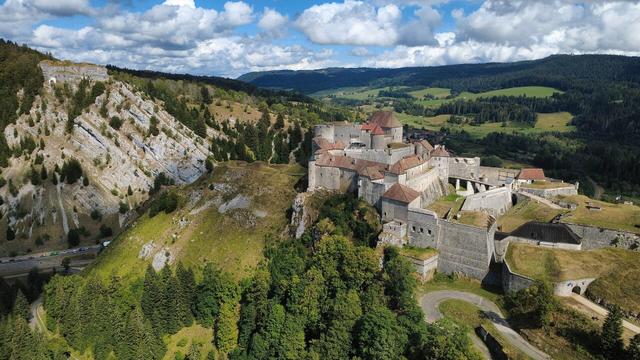
Château de Joux. A fortress on a rock above Pontarlier, where Toussaint Louverture was imprisoned. See also: Château de Joux
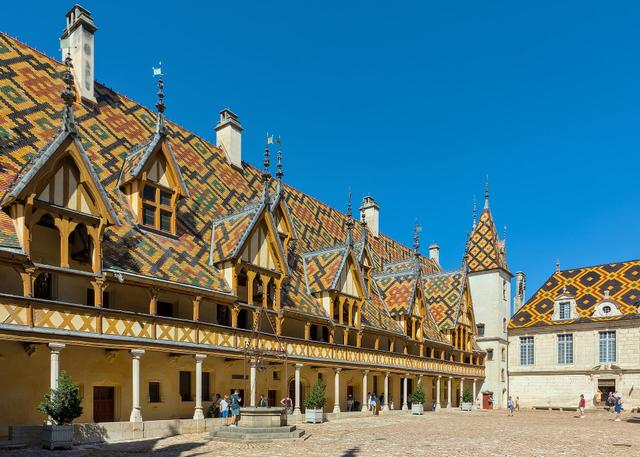
The Hospices de Beaune. The great 15th-century hospital with its glazed tile roofs, just over an hour's drive away. See also: Hospices de Beaune (Hôtel-Dieu)
The Cassissium. In Nuits-Saint-Georges, a visit devoted to Burgundy blackcurrants, with a tasting. See also: Cassissium
More ideas in Bourgogne-Franche-Comté: See also: Château de Savigny-lès-Beaune, Château de Sully (Burgundy), Brancion Castle, Burgundy
The Royal Saltworks in six dates

- 1775: Claude-Nicolas Ledoux starts building.
- 1779: salt production begins.
- 1895: the saltworks closes.
- 1930: the Doubs department begins the restoration.
- 1982: added to the UNESCO World Heritage List.
- 2022: the Cercle immense gardens open.
Fun facts
- A first design turned down. In 1774 Ledoux presented a grand first plan, a square, which the king and the saltworks contractor rejected as too expensive. The semicircle was his second design.
- A 496-metre building. The graduation building, where part of the water was evaporated, was nearly 500 m long. It was demolished in 1920.
- A dark chapter. During the Second World War, the Saltworks was used as an internment camp for Romani families, from 1941 to 1943.
- A pioneering cultural centre. From 1973, the Saltworks became a cultural meeting centre. Concerts, a festival and exhibitions have followed ever since.
Where to eat and stay near the Royal Saltworks

Eating. The restaurant La Table des jardins serves meals on site during the season. Out of season, or for a quick bite, bring a picnic: the gardens are suited to it all year. The village of Arc-et-Senans also has a few places to eat.
Staying. The Saltworks has its own hotel, inside the site: a chance to see the semicircular courtyard in the evening and in the morning, without visitors. Otherwise, Besançon and Dole have the most choice, and Besançon is linked to Arc-et-Senans by TER train.
Places to stay near Arc-et-Senans
FAQ
How much does it cost to visit the Royal Saltworks of Arc-et-Senans?
€15 per adult from April to October and €13 from November to March. Children aged 6 to 15 pay €10 in season and €9 in winter, and entry is free for children under 6.
Is the Royal Saltworks open in winter?
Yes, all year, from 10:00 – 17:00 from November to March. It only closes on 25 December and 1 January.
How long does it take to visit the Royal Saltworks?
Allow 2 to 3 hours according to the official website, a little less if you skip the guided tour and the gardens.
Can you get to the Royal Saltworks by train?
Yes. Arc-et-Senans TER station is about 100 m from the entrance, and a TER ticket less than 48 hours old gets you the reduced price.
Do I need to book tickets?
No, booking is not required. The guided tour can only be booked on site.
Are dogs allowed at the Royal Saltworks?
Yes, on a lead on the grounds, but not inside the buildings.
Practical information
Official ticket-office prices 2026
| Full price | €15 |
|---|---|
| Reduced rate | €13 |
| Child (aged 6–15) | €10 |
| Family ticket | €42 |
| Visitor with a disability | €13 |
| Free | children under 6 |
Address
Saline royale, Grande Rue, 25610 Arc-et-Senans, France
Directions · Phone+33 3 81 54 45 00
On site and nearby
- On site: Picnics allowed and food and drink
- Nearest shops and pharmacy: Arc-et-Senans, less than 1 km away Straight-line distance, based on OpenStreetMap.
- Emergencies: 112 (all emergencies, free from any phone), 15 (SAMU, medical emergency)
Around the site, on Google Maps
With children
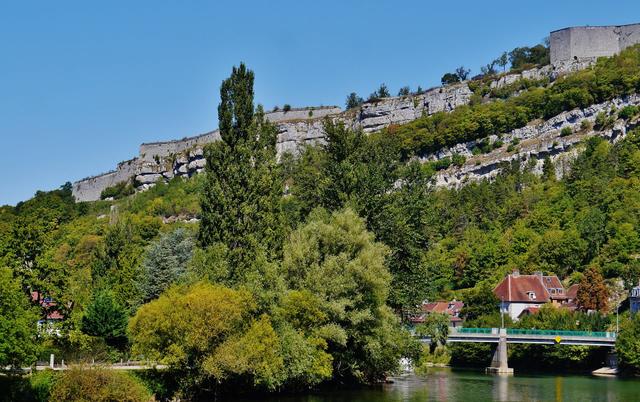
Family days out nearby: Besançon Citadel (29 km), Château de Joux (49 km)
Swimming pools and play areas nearby, on Google Maps
Facts checked on 11 November 2026. Sources: salineroyale.com, salineroyale.com, salineroyale.com, bourgognefranchecomte.fr, fr.wikipedia.org, macommune.info, salineroyale.com, acceslibre.beta.gouv.fr
Map
In the same region
- Cassissium