Cluny Abbey: planning your visit
Cluny Abbey at a glance
- High season
- 9:30 – 19:00
- Low season
- 9:30 – 17:00
- Full price
- €11
- Free
- under 18s
- Visitors per year
- about 140,000 (2025)
- Where
- Cluny
Official ticket-office prices, checked on 29 October 2026. Full opening hours, reduced prices and access
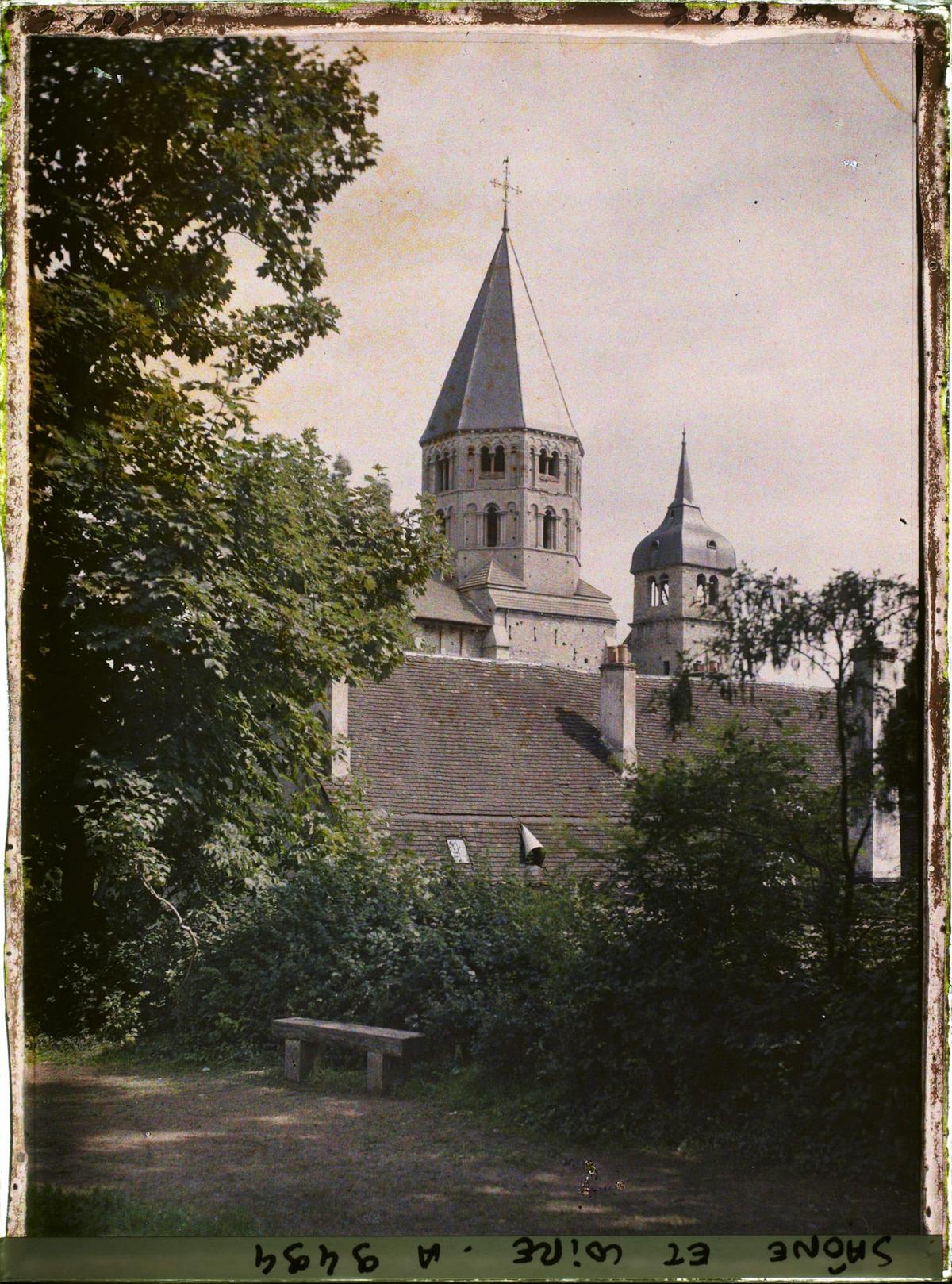
For more than five centuries, the abbey church of Cluny was the largest church in Christendom, until St Peter's in Rome was built. Today only one arm of the transept and a few buildings remain, but they are enough to grasp the scale of the place. The abbey, run by the Centre des Monuments Nationaux, is visited together with the neighbouring museum of art and archaeology. Here are the prices, opening hours, how long to allow and what not to miss.
Cluny Abbey at a glance
- Where: in the centre of Cluny, in Saône-et-Loire, about twenty kilometres north-west of Mâcon.
- Price: €11 for the abbey and museum ticket. Free for under-18s and for EU nationals and residents aged 18 to 25, and for everyone on some first Sundays of the month.
- Open: every day, 9:30 – 17:00 from October to March and until 7 pm in July and August. Closed on 1 January, 1 May, 1 November, 11 November and 25 December.
- Last entry: 45 minutes before closing.
- Getting there: mainly by car; car parks in town, including the paid Prado car park at the entrance to Cluny.
- Best for: anyone curious about history and Romanesque architecture; children get an activity booklet.
Partner links: if you book through these links, we earn a commission at no extra cost to you. Partner links · Learn more
Understanding Cluny Abbey
The abbey was founded in 910 by William, Duke of Aquitaine, who handed the Cluny estate to Abbot Berno. The foundation had one special feature: the monastery answered to no lord and no bishop, only directly to the pope. This independence was its strength. Within two centuries, Cluny headed a network of priories and abbeys across Europe, and its abbots advised kings and popes.
The monks built three churches in turn. The third, which historians call Cluny III, was begun in 1088 under Abbot Hugh of Semur. At 187 metres long, with five aisles and several bell towers, it remained the largest church in Christendom until St Peter's in Rome was completed in the 17th century.
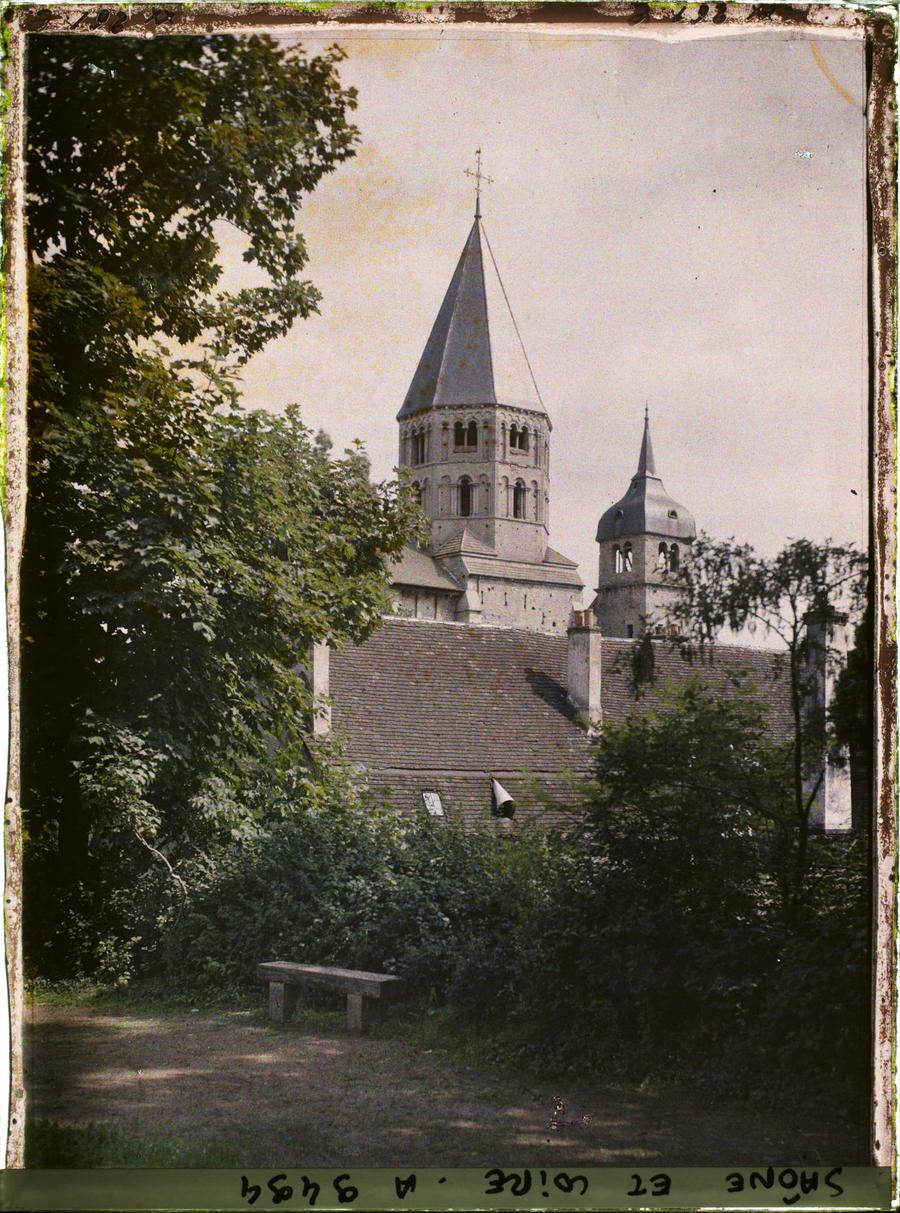
The French Revolution put an end to all this. The abbey was sold as state property in 1798, and the church was used as a stone quarry for years. What you see today is therefore a fragment of the building: the south arm of the great transept, topped by the Eau-Bénite (Holy Water) bell tower, which gives an idea of the height of the original vaults.
How long does it take to visit Cluny Abbey?
The official website gives no time. Allow about two hours for the abbey and the museum of art and archaeology, a little more if you take the audio guide and read everything. With half a day, you can add a relaxed walk in the medieval town and a look at the stud farm.
Our tip: start with the museum, in the Palais Jean de Bourbon, to see the carved fragments of the lost church. The abbey makes much more sense afterwards, once you know what is missing.
Cluny Abbey ticket prices
The ticket covers the abbey and the museum of art and archaeology. 2026 prices published by the Centre des Monuments Nationaux:
- Bernon ticket (abbey and museum): €11. This is the only one sold online.
- Odilon ticket (abbey, museum and Tour des Fromages): €13.50, on site.
- Hugues ticket (abbey, museum and the Berzé-la-Ville chapel): €14, on site.
- Urbain ticket (all four sites): €16.50, on site.
- Audio guide: €4, in French, English, German and Italian.
- Activity booklet for ages 6 to 12: €2, on site.
Who gets in free? Under-18s, 18 to 25 year olds, disabled visitors and their carer, jobseekers and teachers holding the Pass Éducation. Ask for free entry on site, with proof. Entry is also free for everyone on the first Sunday of January, February, March, November and December, and during the European Heritage Days.
For visitors from outside the EU: at Centre des Monuments Nationaux sites, free entry for 18 to 25 year olds applies to EU nationals and long-term residents of France. Other visitors in that age group pay the full price.
Lesser-known discounts. The ticket drops to €9.50 if you show a ticket from the Royal Monastery of Brou or a TGV INOUI train ticket less than five days old, and to €8 with the SNCF Grand Voyageur card. Remember to keep your train ticket.
The Passion Monuments card from the Centre des Monuments Nationaux gives unlimited entry to about a hundred of its monuments. It pays off if you visit other sites in the network during the year.
Do you need to book?
No. The Bernon ticket can be bought in advance on the Centre des Monuments Nationaux ticket website, which saves queuing at the desk in July and August. Combined tickets and free entry are only available on site.
Partner links: if you book through these links, we earn a commission at no extra cost to you. Partner links · Learn more
Guided tours and day trips on GetYourGuide
Opening hours and best time to visit
Abbey opening hours in 2026:
- 1 January to 31 March: 9.30 am to 5 pm.
- 1 April to 30 June: 9.30 am to 6 pm.
- July and August: 9.30 am to 7 pm.
- September: 9.30 am to 6 pm.
- 1 October to 31 December: 9.30 am to 5 pm.
Last entry is 45 minutes before closing. The abbey and museum are closed on 1 January, 1 May, 1 November, 11 November and 25 December.
Note that the museum keeps different hours. It closes at lunchtime all year, and opens later than the abbey in April, September and summer. If you arrive around noon, visit the abbey first and keep the museum for the afternoon.
Late 2026: the Farinier is closed to the public on 23 and 30 November 2026, and the Cluny treasure has been taken out of its display case. The museum lift was out of order when we checked.
Our tip: in summer, come at opening time or late in the afternoon, once the groups have left. In winter, the free first Sundays draw crowds: another day is quieter.
How to get to Cluny Abbey
By car. This is the easiest way. Cluny is about 25 minutes from Mâcon and the A6 motorway. The town centre is small: leave the car at the Prado car park at the entrance to town, or in one of the other car parks, and walk the rest of the way. A free two-space electric charging point is on Rue Porte de Paris.
By train. There is no station in Cluny. The nearest are Mâcon-Ville and Mâcon-Loché TGV, from where buses run to Cluny. Check the times before you set off, as there are few on Sundays. A recent TGV INOUI ticket also gets you the reduced rate.
Renting a car. To link Cluny with Cormatin, Beaune or Vézelay on the same trip, a car is almost essential. Most rental companies are in Dijon and Mâcon.
What to see at Cluny Abbey
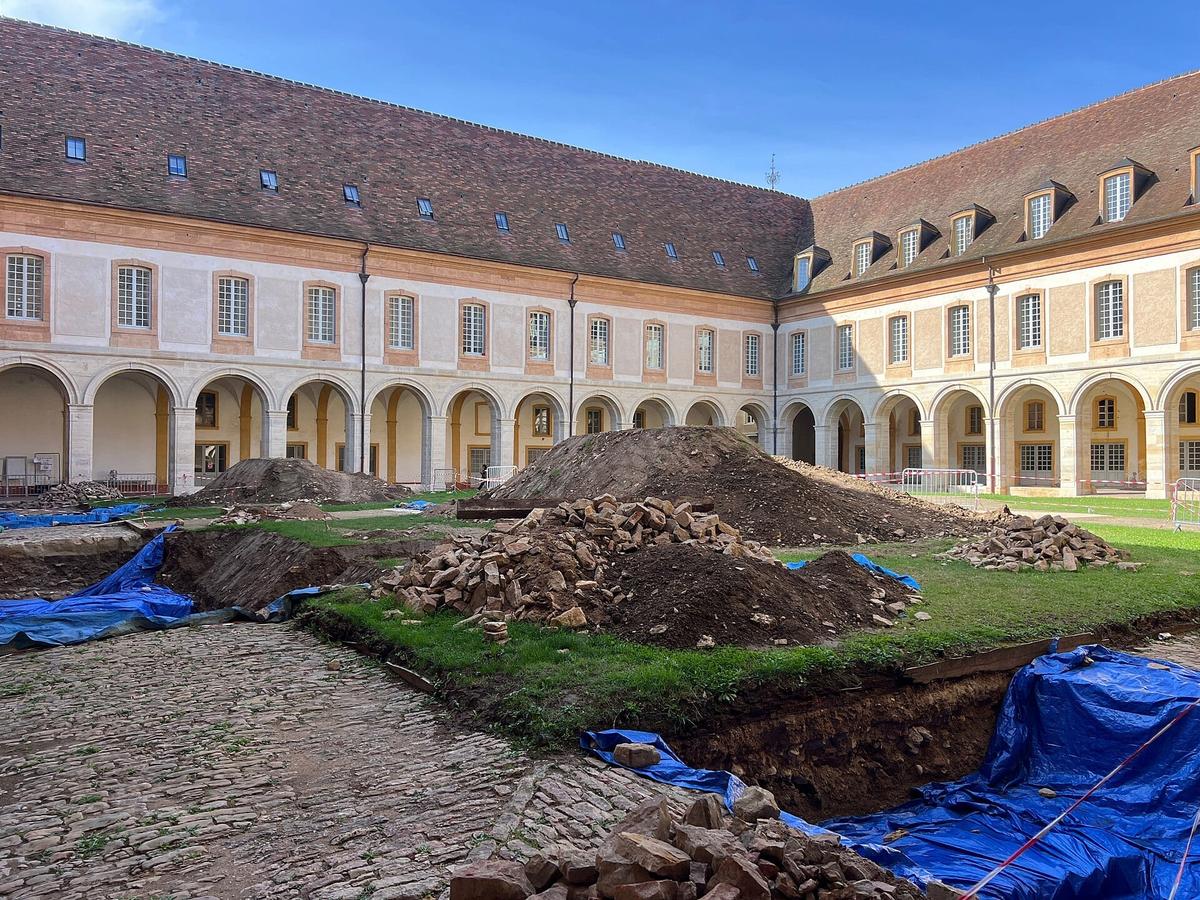
The great transept and the Eau-Bénite bell tower. This is the heart of the visit: the only large piece of the Cluny III church still standing. Look up at the dome and imagine the nave stretching west for more than a hundred metres.
The cloister and the 18th-century buildings. The monks rebuilt their monastic buildings in the 18th century, shortly before the Revolution. The great cloister, with its regular arcades, gives an idea of monastery life at that time. Part of the buildings is used by the Arts et Métiers engineering school.
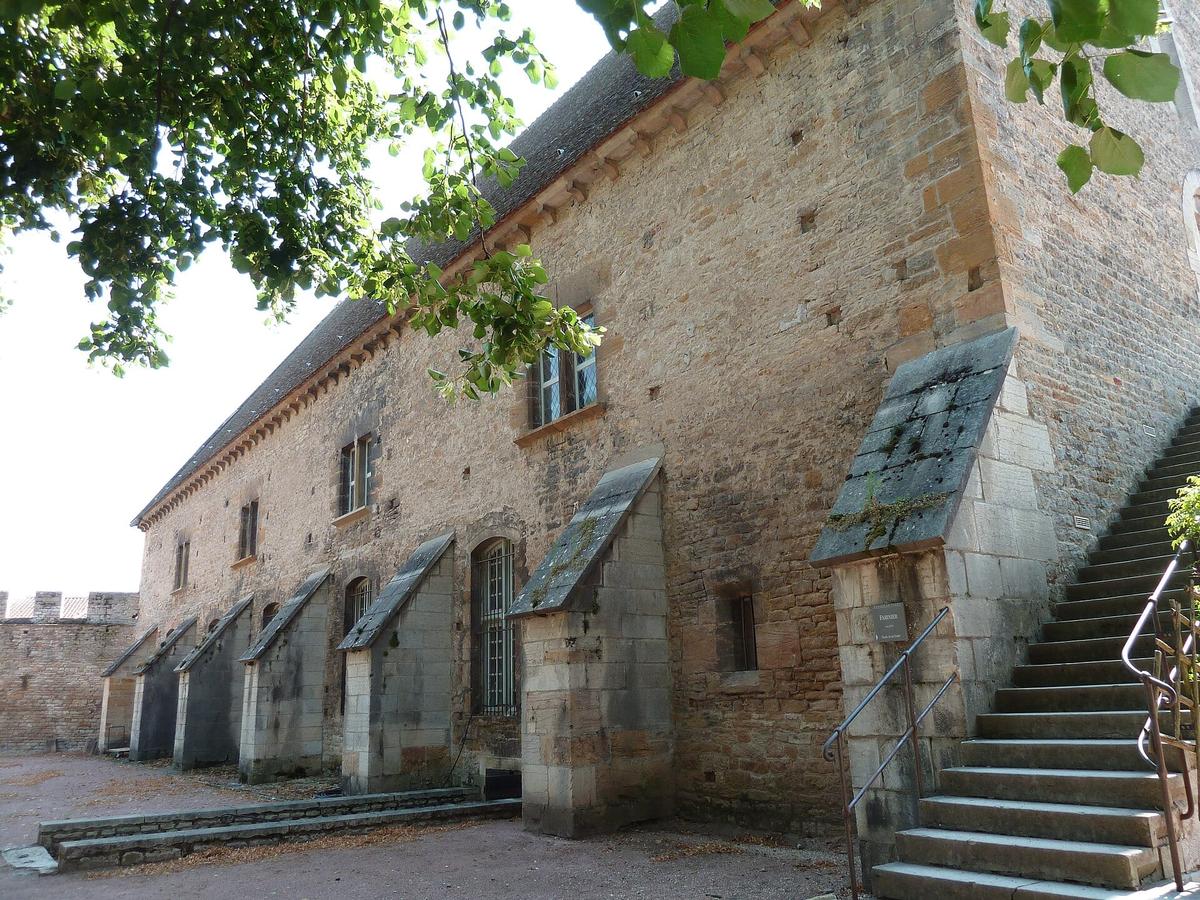
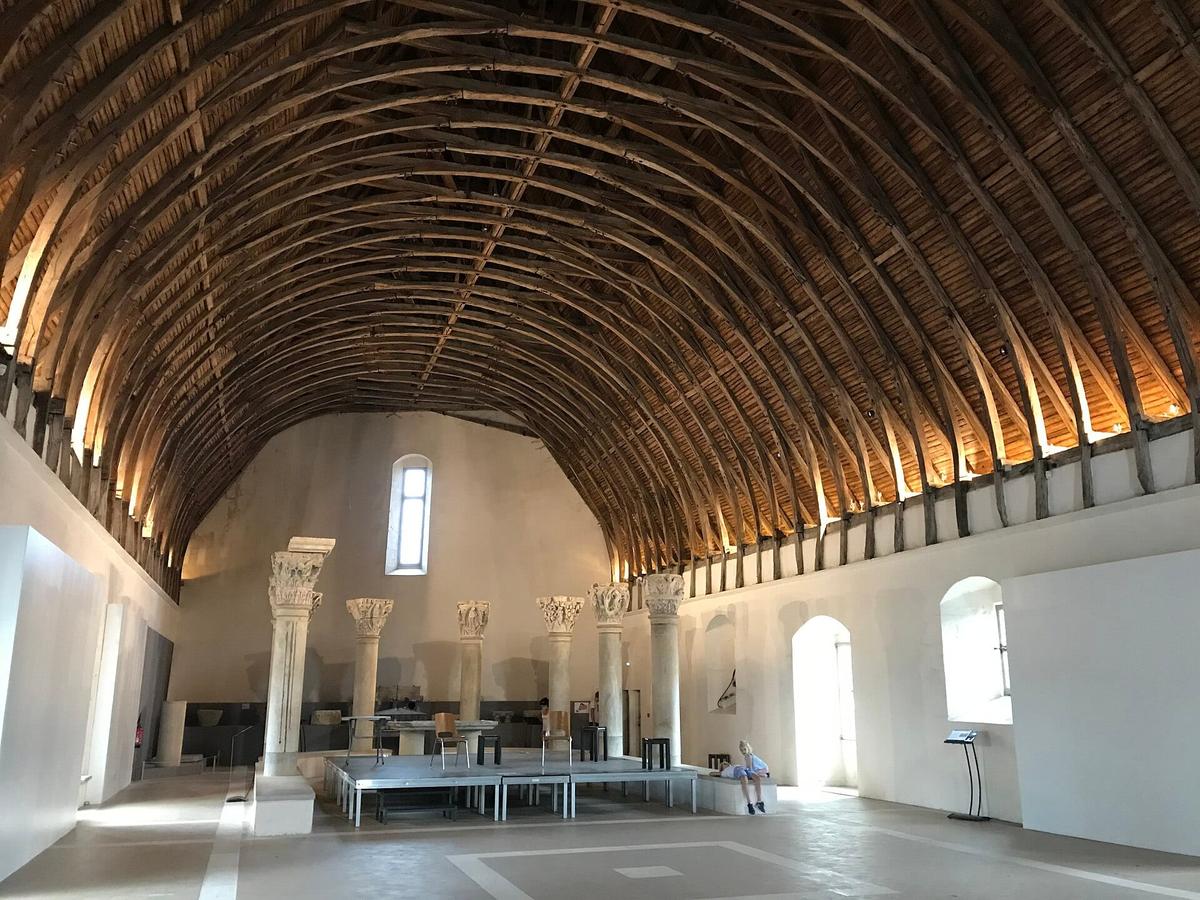
The Farinier. This long medieval building was a granary, with a mill on the ground floor. Upstairs, under a timber roof shaped like an upturned ship's hull, are the carved capitals from the church choir, among the most famous Romanesque sculptures in France.
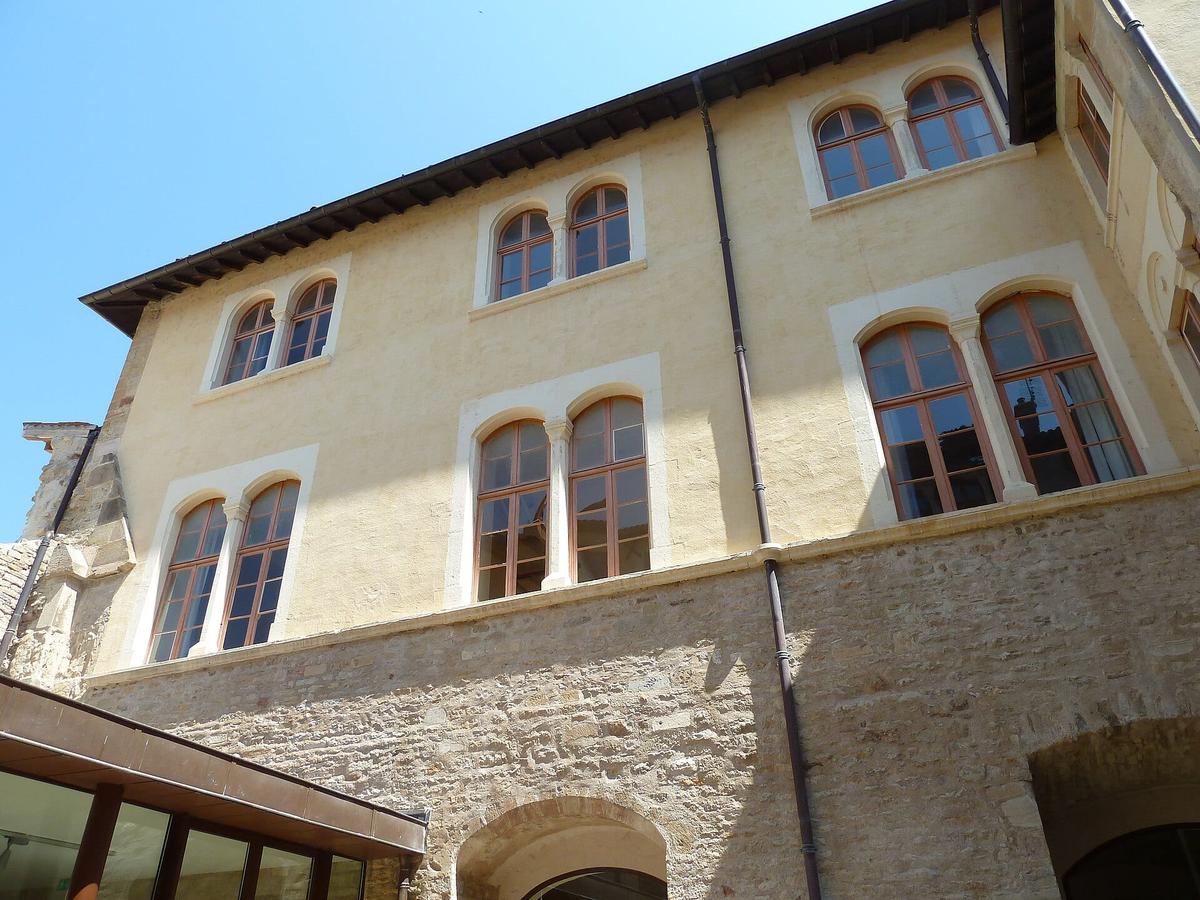
The museum of art and archaeology. Housed in the Palais Jean de Bourbon, it brings together sculpted fragments and decorative pieces from the abbey and the medieval town. This is where you understand how much has been lost.
The small cloister and the abbey park. Quieter than the great cloister, they extend the walk.
The national stud farm. Right next to the abbey, the stud farm (Haras National) was founded by Napoleon in 1806, partly with stones taken from the demolished church. It is not included in the abbey ticket.
Visiting Cluny Abbey with children
Entry is free under 18, which makes it a cheap family visit. The activity booklet at €2 keeps 6 to 12 year olds busy along the way. Pushchairs are allowed.
The visit is fairly abstract for younger children, since most of the church has gone. To make it concrete, start with the museum, then show them the bell tower from outside and let them pace out the cloister. A stop at the stud farm opposite is often a hit too.
Visiting the abbey in a wheelchair
The Centre des Monuments Nationaux has a page for disabled visitors. Entry is free for the disabled visitor and their carer. When we checked, the museum lift was out of order: call the abbey before you come to find out which parts are accessible.
Are dogs allowed?
Only assistance dogs on a lead are allowed. Other animals are not mentioned on the official website: arrange for someone to look after yours.
What to see near Cluny on the same day
| Also worth seeing | Distance | Travel time |
|---|---|---|
| Château de Cormatin | 13 km | 15 min by car |
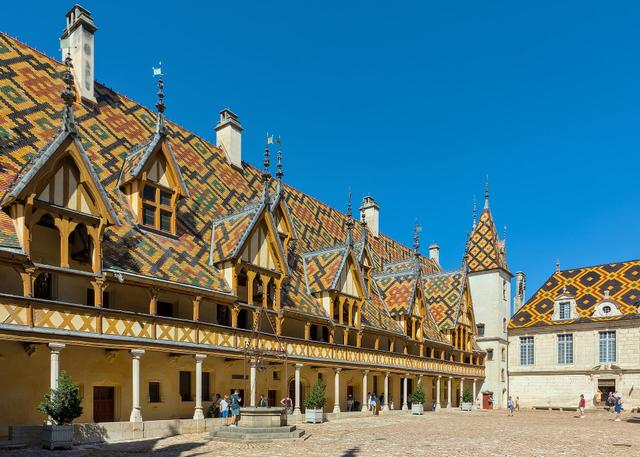
| Hospices de Beaune (Hôtel-Dieu) | 95 km | 75 min by car |
Approximate road distances and travel times.
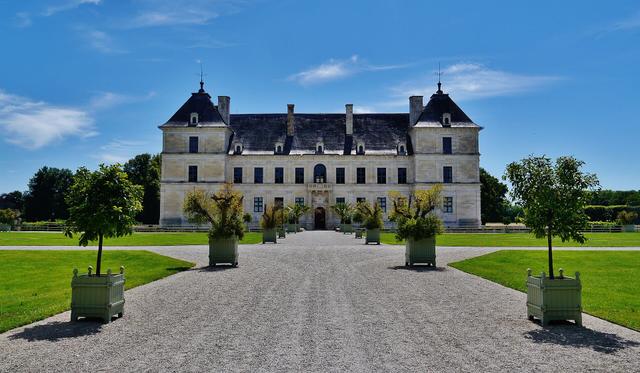
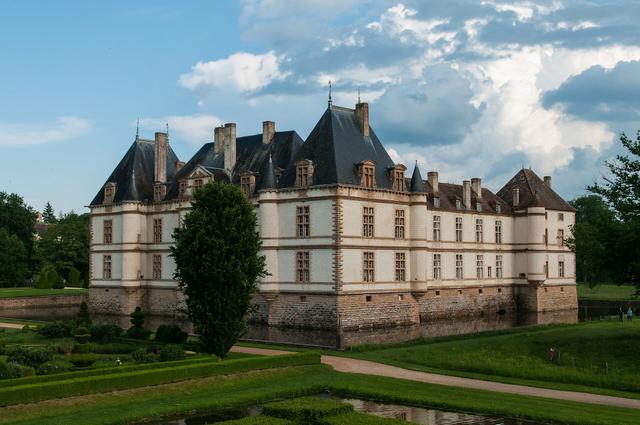
The Château de Cormatin, a quarter of an hour north, is the natural next stop: a Renaissance castle with 17th-century interiors and a garden with a maze. Note that it only opens in the warmer months. See also: Château de Cormatin
The Berzé-la-Ville chapel and the Tour des Fromages are included in the combined tickets. The chapel, a former residence of the abbots of Cluny, keeps Romanesque wall paintings. The Tour des Fromages, in Cluny, gives an overall view of the abbey and the town's rooftops.
Beaune, about an hour and a quarter's drive away, fits into a two-day trip with the Côte de Beaune. See also: Hospices de Beaune (Hôtel-Dieu)
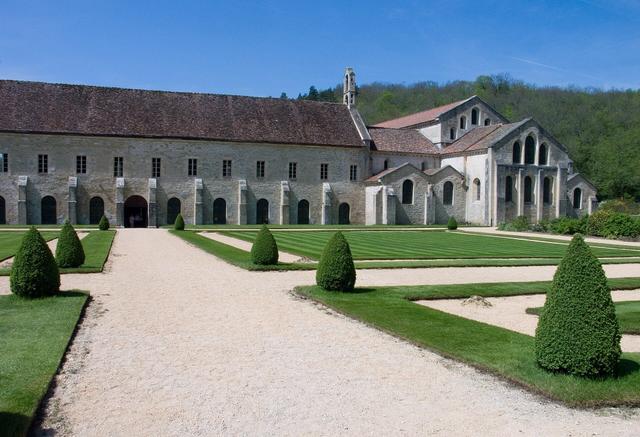
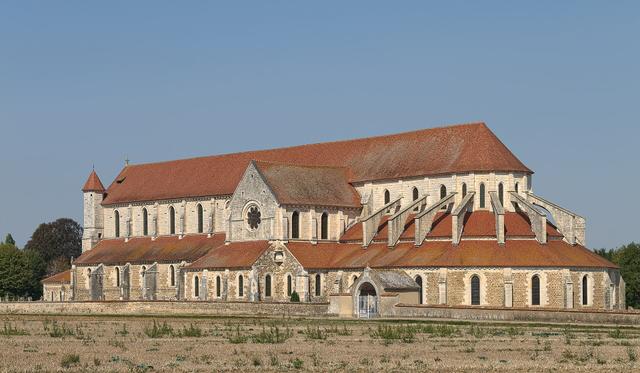
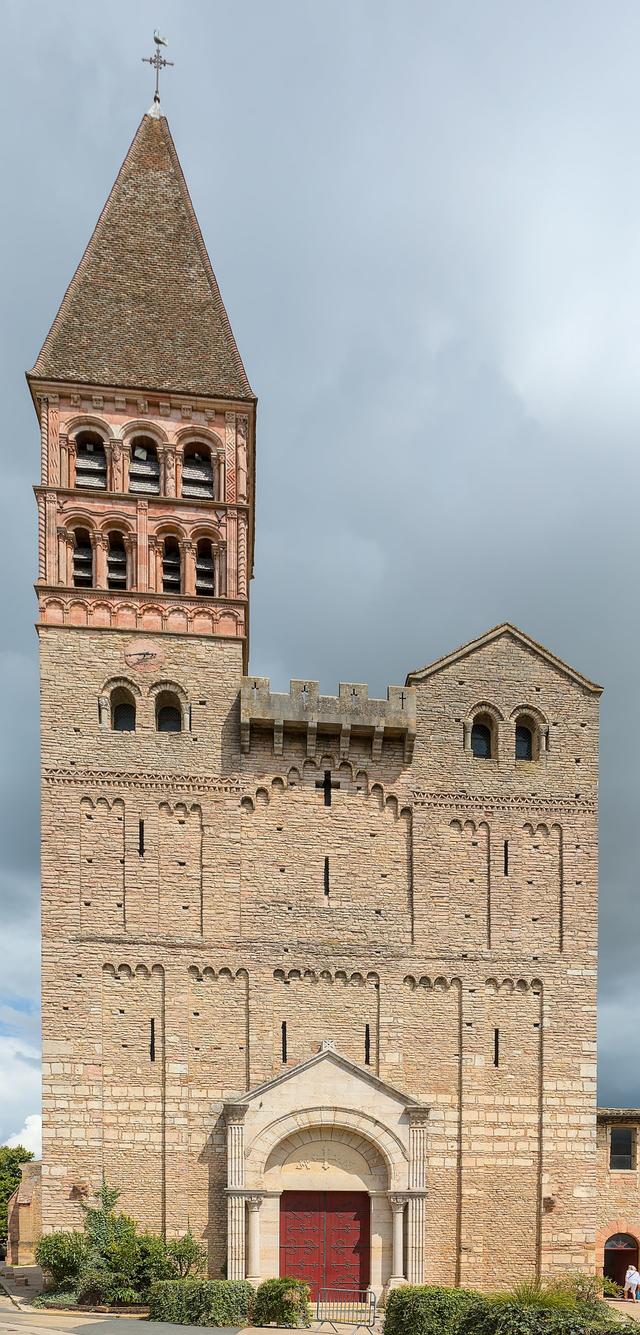
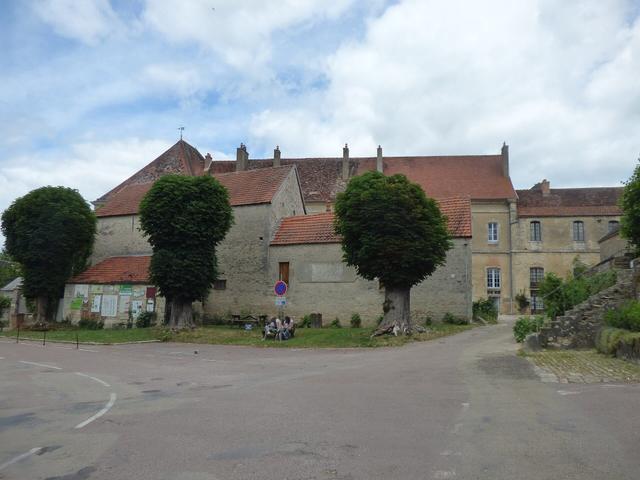
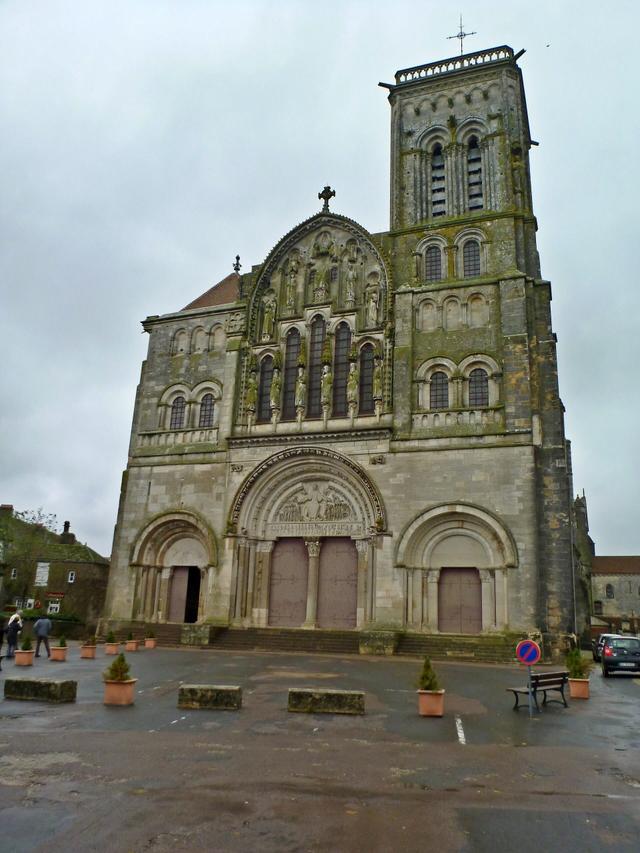
For other Burgundy abbeys: See also: Fontenay Abbey, Vézelay Abbey (Basilica of Sainte-Marie-Madeleine), Burgundy
Facts and figures
- More than 140,000 visitors in 2025, which puts the abbey 14th among Centre des Monuments Nationaux sites, according to the local press.
- A church bigger than any other. At 187 metres long, Cluny III was only surpassed in the 17th century by the new St Peter's Basilica in Rome.
- A Koran translated at Cluny. In the 12th century, Abbot Peter the Venerable had the first Latin translation of the Koran made, to understand Islam better and refute it.
- A stud farm built from the abbey. After the Revolution, the church served as a quarry: some of the stones were used to build the neighbouring national stud farm, founded in 1806.
Where to eat and stay in Cluny
Eating. The abbey has no restaurant; the bookshop is free to enter. Central Cluny has several cafés and restaurants a few minutes' walk away, around Rue Mercière and Rue Lamartine. In summer, a picnic in the meadows along the Grosne river is a good option.
Staying. Cluny is a small town: there are few B&Bs and hotels, and they fill up fast in summer. Mâcon, half an hour away, has more choice. To go on to Cormatin, the villages around Cluny are handy. The abbey has no left luggage: the Cluny tourist office can keep your bags.
FAQ
How much is a ticket to Cluny Abbey?
€11 for the abbey and museum ticket. Entry is free for under-18s and for EU nationals and residents aged 18 to 25.
Is Cluny Abbey free on Sundays?
Only on the first Sunday of January, February, March, November and December, and during the European Heritage Days.
How long does it take to visit Cluny Abbey?
Allow about two hours for the abbey and museum, half a day with the town and the stud farm.
Do I need to book?
No. The abbey and museum ticket can be bought online, but combined tickets and free entry are only available on site.
When is it closed?
On 1 January, 1 May, 1 November, 11 November and 25 December. The rest of the year, the abbey opens every day.
Is the Cluny Museum in Paris the same place?
No. The Musée de Cluny in Paris is the National Museum of the Middle Ages, housed in the former town house of the abbots of Cluny. The abbey is in the town of Cluny, in Burgundy.
Practical information
Opening hours 2026
| 1 January 2026 to 31 March 2026 | 9:30 – 17:00 |
|---|---|
| 1 April 2026 to 30 June 2026 | 9:30 – 18:00 |
| 1 July 2026 to 31 August 2026 | 9:30 – 19:00 |
| 1 September 2026 to 30 September 2026 | 9:30 – 18:00 |
| 1 October 2026 to 31 December 2026 | 9:30 – 17:00 |
Closed: 1 January, 1 May, 1 November, 11 November, and 25 December
Official ticket-office prices 2026
| Full price | €11 |
|---|---|
| Audio guide | €4 |
| Free | under 18s, EU/EEA residents aged 18 to 25, disabled visitors and one companion, jobseekers, and French teachers (Pass Éducation) |
Partner links: if you book through these links, we earn a commission at no extra cost to you. Partner links · Learn more
See tickets and availability on Tiqets ›
Address
Abbaye de Cluny, Palais du Pape Gélase, place du 11 août 1944, 71250 Cluny, France
Directions · Phone+33 3 85 59 15 93
On site and nearby
- Nearest shops and pharmacy: Cluny, less than 1 km away Straight-line distance, based on OpenStreetMap.
- Emergencies: 112 (all emergencies, free from any phone), 15 (SAMU, medical emergency)
Around the site, on Google Maps
With children
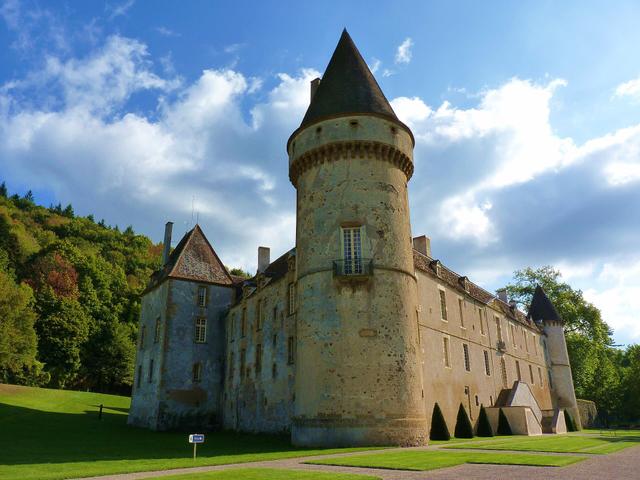
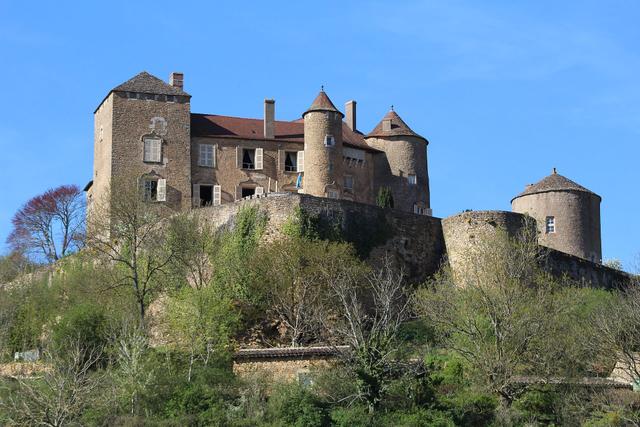
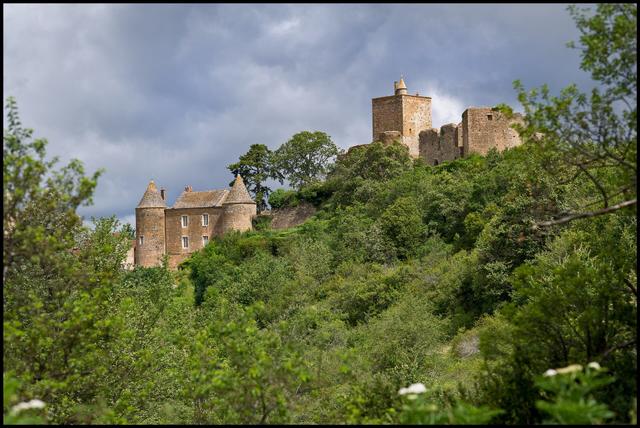
Family days out nearby: Château de Berzé-le-Châtel (6 km), Château de Cormatin (12 km), Brancion Castle (16 km)
Swimming pools and play areas nearby, on Google Maps
Facts checked on 29 October 2026. Sources: cluny-abbaye.fr, cluny-abbaye.fr, lagazettefrance.fr, fr.wikipedia.org, cluny-abbaye.fr, cluny-abbaye.fr
Map
In the same region
- Cassissium