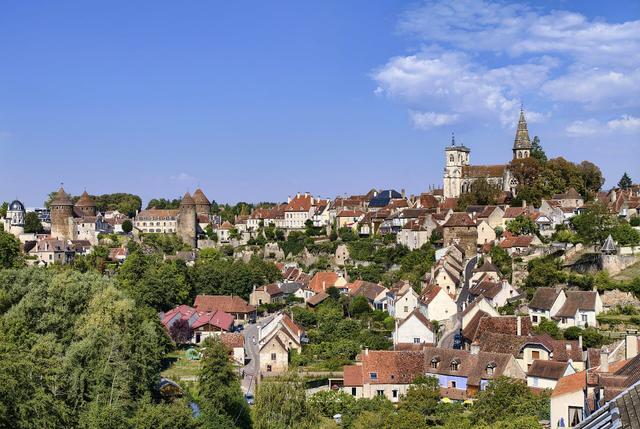
Pontigny Abbey: planning your visit
Pontigny Abbey at a glance
- Where
- Pontigny
Facts checked on 11 November 2026. Full opening hours, reduced prices and access
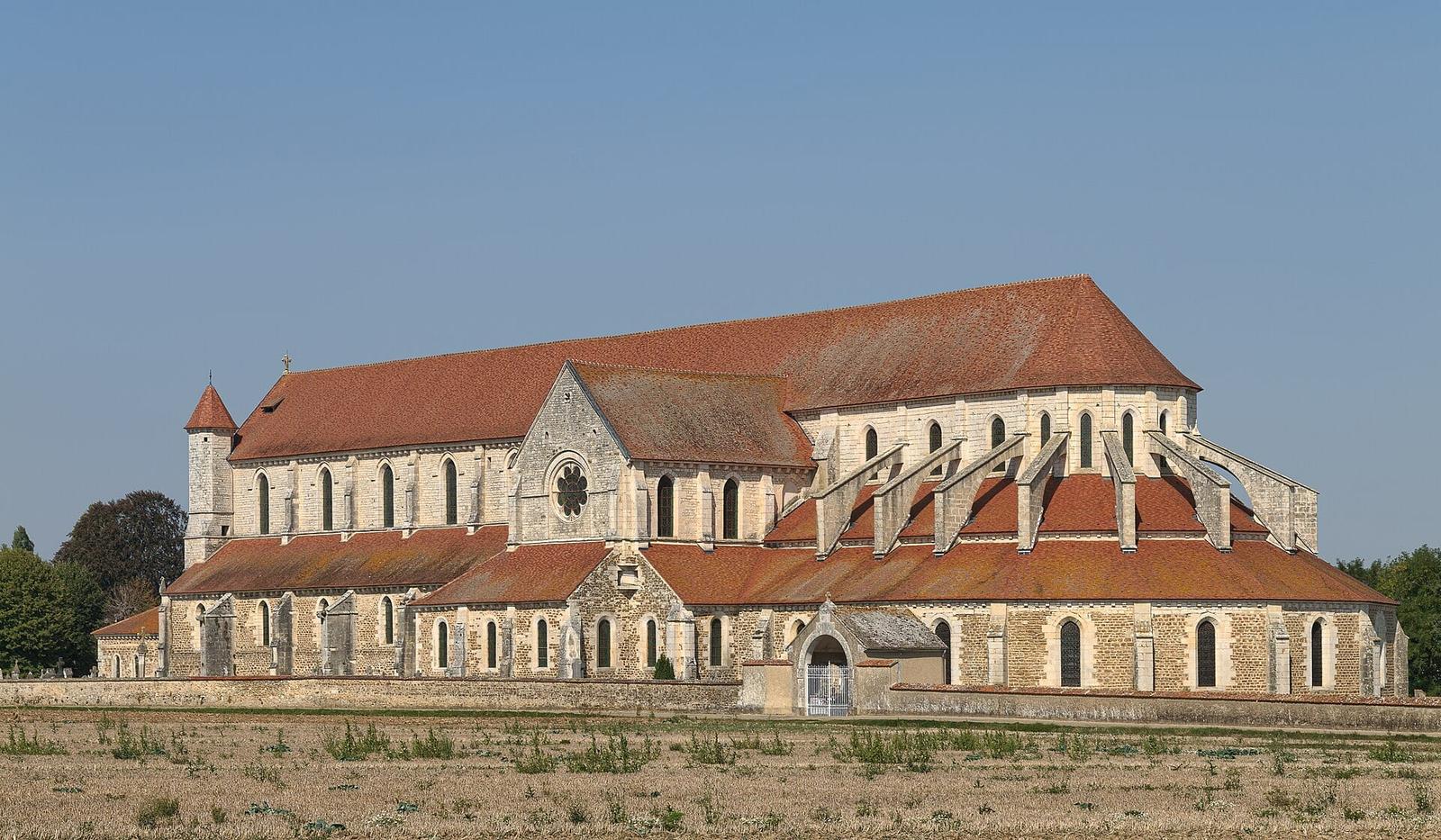

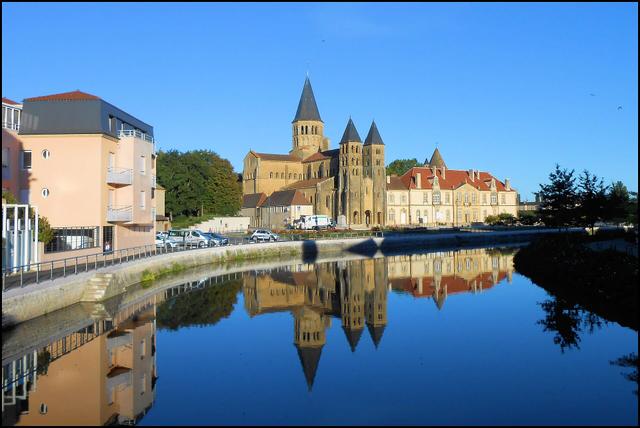
Between Auxerre and Chablis, the abbey church of Pontigny is the largest surviving Cistercian church. Founded in 1114, the abbey sheltered archbishops of Canterbury in exile, Thomas Becket among them, then hosted the writers of the Décades between the two world wars. The estate, bought by a foundation, is gradually reopening. Here are the opening hours, the tours, what to see and our tips.
Pontigny Abbey at a glance
- Where: in Pontigny, in the Yonne department of Burgundy, about twenty kilometres north-east of Auxerre and some fifteen kilometres from Chablis.
- Price: €15 for the guided tour, €11 at the reduced rate (ages 12 to 25, students, jobseekers, among others), according to the listing updated in October 2026.
- Open: every day, 10:00 – 17:30, with later closing, at 18:30, at certain times of year.
- Tours: self-guided audio trail all day, guided tour in French at 11:00 and 15:00, tour in English by booking.
- On site: a restaurant and tea room, the Maison du Jardinier, open 10:00 – 17:30.
- Best for: lovers of Cistercian architecture, English history and Chablis wine.
- Good to know: the estate is undergoing works. The official website warns that part of the site may be closed, so ask at the front desk what can be visited on the day.
Why visit Pontigny Abbey
Pontigny is the second of the four first "daughters" of Cîteaux, the abbeys founded directly by the mother house of the Cistercian order. It was founded in 1114 by a small group of monks led by Hugh of Mâcon, sent by Stephen Harding, abbot of Cîteaux.
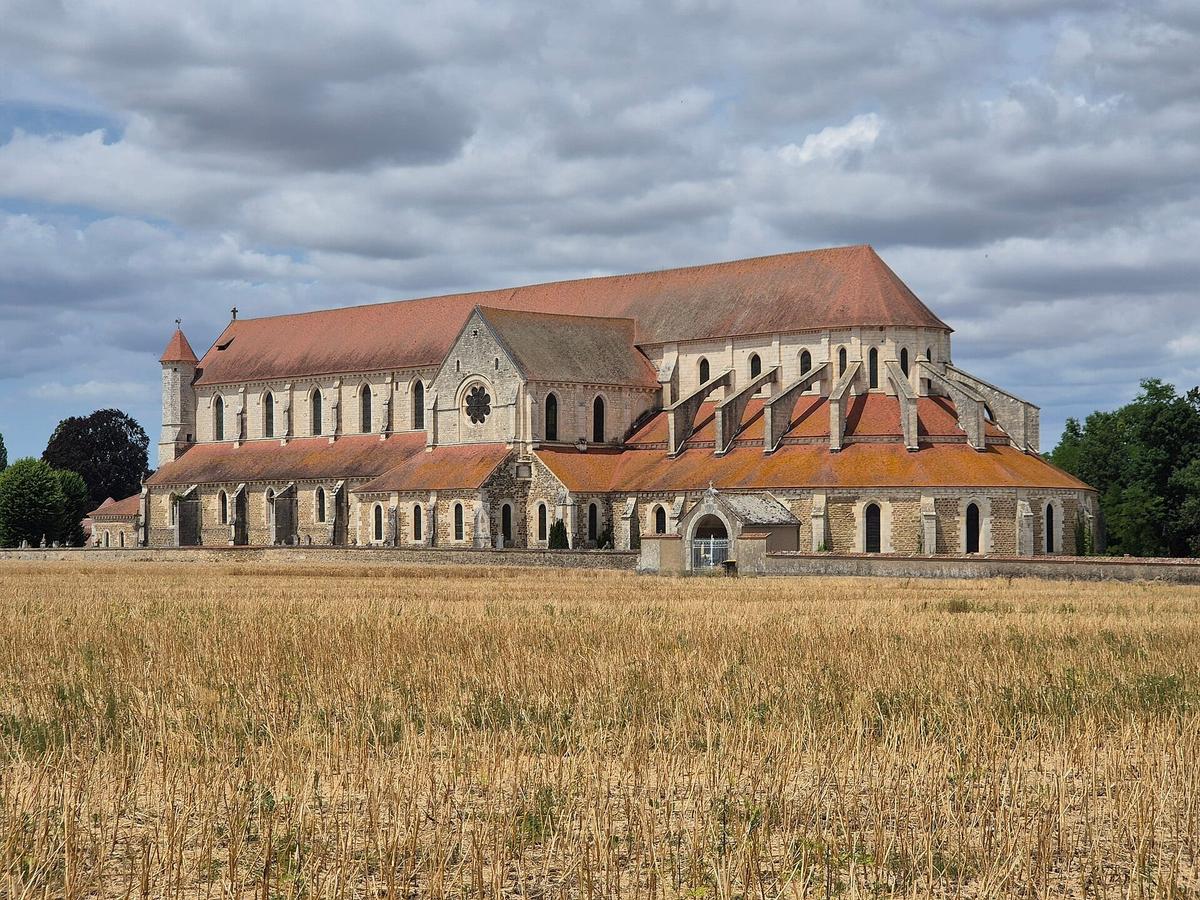

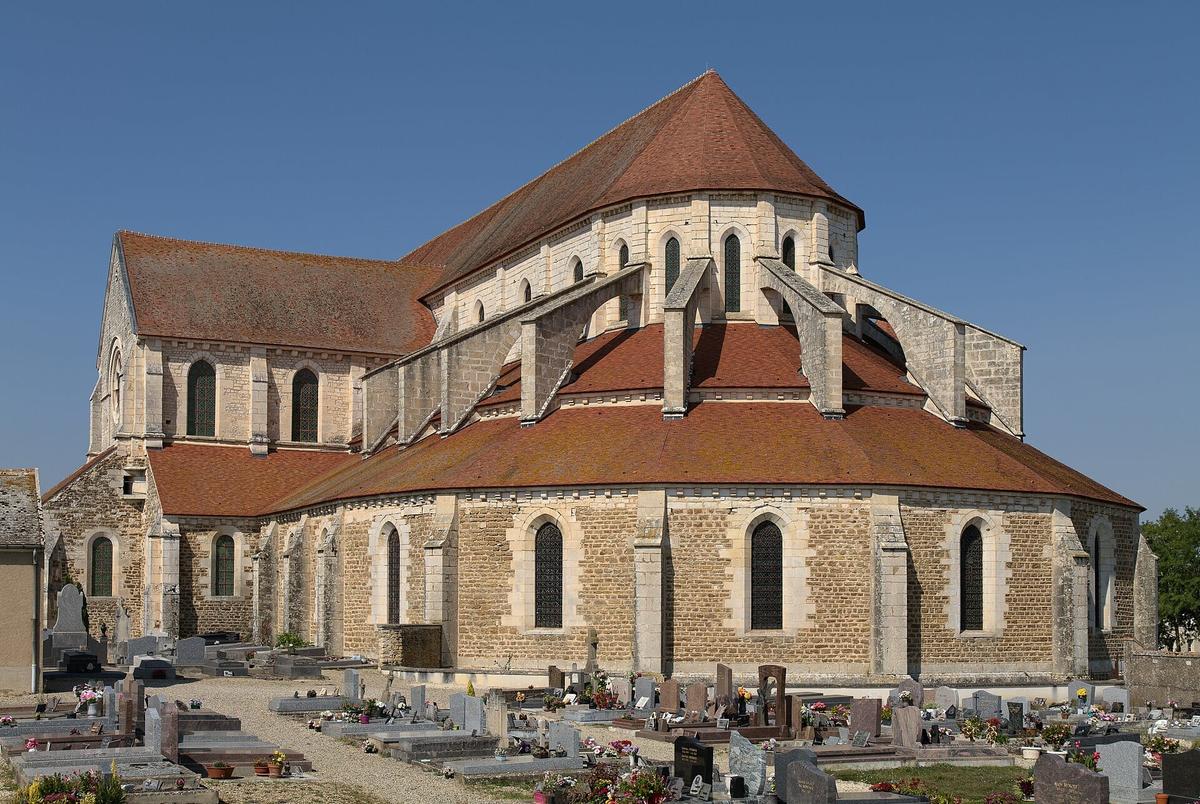
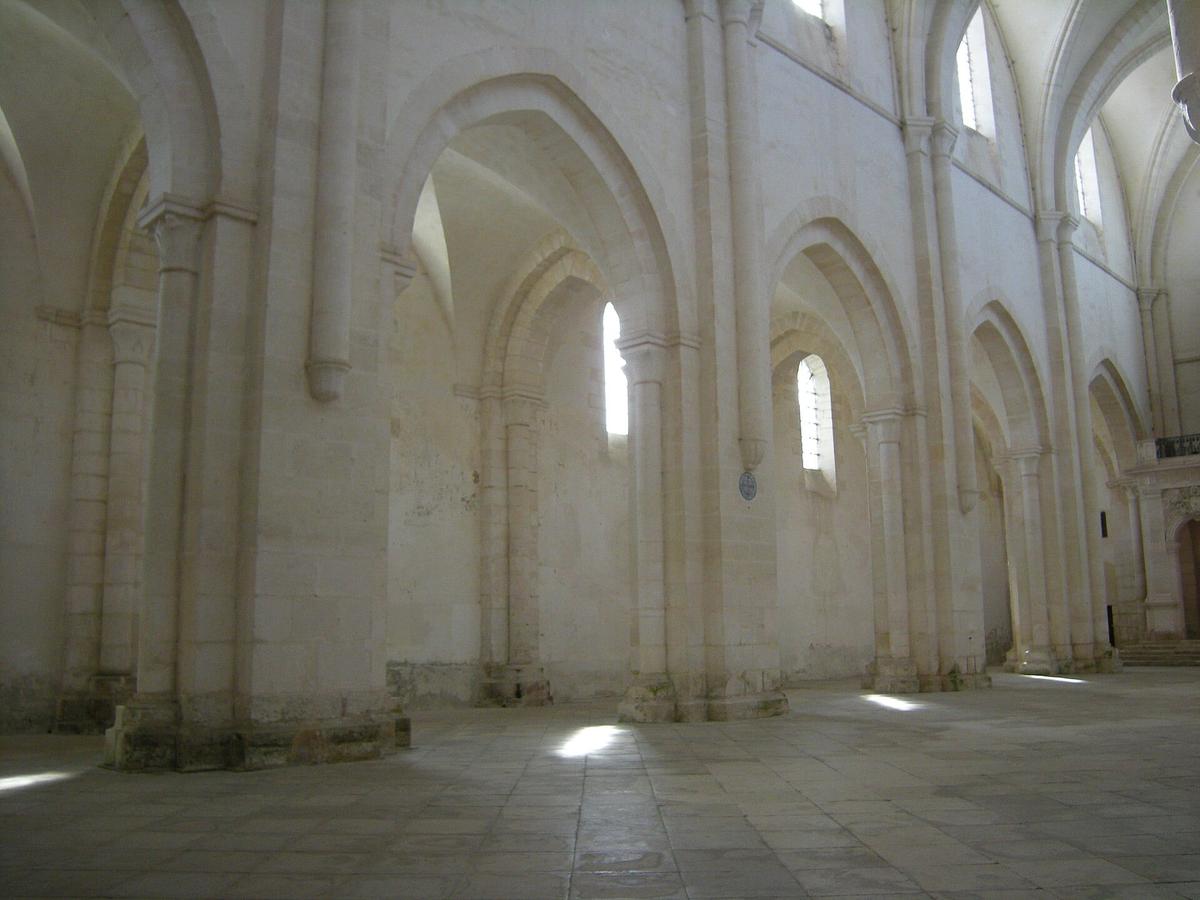
Of the huge monastery, it is mainly the abbey church that remains. It is the largest surviving Cistercian church, and it is the reason to make the detour. Its long, very plain nave, with no carved decoration and no coloured stained glass, shows what the Cistercians wanted: light, pale stone and nothing else.
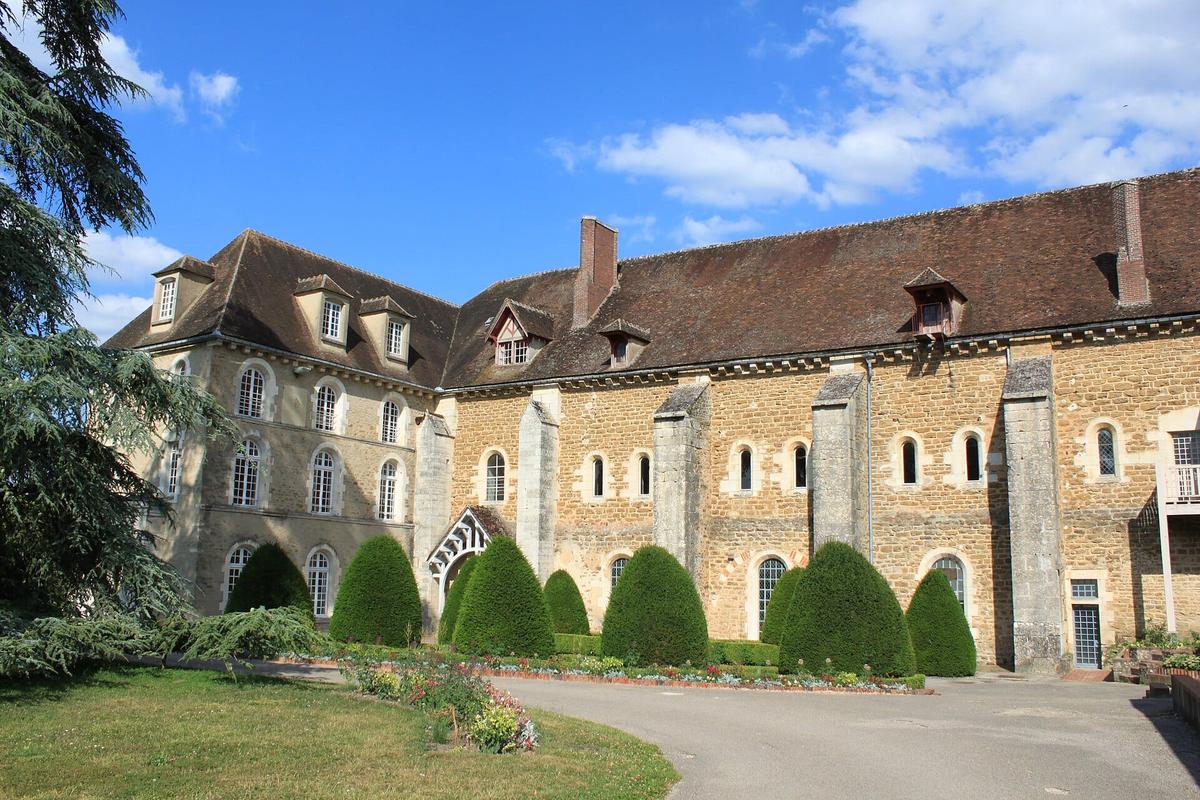
The rest of the estate tells a more turbulent story. After the French Revolution, the monastic buildings were sold and razed to the foundations, except for one wing of the cloister and the large lay brothers' building. The church, however, was kept for the village and became its parish church, which saved it.
The abbey church has been a listed historic monument since the list of 1840.
A refuge for the archbishops of Canterbury
This is the story that draws English visitors. Pontigny sheltered several archbishops of Canterbury who had fallen out with their king.
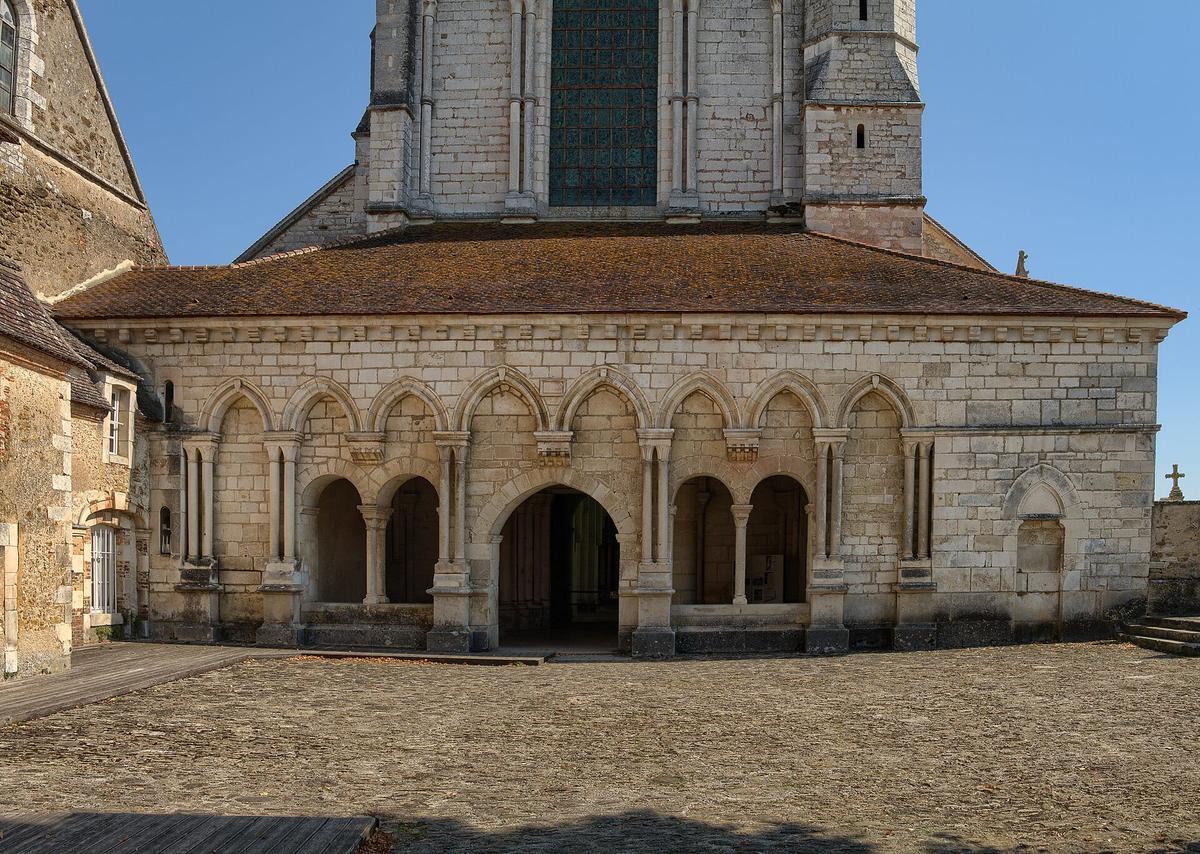

Thomas Becket lived here in exile from 1164 to 1166, after his break with Henry II of England. He was murdered in his cathedral a few years later.
Stephen Langton in turn spent several years in exile in France from 1207, at the height of his conflict with King John, before returning to Canterbury in July 1213.
Edmund of Abingdon, known in France as Saint Edme, died in 1240 at the priory of Soisy, near Provins. The monks of Pontigny buried him in their abbey church. He was quickly canonised, and the abbey chronicle records more than 250 accounts of miracles in the two years that followed. His relics are still in the church, and the cult of Saint Edme made Pontigny a place of pilgrimage.
The monks and Chablis wine
The Cistercians of Pontigny acquired vineyards from the late 12th century, especially in Chablis. They worked them until the Revolution. Several estates in today's vineyard claim this monastic origin.

If the subject interests you, a wine tourism package with the Vignobles & Découvertes label combines a guided tour of the abbey, entry to the estate and a tasting at a nearby winegrower's, for €28 per person. It is by appointment only.
The Décades de Pontigny
In the 20th century, the abbey became a meeting place for intellectuals. In 1906, the professor Paul Desjardins bought the estate. From 1910 to 1939, he organised the Décades de Pontigny there: ten days of discussions every summer between European writers, philosophers and academics.

André Gide, Roger Martin du Gard, André Maurois, Jacques Rivière and Jean Tardieu all took part. They discussed literature, politics and bringing nations closer together after the First World War.
After the Second World War, the estate changed use many times. The Mission de France set up its seminary there in 1954. From 1968 to 2006, an association trained disabled people there. The Burgundy Region bought the estate in 2003, then handed it over at the end of 2020 to the Fondation François Schneider, without the church, which still belongs to the village.
2026 opening hours: when to visit Pontigny?
The official website gives opening hours of every day, 10:00 – 17:30. Depending on the period, the ticket office and the tourist office also mention closing at 18:30. The Sénonais tourist office lists the abbey as open from 2 January 2026 to 31 December 2026.
The day's programme:
- Self-guided audio trail: available all day.
- Guided tour in French: starts at 11:00 and 15:00.
- Guided tour in English: by booking only.
Works in progress. The foundation is renovating the estate. The official website warns that, because of the works, not all of the site may be open, and refers visitors to the front desk for details. If you are coming from far away, call ahead on +33 3 86 35 03 56.
Our tip: aim for the 11:00 guided tour, then have lunch on site. In the afternoon, the light slants into the nave, and the church is quieter late in the day. In summer, bring a warm layer: the stone stays cool.
Pontigny Abbey ticket prices
Tickets for the visits are sold at the welcome desk and shop or on the abbey's online ticket office. Three options are offered:
- L'Esprit des lieux: a self-guided sound journey through the abbey's history, in French or English.
- Rendez-vous avec l'Histoire: the guided tour of the estate.
- Lantern and organ night tour: an evening visit with the abbey church organ. The next date announced is 18 December 2026.
The online ticket office only shows prices when you book. The abbey church's tourist listing, updated in October 2026, gives these prices:
- Guided tour, full price: €15.
- Reduced rate: €11, for ages 12 to 25, students, visitors with reduced mobility, jobseekers, teachers, press card holders and guides.
Prices for the audio trail and the night tour are only published on the ticket office: check them when you book. The same listing warns that the abbey church may close occasionally for a concert or a ceremony.
Do you need to book?
For the audio trail and the guided tour in French, the website recommends booking but it is not compulsory: you can just turn up at the front desk. Booking is essential for:
- the guided tour in English;
- the lantern and organ night tour, which has limited places;
- the wine tourism package with a tasting in Chablis;
- weekend lunch at the Maison du Jardinier.
If you want to combine the abbey with a cellar visit in the Chablis area, the tours sold online around Chablis can help you organise the day.
Partner links: if you book through these links, we earn a commission at no extra cost to you. Partner links · Learn more
What to see at Pontigny Abbey
The abbey church. This is the heart of the visit. As soon as you walk in, the length of the nave is striking. The vaults are bare, the walls almost undecorated: Cistercian style in its purest form. The choir, surrounded by radiating chapels, is brighter than the nave.

The tomb of Saint Edmund. The relics of the archbishop of Canterbury are kept in the church. The medieval shrine has gone, but the cult continued. It is the most tangible link with the abbey's English history.
The organ. It came from the church of Saint-Pierre-au-Mont in Châlons-en-Champagne and was installed around 1771 to 1773 by the organ builder Jean Richard, on a gallery built in 1708. It was restored in 2023. An association organises concerts in the abbey church: check the calendar if you want to hear it.
The lay brothers' building. Built between the late 12th and early 13th centuries, this large building, 35.5 metres by 14.5, housed the lay brothers, the monks in charge of farm work. It is one of the few monastic buildings spared after the Revolution.
The cloister wing. Only the south gallery survives. It was rebuilt in the early 18th century.
Contemporary art. The Fondation François Schneider, which specialises in contemporary art on the theme of water, installs works and exhibitions on the estate. The programme changes: the official website presents it in its contemporary art section.
How long does it take to visit?
For the church alone, half an hour is enough. With the audio trail or a guided tour, allow one to two hours. If you have lunch on site and walk round the grounds, Pontigny takes up half a day. The easiest plan is to pair it with Chablis on the same day.
Visiting with kids
The audio trail lets children go at their own pace, headphones on. For older children, the estate also runs an escape game, "Le Pensionnat abandonné" (The Abandoned Boarding School). Book it online: slots are limited.
The church is vast and children love to run around in it. Remind them that it is also the village parish church, where services are held.
Accessibility and pets
The Sénonais tourist office says the site is accessible to disabled visitors and that pets are allowed. With the works, some paths may change: call the front desk if you need a specific access route.
How to get to Pontigny
By car. This is the most practical way. Pontigny is about 20 minutes from Auxerre and a quarter of an hour from Chablis. From Paris, the A6 motorway takes you to Auxerre in just over two hours. The abbey is at the entrance to the village, at 1 Avenue de l'Abbaye. There is a charging point for e-bikes.
By train. The most convenient station is Auxerre-Saint-Gervais. From there, it is about twenty kilometres to Pontigny, by taxi or hire car.
By bike. The village is on a small country road along the Serein river. It makes a pleasant stop on a cycling loop between Auxerre, Chablis and Pontigny.
What to see nearby on the same day
| Also worth seeing | Distance | Travel time |
|---|---|---|
| Château de Tanlay | 35 km | 35 min by car |
| Château d'Ancy-le-Franc | 45 km | 45 min by car |
| Arcy-sur-Cure caves (Grottes d'Arcy-sur-Cure) | 50 km | 45 min by car |
Approximate road distances and travel times.
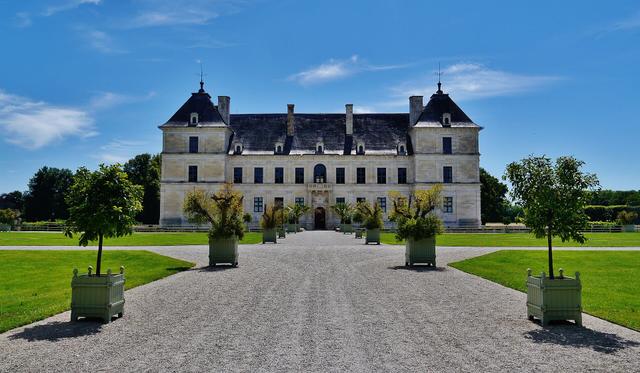
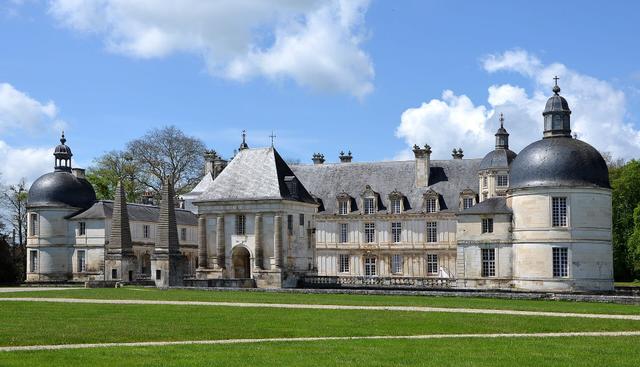
The Yonne has other major sights within an hour's drive. Tanlay Castle, surrounded by moats, is the closest. See also: Château de Tanlay Ancy-le-Franc Castle, one of the great Renaissance castles of Burgundy, is a little further along the same road. See also: Château d'Ancy-le-Franc To the south, the Arcy-sur-Cure caves hold prehistoric paintings. See also: Arcy-sur-Cure caves (Grottes d'Arcy-sur-Cure)
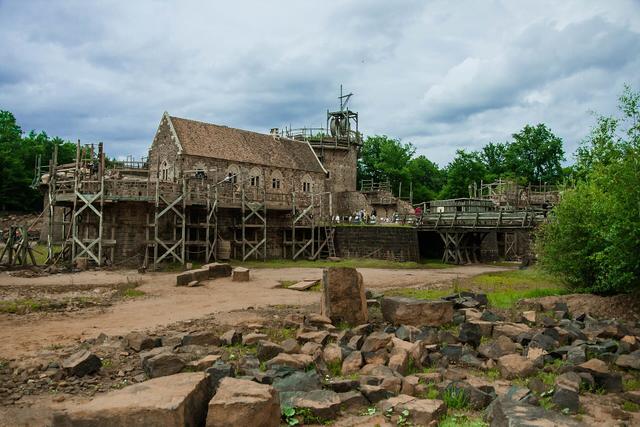
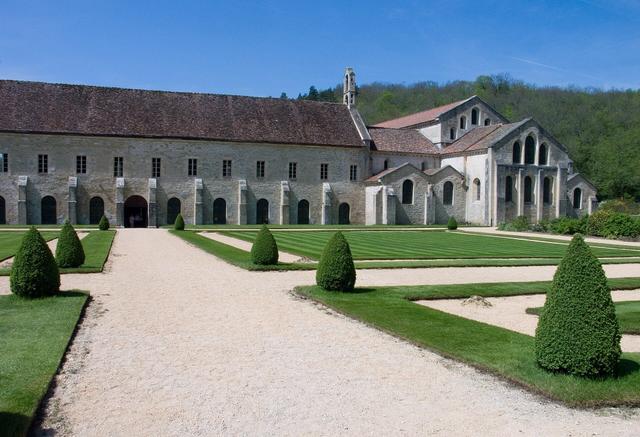
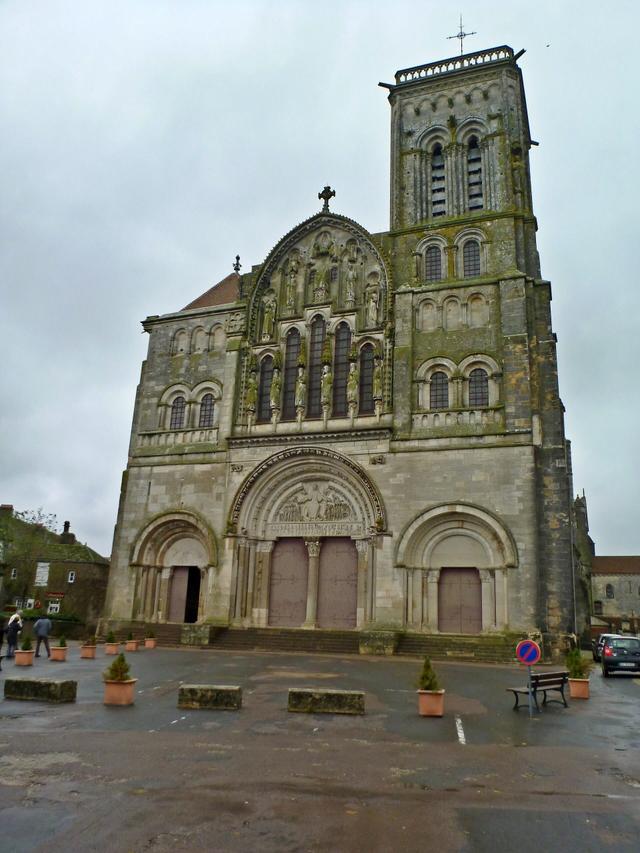
To continue the Cistercian theme, Fontenay Abbey, a daughter of Clairvaux, shows what a complete monastery looked like. See also: Fontenay Abbey Vézelay Basilica and the Guédelon castle building site round off a stay in the Yonne. See also: Vézelay Abbey (Basilica of Sainte-Marie-Madeleine), Guédelon Castle, Cluny Abbey, Burgundy
Where to eat and stay near Pontigny
Eating. The Maison du Jardinier, on the estate, is a restaurant, tea room and wine shop. Food is served all day, 10:00 – 17:30, with brunch 10:00 – 14:30. Book at weekends on +33 3 86 35 03 58.
Staying. Chablis is the most pleasant base: small hotels, B&Bs and wine cellars you can visit on foot. Auxerre has more choice, with its old town on the banks of the Yonne.
FAQ
Is Pontigny Abbey open all year?
The official website gives opening hours of every day, 10:00 – 17:30. With works under way, part of the estate may be closed: call before you come.
Why is Pontigny famous?
It is one of the four first daughters of Cîteaux, its abbey church is the largest surviving Cistercian church, and it sheltered Thomas Becket and other archbishops of Canterbury.
Are there guided tours?
Yes, in French every day at 11:00 and 15:00. In English, by booking only.
Can you have lunch on site?
Yes, the Maison du Jardinier serves meals and brunch on the estate.
What is the link between Pontigny and Chablis wine?
The monks acquired vineyards in Chablis from the late 12th century and worked them until the Revolution. A package combines the visit with a tasting, by appointment.
Are dogs allowed?
Yes, according to the tourist office, pets are allowed on the estate.
Practical information
Address
Abbaye de Pontigny, 1 avenue de l'Abbaye, 89230 Pontigny, France
Directions · Phone+33 3 86 35 03 56
On site and nearby
- On site: Food and drink
- Nearest shops and pharmacy: Ligny-le-Châtel, 4 km away Straight-line distance, based on OpenStreetMap.
- Emergencies: 112 (all emergencies, free from any phone), 15 (SAMU, medical emergency)
Around the site, on Google Maps
With children
Family days out nearby: Noyers-sur-Serein (32 km), Arcy-sur-Cure caves (Grottes d'Arcy-sur-Cure) (36 km), Château d'Ancy-le-Franc (37 km)
Swimming pools and play areas nearby, on Google Maps
Facts checked on 11 November 2026. Sources: abbayepontigny.com, burgundy-tourism.com, cirkwi.com, fr.wikipedia.org, artnewspaper.fr, en.tourisme-sens.com
Map
In the same region
- Cassissium