Saint-Corentin Cathedral, Quimper: planning your visit
Quimper Cathedral (Saint-Corentin) at a glance
- Admission
- Free
- Where
- Quimper
Facts checked on 11 November 2026. Full opening hours, reduced prices and access
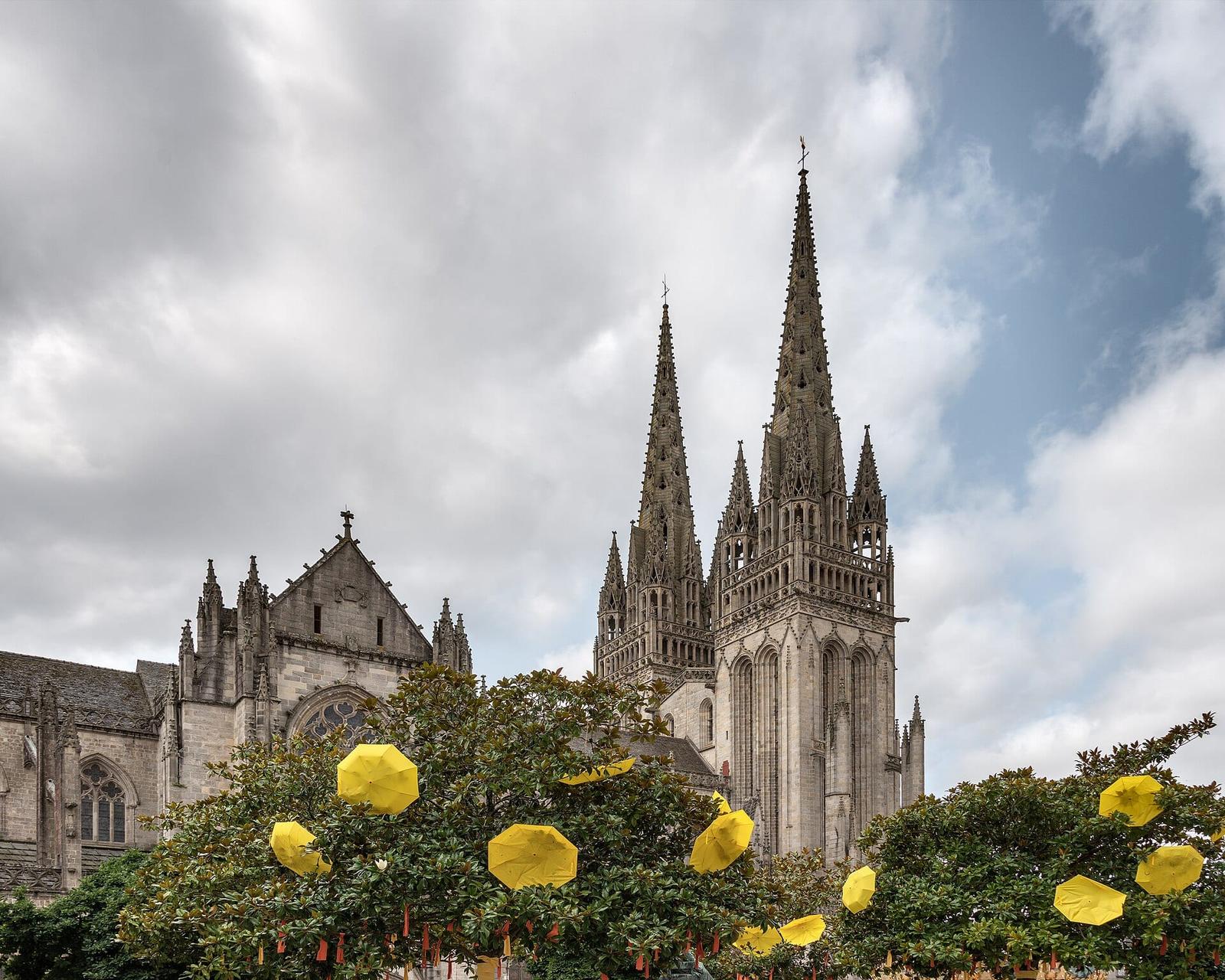

In the heart of Quimper, Saint-Corentin Cathedral rises above the rooftops of the old town with its two granite spires. Inside, one detail surprises every visitor: the choir is not in line with the nave. Here are the opening hours, the guided tours, the explanation for the crooked nave and our tips for making the most of it.
Quimper Cathedral at a glance
- Where: place Saint-Corentin, in the historic centre of Quimper (Finistère, Brittany), between rue Kéréon and the river Odet.
- Price: entry is free.
- Open: every day (hours given as a guide). In the low season, Monday to Saturday 9:45 – 12:00 and 13:30 – 18:30; in the high season, 9:45 – 18:30 on weekdays and 14:00 – 18:30 on Sundays.
- Time needed: three quarters of an hour is enough for the nave, the choir and the stained glass; longer with a guided tour.
- Best for: lovers of Gothic architecture and stained glass, and anyone visiting Quimper.
- Good to know: this is a working church. During services, avoid walking around the building.
Why visit Quimper Cathedral
Saint-Corentin is the best-known monument in Quimper and the seat of the bishop of Finistère. It was built over more than two centuries. Work on the choir traditionally began in 1239, under Bishop Rainaud, on the site of a Romanesque cathedral. Some historians, such as Yves Gallet, place that start around 1280-1290 instead.

The choir vaults were completed around 1410. The foundation stone of the facade was laid on 26 July 1424, under Bishop Bertrand de Rosmadec, who also started the nave and the two towers. The cathedral then went more than four centuries without spires: they were only added in the 19th century.
It is on the 1862 list of historic monuments, one of the first heritage protection lists in France.
The legend of Saint Corentin. Corentin lived as a hermit near Menez-Hom, at Plomodiern. According to tradition, he fed King Gradlon and his whole hunting party every day with a single small fish, which immediately grew back. Impressed, the king is said to have given him his residence in Quimper and asked him to become the first bishop of his kingdom.
Why is the nave of Quimper Cathedral crooked?
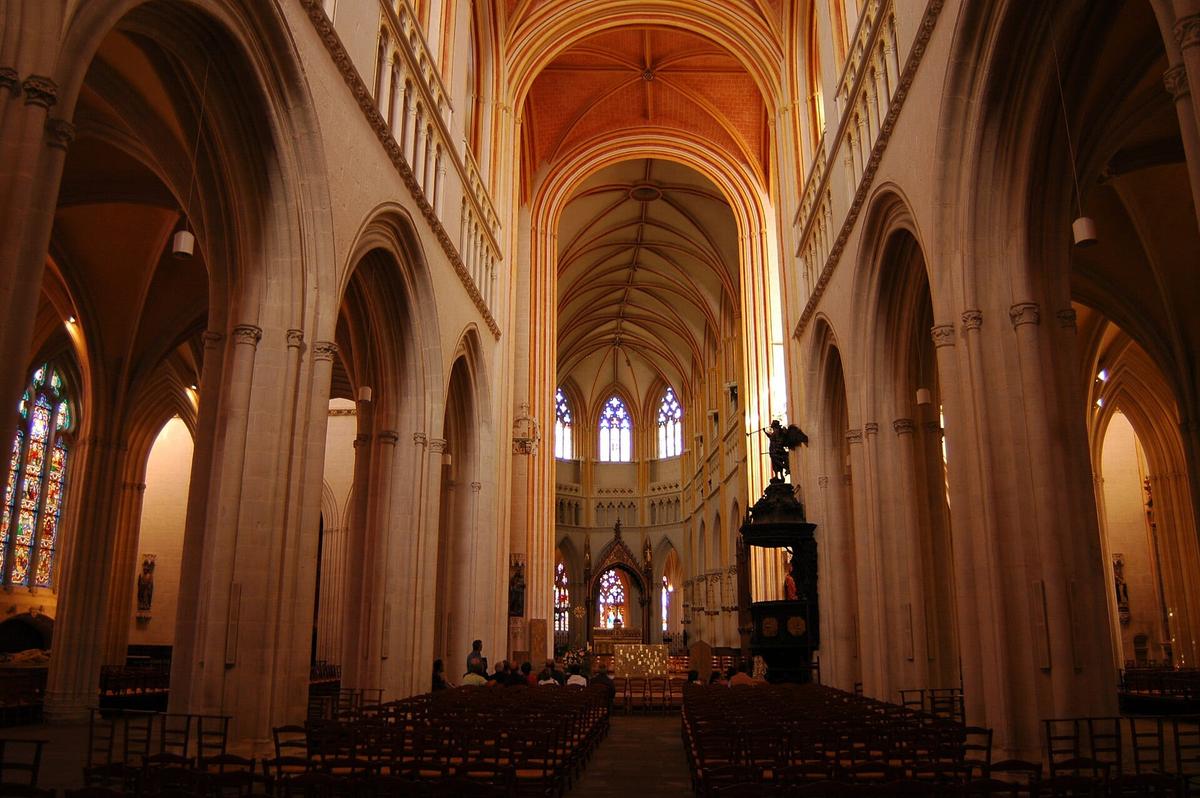
This is the question everyone asks on the way in. Stand at the back of the nave, with your back to the door: the choir clearly veers to the left. The angle between the line of the choir and that of the nave is about 10 degrees.
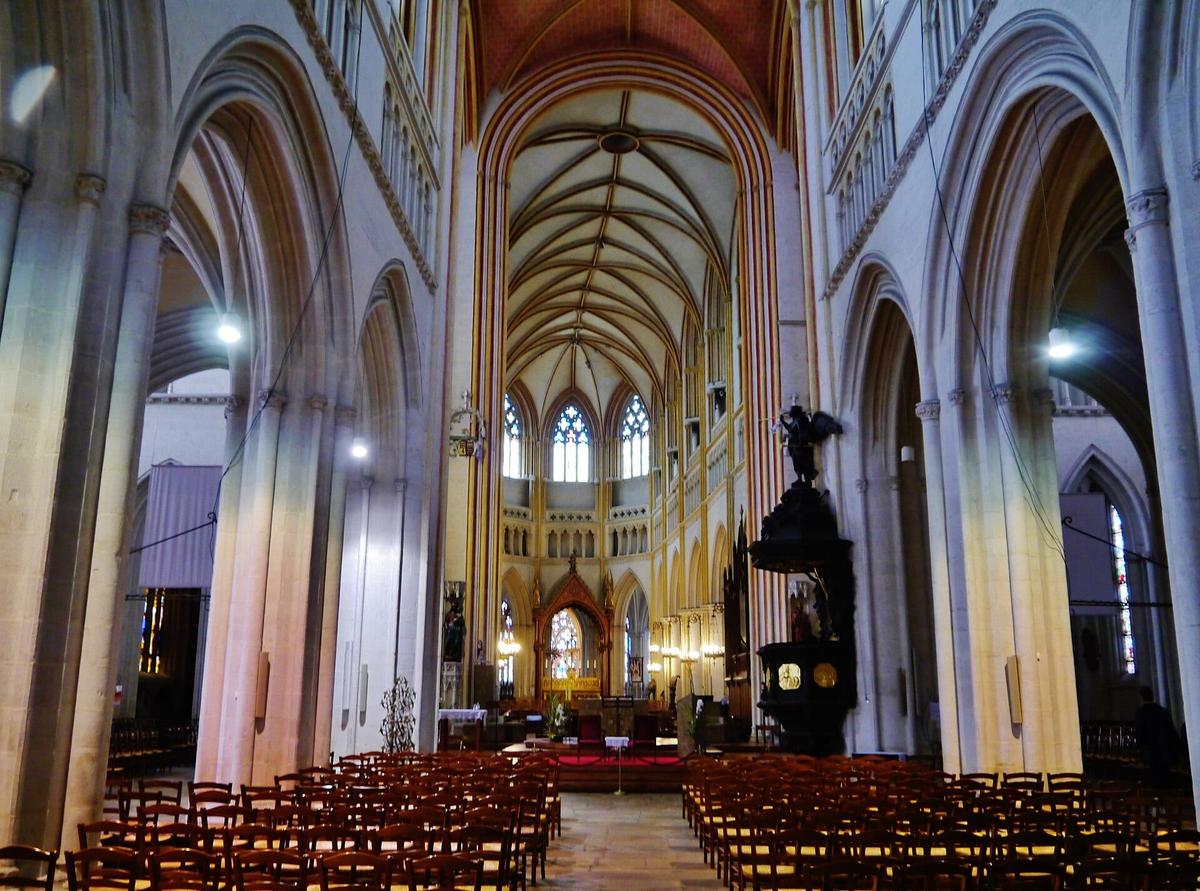

Four explanations are going around:
- The ground. This is the most likely theory according to historians. The builders of the nave are thought to have avoided damp, unstable ground near the river.
- The symbol. The choir is said to represent Christ's head leaning on the cross. It is a lovely explanation, but nothing proves it guided the builders.
- The Chapel of Victory. The choir may have been aligned with an earlier Romanesque chapel, linked to a victory of the counts of Cornouaille in 1031.
- The town. The bishops' palace, rue Kéréon and the square may have dictated the position of the facade, two centuries after the choir.
The key point to remember is that the choir and the nave were not built at the same time: the choir dates from the 13th and 14th centuries, the nave from the 15th. The two building phases did not join up perfectly.
How much does it cost? Guided tours
Entry to the cathedral is free, as in most French cathedrals. A donation or buying a candle helps the parish look after the building.
Parish guided tours. The Quimper Saint-Corentin parish offers guided tours of the cathedral, covering its architecture, history, iconography and Christian symbolism. It says it regularly organises free group tours. Ask the parish for details.
Tourist office tours. The Quimper Cornouaille tourist office lists a guided tour called "La cathédrale" in its events calendar, as well as other tours of the old town. Dates and prices are published on its website; ask at the tourist office desk.
The virtual tour. Before you come, the tourist office has a virtual tour of the cathedral online. It is handy for spotting the stained glass windows you want to see.
Partner links: if you book through these links, we earn a commission at no extra cost to you. Partner links · Learn more
Opening hours of Saint-Corentin Cathedral
These hours are a guide only: the parish does not publish official visiting hours, and tourist guides give slightly different times (opening at 9.30 am or 9.45 am). They also change on feast days and concert days.
- Low season: Monday to Saturday, 9:45 – 12:00 and 13:30 – 18:30.
- High season: Monday to Saturday, 9:45 – 18:30 without a break; Sundays and public holidays, 14:00 – 18:30.
On Sunday mornings and during Mass, the cathedral is first and foremost a place of worship: avoid walking around the nave during services. Mass times are published by the parish on messes.info.
The cathedral's welcome desk answers the phone (+33 2 98 64 91 84) every day 10:00 – 12:00 and 15:00 – 18:00. Call if you are coming on a religious feast day or during a concert: access may then be limited.
Our tip: come in the late morning or late afternoon on a clear day. The light then shines through the windows of the nave and colours the floor. In summer, go in early: in the middle of the day, place Saint-Corentin and rue Kéréon are very busy.
What to see in Quimper Cathedral
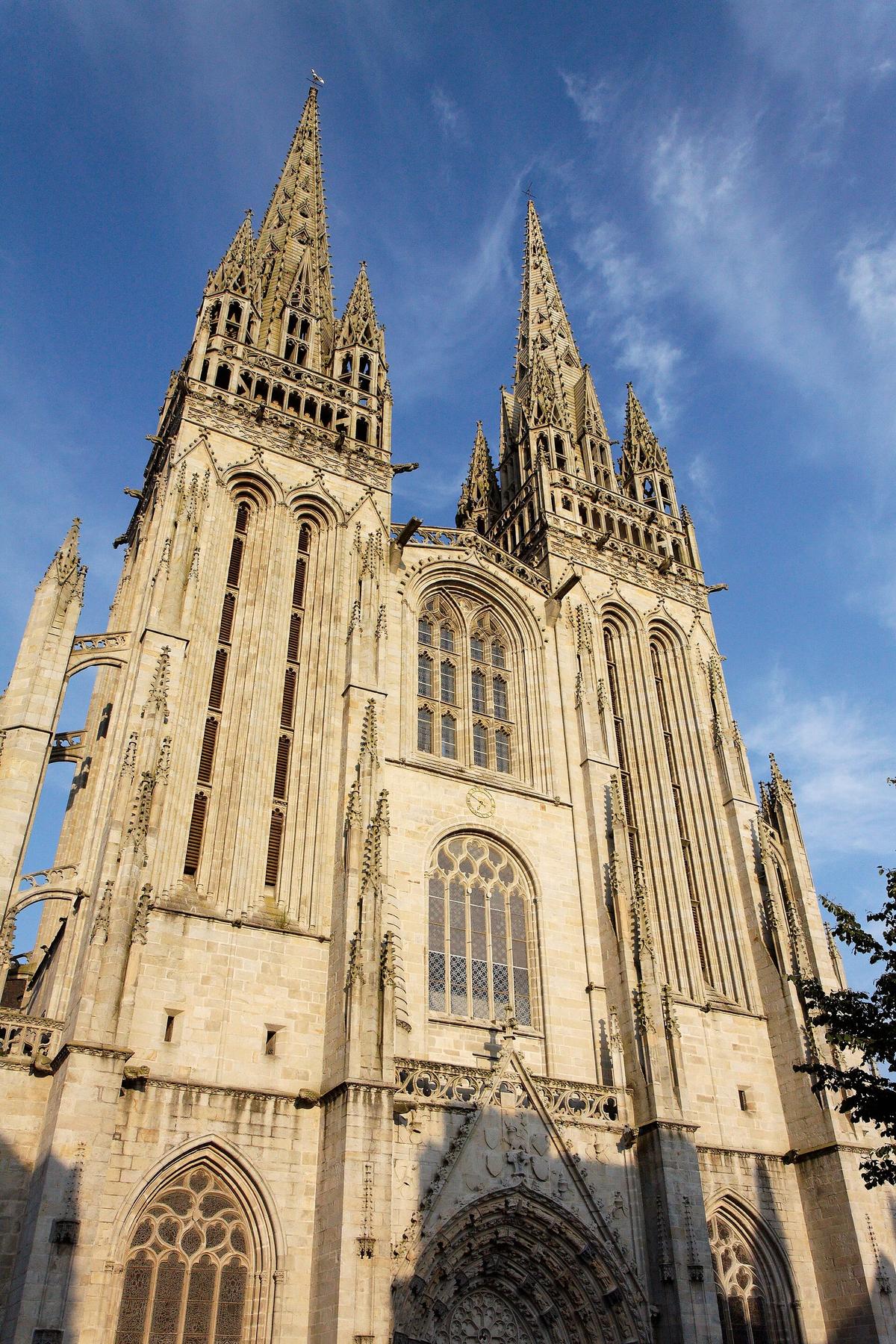
King Gradlon between the two towers. Look up at the facade: an equestrian statue of King Gradlon stands on the platform between the towers. The first one, in lead, dated from the 15th century. It was destroyed on 12 December 1793, during the Revolution. The present granite statue was unveiled on 10 October 1858.

The spires of the "sou de saint Corentin". The two spires were built from 1854 to 1856 by the architect Joseph Bigot, who took his inspiration from the bell tower of Pont-Croix. To pay for them, every member of the diocese gave one sou (a small coin) a year for 5 years: this was the "sou de saint Corentin". Together with the towers, they rise to about 75 metres.
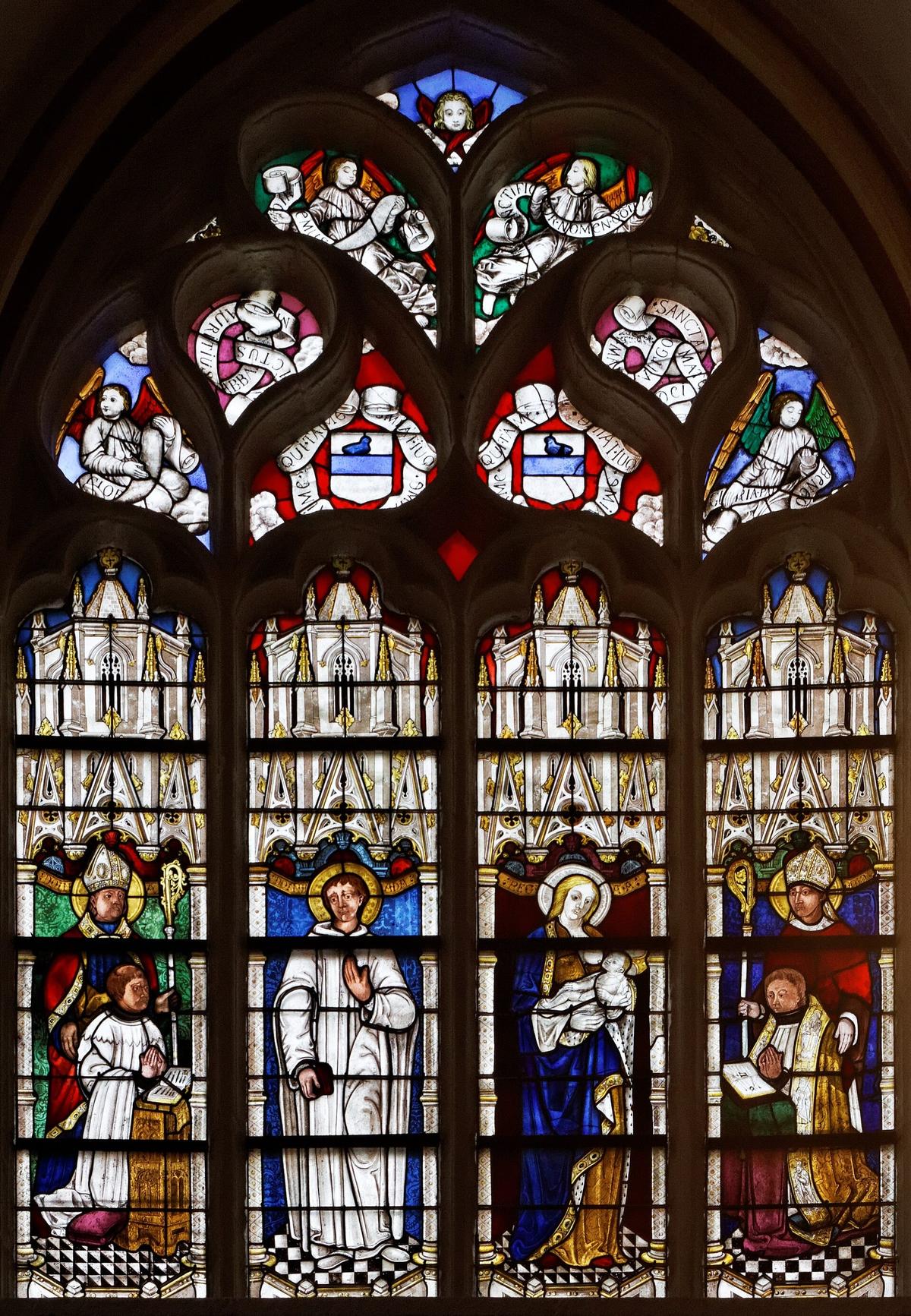
The 15th-century stained glass. This is the cathedral's treasure. The upper windows of the choir date from 1415-1417. Those in the transept and the nave are from the late 15th century; one bears the date 1496. Bring binoculars if you have them: the upper windows are a long way from the floor.
The nave and the choir. The building is 92.45 metres long, from the door to the end of the apse, and the central vault rises to 20.2 metres. Look at the ribs of the vaults: the restoration brought back their painted decoration in yellow and red ochre, as it was at the end of the 15th century.
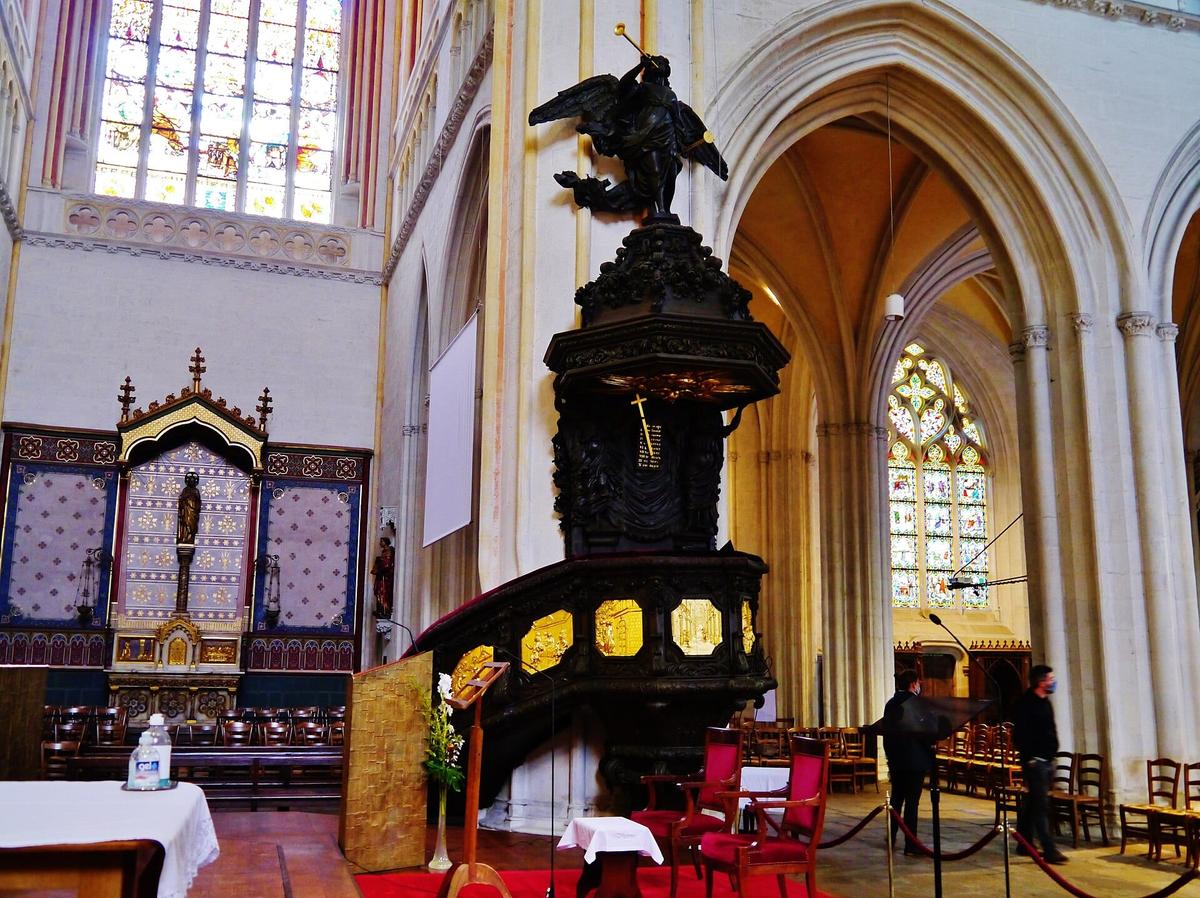
The painted chapels. In the 19th century, Joseph Bigot had the chapels decorated and commissioned new windows to replace those destroyed during the Revolution.
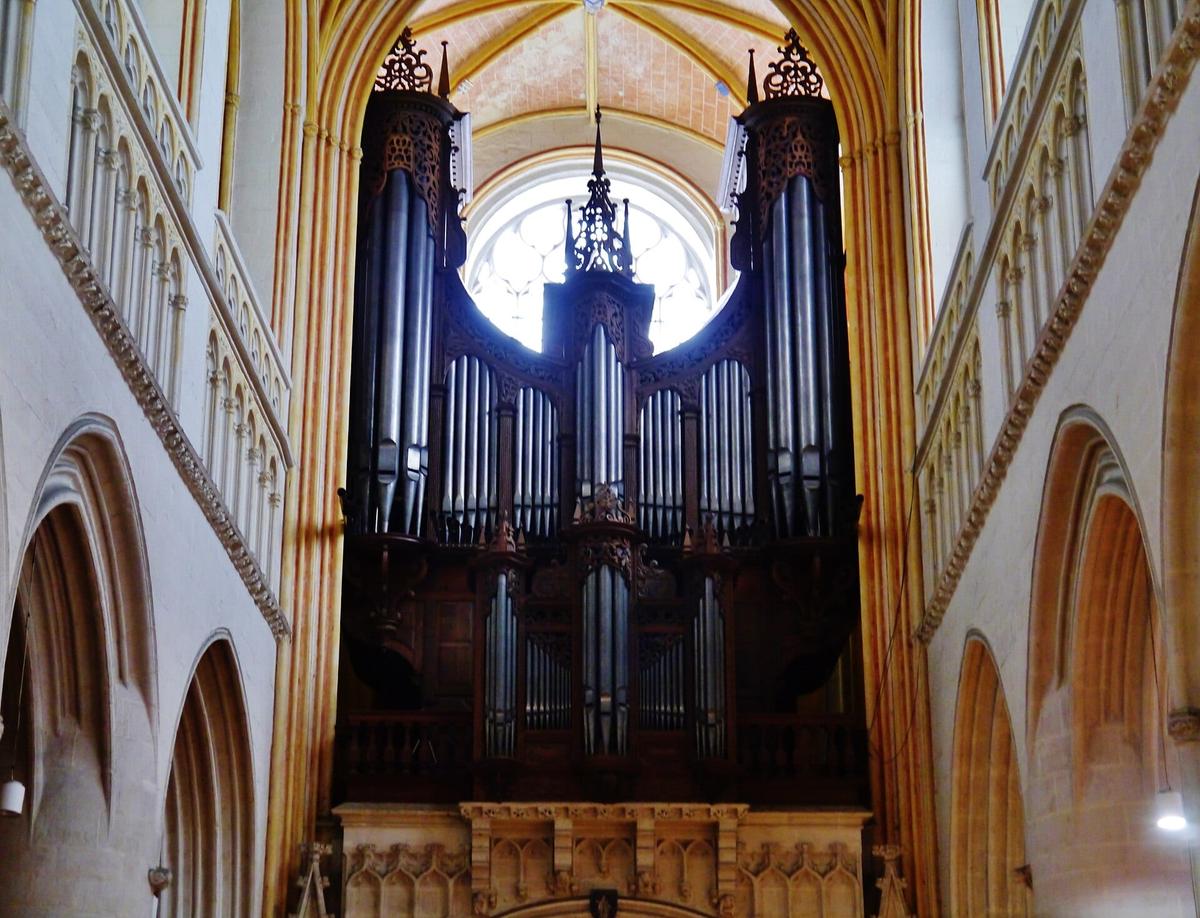
The great organ. It was built from 1643 to 1646 by Robert Dallam, an English organ builder, then rebuilt by Aristide Cavaillé-Coll in 1846. It is listed as a historic monument. If a concert is announced during your stay, go for it.
A cathedral restored over twenty years
Between 1988 and 2008, the cathedral was fully restored: the choir first, then the nave and the transept, the great organ, the towers and spires, and finally the west portal, unveiled in December 2008. The work gave the interior back its pale colour and its painted decoration.

Two stories worth knowing
The devil of Quimper-Corentin. A 17th-century legend tells of a fire, started by the devil, that threatened the cathedral. To put it out, a rye loaf containing a consecrated host and holy water mixed with a woman's milk was supposedly thrown into the flames.

The relics saved in 1793. During the Revolution, the cathedral was looted. Local tradition has it that a carpenter, Daniel Sergent, saved relics from desecration.
Visiting with children
The visit is short and free, which makes it easy to fit into a family day. Give children a simple game: find King Gradlon on the facade, then check from the back of the nave that the choir really does "turn" to the left. Keep your voices down: the cathedral is a place of prayer.

How to get to Quimper Cathedral
On foot. The cathedral is in the centre of old Quimper, a few steps from the Odet quays and rue Kéréon. Walking is the easiest way to reach it from the town centre car parks.
By train. Quimper station, the end of the TGV line from Paris, is about twenty minutes' walk from the historic centre.
By car. The old centre is largely pedestrianised. Park in a public car park on the edge of the centre, then walk the rest of the way.
Renting a car. To combine the cathedral with Concarneau, the Pays Bigouden and the Pointe du Raz, a car is essential. Quimper and Brest airports are the most convenient arrival points.
What to combine on the same day
| Also worth seeing | Distance | Travel time |
|---|---|---|
| Concarneau Ville Close | 25 km | 30 min by car |
| Eckmühl Lighthouse | 33 km | 35 min by car |
| Pointe du Raz | 50 km | 55 min by car |
Approximate road distances and travel times.
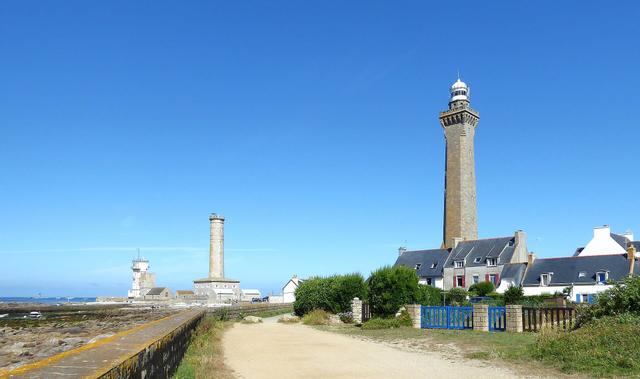
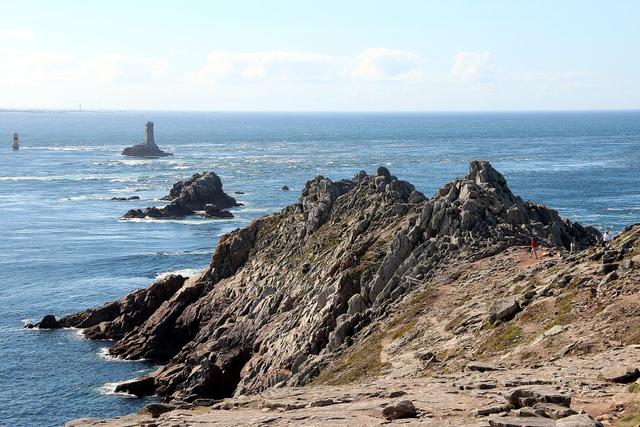
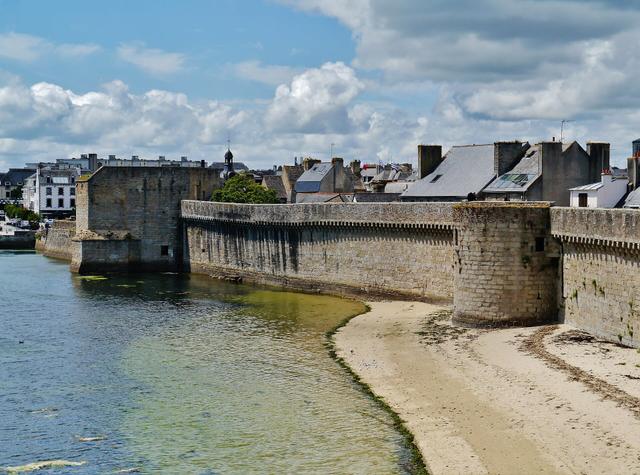
Right next to the cathedral, the Breton departmental museum occupies the former bishops' palace, and the Museum of Fine Arts is on the same square. For a day in Cornouaille, the walled town of Concarneau is half an hour's drive away. See also: Concarneau Ville Close To the south-west, the Eckmühl lighthouse at Penmarc'h offers a view over the whole Pays Bigouden. See also: Eckmühl Lighthouse To the west, the Pointe du Raz ends the day facing the Atlantic. See also: Pointe du Raz
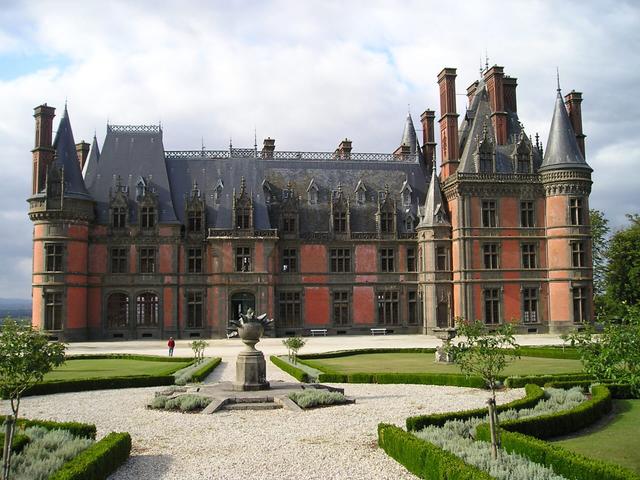
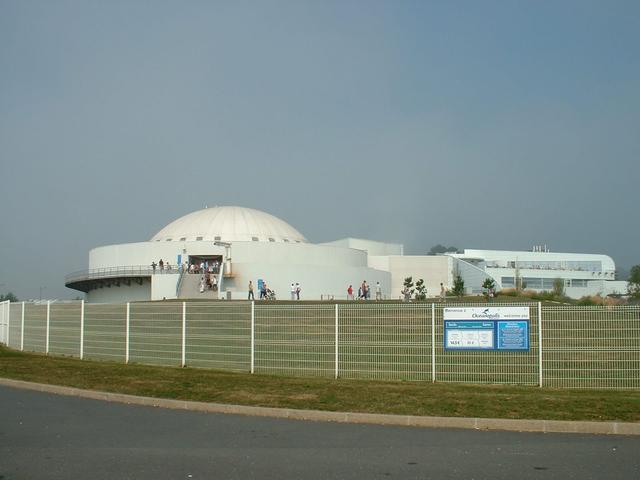
Inland, the Domaine de Trévarez is another major site in Finistère, and Brest is just over an hour away. See also: Domaine de Trévarez, Brest Castle and National Maritime Museum, Océanopolis Brest, Brittany
Where to eat and stay
There is no shortage of crêperies and restaurants around the cathedral, especially on rue Kéréon, place au Beurre and along the quays. Lunch on a galette (a savoury buckwheat crêpe) in old Quimper is almost a must.
To stay, central Quimper is the ideal base: you can walk to the cathedral early in the morning or at the end of the day, when the square is quiet. Quimper is also well placed for trips to Concarneau, Bénodet and the Crozon peninsula.
FAQ
Do you have to pay to enter Quimper Cathedral?
No, entry is free. The parish guided tours are also offered free to groups.
Why is Quimper Cathedral crooked?
The older choir is set at an angle of about 10 degrees to the nave. The most likely explanation is the damp ground near the Odet, which the builders of the nave wanted to avoid.
What are the opening hours of Saint-Corentin Cathedral?
In the high season, Monday to Saturday 9:45 – 18:30, Sunday 14:00 – 18:30. In the low season, 9:45 – 12:00 and 13:30 – 18:30, Monday to Saturday.
Who is the horseman between the two towers?
King Gradlon, the legendary ruler of Cornouaille. The present granite statue dates from 1858.
How long does it take to visit the cathedral?
Allow three quarters of an hour for a self-guided visit, longer with a guided tour.
When were the spires built?
From 1854 to 1856, thanks to the "sou de saint Corentin" paid by the people of the diocese.
Practical information
Official ticket-office prices 2026
Free admission
Address
Cathédrale Saint-Corentin, place Saint-Corentin, 29000 Quimper, France
Directions · Phone+33 2 98 64 91 84
On site and nearby
- Nearest shops and pharmacy: Quimper, less than 1 km away Straight-line distance, based on OpenStreetMap.
- Emergencies: 112 (all emergencies, free from any phone), 15 (SAMU, medical emergency)
Around the site, on Google Maps
With children
Family days out nearby: Concarneau Ville Close (20 km), Domaine de Trévarez (28 km), Eckmühl Lighthouse (30 km)
Swimming pools and play areas nearby, on Google Maps
Facts checked on 11 November 2026. Sources: quimpersaintcorentin.com, camping-bretagne-oceanbreton.fr, quimpersaintcorentin.com, quimper-tourisme.bzh, fr.wikipedia.org, quimper-tourisme.bzh, quimper-tourisme.bzh
Map
In the same region