Concarneau Ville Close: what to see and how to visit
Concarneau Ville Close at a glance
- Admission
- Free
- Where
- Concarneau
Facts checked on 5 November 2026. Full opening hours, reduced prices and access
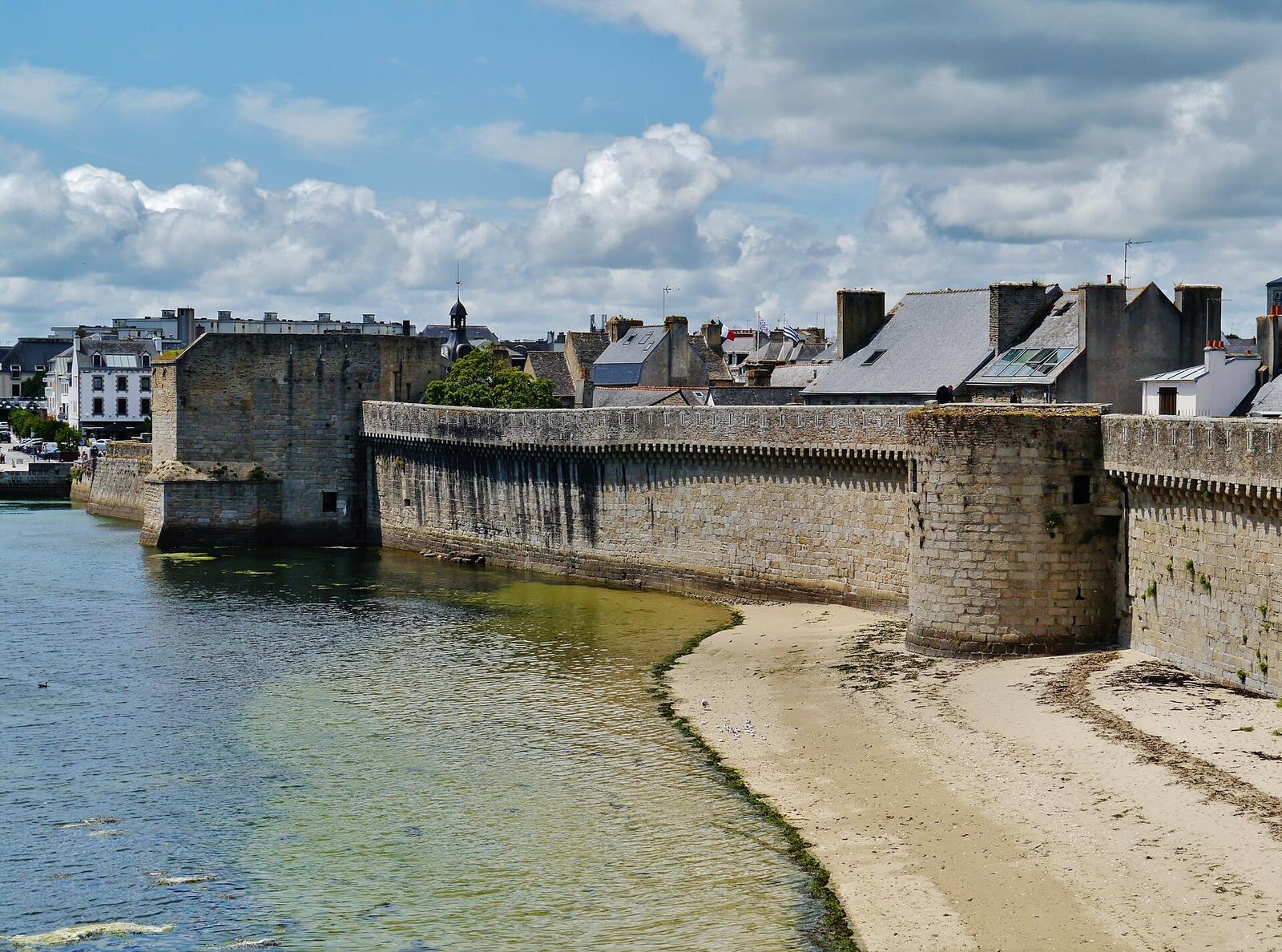

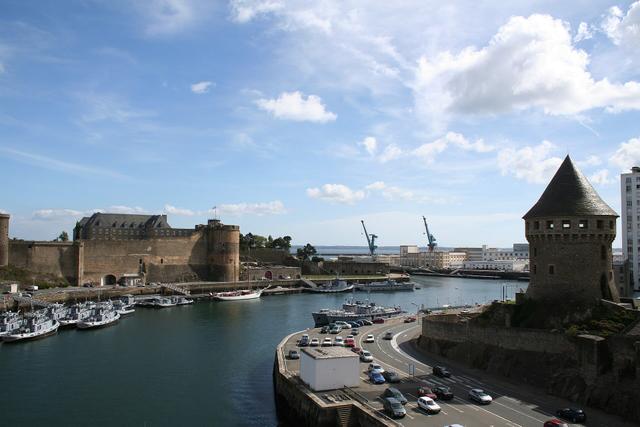
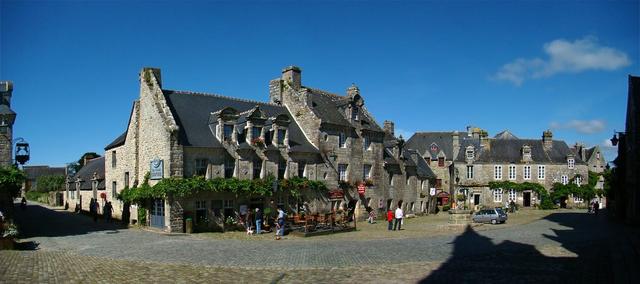
In the middle of Concarneau harbour, in south Finistère, a small island ringed by ramparts holds a little town of its own: the Ville Close, or walled town. You walk in over a bridge, with no ticket, and wander its streets, squares and granite walls. Here is what to know before you go: the history of the ramparts, what to see inside, the Fishing Museum closed for works, getting there and our tips for avoiding the crowds.
Concarneau Ville Close at a glance
- Where: in Concarneau, Finistère, on a small island in the heart of the harbour, linked to the town by a bridge.
- Price: entry to the Ville Close is free. It is a part of town, with its own streets, houses and shops.
- Size: an island about 380 m long and 220 m wide, surrounded by almost 980 m of ramparts.
- Fishing Museum: closed for works. A first phase runs from 2025 to 2027, with no reopening date announced.
- Time needed: allow one to two hours to walk the streets and ramparts without rushing.
- Best for: families, lovers of old stones and anyone passing through south Finistère.
What is the Ville Close of Concarneau?
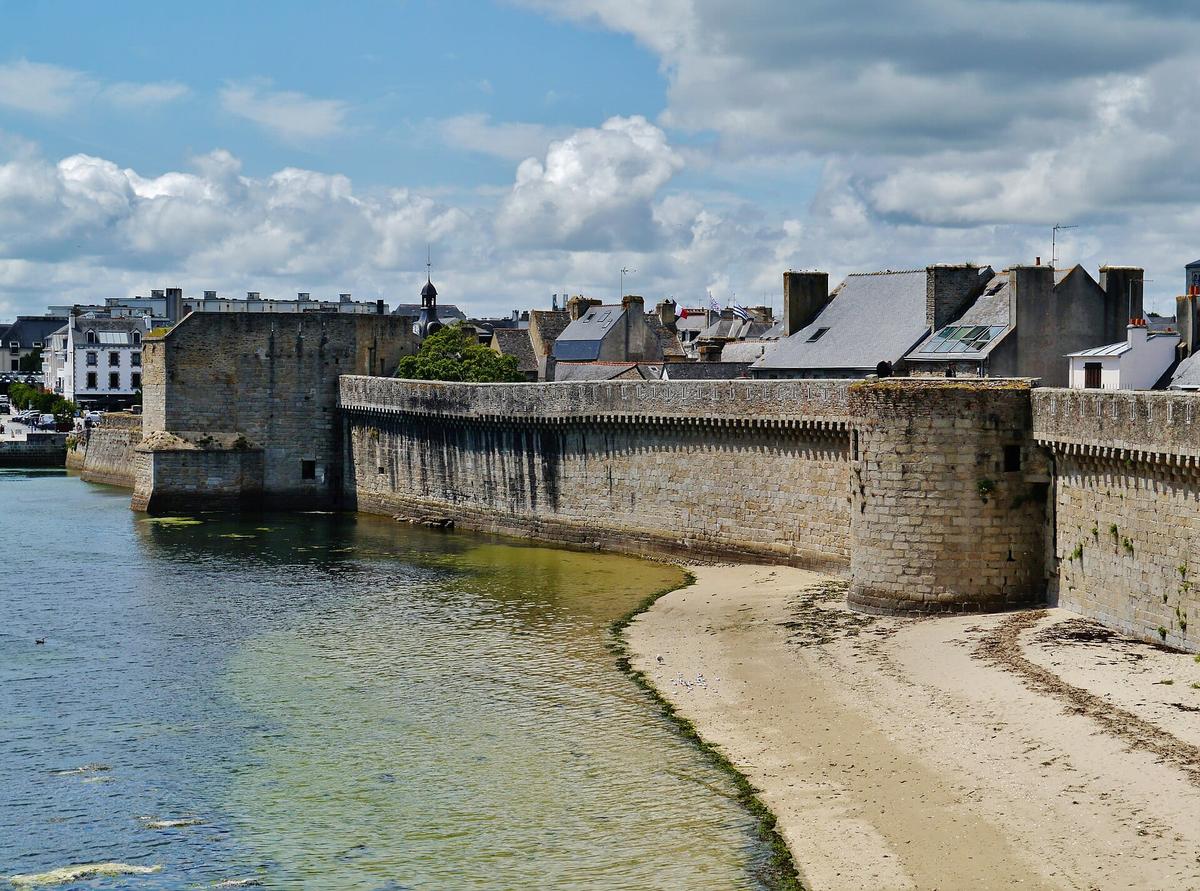
The Ville Close is the historic heart of Concarneau. It is a rocky island in the bay, in the middle of the harbour, fortified since the Middle Ages. It measures about 380 m from east to west and 220 m from north to south at its widest point. At its narrowest, it is only about sixty metres wide.
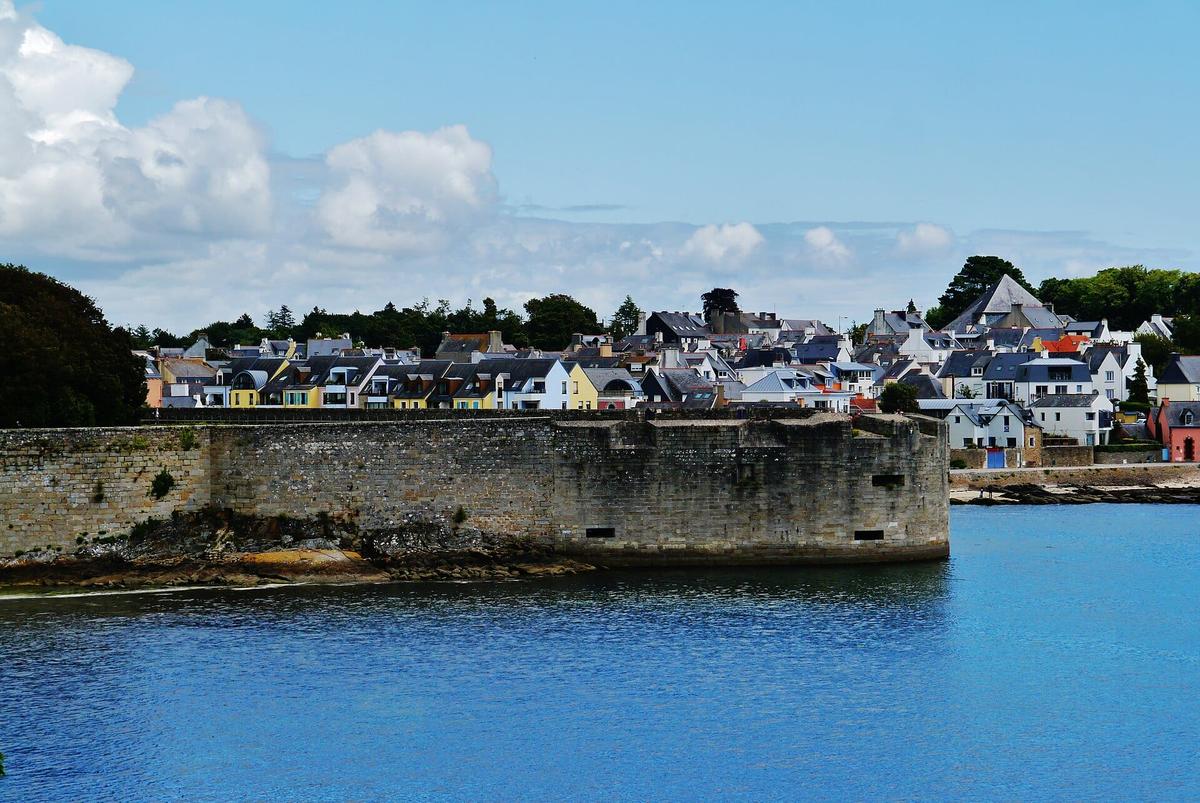
The ramparts run almost all the way round the island, for about 980 m, with walls 2.5 to 3 m thick. They are punctuated by towers and pierced by gates that opened onto the sea. Inside, there are cobbled streets, old houses, squares, a chapel and the former arsenal that houses the Fishing Museum.
The Ville Close is not a monument with a ticket and a closing time. It is a living part of Concarneau. The streets are lined with shops, crêperies and restaurants, and you can wander freely, as in any old town.
Eight centuries of history
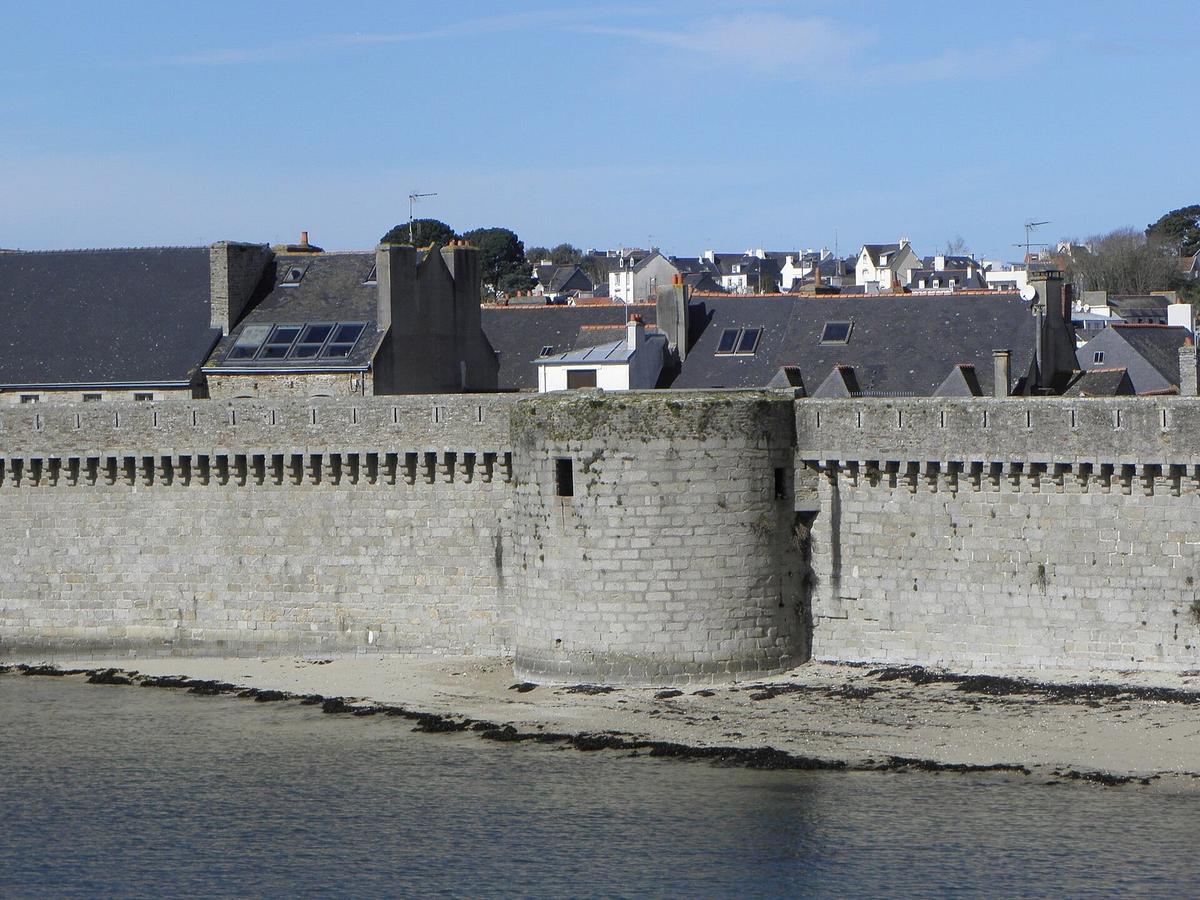

The first walls. According to the Wikipedia article on the Ville Close, it was around 1285 that Duke John II of Brittany had a first stone wall built around the island. Concarneau then became a stronghold watching over the bay.
Jean de Rohan's ramparts. Between 1451 and 1476, the ramparts were completely rebuilt. This is when they took roughly the shape you see today.
Vauban's visit. Around 1680, Vauban, Louis XIV's great military engineer, visited the site and ordered works to adapt the defences to artillery. The work was finished in 1694, and Vauban came back to inspect it that year.
The 19th century and fishing. The Ville Close gradually lost its military role, while Concarneau became one of France's great fishing ports. The arsenal on rue Vauban, built on the king's orders, was finished in 1846. Since 1961, it has housed the Fishing Museum.
Brittany's favourite monument. In 2014, the Ville Close was voted Brittany's favourite monument on the French TV programme "Le monument préféré des Français". It came 6th in the national ranking.
Is the Ville Close free to visit?
Yes. You walk into the Ville Close over the bridge, with no ticket or booking. The streets, squares, shops and ramparts are open to all and free, according to the Guide du Routard.
The wall walk. The restoration of the ramparts has opened up nearly 800 m of wall walk, according to Wikipedia. The Tour du Maure and the walls as far as the Tour de la Fortune remain closed to the public. We could not find published opening times for the wall walk: access may be restricted in bad weather or during works.
The Fishing Museum, inside the Ville Close, is the one site that needed a ticket. It is closed for works in 2026 (see below). Guided tours run by the Maison du Patrimoine are listed for 2026 from €6 per adult and from €4 at the reduced rate, free under 12, according to Tourisme Bretagne. Ask the Concarneau tourist office whether tours in English are available, on +33 2 98 06 87 90.
Do you need to book? No, not for a simple walk. Only guided tours and organised activities need booking.
Is the Concarneau Fishing Museum open in 2026?
No. The Fishing Museum, in the former arsenal on rue Vauban, shows a "Musée fermé pour travaux" (museum closed for works) notice on its official website. This is a first phase of works planned from 2025 to 2027.
This first phase covers the two oldest wings of the building: restoring the walls and roofs, upgrading the electrics and adding insulation. The museum aims to cut its energy use by at least 40%. No reopening date has been announced so far.
The museum was known for the visit of the Hémérica, a former trawler. During the closure, the museum team runs an "outside the walls" programme: talks, film screenings, harbour outings and mobile activities. The museum has also put online "L'Hémérica vous répond !", a chatbot you can ask questions about the trawler.
Our tip: if fishing interests you, look at the museum's outside-the-walls programme and the tourist office's, which offer harbour outings and meetings with fishing professionals. It is a good way to see the working port while the museum is closed. For any questions about the museum, call +33 2 98 97 10 20.
What to see in the Ville Close
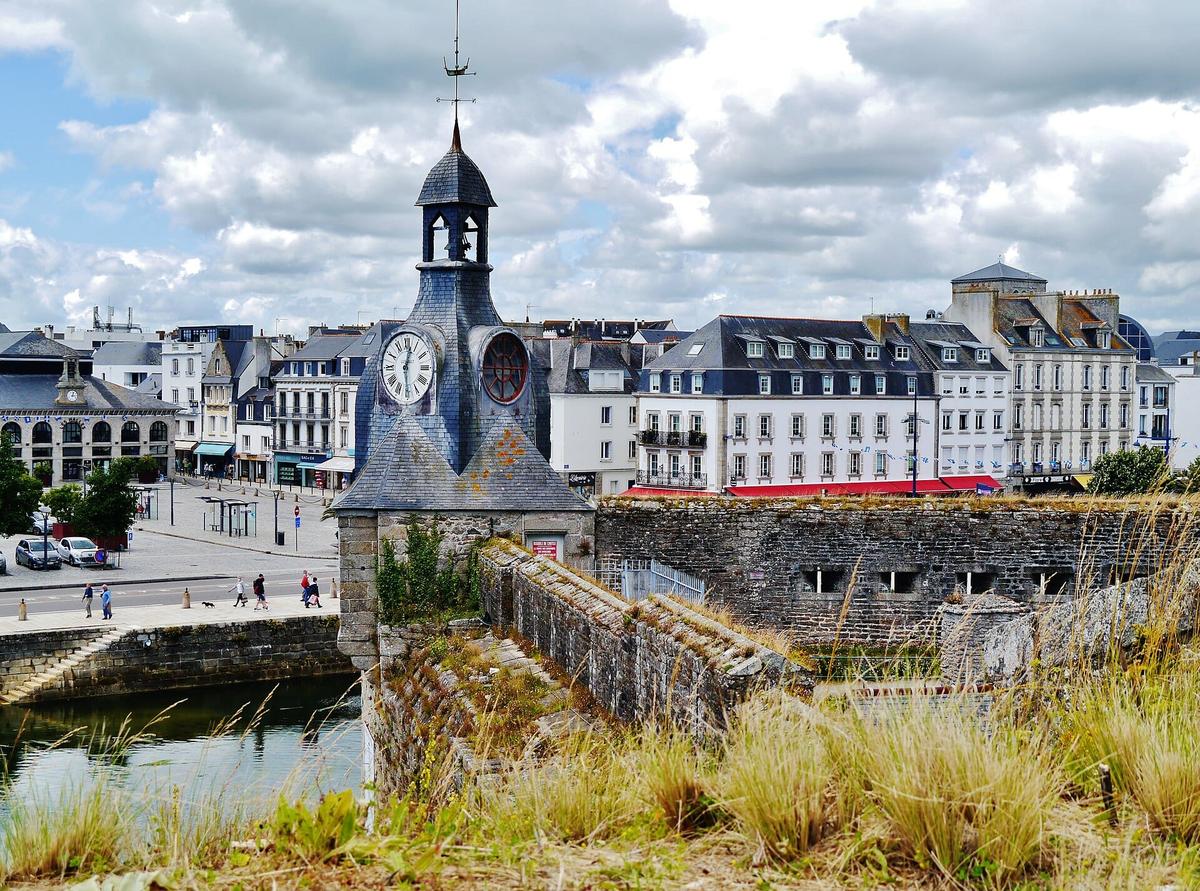

The bridge and the main gate. You arrive from the quay over a bridge, then go through the main gate, near the Tour du Gouverneur.
The towers. The walls have 9 towers or defensive works, counting the Fer à Cheval: the Tour du Gouverneur, the Tour du Major, the Tour Neuve (also called the Tour du Moulin à Poudre), the Tour de la Porte au Vin, the Tour du Passage, the Tour du Port aux Chiens, the Fer à Cheval, the Tour du Maure and the Tour de la Fortune, also known as the Tour du Masson.
The sea gates. The Porte au Vin opened onto the harbour. The Porte du Passage and the Porte des Larrons opened towards the Passage district, across the water.
The Trinity chapel. It burned down in 1917. It was rebuilt in 1924, paid for by a wealthy American woman, Katerine Wylie.
The "crocodile" fountain. This small fountain was restored from October 2023 and returned to its place on 12 June 2024.
Rue Vauban. This is the main street. It crosses the island from the entrance to the far end, passing the former arsenal of the Fishing Museum.
The ramparts and the views. From the ramparts and the tip of the island, you look out over the fishing port, the bay and the Passage district. It is the best part of the visit, especially late in the day.
How long does the visit take?
An hour is enough to walk through the Ville Close along rue Vauban and back. Allow two hours if you want to take your time on the ramparts, in the squares and the chapel, with a break in a crêperie. For a full day in Concarneau, add a walk along the quays and a harbour outing with the tourist office.
Best time to visit and avoiding the crowds
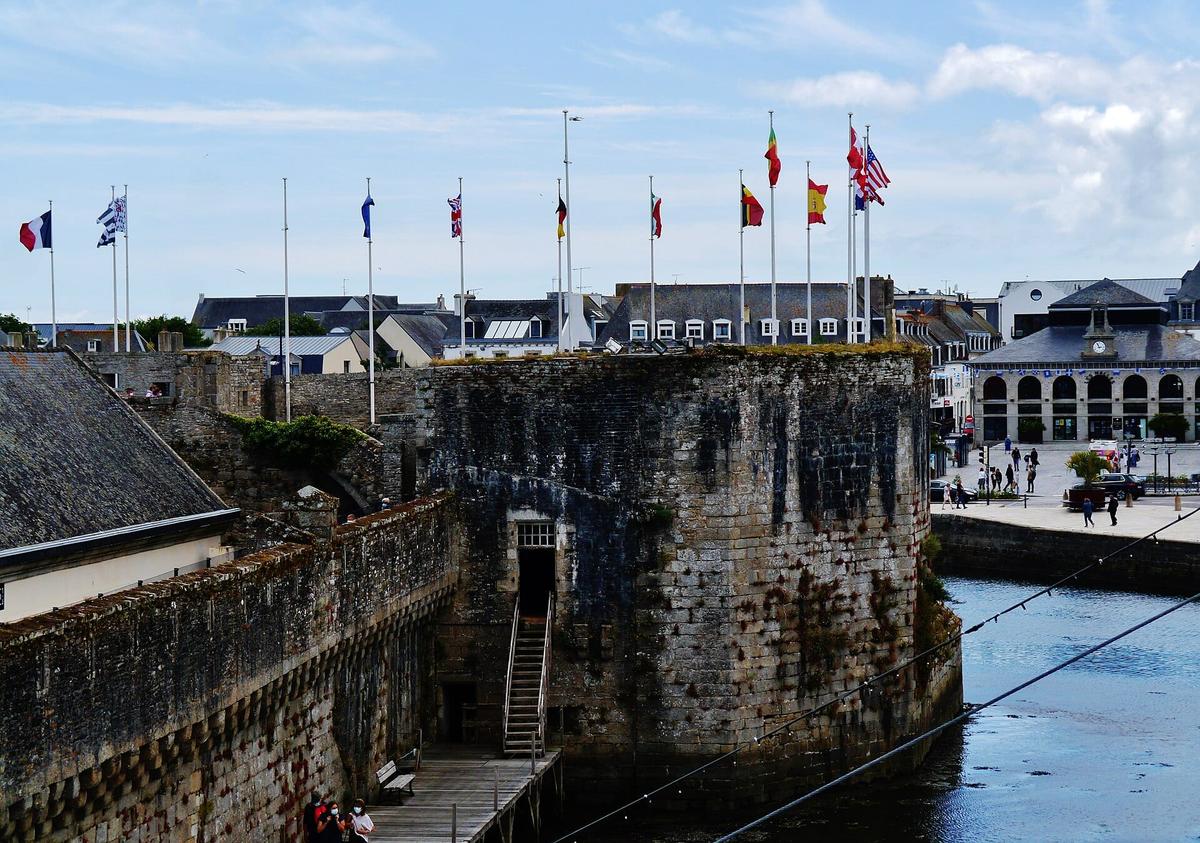

The Ville Close is very busy in summer. The main street is narrow and fills up fast in July and August.
- Come early in the morning. Before 10am, the streets are almost empty and the light on the harbour is soft.
- Or late in the day. Once the tour groups have left, it becomes quiet again and the setting sun lights up the ramparts.
- Choose spring or September. The days are long and driving in the centre is easier.
- Leave rue Vauban. The side streets and the areas along the ramparts are much less crowded than the main street.
How to get to Concarneau Ville Close
By car. Concarneau is about twenty kilometres from Quimper, in south Finistère. The Ville Close is in the town centre, facing the harbour. In summer, park early in the morning and walk the rest: the centre fills up quickly.
By train. The nearest mainline station is Quimper. From there, continue by coach or by car to Concarneau.
On foot. Once you are on the quay, you enter the Ville Close over the bridge. Everything inside is on foot: a car is no use on the island.
Renting a car. To combine Concarneau, the Eckmühl lighthouse and the Pointe du Raz, a car is the most flexible option. Outside the towns, south Finistère has poor public transport.
Partner links: if you book through these links, we earn a commission at no extra cost to you. Partner links · Learn more
Visiting the Ville Close with kids
It is an easy outing with children: entry is free, everything is on foot and you can leave whenever you like. The towers, the gates and the ramparts above the water fire their imagination.
A few ideas:
- Count the towers as you walk round the island: there are 9 to find.
- Tell the story of the Porte des Larrons (see the fun facts) as you pass it.
- Look for the crocodile fountain, back in its place since 2024.
- Hold little ones by the hand near the ramparts and the quays, above the water.
- Plan a crêpe break. There are plenty of crêperies on the main street.
The Fishing Museum and its trawler are closed during the works. The tourist office's harbour outings are a good alternative.
Fun facts

- The thieves' gate. The Porte des Larrons is said to take its name from thieves, "larrons" in old French. According to tradition, they were led through this gate and taken by barge to the Passage, across the water, where they were hanged. The gate was walled up for several centuries, then reopened in 1991.
- A chapel paid for by an American. After the 1917 fire, the Trinity chapel was rebuilt in 1924 with money from Katerine Wylie, a wealthy American woman.
- A TV vote. In 2014, viewers of the programme "Le monument préféré des Français" chose the Ville Close as Brittany's favourite monument.
Nearby: south Finistère
| Also worth seeing | Distance | Travel time |
|---|---|---|
| Eckmühl Lighthouse | 45 km | 50 min by car |
| Pointe du Raz | 75 km | 75 min by car |
| Océanopolis Brest | 95 km | 75 min by car |
Approximate road distances and travel times.
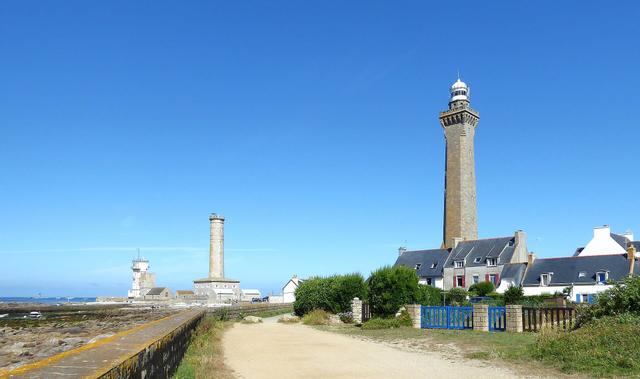
The Eckmühl lighthouse. In Penmarc'h, less than an hour's drive west, this granite lighthouse can be climbed by a staircase of more than 300 steps. The view from the top takes in the whole Pays Bigouden. See also: Eckmühl Lighthouse
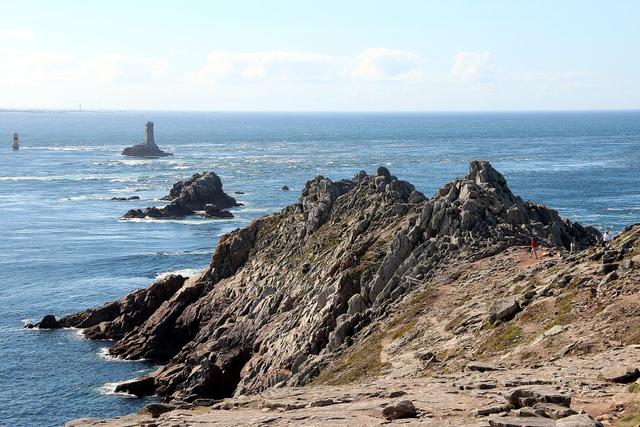
The Pointe du Raz. The great headland of Cap Sizun is a little over an hour away. Allow half a day. See also: Pointe du Raz
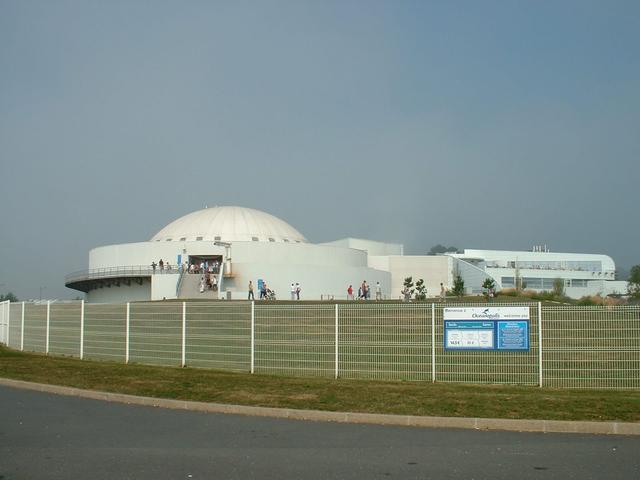
Océanopolis. In Brest, this ocean discovery park rounds off a seaside stay well, especially on a rainy day. See also: Océanopolis Brest
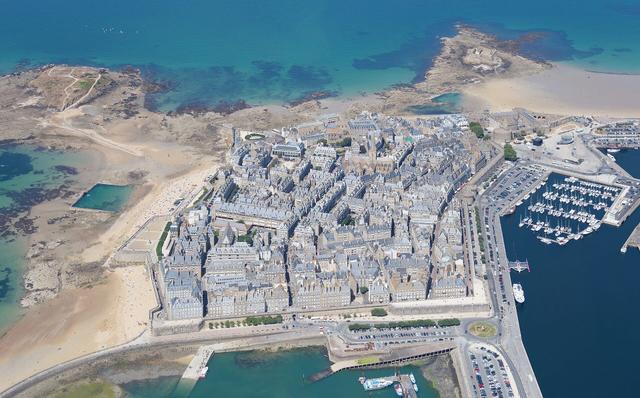
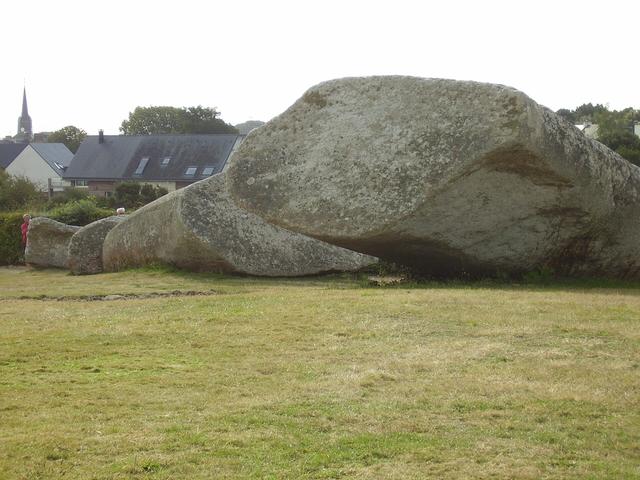
More ideas in Brittany: See also: Carnac Stones, Saint-Malo Ramparts, Brittany
Where to eat and stay in Concarneau
Eating. The Ville Close has many crêperies and restaurants, especially along rue Vauban. For a quieter meal in summer, leave the island and look along the quays or in the rest of the town centre.
Where to stay. Concarneau has a good choice of hotels and rentals, and staying there lets you visit the Ville Close early in the morning, before the day visitors arrive. Quimper, which is larger, is another handy base for exploring south Finistère.
Places to stay near Concarneau
FAQ
Do you have to pay to visit the Ville Close in Concarneau?
No. Entry is free: it is a part of town, with streets and shops. The Fishing Museum, which charges for entry, is closed for works.
Is the Concarneau Fishing Museum open?
No, it is closed for works. A first phase is planned from 2025 to 2027, with no reopening date announced.
How long does it take to visit the Ville Close?
An hour to walk through it, two hours to take your time on the ramparts, in the squares and with a break.
When can I visit the Ville Close without the crowds?
Early in the morning or late in the day, ideally in spring or September. In July and August, the main street is very busy in the middle of the day.
Can I get to Concarneau without a car?
Yes, by train to Quimper, then by coach. But to explore the area, such as the Eckmühl lighthouse or the Pointe du Raz, a car is far more practical.
How long are the Concarneau ramparts?
About 980 m, running almost all the way round the island.
Practical information
Official ticket-office prices 2026
Free admission
Address
Ville close, rue Vauban, 29900 Concarneau, France
Directions · Phone+33 2 98 06 87 90
On site and nearby
- Nearest shops and pharmacy: Concarneau, less than 1 km away Straight-line distance, based on OpenStreetMap.
- Emergencies: 112 (all emergencies, free from any phone), 15 (SAMU, medical emergency)
Around the site, on Google Maps
With children
Family days out nearby: Pont-Aven Museum (13 km), Domaine de Trévarez (32 km), Eckmühl Lighthouse (35 km)
Swimming pools and play areas nearby, on Google Maps
Facts checked on 5 November 2026. Sources: deconcarneauapontaven.com, musee-peche.fr, fr.wikipedia.org, routard.com, acceslibre.beta.gouv.fr
Map
In the same region