Landévennec Abbey: visiting the ruins and the museum
Landévennec Abbey at a glance
- Full price
- €9
- Free
- children under 7
- Time needed
- about 1 h 30 min
- Where
- Landévennec
Official ticket-office prices, checked on 11 November 2026. Full opening hours, reduced prices and access
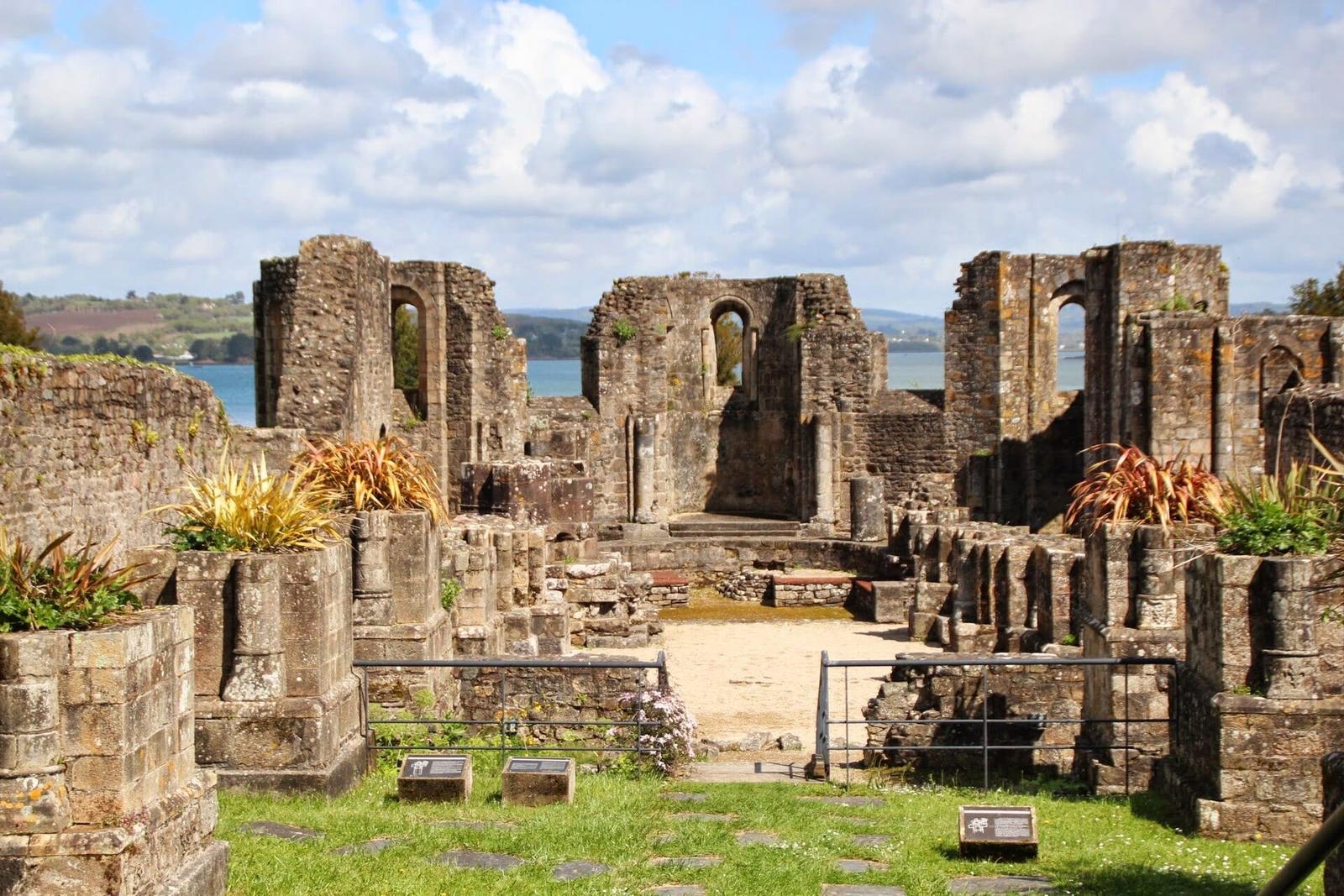

At the bottom of a valley on the Crozon peninsula, on the banks of the Aulne, Landévennec holds the foundations of the oldest known monastery in Brittany. Ruins excavated over a quarter of a century, a museum, a medicinal plant garden and a tomb said to be King Gradlon's: here are the prices, opening hours, how long to allow and our tips.
Landévennec Abbey at a glance
- Where: in the village of Landévennec, on the Crozon peninsula (Finistère), where the Aulne river flows into the Brest roadstead.
- Price: €9 per adult, €4 for ages 7 to 17 and students, free under 7.
- Open: from April to 1 November. Closed on Mondays outside summer, open every day from 6 July 2026 to 20 September 2026. Closed in winter.
- Time needed: allow about 90 minutes for the ruins, the museum and the garden.
- Best for: anyone curious about Breton history and archaeology, families (play area, workshops), walkers on the peninsula.
- Good to know: the museum is wheelchair accessible, the archaeological site is not. Dogs on a lead are allowed outdoors only.
Why visit Landévennec Abbey
Landévennec is often described as the cradle of Breton monasticism. According to tradition, Saint Guénolé (Winwaloe) settled here with 11 companions around 485, after a first stay on the island of Tibidy, in the roadstead. Archaeologists did find a small oratory surrounded by a cemetery beneath the ruins: the legend rests on a real place.
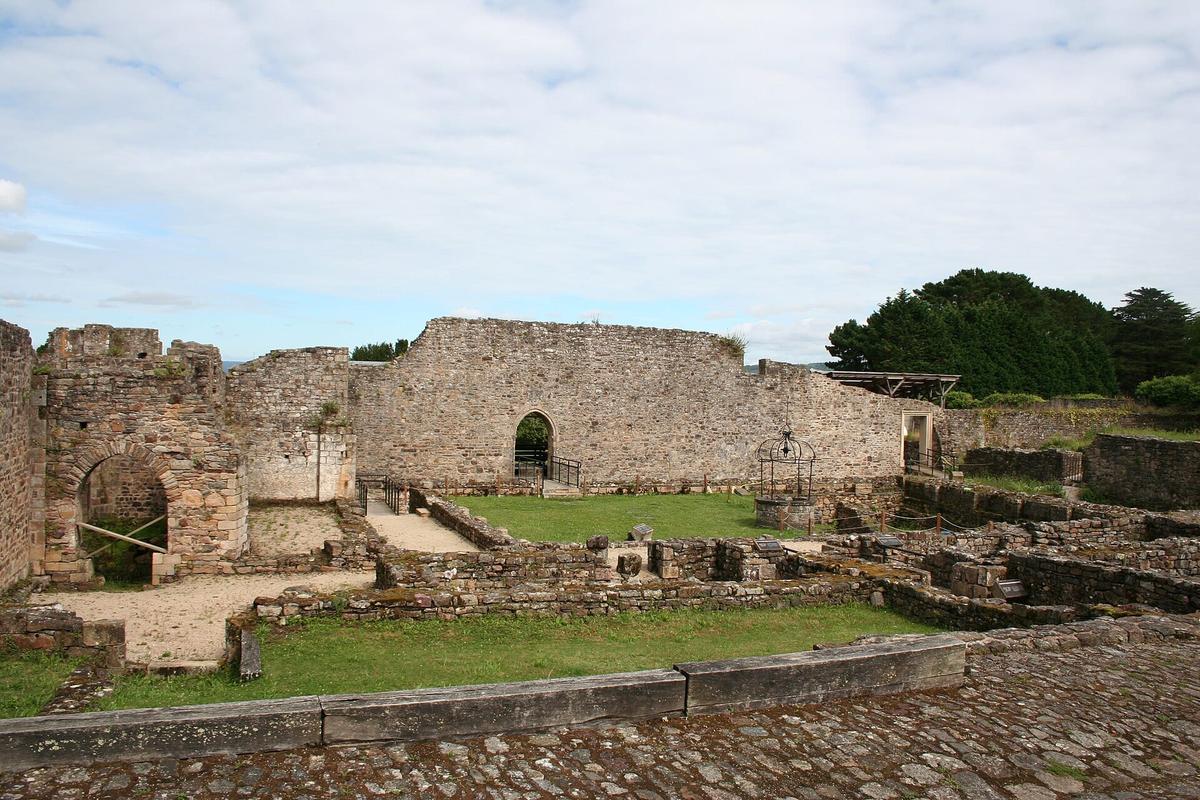

In the 9th century, the monastery became a major centre of Breton culture. The monks adopted the Rule of Saint Benedict, copied books and ran a large estate. This short golden age came to an abrupt end in 913, when the Vikings looted and then burned the abbey. The monks fled with Guénolé's relics as far as Montreuil, in northern France, and only came back several decades later to rebuild.
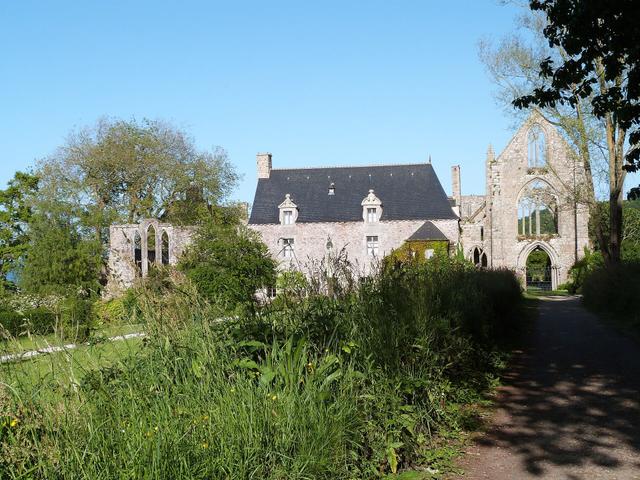
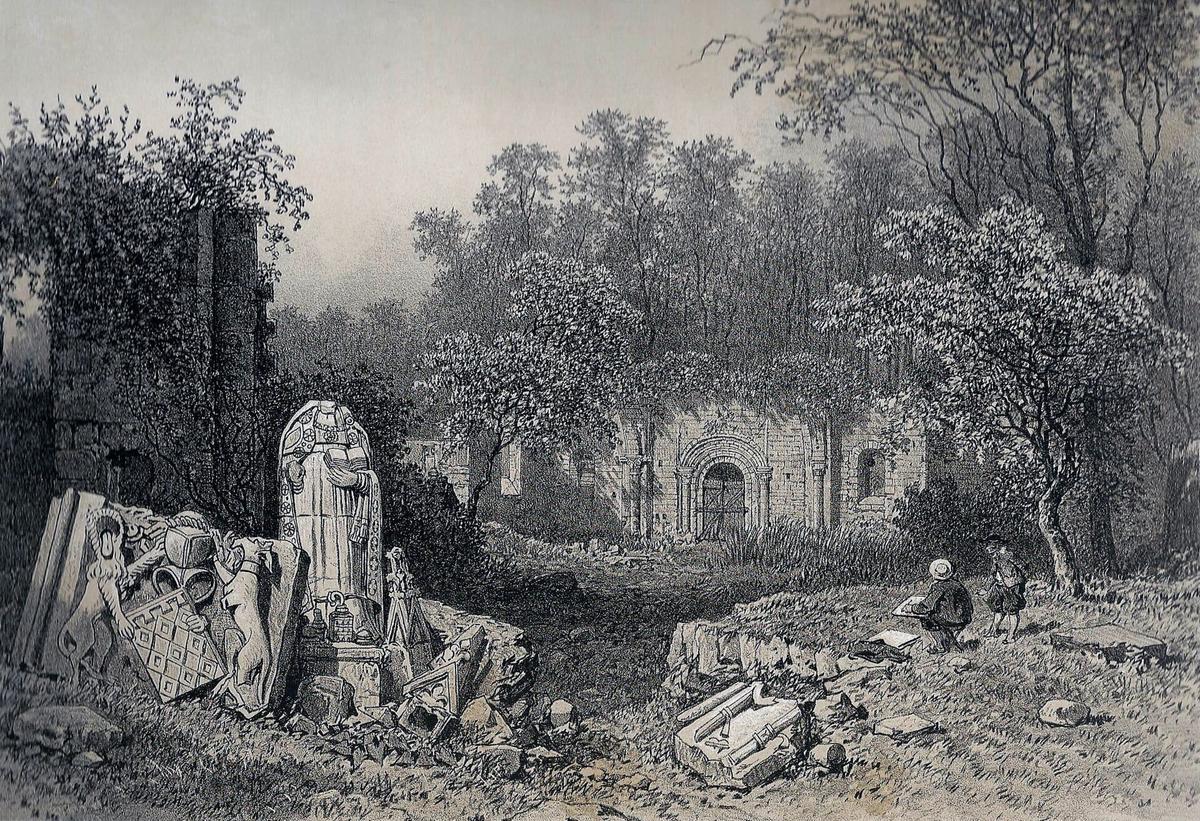
The abbey then carried on until the French Revolution. The community was dispersed and the buildings sold as national property. In the early 19th century, the monastery was used as a stone quarry, which is why only low walls and pillars are left.
What makes the site rare is what lies beneath those ruins. The excavations lasted from 1978 to 2002, an exceptionally long dig for a medieval site in France. They uncovered the layered foundations of several successive monasteries. The departmental museum states that these are the only known remains in Europe of a complete 9th-century monastery.
Landévennec Abbey ticket prices
2026 prices published by the museum, covering the ruins, the museum, the temporary exhibition and the garden:
- Adult (18 and over): €9.
- Ages 7 to 17 and students: €4.
- Reduced rate: €7, with proof (Loisirs en Finistère card, Cézam card, Océanopolis ticket, Crozon peninsula museum pass, Séruzier museum).
- Under 7: free.
Free entry. Entry is free, with proof, for disabled visitors and their carer, people on minimum social benefits, journalists, residents of Landévennec, and holders of the Finistère Passeport culturel and the Bretagne Musée card, among others.
A tip for the departmental sites. The museum is one of the estates and museums run by the Finistère department, along with the Trévarez estate. With a full-price ticket bought at Landévennec, you pay the reduced rate at another site in the network. The current offer runs until January 2027, so keep your ticket.
Annual passes. If you live in the area or plan to come back, the Pass Solo costs €40 and the Pass Famille €90. They give free access all year, except for events.
Do you need to book?
No, not for a self-guided visit: tickets are sold at the front desk. There is also an online ticket office on the Chemins du patrimoine en Finistère website.
Booking is required for events (concerts, talks, themed tours), which have their own prices. Groups must book at least three days in advance with the museum's visitor services.
2026 opening hours: when is the museum open?
Opening hours published by the museum for the 2026 season:
- 12 April to 5 July and 21 September to 1 November 2026: every day except Monday, 10:30 – 13:00 and 14:00 – 18:00.
- 6 July 2026 to 20 September 2026: Monday to Friday 10:30 – 19:00 without a break; Saturday and Sunday 10:30 – 13:00 and 14:00 – 19:00.
The museum is closed on 1 May. The ticket office closes 30 minutes before the site closes.
Is the abbey open in winter? No. The season ended on 1 November 2026 and the museum does not publish winter hours. The 2027 season dates have not been announced yet: check the official website before coming in spring.
Our tip: outside summer, the museum closes between 1 pm and 2 pm. Arrive around 10.30 am to see the ruins and the museum in one go, or come in the early afternoon. In July and August, come on a weekday, when it stays open without a break.
How long does it take to visit?
Allow about 90 minutes: just under half an hour for the open-air ruins, the same for the museum, and the rest for the temporary exhibition and the garden. Add time if you walk up to the present-day abbey or along the Aulne.

What to see at Landévennec Abbey
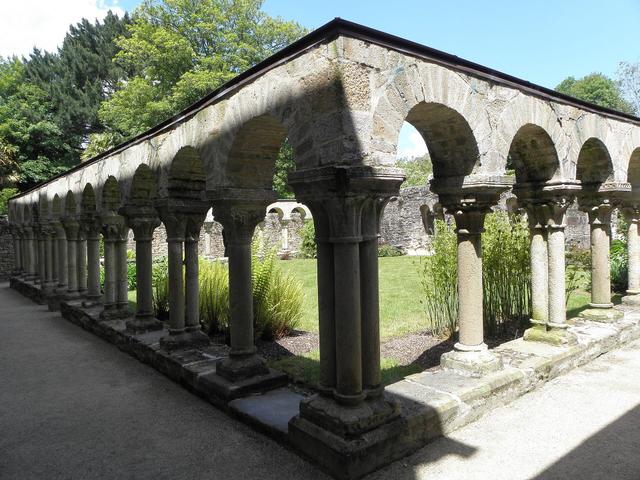
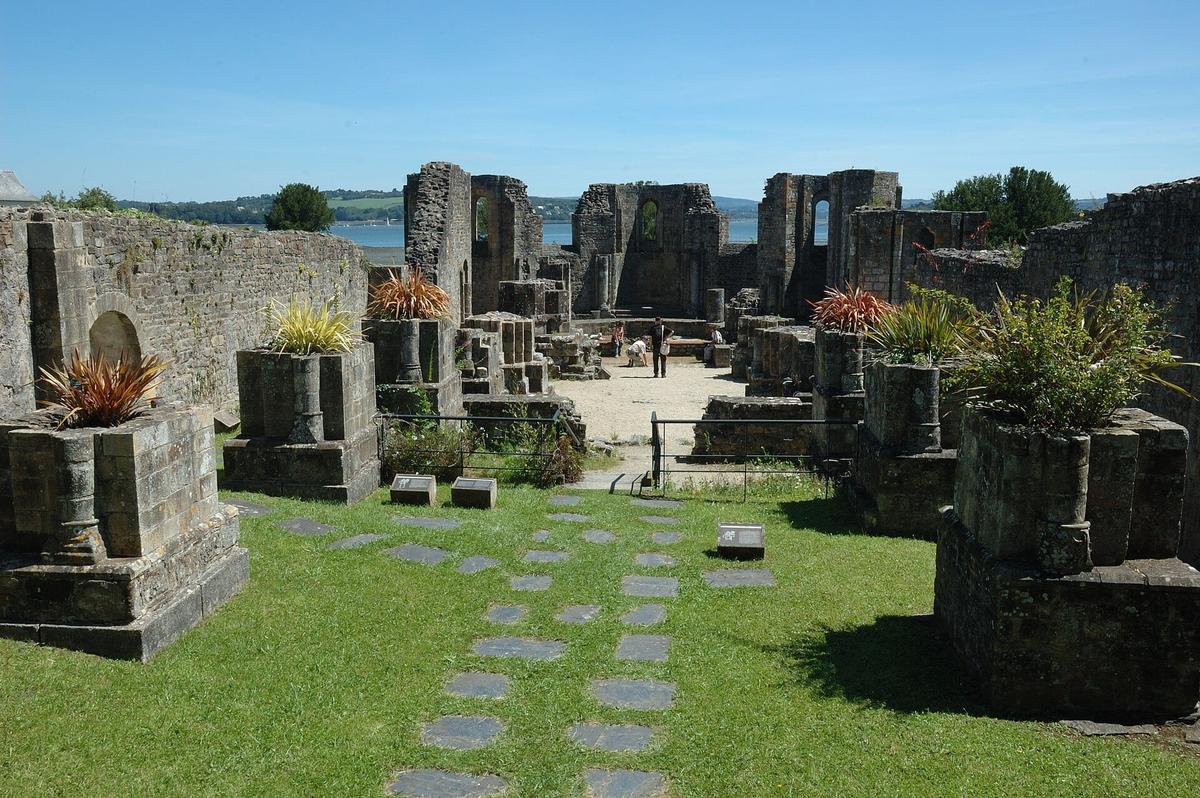
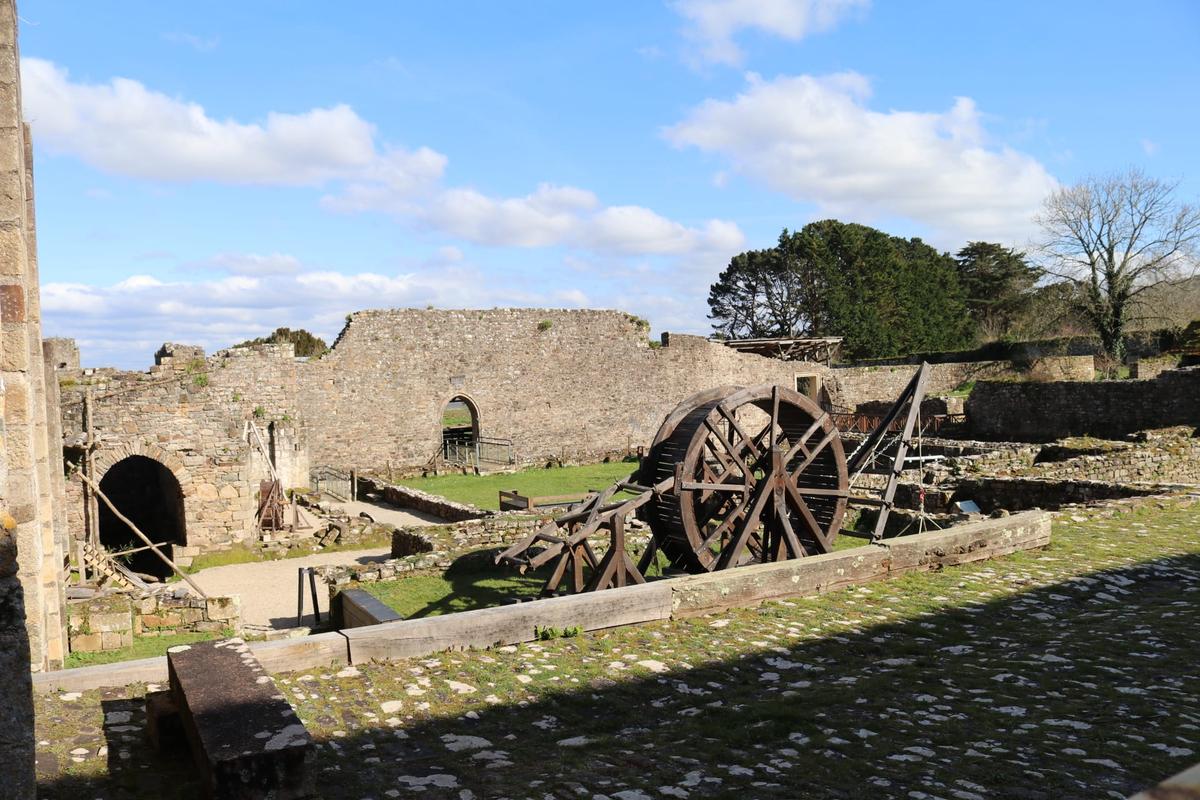
The archaeological site. Outdoors, you walk among the foundations of the successive monasteries. You can make out the base of the church, the monks' buildings and the pillars of the gallery that surrounded the cloister courtyard. Walls from different periods overlap: it is the best way to see how monastic life changed over a thousand years.
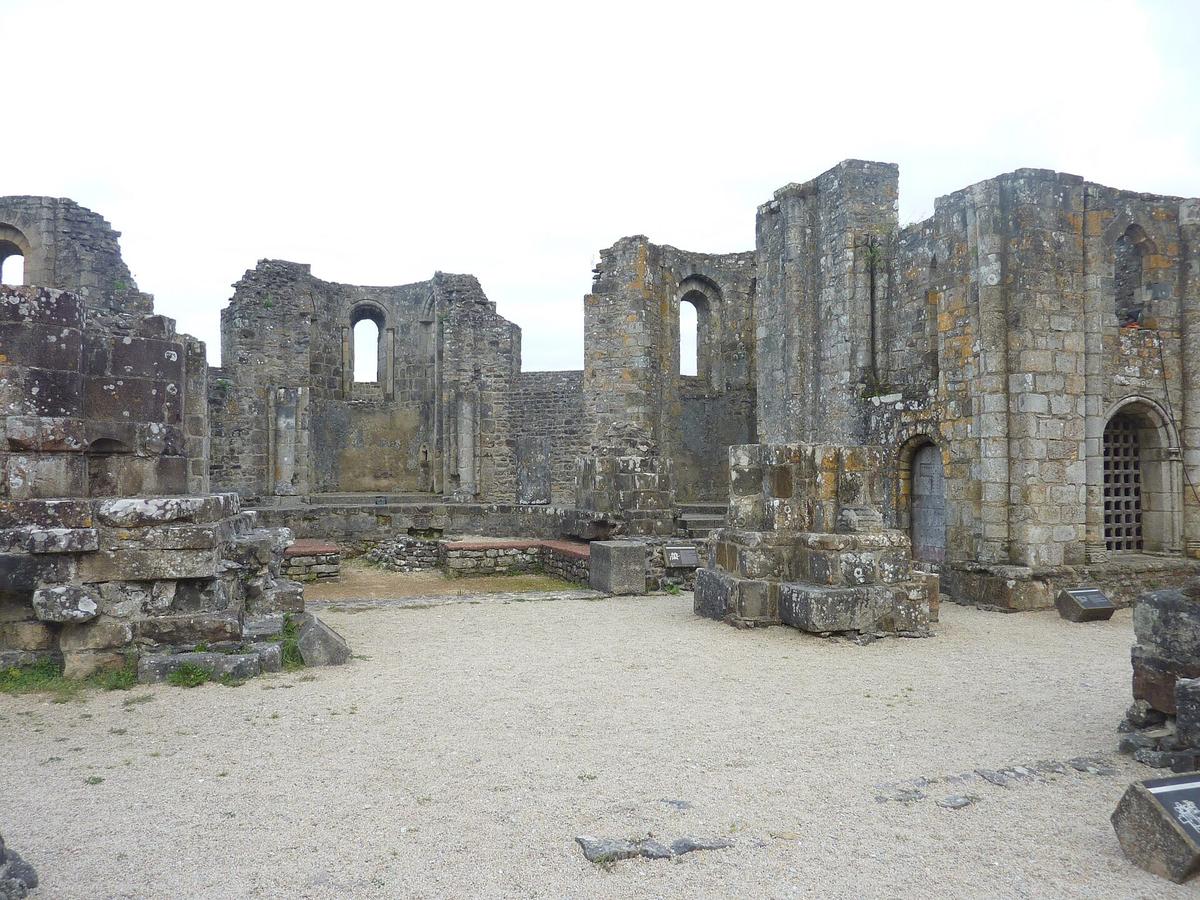

Saint Guénolé's tomb. The burial place of the founder is marked in the ruins. It is the symbolic heart of the site.
The so-called tomb of King Gradlon. At the south-west corner of the transept crossing, an 11th-century mausoleum is traditionally attributed to King Gradlon, the legendary ruler of the drowned city of Ys and protector of Guénolé. Historians think it is more likely the tomb of a local lord. The legend lives on, and it is often what visitors come to see.
The museum. The exhibition covers about 15 centuries of Breton history, from the arrival of the Britons in Armorica to the Revolution. It displays finds from the excavations and tells the story of the monks' daily life and of the copyists who made the abbey famous in the 9th century.
The temporary exhibition. The museum creates a new one every two years based on archaeological research. In 2026, "Towers at the abbey?!" showed how the abbey was turned into a stronghold in the 13th century, with ten towers, moats and a drawbridge.
The early medieval garden. It brings together medicinal and useful plants that the monks grew. Labels explain what they were used for.
Two stories about Landévennec
Bells turned into cannons. In the 16th century, the abbey was handed to commendatory abbots, who collected its income without living there. One of them, Troïlus de Mesgouez, "had the bells melted down to make cannons", according to an old document quoted in the abbey's history.

A gospel book in New York. The most famous manuscript copied at Landévennec, the Landévennec Gospels (or Harkness Gospels), is kept at the New York Public Library. Its owner donated it in 1928. Other manuscripts linked to the abbey are in London, Bern, Troyes and Boulogne-sur-Mer.
The present-day abbey and its monks
The monks have returned. In the 1950s, a Benedictine community from Kerbénéat settled about a hundred metres above the ruins. The new abbey was built between 1950 and 1965, to plans by architect Yves Michel. The community still lives there.
The present-day abbey is not a museum: it is a working monastery, separate from the departmental museum. If you walk up to the abbey church, respect the silence of the place. The museum shop sells the monks' products: fruit jellies, apple juice and salted butter caramel.
Visiting with kids
Families like the site because you move around outdoors and the ruins are at child height. The museum has a play area and runs workshops for adults and children; the programme is published on the official website. Children under 7 get in free.

A few tips:
- Picnic tables are available: the simplest way to have lunch on site.
- The ruins are on grass and gravel. A pushchair struggles; a baby carrier is more practical.
- Tell the legend of the city of Ys and King Gradlon before the visit: the children will look for his tomb.
Accessibility
The museum and the temporary exhibition are accessible to visitors with reduced mobility. The archaeological site is not adapted. The free car park in the village has reserved spaces. An easy-read visit booklet (FALC) can be downloaded from the museum's website. Dogs on a lead are allowed in the garden and the ruins, but not indoors.
How to get to Landévennec Abbey
By car. This is the easiest way. From Brest or Quimper, take the N165 dual carriageway. From Brest, exit at Le Faou; from Quimper, at Châteaulin. Then follow signs for Crozon-Morgat, then Landévennec. From Crozon, take the D791 towards Le Faou. Parking is free in the village.
By public transport. The nearest railway station is a long way off, and the museum gives no convenient bus line. Without a car, the visit is difficult.
On foot or by bike. The village is a pleasant stop for hikers on the Crozon peninsula, with views over the Aulne.
Renting a car. Brest, with its railway station and airport, is the best starting point for exploring the Crozon peninsula and north Finistère.
Partner links: if you book through these links, we earn a commission at no extra cost to you. Partner links · Learn more
What to see nearby on the same day
| Also worth seeing | Distance | Travel time |
|---|---|---|
| Océanopolis Brest | 55 km | 50 min by car |
| Brest Castle and National Maritime Museum | 55 km | 50 min by car |
| Guimiliau Parish Close | 65 km | 55 min by car |
Approximate road distances and travel times.
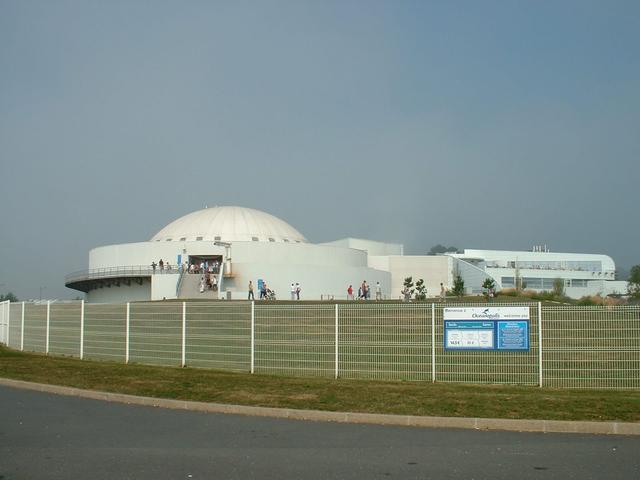
In Brest, Océanopolis and the castle, home to the National Maritime Museum, are a logical follow-on on a rainy day. With your Landévennec ticket, remember the network of departmental sites too. See also: Océanopolis Brest, Brest Castle and National Maritime Museum
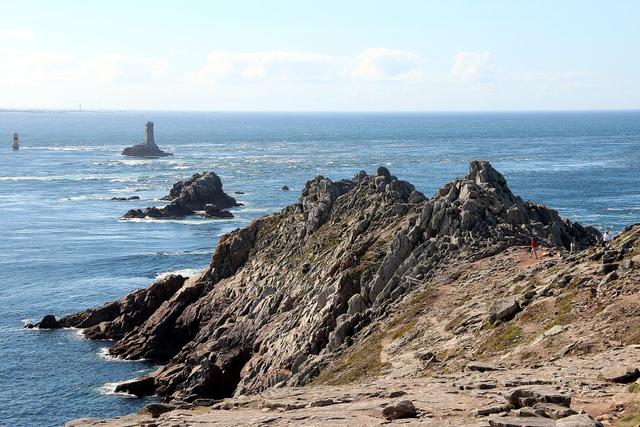
Inland, the parish closes of the Léon show another side of Breton religious art, a thousand years younger. See also: Guimiliau Parish Close To the south, Quimper Cathedral and the Trévarez estate round off a loop through Cornouaille. See also: Quimper Cathedral (Saint-Corentin), Domaine de Trévarez, Pointe du Raz, Beauport Abbey, Brittany
Where to eat and stay
The museum has no restaurant, but it has picnic tables. Landévennec is a small village, so check opening times out of season. Crozon and Morgat, further west on the peninsula, have the most choice for eating out.
For a place to stay, Crozon-Morgat is the ideal base for exploring the peninsula, its headlands and its beaches. Le Faou and Châteaulin are closer to the dual carriageway if you are heading on to Brest or Quimper.
FAQ
How much does it cost to visit Landévennec Abbey?
€9 per adult, €4 for ages 7 to 17 and students, €7 at the reduced rate. It is free for children under 7.
Is Landévennec Abbey open all year?
No. The museum and the ruins open from April to 1 November. Outside summer, they are closed on Mondays and between 1 pm and 2 pm.
Can you visit the new abbey where the monks live?
It is a working monastery, separate from the museum, and the museum does not run tours of it. The museum and the ruins are further down the slope.
Is King Gradlon really buried at Landévennec?
Tradition attributes an 11th-century tomb in the church ruins to him. Historians think it is more likely the tomb of a local lord.
Can I bring a dog?
Yes, on a lead, but only in the garden and the ruins.
Is the site wheelchair accessible?
The museum and the temporary exhibition are. The archaeological site is not adapted.
Practical information
Opening hours 2026
| 12 April 2026 to 5 July 2026 | 10:30 – 18:00 (Closed: Monday) |
|---|---|
| 6 July 2026 to 20 September 2026 | 10:30 – 19:00 |
| 21 September 2026 to 1 November 2026 | 10:30 – 18:00 (Closed: Monday) |
Closed: 1 May
Official ticket-office prices 2026
| Full price | €9 |
|---|---|
| Reduced rate | €7 |
| Student | €4 |
| Child (aged 7–17) | €4 |
| Free | children under 7, disabled visitors and one companion, recipients of French welfare benefits, and journalists |
Address
Musée de l'ancienne abbaye, place Yann Landevenneg, 29560 Landévennec, France
Directions · Phone+33 2 98 27 35 90
On site and nearby
- On site: Toilets and picnics allowed
- Nearest shops and pharmacy: Le Faou, 6 km away Straight-line distance, based on OpenStreetMap.
- Emergencies: 112 (all emergencies, free from any phone), 15 (SAMU, medical emergency)
Around the site, on Google Maps
With children
Family days out nearby: Daoulas Abbey (8 km), Océanopolis Brest (17 km), Château de Kerjean (33 km)
Swimming pools and play areas nearby, on Google Maps
Facts checked on 11 November 2026. Sources: cdp29.fr, cdp29.fr, fr.wikipedia.org, bretagnemusees.bzh
Map
In the same region