Port-Royal des Champs: visiting the museum and the abbey ruins
Port-Royal des Champs Abbey at a glance
- 1 November 2026 to 31 March 2027
- 10:30 – 17:30 (closed on Tuesday)
- Full price
- €6
- Free
- under 18s
- Visitors per year
- about 20,280 (2007)
- Where
- Magny-les-Hameaux
Official ticket-office prices, checked on 11 November 2026. Full opening hours, reduced prices and access

In a small valley of the Chevreuse Valley, twenty minutes from Versailles, Port-Royal des Champs tells the story of an abbey that Louis XIV had razed to the ground. Ruins remain at the bottom of the valley and, up on the plateau, the Granges where Pascal stayed and Racine went to school. The national museum reopened in September 2025 after twenty months of work. Here are the prices, opening hours, how to get there and our tips for planning your visit.
Port-Royal des Champs at a glance
- Where: in Magny-les-Hameaux (Yvelines), in the Haute Vallée de Chevreuse regional nature park, between Versailles and Saint-Rémy-lès-Chevreuse.
- Two sites: the Granges, on the plateau, with the museum and its park; the abbey ruins, down in the valley, about 1 km away.
- Price: €6 for the museum, €4.50 reduced rate, free for under-18s and for 18 to 25-year-olds from the European Union. Both parks are free.
- Open: every day except Tuesday for the Granges. The ruins open only at weekends and on public holidays.
- Closed: 1 January, 1 May and 25 December.
- Best for: lovers of history, 17th-century literature and country walks, and families thanks to the free app.
Why visit Port-Royal des Champs
Port-Royal is not a castle, nor an abbey still standing. It is a place of memory. In the 17th century, a community of Cistercian nuns lived here and became the centre of Jansenism, a strict Catholic movement that Louis XIV saw as a threat to his authority. The king ended up expelling the nuns and then razing the abbey.

Around the convent gathered men known as the "Solitaires": scholars and men of the world who withdrew here to pray, work the land and teach. They founded the Petites Écoles (Little Schools), where the young Jean Racine was a pupil. Blaise Pascal made two retreats at the Granges in 1656, the year he was writing the Provincial Letters.
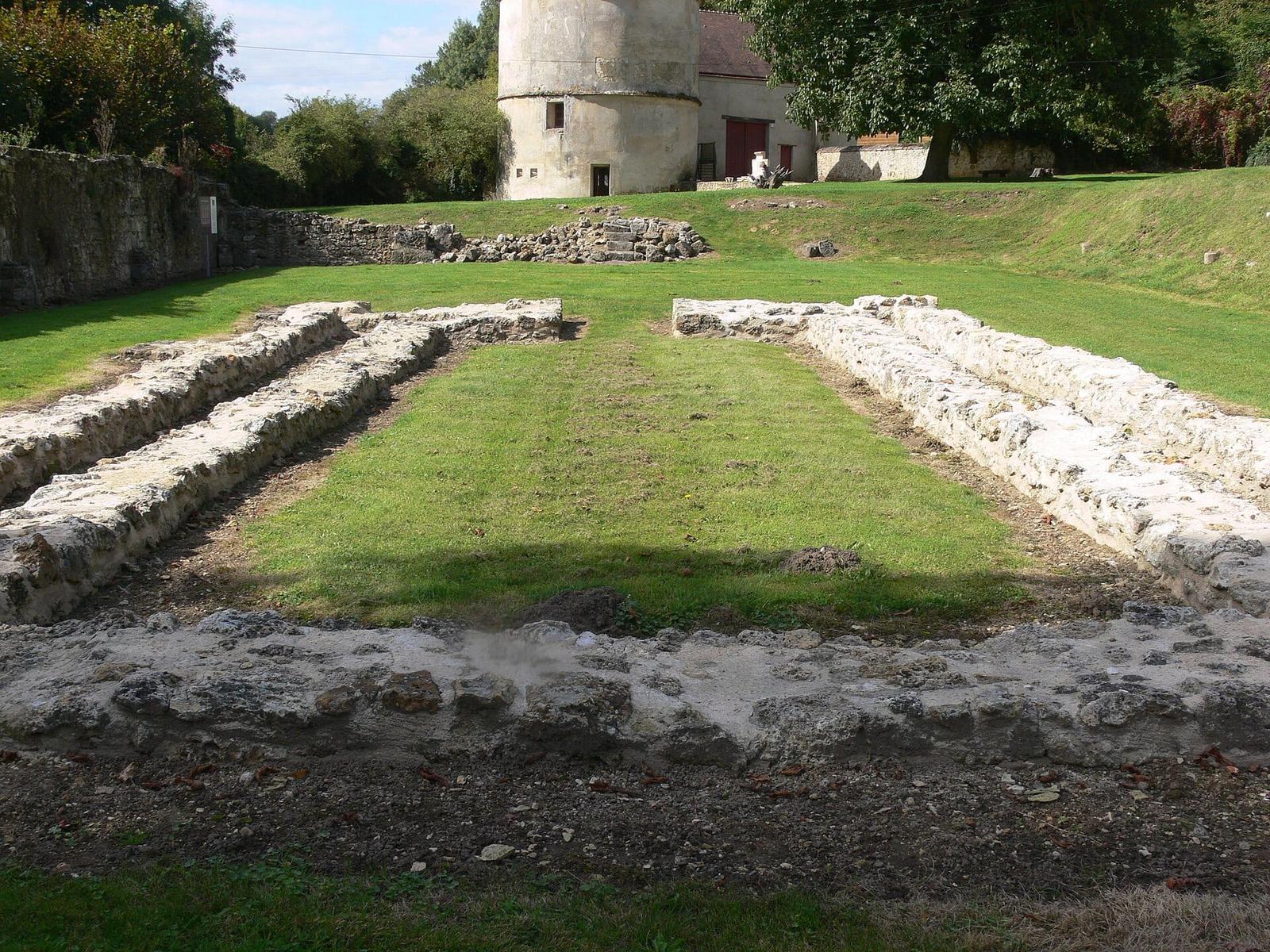
Today, people come for three things: the national museum in the old Petites Écoles building, the Granges park with its orchard, and the ruins in the valley, where you can still read the outline of the church on the ground.
Port-Royal des Champs history in a few dates
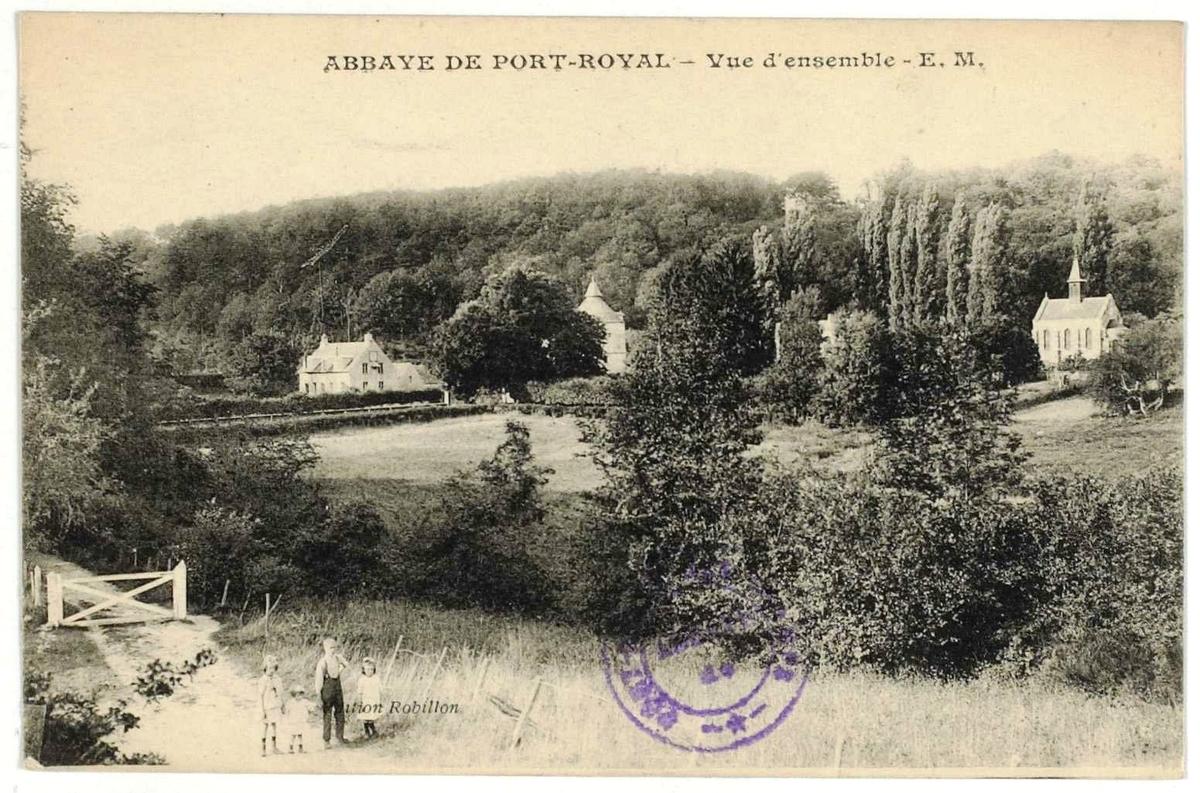
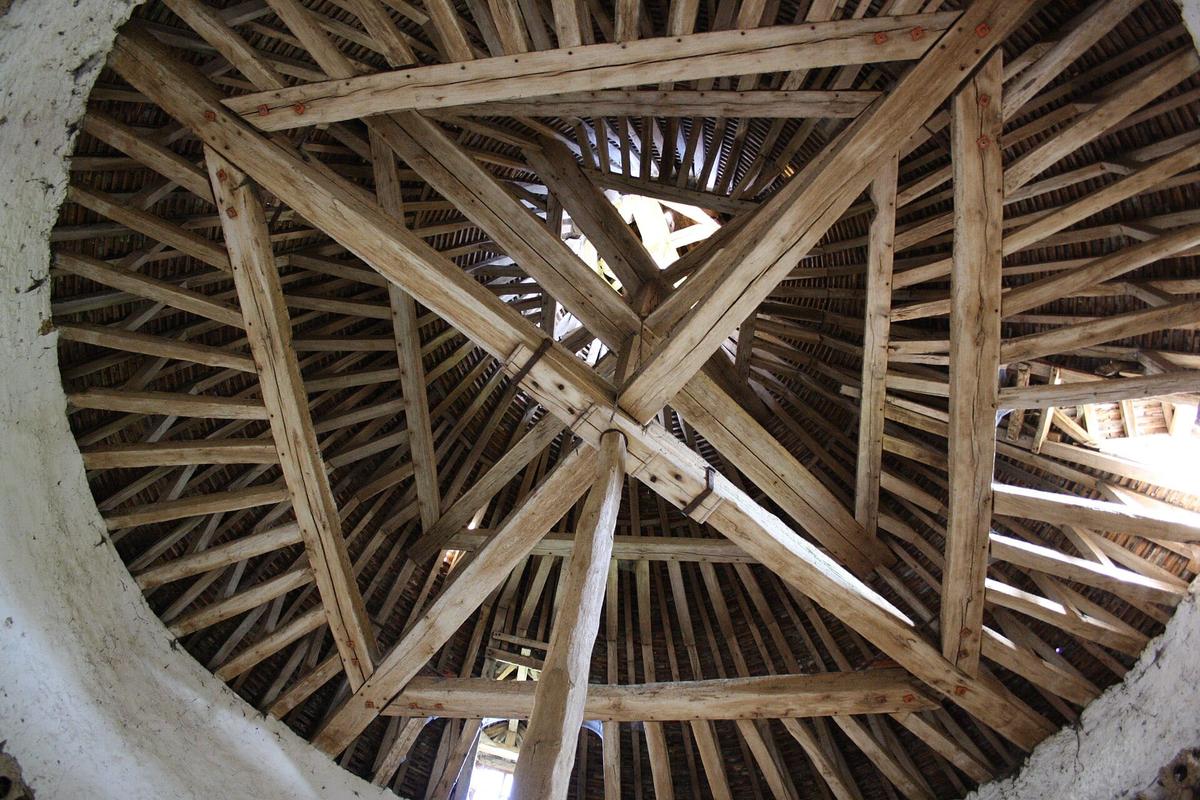
1204: the foundation. Mathilde de Garlande founds the abbey with money from her husband, Mathieu de Marly, who had left for the Fourth Crusade. The church, 55 metres long, follows the Cistercian Latin cross plan. Wikipedia links it to Robert de Luzarches, the architect of Amiens Cathedral. The dovecote, still visible near the ruins, dates from the 13th century.

1609: the Day of the Wicket. Angélique Arnauld has been abbess since childhood. In 1609, aged 18, she decides to restore strict enclosure. When her father and family arrive, she refuses to let them in and speaks to them only through the small grille in the door. This episode, known as the "Journée du Guichet" (Day of the Wicket), launches the reform of the convent.
1624: the move to Paris. The valley is marshy and malaria strikes the nuns. Part of the community moves to Paris, to what becomes Port-Royal de Paris (now in the 14th arrondissement).
1639: the Solitaires. The first Solitaires, including the lawyer Antoine Le Maistre, settle near the abbey, then at the Granges in 1648. The large Petites Écoles building, now home to the museum, dates from 1652.
1656: the miracle of the Holy Thorn. Marguerite Périer, Pascal's niece, is declared cured of an eye fistula after touching a relic of the Crown of Thorns. The affair causes a stir and, for a while, strengthens Port-Royal's position.
1709-1711: the end. The nuns who refuse to sign the Formulary condemning Jansenism are expelled in 1709 by the police lieutenant d'Argenson. In 1710, the Council of State orders the buildings to be destroyed. In 1711, the graves are opened: nearly 3000 bodies are taken to the cemetery of Saint-Lambert-des-Bois, in what is still called the "carré de Port-Royal". The remains of Racine, buried here at his own request in 1699, are moved to the church of Saint-Étienne-du-Mont in Paris.
20th century: the museum. The French state buys the Granges in 1952, at the urging of François Mauriac and Henry de Montherlant. The museum opens in 1962. In 2004, the Société de Port-Royal gives the ruins to the state, finally reuniting the two parts of the estate.
How much does it cost to visit Port-Royal des Champs?
Prices published by the national museum:
- Full price (museum and Granges park): €6.
- Reduced rate: €4.50, in particular for 18 to 25-year-olds who live outside the European Union.
- Free: under-18s, 18 to 25-year-olds living in the European Union, jobseekers, disabled visitors, teachers and journalists, among others. The full list is in a PDF on the museum's website.
- Granges park only: free.
- Abbey ruins park: free for everyone.
In other words, you can walk around both parks without paying anything. Only the museum charges for entry.
If you live outside the EU: free entry for 18 to 25-year-olds only applies to EU residents. From the UK, the US or elsewhere, visitors of that age pay the reduced rate.
Guided talks. From April to October, guides from the Réunion des musées nationaux lead tours on some Sundays, following a yearly programme. They cost €4 on top of the entry ticket (€2.80 reduced rate, free for visitors entitled to free entry).
Do you need to book?
Not for a self-guided visit: you buy your ticket on site. For the Sunday guided talks, booking is optional but recommended, on +33 1 39 30 72 72. The programme is published on the museum's website.
The museum also says that private guides can arrange a visit to the ruins on weekdays, when the abbey site is normally closed. Their contact details are on the "Informations pratiques" page of the official website. You pay them directly, on top of the entry fee.
2026 opening hours: the Granges and the ruins
The two sites are not open on the same days. This is the main trap at Port-Royal.
The museum (Granges site). Open every day except Tuesday, 10:30 – 13:00 and 14:00 – 17:30. So it closes over lunch.
The Granges park.
- Monday, Wednesday, Thursday and Friday: 10:00 – 13:00 and 14:00 – 18:00.
- Saturday and Sunday: 10:30 – 18:30 from 1 April to 31 October, 10:30 – 18:00 from 1 November to 31 March.
The abbey ruins. Open only on Saturdays, Sundays and public holidays: 10:30 – 18:00 from 1 April to 31 October, 10:30 – 17:30 from 1 November to 31 March.
Closures. The whole estate is closed on 1 January, 1 May and 25 December. If the Yvelines prefecture issues a red heatwave alert, the museum and parks close at 16:00.
Our tip: if you want to see everything in one go, come on a Saturday or Sunday. On weekdays you will only get the museum and the Granges park. Arrive at morning opening for the museum, have a picnic or lunch in a nearby village during the midday break, then walk down to the ruins in the afternoon.
How long does it take to visit?
The museum itself takes about an hour if you read the main panels. Add the Granges park and its orchard, then the walk down to the ruins along the Chemin Jean Racine, and the full visit easily takes half a day. If you walk between the two sites, wear good shoes: the path is unpaved and sloping.

What to see at the Port-Royal des Champs national museum
The renovated galleries. The museum closed for 20 months and reopened on 19 September 2025, for European Heritage Days. The work enlarged the visitor route, updated the displays and allowed works of art to be restored. The visit is self-guided; there is no audio guide, but a free smartphone app offers several trails.
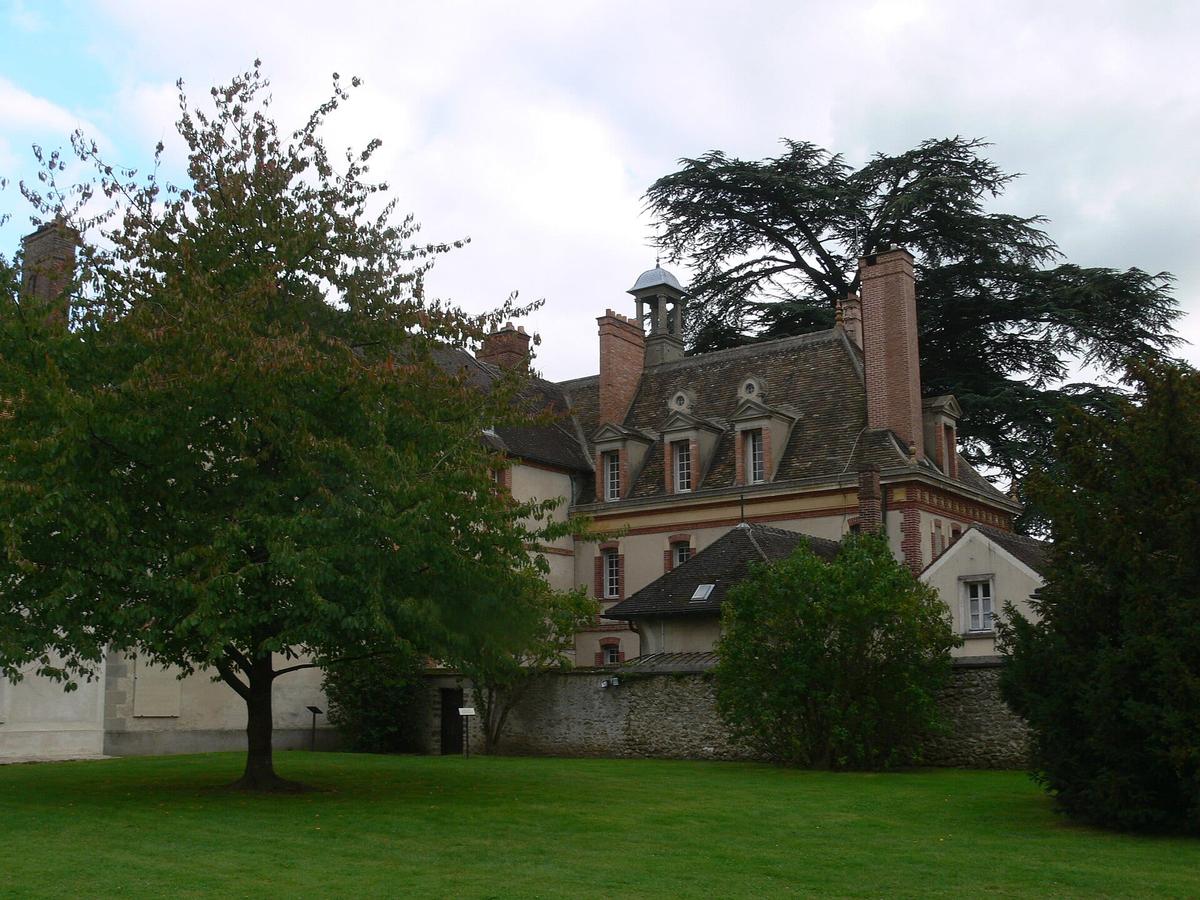

The collections. The museum shows 17th and 18th-century paintings and engravings, including a series depicting religious life at the abbey, and paintings by Philippe de Champaigne, the artist most closely linked to Port-Royal: his daughter was a nun here. Portraits of the key figures, Mother Angélique, Antoine Arnauld, Pascal and Racine, help put faces to the names.
The Petites Écoles building. The museum occupies the large Louis XIII-style building put up in 1652 for the Petites Écoles. This is where the Solitaires taught their pupils, Racine among them.
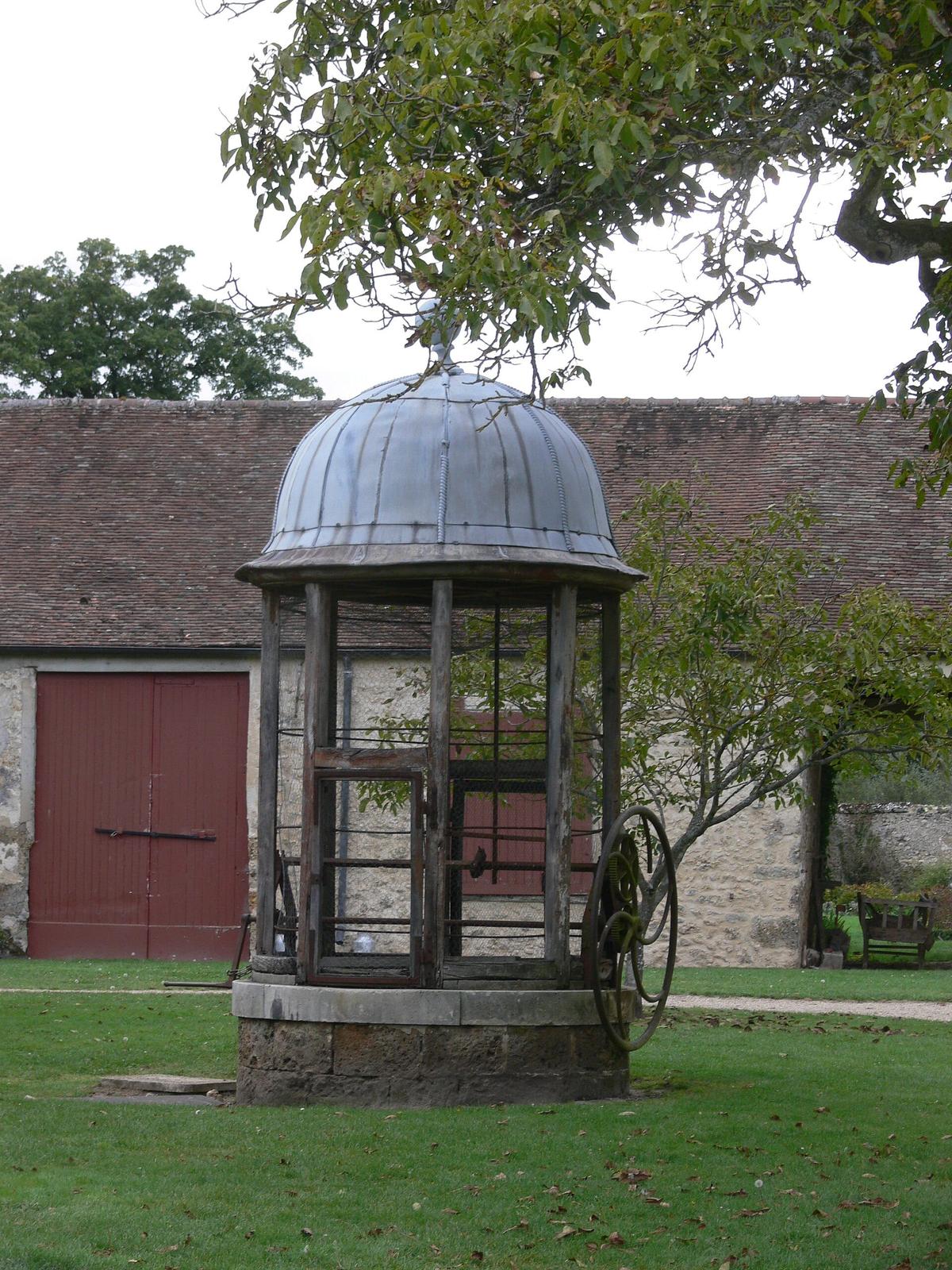
The farm and Pascal's well. The Granges farm, bought by the state in the 1980s, has a well that tradition links to Pascal. It is one of the stops in the park.
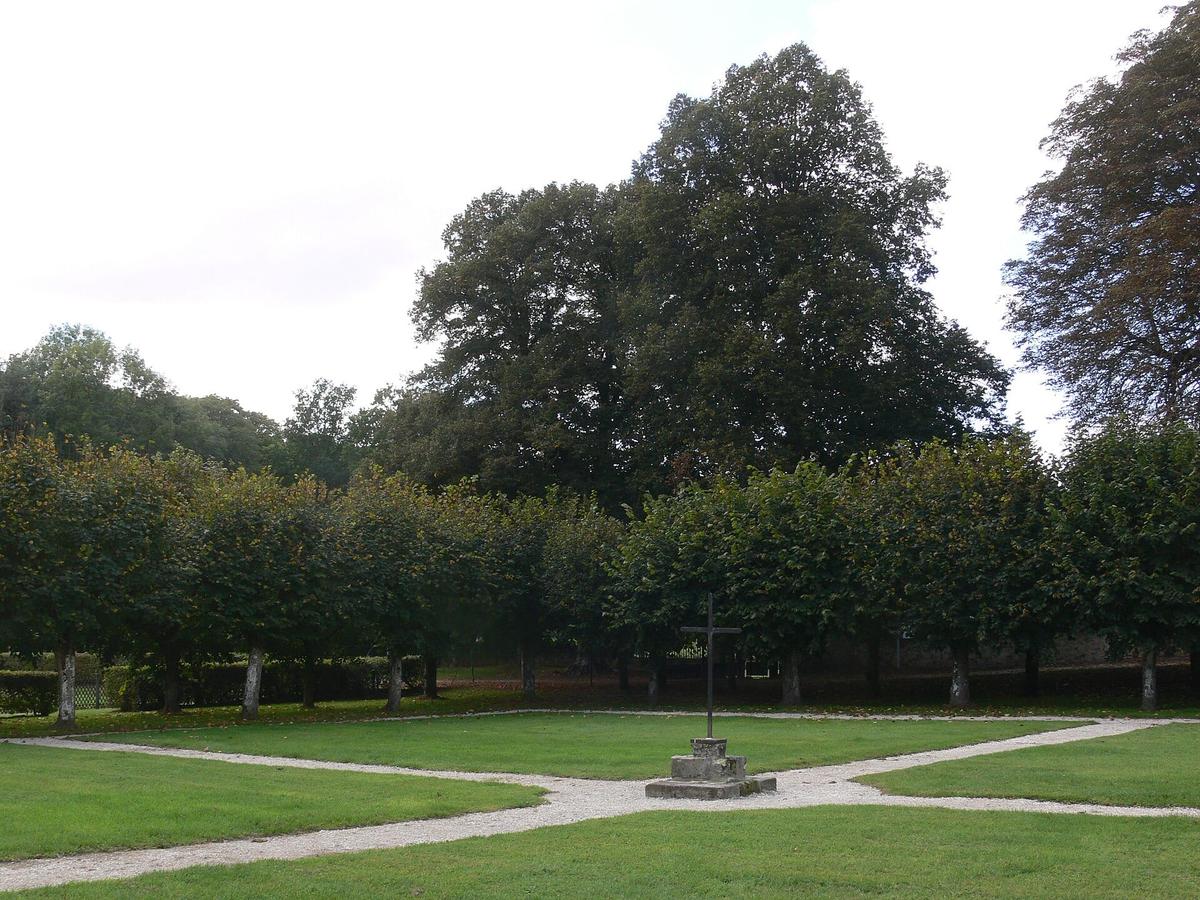
The Solitaires' orchard. In front of the main house, the orchard has been replanted with old varieties of fruit trees, especially pear trees.
What to see at the abbey ruins
Down in the valley, almost nothing still stands. You walk over the site of the church, whose pillar bases trace its plan on the ground. You can also see the 13th-century dovecote, remains of walls and the oratory built where the altar stood. This small building from 1891 replaced a first oratory from 1829; it has been closed to visitors since the 1990s.
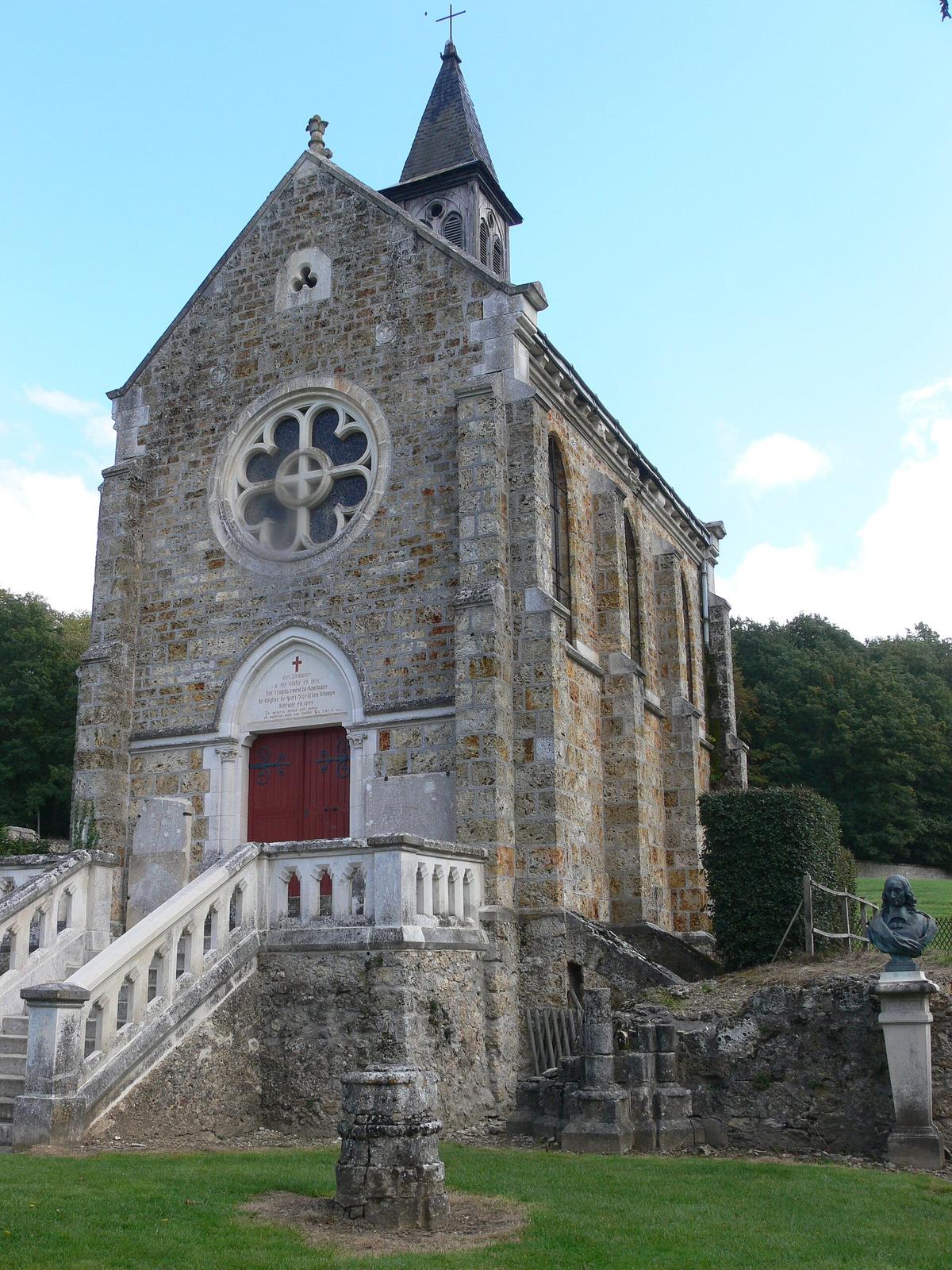

The site is lovely in every season, with its meadows and tall trees. After the destruction, the ruins became a place of pilgrimage. Wikipedia mentions 15,000 to 20,000 visitors a year between the 1920s and 1945. The museum counted about 20,280 in 2007, the latest published figure we found.
A story. Madame de Sévigné, who came to visit, described Port-Royal as a "frightful desert". The phrase says a lot about how isolated the valley was at the time.
Another one. During the French Revolution, the site was renamed "Port-de-la-Montagne". As for the name Port-Royal, it may come from "Porrois", an old word linked to wild leeks, or from the Latin Portus regius found in medieval texts.
Port-Royal des Champs with kids
Children can enjoy the visit if you prepare it. The museum's free app includes a trail designed for them, as well as family trails in the Granges park and at the abbey site. The wide green spaces give them room to run between galleries.

The easiest plan with children: a sunny Sunday, the museum in the morning, a picnic, then the walk down to the ruins. Under-18s get in free. The path between the two sites is not suitable for lightweight pushchairs; bring a baby carrier.
Wheelchair access
The museum states that the site is only partly accessible to visitors with reduced mobility. Since the renovation, a lift and a goods lift allow you to follow the whole museum route. The outdoor areas, however, have not yet been adapted: the paths in the Granges park and at the ruins are gravel or earth.
Adapted tours are offered at the ruins for deaf and hard-of-hearing visitors and for visually impaired visitors (tactile tour), according to the Paris Region tourist board. Ask the museum for dates.
How to get to Port-Royal des Champs
By car. This is the most convenient option. From Paris, take the A13 towards Chartres-Rambouillet, exit Saint-Quentin-en-Yvelines, then follow signs for Voisins-le-Bretonneux. From Versailles, take the D91. There is a car park at the Granges. The ruins have their own car park, on the D91, about 1 km from the Granges.
By public transport. Take RER C to Saint-Quentin-en-Yvelines or RER B to Saint-Rémy-lès-Chevreuse, then bus 5145 to the Buloyer stop. Check the bus times before you set off, especially at weekends: buses are infrequent.
On foot. Several hiking trails cross the estate. The Chemin Jean Racine links the Granges park with the ruins, and the Chevreuse Valley is ideal for a day's walk around Port-Royal.
Renting a car. If you are staying in Paris, a car lets you combine Port-Royal with Breteuil, Rambouillet or Versailles on the same day.
Partner links: if you book through these links, we earn a commission at no extra cost to you. Partner links · Learn more
What to visit near Port-Royal des Champs on the same day
| Also worth seeing | Distance | Travel time |
|---|---|---|
| Château de Breteuil | 10 km | 15 min by car |
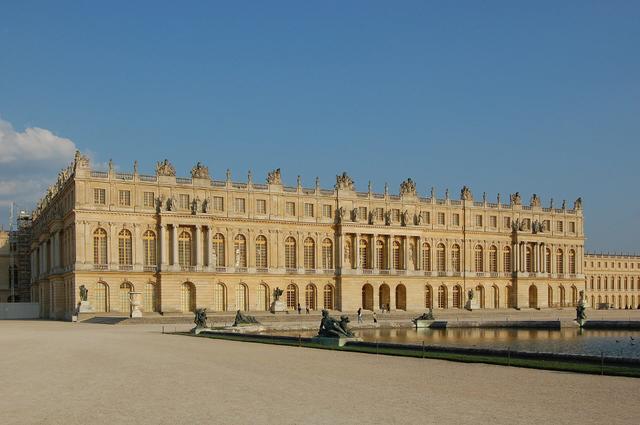
| Palace of Versailles | 14 km | 25 min by car |
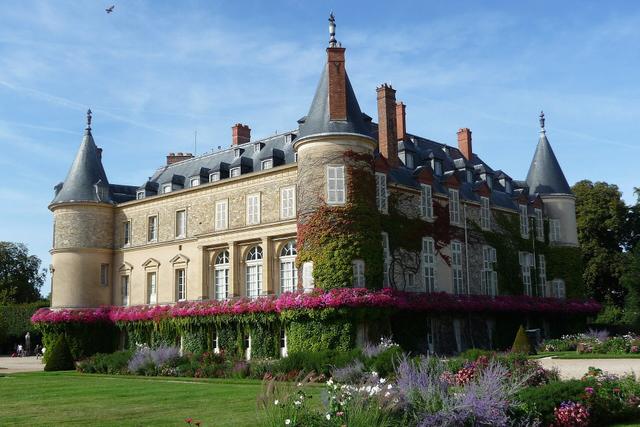
| Château de Rambouillet | 24 km | 30 min by car |
Approximate road distances and travel times.
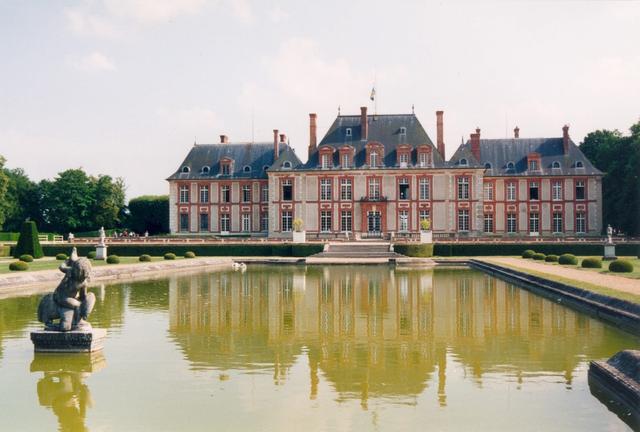
The Château de Breteuil, a few kilometres away, is popular with families for its gardens and its characters from Perrault's fairy tales. See also: Château de Breteuil Versailles is about twenty minutes away: you can spend the morning there and end the day at Port-Royal for a quieter afternoon. See also: Palace of Versailles Further south-west, Rambouillet has a château, the Queen's Dairy and a forest. See also: Château de Rambouillet With children, France Miniature is also very close. See also: France Miniature
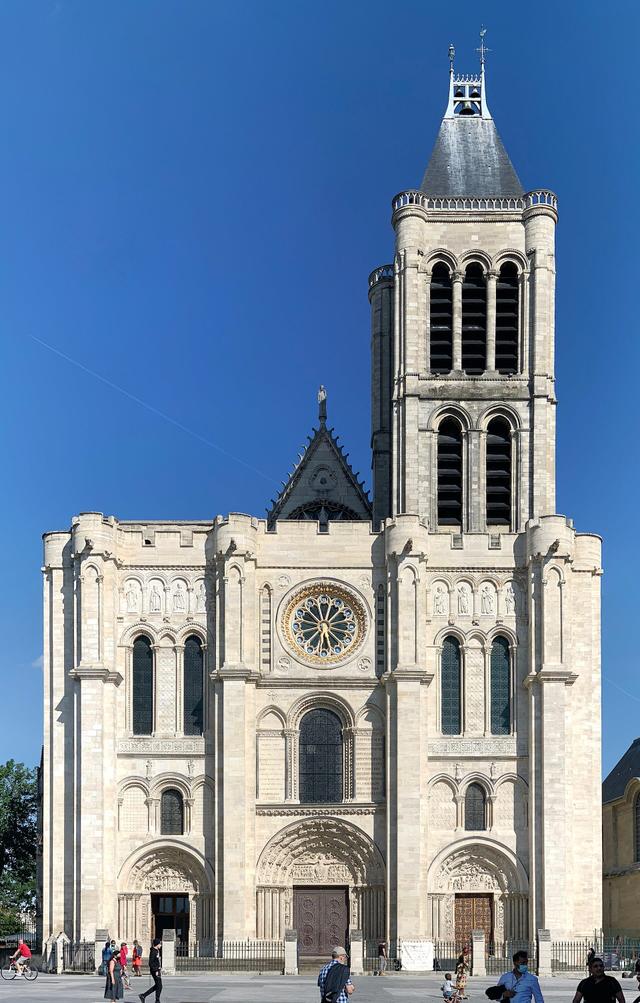
If you are interested in abbeys, Royaumont Abbey, in the Val-d'Oise, is another great Cistercian abbey in the Île-de-France region, and in better condition. See also: Royaumont Abbey The Basilica of Saint-Denis completes the picture of the region's religious and royal history. See also: Basilica of Saint-Denis, Île-de-France
For guided tours and day trips in the area, especially from Versailles:
Where to eat and stay
The museum does not mention a restaurant on site. The easiest option is a picnic, or lunch in one of the nearby villages of the Chevreuse Valley, such as Saint-Rémy-lès-Chevreuse or Chevreuse.
To stay, Versailles is the most convenient base: plenty of hotels and a quick drive along the D91. You can also look for a B&B in the Haute Vallée de Chevreuse nature park.
Places to stay near Versailles
FAQ
How much does it cost to visit Port-Royal des Champs?
The museum costs €6 full price and €4.50 reduced rate. It is free for under-18s and for 18 to 25-year-olds from the European Union. The Granges park and the ruins park are free.
Are the abbey ruins open on weekdays?
No. The ruins open on Saturdays, Sundays and public holidays. On weekdays, only a private guide can arrange a visit.
What day is the museum closed?
Tuesday, as well as 1 January, 1 May and 25 December.
How do I get to Port-Royal des Champs without a car?
RER C to Saint-Quentin-en-Yvelines or RER B to Saint-Rémy-lès-Chevreuse, then bus 5145 to the Buloyer stop.
Why was the abbey destroyed?
Port-Royal was the centre of Jansenism, which Louis XIV was fighting. After the nuns were expelled in 1709, the Council of State ordered the destruction in 1710.
Is the museum wheelchair accessible?
The museum route is, thanks to a lift. The parks, with gravel and earth paths, have not yet been adapted.
Practical information
Opening hours 2026
| 1 April 2026 to 31 October 2026 | 10:30 – 17:30 (Closed: Tuesday) |
|---|---|
| 1 November 2026 to 31 March 2027 | 10:30 – 17:30 (Closed: Tuesday) |
Closed: 1 January, 1 May, and 25 December
Official ticket-office prices 2026
| Full price | €6 |
|---|---|
| Reduced rate | €4.50 |
| Free | under 18s, EU/EEA residents aged 18 to 25, jobseekers, disabled visitors, and journalists |
Address
Route des Granges, 78114 Magny-les-Hameaux, France
Directions · Phone+33 1 39 30 72 72
On site and nearby
- Nearest shops and pharmacy: Voisins-le-Bretonneux, 3 km away Straight-line distance, based on OpenStreetMap.
- Emergencies: 112 (all emergencies, free from any phone), 15 (SAMU, medical emergency)
Around the site, on Google Maps
With children
Family days out nearby: France Miniature (4 km), Château de Breteuil (8 km), Palace of Versailles (10 km)
Swimming pools and play areas nearby, on Google Maps
Facts checked on 11 November 2026. Sources: port-royal-des-champs.fr, port-royal-des-champs.fr, en.wikipedia.org, fr.wikipedia.org, magny-les-hameaux.fr, visitparisregion.com
Map
In the same region
- Great War Museum, Meauxfrom €12Free under 8
- Parrot Worldfrom €19Free under 3
- Villa Savoyefrom €9Free under 18